The 13 Best Ubisoft Games
Ubisoft's best games make a light meter or a ship's broadside feel more important than the size of the map.
Ubisoft's history is much broader than the enormous open worlds now attached to its name. Rayman and Prince of Persia helped make the company a major name in platforming, while Splinter Cell established its reputation for stealth.
Assassin's Creed later made large open worlds central to Ubisoft's identity. Even so, its catalogue still includes tightly directed adventures alongside multiplayer games that have been supported for years. This list considers games developed or published by Ubisoft, since both have shaped the company's history.
13. Valiant Hearts: The Great War
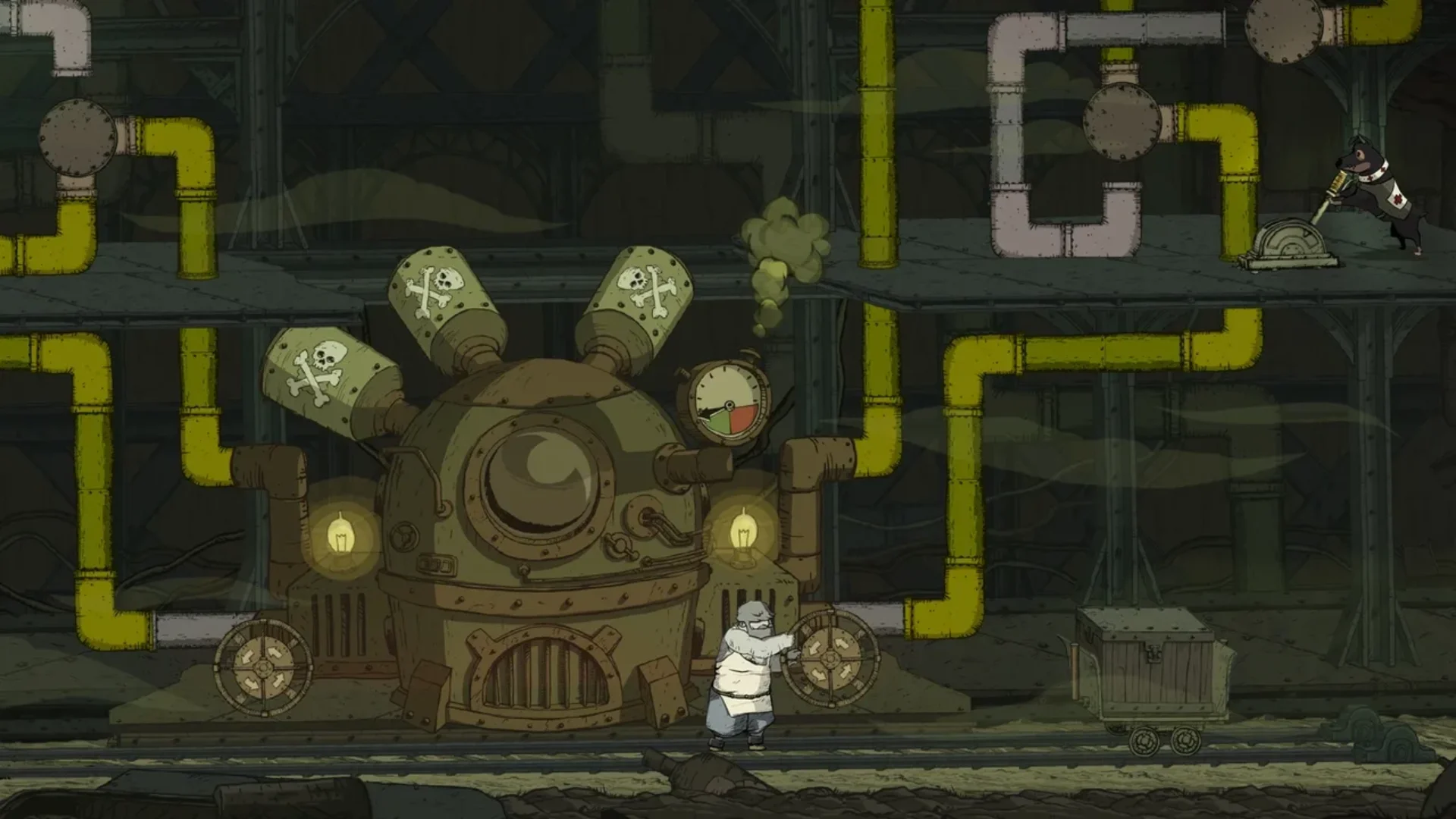
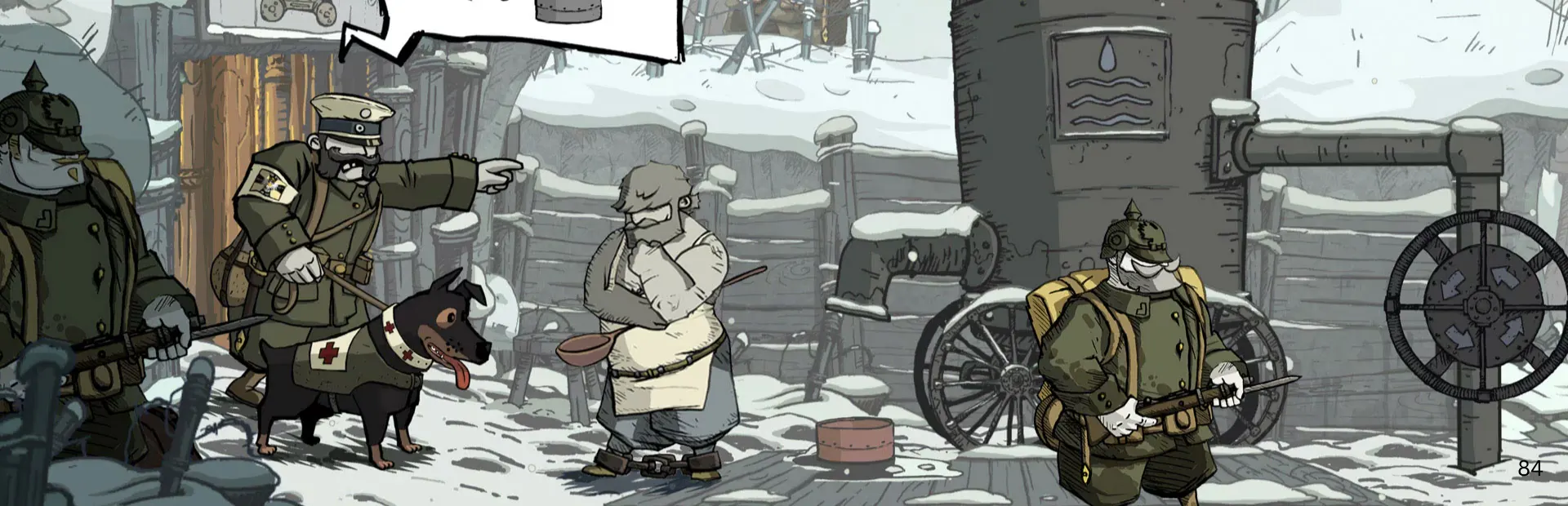
Valiant Hearts is a side-scrolling puzzle adventure about people caught in World War I. It follows French farmer Emile after he is drafted, while his German son-in-law Karl is forced to fight on the other side. Most problems are solved with ordinary objects instead of weapons. Emile digs through collapsed trenches, and the medic dog Walt can squeeze beneath barbed wire when a human cannot.
The puzzles are often simple enough that the answer is visible as soon as you enter a screen. That simplicity works better when Valiant Hearts is concerned with keeping someone alive under shellfire than when it asks for another item exchange. Freddie's revenge story also feels broad beside the quieter chapters about a family separated by the war.
12. Tom Clancy's The Division 2
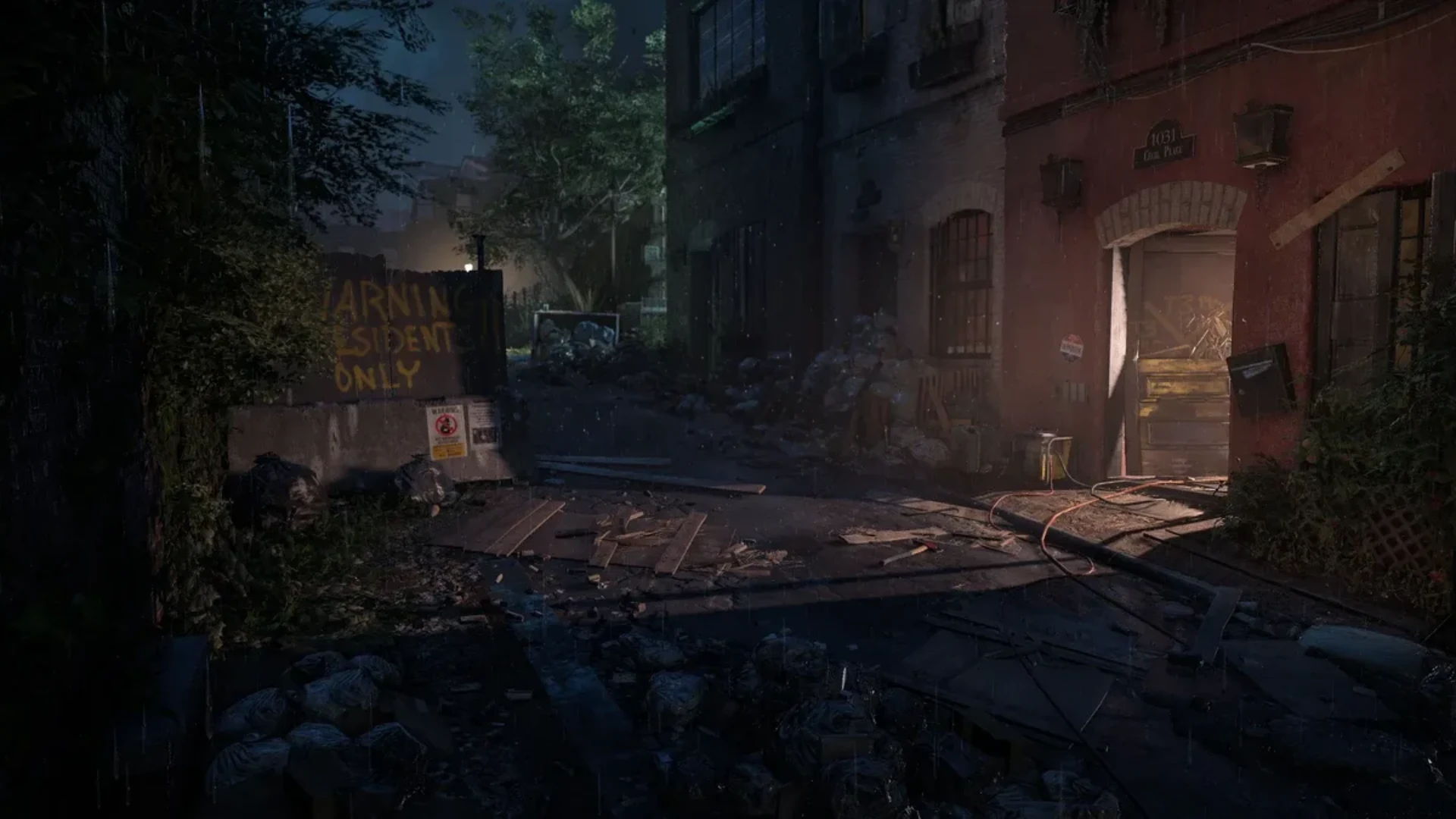
The Division 2 is an online cover shooter set in Washington, D.C. after a viral outbreak has broken the city apart. Missions send agents into occupied museums and government buildings, where every fight also feeds a steady hunt for better gear.
Its best enemies make staying behind one chest-high wall a bad plan. A rusher can push from the front while another hostile works around the room. Heavily armored units have visible plates that crack under sustained fire, so landing shots in the right place matters more than slowly draining a health bar. The guns feel good enough to carry a long campaign even if the political thriller around them never develops much personality.
Years of seasonal gear and recalibration systems have made the endgame complicated. It is also very much alive. Ubisoft was still adding Classified Assignments and revising PvP in the Into the Dark season in June 2026.
11. Watch Dogs 2
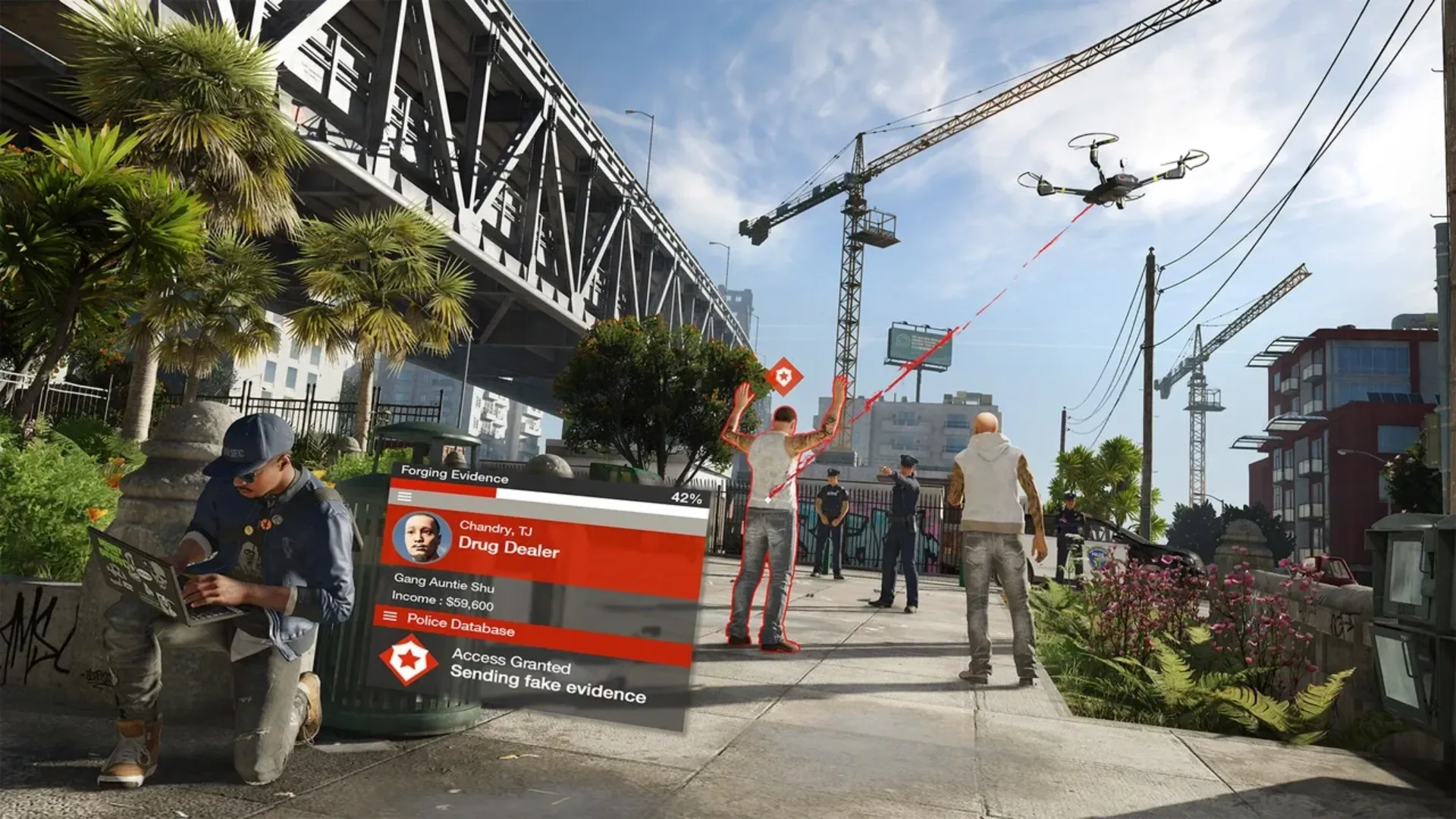
Watch Dogs 2 gives hacker Marcus Holloway an open version of the San Francisco Bay Area and a surveillance network to turn against itself. Marcus joins DedSec to expose companies using ctOS to collect data and manipulate the public. The story can strain for relevance, but Marcus and his friends sound like people who enjoy spending time together rather than mission dispensers waiting in a hideout.
The hacking is strongest when Marcus never enters the restricted building. A security camera can reveal the room that holds a network key, while the RC Jumper slips through a vent to make the physical connection. Forklifts and parked cars become moving cover once remote control is unlocked. Firearms are available, but mass shootouts clash badly with the cheerful tone. Stun weapons and remote tricks fit both Marcus and the mission design much better.
10. Anno 1800
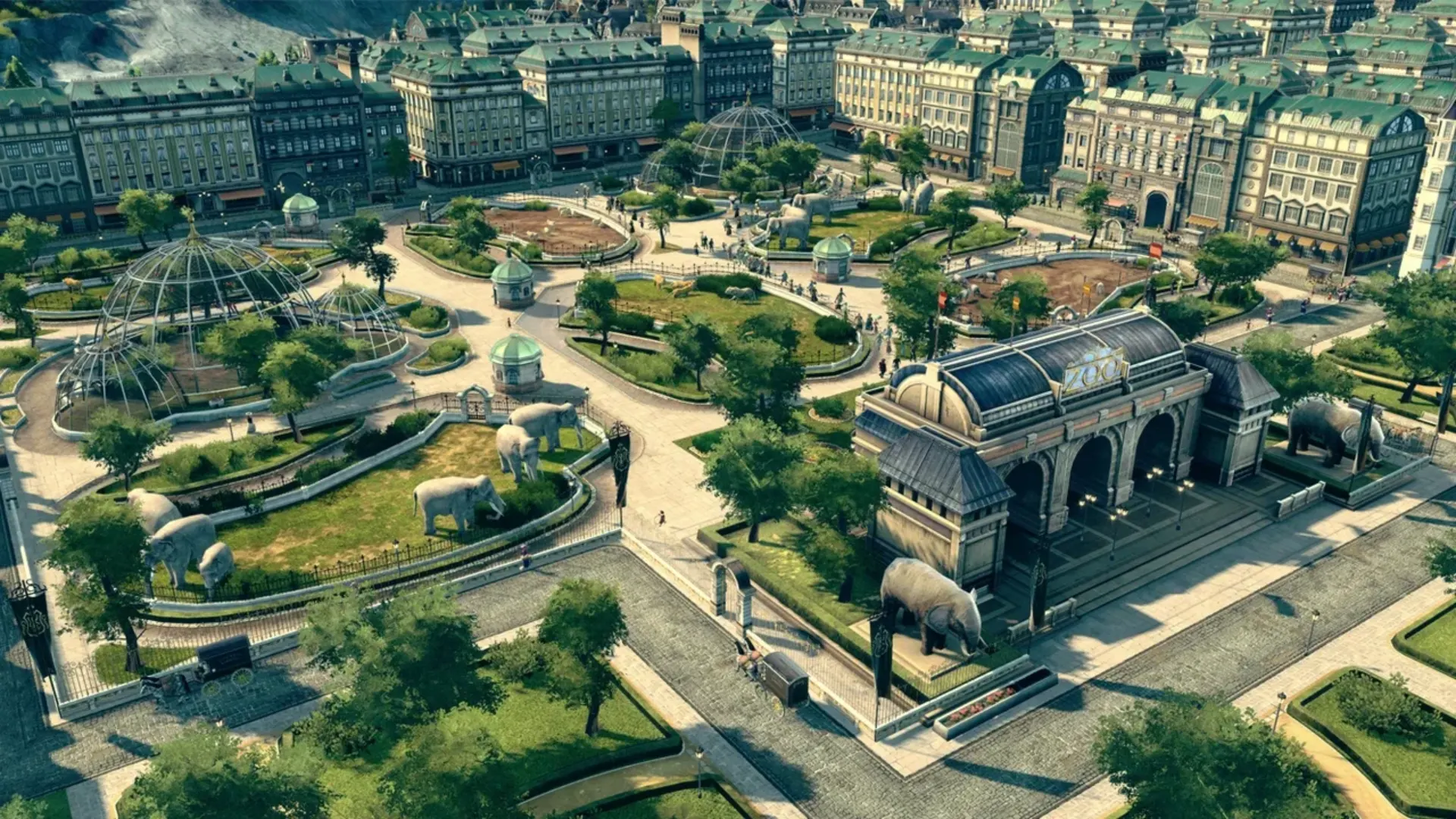
Anno 1800 is a city builder about turning a small island settlement into an industrial economy. Houses provide workers, and those workers expect goods before they will move into a higher social class. A shortage of work clothes can therefore delay an entire expansion, even when the treasury looks healthy.
The trouble becomes interesting when two businesses need the same material. Wool that once kept residents clothed may suddenly be diverted to a sailmaker, leaving the city short while a new ship waits in the harbor. Anno makes those conflicts visible in the streets as carts queue outside warehouses and factories lose staff. It is less helpful when a production ratio is wrong. The interface often shows the result without clearly identifying the cause, and the full collection of expansions can overwhelm a fresh save.
9. Prince of Persia: The Lost Crown
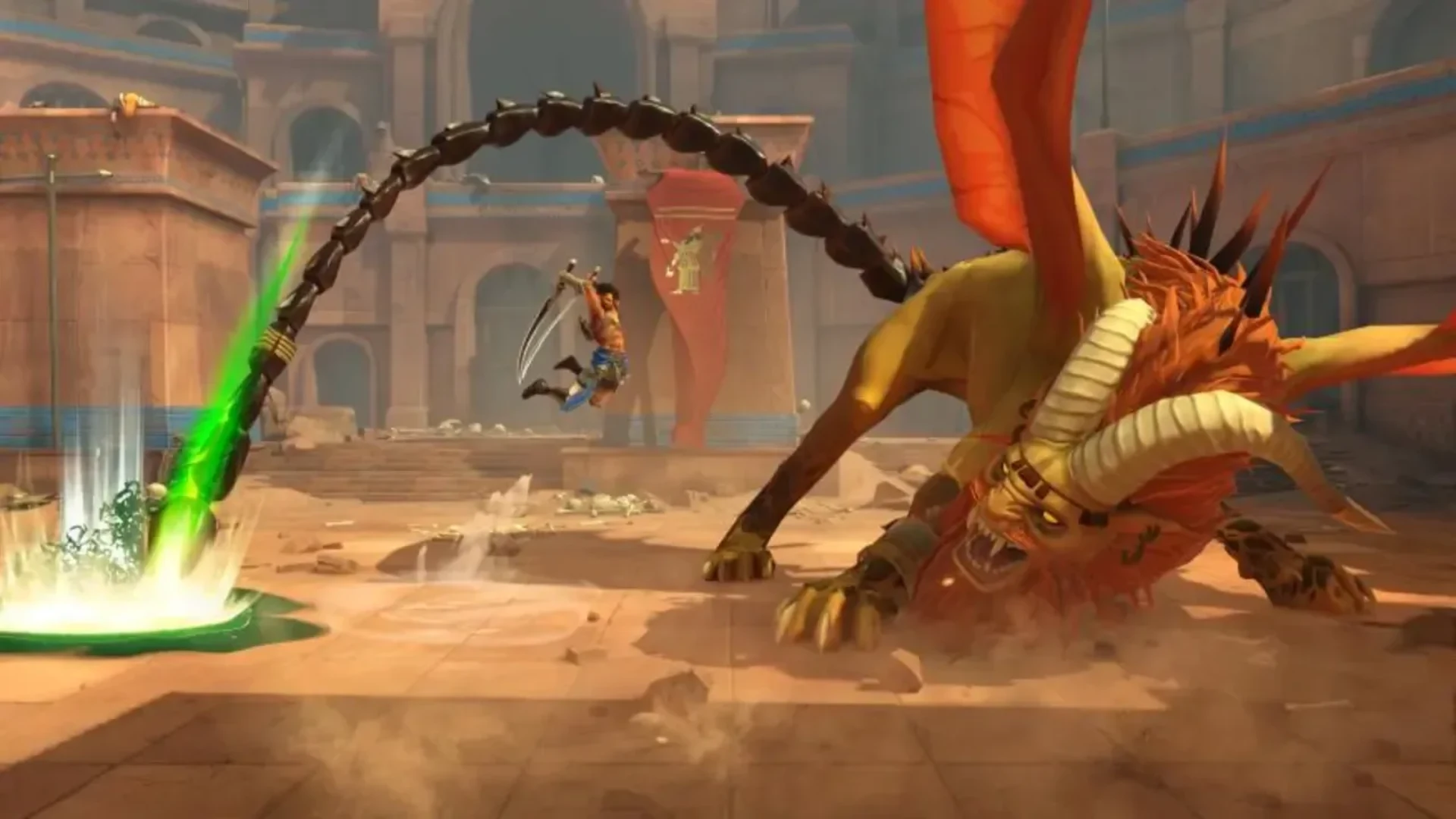
The Lost Crown recasts Prince of Persia as a 2D Metroidvania. Sargon explores Mount Qaf to rescue the kidnapped Prince Ghassan, opening new routes as he gains time-based powers. The movement is quick, but the controls remain exact enough for rooms built around wall jumps and air dashes.
Its smartest idea is the Memory Shard. Pressing one button pins a screenshot of an unreachable ledge or strange mechanism to the map. When a later power looks useful, the image shows exactly why that room was worth revisiting. Combat is just as deliberate, especially against bosses that punish an early parry.
The plot becomes muddy once its time loops start stacking up, and a few late platforming trials demand execution rather than discovery.
8. Beyond Good & Evil
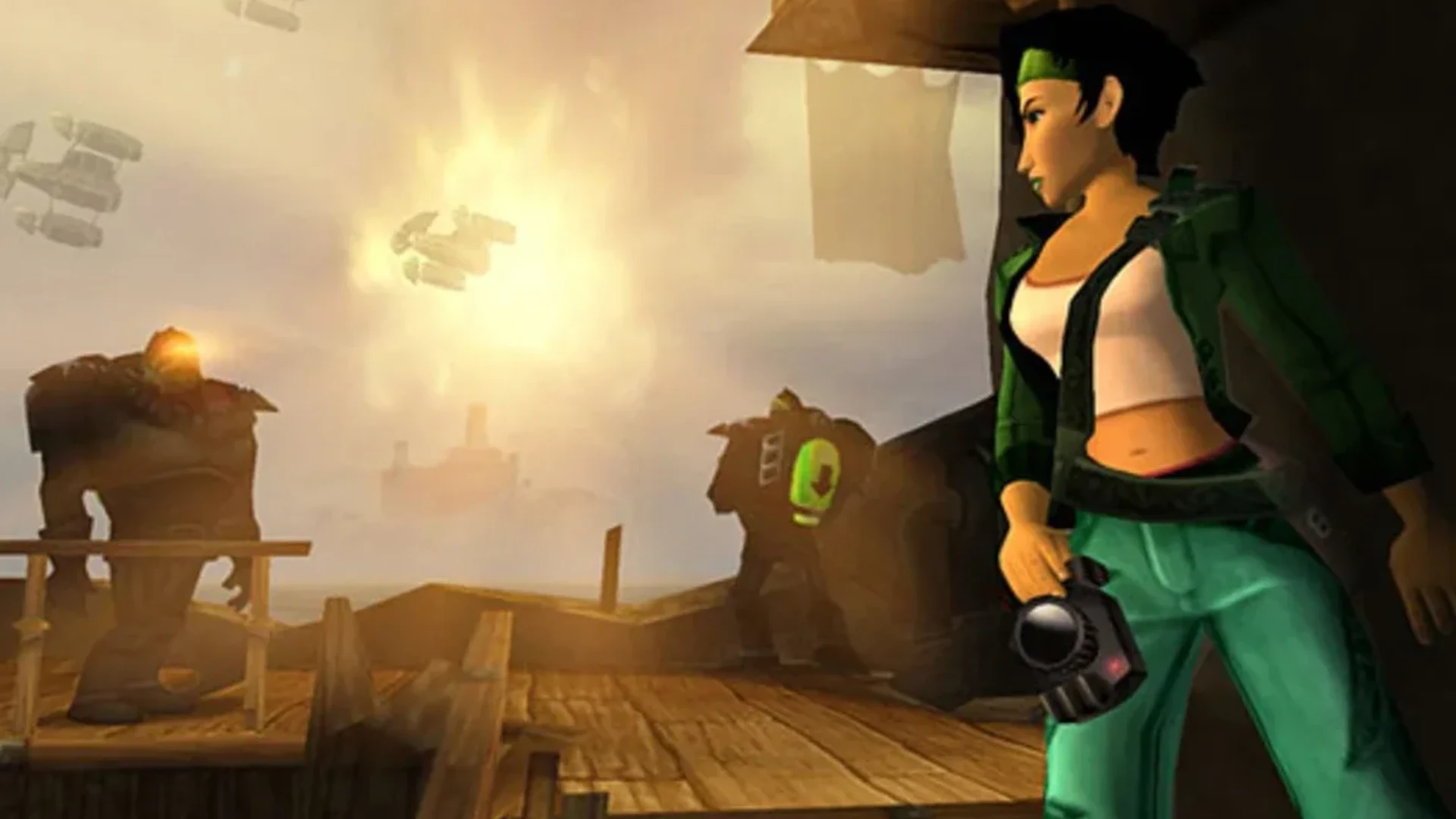
Beyond Good & Evil is an action adventure about Jade, a photojournalist investigating an alien invasion on the planet Hillys. Her camera is both a source of income and the tool that moves the conspiracy forward. Photographing a new animal pays for hovercraft upgrades. Later assignments ask Jade to return with proof of what the Alpha Sections are hiding, so taking a picture carries more weight than collecting another token.
Jade's home at the lighthouse gives the story a warmth that the larger conspiracy needs. Pey'j is funny without becoming a permanent joke, and the children sheltering there make each attack on Hillys feel personal. Stealth is rigid by current standards, while the melee combat rarely asks for more than basic timing. The 20th Anniversary Edition is the easiest way to play it now, although the old camera problems still show up in tight rooms.
7. Rayman Legends
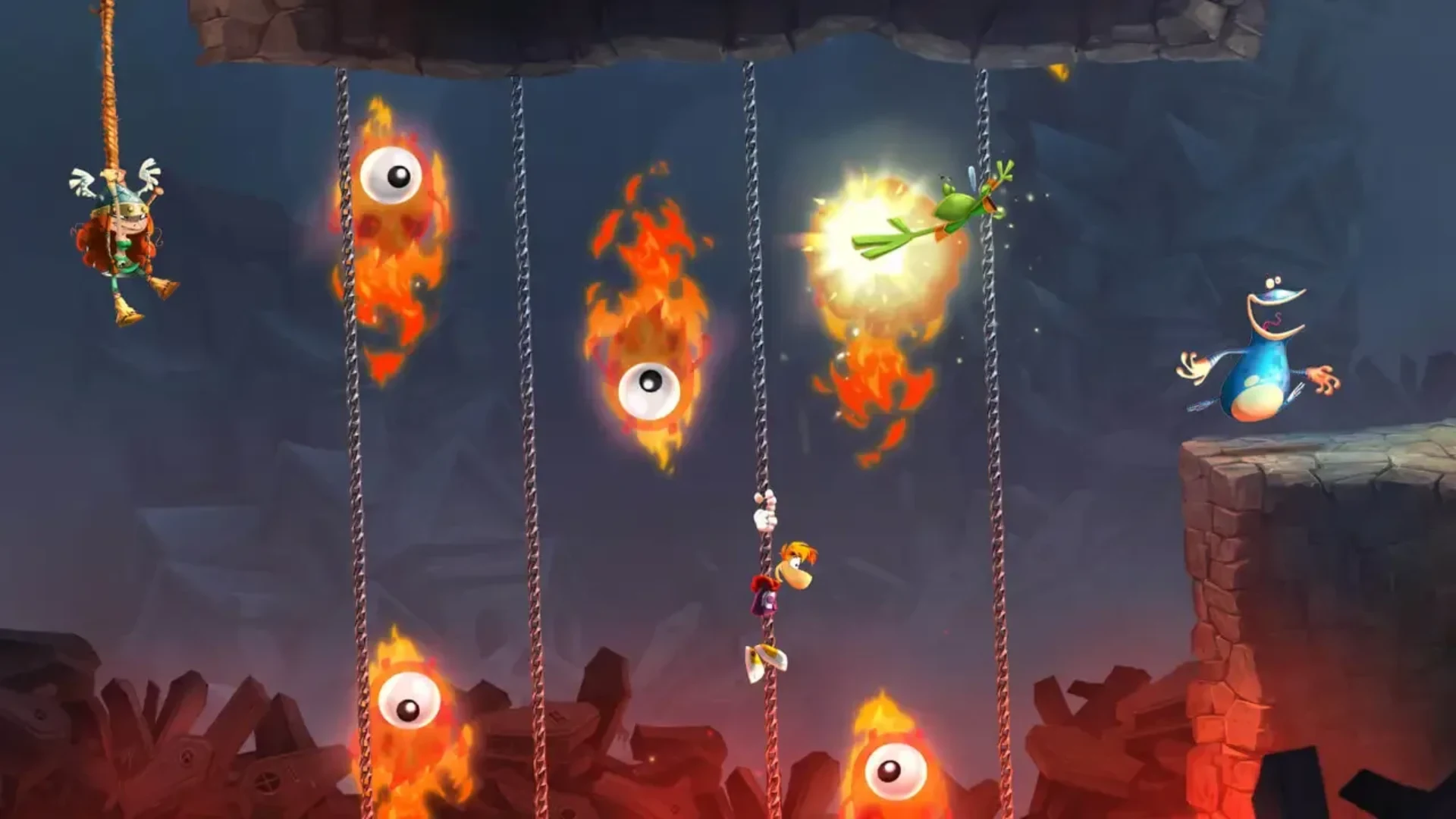
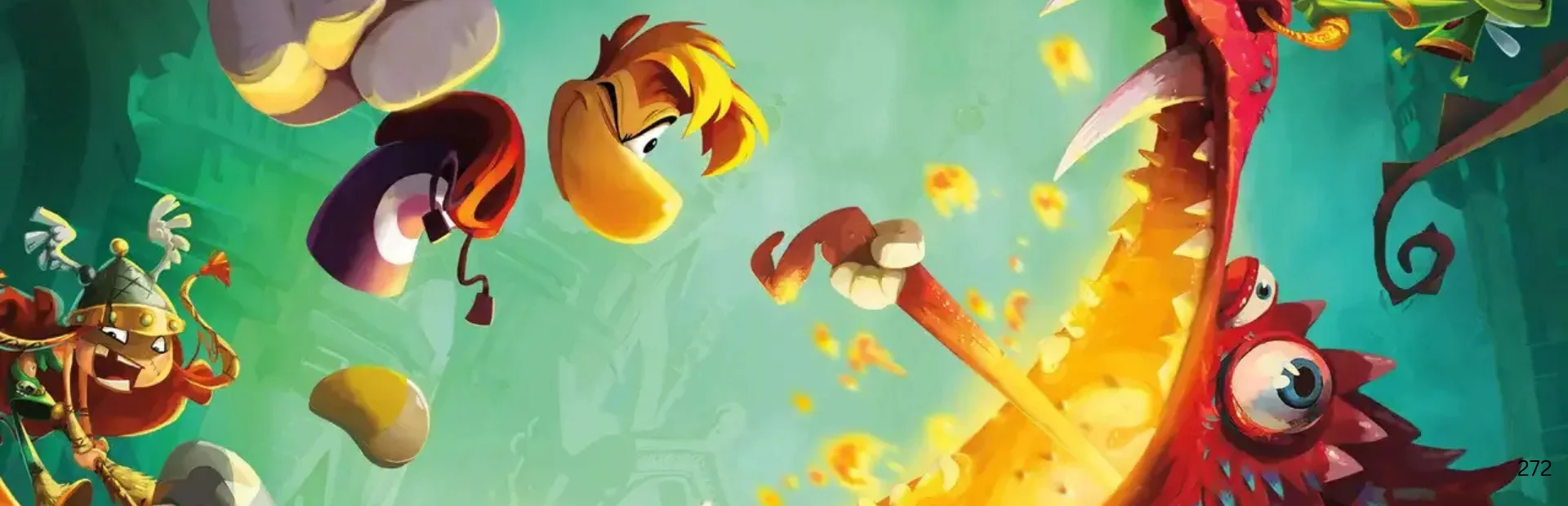
Rayman Legends is a 2D platformer built from short stages that constantly change the timing of a jump. It rarely holds onto one gimmick long enough for it to become routine. Castle Rock, the first music stage, turns "Black Betty" into a route through castle walls and flaming debris. The beat tells you when the next obstacle will arrive, then the level tests whether your hands can keep up.
Local co-op turns the same layouts into cheerful disorder. The Murfy sections are the one awkward holdover from its Wii U origins. On later versions, a button prompt cannot match the directness of cutting ropes on the GamePad touchscreen.
6. Far Cry 3
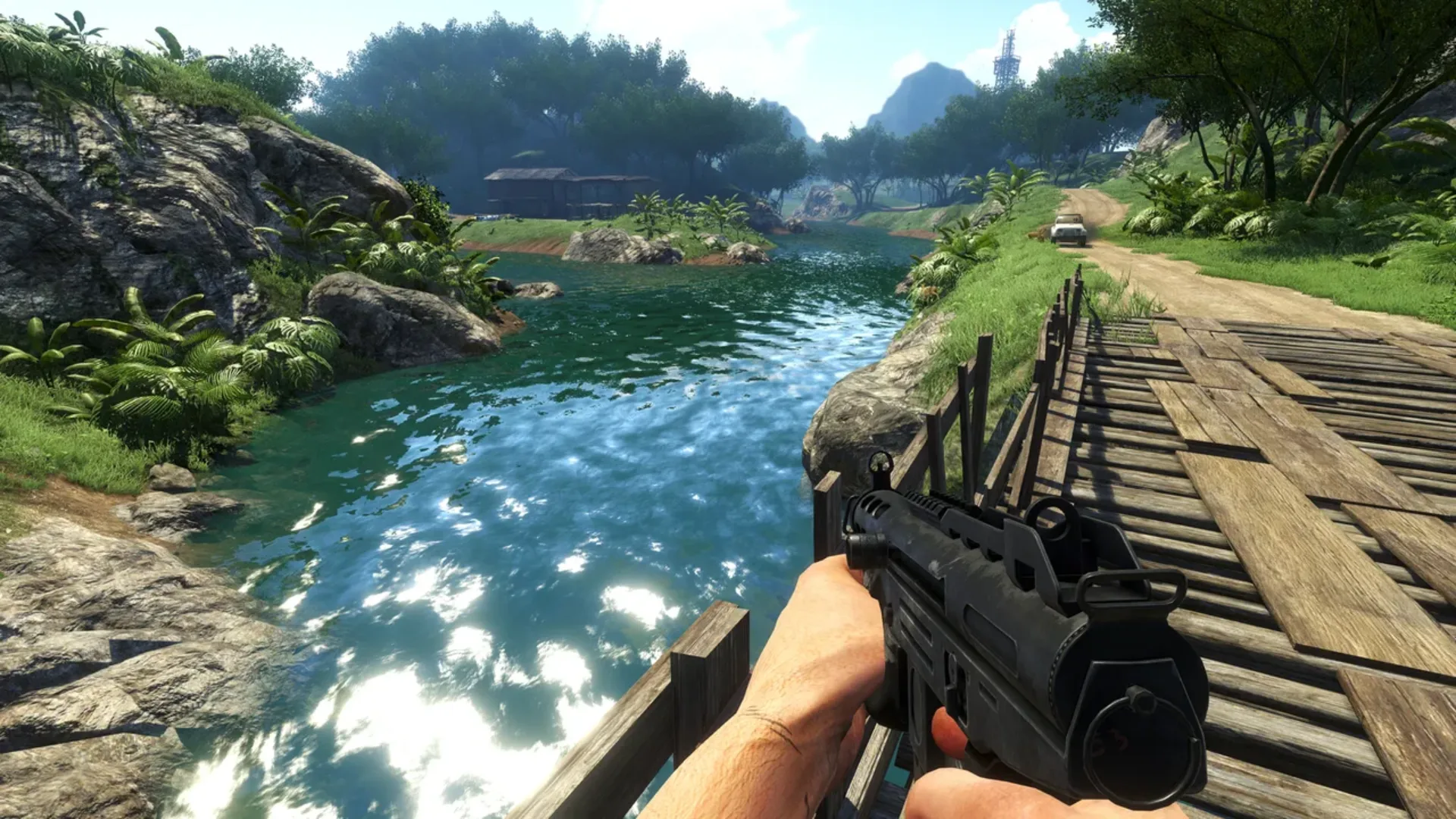
Far Cry 3 is an open-world shooter about Jason Brody trying to rescue his friends from pirates on the Rook Islands. The setup becomes a reason to move between enemy outposts, which remain the game's best spaces. Before attacking, Jason can study the compound with a camera and identify its alarm boxes. Disabling an alarm removes the threat of reinforcements, but reaching it may require crossing the most exposed part of the camp.
The outposts are compact enough that a plan survives contact with the first guard, then changes when someone finds a body. Vaas gives the early story a threat that matches this unpredictability. The second island loses much of that energy, and the script's treatment of Jason as a chosen warrior has aged worse than the gunfights. Later Far Cry games offer more equipment and larger maps. Far Cry 3's outposts are still tighter and easier to read than many of the bases that followed.
5. Assassin's Creed IV: Black Flag
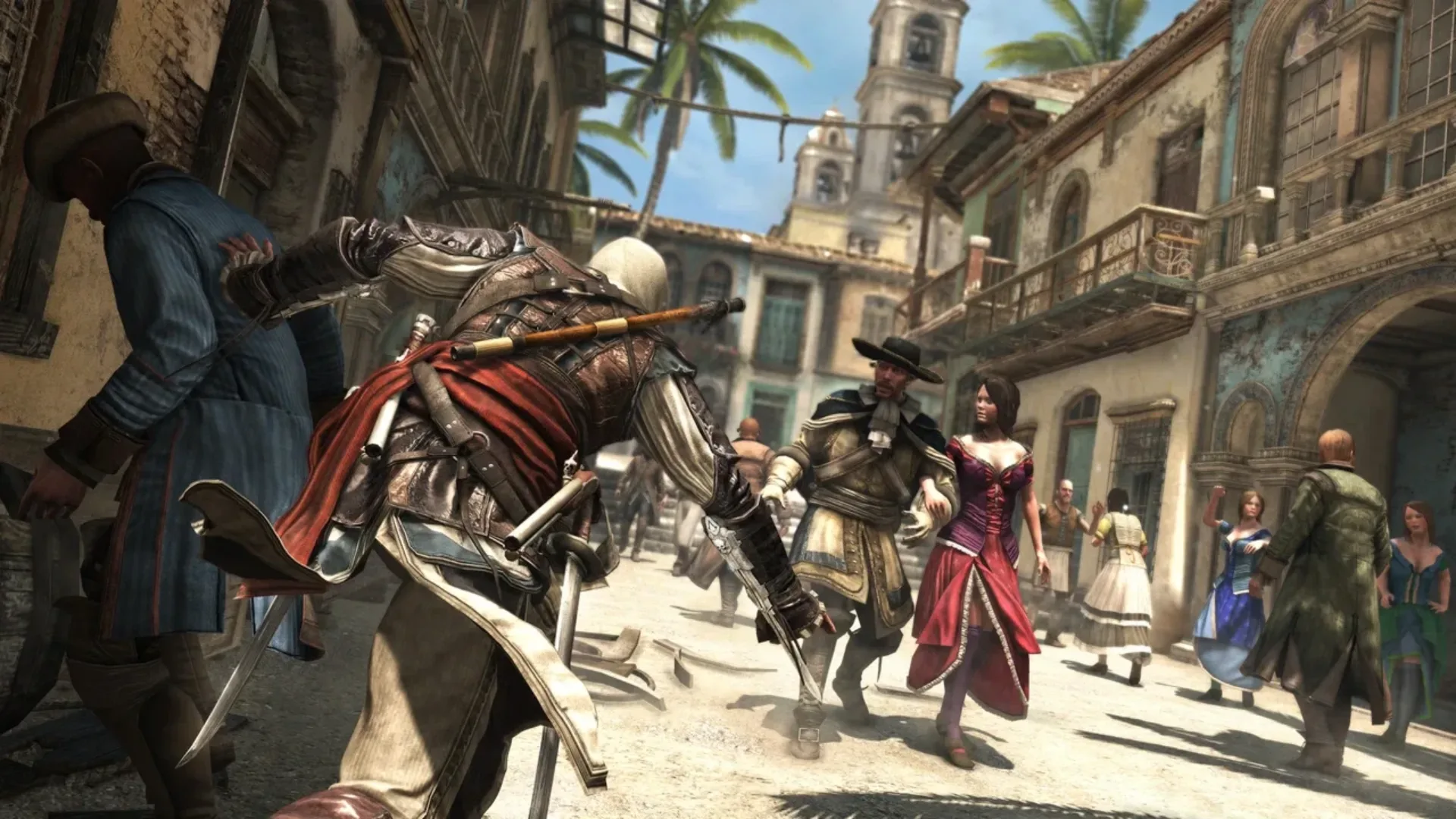
Black Flag is an Assassin's Creed game wrapped around a pirate adventure. Edward Kenway sails the Caribbean in the Jackdaw, hunting prizes while stumbling into the conflict between Assassins and Templars. Edward is selfish for much of the story, which gives his eventual reckoning more force than another tale about a hero born into the Brotherhood.
The Jackdaw makes travel part of the game rather than the gap between missions. Firing a broadside means turning the hull toward a target and exposing the ship to return fire. Once an enemy vessel is crippled, Edward can board it without a loading screen and use the captured supplies to repair his own ship. Sea shanties help on long trips, but the real pleasure is spotting a stronger frigate and deciding whether its cargo is worth the damage.
The mandatory tailing missions are a poor match for that freedom, especially when they ask the Jackdaw to follow another ship through a restricted channel.
4. Tom Clancy's Rainbow Six Siege
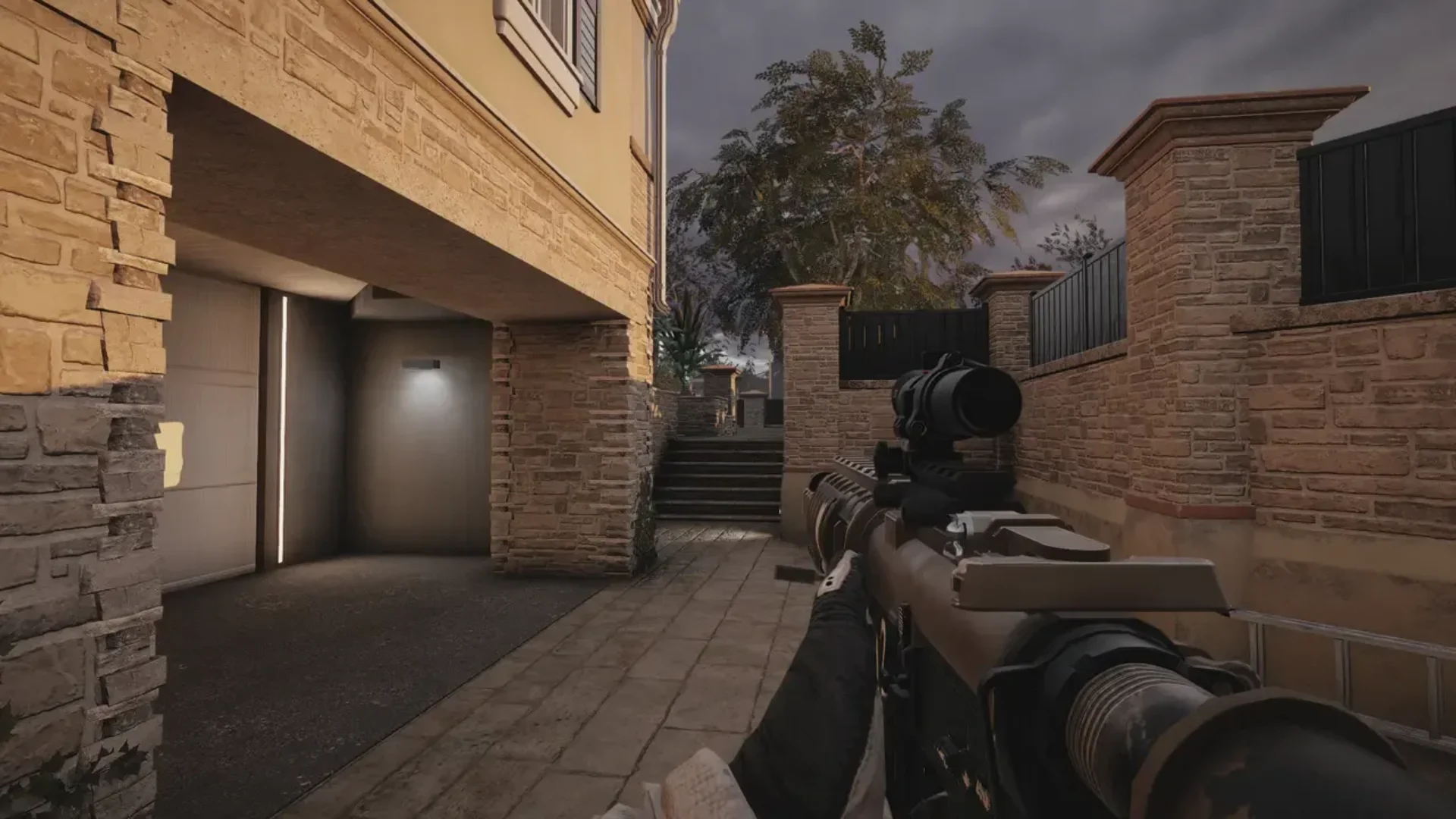
Rainbow Six Siege is a five-on-five tactical shooter built around short rounds and a single life. Attackers scout with drones before entering. Defenders spend that time reinforcing walls and shaping the rooms around the objective.
Destruction is more than spectacle. A soft wall can become a doorway. A few bullets can also punch a narrow sightline through the plaster and catch someone crossing the next room. Reinforcing that wall prevents an ordinary breach while giving attackers a clear reason to use specialized equipment. Learning the building matters as much as aiming well. A round can turn on a hole no larger than a fist.
The roster is now daunting, and a newcomer must absorb years of operator interactions before the choices make sense. Ubisoft has kept rebuilding the surrounding game, including the large Siege X update in 2025. Year 11's Operation System Override added the Calypso Casino map and another ranked overhaul in June 2026. The current game is busier than the original, but its tense attack-and-defense rhythm has survived.
3. Assassin's Creed II
Assassin's Creed II follows Ezio Auditore from a reckless Florentine teenager to a working member of the Assassin Brotherhood. Ezio climbs through Renaissance cities to track the people responsible for killing his father and brothers. Florence and Venice are not just backdrops. Rooftop height changes how an assassination unfolds. A busy street can turn a desperate escape into a clean getaway.
Social stealth is simple but readable. Ezio can fall in with a moving crowd after a public kill, then tear down a wanted poster once the guards lose him. Monteriggioni gives the money earned from those jobs a visible purpose. Reopening its blacksmith changes the town and increases the income waiting in the villa's chest.
The combat is too easy once counterattacks are mastered, and Ezio still jumps in the wrong direction more often than a modern control scheme would allow. Florence and Venice are still fun to cross because almost every facade suggests the next handhold.
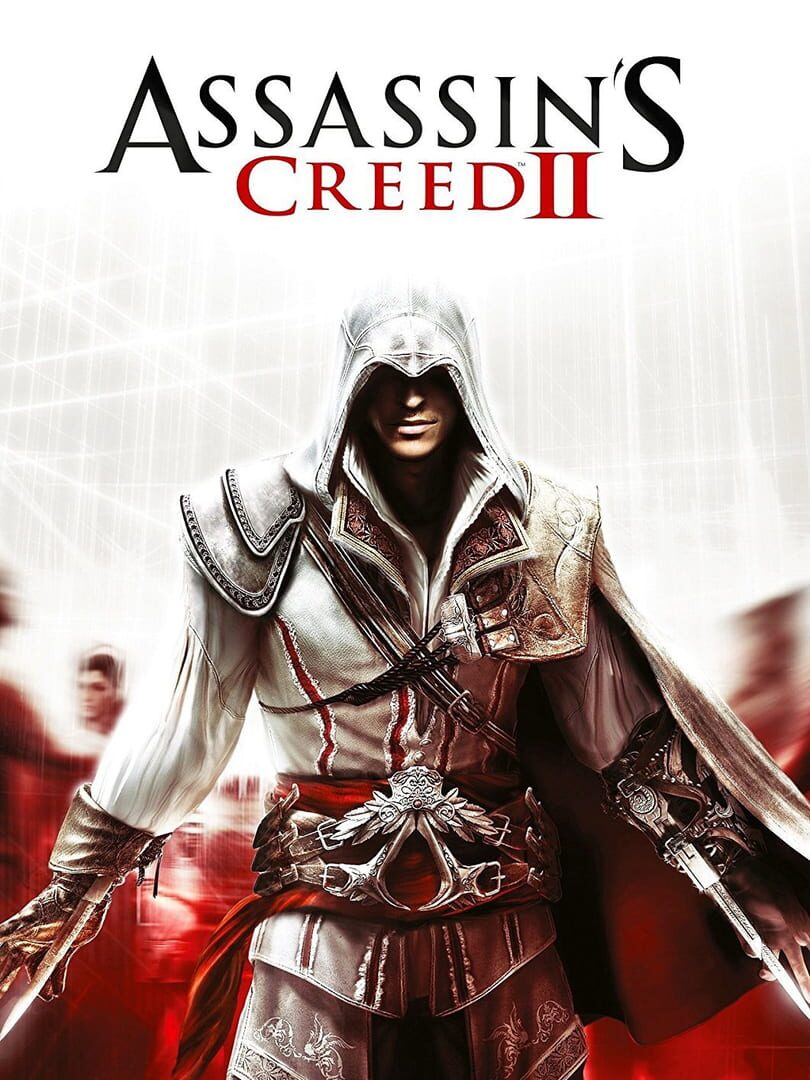
Discover an intriguing and epic story of power, revenge and conspiracy set during a pivotal moment in history: the Italian Renaissance. Experience the freedom and immersion of an all new open world and mission structure with settings such as the rooftops and canals of beautiful V
Released
November 17, 2009
Developer
Ubisoft Montreal
Publisher
Ubisoft Entertainment


2. Prince of Persia: The Sands of Time
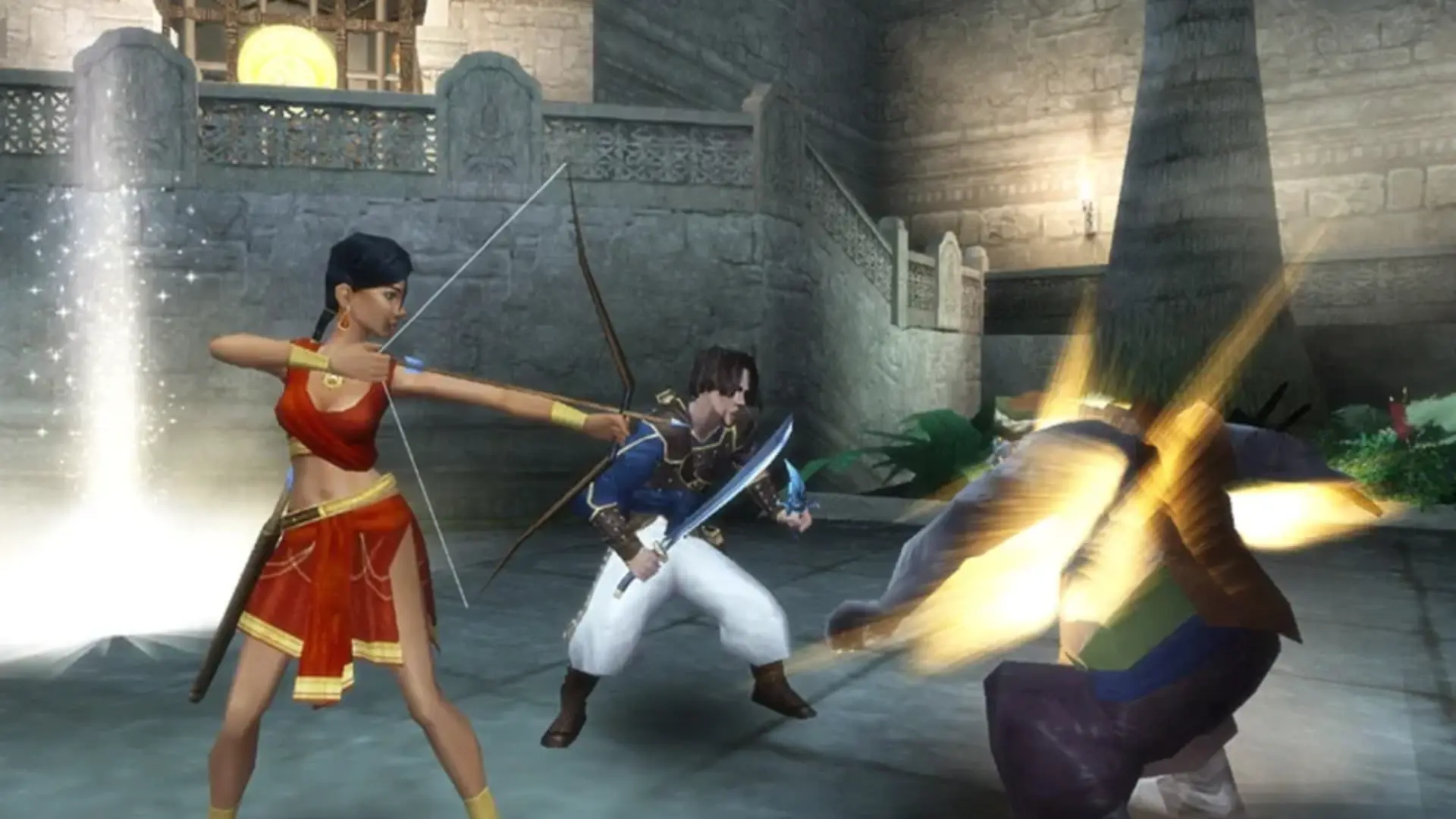
The Sands of Time is a 2003 action adventure about a prince crossing a ruined palace after accidentally releasing a supernatural plague. Most of the journey is acrobatic. He runs along walls and swings from poles while looking for a safe route through traps.
The Dagger of Time makes those jumps feel daring without making every mistake expensive. If the Prince misses a ledge, one sand tank can rewind the last few seconds and put him back before takeoff. That changes how a difficult room is approached because experimentation does not always mean repeating the entire climb. His conversations with Farah also keep the palace from feeling empty, especially as their early distrust gives way to affection. Combat is the weak interruption. Sand creatures take too long to finish, and the camera is not always ready for a wall run in a cramped room.
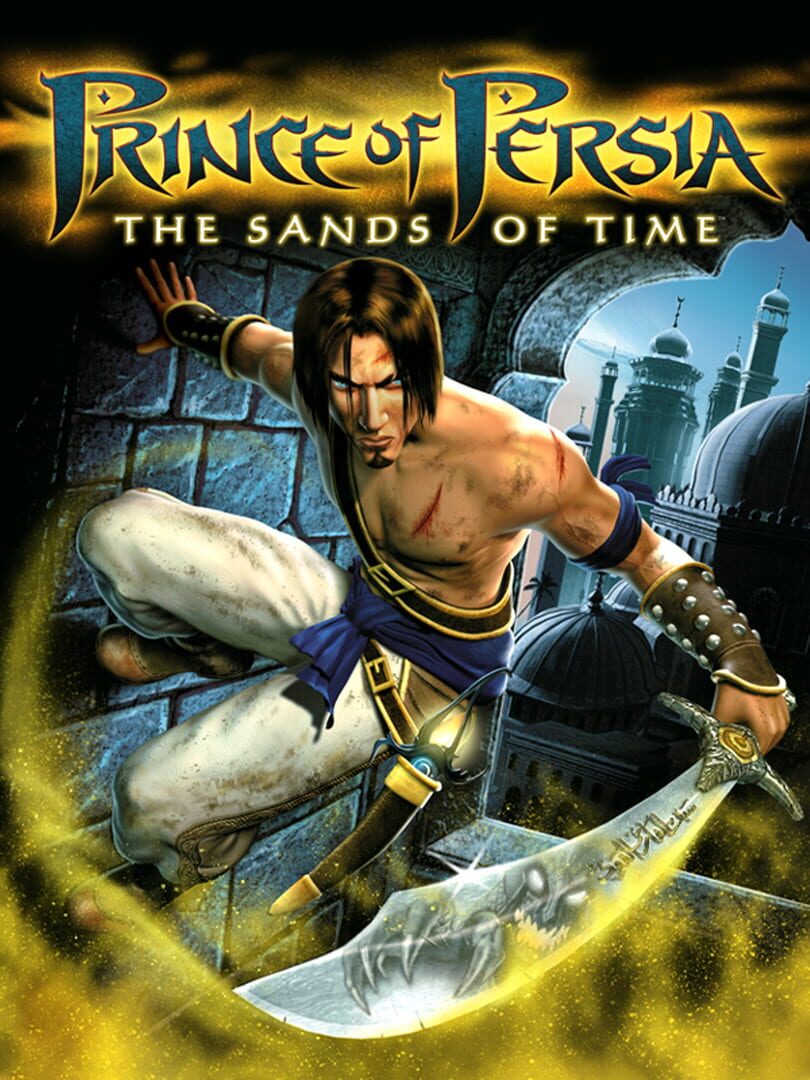
Deceived by the treacherous Vizier, I was led to unleash the Sands of Time curse upon the Sultan's kingdom. With little but an ancient dagger and a devious princess to aid me, I must undo my fatal mistake. Mine is a fight for survival… not glory. • Reverse, accelerate, and slow
Released
November 11, 2003
Developer
Ubisoft Montreal
Publisher
Ubisoft Entertainment
1. Tom Clancy's Splinter Cell: Chaos Theory
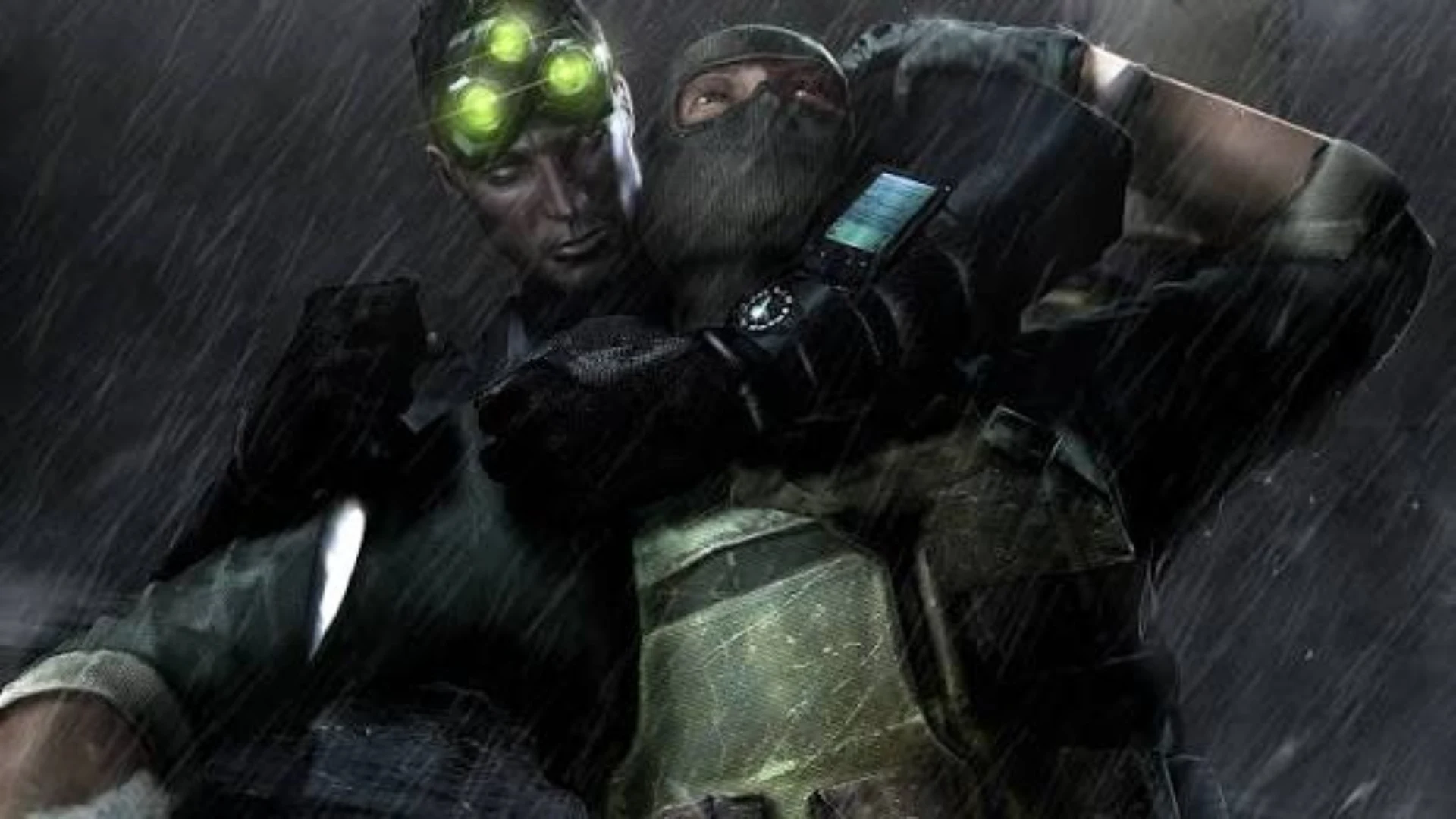
Chaos Theory is a stealth game about NSA operative Sam Fisher entering guarded locations without announcing that he was there. Darkness is his main cover. A light meter shows how visible Sam is, while the sound display compares his movement with the noise already in the room. Heavy machinery can mask a quick crossing that would be obvious in a quiet office.
The missions are open enough to make those readings useful. In the bank, switching off a light creates darkness, but a nearby guard may walk over to investigate. Finding another route takes longer while leaving the staff undisturbed. The final mission rating notices sloppy work, including bodies that were discovered, so knocking out everyone is not the same as remaining unseen.
Sam has plenty of tools, yet Chaos Theory rarely requires one scripted answer. The OCP can disable a light for a few seconds if shooting it would draw attention. Interrogating the right guard may reveal a keypad code that opens a quieter route. The Bathhouse mission is a nasty difficulty spike. Most of the campaign, though, gives Sam enough room to be careful without reducing stealth to waiting for a patrol to turn around.
Tagged In
Discussion
0We want to hear from you. Share your perspective in the comments below, and please keep the conversation respectful.
Log in to join the discussion - vote, reply, and share your take.
Log In