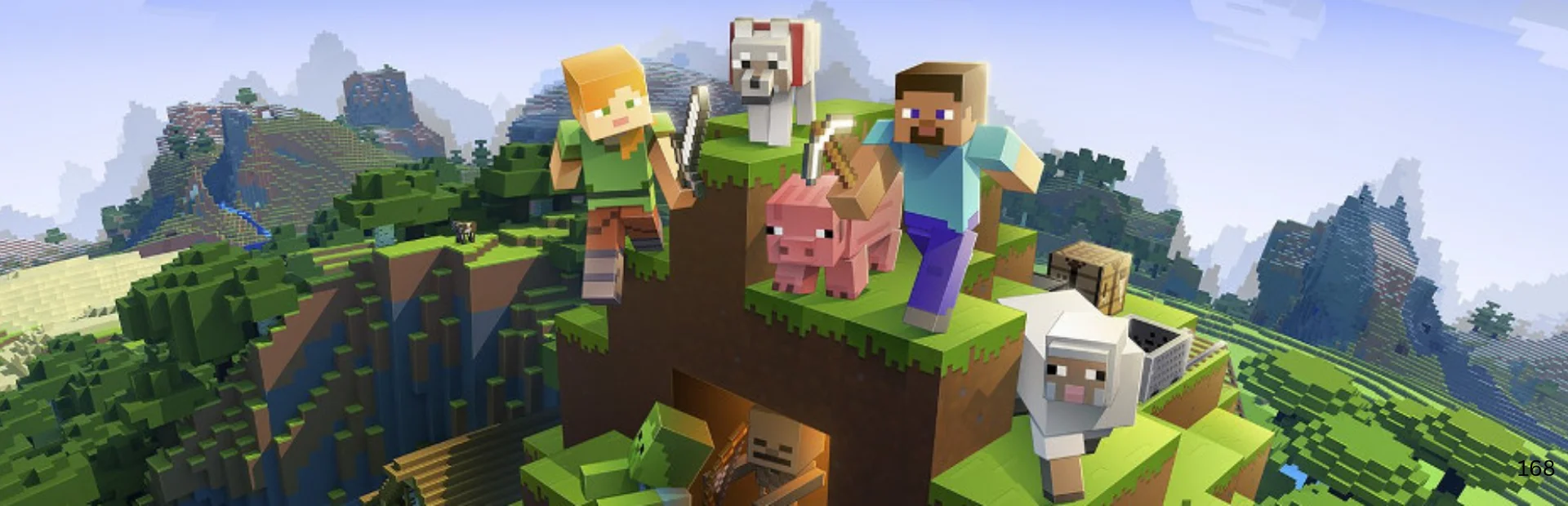
How Minecraft became a stage for streaming's biggest events
DedSafio 4 generated more than 52 million hours watched on Kick. Alongside Squid Craft Games and Hardcore marathons, it shows how Minecraft became a platform for large-scale streaming events built around creators and their communities.
ElDed's DedSafio 4 ended on October 17 after nearly a month of creators competing and surviving on the same Minecraft server. Their streams generated 52.73 million hours watched on Kick, with the event unfolding across dozens of channels.
Minecraft hosting events on that scale is nothing new. In 2024, Squid Craft Games 3 brought 200 creators into a six-day tournament featuring twelve custom minigames. In August 2026, Kai Cenat and IShowSpeed spent five days attempting a Hardcore run, where a single death could wipe out hours of progress.
Minecraft's sandbox and years of custom-server development let these streamers build almost any kind of event, bring their friends and rivals into it, and see what happens when the competition gets underway.
Minecraft lets streamers build their own entertainment formats
Minecraft's long history of custom servers, maps and minigames has given streamers the tools to build competitions around almost any set of rules. Squid Craft 3 took this further by turning a Minecraft server into Squid Game (the popular television show).
In Sweet Dreams, streamers had to hide in beds and closets while a creature hunted them through cabins. Feed the Beast challenged them to catch enough fish to keep a baby seal fed. Each round tested something different, so being good at Minecraft PvP or parkour was no guarantee of surviving the next elimination.
Eufonia spent more than six months preparing the tournament, with over 50 developers, artists and collaborators building its games and sets. The investment paid off in November 2024, when Squid Craft 3 attracted a peak of nearly 1.29 million concurrent viewers and generated 25.8 million hours watched.
DedSafio took advantage of Minecraft's sandbox in another way. Instead of moving between separate minigames, streamers spend weeks surviving in a shared world. Bases, supplies and friendships carry over between streams, while alliances and rivalries develop as people keep running into each other.
Kai Cenat and IShowSpeed showed how little preparation a Minecraft event can require. Their Hardcore marathon had two players, familiar bosses and the punishing rule that if either died, they had to start all over again. They suffered 42 deaths during their 121-hour attempt, drawing more than 30 million hours watched across Twitch and YouTube.
Minecraft can accommodate a competition built by dozens of developers or a challenge two friends set themselves. And once the streamers start playing, even the most carefully planned event can head somewhere nobody expected.
The story continues between streams
On a shared Minecraft server, logging off does not necessarily mean the action stops. Other streamers can continue building, gathering resources or making plans, while fans follow what happens through different streams, clips and social media. By the next session, a friendship may have fallen apart or an entire base could be gone.
Dream SMP showed how far these stories could go back in 2020. What began as a survival server grew into an ongoing story involving elections, betrayals and wars over L'Manberg. Streamers spent months building the country before it was eventually destroyed, with fans following the conflict from different perspectives. Between major events, theories, clips and discussions kept the story alive.
QSMP expanded on this in 2023 by bringing streamers from different countries together through live translation. Its egg adoption storyline gave players shared responsibilities, with their virtual children needing regular care and protection. A storyline involving two streamers could continue even when only one of them was online.
DedSafio 4 uses a more traditional survival format, but its month-long schedule allows friendships, rivalries and preparations to develop across multiple streams. Fans can follow what other participants are doing and speculate about how those decisions might affect their favorite streamer later.
Minecraft is particularly suited to this kind of storytelling because players can build, destroy and change the same world over time. An argument can end with someone losing their home, an alliance can lead to a new settlement, and the results remain visible when everyone returns. Fans do not have to wait for the next scheduled event to find something new to discuss.
Millions of viewers, but not everyone benefits equally
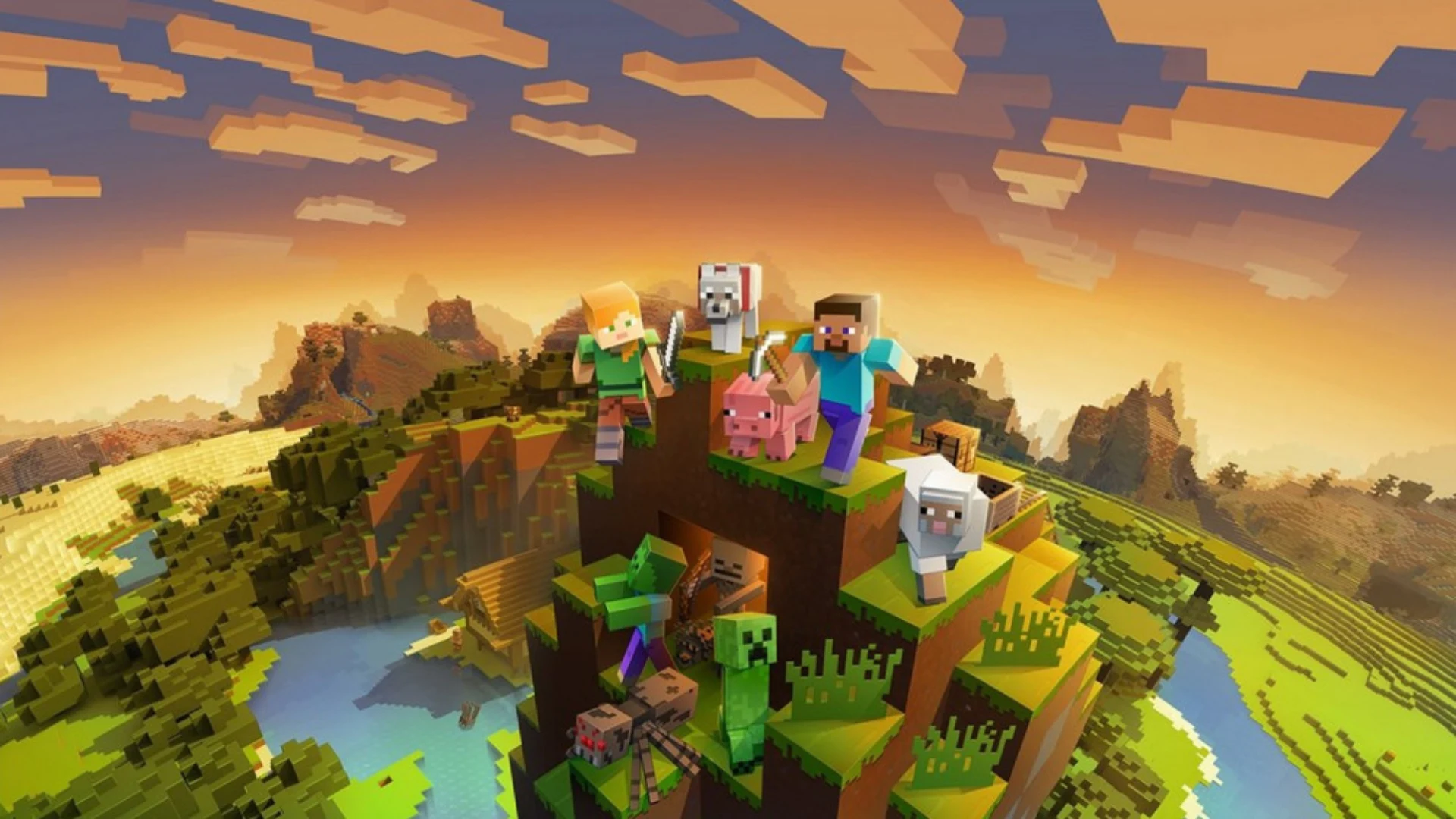
DedSafio 4 shows just how many people a single Minecraft event can bring together. Across 386 Kick channels, the competition reached a combined peak of 1.07 million concurrent viewers. Minecraft also recorded 56.84 million hours watched on Kick during the event, more than seven times the previous four weeks.
But those viewers were far from evenly distributed. Spreen alone generated more than 12 million hours watched, while the ten biggest channels accounted for 78% of DedSafio's total audience.
Earlier Minecraft tournaments have also produced record audiences for individual streamers. During the Squid Craft 3 final in 2024, Perxitaa reached a personal best of 141,660 concurrent viewers, while eventual winner SoyPan peaked at 274,597.
Reaching the later rounds of a major tournament can put a streamer in front of an enormous audience. Smaller participants, however, may spend weeks on the same server without attracting anything close to those numbers. Being involved in a successful event does not automatically translate into long-term channel growth.
For platforms such as Twitch and Kick, the combined audience is substantial enough to make these events worth investing in.
Streaming platforms are investing in the spectacle
Putting together a Minecraft tournament for hundreds of streamers takes considerably more work than setting up a custom server. Developers spend months building maps and minigames, while organizers have to arrange everything from technical support to prize money. Twitch and Kick have increasingly become involved in financing and promoting these productions.
Twitch Rivals has supported Minecraft events since the first Squid Craft Games in 2022. Its involvement later extended to DedSafío Bingo 2 in 2023 and IlloJuan's Hunt and Run in 2024, with both competitions offering $100,000 in prizes. Eufonia handled much of the development, while streamers such as Rubius, Auronplay and IlloJuan helped shape the events around their own ideas.
Kick took a similar interest in DedSafio 4, although its involvement lasted considerably longer. ElDed said the platform paid for the fourth edition and required participants to stream there, while still allowing them to go live elsewhere. Kick also promoted the series through a dedicated event page and offered rewards to fans who watched participating channels.
For Kick, the agreement secured nearly a month of streams from ElDed and the other participants. Twitch Rivals has generally focused on shorter competitions, bringing large groups of streamers together around scheduled tournaments with substantial prizes.
The streamers still decide what kind of event they want to create, with studios such as Eufonia developing the custom Minecraft experience. Twitch and Kick provide financial backing and promotion in exchange for bringing those events to their platforms.
How profitable those arrangements are remains unknown, but both services have shown a willingness to support productions that go far beyond an ordinary gaming stream.
From sandbox to streaming phenomenon
Minecraft's rise as a platform for major streaming events has been years in the making. Custom servers, mods and community-built minigames gave streamers the freedom to create their own competitions, while persistent worlds allowed friendships, rivalries and entire storylines to develop across multiple streams.
Fans could follow those stories from different perspectives, share clips and speculate about what might happen next. Eventually, productions grew ambitious enough to attract development studios, sponsors and financial backing from Twitch and Kick.
Squid Craft, DedSafio and the biggest Hardcore marathons all grew out of that same community-driven culture. Minecraft was already one of the world's most popular games. Streamers have spent years finding new ways to turn it into entertainment for millions more.
Tagged In
Discussion
0We want to hear from you. Share your perspective in the comments below, and please keep the conversation respectful.
Log in to join the discussion - vote, reply, and share your take.
Log In