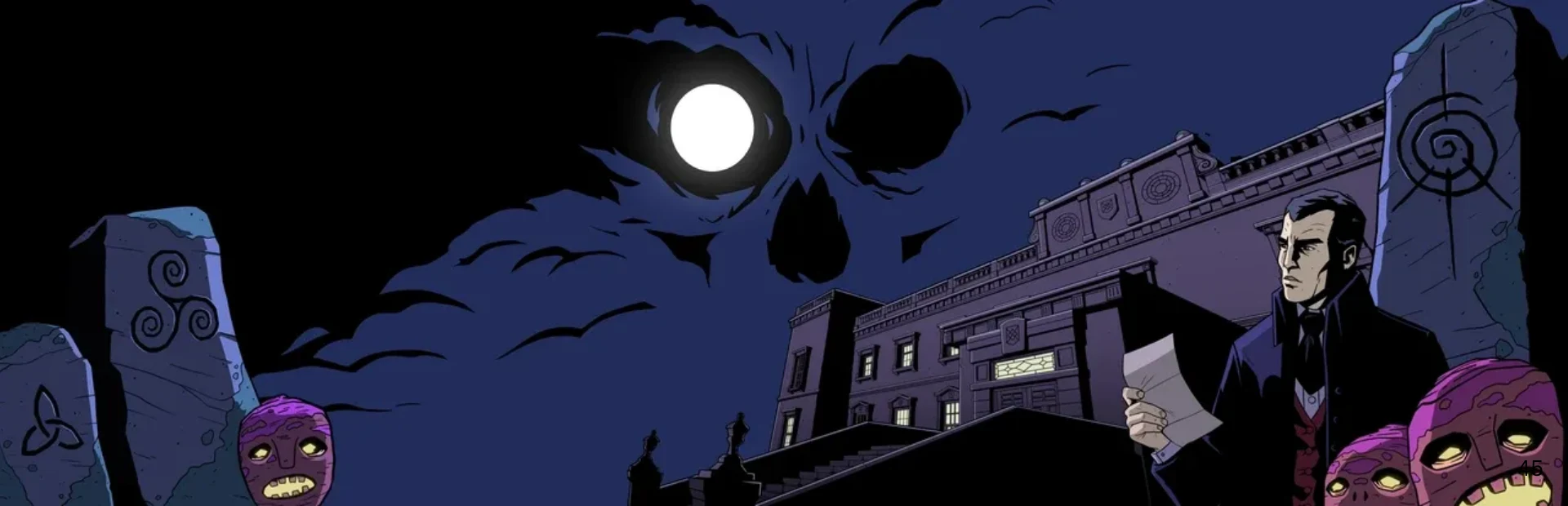
The 10 Best Detective Games
The 10 best detective games reward observation, deduction and smart accusations, from L.A. Noire and Disco Elysium to Return of the Obra Dinn.
The greatest detective games refuse to treat you like a passenger who simply clicks until the story triggers a confession. When an accusation lands, it should feel earned because you genuinely understood the contradiction in a testimony rather than guessing which dialogue option the developers wanted you to pick.
Whether you are cross examining hostile witnesses in a courtroom or scouring an ancient ship manifest, these ten games make you completely responsible for proving the truth.
10. L.A. Noire
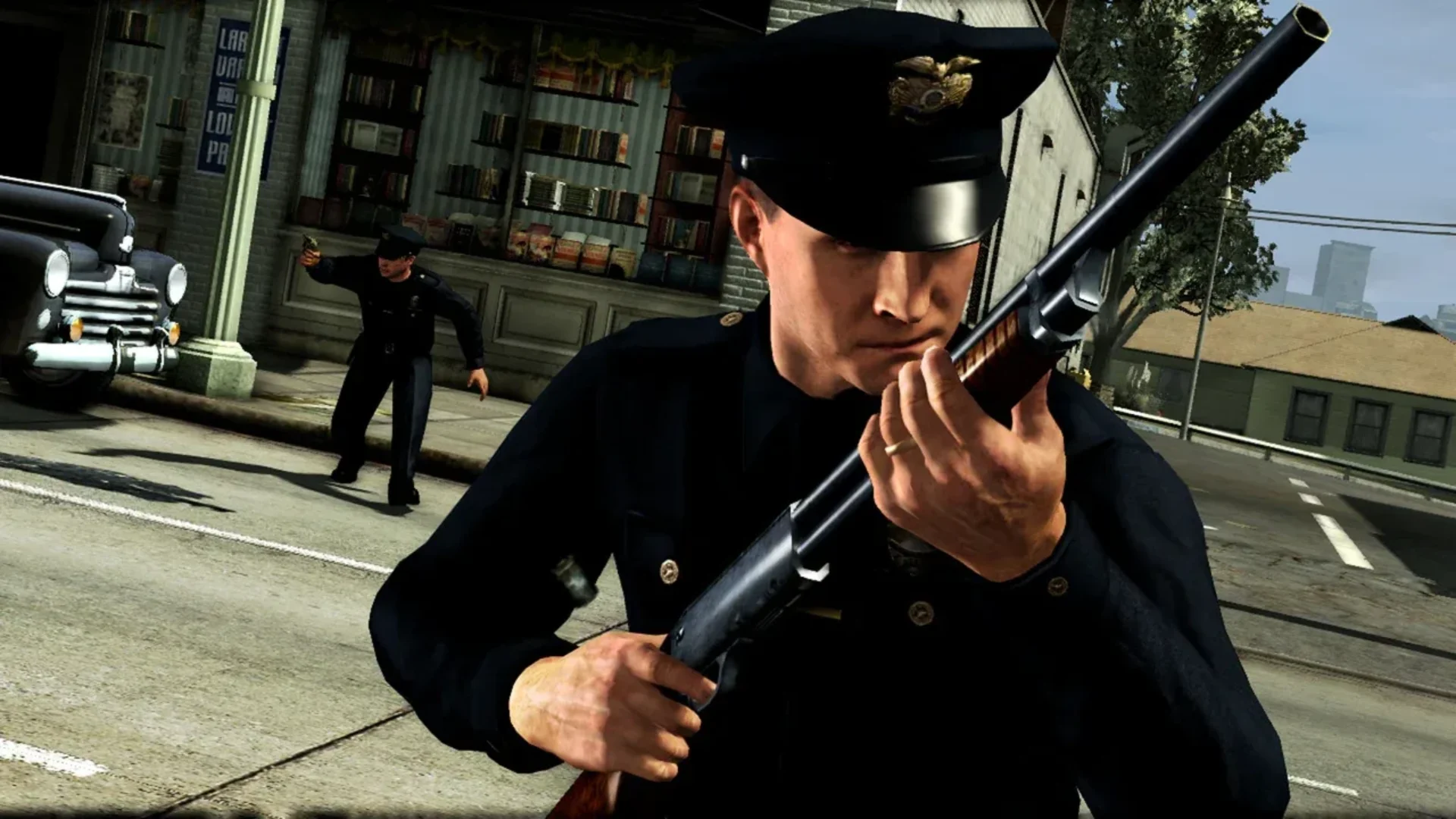
LA Noire turns routine police interviews into a tense game of poker where reading a suspect's facial ticks is just as important as the physical evidence in your notebook. Because presenting a crumpled receipt or a hidden theater ticket can instantly shatter a fabricated alibi, your success depends entirely on knowing exactly when a nervous glance betrays a deeper lie.
The interrogation mechanics can occasionally frustrate when your character reacts with unexpected hostility to a vague dialogue prompt. Even with those awkward outbursts, cornering a smug suspect in an interrogation room remains an unmatched power trip.
9. Her Story
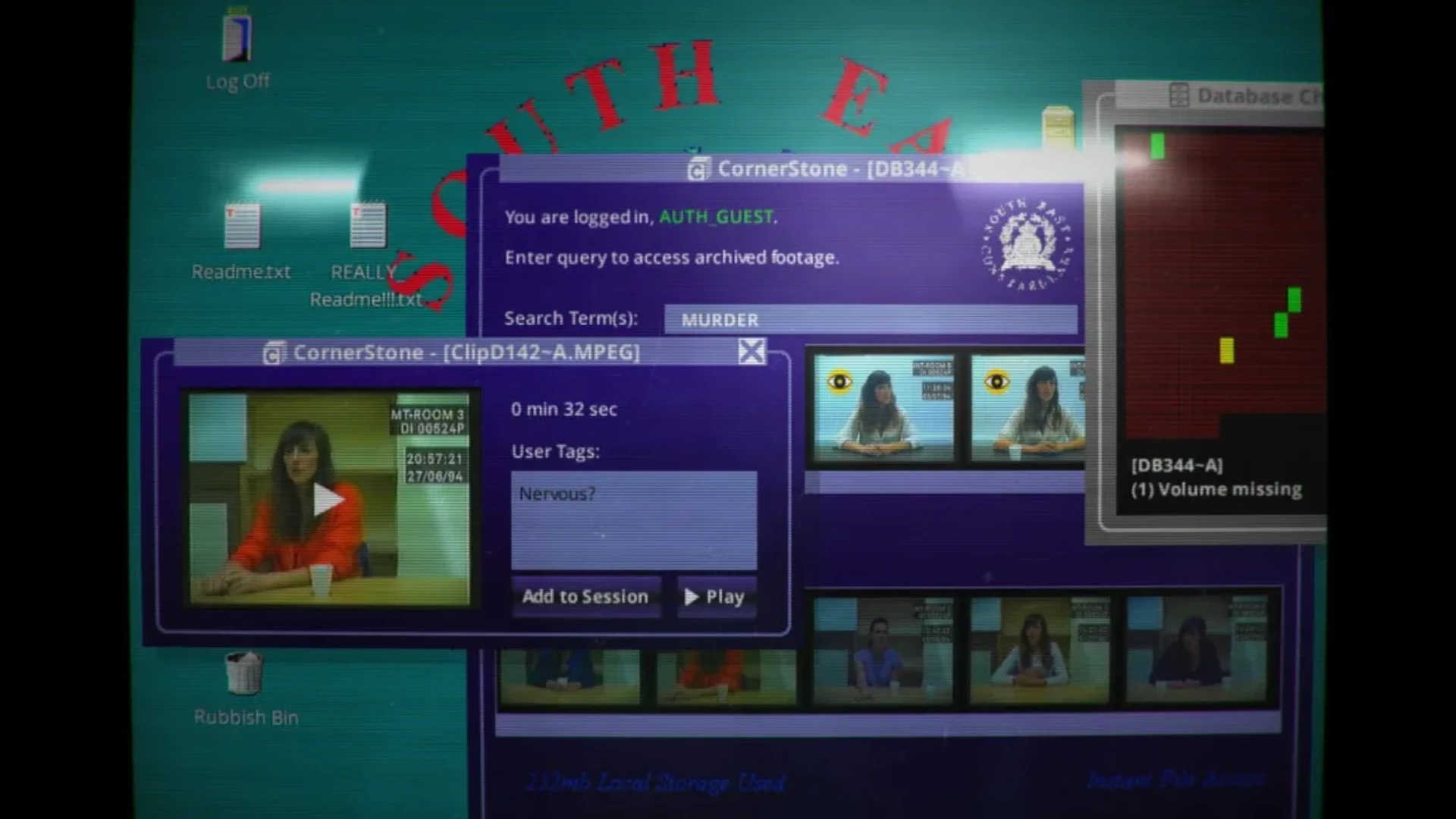
Her Story hands you a police database full of fragmented video clips and lets your own morbid curiosity dictate the entire direction of the investigation. Because typing a single keyword like "argument" or "hotel" brings up unindexed interview segments, two players can piece together the exact same murder mystery in a completely different order.
That nonlinear structure turns the actress's subtle shifts in posture and tone into crucial evidence that constantly challenges your theories about her guilt. It is a brilliant psychological puzzle where the most important breakthroughs happen entirely inside your own head.
8. The Great Ace Attorney Chronicles

The Great Ace Attorney Chronicles turns courtroom drama into a theatrical duel where finding a single logical flaw in a confident witness statement flips the entire trial on its head. Pressing a suspicious testimony forces multiple witnesses to react to each other's lies in real time, creating chaotic openings where you can present physical evidence to expose the contradiction.
While the opening cases take their sweet time explaining basic legal procedures, the narrative payoff across the two connected campaigns is sensational. Slamming your hands on the bench and shouting an objection never loses its adrenaline.
7. Pentiment
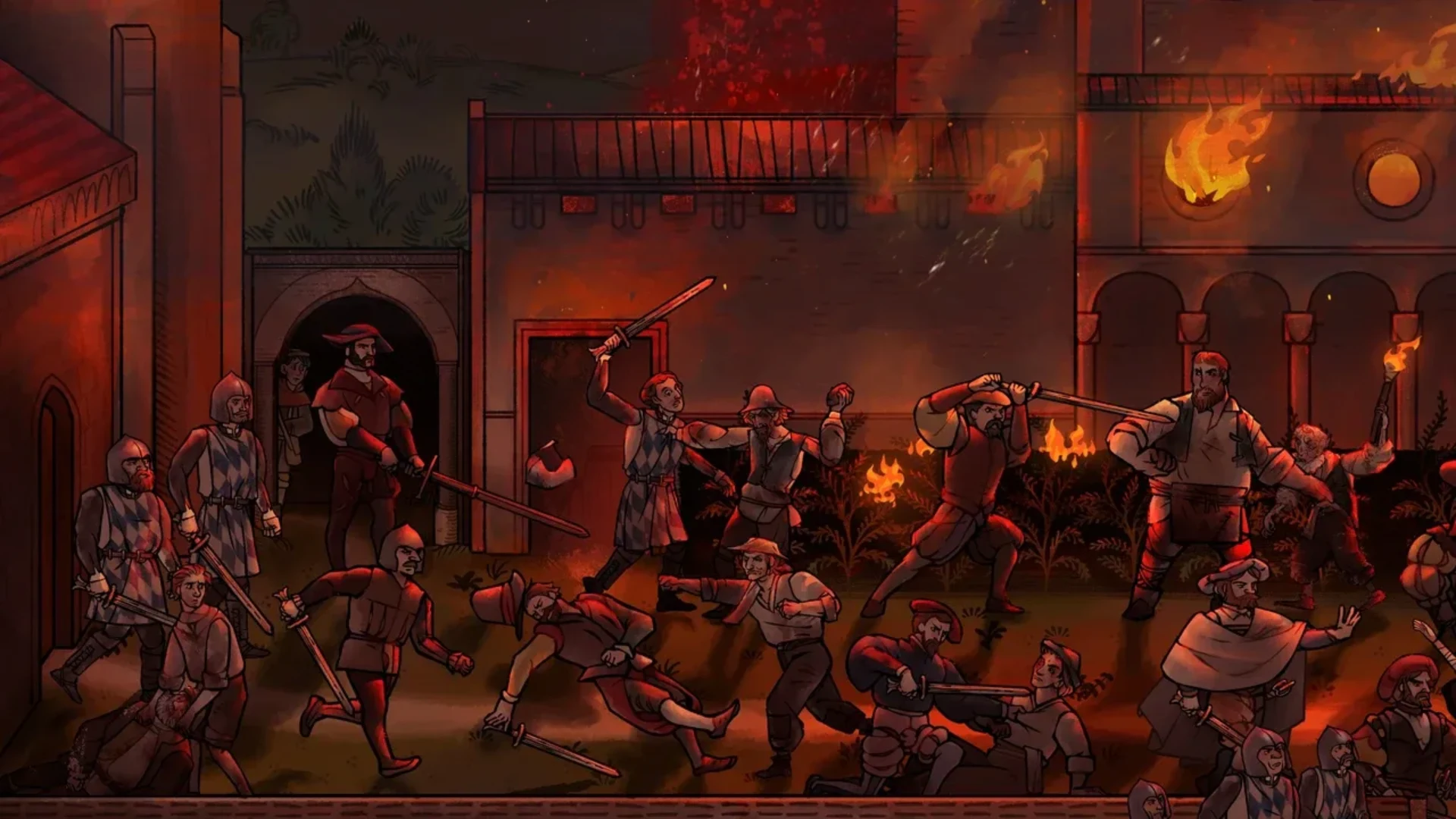
Pentiment transforms a medieval murder investigation into an agonizing moral burden by giving you strictly limited time to pursue competing leads before a trial begins. Spending your afternoon sharing a meal with a secretive monk means permanently sacrificing the chance to inspect a grave site, forcing you to make an accusation without ever seeing the complete picture.
Because the game spans twenty five years of community history and refuses to confirm canonical culprits, your hasty judgments leave permanent scars on the surviving villagers. It proves that uncovering a plausible motive is far more terrifying than solving a neat puzzle.
6. Paradise Killer
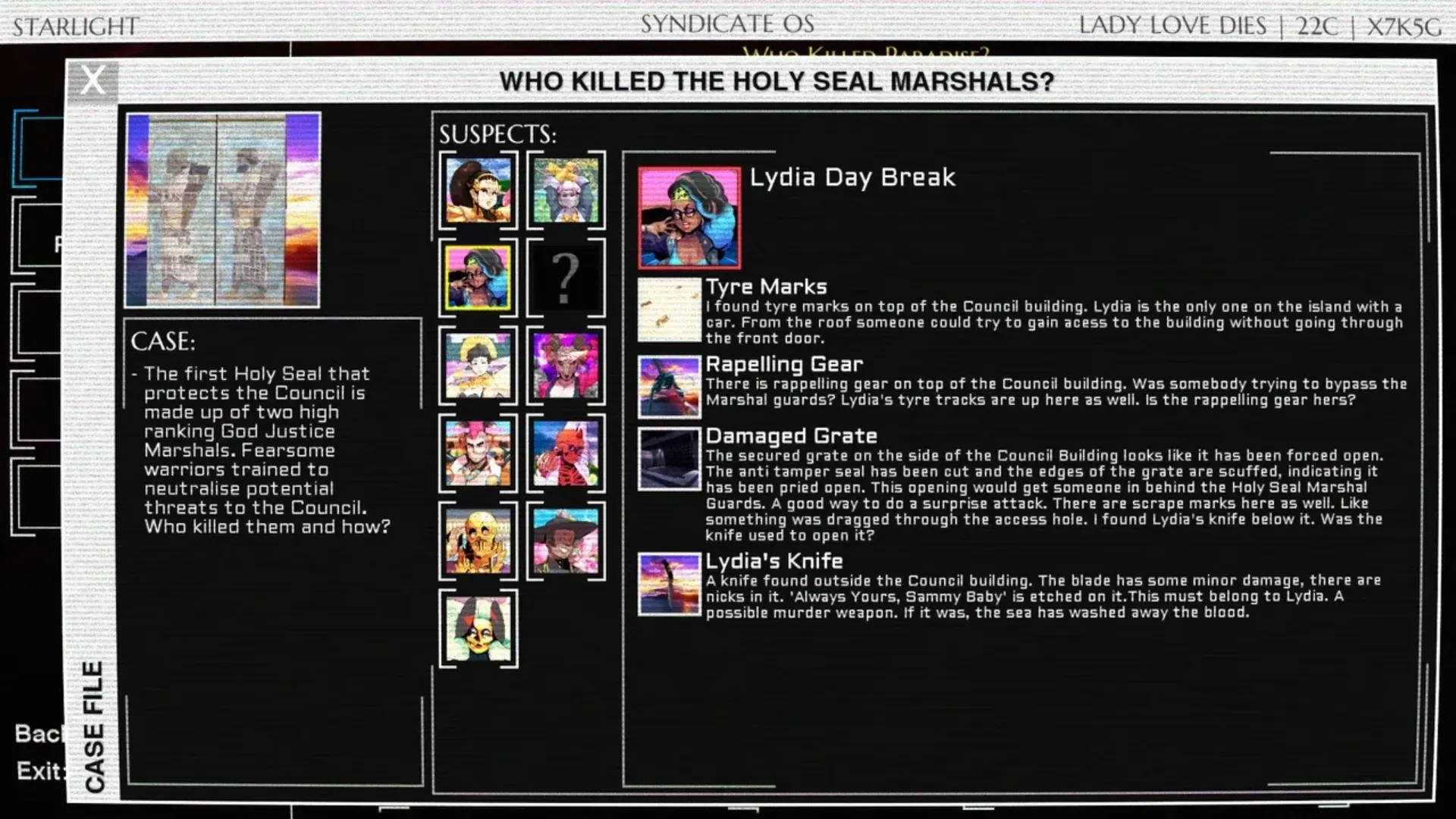
Paradise Killer hands you an entire vaporwave island full of bizarre suspects and gives you the terrifying freedom to initiate the final trial whenever you think your case is solid. Because every alibi and hidden weapon connects in a massive web of political conspiracy, arguing your conclusions too early can result in executing the wrong person based on superficial evidence.
That absolute autonomy over the investigation makes returning to court feel like a genuinely high stakes gamble. It is the rare mystery where you must define what justice actually means before you can enforce it.

5. The Séance of Blake Mano
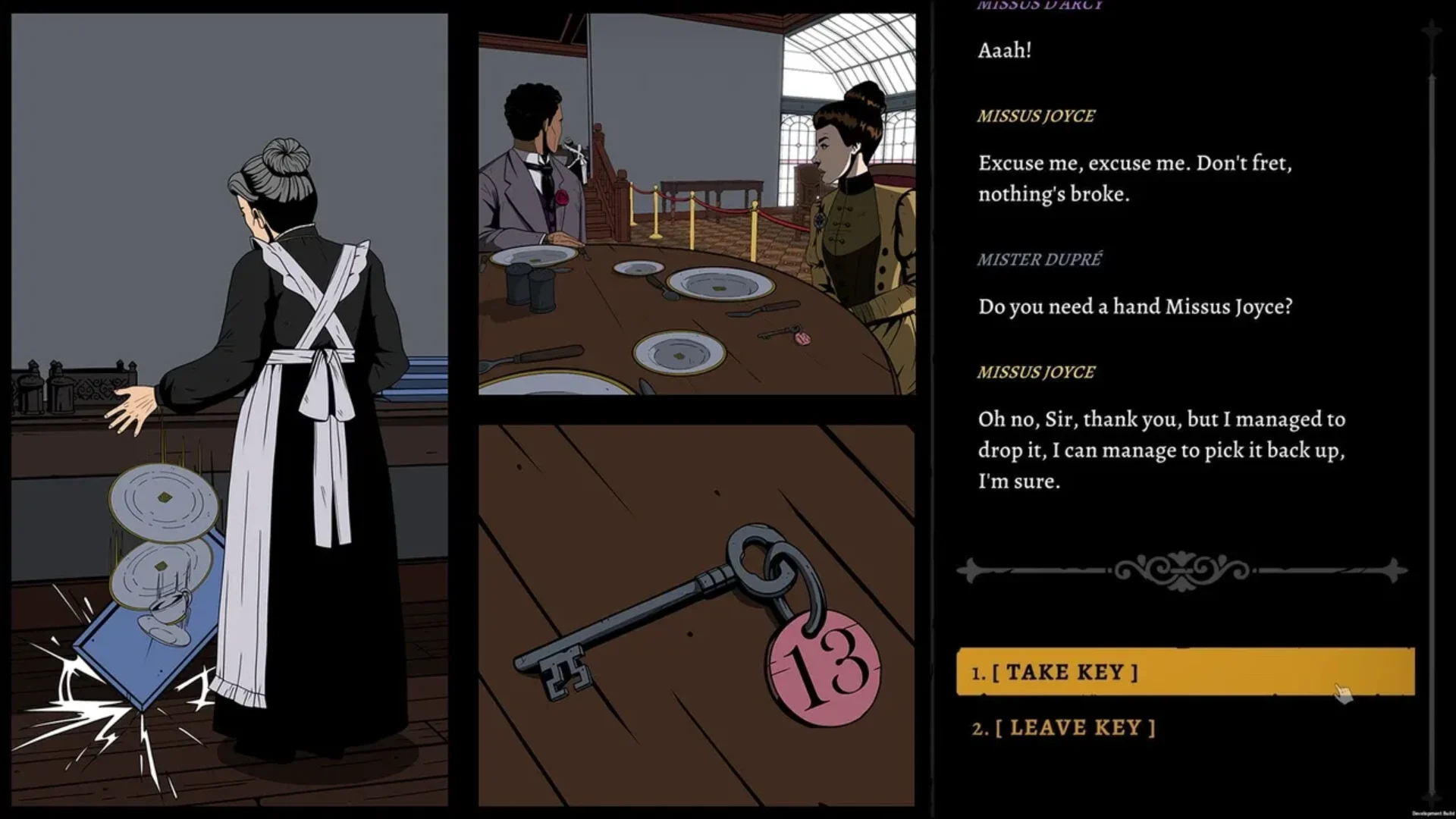
The Seance of Blake Manor turns an Irish hotel murder into a ruthless race against the clock where every action eats away at a strict three day schedule.
Eavesdropping through a locked door or inspecting a suspect's bedroom permanently closes off conversations happening elsewhere in the manor, forcing you to prioritize which secrets are worth chasing.
That constant time pressure feeds into character specific mind maps that visualize exactly which theories lack supporting evidence. It turns a supernatural ghost story into a brilliantly stressful exercise in time management and ruthless deduction.
4. The Roottrees Are Dead

The Roottrees Are Dead turns a massive family tree into an addictive digital manhole where an unnamed face in a faded photograph is just the start of a decades long obsession. Browsing a fictional late nineties internet lets you cross reference old obituaries, corporate logos, and personal web pages to trace how inherited wealth connects obscure relatives.
Because the game only validates names once you correctly link an entire family branch, wild guessing is completely useless. It transforms what looks like tedious data entry into an exhilarating rush of genealogical sleuthing.
3. Disco Elysium The Final Cut
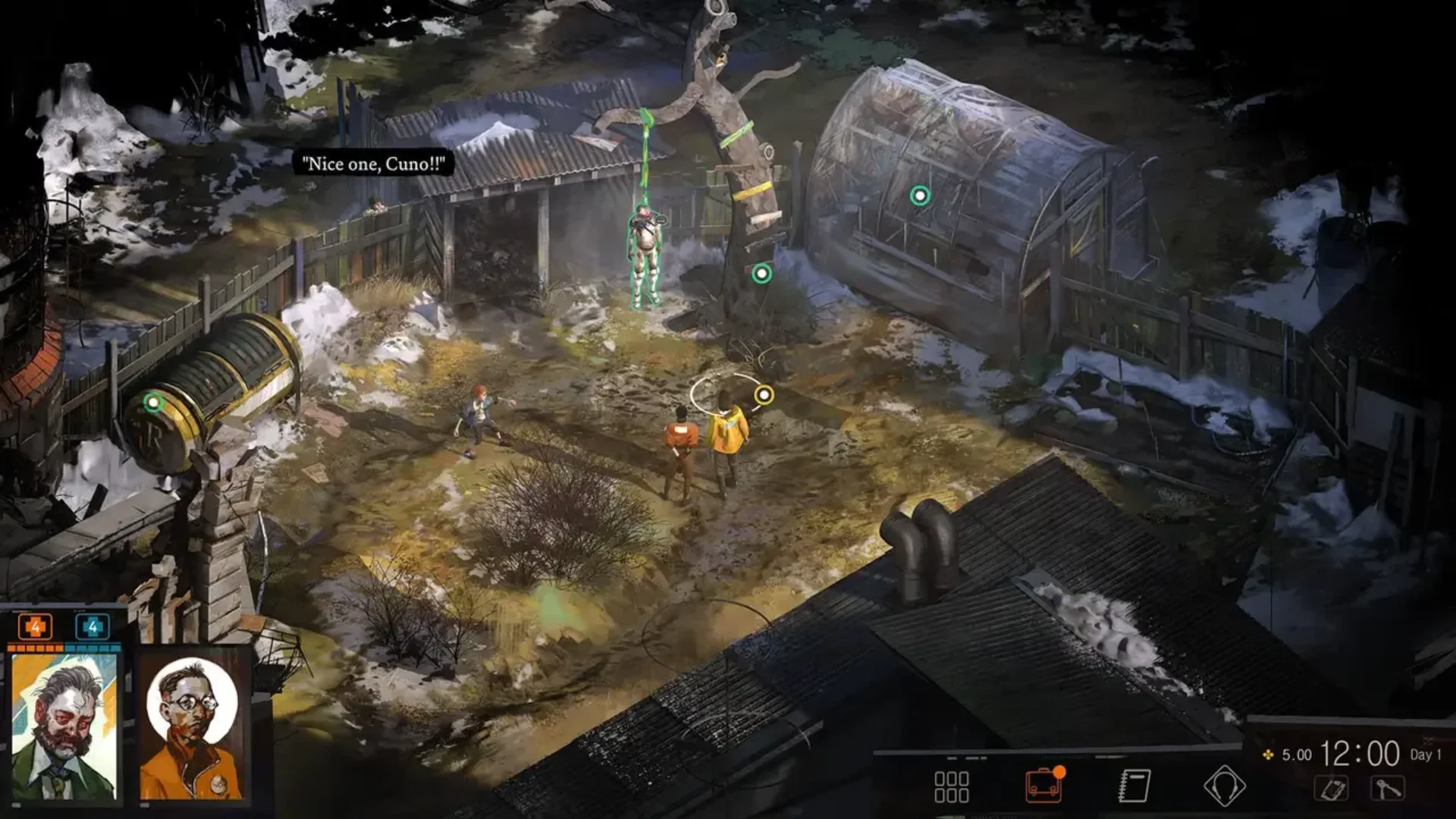
Disco Elysium The Final Cut turns a murder investigation into a chaotic psychological battlefield where your own fractured personality traits argue over how to solve the case. While inspecting a hanging corpse demands basic police procedure, your internal voices like Empathy or Visual Calculus will actively interrupt interviews to offer brilliant insights or completely self destructive suggestions.
A failed dice roll can derail a routine autopsy into an embarrassing personal breakdown, yet those clumsy mistakes often reveal deeper truths about the town. It is a masterpiece of detective fiction where your biggest suspect is always yourself.

Disco Elysium: The Final Cut is an enhanced edition of the original role-playing game developed and published by ZA/UM. It retains the core gameplay and narrative while adding full voice acting, new quests, additional endings, and other narrative revisions.
Released
March 30, 2021
Developer
ZA/UM
Publisher
ZA/UM


2. The Case of the Golden Idol
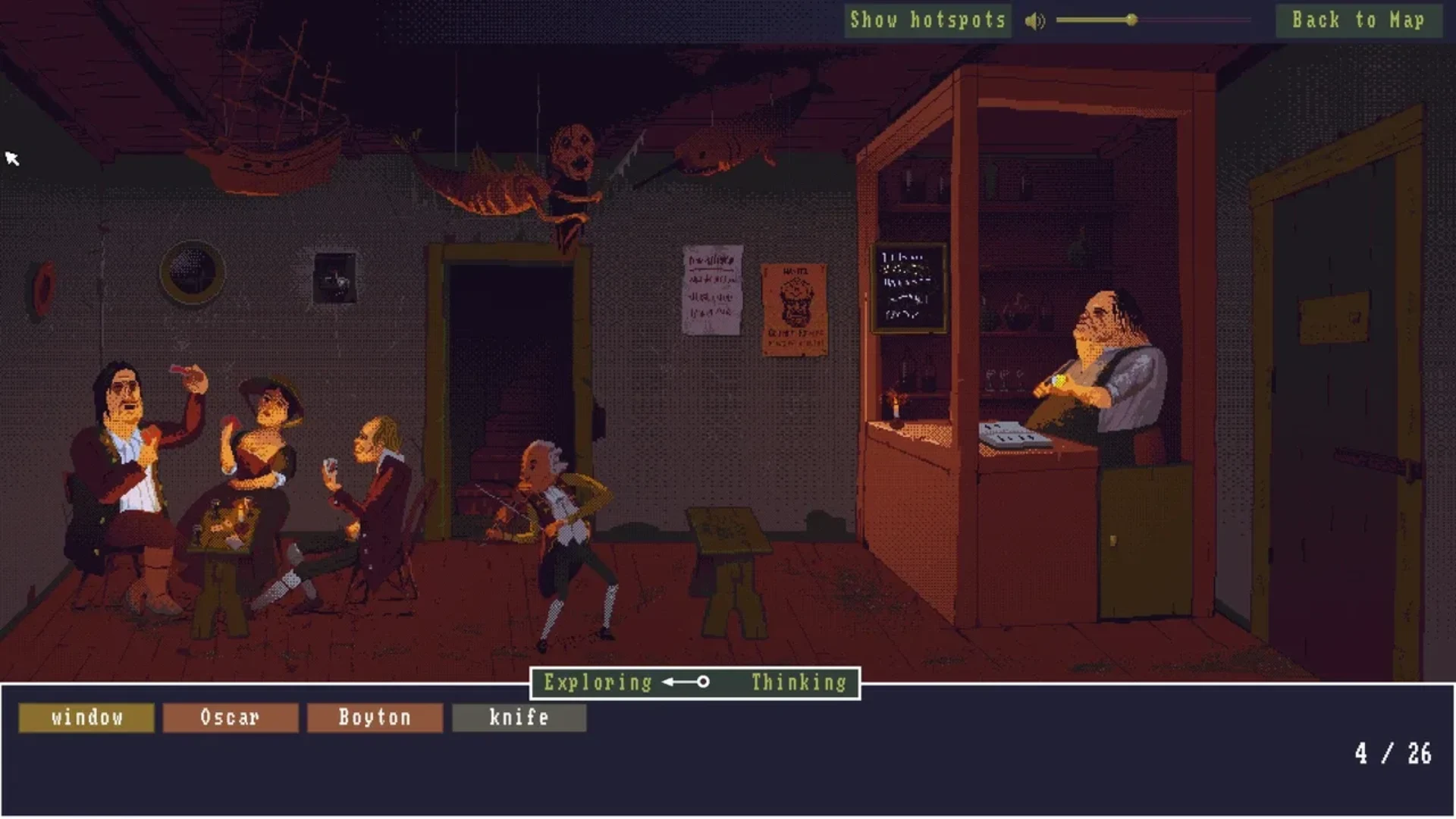
The Case of the Golden Idol drops you into grotesque, frozen moments of murder and asks you to deduce what happened purely by observing the spatial logic of the scene. Filling in the blanks of a narrative statement requires scouring pockets, analyzing hand gestures, and tracing stolen property across multiple decades of a dark occult conspiracy.
Because the game refuses to hold your hand, identifying every victim and killer requires an almost mathematical precision in your reasoning. Staring at a still image for twenty minutes before the entire conspiracy clicks remains an absolute rush of dopamine.

The Case of the Golden Idol
A new kind of detective game that allows you to think and investigate freely. Discover clues surrounding 12 strange and gruesome deaths and build your own theory. Pick your suspect, deduce the motive, unmask the awful truth.
Released
October 13, 2022
Developer
Color Gray Games
Publisher
Netflix
1. Return of the Obra Dinn
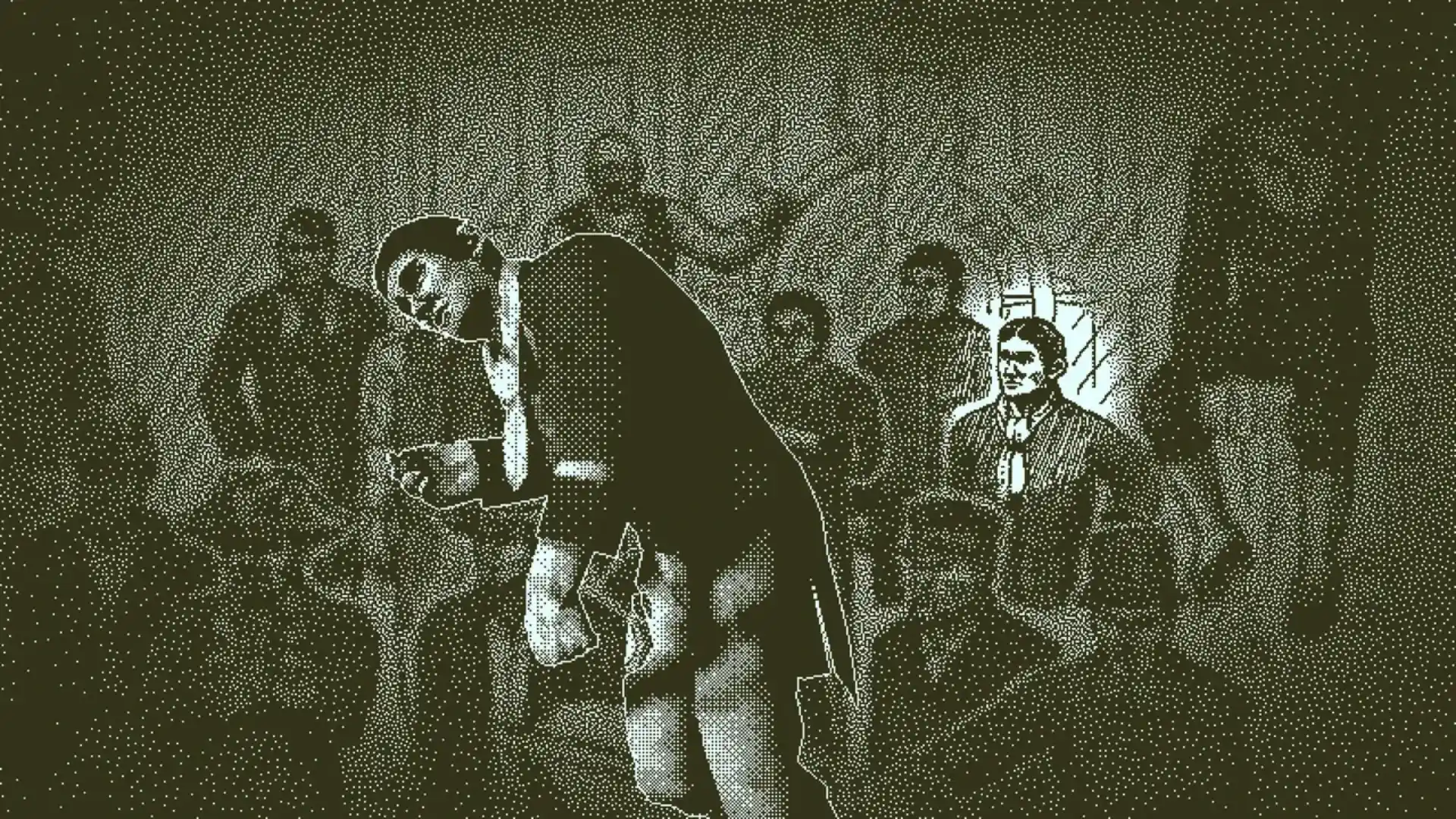
Return of the Obra Dinn hands you a pocket watch that freezes the exact instant of a person's death and asks you to identify all sixty doomed souls aboard a ghost ship. Because an accent, a uniform badge, or a hammock number is rarely enough on its own, confirming a name requires cross referencing visual evidence across several tragic memories at once.
That uncompromising demand for rigorous observation prevents you from brute forcing answers and makes every confirmed fate feel like a monumental intellectual victory. No other game trusts your intelligence so completely or rewards patience so profoundly.

Return of the Obra Dinn
In this 1-bit first-person mystery game, a merchant ship called the Obra Dinn has appeared at a London harbor, years after being declared lost at sea. As an insurance adjuster, the player must examine the ship for clues.
Released
October 18, 2018
Developer
Lucas Pope
Publisher
3909
Tagged In
Discussion
0We want to hear from you. Share your perspective in the comments below, and please keep the conversation respectful.
Log in to join the discussion - vote, reply, and share your take.
Log In