Half-Life 2 Still Makes City 17 One of Gaming's Most Uncomfortable Places to Visit
More than twenty years after Gordon Freeman returned, Half-Life 2 remains a remarkable first-person shooter, with a memorable world, clever physics, and a few lengthy sections that haven't aged quite so well.
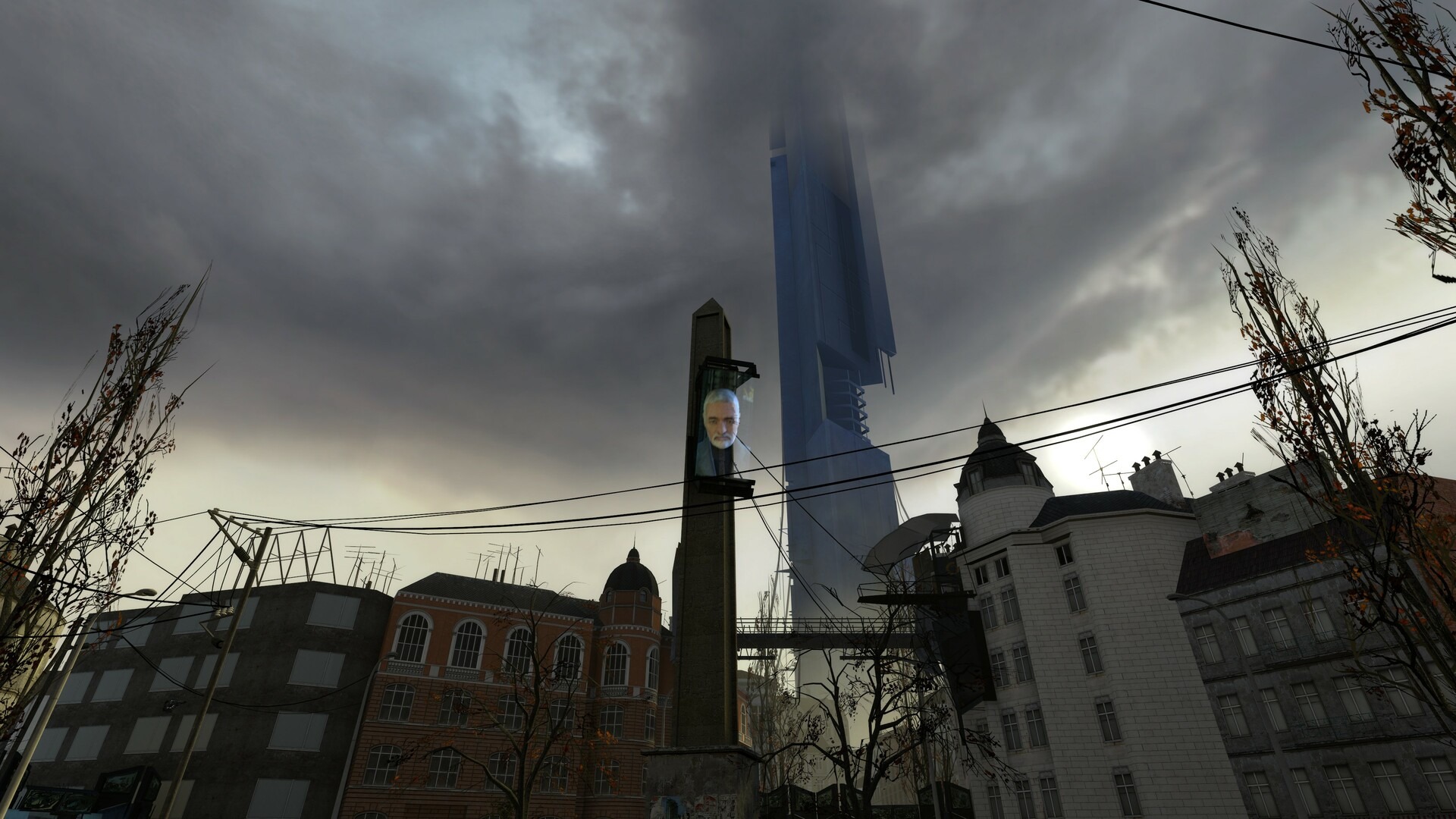
Gordon Freeman arrives in City 17 without much explanation. Armed security officers patrol the train station, enormous screens broadcast the voice of Dr. Breen, and frightened citizens shuffle through checkpoints under the watchful eyes of the Combine. Before Gordon has even found a weapon, Half-Life 2 establishes that something has gone terribly wrong with the world.
Released in November 2004, Valve's sequel took the original Half-Life's approach to environmental storytelling and built a much larger adventure around it. I think Half-Life 2 remains one of the most memorable single-player shooters ever made, particularly because its world feels believable without relying on lengthy cutscenes. The combat and vehicle sections occasionally show their age, but City 17 still has an atmosphere that's difficult to forget.
Welcome to City 17, Please Pick Up That Can
The opening sequence is an excellent introduction to the Combine's oppressive rule. Citizens are watched constantly, security officers intimidate civilians, and strange machinery hangs over a city that looks both familiar and deeply unsettling.
One particularly memorable encounter involves a Civil Protection officer ordering Gordon to pick up a discarded can. It's a tiny interaction, but it communicates the relationship between the Combine and ordinary citizens more effectively than an extended explanation could.
I appreciate how the story develops through these environmental details. Propaganda broadcasts, abandoned apartments, and conversations between frightened survivors gradually reveal the consequences of the Combine occupation. The world explains itself while the adventure continues moving.
The Gravity Gun Is Still More Fun Than Most Actual Guns
The Gravity Gun remains one of Half-Life 2's defining additions. Instead of simply shooting enemies, Gordon can pick up objects, move obstacles, and launch heavy items across the environment.
Its usefulness extends well beyond combat. Physics puzzles require manipulating objects to create platforms, activate mechanisms, and clear pathways. Many are straightforward, but they encourage players to experiment with the environment instead of looking for another switch.
The weapon becomes especially entertaining when ordinary objects turn into ammunition. Explosive barrels can destroy groups of enemies, while heavy objects provide satisfying alternatives to conventional firearms.
I like that the Gravity Gun feels like a natural part of the world rather than a novelty introduced for a handful of puzzles. The physics technology may no longer seem revolutionary, but the creativity behind its implementation remains impressive.
Nobody Warned Gordon How Bad Ravenholm Would Be
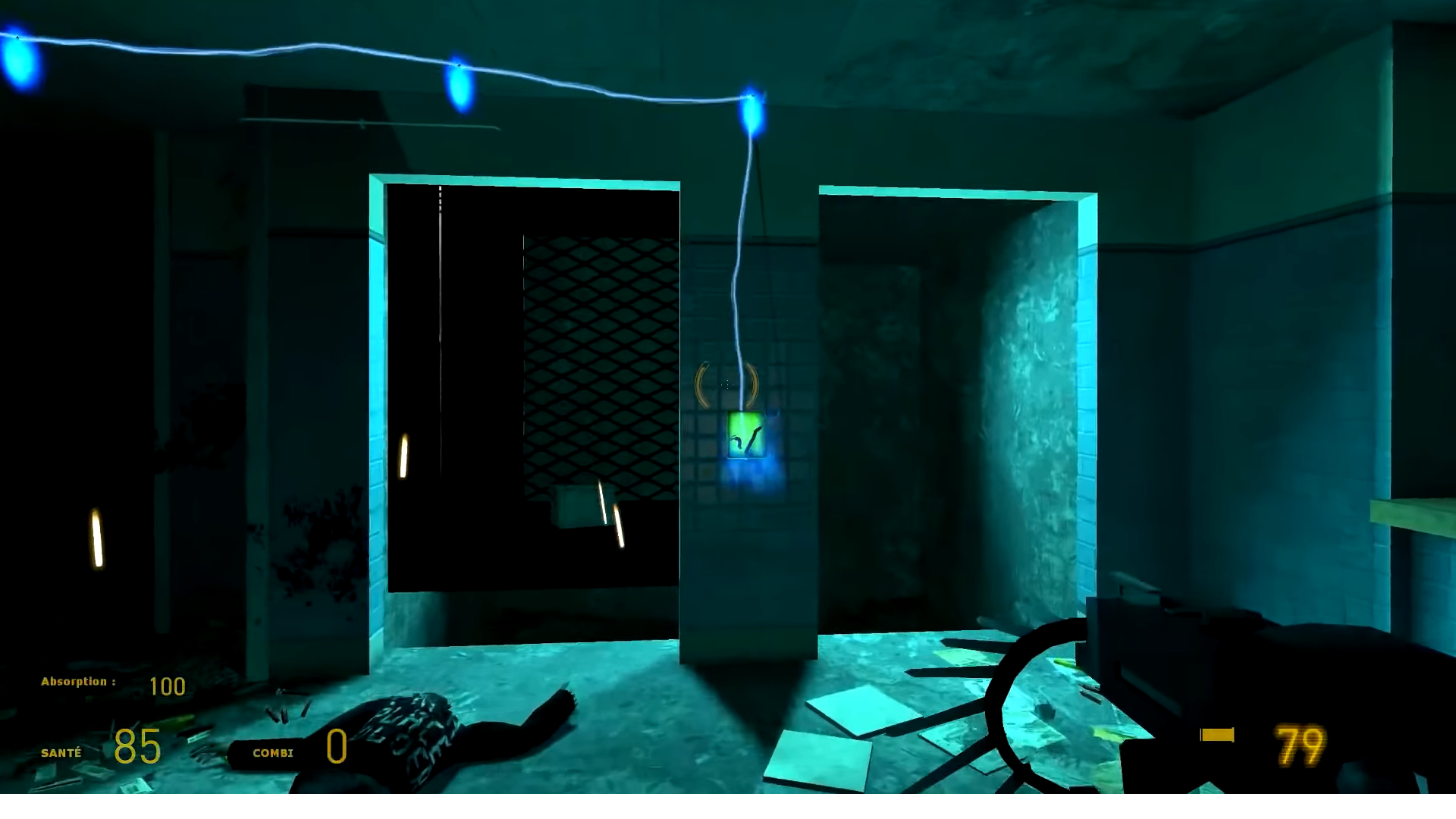
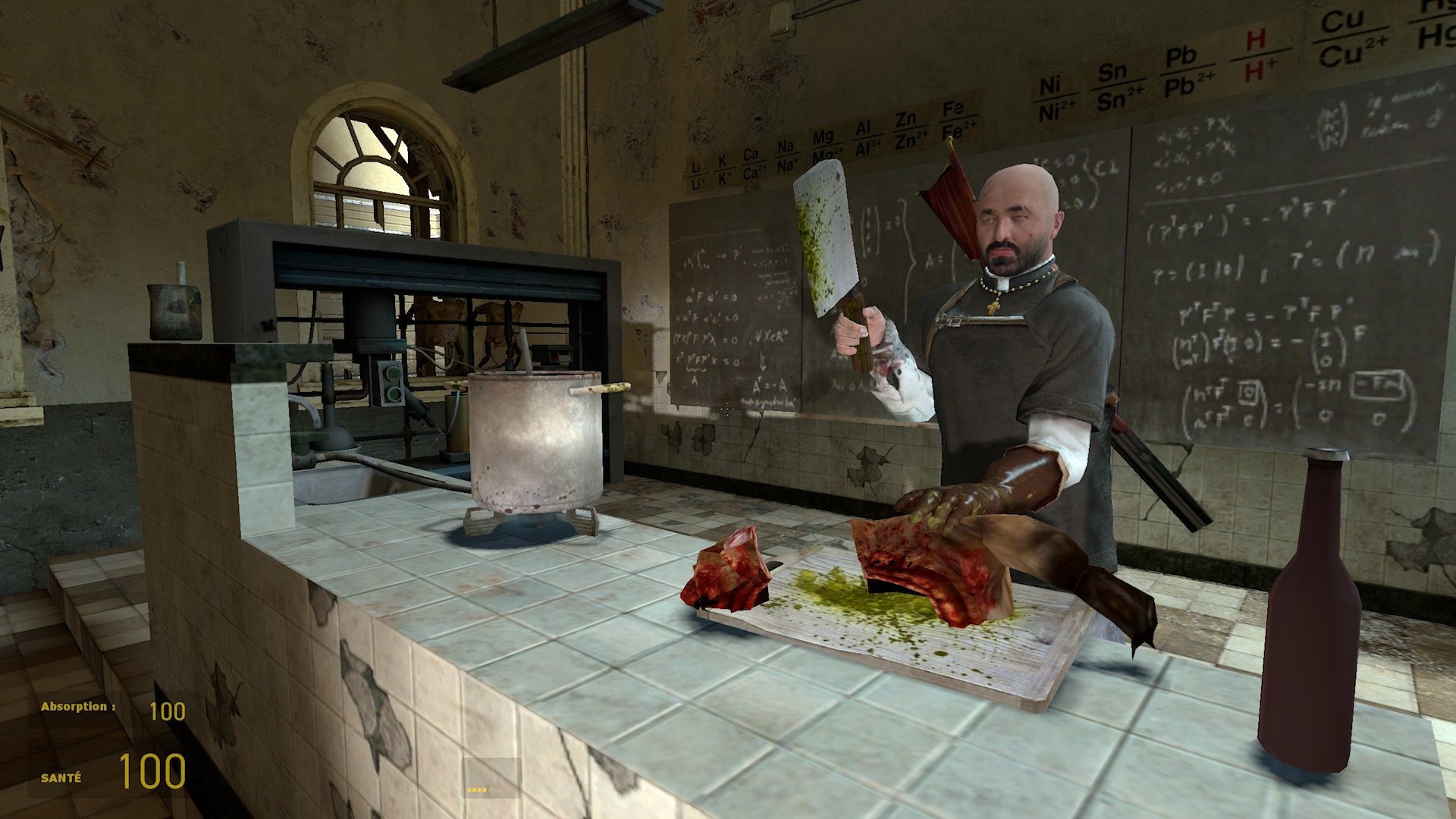
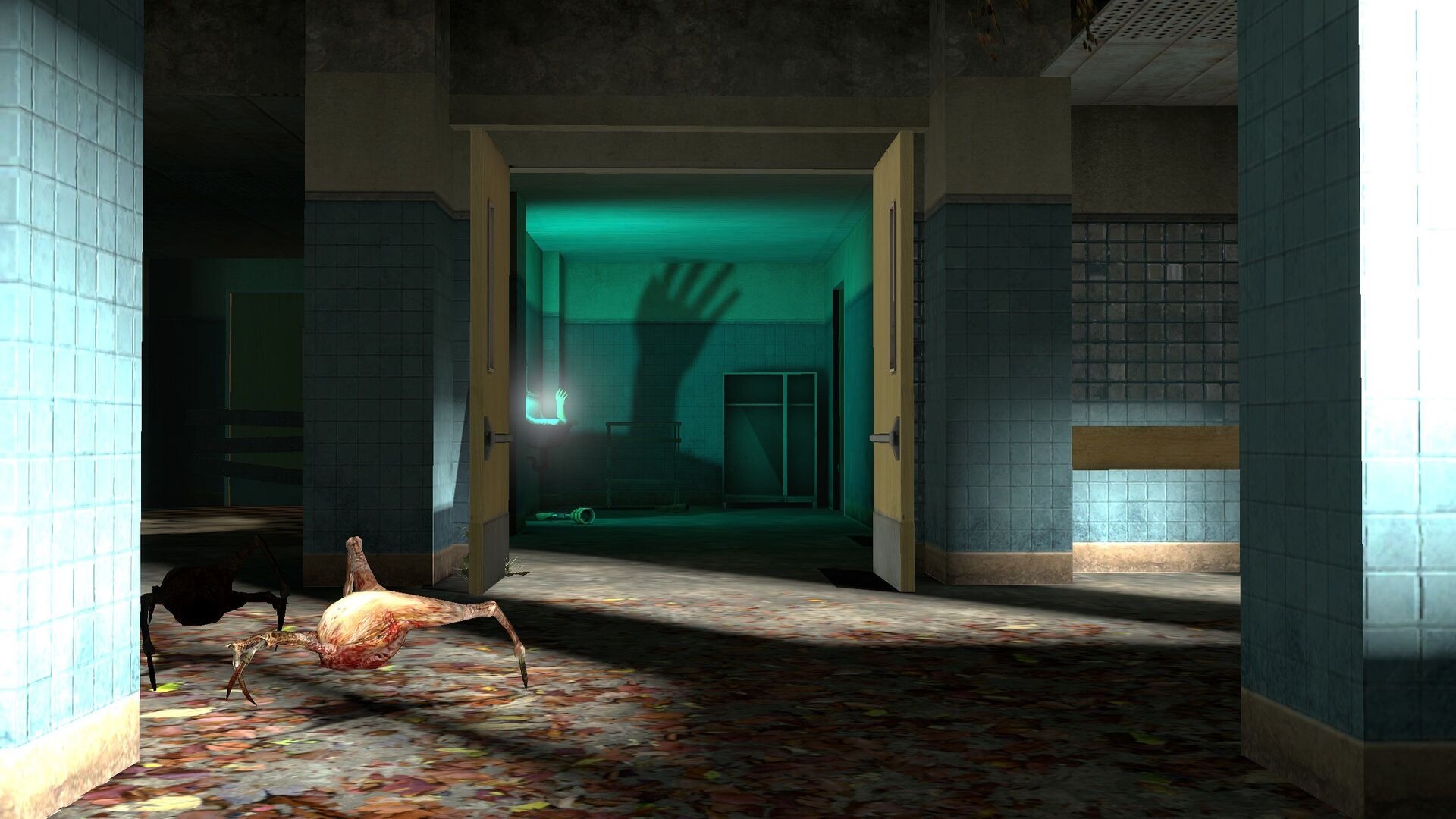
Ravenholm provides one of the game's most memorable changes in atmosphere. The abandoned settlement is overrun with headcrabs and zombies, turning the adventure into something resembling a survival horror game.
The environment encourages creative use of the Gravity Gun, with saw blades and environmental traps becoming particularly effective against the undead. Ammunition conservation becomes more important, and the narrow streets make encounters considerably more uncomfortable.
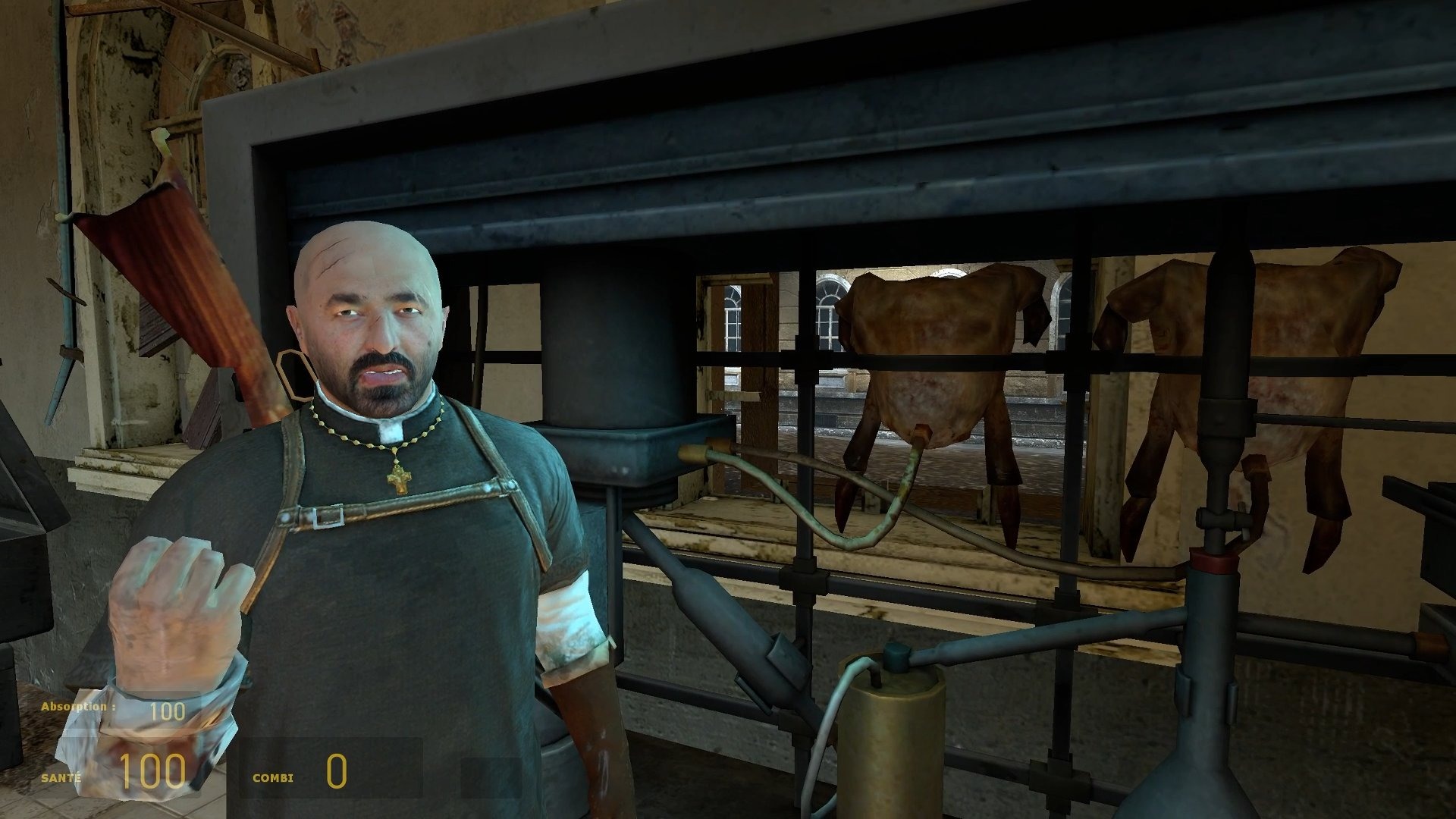
Father Grigori adds a wonderfully strange personality to the location, providing occasional assistance while making it clear that Ravenholm has become a deeply unpleasant place to live.
I think the level works because it changes the expectations established by earlier chapters. Instead of fighting organized Combine soldiers, Gordon must navigate an unpredictable environment where familiar weapons aren't always the most practical solution.
The Combine Are Dangerous, but Their Soldiers Aren't Always Clever
Traditional gunplay offers a familiar collection of pistols, shotguns, explosives, and automatic weapons. Firefights against Combine soldiers become increasingly demanding as Gordon travels through occupied territory.
The enemy AI was impressive for its time, particularly during larger encounters where soldiers coordinate attacks and attempt to overwhelm Gordon. However, their behavior is considerably less convincing by modern standards.
Some firefights become repetitive, especially when enemies absorb multiple shots without reacting as expected. The shooting lacks the weight and precision of more recent first-person shooters, although environmental interactions help distinguish it from ordinary corridor combat.
Those Vehicle Sections Could Have Been a Little Shorter
The airboat and buggy provide opportunities to explore larger environments, including the canals surrounding City 17 and the coastal roads of Highway 17.
These sections establish an impressive sense of scale, with abandoned buildings, Combine installations, and enormous industrial structures visible throughout the journey. There's something enjoyable about traveling through the ruins of a world that clearly existed before the occupation.
Unfortunately, the vehicle handling can feel awkward, and several stretches last longer than necessary. Stopping repeatedly to clear obstacles or solve basic puzzles interrupts the momentum, particularly when the route offers limited freedom to explore.
I appreciate the variety these sections introduce, but they're also among the parts of Half-Life 2 that would benefit most from tighter pacing.
Alyx Vance Gives the Resistance a Human Side
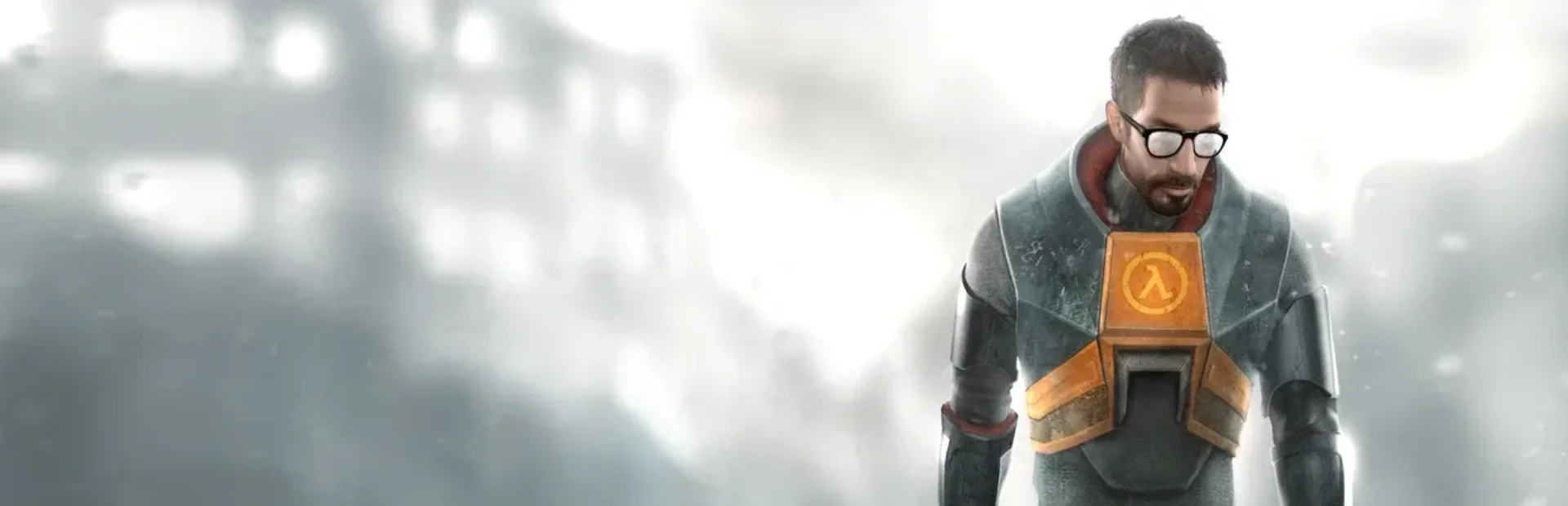
Alyx is one of the game's strongest characters, providing warmth and personality in an otherwise oppressive world. Her interactions with Gordon establish an important connection to the resistance without relying on lengthy exposition.
Other characters, including Eli Vance, Barney Calhoun, and Dr. Kleiner, help make the rebellion feel like a collection of people rather than an anonymous organization. Their conversations provide welcome moments of humor between dangerous encounters.
Gordon's silence remains an unusual storytelling choice. It allows the player to remain focused on events as they unfold, although conversations occasionally feel awkward when characters expect a response from someone who never speaks.
City 17 Is Still Worth Fighting Your Way Out Of
Half-Life 2 remains a remarkable first-person adventure because of its atmosphere, environmental storytelling, and inventive use of physics. City 17 feels like a place with its own history, while locations such as Ravenholm provide experiences that remain memorable long after the credits.
Half-Life 2 shows its age in the gunplay, uneven vehicle sections, and occasionally questionable enemy AI. Yet its remarkable pacing, environmental storytelling, and inventive level design still put many modern first-person shooters to shame. More than two decades later, Valve's classic remains essential playing. Valve's 20th Anniversary Update also makes the classic more convenient to revisit on modern PCs, but the strongest reason to return is the adventure itself.
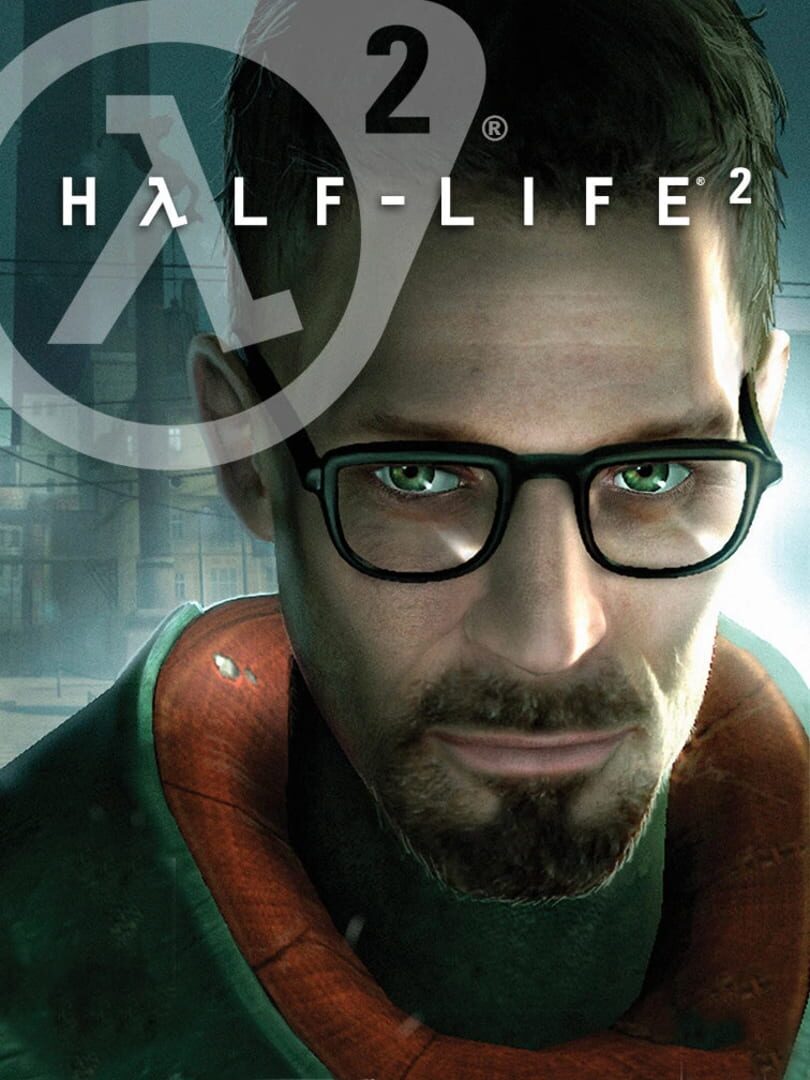
1998. HALF-LIFE sends a shock through the game industry with its combination of pounding action and continuous, immersive storytelling. NOW. By taking the suspense, challenge and visceral charge of the original, and adding startling new realism and responsiveness, Half-Life 2…


