Portal 2 Still Makes You Feel Like a Genius Right Before GLaDOS Calls You an Idiot
Fifteen years after its release, Portal 2 remains one of gaming's cleverest puzzle adventures, with brilliant writing, memorable characters, and a laboratory that probably shouldn't be allowed to conduct experiments.
Waking up inside Aperture Science is rarely good news, particularly when the facility is falling apart and a nervous little robot seems to be your only hope of escaping. Portal 2, released in April 2011, returns to Valve's wonderfully strange laboratory, where physics experiments, malfunctioning machinery, and a murderous artificial intelligence make everyday survival rather complicated.
The original Portal was a remarkably clever puzzle game, but its sequel turns that simple concept into a much larger adventure. I think Portal 2 remains one of Valve's strongest games, combining inventive puzzles with genuinely funny writing and an excellent cooperative campaign. Some later chambers become unnecessarily complicated, but few puzzle games make working out a solution feel quite so rewarding.
Welcome Back to Aperture Science, Where Safety Is Still Optional
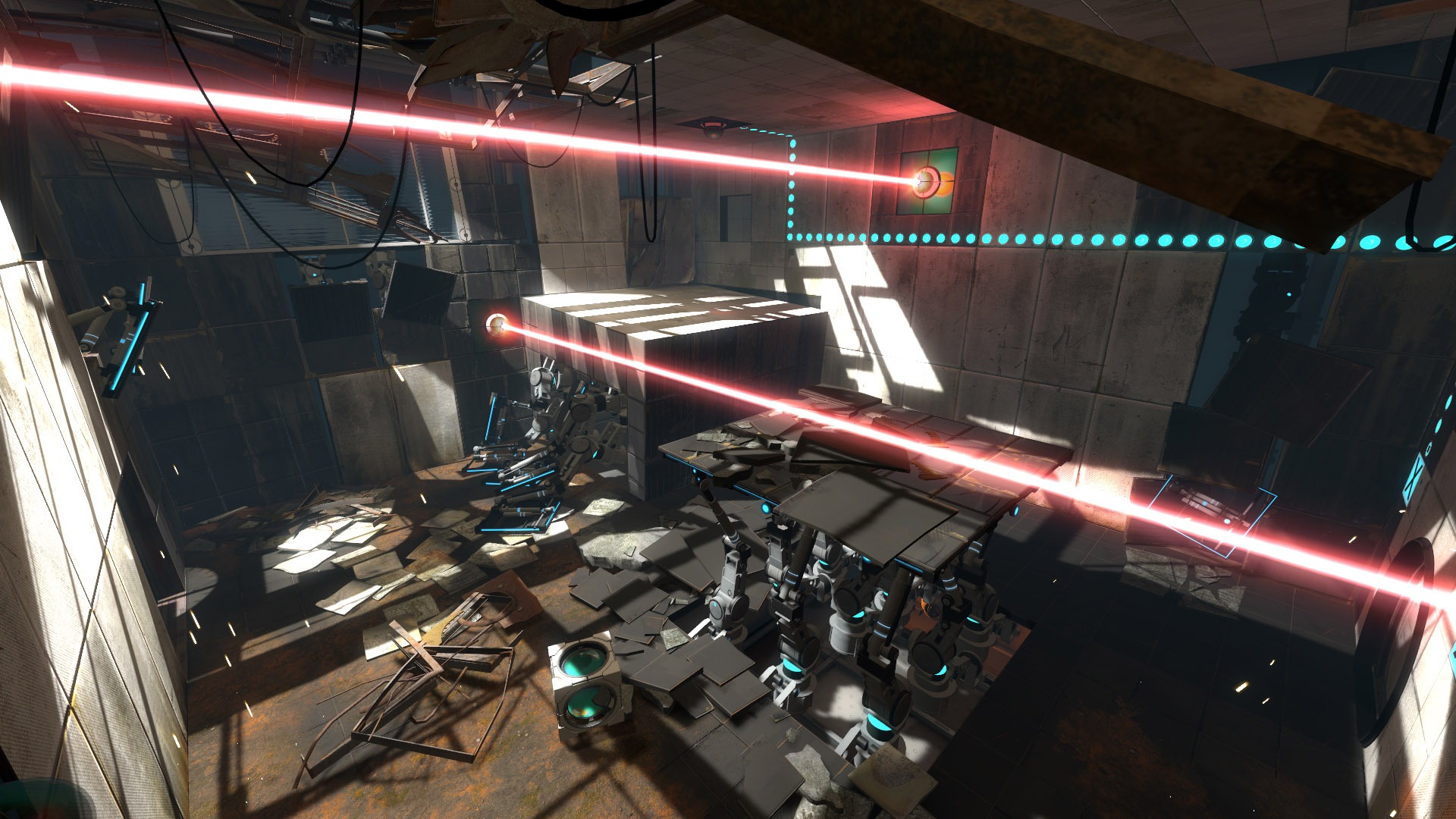
The adventure begins with Chell awakening inside a neglected Aperture facility. Test chambers have deteriorated, vegetation grows through the walls, and machinery struggles to function after years without proper maintenance.
Wheatley, a talkative personality core voiced by Stephen Merchant, provides assistance while demonstrating an almost impressive lack of competence. His constant commentary makes exploring the abandoned facility considerably more entertaining.
I like how the environmental storytelling builds on the original game. Broken machinery, abandoned offices, and forgotten testing areas reveal the history of Aperture without requiring lengthy explanations. The laboratory feels much larger and stranger than before.
Two Portals Are Still Enough to Make Your Brain Hurt
The portal gun remains wonderfully simple. Place one portal on a suitable surface, another somewhere else, and anything entering one emerges through the other.
The challenge comes from understanding how movement and momentum work between them. Falling into a portal from a great height can launch Chell across an enormous gap, while carefully positioning portals allows objects to reach otherwise inaccessible switches.
What makes the puzzles entertaining is how naturally the game teaches these interactions. Early chambers introduce straightforward concepts before combining them into increasingly demanding challenges.
I appreciate that solutions generally depend on observation and reasoning rather than quick reflexes. A difficult chamber might appear impossible until one overlooked surface reveals a completely different approach.
Bouncing Gel, Light Bridges, and Some Questionable Science
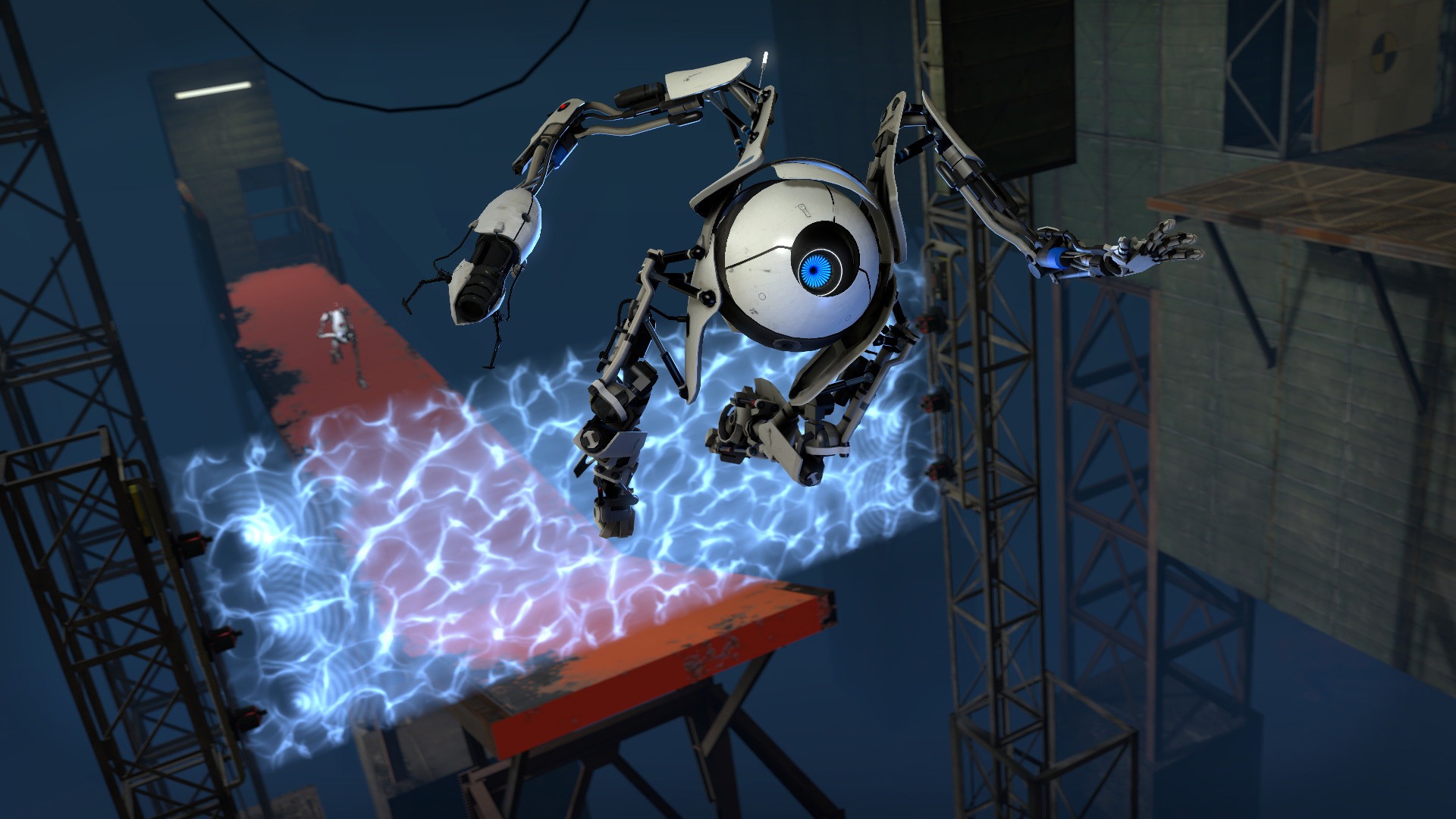
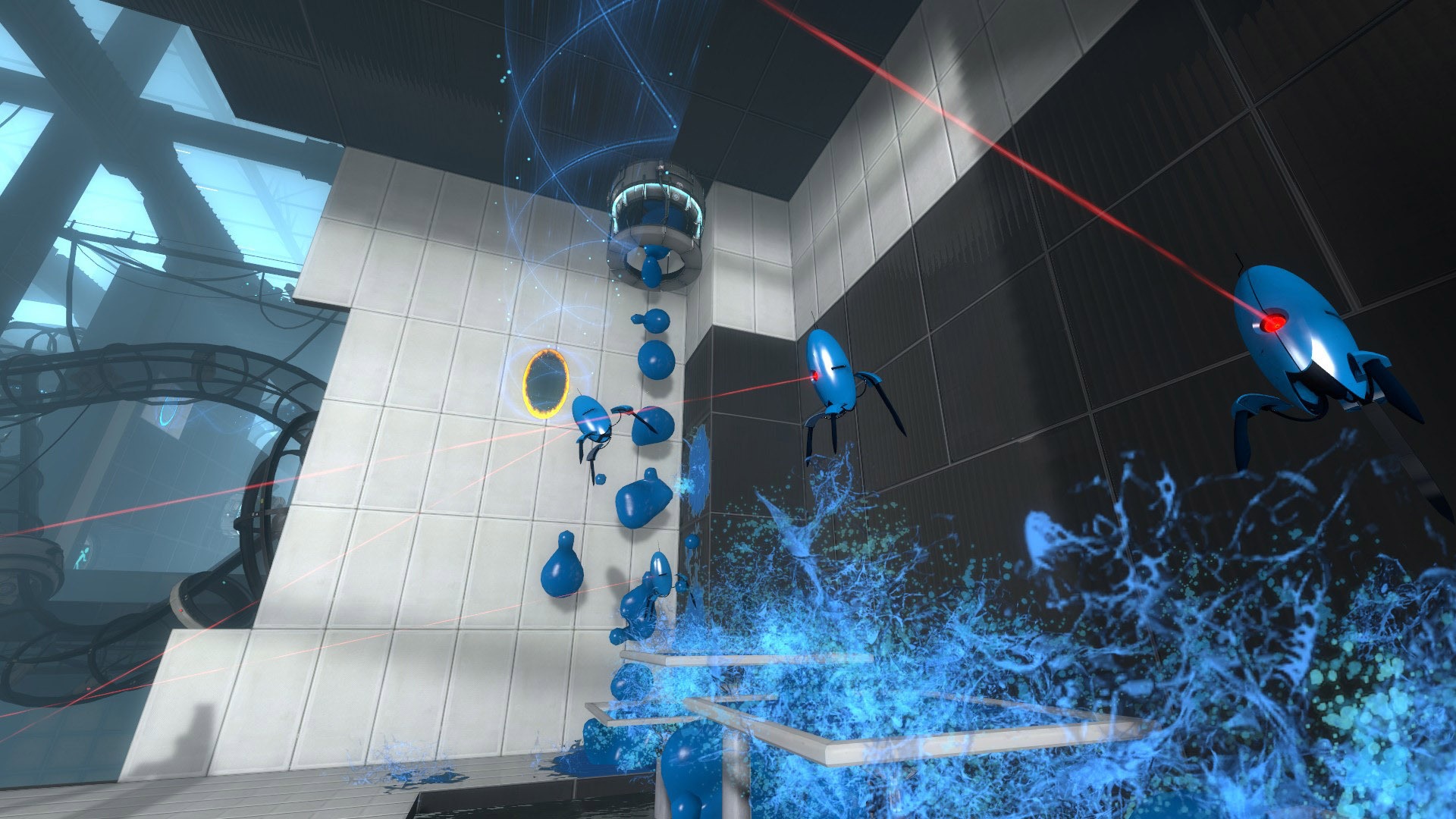
Portal 2 expands the original mechanics with several new puzzle elements. Hard Light Bridges create temporary walkways, Excursion Funnels transport objects and players through the air, and lasers introduce additional challenges involving positioning and redirection.
The various gels are especially entertaining. Repulsion Gel allows Chell to bounce from surfaces, while Propulsion Gel increases movement speed. Conversion Gel creates additional surfaces suitable for portals.
These mechanics combine in increasingly elaborate ways, sometimes requiring players to prepare several parts of a chamber before executing a solution.
Unfortunately, certain puzzles become frustrating when the challenge involves locating a distant portal-compatible surface rather than understanding the mechanics. Some of the larger environments could have benefited from clearer visual guidance.
GLaDOS Hasn't Become Any Friendlier
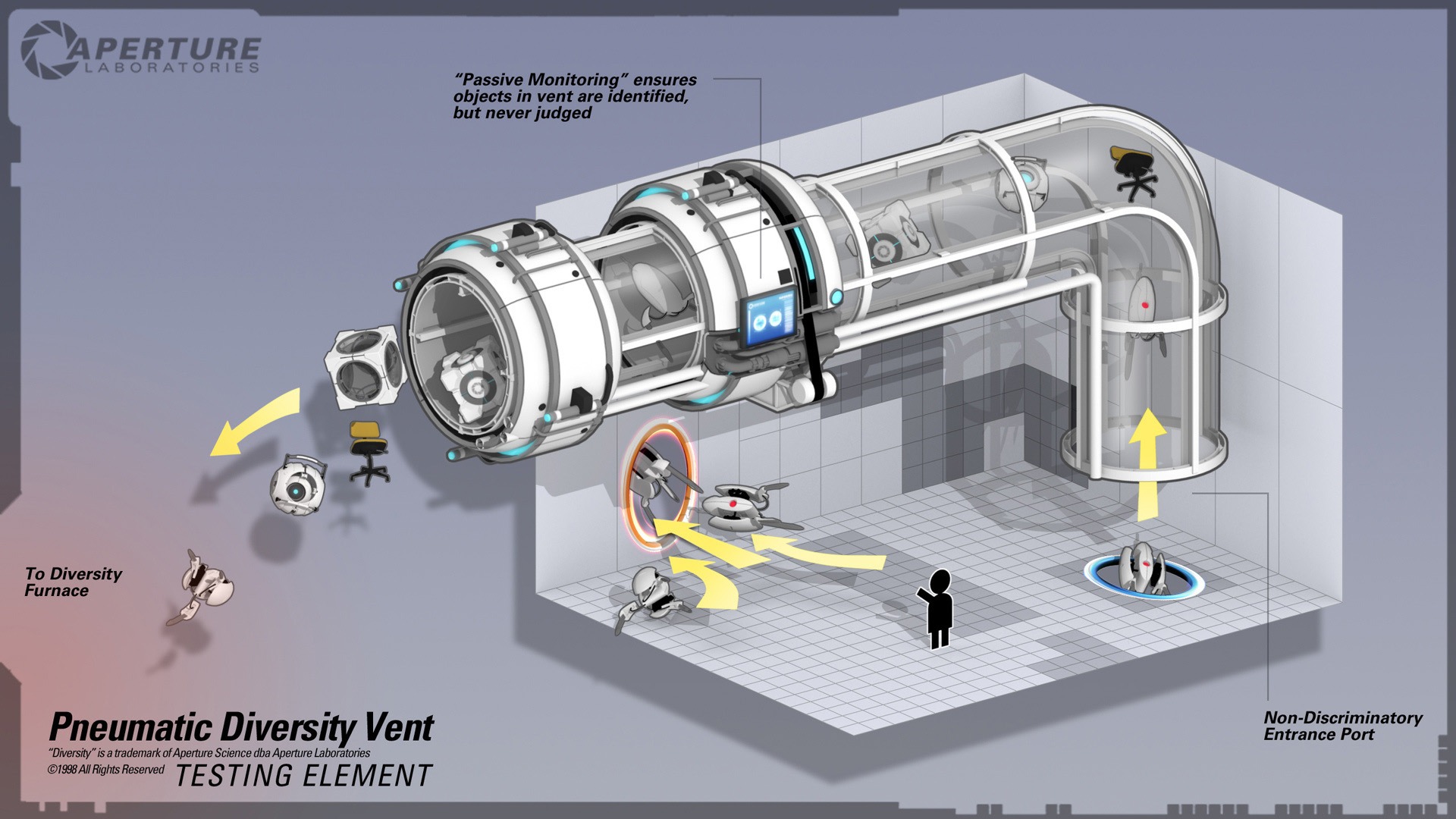
GLaDOS remains one of gaming's most entertaining antagonists. Her cheerful threats, passive-aggressive remarks, and complete disregard for human safety give even ordinary testing chambers a dark sense of humor.
Wheatley provides an excellent contrast. His nervous personality and questionable decision-making create a different kind of comedy, while his conversations with Chell help the story develop without interrupting the action.
The voice performances are excellent, particularly because the characters communicate so much personality through dialogue and mechanical movement. The writing rarely needs an elaborate cutscene to make a joke work.
Cave Johnson Might Be the Worst Boss Anyone Could Have
Exploring Aperture's older facilities introduces Cave Johnson, the company's eccentric founder, whose recorded announcements reveal a deeply questionable approach to scientific research.
Voiced by J.K. Simmons, Johnson brings another distinctive personality to the adventure. His enthusiasm for dangerous experiments and complete indifference to their consequences provide some of the game's funniest moments.
I particularly enjoy how these recordings expand Aperture's history. The facility becomes more than a collection of puzzle rooms, gradually revealing the absurd decisions that shaped its development.
Four Portals and Two Players Make Everything More Complicated
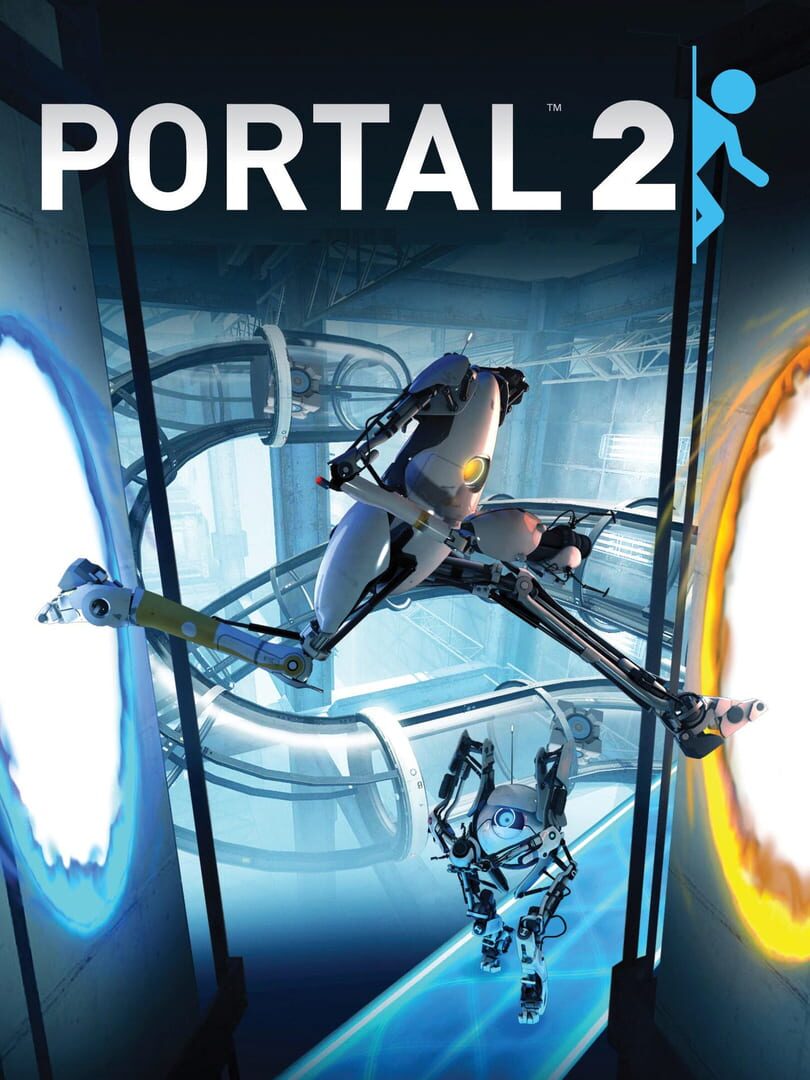
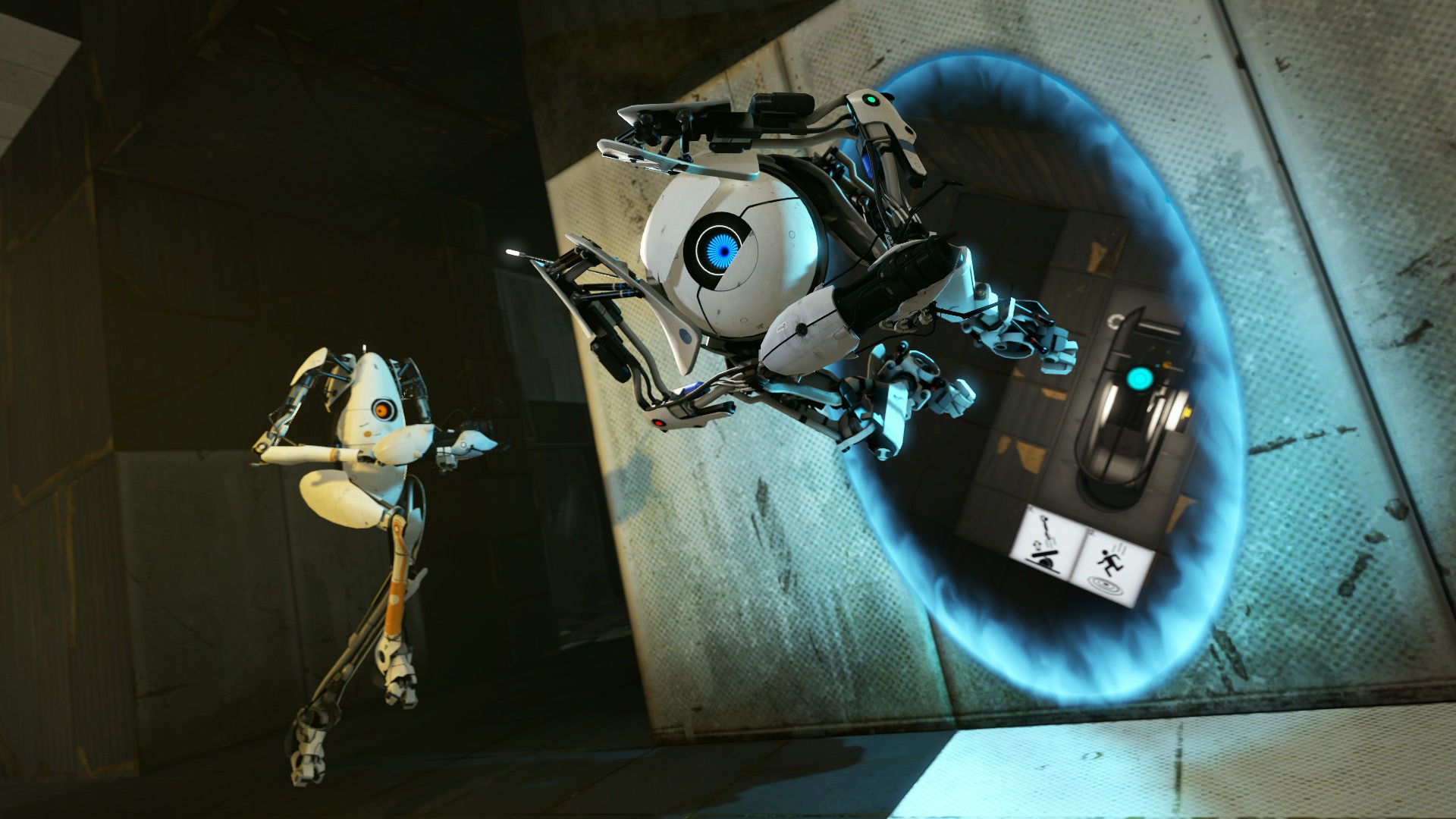
The cooperative campaign introduces Atlas and P-Body, two robots tasked with completing a separate collection of test chambers. Each player receives a portal gun, allowing four portals to operate simultaneously.
This dramatically expands the possibilities. One player might need to position a bridge while the other redirects a laser, or both must coordinate their movements to cross an obstacle.
Communication becomes essential, particularly during puzzles that require precise timing. The game provides useful tools for highlighting locations and coordinating actions, making it easier to explain complicated solutions.
I think the cooperative campaign is one of Portal 2's strongest additions. It creates genuinely collaborative challenges rather than simply placing two players in the same room. The opportunity to accidentally sabotage a friend's progress is an amusing bonus.
Aperture Science Is Still Worth Another Visit
Portal 2 remains an outstanding puzzle adventure because its mechanics, characters, and environments complement one another so effectively. The story is consistently entertaining, while the puzzles introduce enough new ideas to justify the longer campaign.
Some of Portal 2's larger chambers can be frustrating to navigate, and even its cleverest puzzles lose some of their magic once you know the solution. But few games make problem-solving this entertaining, especially with GLaDOS and Wheatley providing some of the funniest writing in gaming. The cooperative campaign adds even more value, and Aperture Science remains a wonderfully entertaining place to make questionable decisions in the name of science.