The 8 best farming games for starting over
These games make clearing an abandoned field, planting the first seeds and slowly building a working farm feel like progress rather than routine.
Farming games are built around repetition, but the good ones understand that repetition alone is not relaxing. Watering the same crops every morning only becomes satisfying when the work leads somewhere: a larger field, a better tool, a busy market stall or a community that begins to change because you decided to stay.
The games here all keep farming near the center of the experience, even when they introduce dungeon crawling, relationships or business management. They approach the land differently, from prehistoric crop experiments to industrial agriculture, but each gives the harvest enough meaning to justify another season.
8. Coral Island
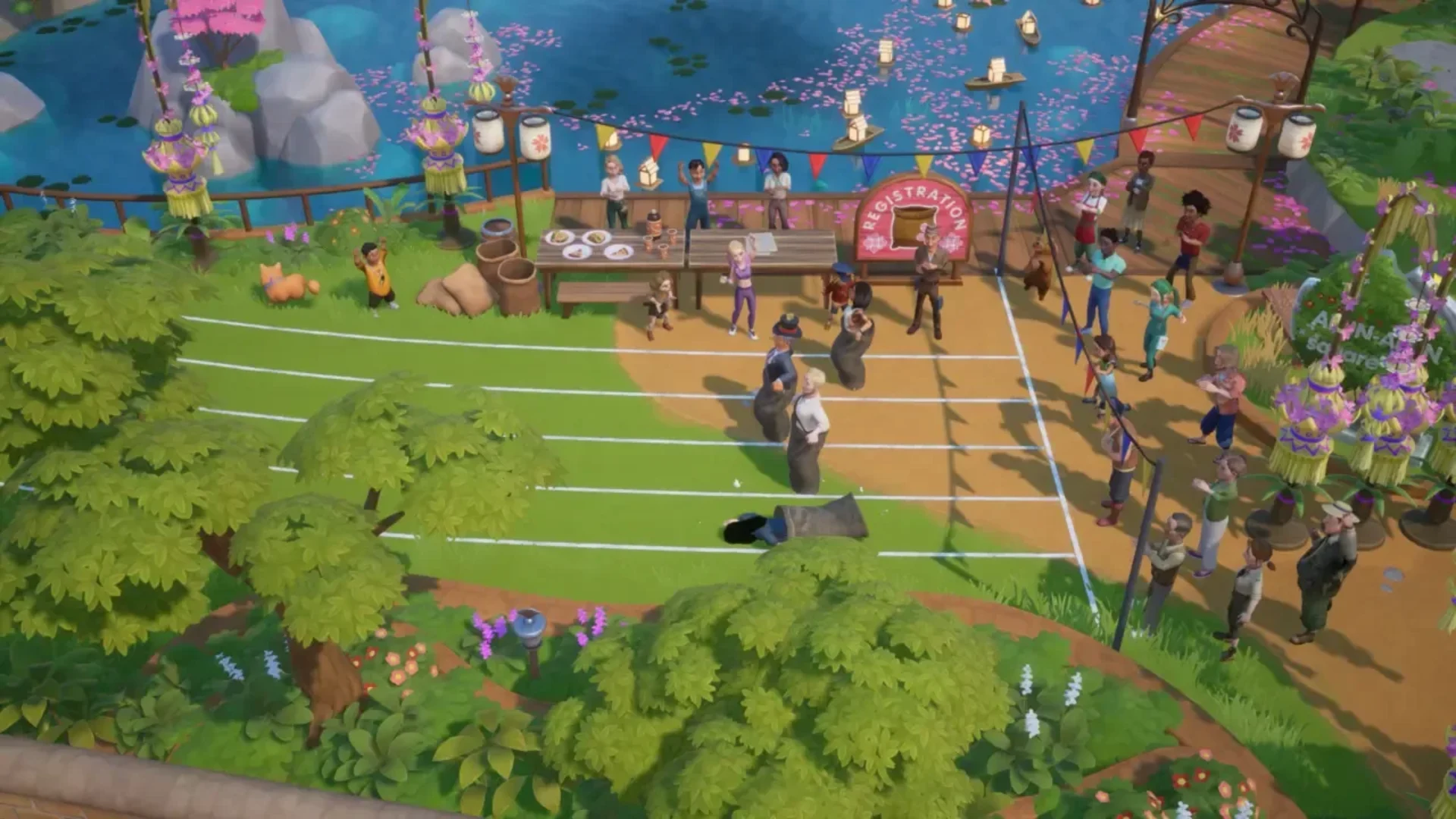
Coral Island offers an enormous amount to do before you have properly learned the names of everyone living in Starlet Town. The farm follows the familiar rhythm of seasonal crops, livestock and tool upgrades, while the surrounding island adds mining, fishing, diving, museum donations and a large cast of potential friends and partners. Its Indonesian influences also give the festivals, architecture and food a character that separates the setting from the usual vaguely rural farming town.
The scale can work against it. Progress is spread across so many collections, errands and upgrade tracks that a quiet day on the farm can quickly become a long checklist. Several systems closely follow Stardew Valley, sometimes without matching how neatly that game joins its different parts together. Even so, restoring the polluted ocean floor and watching the island recover gives the work a satisfying purpose beyond earning enough money for another barn.
7. Roots of Pacha

There is no general store selling perfectly packaged seeds in Roots of Pacha. Crops must be discovered in the wild, brought back to the settlement and gradually domesticated as the clan learns how to cultivate them. Familiar farming conveniences such as irrigation and animal pens are treated as new ideas created by the community rather than items waiting inside an upgrade menu.
That prehistoric setting changes the usual farming-game fantasy in small but effective ways. Progress belongs to the whole clan, with new inventions improving daily life for everyone instead of simply making the player richer. Animals are befriended rather than bought, and multiplayer farms feel naturally cooperative because the settlement is already built around shared labor.
It still resembles the games that inspired it, but its best systems make farming feel like knowledge passed between people rather than an established industry.
6. Fields of Mistria

Fields of Mistria does not disguise its affection for older Harvest Moon and Rune Factory games. The pastel character portraits, seasonal crops, mines and town-restoration story are immediately familiar. Its improvement comes through the details: tools feel responsive, jumping makes the town pleasant to move through and skill upgrades give everyday jobs useful new abilities instead of relying only on larger stamina bars.
Mistria also feels like a community rather than a collection of characters waiting for the player to speak to them. Residents spend time together, hold group conversations and refer to one another's lives, making an evening at the inn worth attending even when there is no quest marker involved. The game remains in early access, so later relationships and progression are still being expanded. What is already there has more warmth and personality than many completed farming sims manage across twice the running time.
5. Story of Seasons: Grand Bazaar

Most farming games end the financial side of the day by throwing produce into a shipping box. Story of Seasons: Grand Bazaar makes selling the harvest an event. Every weekend, the crops, meals, crafted goods and insects collected during the week are arranged on a market stall, where ringing a bell attracts customers and smart decoration helps turn better stock into larger profits.
That weekly bazaar gives the farm a stronger rhythm than the usual cycle of planting and automatic sales. A successful market day feels like the result of several mornings spent planning what to grow, which goods to process and what might be popular when the gates open. Zephyr Town reinforces that loop with residents who know one another and take an active interest in the market's recovery.
The wind-powered tools and glider are pleasant additions, but it is the simple pleasure of watching a crowded stall empty that gives this remake its own reason to exist.
4. Rune Factory 4 Special

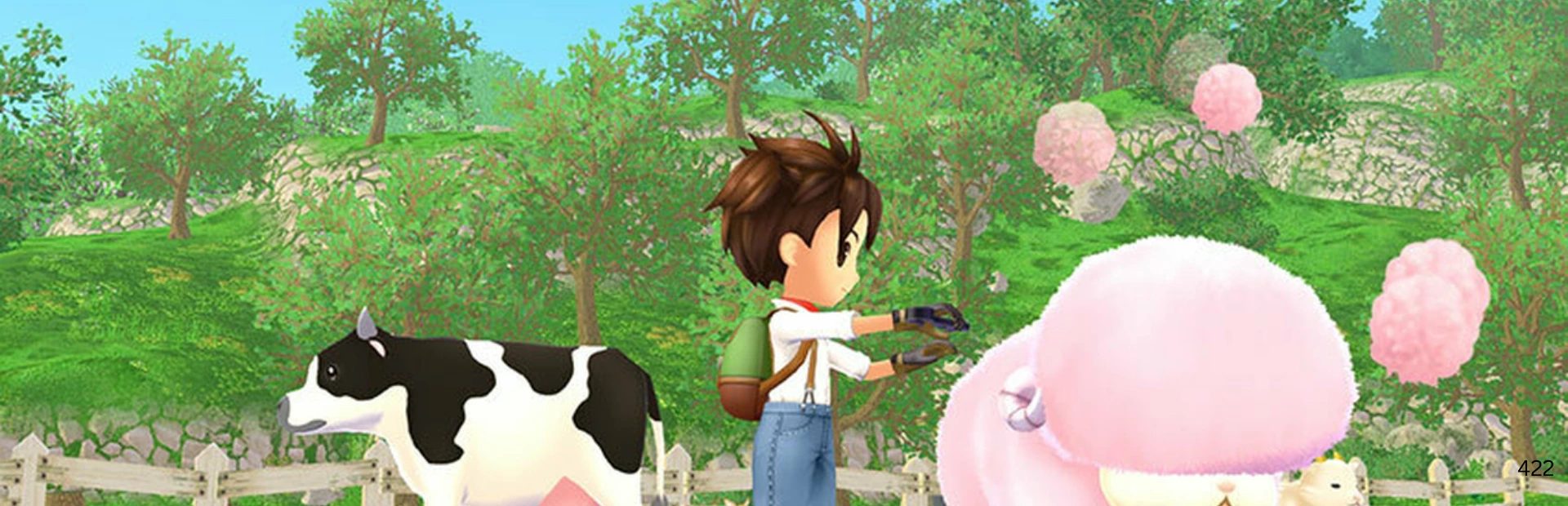
Farming is only one part of Rune Factory 4 Special, but it feeds into almost everything else. Crops can become meals, gifts, medicine or income for better weapons. Monsters encountered in dungeons can be tamed and brought back to help with fieldwork, while the same crafting skills used to make agricultural tools eventually produce equipment for much harder fights.
The sheer number of connected systems makes the opening hours messy. Tutorials arrive in clumps, important mechanics are not always explained clearly and players who only want peaceful crop management may find themselves dragged too often toward combat. Once it opens up, few farming RPGs provide this much freedom.
A day can begin with harvesting turnips, drift into a town event and end several floors inside a dungeon because one missing material was needed for a new watering can. Its age is visible, but the structure remains difficult for newer games to match.
3. Farming Simulator 25
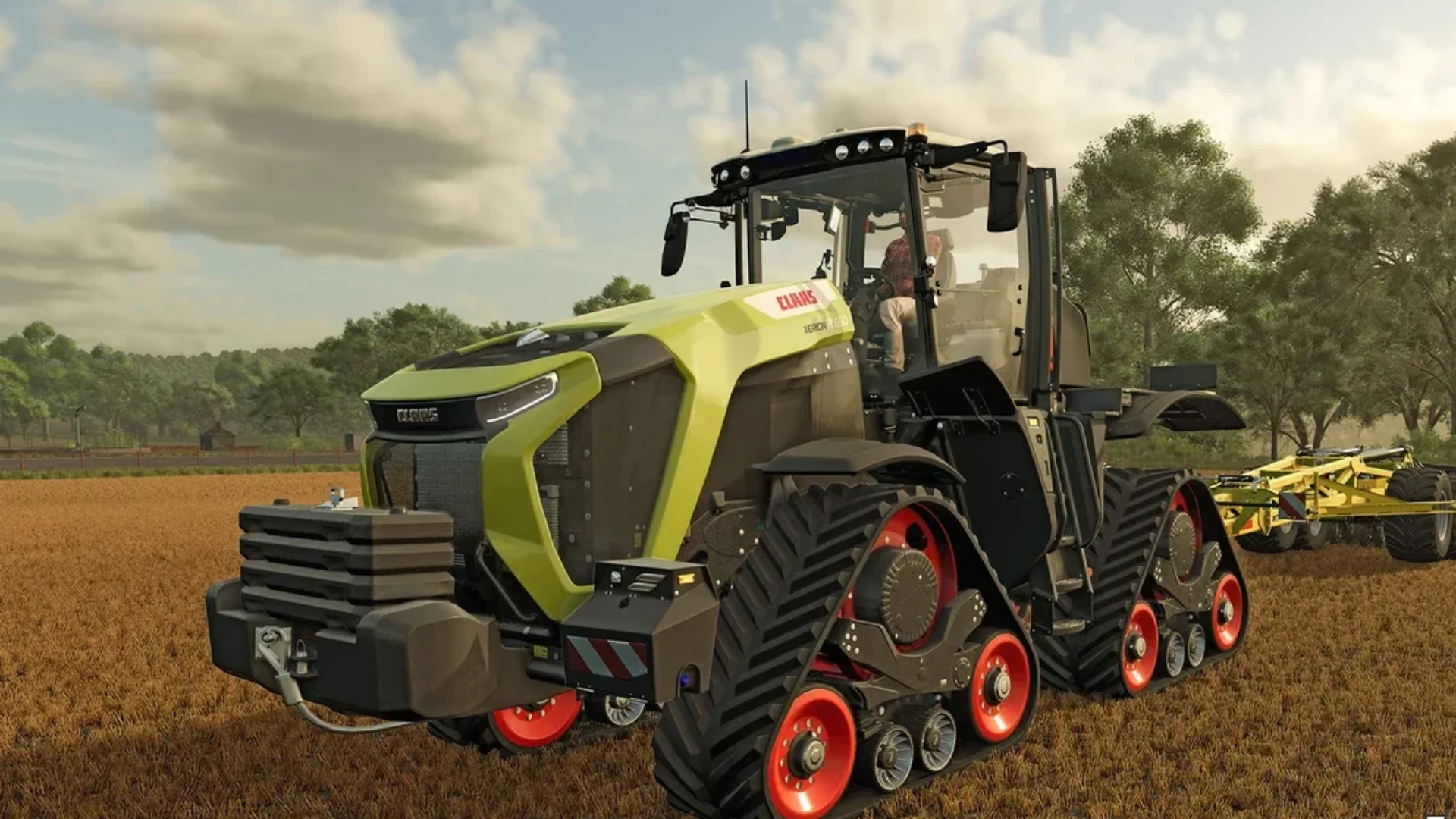
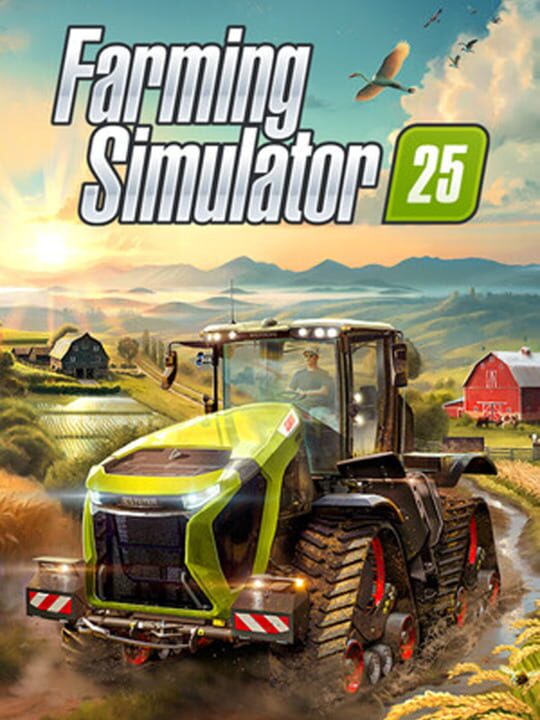
Farming Simulator 25 is concerned with the parts of agriculture most cozy farming games skip. Fields need to be cultivated, seeded, fertilized and harvested using machines designed for specific jobs. Expanding the operation means understanding equipment, production chains and whether buying another expensive vehicle will improve the farm or leave it buried under debt.
The satisfaction comes from scale. A small plot worked with basic machinery can gradually become an agricultural business filled with tractors, harvesters, livestock facilities and processing buildings. Weather effects and ground deformation add texture to the work, while the series' extensive modding community can make the simulation more demanding or more forgiving.
The interface remains cumbersome and the technology has not advanced as dramatically as each new instalment suggests. Still, no other game captures the slow mechanical pleasure of finishing a large field, folding away the equipment and driving home after dark.
Farming Simulator 25
Farming Simulator 25 floods the fields with a host of new machines, gameplay features, visual upgrades, and even fresh water to grow rice - adding even more agricultural depth and diversity to the family-friendly series.
Released
November 12, 2024
Developer
Giants Software
Publisher
Giants Software


2. Sakuna: Of Rice and Ruin
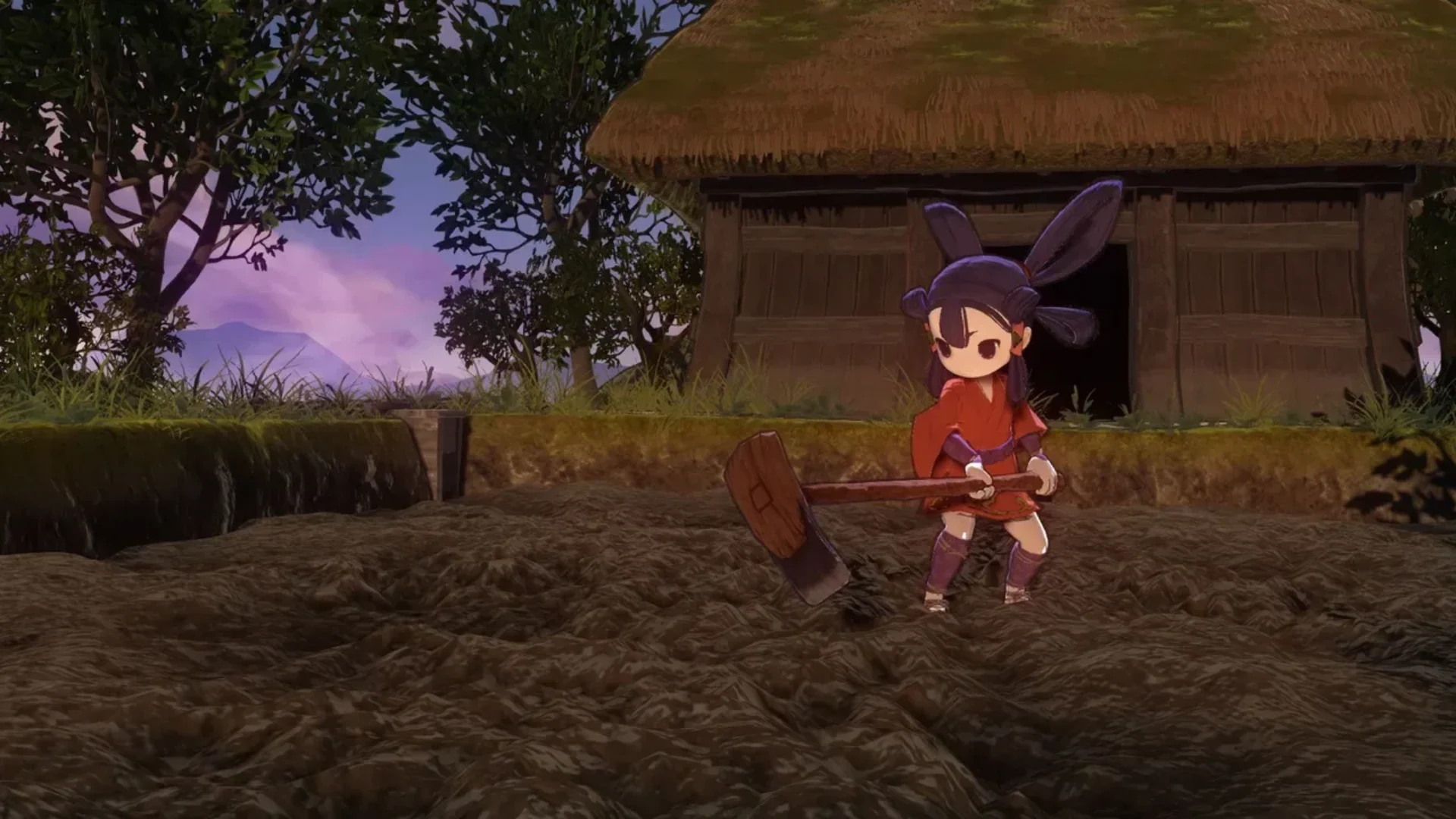
Growing rice in Sakuna: Of Rice and Ruin is not a simplified minigame between combat stages. The soil must be tilled, seedlings spaced, water levels controlled and fertilizer adjusted according to the qualities you want from the final crop. Harvesting is followed by drying, threshing and hulling, with mistakes at any stage affecting both the rice and Sakuna's development.
That complexity makes a successful harvest feel unusually personal. The work is slow enough that each year carries weight, while meals shared with the small group living on the island turn the crop into something more meaningful than another resource. Side-scrolling battles provide the other half of the game, using Sakuna's divine raiment to pull enemies, cross gaps and extend aerial combinations.
The action occasionally keeps you away from the field longer than you would like, but the two sides support each other: fighting gathers materials for the farm, and better rice makes Sakuna stronger. Few games have treated one crop with this much attention or respect.
Sakuna: Of Rice and Ruin
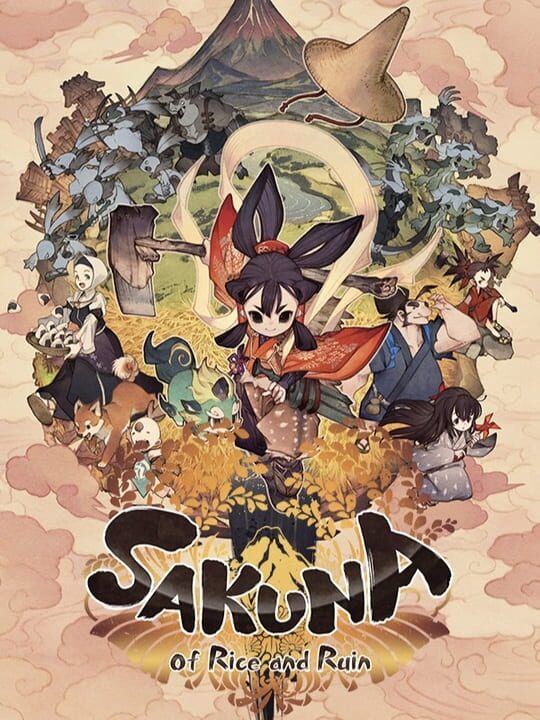
In Sakuna: Of Rice and Ruin, players take on the role of Sakuna, a proud yet lonely harvest goddess who is banished to a dangerous island with a group of outcast humans. Sakuna tames the island by defeating demons using farm tools as weapons while also making ample use of her “ce
Released
November 10, 2020
Developer
Edelweiss
Publisher
XSEED Games
1. Stardew Valley
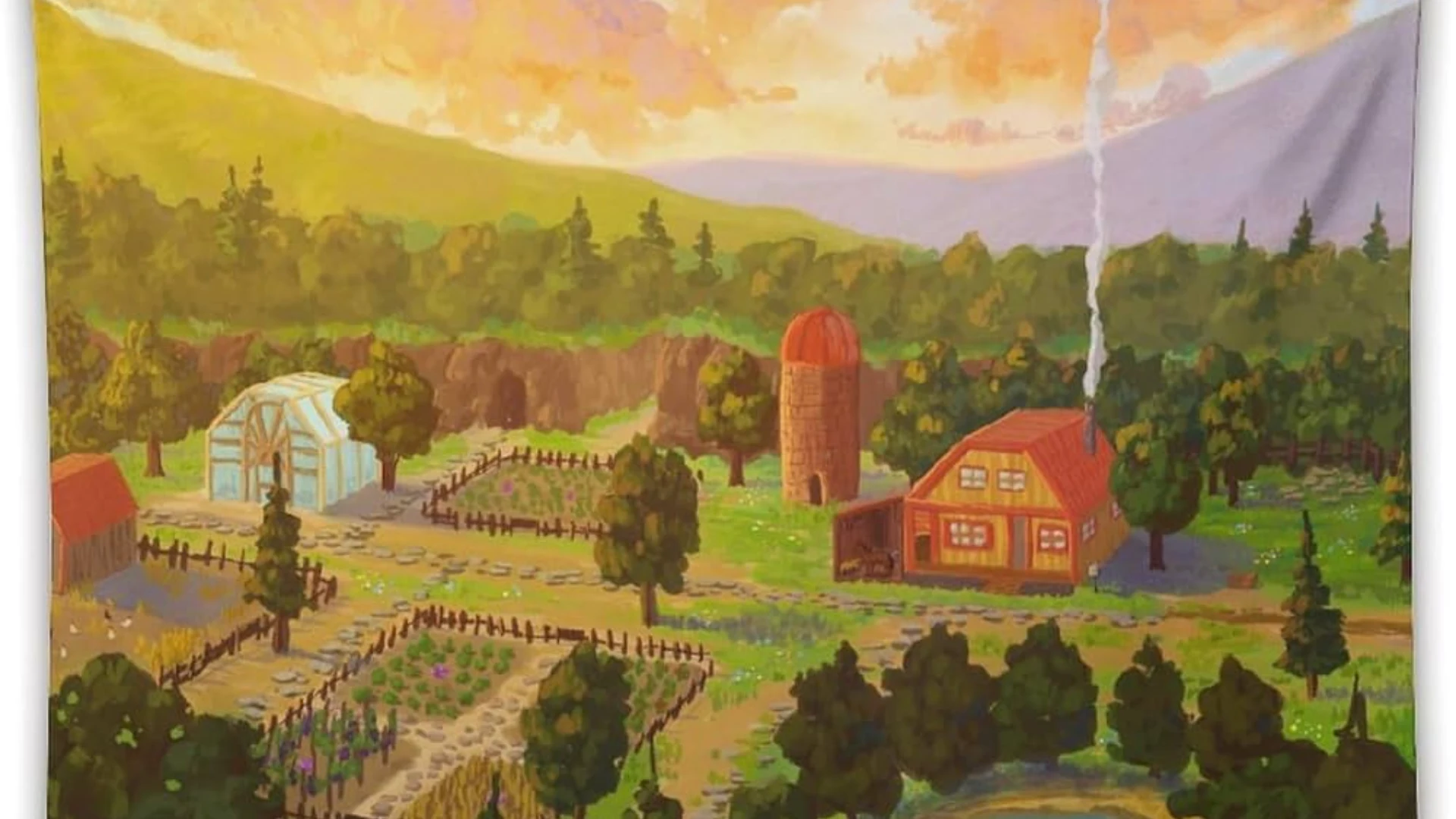
The abandoned farm in Stardew Valley begins as a problem measured in weeds, stones and exhausted swings of a starter axe. Clearing it creates just enough room for a few crops. Those crops pay for better seeds, a larger field and eventually the barns, orchards, sheds and automated systems that turn the same patch of land into something entirely personal.
Its farming works because it is easy to understand without becoming irrelevant once the first harvest is sold. Crop quality, seasonal planning, artisan goods and different farm layouts leave room for optimization, but the game never insists that efficiency is the only worthwhile goal. A player can build an enormous wine operation, keep a small group of animals or spend most mornings fishing before remembering the vegetables still need water.
Everything beyond the fence gives that work context. The mines provide materials for better tools, Pelican Town gives the produce somewhere to belong and each season changes both the farm and the people living around it. Years of substantial updates have added new areas, events and late-game goals without burying the simple loop that made the original release so difficult to leave. Stardew Valley remains the standard because every improvement feels earned, from the first parsnip pulled out of the ground to a farm that finally looks like the one you imagined.
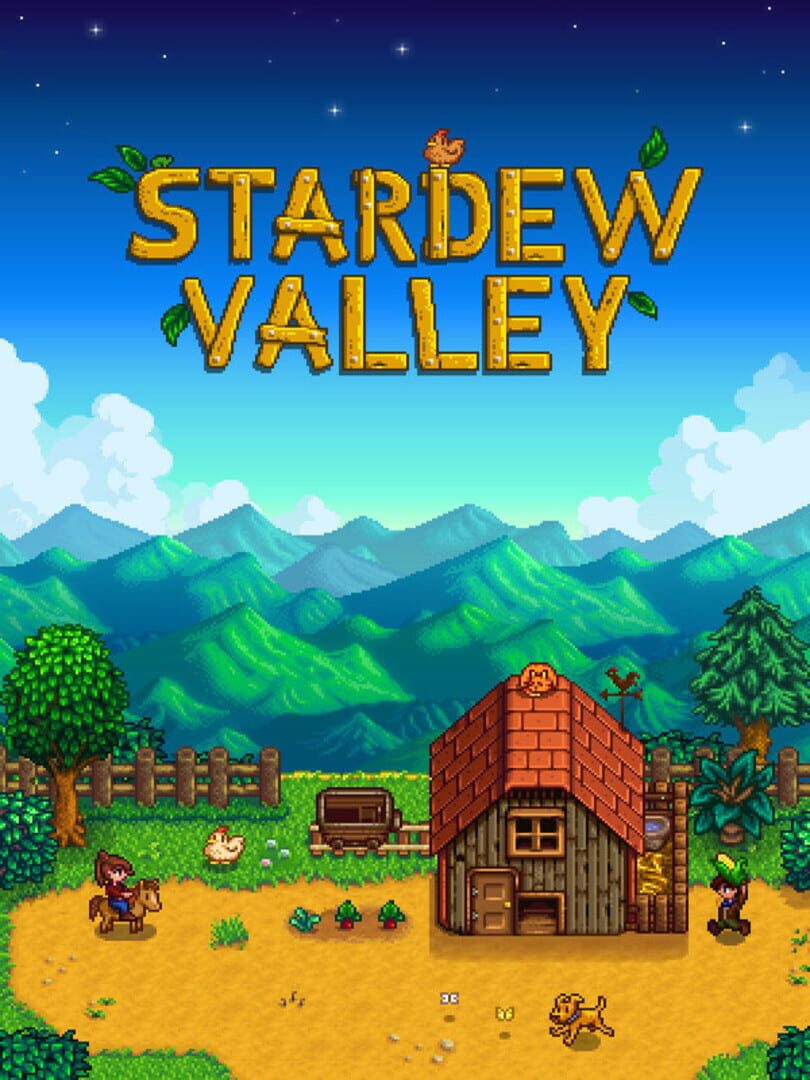
Stardew Valley is an open-ended country-life RPG! You’ve inherited your grandfather’s old farm plot in Stardew Valley. Armed with hand-me-down tools and a few coins, you set out to begin your new life. Can you learn to live off the land and turn these overgrown fields into a thri
Released
February 26, 2016
Developer
ConcernedApe
Publisher
Chucklefish Games
Tagged In
Discussion
0We want to hear from you. Share your perspective in the comments below, and please keep the conversation respectful.
Log in to join the discussion - vote, reply, and share your take.
Log In