
The 8 Best Open-World Games
The best open-world games are the ones where an unplanned trip can replace the objective.
A large map is easy to build badly. If every trip starts by choosing an icon and ends by following a line, the space between becomes a loading screen that allows steering. Strong open worlds make the route itself create a problem.
Subnautica proves this within minutes. A cave near the escape pod can feel more dangerous than an entire continent because the air meter decides how long the search can continue. The map may be open, but the body is not. That is where this list begins.
8. Subnautica
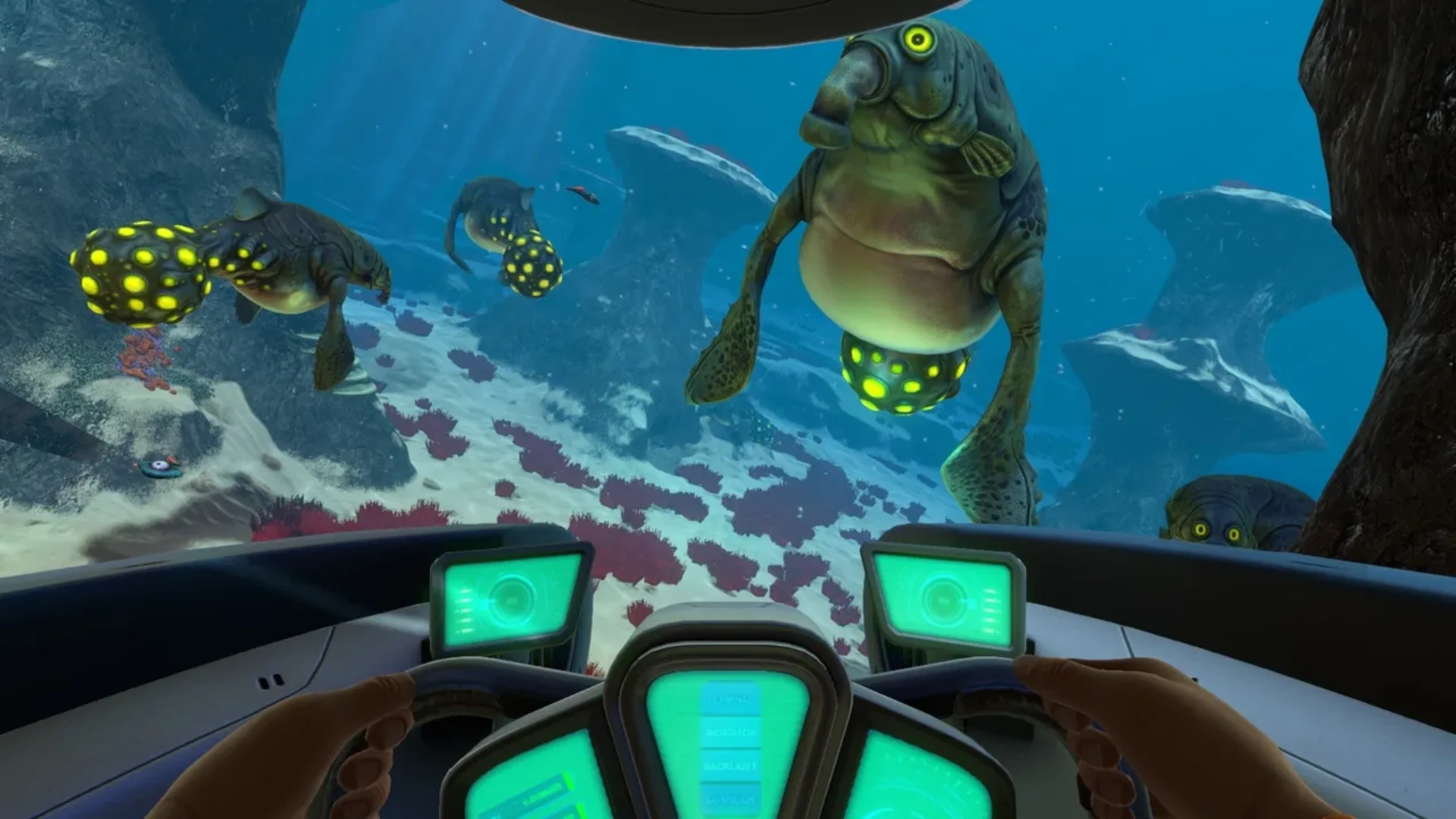
Subnautica is a survival game about escaping an ocean planet after a spaceship crashes. The first hours are spent diving from a small life pod to collect materials and scan fragments of unfamiliar technology. There is no conventional map. Beacons and recognizable terrain have to turn open water into a place that can be navigated.
Depth provides the real structure. Better oxygen equipment allows longer dives, while vehicle upgrades let the Seamoth withstand greater pressure. Reaching a new biome therefore feels like crossing a boundary that once had a physical reason to stop you. The later Cyclops submarine can function as a mobile base, but steering it through tight caves is awkward. Inventory limits also create too many trips between a resource deposit and a fabricator. A new cave is difficult to ignore even when the oxygen gauge says the return trip has already started.
7. Cyberpunk 2077: Ultimate Edition
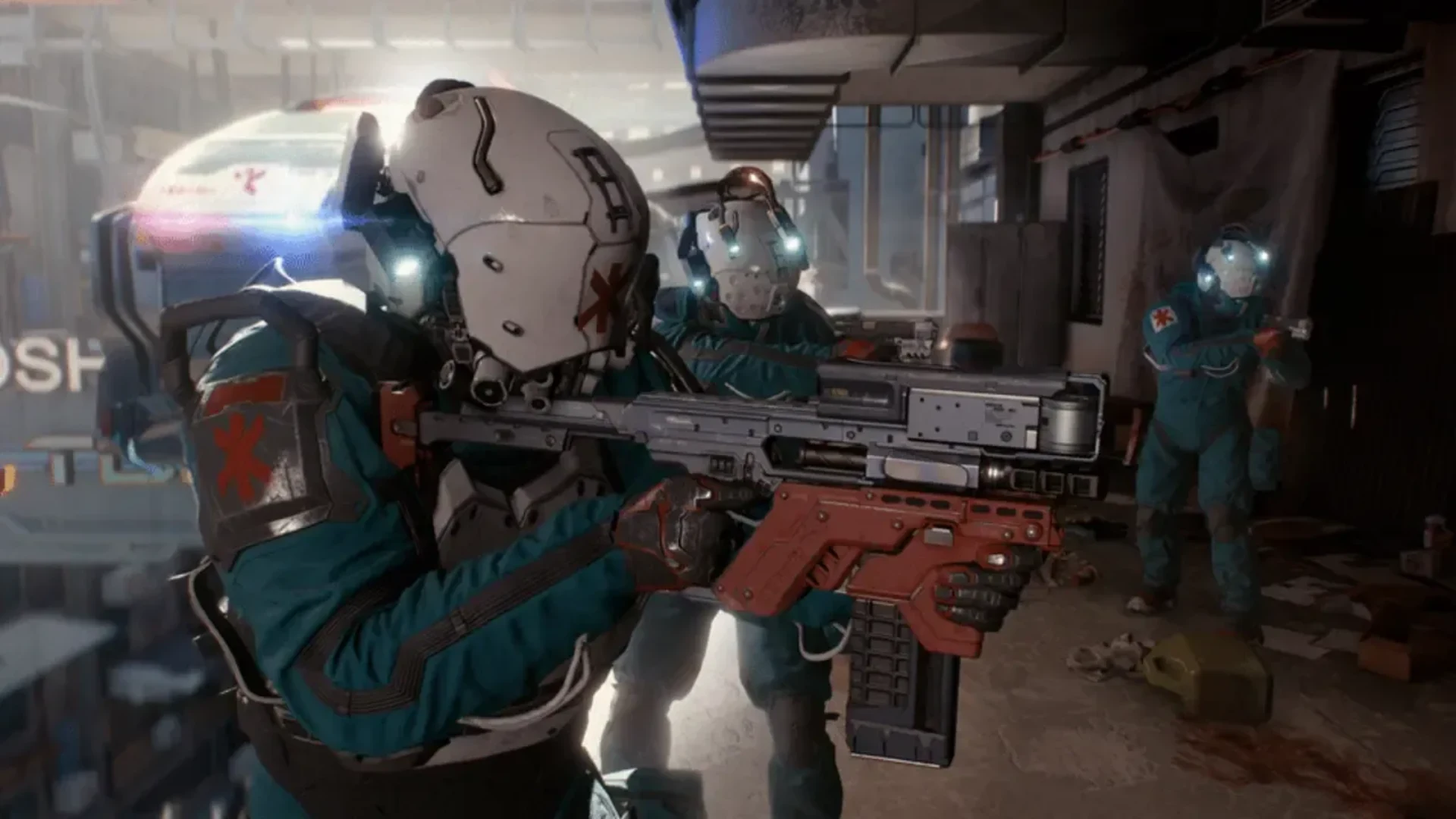
Cyberpunk 2077 is a first-person RPG about mercenary V trying to survive a damaged biochip. Night City is divided by wealth more clearly than by map borders. Corporate towers dominate the center, while crowded apartment blocks press against highways built to move through poorer districts. Walking exposes that contrast better than driving past it.
The current game gives V stronger reasons to explore those streets than the launch version did. Gigs often begin as simple contracts, then reveal information that changes how the target can be handled. Phantom Liberty concentrates that approach inside Dogtown, where blocked roads and ruined hotels make the district feel cut off from the rest of the city. Night City still resists close inspection. Many shops are scenery, and civilian reactions remain shallow once combat begins. Its strongest neighborhoods look inhabited even when the simulation behind them cannot support every door.
6. Kingdom Come: Deliverance II
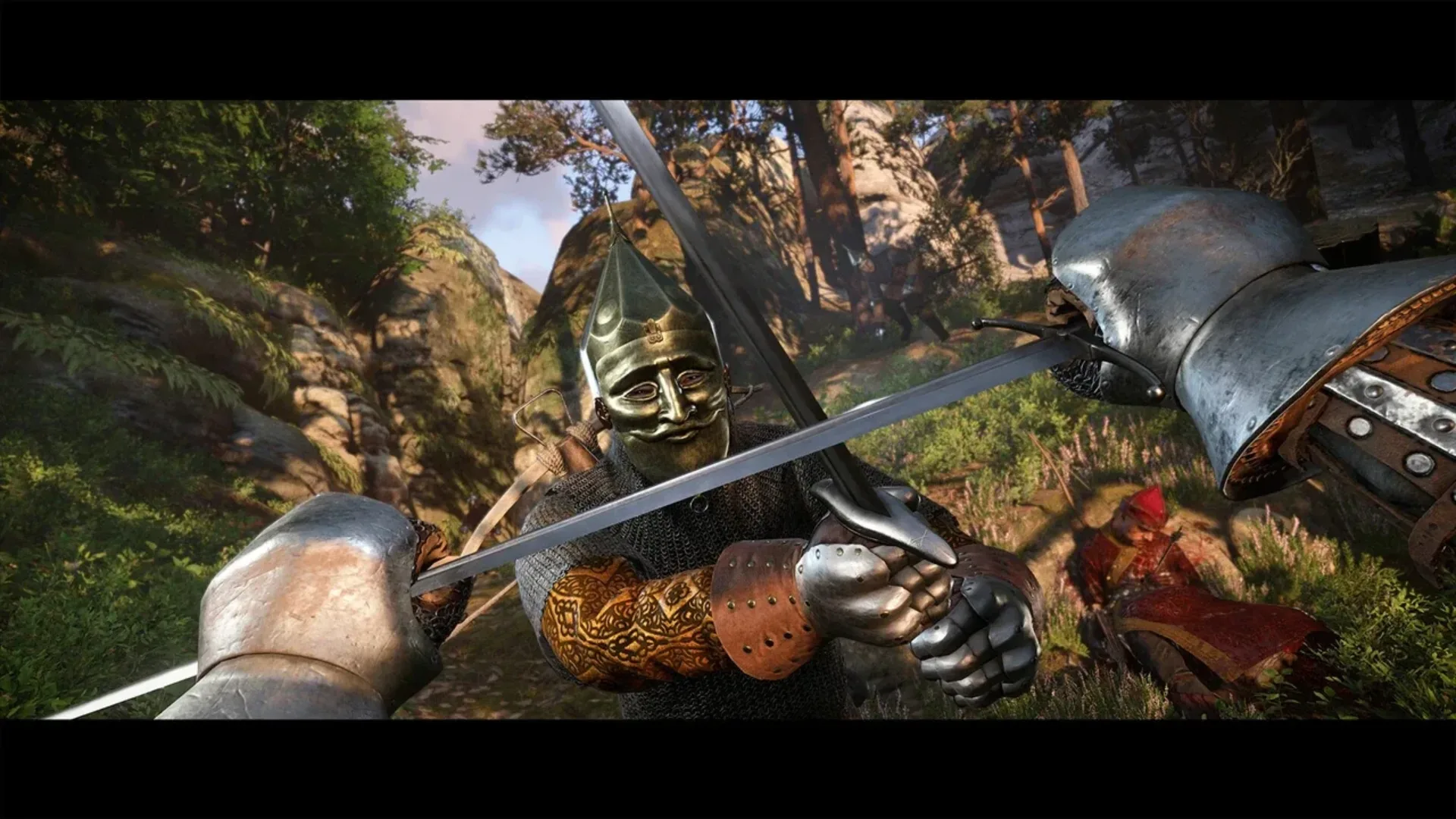
Kingdom Come: Deliverance II is a historical RPG set in 15th-century Bohemia. Henry begins the sequel with useful experience, but he is still vulnerable in a fight and dependent on how other people see him. Clothing matters because arriving at an important conversation covered in dirt can change the reception before an answer is chosen.
That social pressure gives towns a purpose beyond selling equipment. A theft is dangerous if someone recognizes Henry, and changing clothes does not automatically erase a witness. Inns provide safety and a place to save properly, which makes an unfamiliar road feel longer after dark.
The effort required for ordinary tasks can become exhausting. Combat demands patience, and maintaining Henry can become busywork during a long journey. Without that inconvenience, inns and village baths would be decoration. Here, they can determine whether Henry arrives prepared for the person he needs to impress.
5. Grand Theft Auto V
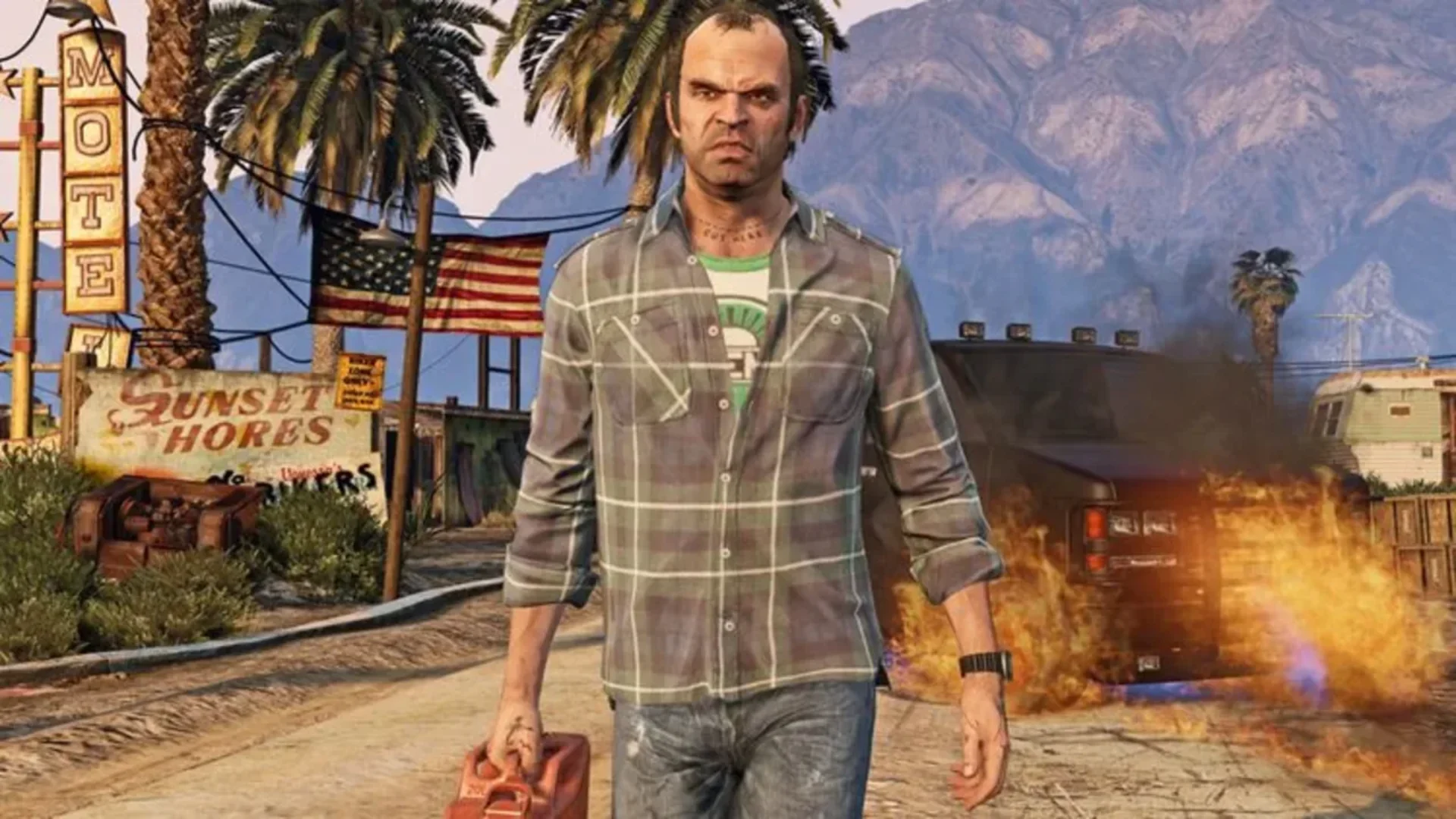
Grand Theft Auto V follows Michael, Franklin, and Trevor through a series of crimes across Los Santos and Blaine County. Switching protagonists pulls the camera across the map to wherever another character happens to be. Michael may be sitting beside his pool, while Trevor wakes somewhere in the desert with no explanation. The change makes the city feel as though it continued without the character currently under control.
Los Santos is also built for speed. Freeways create recognizable routes through dense districts, and the hills constantly offer views back toward the skyline. The countryside is much thinner, with large areas that the story rarely gives a reason to revisit. The satire has also aged worse than the road network. Few open worlds are still this easy to enter for twenty minutes and leave only after an improvised police chase has crossed half the county.
4. Elden Ring
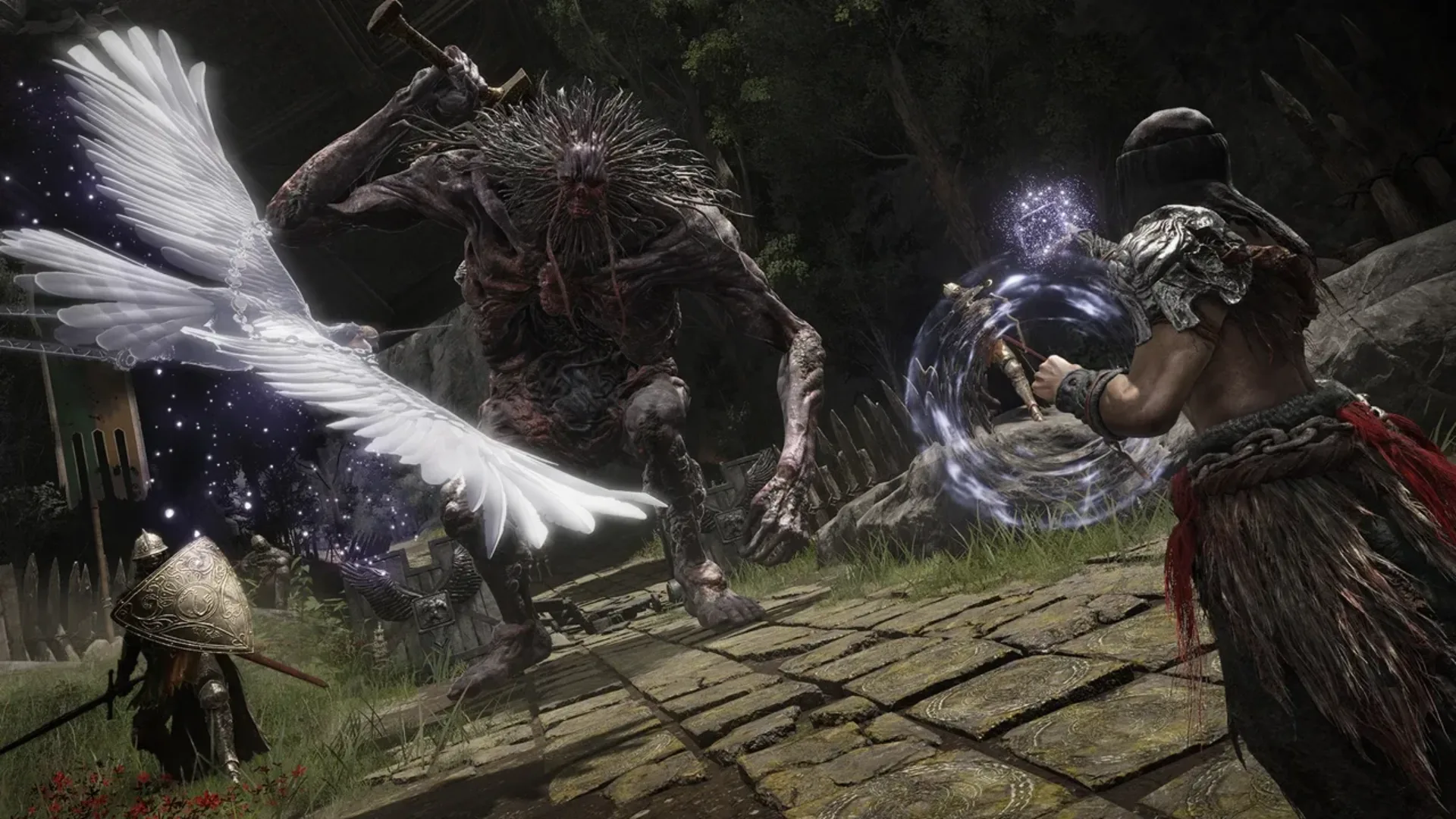
Elden Ring is an action RPG set in the Lands Between, where a ruined kingdom must be crossed on the way to becoming Elden Lord. Sites of Grace suggest a direction, but they do not provide a checklist. A distant castle may be the obvious destination until a broken bridge reveals a path underneath it.
The Siofra River Well delivers the clearest example of the game's scale. What looks like a small building contains an elevator that descends for long enough to make the surface feel far away. At the bottom is another region with its own sky. Discoveries like that make the map seem larger without simply adding distance.
Repeated catacombs lose their surprise, and several late areas reuse enemies too freely. The major routes still reward attention to the landscape more than attention to icons.
3. Red Dead Redemption 2
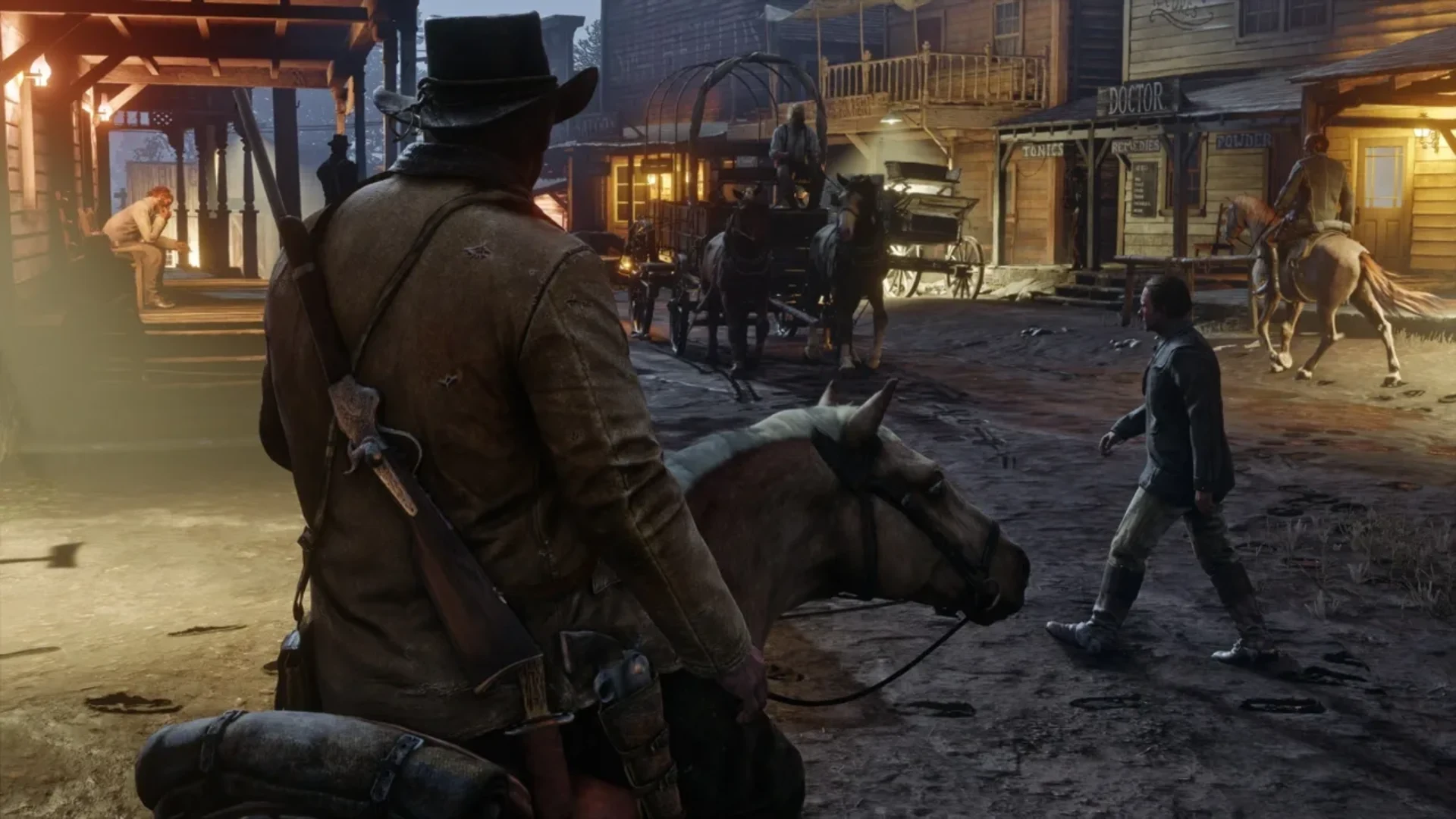
Red Dead Redemption 2 follows outlaw Arthur Morgan across an American frontier that is closing around his gang. Its wilderness is not just empty ground between towns. An injured stranger helped beside the road may recognize Arthur much later and offer to pay for an item in a local store. The encounter becomes part of the place because it does not end when the stranger leaves the screen.
Travel is deliberately slow. Arthur handles weapons through visible animations, and a hunted animal has to be carried back rather than converted into materials on the spot. Those details make preparation feel relevant, but they can also make a short errand exhausting. Story missions are even more restrictive and may fail if Arthur leaves the expected route. The open world is far more convincing when nothing is telling him exactly where to stand.
2. The Witcher 3: Wild Hunt
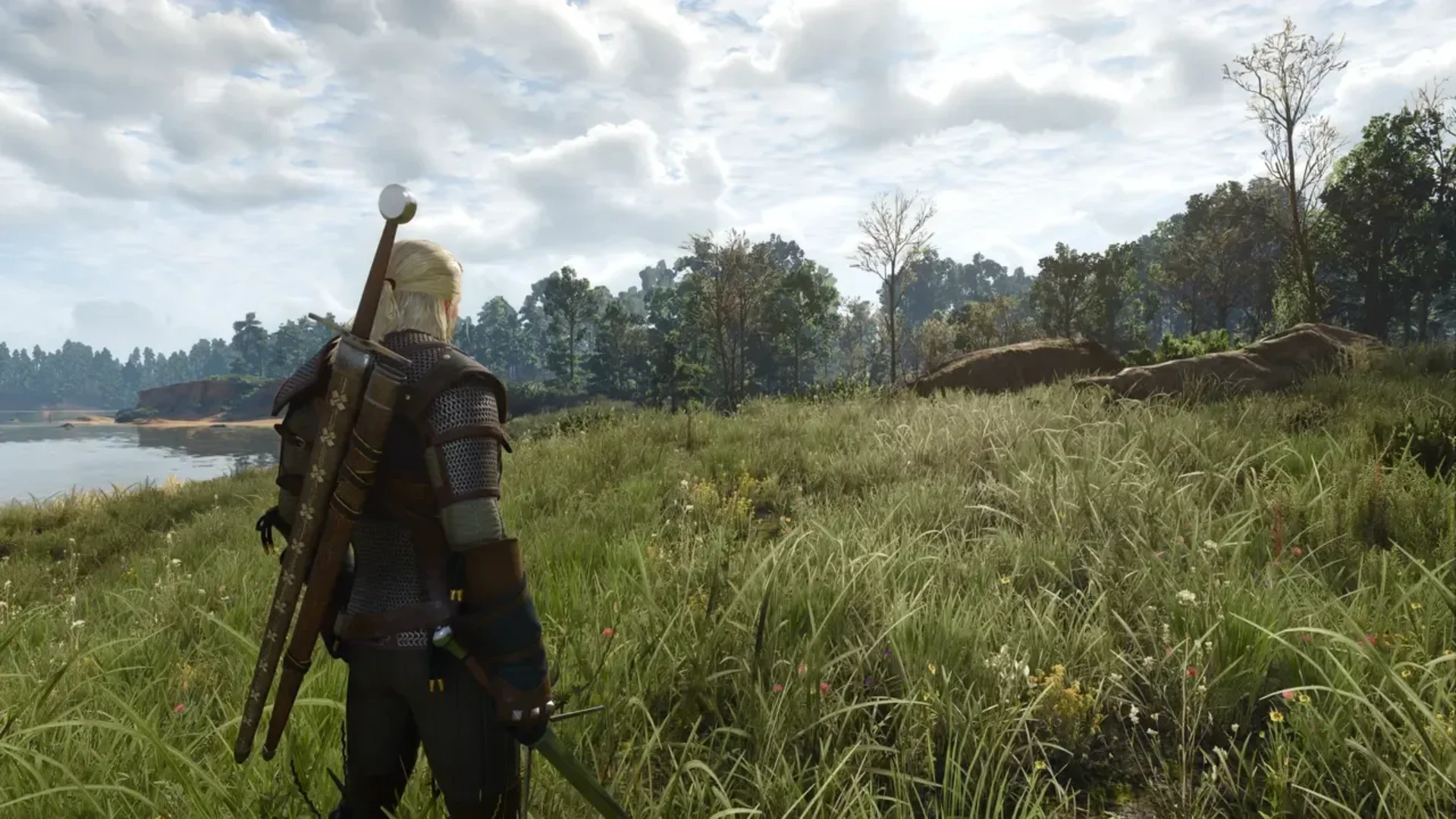
The Witcher 3 is an RPG about monster hunter Geralt of Rivia searching for his adopted daughter, Ciri. Its regions are defined by the people living through the same war. Velen is muddy and damaged because armies have passed through it.
Novigrad is safer from battle, but its streets are shaped by religious persecution.
Side quests make those conditions personal. A contract in Skellige involving a leshen becomes a dispute over whether the village should preserve an old pact or kill the creature. Geralt can investigate the monster, but evidence does not settle what the community values.
That is why leaving the main road rarely feels like postponing the story. Combat never reaches the same standard as the writing, and the sea around Skellige is overloaded with repetitive markers. The strongest quests make even a small village worth remembering after its notice board has been cleared.
1. The Legend of Zelda: Breath of the Wild
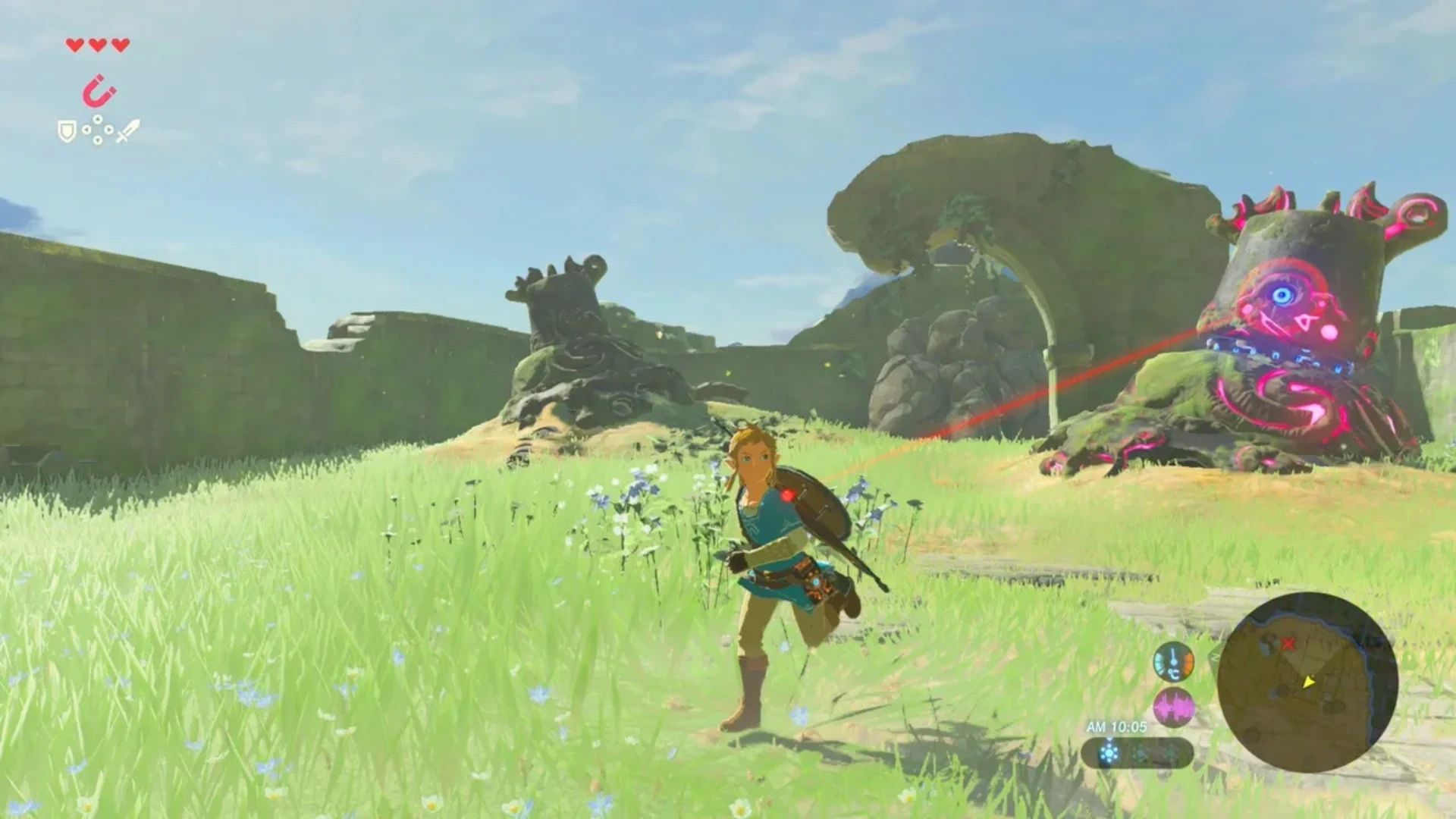
Breath of the Wild places Link in a ruined Hyrule and gives him the final objective almost immediately. Hyrule Castle is visible from the Great Plateau, but the journey toward it is not prescribed. Once the paraglider is earned, any direction is valid if Link can survive it.
Towers reveal the shape of the land without filling it with activities. Finding something useful still requires looking outward and placing a pin manually. A shrine seen through a gap between two peaks can redirect the next hour, even when no quest mentions it. Climbing supports that curiosity because most walls can become routes rather than barriers.
Rain can stop a climb with little warning, and fragile weapons turn some fights into inventory management. The Divine Beasts also lack the identity of older Zelda dungeons. Hyrule survives those frustrations because traveling across it is built from small decisions. A hill matters because it offers a better view, and the view is often enough to decide what happens next.
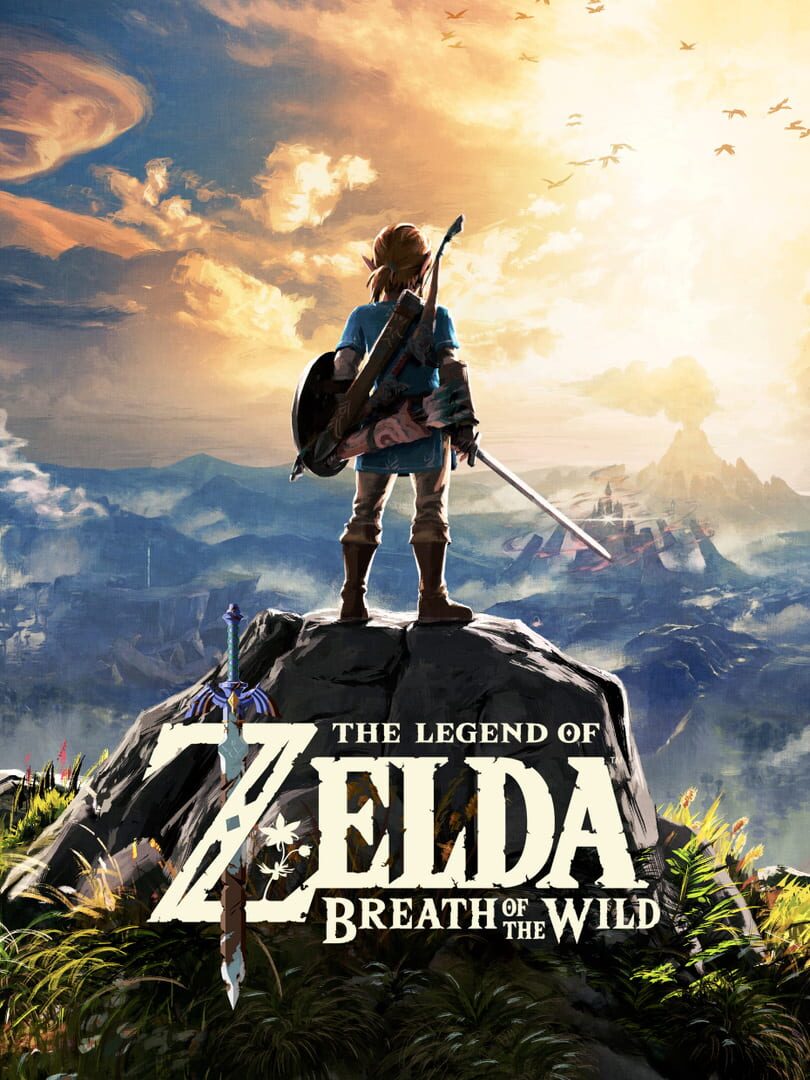
The Legend of Zelda: Breath of the Wild is the first 3D open-world game in the Zelda series. Link can travel anywhere and be equipped with weapons and armor found throughout the world to grant him various bonuses. Unlike many games in the series, Breath of the Wild does not impos
Released
March 3, 2017
Developer
Nintendo EPD Production Group No. 3
Publisher
Nintendo


Tagged In
Discussion
0We want to hear from you. Share your perspective in the comments below, and please keep the conversation respectful.
Log in to join the discussion - vote, reply, and share your take.
Log In