
Signalis makes old survival horror feel painfully new
Signalis blends classic survival horror, scarce resources, sharp puzzles, and a haunting story about memory and identity.
Signalis wears its influences openly. Its locked doors, scarce ammunition, fixed viewpoints, storage boxes, strange keys, and puzzle-filled corridors all recalled at being a polished tribute to Resident Evil and Silent Hill. Instead, it uses those familiar pieces to tell a sad, unsettling story about memory, identity, and a promise that refuses to disappear.
I spent much of the game feeling as though I had arrived after something terrible had happened, only to slowly realize the disaster was still unfolding around me. Its combat can be stiff, and its six-slot inventory creates more backtracking than tension. Those frustrations never broke its hold. Few horror games have left me thinking so much about their images, characters, and unanswered questions after the screen went dark.
Sierpinski never lets me feel comfortable
The story begins with Elster, a Replika technician who awakens aboard a crashed spacecraft and begins searching for a missing woman connected to a promise she cannot leave behind. That search eventually draws her into S-23 Sierpinski, an isolated mining and re-education facility controlled by the authoritarian Eusan Nation. The building is already collapsing into violence, illness, and something far harder to explain.
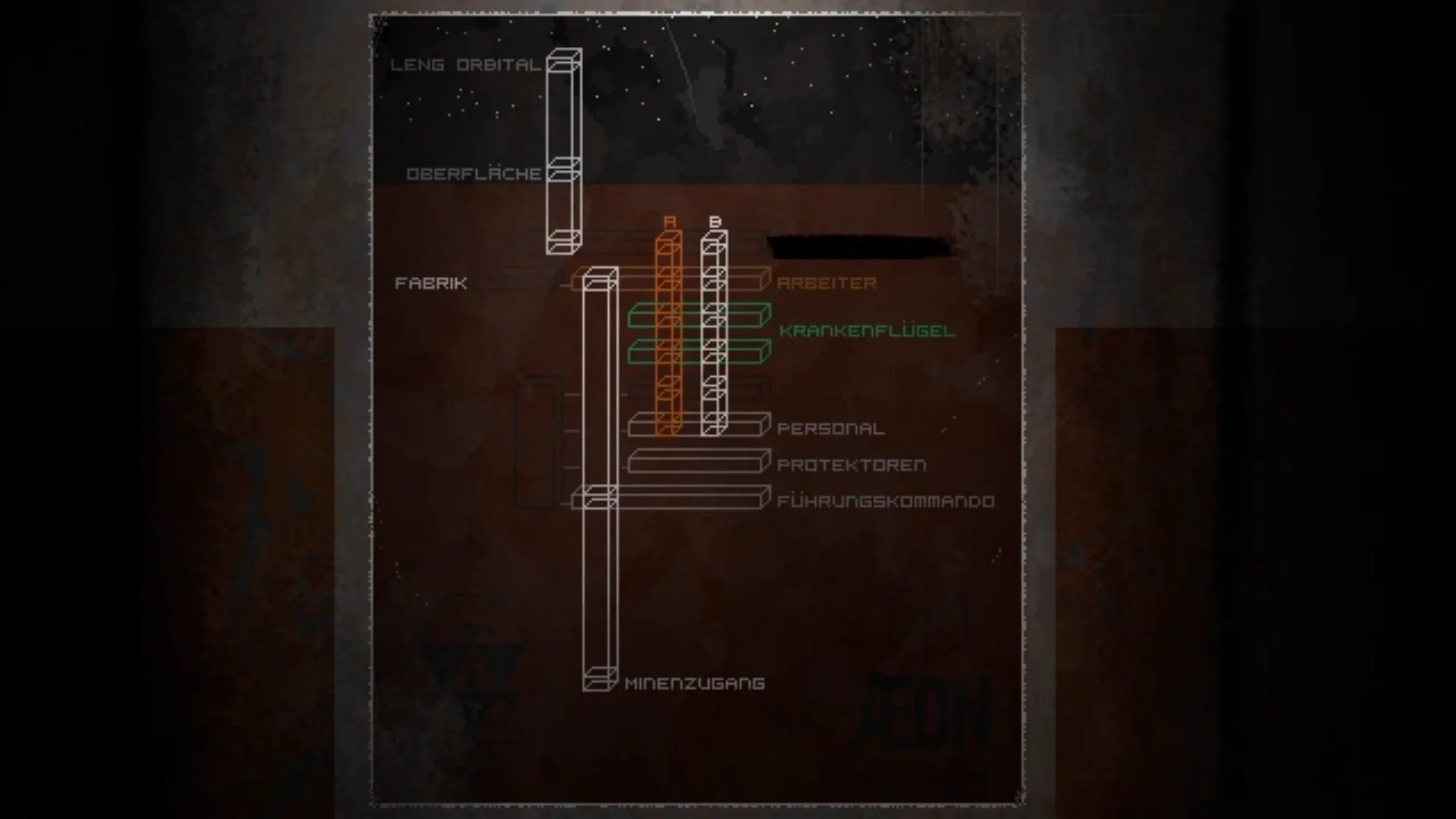
Sierpinski is a collection of dormitories, medical rooms, offices, mines, and industrial corridors, but it never feels like a straightforward physical place. Rooms return in altered forms. Familiar images appear where they should not. Brief flashes interrupt the story before I can make sense of them. Even the map becomes less reassuring as the facility gives way to spaces that seem shaped by memory rather than architecture.
The visual design sells that uncertainty without needing expensive realism. The low-resolution character models, sharp pixel work, stark lighting, and occasional first-person scenes give Signalis a distinct texture. Faces are often shown in close-up for only a moment, but those short images carry more emotion than a longer cinematic might have managed. The silence between sounds is just as important. A distant mechanical hum or an enemy moving beyond the edge of the screen kept me tense long before anything attacked.
The old survival horror rules still bite
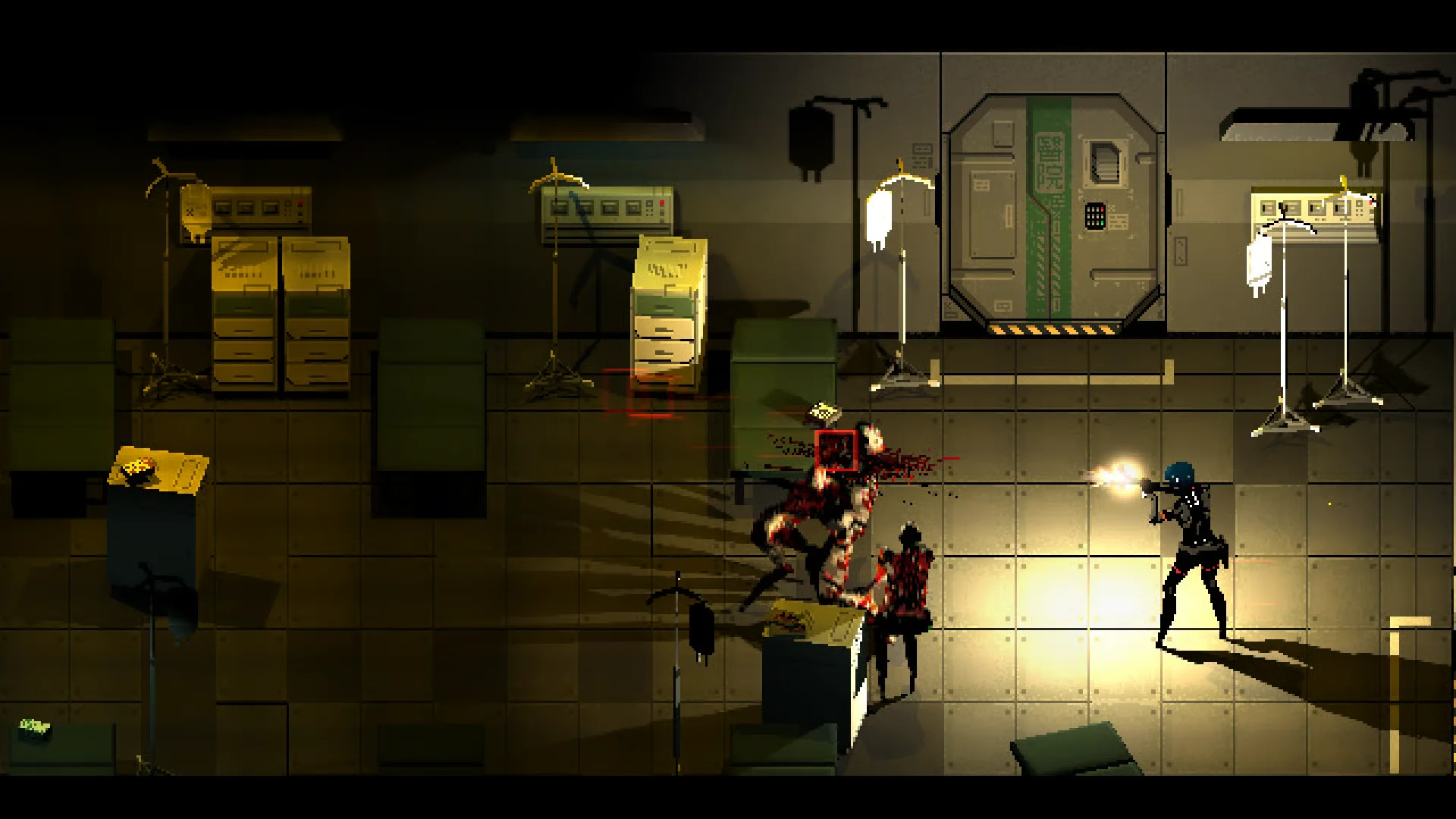
Exploring Sierpinski follows a familiar rhythm. I enter a new area, check every door, mark blocked routes, search for keys, and decide how much danger I am willing to leave alive behind me. Ammunition is limited enough that shooting everything is rarely sensible. Running past an enemy saves resources, but it also means remembering that the corridor will still be dangerous when I return.
Enemies can rise again after being knocked down, which makes every encounter a small calculation. Thermite flares can permanently remove bodies, but there are never enough to make the decision easy. I often had to choose which routes deserved to become safe and which ones I would continue sprinting through with a weapon raised. That pressure turns the facility into a place I gradually learn rather than a sequence of rooms I simply clear.
The six-item inventory is harder to defend. Weapons, ammunition, healing supplies, puzzle objects, and basic tools all compete for the same tiny amount of space. Carrying a flashlight or defensive item leaves even less room. I made too many trips back to storage because a puzzle required several objects or because I found a key with no space to take it. Resource limits suit the genre, but this restriction often wastes time without creating an interesting choice.
The puzzles reward careful attention
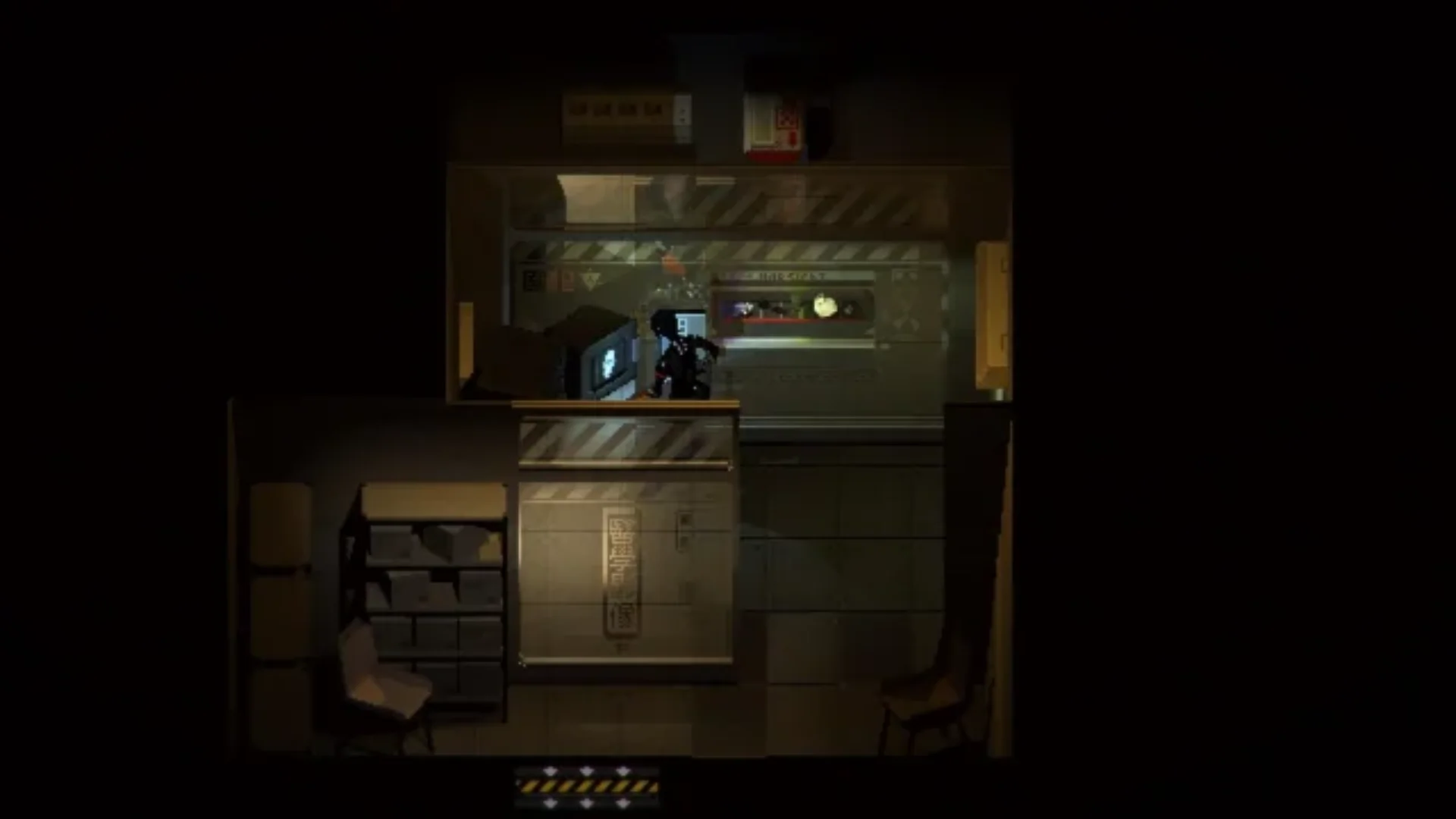
The puzzles are much stronger than the shooting. Signalis regularly asks me to study photographs, read documents, tune radio frequencies, interpret symbols, and connect information found in different rooms. Most solutions feel understandable once the necessary clues are in front of me, but the game rarely points directly at the answer.
The radio is especially well used. It begins as another strange piece of equipment and slowly becomes part of the way I read the world. Frequencies reveal signals, codes, and sounds that change the meaning of nearby objects. Notes that initially look like background lore can contain the one detail needed several rooms later. I started taking screenshots and writing things down, not because the game was deliberately obscure, but because paying attention felt like part of surviving.
A few puzzles slow the pace more than they should, particularly when the needed item is sitting in storage several floors away. The strongest ones avoid that problem and make knowledge feel physical. Turning a dial or entering a code carries real satisfaction when the answer has been assembled from scraps rather than handed over by a quest marker.
The story becomes more personal as reality falls apart
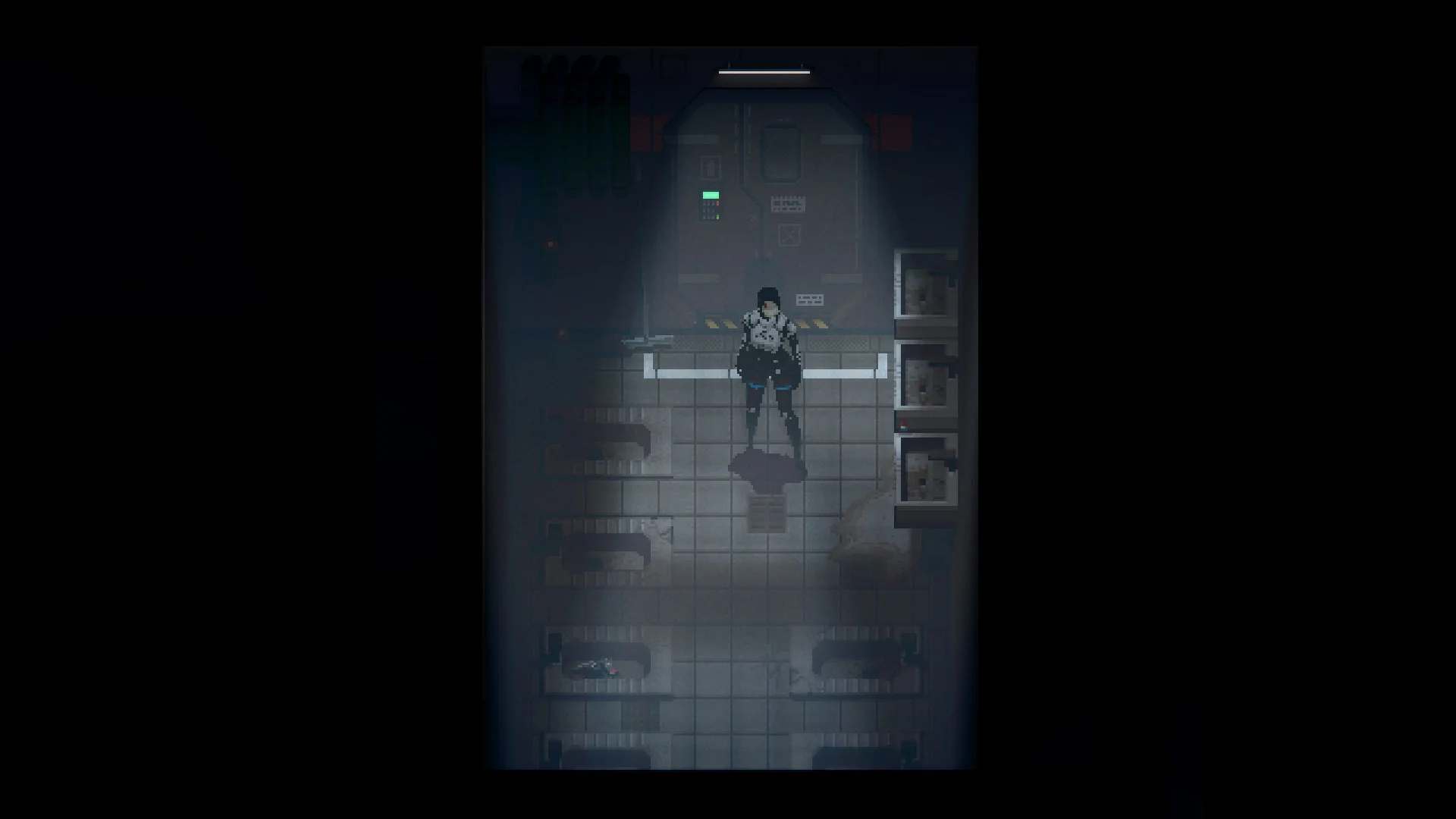
Signalis presents a dystopian future shaped by surveillance, propaganda, war, and the exploitation of Replikas created from copied human minds. That political background is not a detached lore document. It hangs over every part of Elster's identity. She has been built for a purpose, given someone else's memories, and treated as equipment by a state that fears individuality.
The story becomes stranger as Elster descends deeper, but the emotional line remains clear. She is searching for someone, and that need keeps pulling her forward even as time, place, and memory stop agreeing with each other. The game never turns its mysteries into a clean final explanation. Events repeat with changes. Characters seem to remember things they could not have experienced. Dreams and reality overlap until separating them becomes less useful than asking what they reveal.
That uncertainty could have felt evasive. Instead, it made the central relationship more affecting. Beneath the cosmic horror and political cruelty is a story about two people trying to hold onto each other when every force around them insists that their bond should be erased. The game's recurring images gain more weight each time they return, and its different endings deepen the tragedy rather than resolving it neatly. I finished with questions, but not with the sense that the story had withheld its meaning.
Signalis deserves to be remembered
Signalis is not frightening through constant attacks or loud shocks. Its horror comes from returning to a corridor I no longer trust, hearing a radio signal I do not understand, and recognising an image without knowing why it feels important. The combat is functional rather than satisfying, boss encounters do not suit its strengths, and the inventory limit creates needless backtracking. These are real flaws in a game built around revisiting the same spaces.
They are also small beside what Rose Engine achieved. Signalis combines classic survival-horror design with a world and emotional core entirely its own. I would recommend it to players who enjoy careful exploration, challenging puzzles, limited resources, and stories that leave room for interpretation. Anyone wanting smooth action or a neatly explained plot may struggle with it. For me, the atmosphere, visual direction, and aching search at its centre outweighed every irritation. Long after leaving Sierpinski, I was still trying to understand what Elster remembered and what she had promised.
Signalis
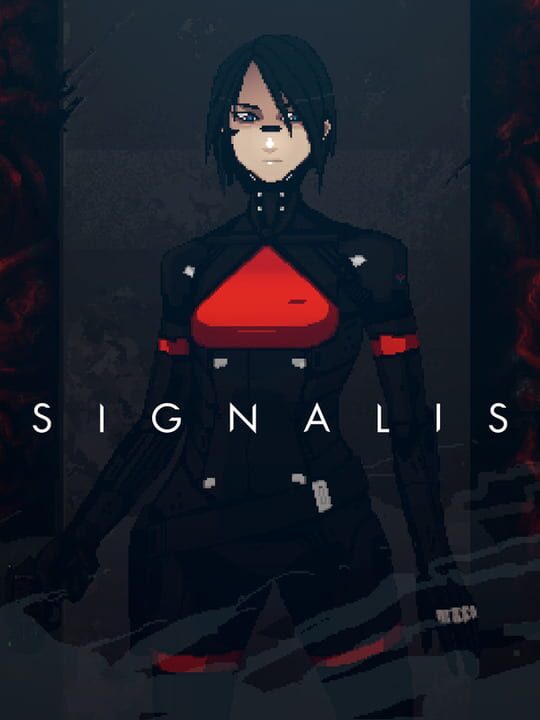
Signalis is a classic survival horror experience with a unique aesthetic, full of melancholic mystery. Investigate a dark secret, solve puzzles, fight off nightmarish creatures and navigate dystopian, surreal retrotech worlds as Elster, a technician Replika searching for her lost
Released
October 27, 2022
Developer
rose-engine
Publisher
PLAYISM


Tagged In
Discussion
0We want to hear from you. Share your perspective in the comments below, and please keep the conversation respectful.
Log in to join the discussion - vote, reply, and share your take.
Log In