The Sinking City 2 Finds Its Horror by Leaving Detection Behind
Frogwares trades much of the first game's detective work for tighter survival horror, and the change produces a stronger game even when its borrowed systems and abrupt final stretch keep it from becoming an essential one.
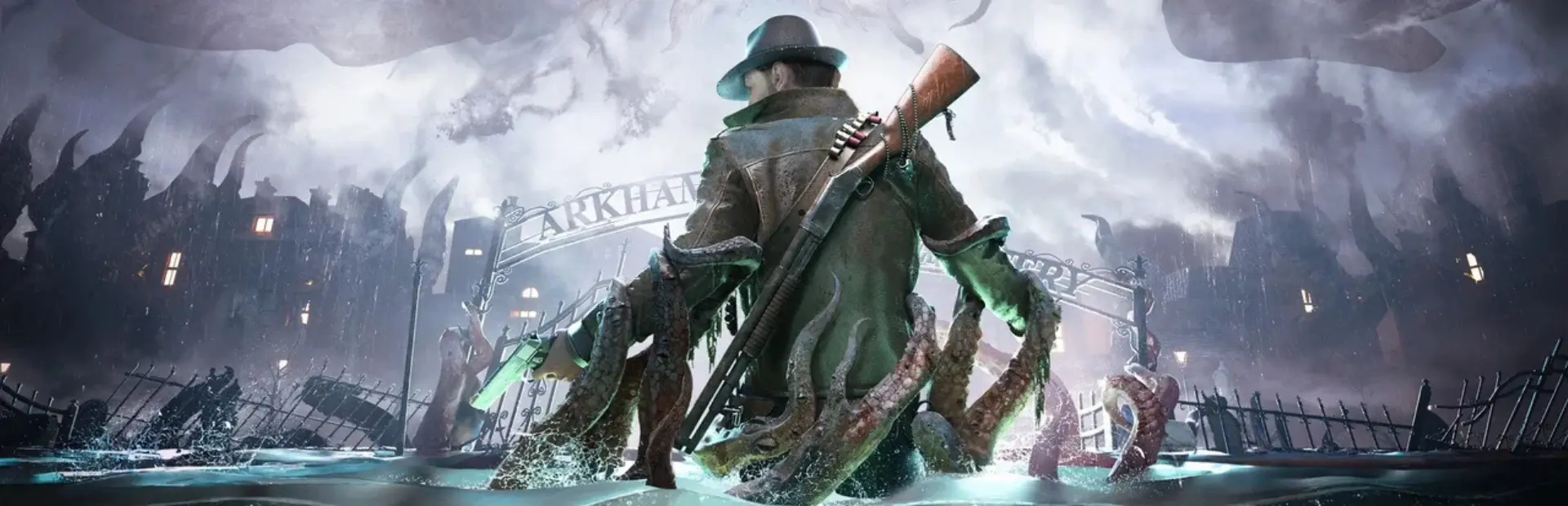
The Sinking City 2 makes its intentions clear quickly. Frogwares has moved away from the open-world investigation that defined its 2019 predecessor and rebuilt the sequel around survival horror. Arkham is still flooded, occult forces are still making life considerably worse for everyone involved, and there are mysteries buried throughout the city. This time, however, the questions usually lead toward locked doors, scarce ammunition, grotesque monsters, and another dangerous route through an abandoned building. The game launched on August 18, 2026 for PC, PlayStation 5, and Xbox Series X|S.
It is a drastic change, but mostly a productive one. The Sinking City 2 works because Frogwares has reduced the space between its best ideas. The sequel creates pressure through compact environments, limited resources, returning enemies, optional exploration, and the uncertainty of what waits behind the next shortcut. Its similarities to modern Resident Evil are impossible to miss, and not every borrowed idea works equally well. More importantly, though, Frogwares finally has combat, exploration, and horror pushing in the same direction.
Arkham Is Better When Every Street Matters
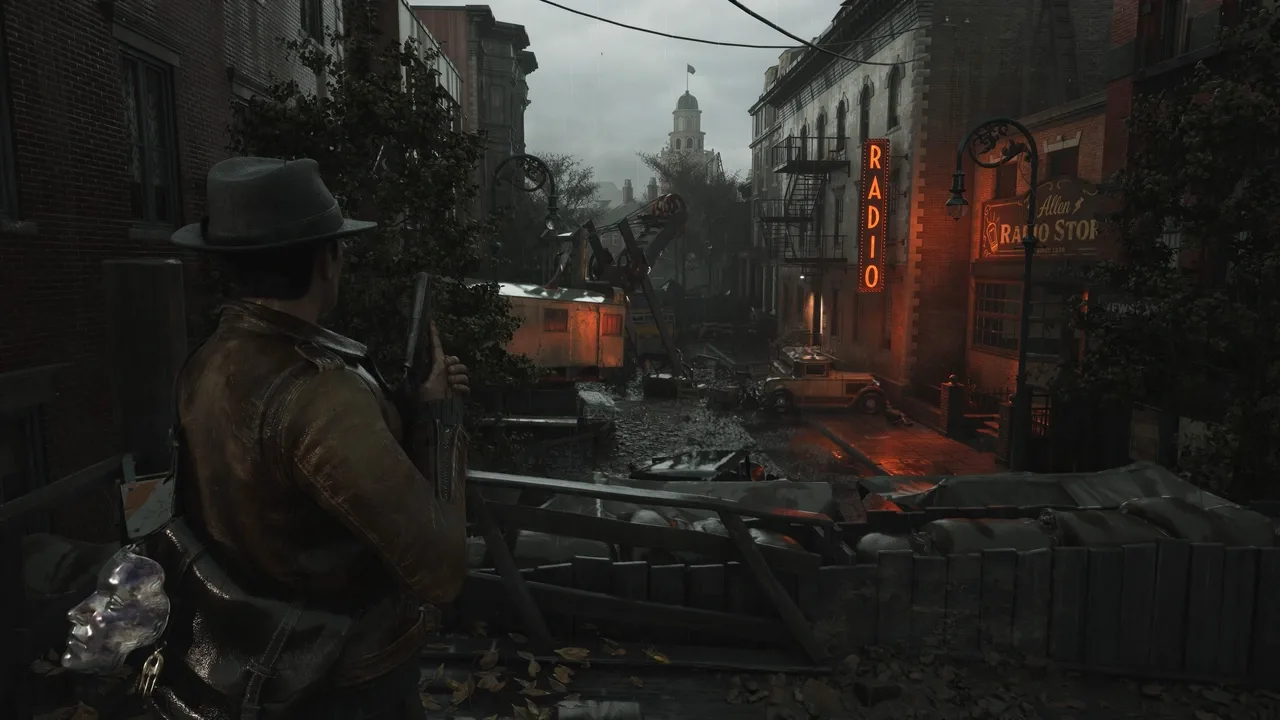
The first Sinking City built much of its identity around Oakmont as a large place to investigate. The sequel instead moves to Arkham and breaks progression into more contained areas. Flooded streets can still be crossed by boat, but the city is no longer primarily a huge detective playground. Buildings, streets, safe rooms, locked passages, and shortcuts form much denser spaces where exploration has an immediate practical purpose.
That structure suits horror considerably better. Entering a side room can mean ammunition or an inventory upgrade, but reaching it may also consume the supplies that made the detour attractive in the first place. Maps gradually become easier to understand as routes reconnect, while previously visited spaces can become dangerous again. Enemies infected by the Slither can return through corpses, meaning an area that appeared cleared does not necessarily stay harmless.
Frogwares also gives optional exploration enough weight to make curiosity dangerous. Weapons and inventory expansions can sit away from the main route, while puzzles and environmental clues provide reasons to inspect rooms instead of sprinting toward the next objective. The city feels smaller in mechanical terms than Oakmont, but more of what remains has a reason to be there.
Survival Horror Fits Frogwares Better Than Expected
The clearest influence is modern Resident Evil. There is a limited inventory grid, an item box, safe areas, crafting, backtracking, puzzle locks, ammunition management, and enemies designed to make spending bullets feel like a decision rather than routine cleanup. Even the maps encourage the familiar process of checking whether an area still contains something worth finding.
The important difference is how Frogwares uses those systems with its own setting. Arkham is full of flooded interiors, damaged Art Deco buildings, abandoned medical spaces, occult machinery, and creatures that rarely resemble ordinary zombies for long. Frogwares describes the game as a survival horror set in a supernatural flood, and the environment gives that familiar genre structure a distinct identity.
Resource pressure is particularly important. Crafting materials can become health items or ammunition, so picking up supplies does not automatically solve a problem. Inventory space creates another restriction. A weapon, quest object, or pile of materials can occupy space needed for whatever appears in the next room. The system occasionally becomes more irritating than tense, particularly when useful ammunition appears shortly after a weapon has been stored to make room. Crafting also adds more inventory administration than genuine strategic depth in places.
Those annoyances rarely break the larger loop. Explore, spend resources, find a shortcut, reconsider the inventory, then decide whether another unexplored room is worth the risk. That cycle gives The Sinking City 2 a consistency its predecessor struggled to maintain.
Combat No Longer Feels Like an Obligation
Frogwares needed this change of direction to solve one obvious problem. A game built around survival horror cannot survive weak combat.
The sequel is substantially better equipped for it. Calvin Rafferty can dodge incoming attacks, use melee strikes to conserve ammunition, target vulnerable areas, and exploit enemies that commit themselves to charges. Encounters have enough movement to stop every monster from becoming a slow retreat down a corridor. The removal of stealth also prevents the game from supporting another system that does not fit its new priorities.
Still, functional combat is not the same as exceptional combat. Some gunshots lack the physical impact expected from a game that asks players to spend so much time thinking about ammunition, and enemy damage does not always have the visual weight of the series that clearly inspired Frogwares. Boss encounters and combat-heavy sequences can also flatten the tension when careful exploration gives way to prolonged fighting.
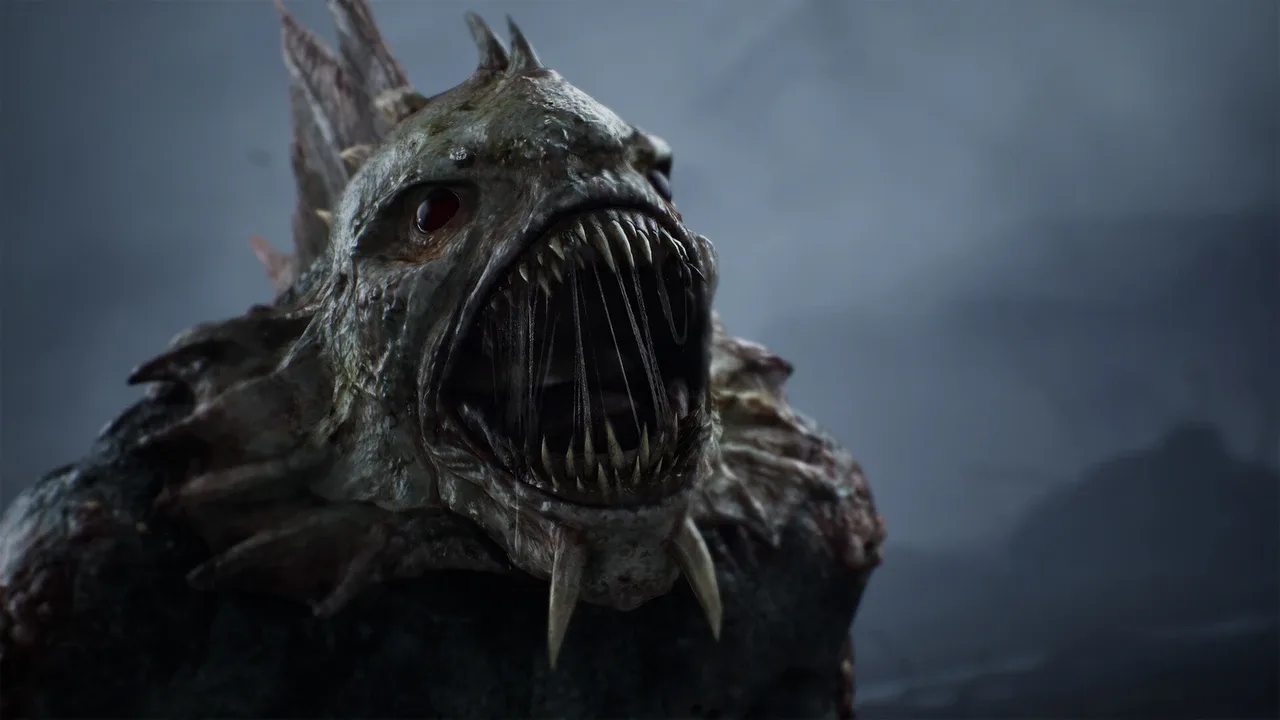
The monsters themselves help compensate. The Slither's ability to inhabit corpses changes how safe previously visited spaces feel, and new creatures force adjustments rather than simply demanding more bullets. That matters more than elaborate weapon handling. Horror becomes more effective when the player cannot permanently solve every room by shooting whatever moves.
Investigation Has Become the Side Activity
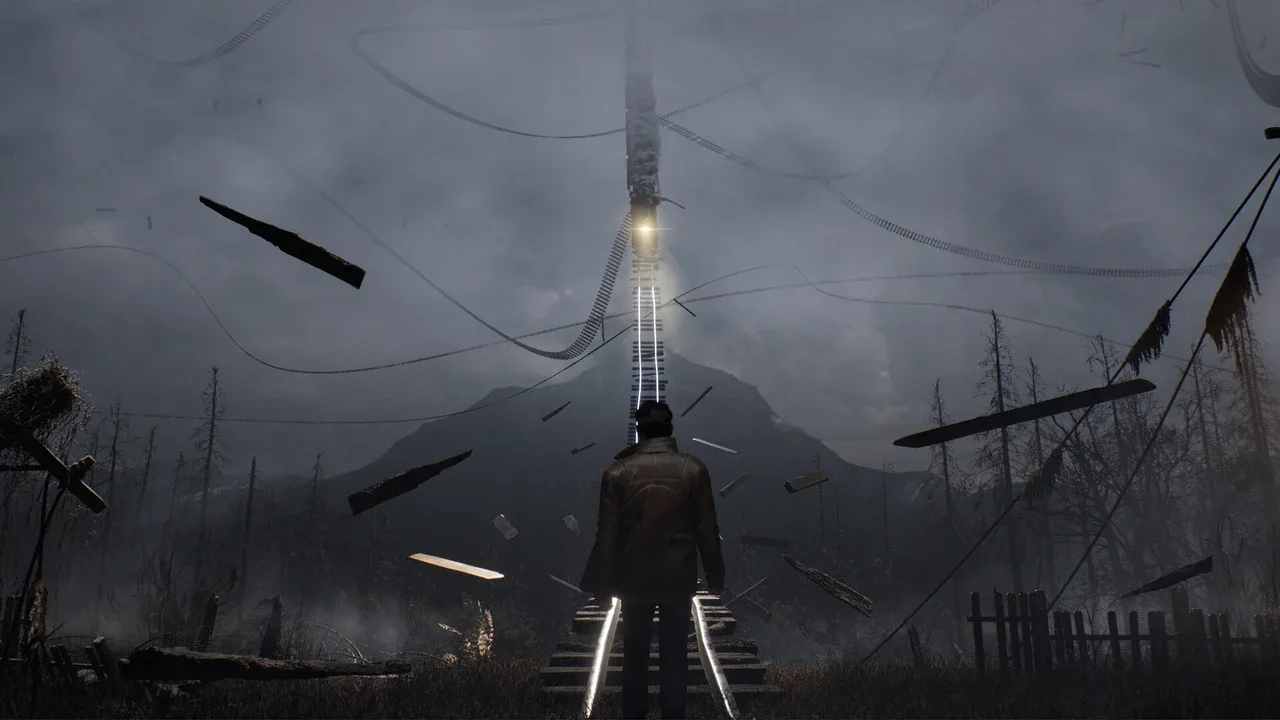
Anyone coming directly from the original should understand how much has changed. Calvin wears the clothes of a private investigator, but The Sinking City 2 is not built around conducting elaborate investigations.
The Mind Palace remains, yet its role has been reduced. Clues are generally connected to puzzles, codes, environmental problems, and optional discoveries instead of extensive cases built around suspects and deductions. Frogwares has not completely removed the investigative flavor, but it no longer determines the rhythm of the game.
There is a loss here. The first game was clumsy, but detective work gave it an unusual identity. The sequel is structurally stronger because it abandons much of that ambition, yet it consequently resembles other survival horror games more closely. Color-coded maps, inventory grids, item boxes, locked routes, and resource crafting all work, but few of them belong specifically to The Sinking City.
Arkham prevents that familiarity from becoming imitation without personality. Frogwares understands strange horror scenarios. A puzzle involving talking preserved brains or an attempt to move a rotting whale with industrial equipment sounds more at home here than in almost any competing horror game. The sequel is strongest whenever Frogwares uses a familiar mechanical framework to deliver something suitably unpleasant of its own.
The Story Runs Out Before Arkham Does
Calvin arrives in Arkham trying to save his partner, Faye Bennett, after an occult trip to the Dreamlands leaves her trapped in a supernatural coma. It is a straightforward motivation that allows the stranger parts of Arkham to take most of the attention. The relationship also gives Calvin a personal reason to keep moving deeper into a city that sensible people have already abandoned.
The problem is less the premise than where the journey eventually stops. After establishing flooded Arkham as an interesting space, the campaign moves through several major locations without fully returning to everything introduced earlier. Missed side material cannot simply be cleaned up at the end, some characters receive less development than their introductions suggest, and the Dreamlands occupy less of the game than the setup might imply. The final portion has been singled out for ending suddenly after a campaign that can be completed in roughly 15 hours.
That makes the game feel smaller in an unfortunate way. Earlier restraint is useful because every room and resource carries more importance. Near the end, the same economy begins to feel like missing development. Arkham creates enough curiosity to deserve a stronger goodbye.
A Better Sinking City, Even If It Is a Different One
The Sinking City 2 is a better horror game because Frogwares finally chooses what it wants the moment-to-moment experience to be. Exploring Arkham demands attention to routes, ammunition, inventory space, corpses, shortcuts, and the possibility that a detour contains something valuable enough to justify the danger. The studio's Lovecraftian setting gives those familiar survival horror systems enough personality to prevent the game from becoming a simple imitation.
Players hoping for another large detective game may find the sequel's new priorities disappointing. Those coming for survival horror have much more reason to enter Arkham. Combat still lacks some weight, crafting creates unnecessary friction, and the campaign ends before several of its ideas feel exhausted. Even so, Frogwares has exchanged the first game's scattered ambition for something more focused. The Sinking City 2 loses part of its predecessor's identity in the process, but the game built in its place is considerably easier to recommend.
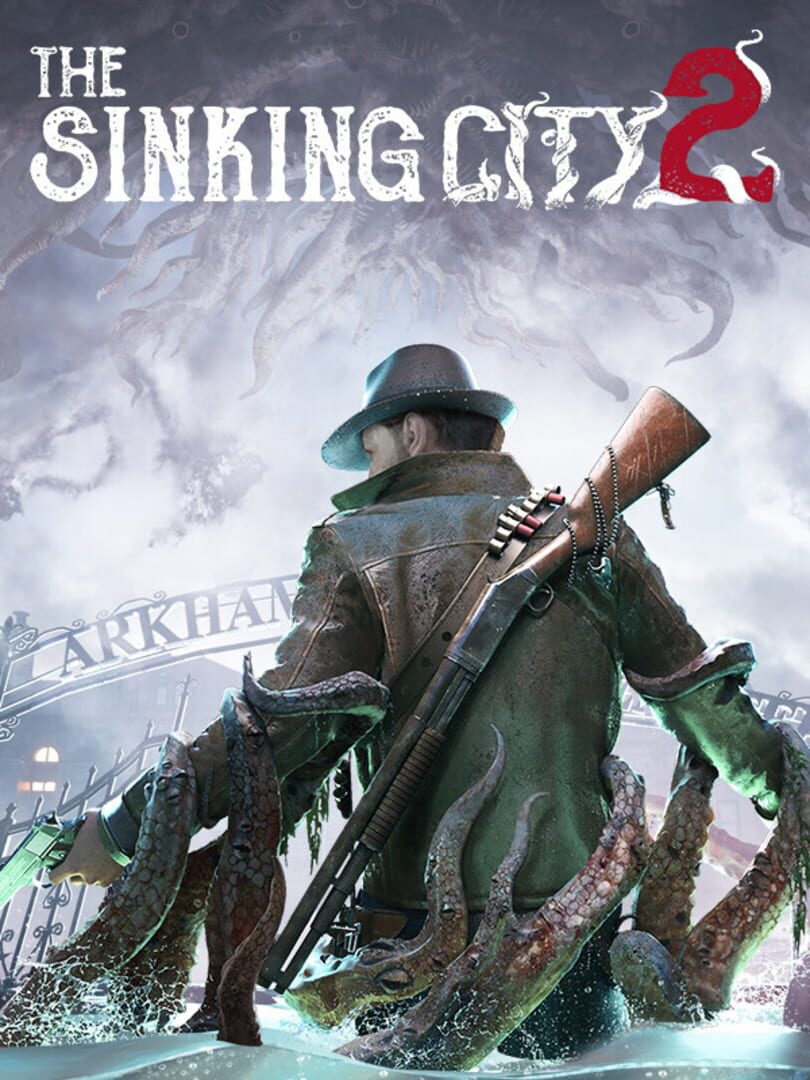
The Sinking City 2 is a terrifying Lovecraftian journey, powered by Unreal Engine 5. Experience a heart-pounding survival horror as you explore the flooded city of Arkham and fight eldritch monsters beyond human comprehension.
Released
August 18, 2026
Developer
Frogwares
Publisher
Frogwares


Tagged In
Discussion
0We want to hear from you. Share your perspective in the comments below, and please keep the conversation respectful.
Log in to join the discussion - vote, reply, and share your take.
Log In