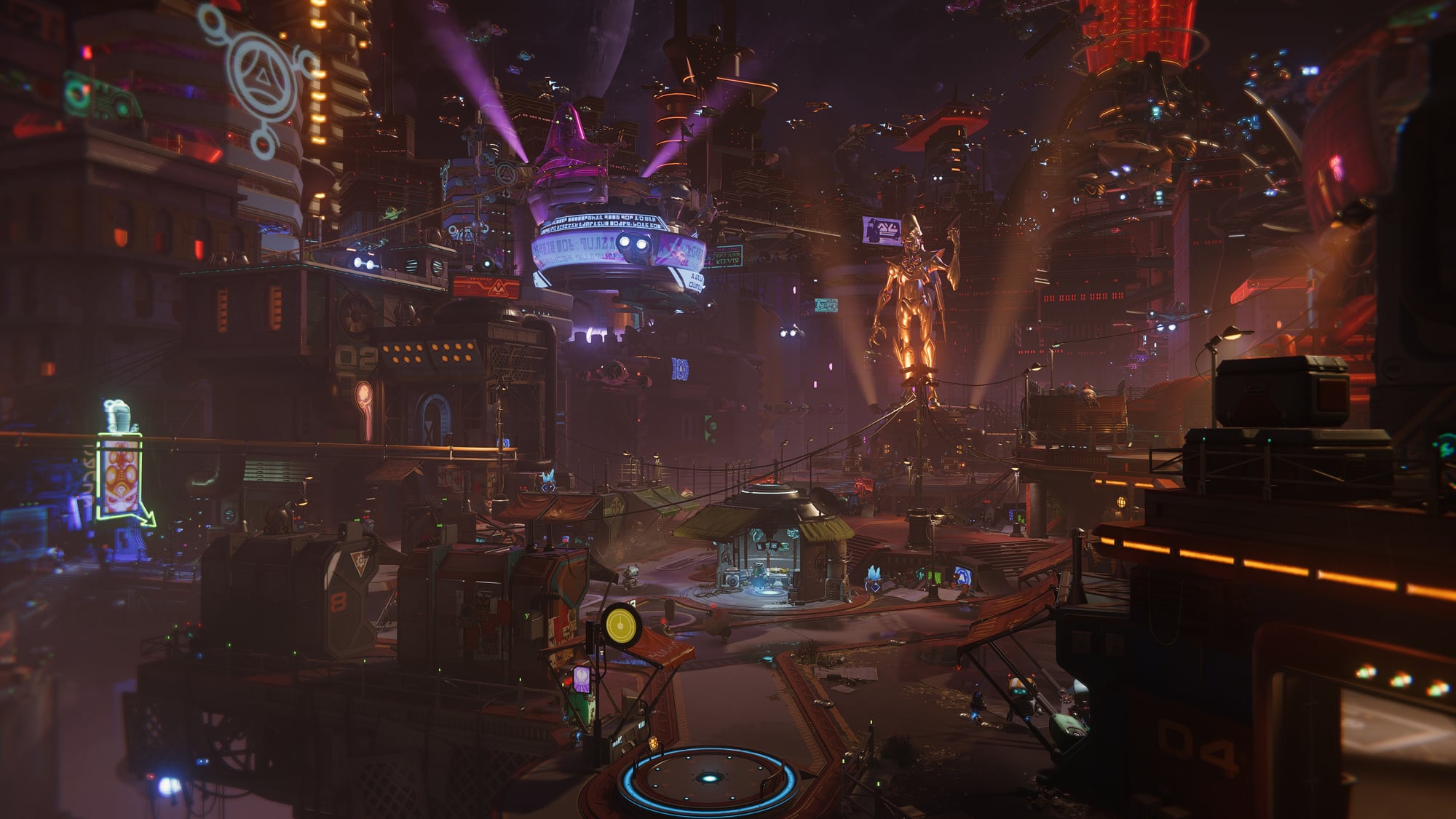
Insomniac Games made consistency its PlayStation trademark
From Spyro and Ratchet & Clank to Marvel's Spider-Man, Insomniac Games became one of PlayStation's most reliable studios. Now, Wolverine's mixed reception has put that reputation to the test.
The California developer behind Ratchet & Clank and Marvel's Spider-Man built a reputation for polished action games by repeatedly reinventing itself, although its latest release has tested that winning formula.
When Marvel's Spider-Man 2 launched in October 2023, it sold more than 2.5 million copies within 24 hours. The superhero adventure became Sony's fastest-selling PlayStation Studios release at the time, continuing an extraordinary run for Insomniac Games.
The studio had been making PlayStation games since the original console, moving from colorful platformers to military shooters before finding enormous success with Marvel's superheroes. Its ability to adapt helped make it one of Sony's most dependable developers. However, growing production costs and the mixed reception to 2026's Marvel's Wolverine have made maintaining that reputation increasingly difficult.
Profile Snapshot
- Founded: 1994
- Founder:Ted Price
- Headquarters: Burbank, California, United States
- Parent company: Sony Interactive Entertainment, acquired in 2019
- Current leadership: Chad Dezern, Ryan Schneider, and Jen Huang
- Signature franchises: Spyro the Dragon, Ratchet & Clank, Resistance, and Marvel's Spider-Man
- Latest release: Marvel's Wolverine, September 15, 2026
Spyro gave Insomniac its first PlayStation success
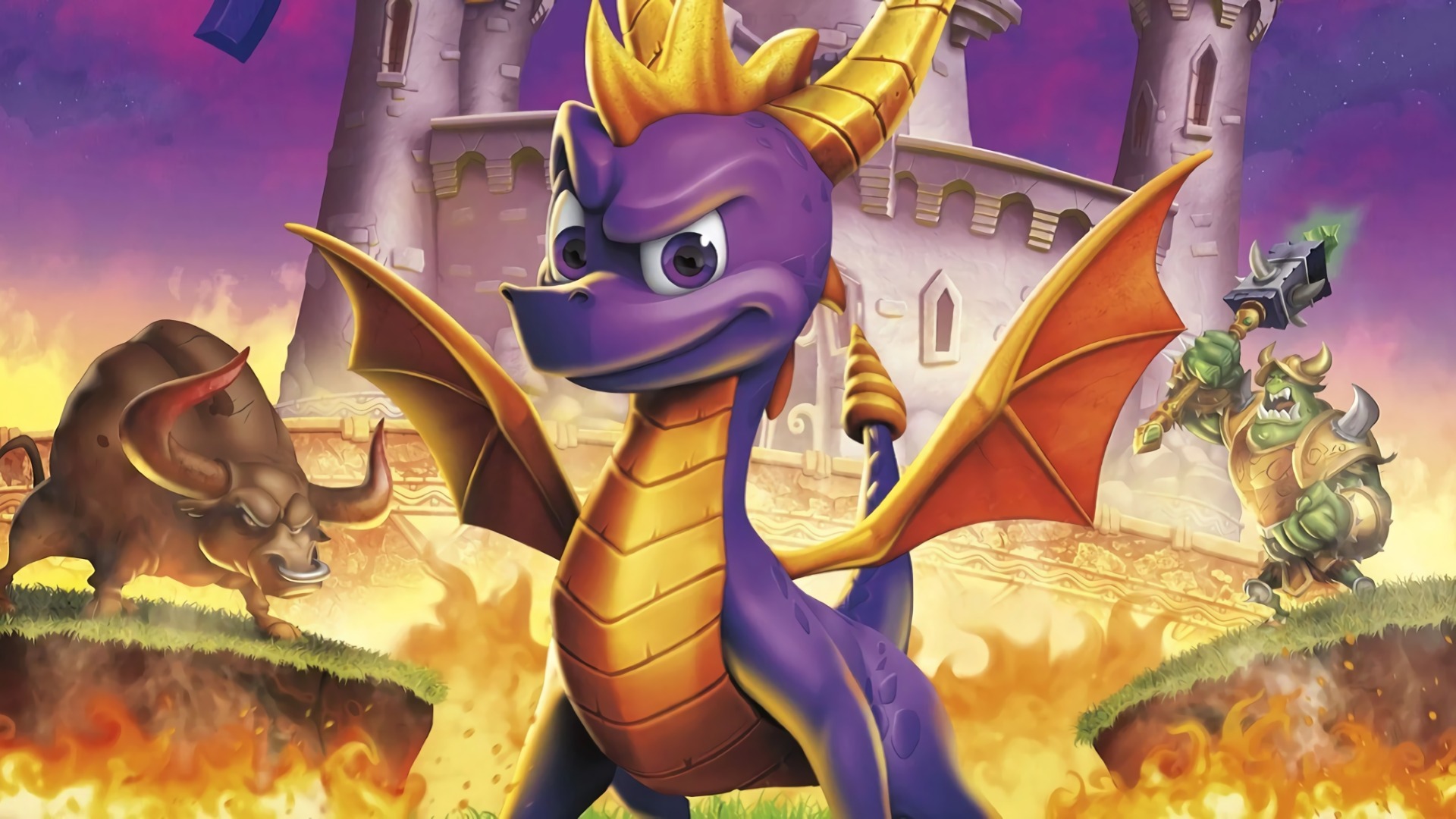
Insomniac began life in 1994 under the name Xtreme Software, founded by Ted Price. Its first game, Disruptor, arrived in 1996 as a science-fiction first-person shooter. It received positive reviews but failed to become a major commercial hit.
The studio found its first real breakthrough with Spyro the Dragon in 1998. The PlayStation platformer introduced a small purple dragon who could charge through enemies, breathe fire, and glide across colorful fantasy environments.
Where other platformers emphasized precise jumps and difficult obstacle courses, Spyro encouraged exploration. Players searched for hidden gems, rescued trapped dragons, and discovered secrets across interconnected levels.
Its accessible controls and expressive animation helped the character become one of PlayStation's recognizable mascots. Two sequels followed, establishing Insomniac as a developer capable of producing popular games across consecutive years. However, the studio didn't own Spyro. When its agreement ended, Insomniac decided to create another franchise rather than continue working on the dragon.
Ratchet & Clank turned weapons into entertainment
Ratchet & Clank arrived on PlayStation 2 in 2002, introducing a furry alien mechanic and his small robot companion. The new series combined platforming with third-person shooting, giving Insomniac considerably more room to experiment with combat.
Its greatest attraction was an increasingly ridiculous collection of weapons. The Groovitron made enemies dance, while the Sheepinator transformed them into harmless sheep. Even conventional firearms had exaggerated animations and satisfying visual effects.
Insomniac kept expanding the formula across several sequels, introducing weapon upgrades and more elaborate combat encounters. The series became a reliable part of PlayStation's lineup throughout the PS2 and PS3 generations.
The studio also experimented with darker material. Resistance: Fall of Man launched alongside the PlayStation 3 in 2006, replacing cartoon aliens with a grim alternative history in which humanity faced an invasion by the Chimera.
The shift demonstrated Insomniac's versatility. It could develop an accessible platforming adventure and a violent first-person shooter without losing its emphasis on creative weapons and responsive combat.
Sunset Overdrive proved Insomniac could take risks
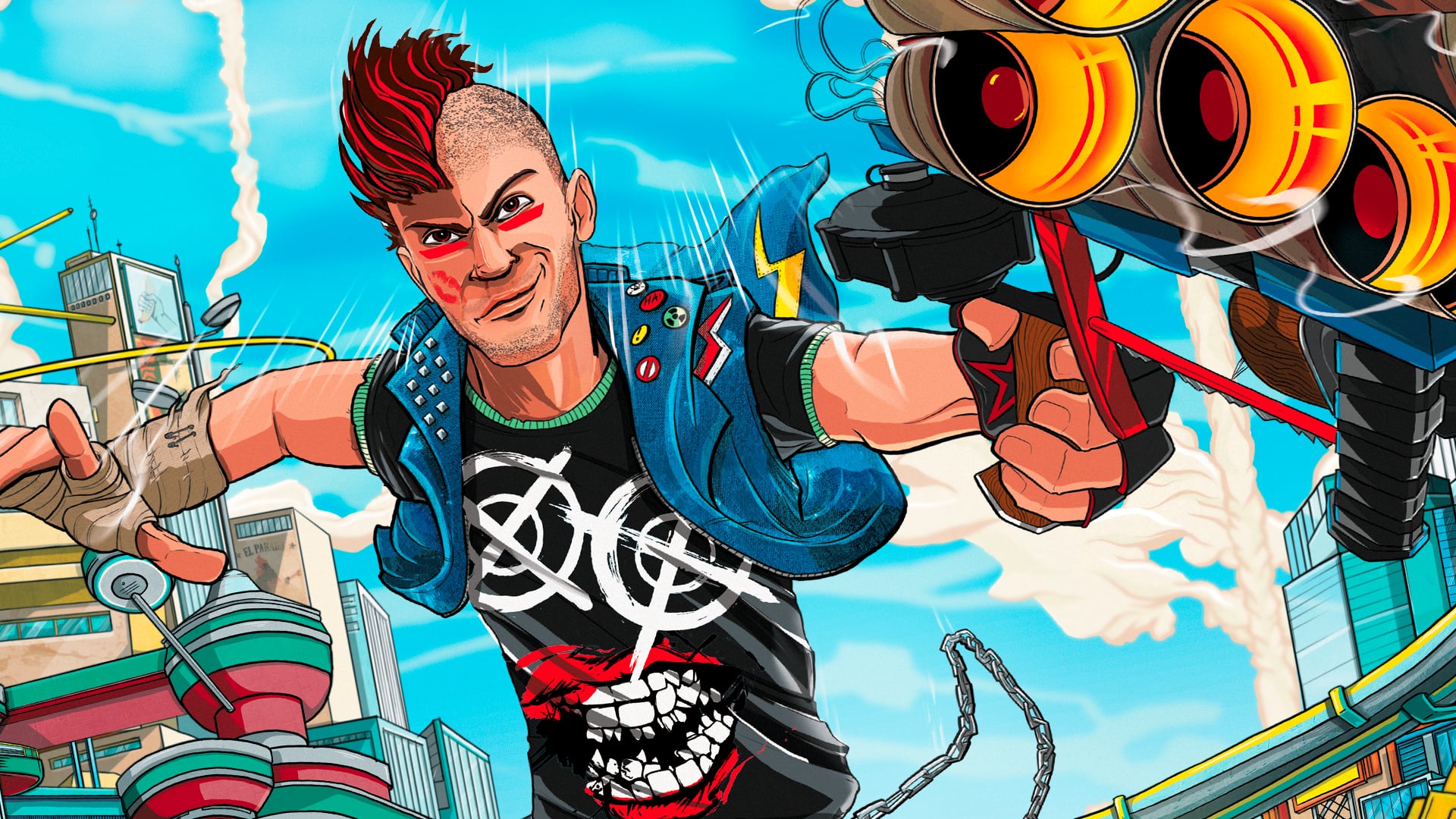
After years of developing PlayStation exclusives, Insomniac tried something unexpected. Its 2014 game Sunset Overdrive launched exclusively on Xbox One, becoming one of the studio's rare departures from Sony's consoles.
The decision was partly about ownership. Microsoft allowed Insomniac to retain the intellectual property, something the developer considered important after years of creating franchises it didn't control.
Sunset Overdrive also introduced a different approach to movement. Players raced across a colorful city by grinding along rails and bouncing between buildings while fighting mutated enemies. Remaining on the ground was usually a bad idea.
Its chaotic traversal system encouraged constant movement, turning navigation into an essential part of combat.
The game received positive reviews but never developed into a major franchise. Nevertheless, its fast movement and aerial combat provided valuable experience for Insomniac's next enormous project.
Spider-Man became the studio's biggest breakthrough
When Marvel's Spider-Man arrived in September 2018, Insomniac was finally able to combine its experience with movement, combat, and character-driven storytelling on an enormous scale.
Swinging through Manhattan quickly became the game's defining attraction. Players could launch themselves between skyscrapers, run along buildings, and perform aerial tricks while traveling between missions.
The combat was similarly energetic, combining acrobatic attacks with gadgets and environmental interactions. Peter Parker could launch enemies into the air or web them against nearby surfaces.
Insomniac also gave considerable attention to Peter's personal life, balancing superhero action with his relationships and responsibilities. The story offered an original interpretation of the character without retelling his familiar origin.
The result was an enormous commercial success. By July 2019, Marvel's Spider-Man had sold more than 13.2 million copies worldwide.
Sony completed its $229 million acquisition of Insomniac in November 2019, formally bringing the developer into PlayStation's first-party studio network after more than two decades of collaboration.
Keeping the PlayStation hits coming
Joining Sony didn't slow the studio's output. Marvel's Spider-Man: Miles Morales launched in November 2020, introducing new combat abilities and a smaller, more focused adventure.
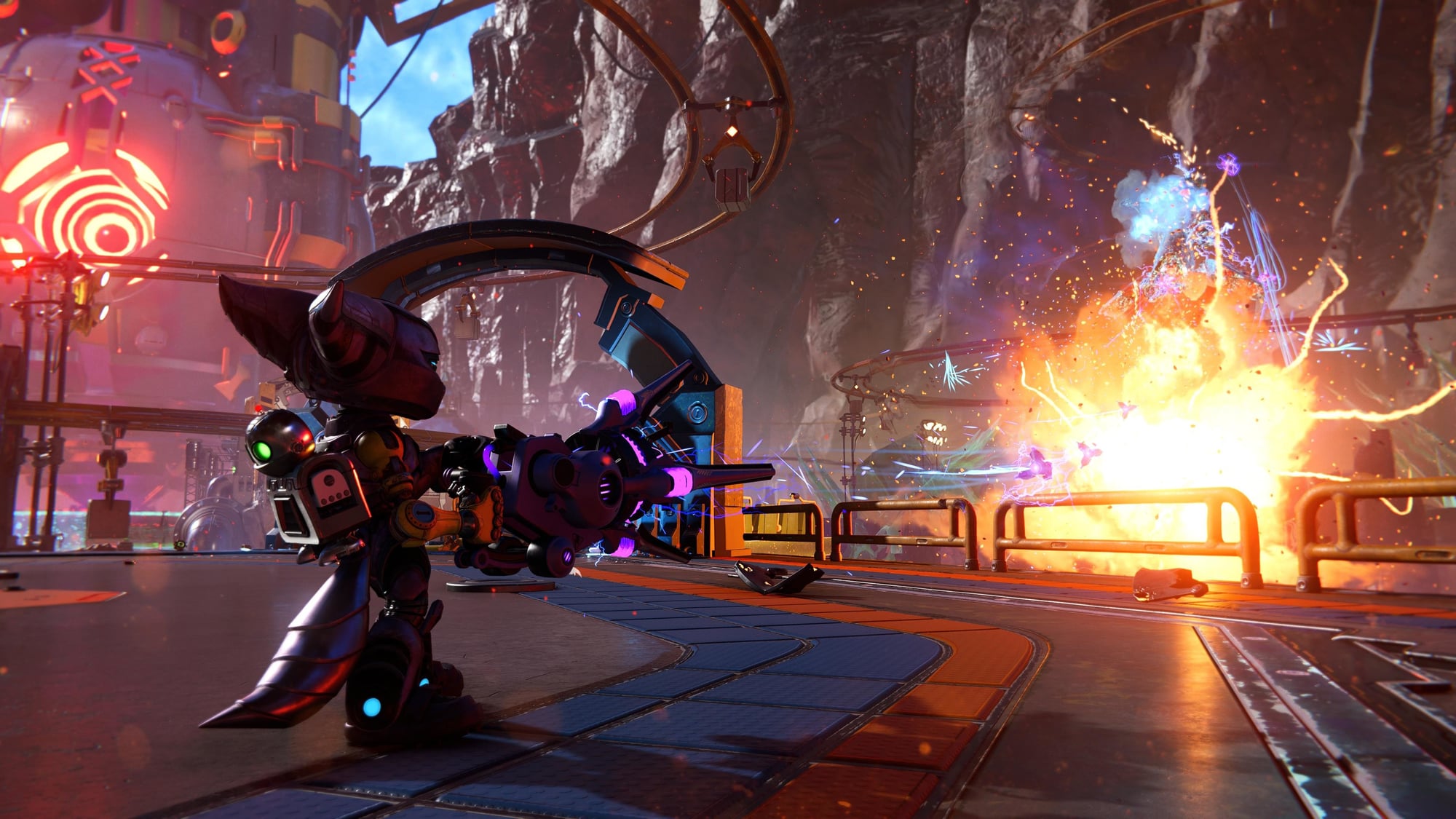
The following year, Ratchet & Clank: Rift Apart demonstrated the possibilities of PlayStation 5 hardware. Its dimensional portals allowed characters to move rapidly between environments, while detailed animation gave the familiar series a more cinematic presentation.
Then Marvel's Spider-Man 2 arrived in 2023, expanding New York and introducing faster traversal through Web Wings. Players could switch between Peter Parker and Miles Morales almost instantly, with both characters receiving their own storylines.
The success continued commercially. By April 2024, Spider-Man 2 had sold more than 11 million copies. Sony reported in September 2026 that the wider Marvel's Spider-Man series had exceeded 50 million copies sold.
Insomniac had maintained an impressive release schedule, but producing increasingly elaborate games brought considerable pressure. A major cyberattack in December 2023 exposed confidential information, including employees' personal data. Sony also confirmed layoffs affecting Insomniac in February 2024.
Another major change followed in 2025 when founder Ted Price retired. Longtime employees Chad Dezern, Ryan Schneider, and Jen Huang took over as co-studio heads, ending more than three decades of leadership under Price.
Wolverine puts Insomniac's reputation to the test
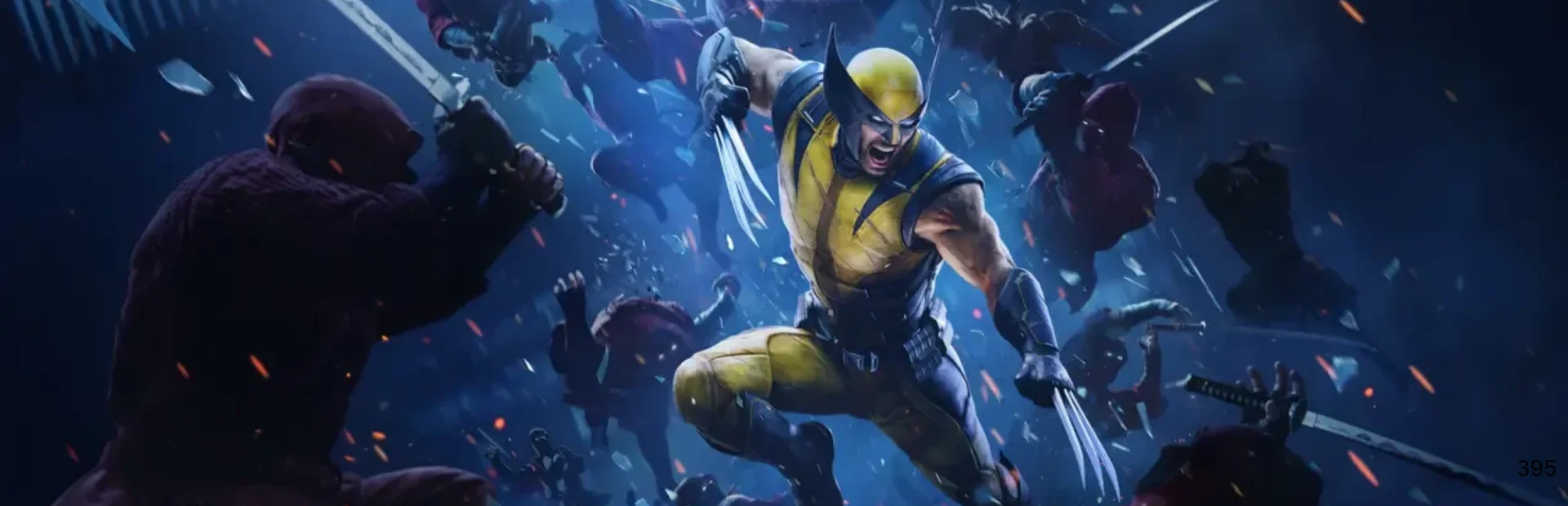
Insomniac returned to Marvel with Marvel's Wolverine in September 2026. Unlike the open-world Spider-Man games, Logan's adventure follows a more linear structure, emphasizing violent melee combat and cinematic storytelling.
The response has been considerably more divided. Critics praised the character performances and brutal action, but some criticized repetitive combat encounters and the limited variety of enemies. Its Metacritic score settled below the ratings achieved by Insomniac's three Spider-Man games.
Commercially, the game also started more slowly. Sony reported 2.4 million copies sold by November 4, compared with the 2.5 million Spider-Man 2 achieved on its first day. The comparison isn't entirely straightforward, given Spider-Man's established audience and Wolverine's different approach, but it demonstrates the expectations surrounding Insomniac's releases.
The studio remains an important part of PlayStation's first-party lineup, with decades of experience creating action games across different genres. Wolverine has shown that even an established developer cannot guarantee another Spider-Man-sized success. Under its new leadership, Insomniac must balance the expensive blockbuster production expected of a major Sony studio with the creative experimentation that helped it become successful in the first place.