
Square Enix The Masters Of The JRPG
Inside Square Enix, from the 2003 merger and Final Fantasy XIV's comeback to the Western studio sell-off and its multiplatform reset.
Square Enix stands as the undisputed giant of the Japanese role playing game. Over several decades this developer and publisher group delivered industry defining stories and produced iconic soundtracks that players still hum thirty years later. Final Fantasy alone secures their place in gaming history but their catalogue stretches far beyond one flagship series.
What makes the company interesting is how the gaming community observes them. Players typically show deep loyalty toward the internal creative teams crafting the single player epics. They trust those specific directors completely. Simultaneously the audience regularly questions the corporate side of the business.
Management spent recent years chasing industry trends like blockchain integration and live service games that the core player base rarely requested. The company essentially operates as two different entities. They are a celebrated development house and a corporate publisher navigating a highly critical fanbase.
The Top 5 Defining Franchises
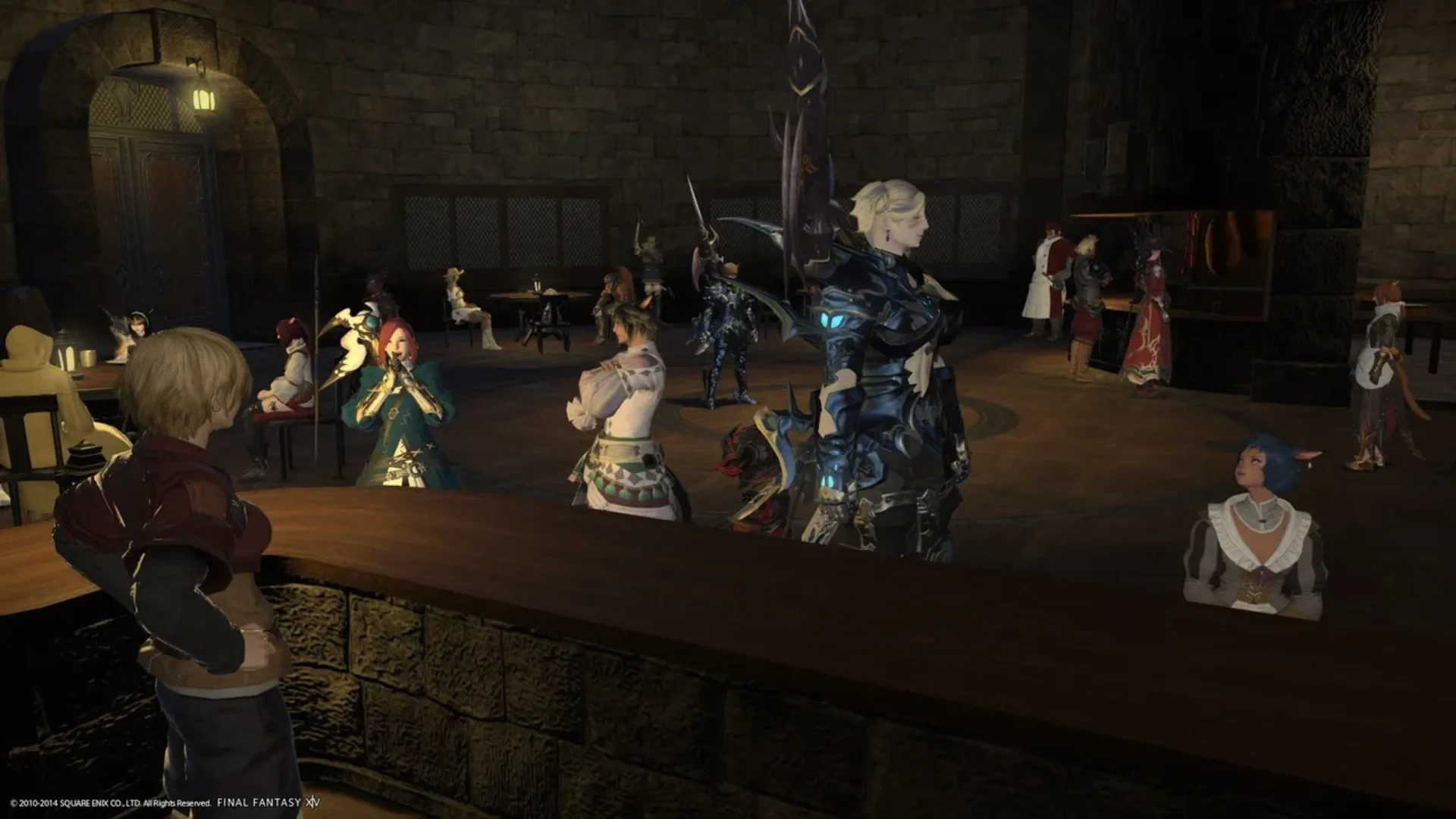
- Final Fantasy XIV The center of their community goodwill. The development team took a game that launched in a disastrous state and transformed it into a major success. The ongoing narrative across expansions forged a rare level of trust between developers and players.
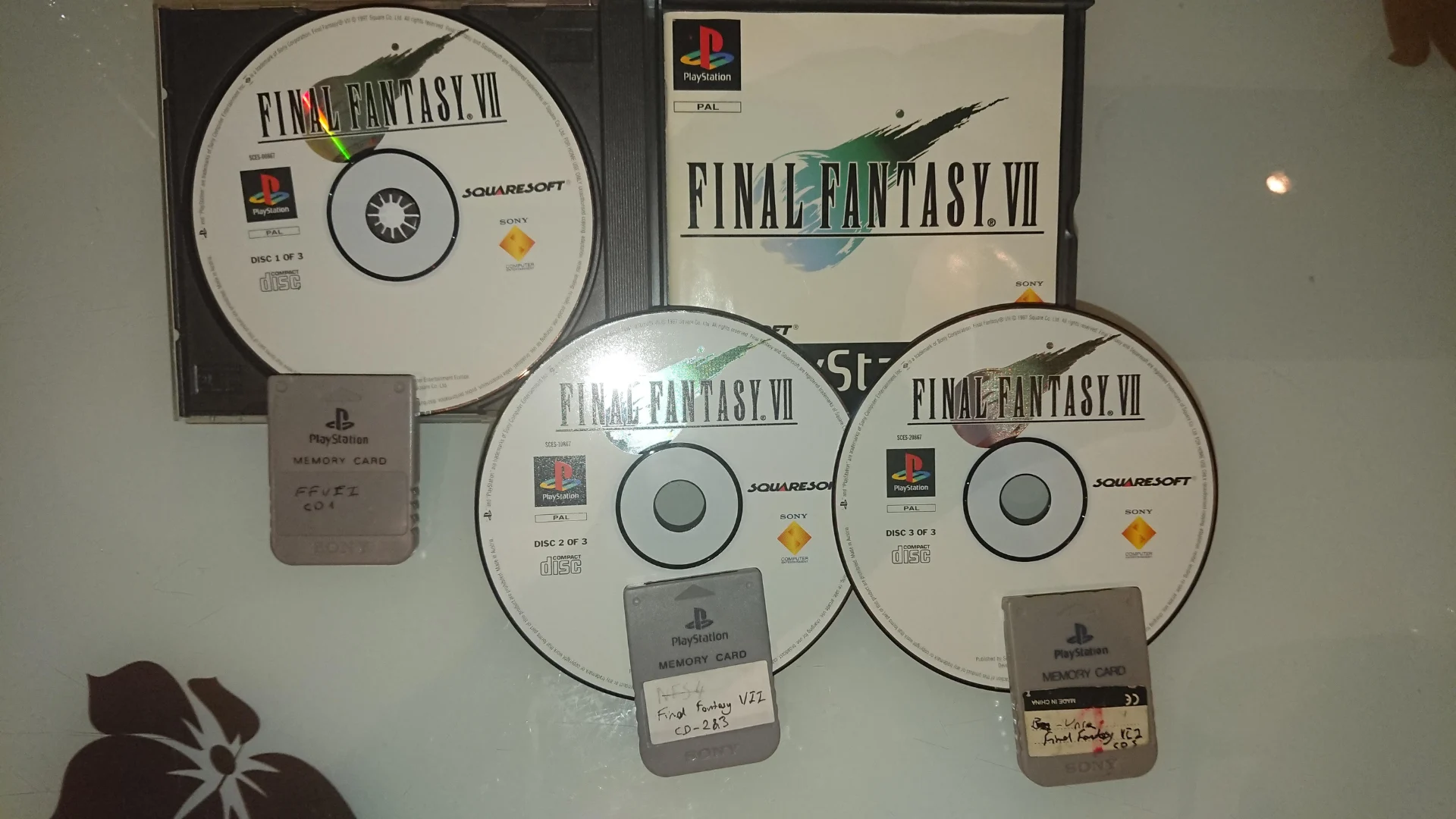
- Final Fantasy VII The most recognizable entry in their top franchise. The original pushed the entire industry into the third dimension. The ongoing remake project dominates current industry conversations by mixing action combat with nostalgia.
- Dragon Quest The traditional classic. While Final Fantasy changes its combat with every single release Dragon Quest deliberately stays the same. It sticks to the classic turn based formula and remains a massive cultural event in Japan.
- NieR A cult curiosity that became a global success. Working alongside external development studios the publisher delivered titles revered for philosophical themes and original music.
- Kingdom Hearts A confusing crossover that mixes Disney worlds with anime storytelling. Players have spent over two decades emotionally invested in a massive plot.
The Golden Age And The Historic Merger
The modern company formed in 2003 through the merger of Square and Enix. For years they operated as the two fiercest rivals in the Japanese role playing genre. Square commanded the global market with Final Fantasy while Enix dominated the domestic market with Dragon Quest. Uniting them was a landmark event that consolidated the biggest names of the genre under one roof.
The loyalty that fuels the modern company was built long before that corporate marriage. During the Super Nintendo and original PlayStation eras both companies produced a historic run of classics. Games like Final Fantasy VI and Chrono Trigger set the global standard for video game narratives. Those specific titles proved that turn based combat could easily carry cinematic and emotionally serious storytelling.
The technology shift during this era cemented their dominance. When Nintendo stuck to expensive storage cartridges Square moved development to the Sony PlayStation. Optical compact discs offered the storage space required for pre rendered cinematic cutscenes. That single business decision altered the console war and pushed Final Fantasy VII into the mainstream. When the community discusses the pedigree of the publisher they reach directly back to this golden age.
The MMO Redemption Arc
No single story defines modern Square Enix better than the resurrection of Final Fantasy XIV. It remains one of the greatest comeback stories in video game history.
The original version launched in 2010 and it was a catastrophe. The software was broken and the core gameplay loop was fundamentally flawed. The release actively damaged the reputation of the company. CEO Yoichi Wada issued a formal apology for the unacceptable state of the game.
Management then brought in Naoki Yoshida to lead a turnaround effort. Yoshida and his team scrapped the original code while keeping the broken game online for the remaining players. They rebuilt the entire game from the ground up and relaunched the project as A Realm Reborn.
The transparency and the quality of the rebuilt game earned the team a reservoir of community goodwill. The title grew into a highly profitable financial pillar for the entire publisher.
The Western Studio Experiment
Not every chapter ended in triumph. The long attempt to dominate Western game development heavily confused their traditional audience.
For over a decade Square Enix owned a stable of major Western development houses including Crystal Dynamics and Eidos Montreal. These studios produced great games that sold millions of copies globally. Yet the publisher consistently labeled those same games as financial disappointments. The rebooted Tomb Raider franchise became the poster child for this dynamic. The game moved millions of units but management still declared it fell short of expectations.
Then the publisher pushed heavily into the games as a service model with Marvels Avengers and Babylons Fall. Both projects flopped hard and clashed entirely with what their core audience actually wanted. The Avengers game performed so poorly that it materially contributed to a heavy financial loss for the HD Games segment.
In 2022 the publisher significantly shifted gears. They sold Crystal Dynamics and Eidos Montreal along with the Tomb Raider and Deus Ex franchises to the Embracer Group for three hundred million dollars. Management stated the sale would free up capital to invest in artificial intelligence cloud computing and blockchain technology. The publisher did retain several Western intellectual properties but the era of owning major Western studios was effectively over.
Publisher Profile
- Formed 2003 through the merger of Square and Enix
- Headquarters Shinjuku Tokyo Japan
- Key Creative Figures Naoki Yoshida Tetsuya Nomura and Yoshinori Kitase
- Flagship Franchises Final Fantasy Dragon Quest Kingdom Hearts and NieR
- Core Focus Premium role playing games MMOs and mobile gaming
The Modern Strategy And Multiplatform Expansion
After years of chasing industry trends the current corporate strategy looks like a course correction. By August 2026 the documented plan focuses heavily on prioritizing quality over quantity. Development costs for blockbusters have skyrocketed and locking a large game to a single console severely limits the return on investment. Square Enix is now pushing a multiplatform expansion to bring their major intellectual properties to as many different consoles and PC storefronts as possible.
They are leaning back into the big budget single player experiences that built their reputation. Recent blockbusters represent this renewed focus. They are ambitious games with a clear beginning and end without an endless live service treadmill attached. Meanwhile their MMO division and mobile gaming sectors remain active and profitable businesses that provide steady revenue.
At the exact same time the company created a secondary lane for smaller games. Titles like Octopath Traveler rely on external partner studios and utilize a gorgeous HD 2D visual style. This specific engine mixes classic pixel art sprites with advanced lighting effects. These smaller games deliberately chase the exact vintage magic that older fans crave. This dual approach highlights a publisher trying to balance modern financial realities with historic roots.
The Legacy Of The Crystal
Square Enix will likely always experiment with corporate trends. The community will likely always criticize those specific business decisions. But underneath all the corporate detours the creative foundation remains strong.
As long as their internal teams and external partners keep building rich worlds and unforgettable characters the audience will return. As long as the music continues to linger for decades the crystal will keep shining.
Tagged In
Discussion
0We want to hear from you. Share your perspective in the comments below, and please keep the conversation respectful.
Log in to join the discussion - vote, reply, and share your take.
Log In