
Best immersive sims
The strongest immersive sims give every tool consistent rules, then trust the player to discover solutions the designers never explicitly requested.
A good immersive sim plan often ends with a locked door, an unexpected patrol, or a machine that has suddenly decided to shoot its owner. That failure is not a reason to reload. It is the moment when the genre becomes most interesting, because the player must use what the environment still offers rather than search for the intended route.
The label has been stretched across everything from open-world RPGs to stealth shooters, but freedom alone is not enough. These games build spaces from interacting systems that continue working when the player improvises. A vent is useful, but so is stacking furniture beneath a balcony, possessing the security camera beside it, or convincing the person with the key that opening the door was their idea.
8. Weird West
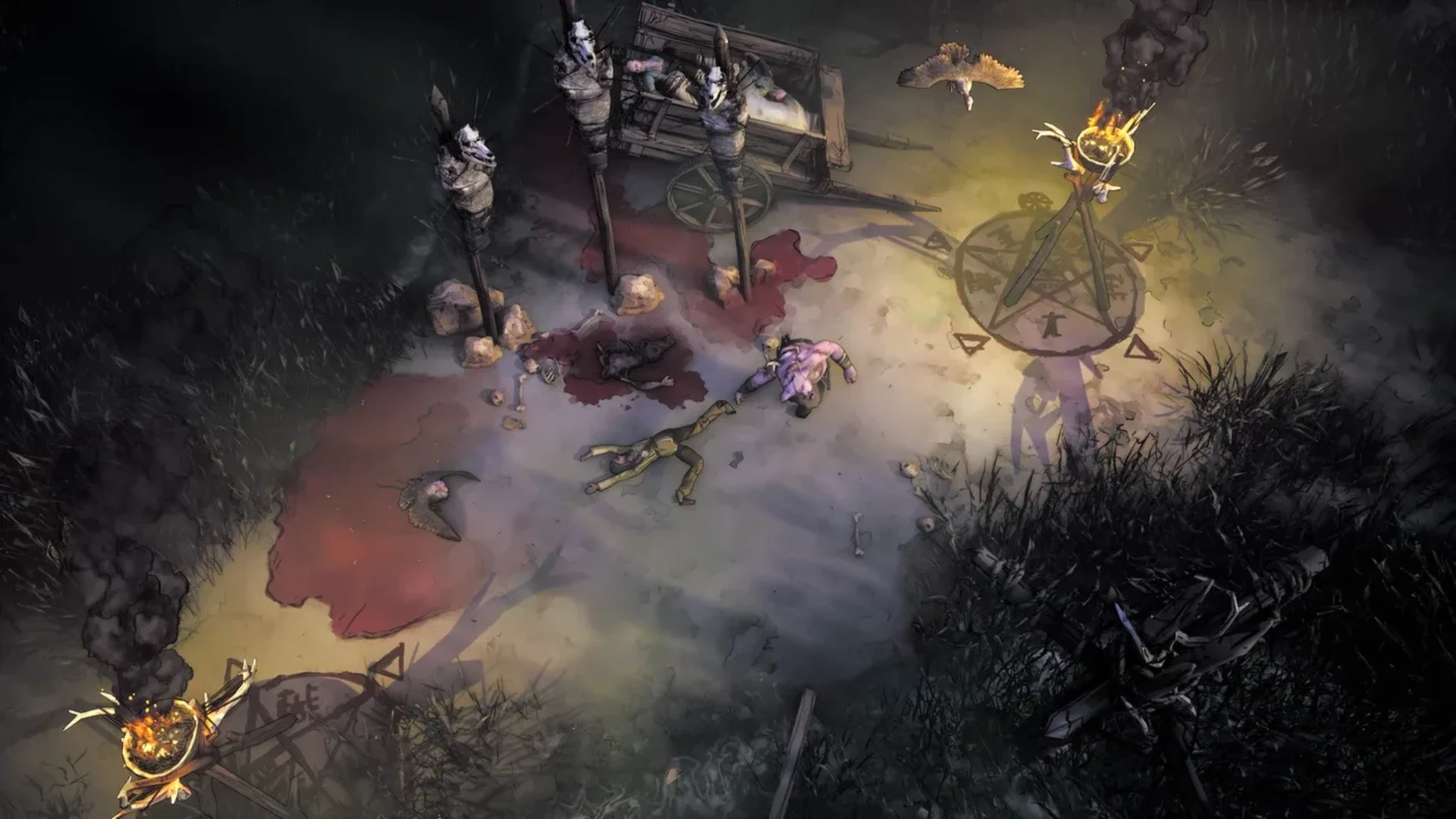
Weird West brings immersive-sim problem solving into an isometric action RPG about five connected characters travelling through a supernatural frontier. Towns, mines, and homesteads contain people with routines, objects governed by physics, and materials that react predictably to fire or electricity.
Its best situations begin with a small disturbance. Shooting an oil lamp can ignite the floor beneath a group of enemies. Rain may extinguish the flames before they spread, while a nearby barrel can turn the same accident into a larger disaster. Characters spared during one journey may return during another, sometimes helping or complicating the life of the next protagonist.
The elevated camera makes those relationships easy to survey but less satisfying to control. Precise gunfights can become awkward when enemies crowd doorways, and repeated locations gradually expose the limits of the world simulation. The systems produce better stories than the shooting, especially when a supposedly clean robbery leaves an entire settlement hostile.
7. Ctrl Alt Ego
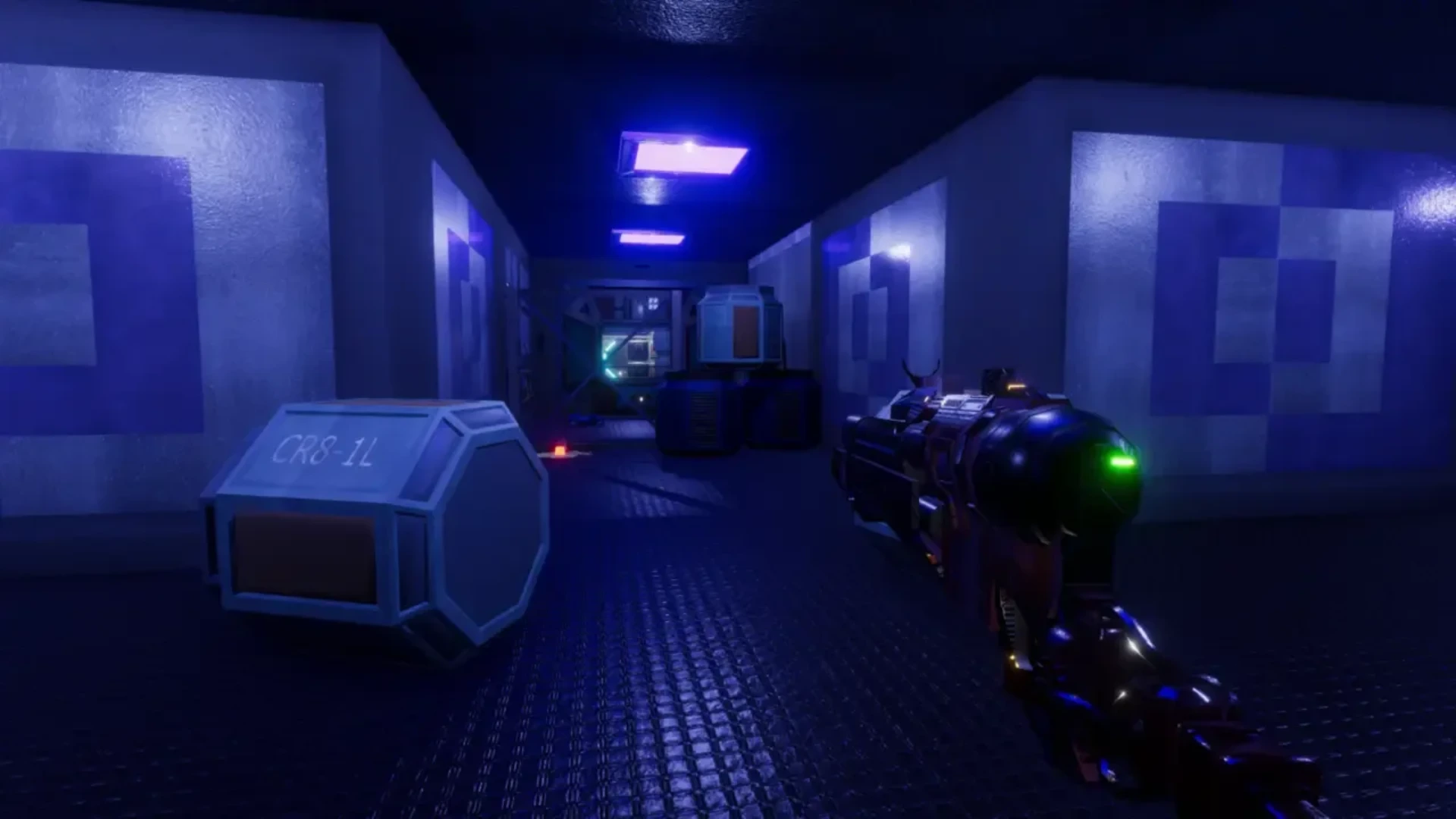
The protagonist of Ctrl Alt Ego has no permanent body. Consciousness can jump between cameras, robots, doors, and other machines aboard a damaged space station. Destroying the current host does not necessarily mean death, provided another controllable object remains within reach.
That premise changes how players view a room. A hostile robot is also a possible body. A camera can scout the next area before becoming a route into it. Even small service machines may carry an item or activate something the player cannot reach directly. Progress feels less like moving one character through a level and more like spreading control through a network.
Its deliberately awkward presentation will repel some players before the central idea develops. The interface is dense, the humor is relentless, and limits on transferring consciousness can discourage the experimentation the game otherwise celebrates. Once those rules become familiar, few immersive sims ask players to reconsider something as basic as where the playable character begins and ends.
6. Vampire: The Masquerade – Bloodlines
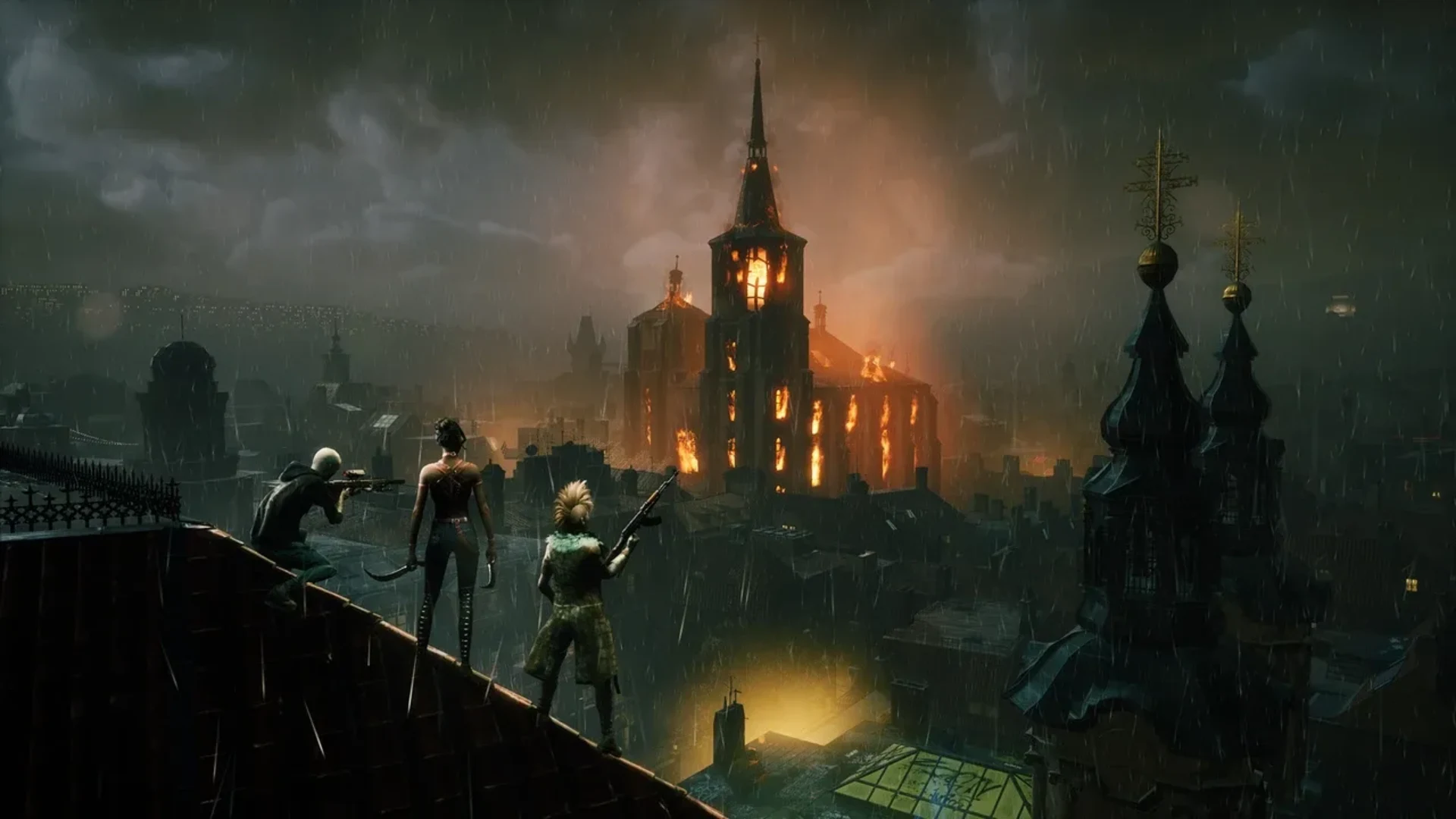
Vampire: The Masquerade – Bloodlines uses Los Angeles nightlife as a social system before it becomes a combat space. The player creates a newly transformed vampire whose clan affects dialogue, abilities, and how comfortably they can move through human society. Feeding, persuasion, intimidation, and supernatural Disciplines provide different ways to handle quests.
Its strongest missions respond to the character being played. A persuasive Ventrue can talk through an encounter that becomes a violent obstacle for another clan. The disfigured Nosferatu must avoid ordinary public spaces, turning sewers and rear entrances into necessary routes rather than optional secrets. Malkavian dialogue rewrites conversations around fractured insight, sometimes revealing truths long before their meaning is clear.
The final chapters abandon much of that flexibility. Long combat sequences punish characters built around conversation or stealth, while clumsy melee attacks expose how little the fighting supports the surrounding role-playing. Community patches remain important for technical stability. The game survives because its characters and quests react to identity in ways that more polished RPGs rarely attempt.
5. Thief II: The Metal Age

Garrett does not need a glowing detection marker to know that a guard is close. In Thief II: The Metal Age, footsteps travel through rooms according to their shape and materials. A patrol crossing metal flooring can be followed through a wall, while Garrett's own movement becomes dangerous when carpet gives way to tile.
Equipment alters those spaces without removing the risk. Water arrows extinguish torches but may make guards investigate the sudden darkness. Moss arrows create a quiet path across a noisy floor. Rope arrows attach to suitable wooden surfaces, opening routes that are defined by the environment rather than a marked climbing point.
The large missions feel like buildings with practical purposes. Warehouses have loading areas, banks have layered security, and mansions connect servant routes with rooms intended for guests. Navigation can become exhausting when maps provide only rough guidance, and direct combat remains intentionally poor. Those limitations ensure that information, sound, and escape routes matter more than clearing every room.

4. System Shock 2
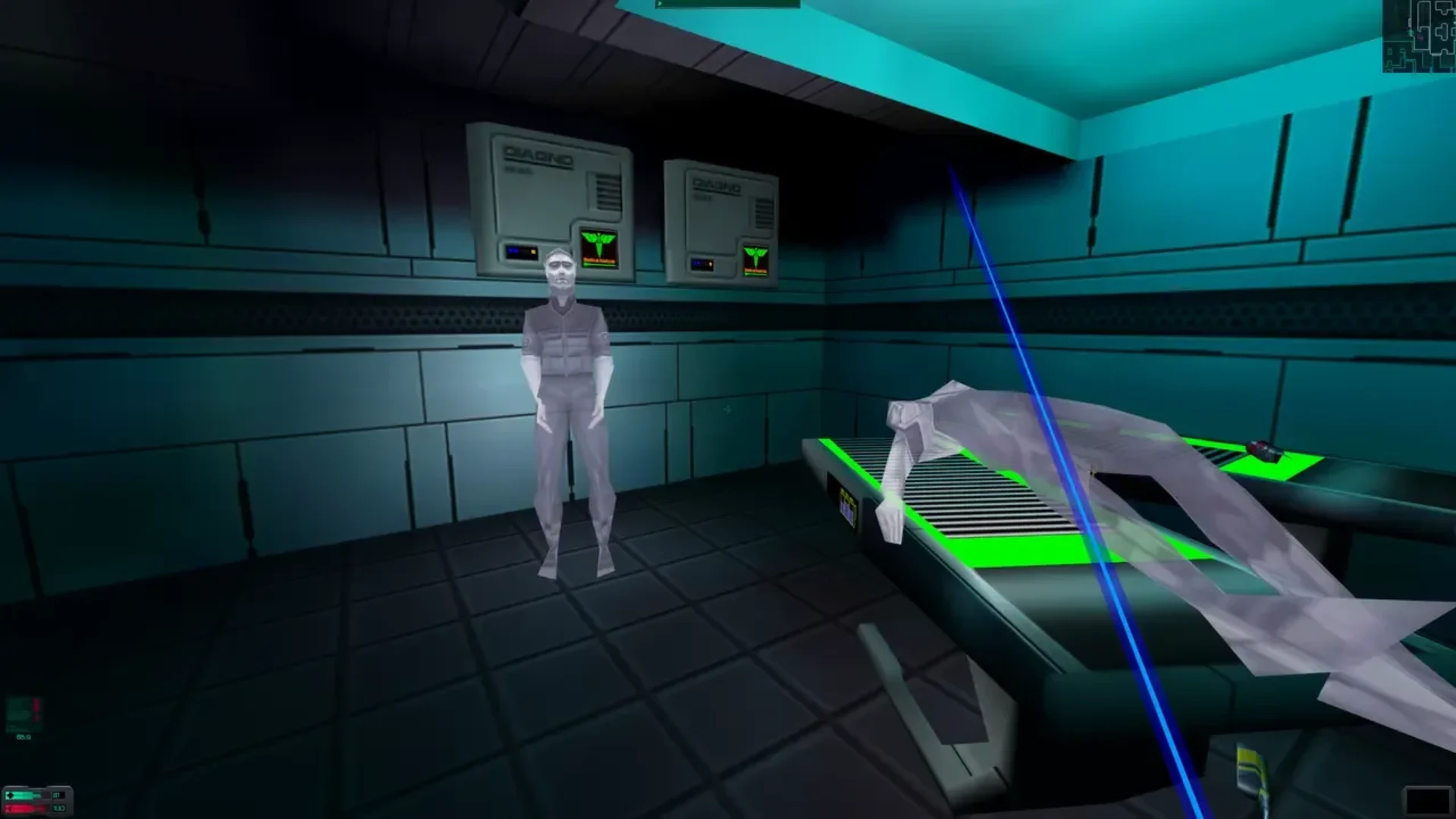
A character build in System Shock 2 begins becoming restrictive before the player knows which threats are waiting aboard the Von Braun. Cybernetic modules are spent on weapons, hacking, technical skills, or psionic abilities, but those investments cannot be casually reversed. Finding a powerful firearm means little when the character lacks the training to use it.
Scarcity makes that commitment visible. Weapons degrade, ammunition disappears quickly, and medical supplies never feel abundant enough. Hacking a security terminal may conserve bullets, while investing in maintenance can preserve a reliable weapon that another build would be forced to abandon. The systems make survival depend on earlier decisions rather than the equipment found in the latest room.
Respawning enemies can make cleared areas feel artificially insecure, while the interface still carries the complications of a 1999 PC game. Nightdive's 25th Anniversary Remaster modernizes presentation and controls without replacing the original progression, resource pressure, or level structure. It is now the most practical way to experience a game that remains impressively unwilling to rescue a poorly planned character.
3. Dishonored 2
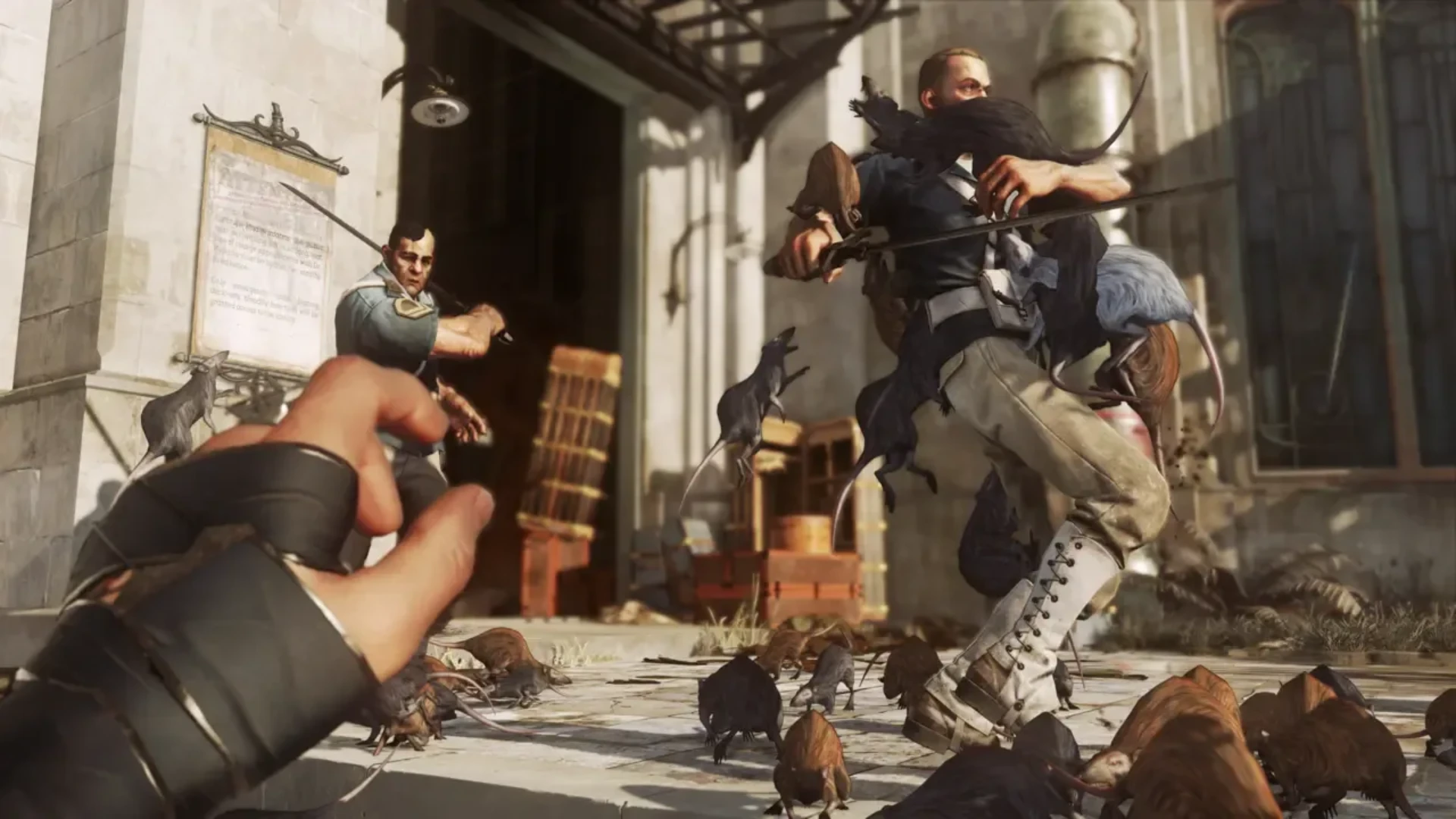
Emily Kaldwin and Corvo Attano enter the same missions with different supernatural abilities, but neither character is limited to stealth or combat. Emily can link enemies with Domino so that one action affects several targets. Far Reach pulls her toward ledges, objects, or people, turning a traversal power into a weapon when the situation demands it.
Karnaca provides the architecture needed for those abilities to matter. Apartments open onto balconies, rooftops connect buildings that appear separate from the street, and service passages reveal how wealthier spaces are maintained. The Clockwork Mansion physically rearranges its rooms, while A Crack in the Slab lets the player move between two versions of the same location. These missions do not merely contain several routes. Their central rules change how the space can be understood.
Later upgrades can make ordinary guards too easy to manipulate, particularly when powers and equipment are used without restraint. The Chaos system also creates an awkward tension between the game's spectacular lethal tools and its darker response to frequent killing. No other immersive sim offers a better collection of individual levels for testing what a flexible power can do.
2. Prey
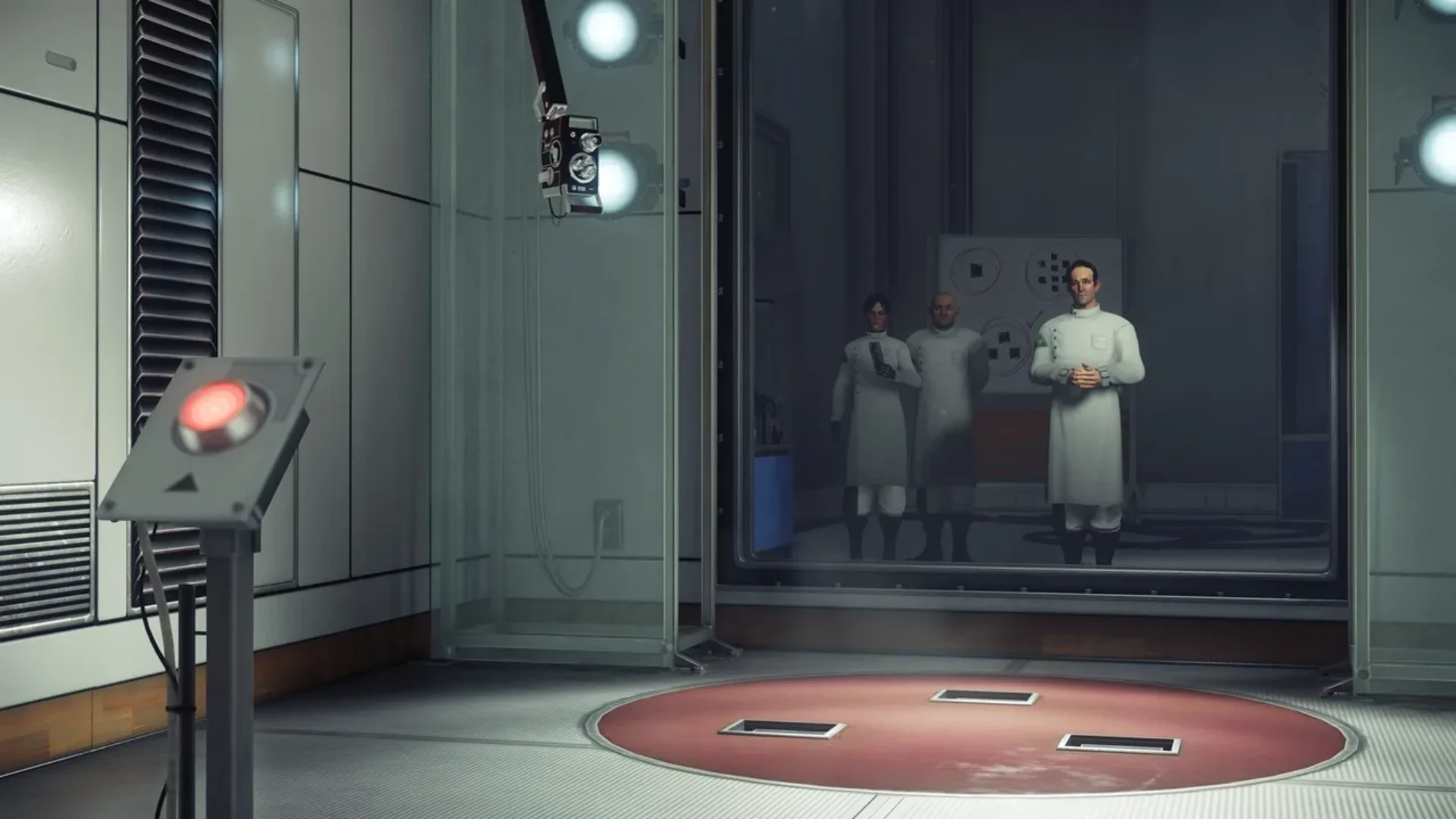
Talos I in Prey is a complete space station rather than a series of missions joined by loading screens. Morgan Yu moves between laboratories, living quarters, maintenance tunnels, and the station's exterior while investigating an alien outbreak. Returning to an earlier department can reveal how a decision elsewhere changed its people or security.
The GLOO Cannon represents the wider design. Its foam can immobilize an enemy, seal a ruptured pipe, extinguish fire, or create a rough staircase against a wall. Recycler Charges convert loose objects into crafting material, making a room full of debris valuable without assigning every item one scripted purpose. Mimic Matter allows Morgan to become small objects and pass through gaps that another build must open through hacking or strength.
Combat begins weakly because Morgan has few resources and the Typhon are difficult to read. It becomes more expressive as Neuromods open new relationships between human technology and alien powers. The final hours damage that balance by filling familiar areas with repeated threats and disruptive objectives. Talos I remains the genre's most convincing single location because every department appears connected to the same workplace, disaster, and physical structure.
1. Deus Ex
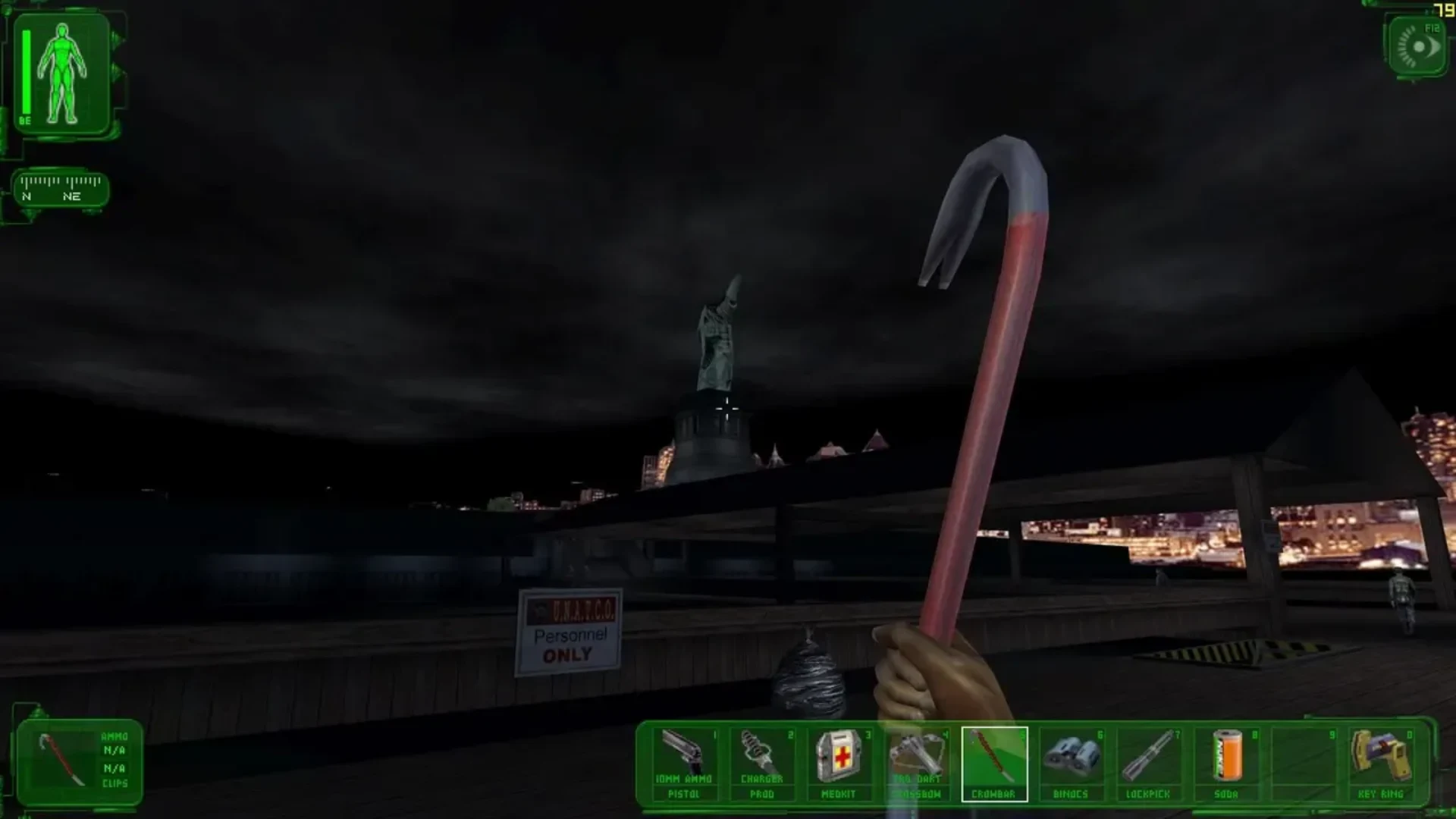
The first mission in Deus Ex asks JC Denton to enter the Statue of Liberty and capture a terrorist leader. The front entrance is heavily guarded, but it is only one possibility. Players can search the docks, climb using nearby objects, unlock another route, or use skills and equipment to create an approach suited to their version of JC.
That flexibility continues beyond level design. Conversations react to what the player knows and when they learned it. Entering a room before receiving the related objective may expose information that changes the later discussion. Characters can survive events the story appears prepared to treat as inevitable, provided the player recognizes that control has not actually been removed.
The individual systems are visibly old. Gun accuracy is frustrating before the relevant skills improve, enemy behavior can collapse around doors, and large areas contain stretches of functional but ugly architecture. Modern immersive sims provide smoother movement and more elaborate physics. They rarely match how thoroughly Deus Ex combines authored consequences with systemic solutions.
Its conspiracies work because the player participates in them rather than listening from outside. Hacking a terminal, sparing an enemy, reading an ignored message, or arriving somewhere earlier than expected can alter the context of what follows. Deus Ex does not only provide several ways through a locked door. It remembers which one the player chose and asks what that choice says about the person who walked through it.

Weird West
Discover a dark fantasy reimagining of the Wild West where lawmen and gunslingers share the frontier with fantastical creatures. Journey through the origin stories of a group of atypical heroes, written into legend by the decisions you make in an unforgiving land. Each journey is
Released
March 31, 2022
Developer
Wolfeye Studios
Publisher
Devolver Digital


Tagged In
Discussion
0We want to hear from you. Share your perspective in the comments below, and please keep the conversation respectful.
Log in to join the discussion - vote, reply, and share your take.
Log In