9 survival games where every mistake has a price
The best survival games make every mistake matter, from Subnautica's dangerous depths to Minecraft's first night and Valheim's hostile biomes.
These are the worlds that turn an empty stomach, a falling temperature or one badly planned journey into a story worth remembering.
Survival games are rarely about staying alive in the literal sense. Before long, most of them let you grow food, forge weapons and build a home sturdy enough to keep the weather outside. The real appeal is everything that happens before you feel safe: the desperate first night, the expedition that runs longer than expected and the awful moment you realize the supplies you need are sitting beside your previous corpse.
This list favors games where survival shapes the whole experience rather than acting as another row of meters beneath an ordinary action game. Some are lonely and severe. Others become chaotic co-op building projects. All of them make shelter, preparation and hard-earned knowledge feel valuable.
9. ARK: Survival Ascended
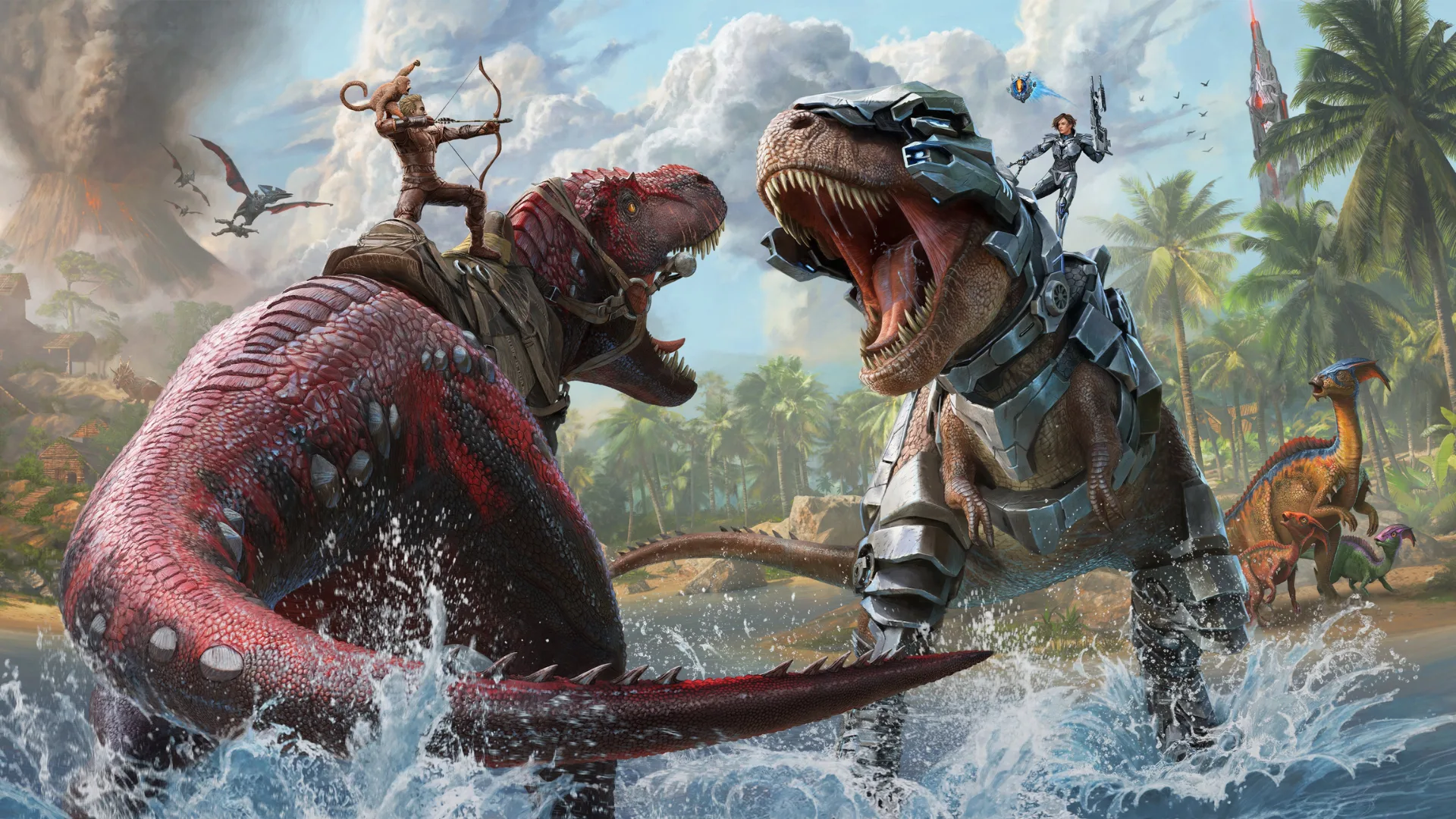
Few survival games make the player feel smaller than ARK. You begin half-dressed on a beach where almost every silhouette belongs to something faster, stronger or considerably more interested in eating you. That helpless opening eventually gives way to one of the genre's wildest power curves: crude tools become metal fortresses, frightened scavenging becomes organised breeding, and the dinosaur that once chased you through the trees becomes your heavily armoured transport.
The technical problems remain part of the deal. Servers can be unreliable, performance has never matched the ambition and raising powerful creatures can demand a ridiculous amount of time. Yet ARK keeps producing experiences no cleaner survival game would attempt. A routine gathering trip can end with a lost mount, a panicked rescue party and half a tribe arguing over who left the gate open.
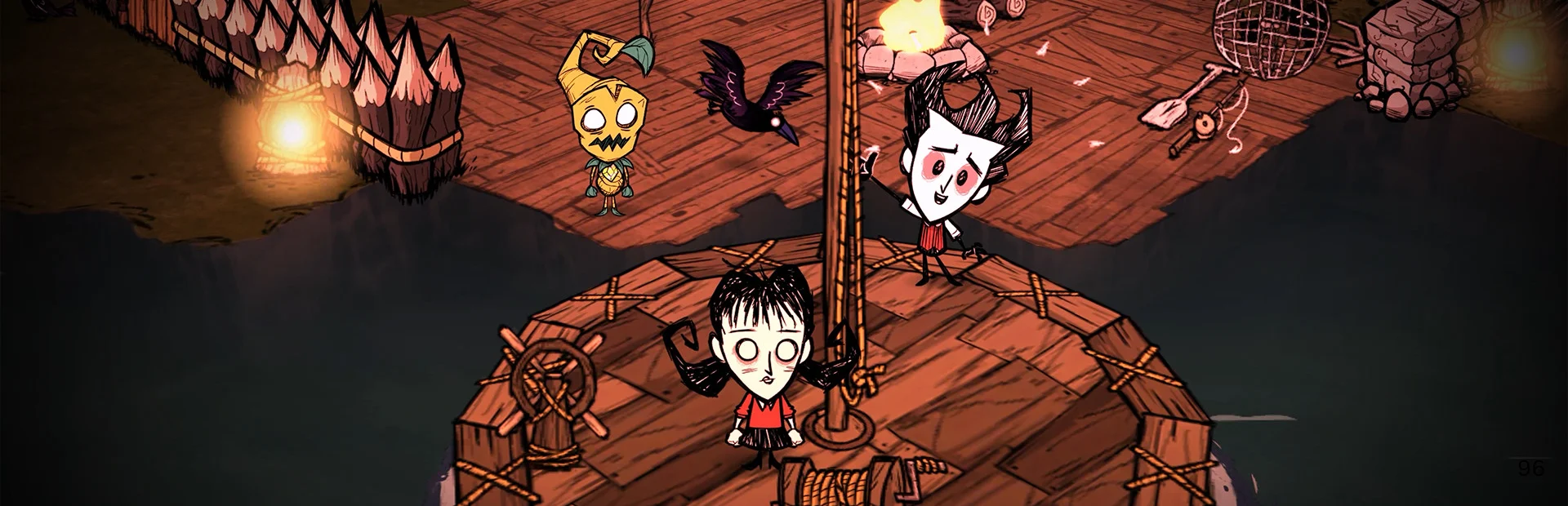
8. Don't Starve Together
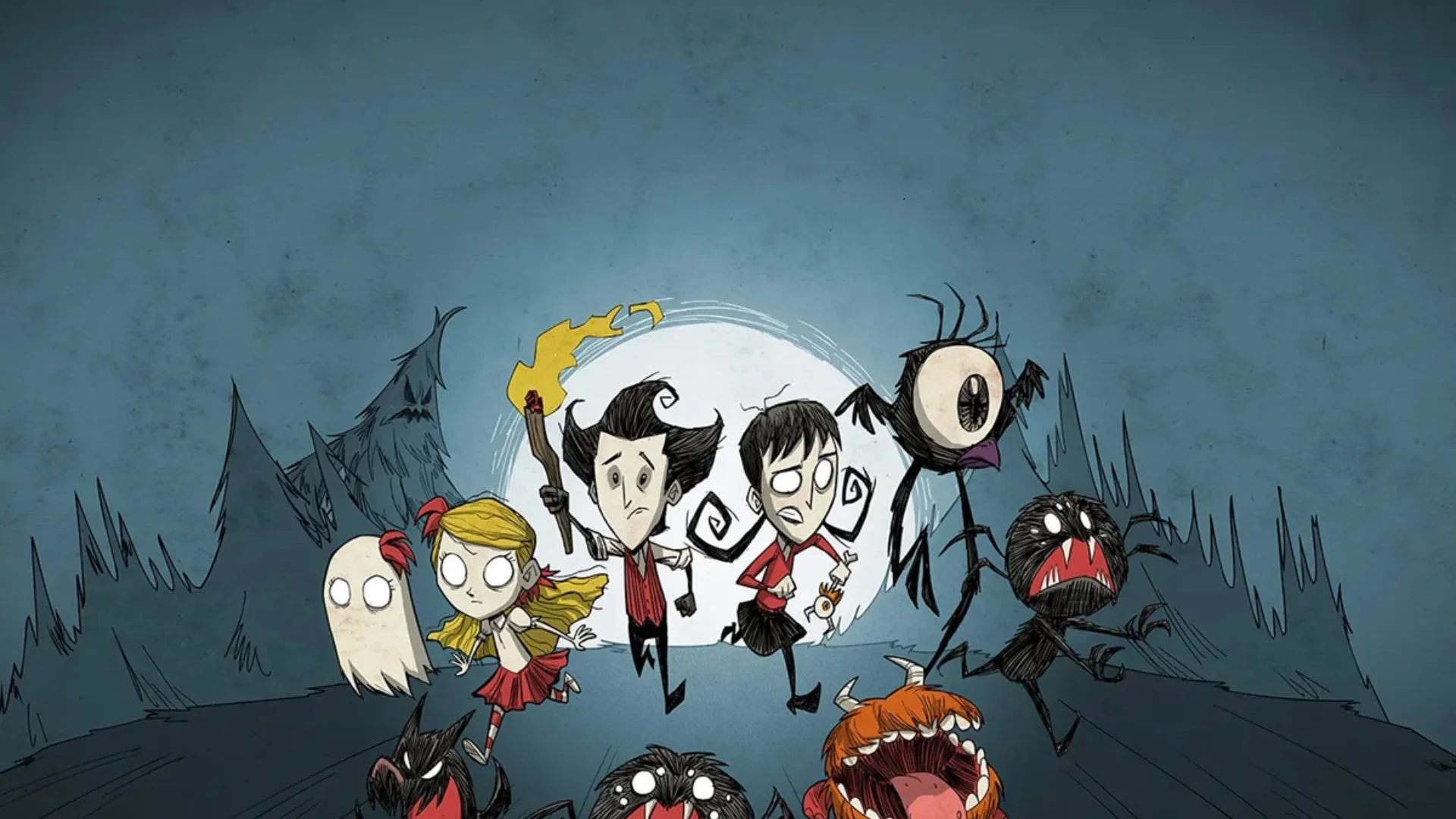
The scratchy storybook art initially makes Don't Starve Together look playful. Then darkness arrives, the fire begins to shrink and something starts moving beyond its light. Klei's world is governed by rules it refuses to explain politely, so progress comes through observation, experiments and deaths that teach you never to eat that particular mushroom again.
Playing with friends changes the mood without removing the danger. A well-organised camp can collapse because winter arrived before the food stores were ready, while a careless player can turn a calm evening into a desperate search for medicine. Hunger is only the first problem. Sanity, temperature, seasonal creatures and increasingly strange threats keep survival precarious long after the basic crafting recipes have become familiar.
7. Rust
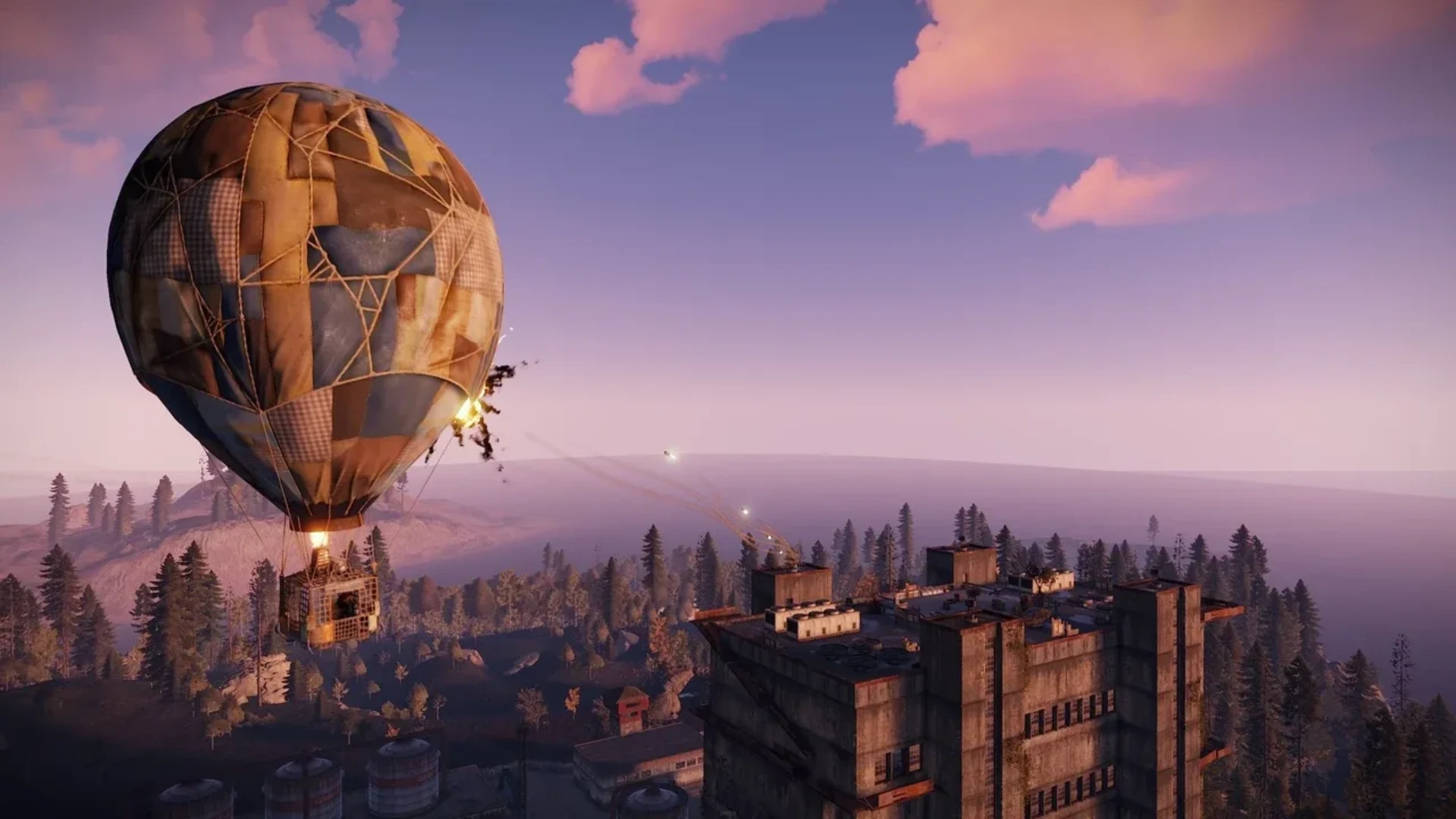
Rust is less interested in whether you can survive the wilderness than in what you become once other people are thrown into it. Starting naked with a rock is almost peaceful compared with the paranoia that arrives after you build a base worth stealing from. Every neighbour is a possible trading partner, future clanmate or person currently measuring your wall for explosives.
That social uncertainty gives Rust its stories. Players create settlements, protection rackets, grudges, alliances and elaborate revenge plans over resources that seemed worthless an hour earlier. The shooting and crafting systems are strong, but the real machinery is human behaviour under pressure. It can be cruel, exhausting and miserable for solo players, especially when organised groups dominate a server. It can also produce the funniest and most deranged encounters in the genre.
6. Grounded
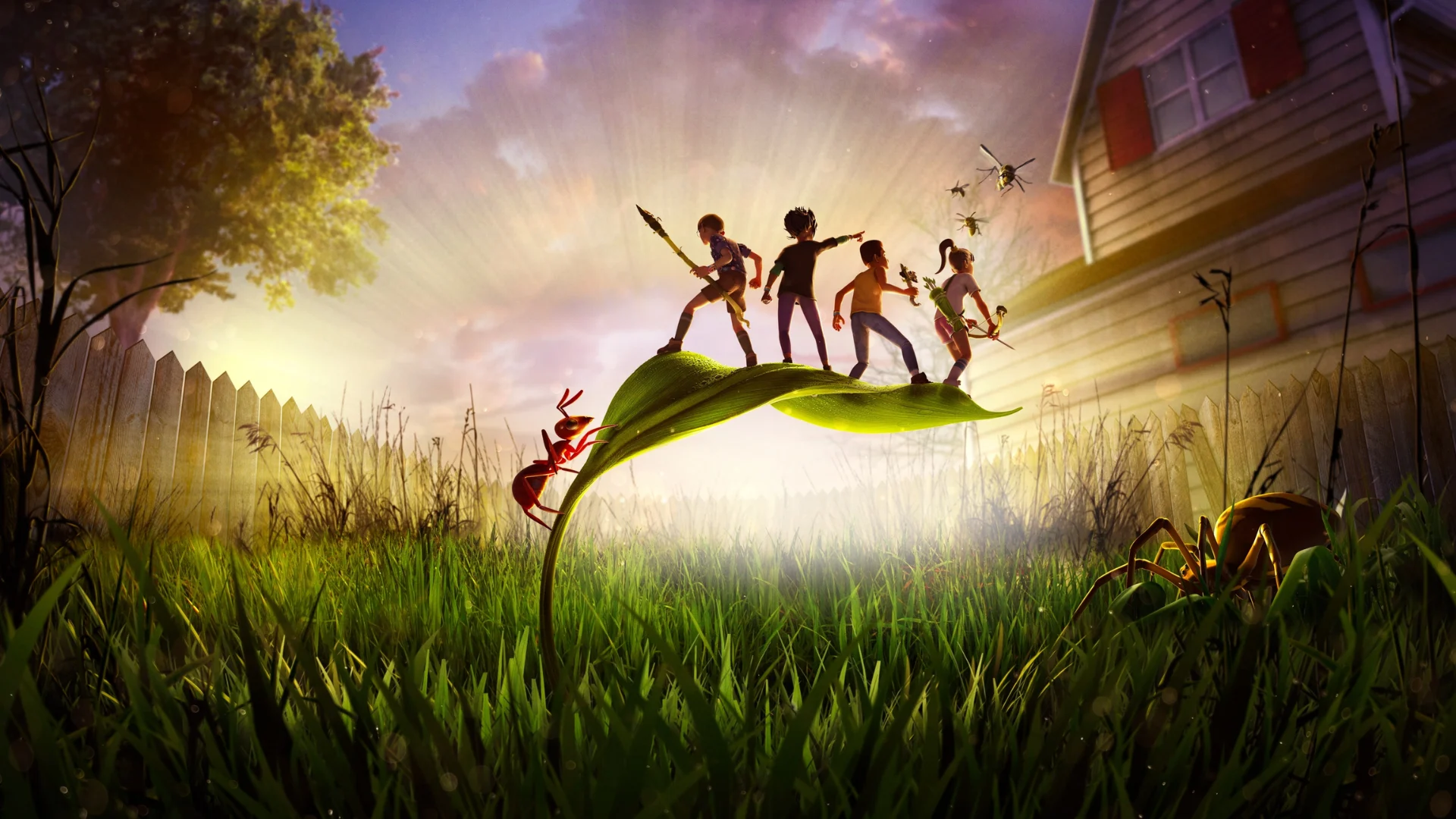
A suburban garden becomes convincingly enormous when a discarded drinks can offers shelter and a spider looks roughly the size of a building. Grounded uses its shrunken-kid premise for more than visual novelty. Every section of the garden feels like a new ecosystem, with different insects, materials and environmental problems changing how you explore.
The crafting loop is unusually welcoming without becoming weightless. Bases can be practical forts or ridiculous treehouse projects, while armour and weapon upgrades give expeditions a clear purpose. Combat occasionally becomes awkward when several insects pile into the same space, but the garden's larger predators stay intimidating even after you learn how to fight them.
It is especially good in co-op, where a short resource run has a habit of turning into a group panic because somebody found a wolf spider before the rest of the team was ready.
Related Article
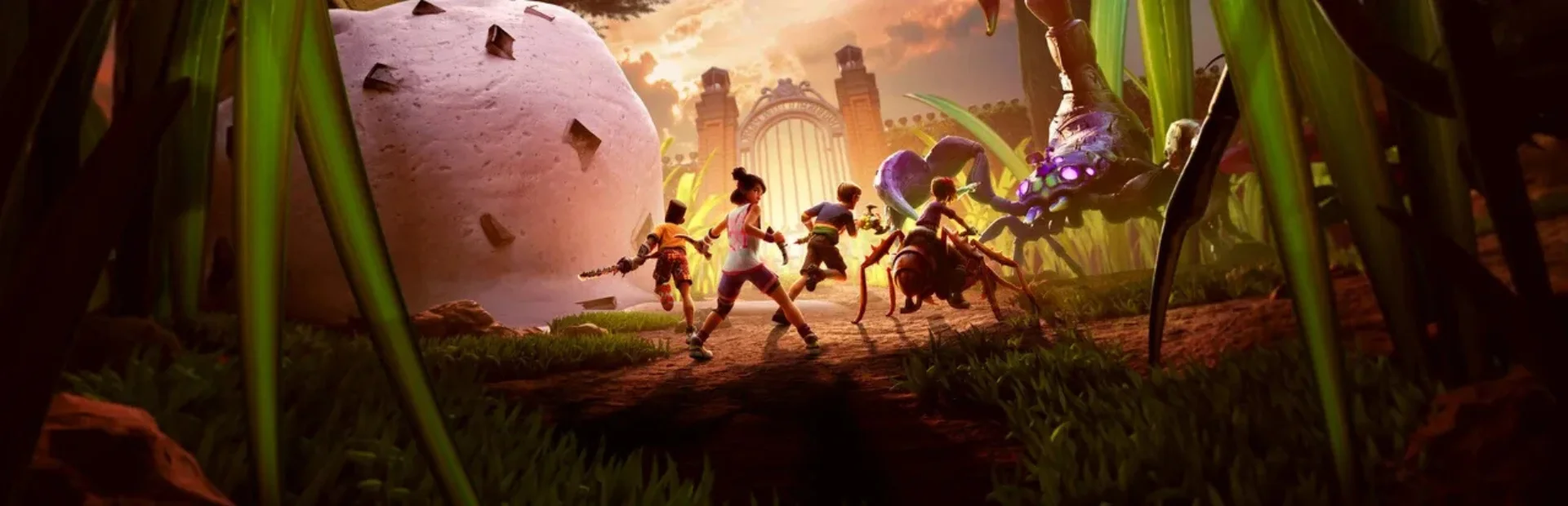
Grounded 2 already feels like a bigger, nastier backyard adventure
5. Project Zomboid
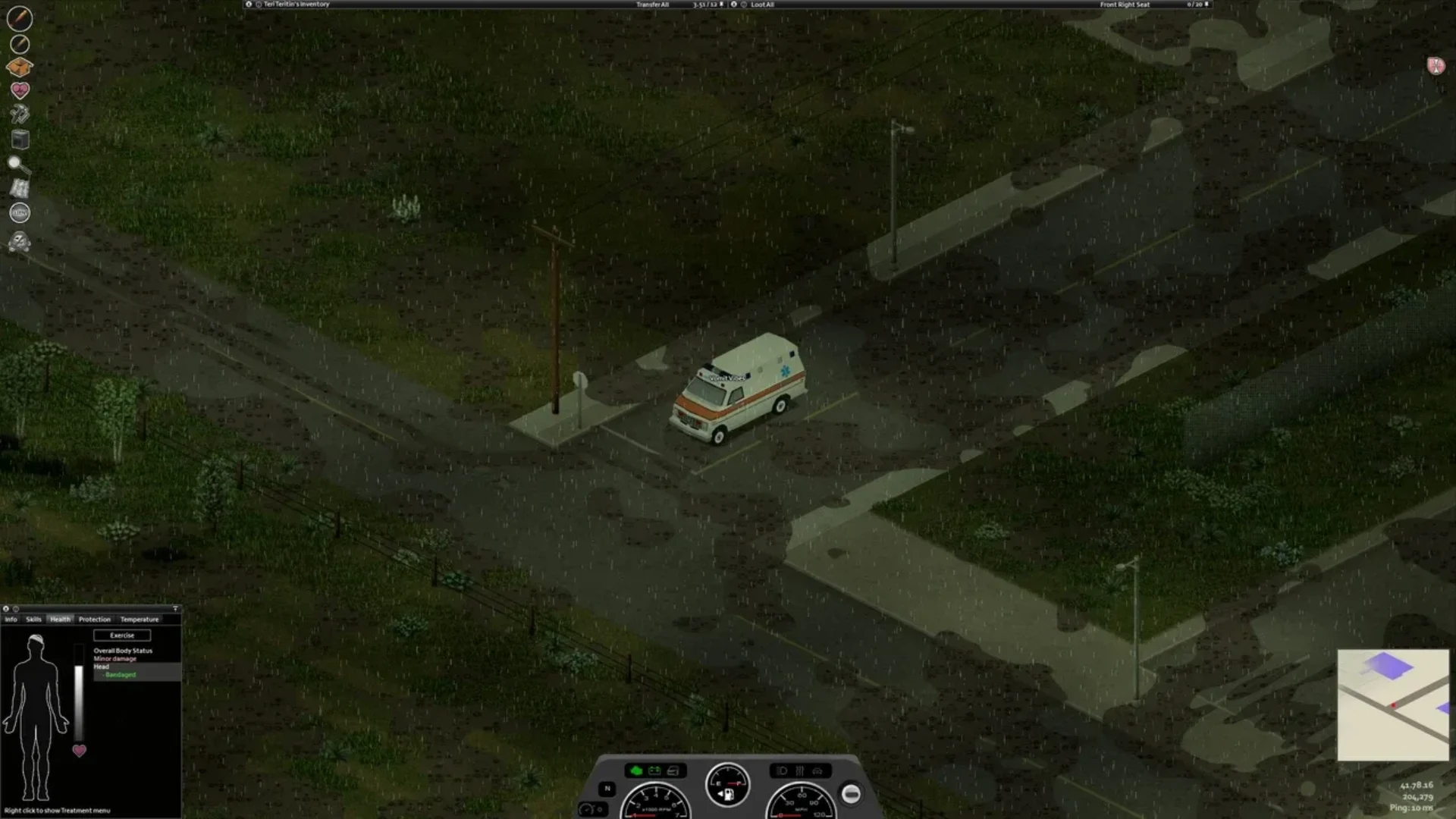
The opening message tells you exactly how the game ends: this is the story of how you died. Everything after that is an attempt to make the story longer and slightly less embarrassing.
Project Zomboid treats the zombie apocalypse as a full simulation rather than an excuse for combat. Your survivor can become sick, exhausted, bored, depressed or injured in ways that require more thought than wrapping a bandage around a generic health bar. Noise matters. Broken windows matter. Leaving the oven on matters. Even gaining weight or choosing the wrong clothes for the weather can become part of the slow chain of mistakes that kills you.
Its interface and learning curve are intimidating, and new players should expect several catastrophically short lives. Once its systems start making sense, almost no other survival game gives ordinary decisions this much tension. Entering a quiet house for canned food can feel like a major operation because you know one alarm may bring the whole street to the door.
4. The Long Dark
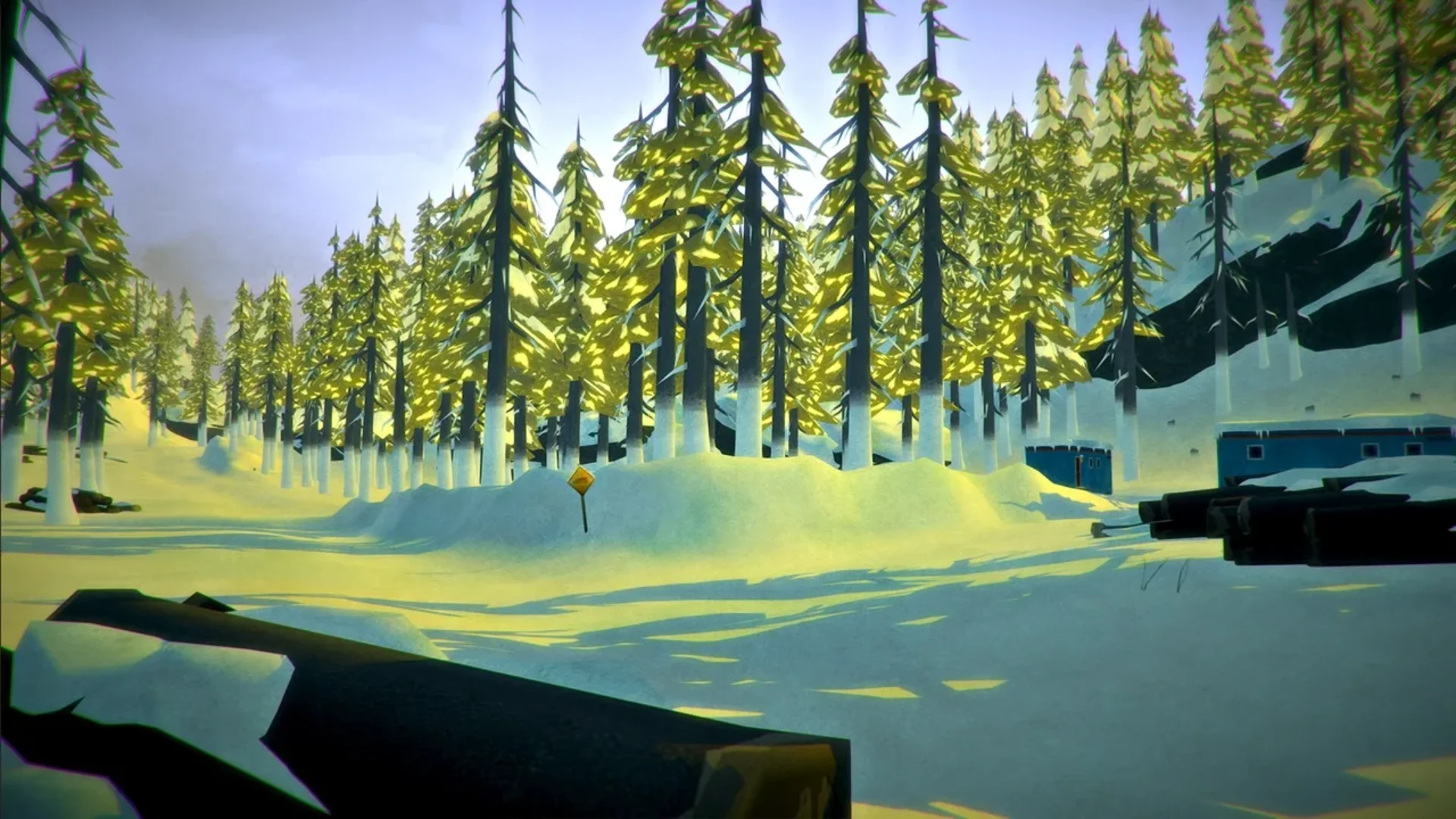
There are no zombies waiting outside the cabin in The Long Dark. There does not need to be. Cold, hunger, fatigue and distance are threatening enough.
Its frozen Canadian wilderness is beautiful in a way that makes poor decisions tempting. A clear morning encourages you to check one more building across the lake, but the wind changes, visibility disappears and the return journey becomes a fight against falling body temperature. The game is full of small calculations like this: whether to carry more firewood, use the last match or leave behind food to make room for warmer clothing.
The painterly scenery gives the world a lonely calm, but it never lets you forget how quickly nature can turn indifferent. Its sandbox works best when it leaves enough space for personal disasters to become the story: getting trapped in a blizzard, spending the night inside a wrecked vehicle and limping home with frostbite because you were too proud to turn back earlier.
3. Valheim
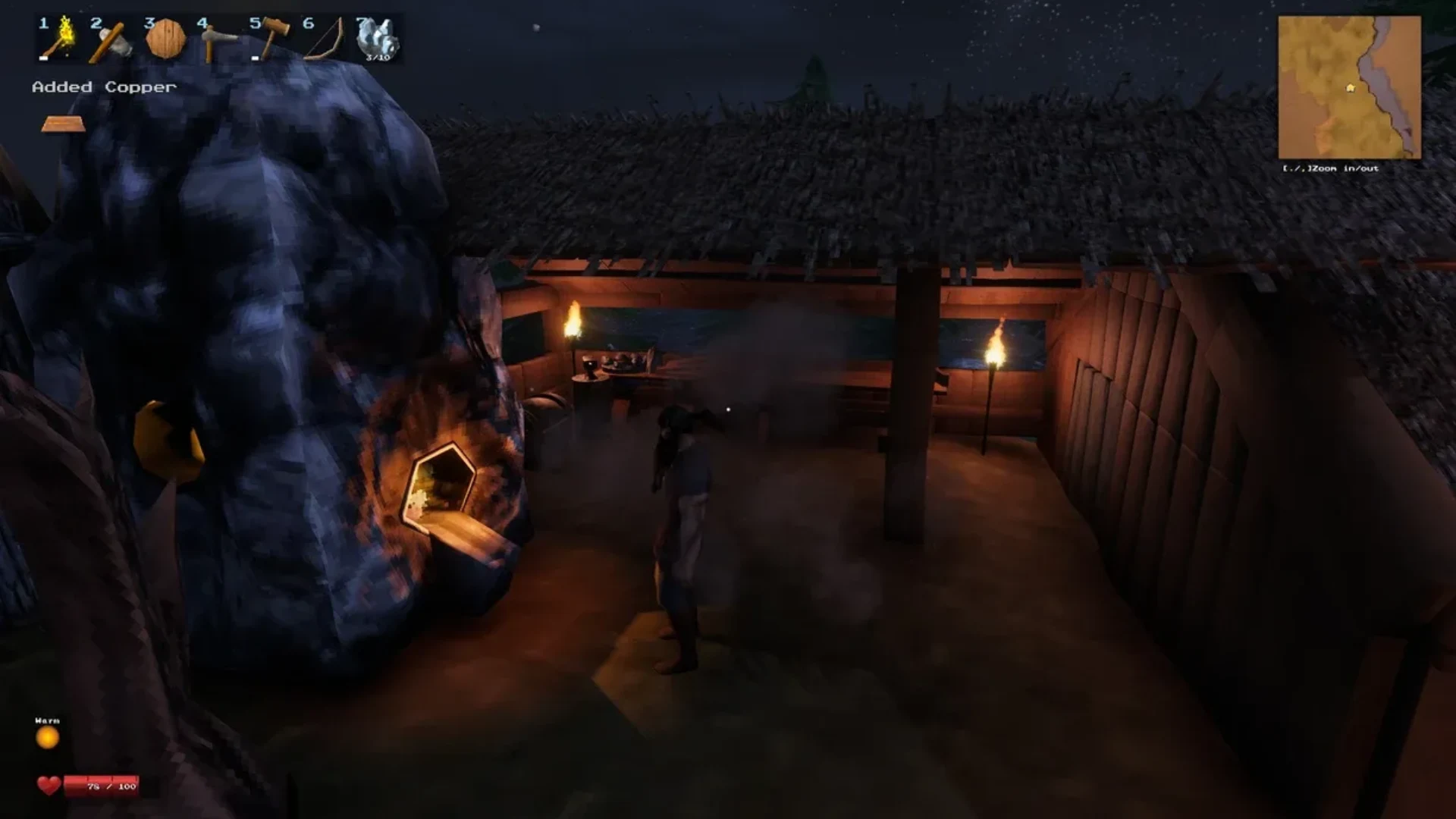
Valheim cuts away much of the busywork that makes survival crafting feel like an unpaid shift. Food strengthens you rather than punishing you with immediate starvation, tools are easy to repair and building a home feels like preparation for an adventure rather than the entire point of the game.
That gives its progression a satisfying pulse. Each biome introduces materials, enemies and weather that demand better equipment, leading toward boss fights that open the next stage of the world. Sailing away from a familiar settlement can feel properly adventurous because the ocean may reveal a new continent, or deposit your best gear somewhere deeply inconvenient.
Its low-detail visuals do not stop it from producing gorgeous forests, storms and longhouse interiors glowing against the night. Co-op gives the game its warmest side, especially once a group's practical shelter slowly becomes a village filled with workshops, kitchens and trophies from expeditions that went wrong before they finally went right.
Valheim
Valheim is a brutal exploration and survival game for 1-10 players set in a procedurally-generated world inspired by Norse mythology. Craft powerful weapons, construct longhouses, and slay mighty foes to prove yourself to Odin!
Released
February 2, 2021
Developer
Iron Gate Studios
Publisher
Coffee Stain Publishing


2. Minecraft
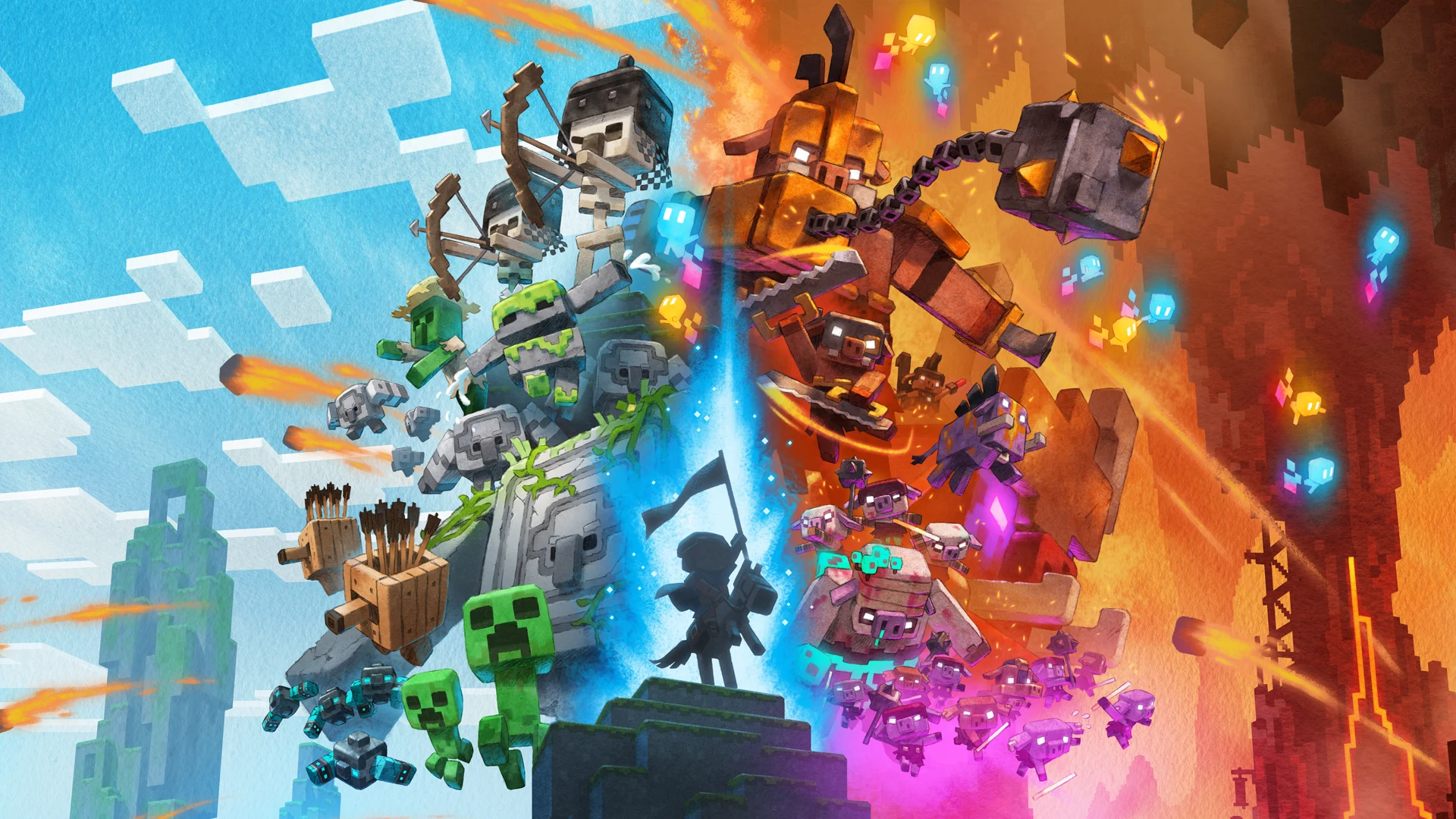
Years of creative servers, elaborate machinery and impossible builds can make it easy to forget how good Minecraft remains as a survival game. The first night is still a perfect piece of design. Daylight gives you a brief window to gather wood, find food and put walls between yourself and whatever starts groaning outside after sunset.
From there, survival naturally becomes ambition. A mine dug for iron exposes a cavern. The cavern leads to diamonds. Diamonds make the Nether seem possible, and the Nether turns a quiet building game into a dangerous expedition across lava and hostile terrain. Progress rarely feels like following a prescribed upgrade path because every world reshapes the journey.
Its systems are understandable enough for a beginner and flexible enough to support years of experimentation. Few games move so smoothly from hiding inside a dirt hut to constructing rail networks, automated farms and entire towns without losing the simple satisfaction of placing one block exactly where it belongs.
Minecraft focuses on allowing the player to explore, interact with, and modify a dynamically generated map made of one-cubic-meter-sized blocks. In addition to blocks, the environment features plants, mobs, and items. Some activities in the game include mining for ore, fighting h
Released
November 18, 2011
Developer
Mojang Studios
Publisher
Mojang Studios
1. Subnautica
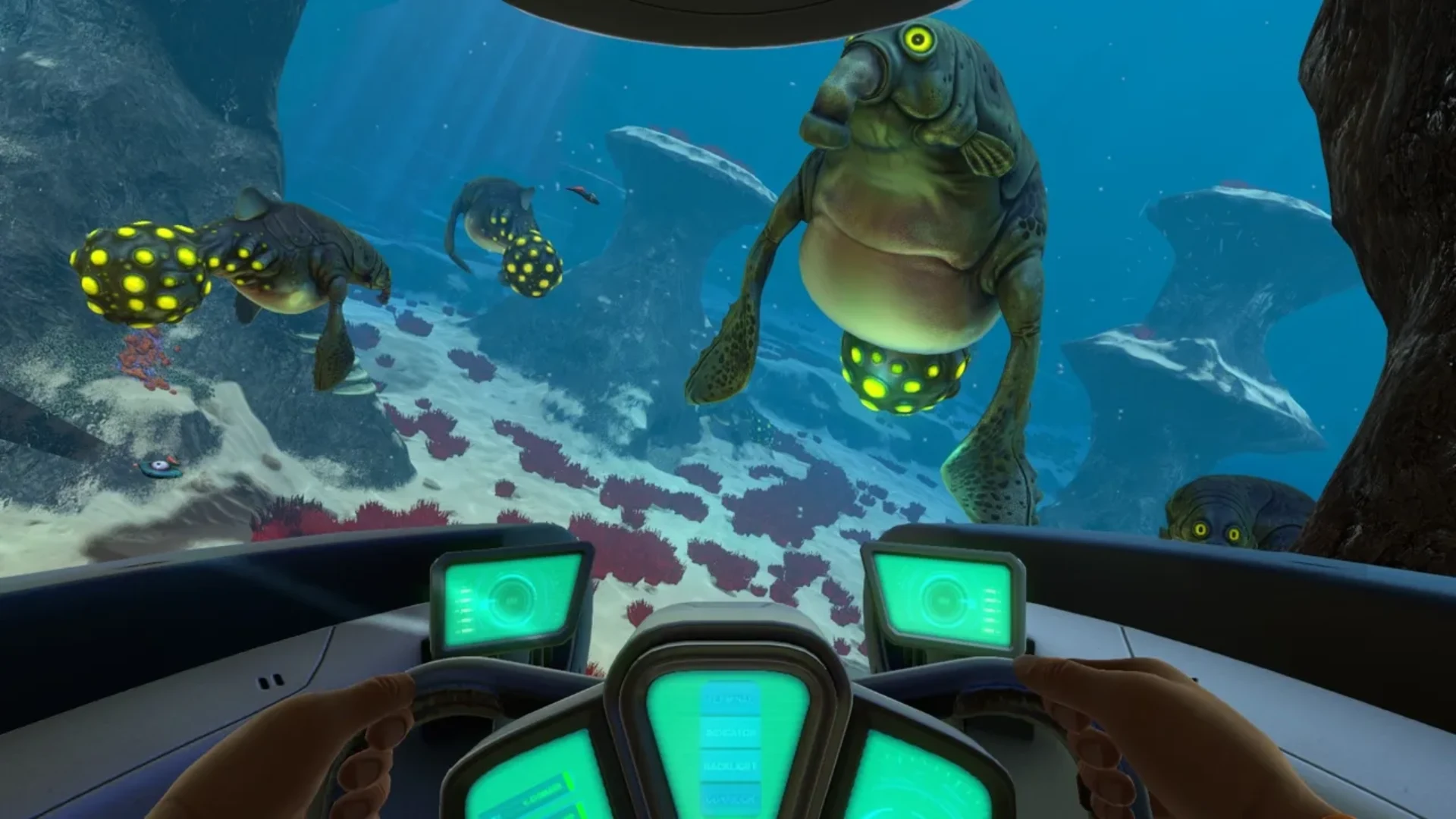
The ocean in Subnautica is beautiful enough to draw you deeper and frightening enough to make every descent feel like a bad idea. Its opening shallows are filled with color, food and useful materials, creating a false sense of comfort before the sea floor begins dropping into darker places where the light fades and unfamiliar noises travel far.
Crafting is tied directly to exploration. Better oxygen tanks let you stay down longer. Vehicles carry you beyond the reach of a panicked swim to the surface. A carefully built base turns hostile water into something close to home, until the story gives you a reason to travel somewhere deeper again.
What separates Subnautica is the way survival, discovery and narrative move together. There is no crowded quest log telling you to collect thirty minerals for its own sake. Curiosity pulls you toward wreckage, strange signals and new biomes, while each discovery reveals more about the planet and the disaster that left you stranded there. It can be peaceful, lonely and genuinely terrifying within the same ten-minute swim.
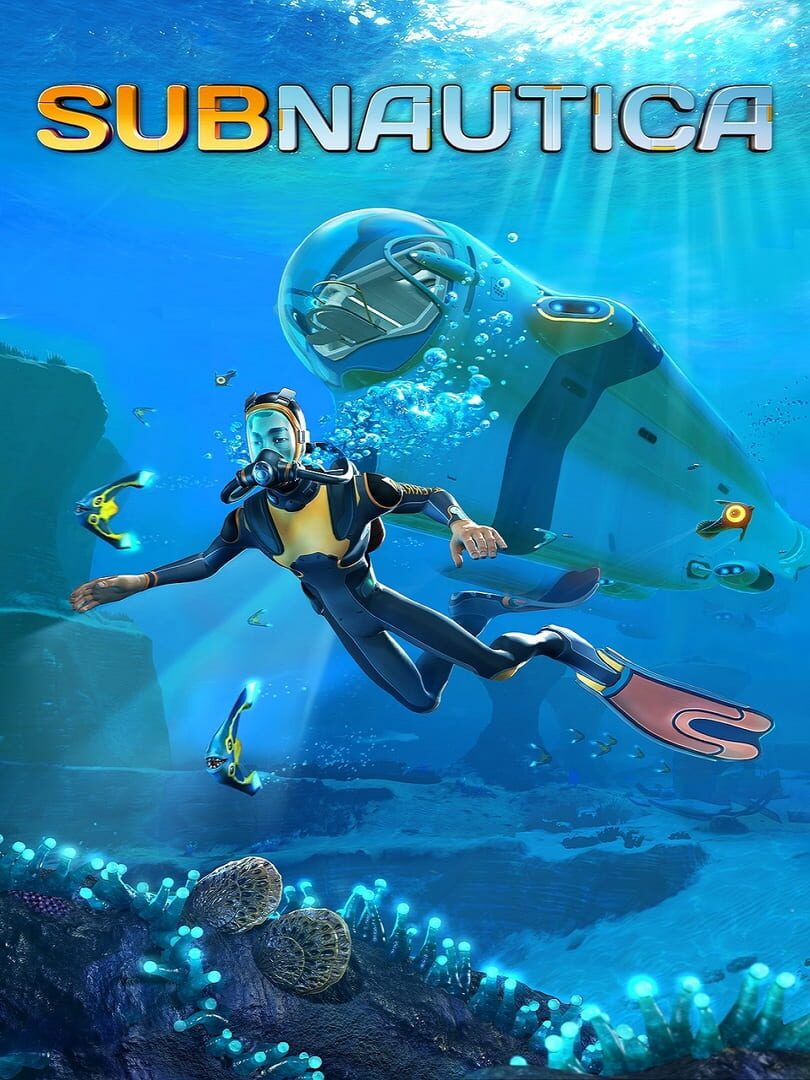
Descend into the depths of an alien underwater world filled with wonder and peril. Craft equipment, pilot submarines and out-smart wildlife to explore lush coral reefs, volcanoes, cave systems, and more, all while trying to survive.
Released
January 23, 2018
Developer
Unknown Worlds
Publisher
Gearbox Publishing
Tagged In
Discussion
0We want to hear from you. Share your perspective in the comments below, and please keep the conversation respectful.
Log in to join the discussion - vote, reply, and share your take.
Log In