Best Devolver Digital games
The publisher's finest releases begin with an idea that sounds simple, then keep finding sharper and stranger ways to test it.
A Devolver Digital game can usually be explained before it can be properly described. Escape a dungeon filled with weapon-shaped enemies. Build a cult between combat runs. Repeat the same violent room until every movement works. The initial pitch is easy to grasp, but the strongest games beneath the Devolver label refuse to survive on novelty alone.
Devolver is the publisher rather than the shared developer behind these releases, so its catalogue has no consistent genre or house style. The connection is a willingness to support focused games that leave some rough edges intact. These selections include quiet puzzle platformers, demanding action games, and experiments that deliberately dismantle their own rules.
10. GRIS
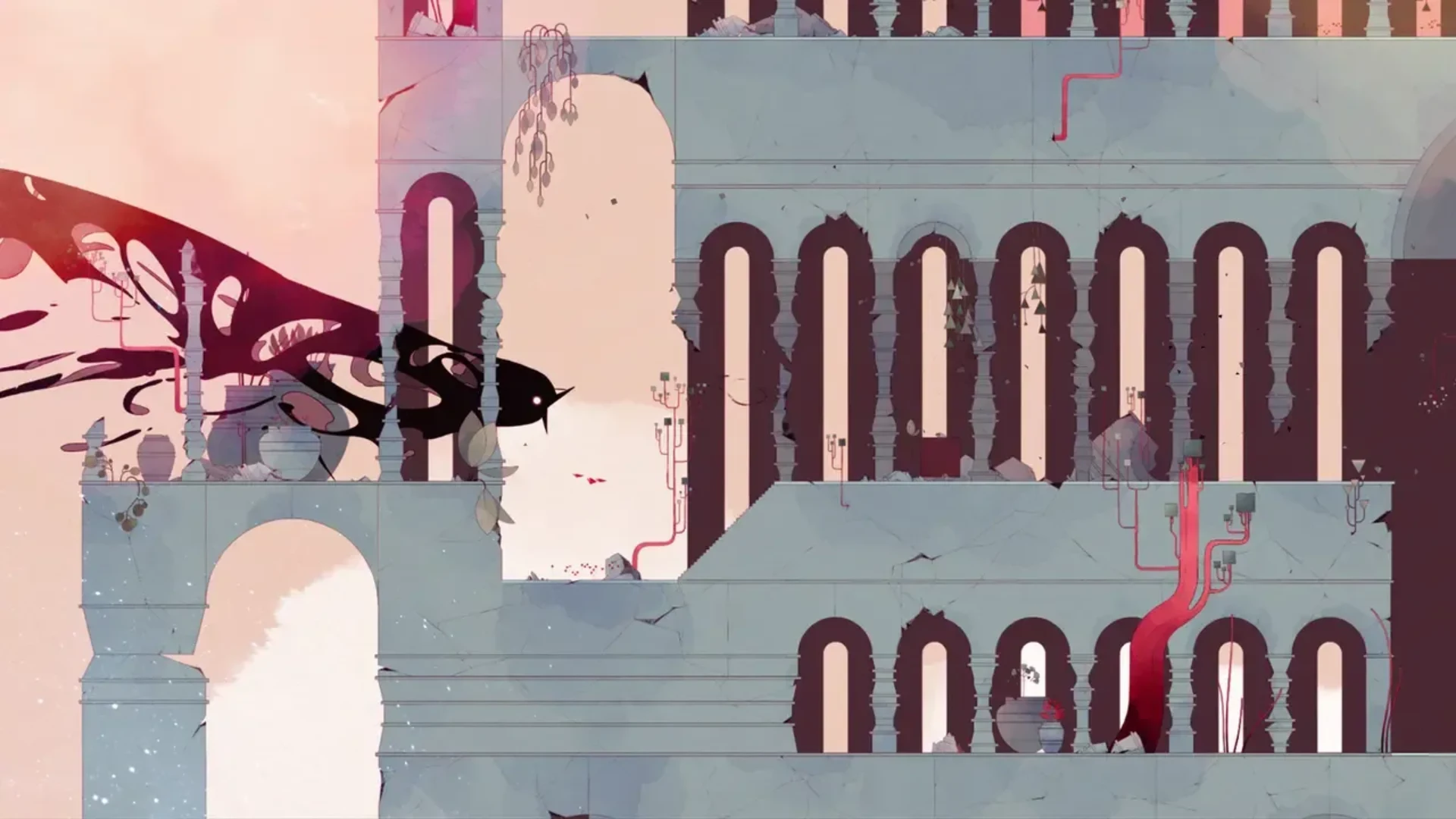
Color returns to the world gradually in GRIS. The player guides a young woman through a wordless 2D platformer, collecting lights that restore new areas while her dress gains abilities such as becoming heavy enough to break weak floors or spreading into a glider.
The platforming rarely threatens failure. Its purpose is to move the player through changes in scale, color, and sound without interrupting the emotional progression with repeated deaths. That restraint produces several memorable sequences, especially when gravity begins changing around the character, but it also leaves the puzzles with little resistance.
GRIS communicates grief through movement and visual transformation more effectively than it explores those ideas through challenge.
9. The Messenger
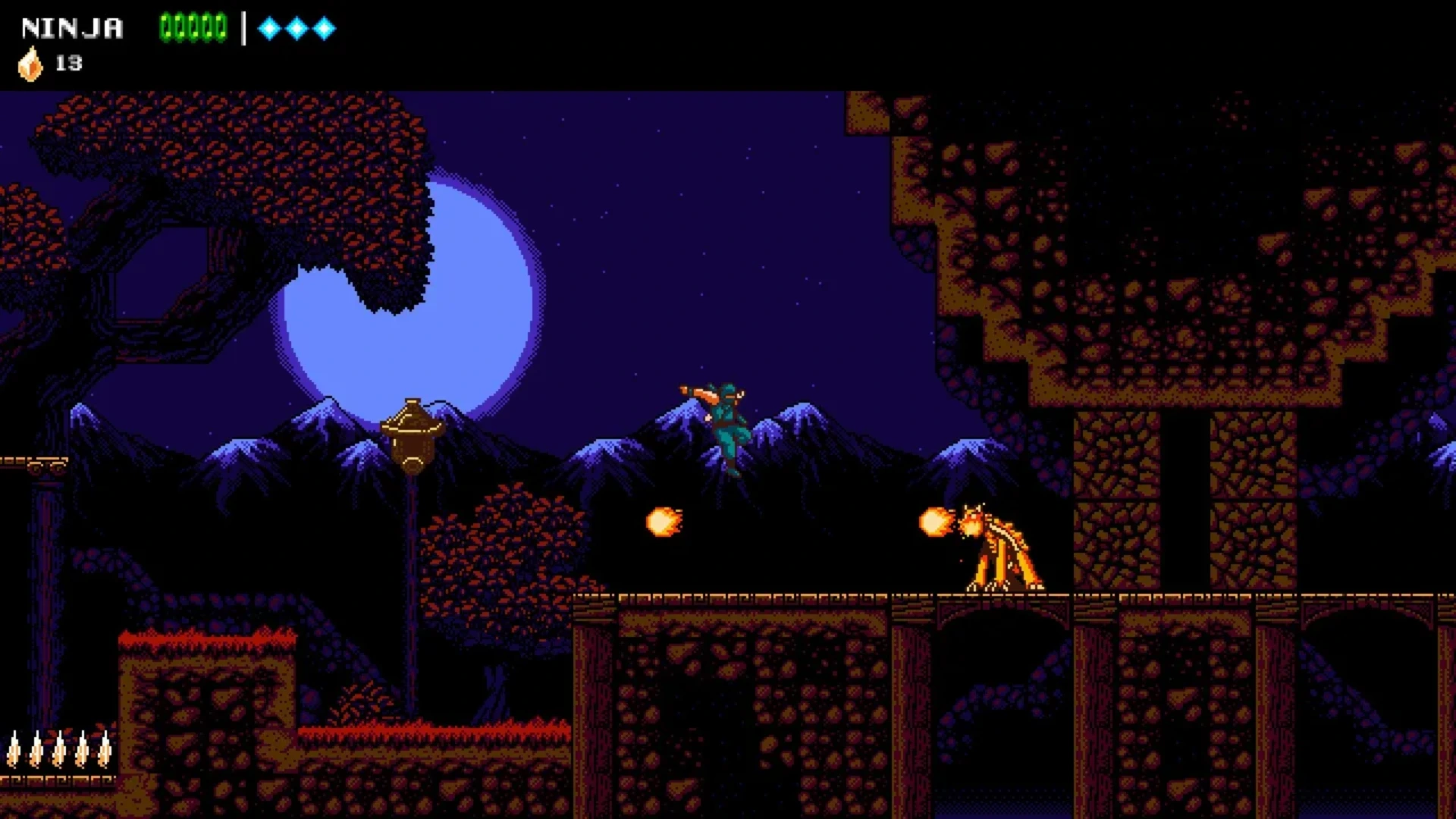
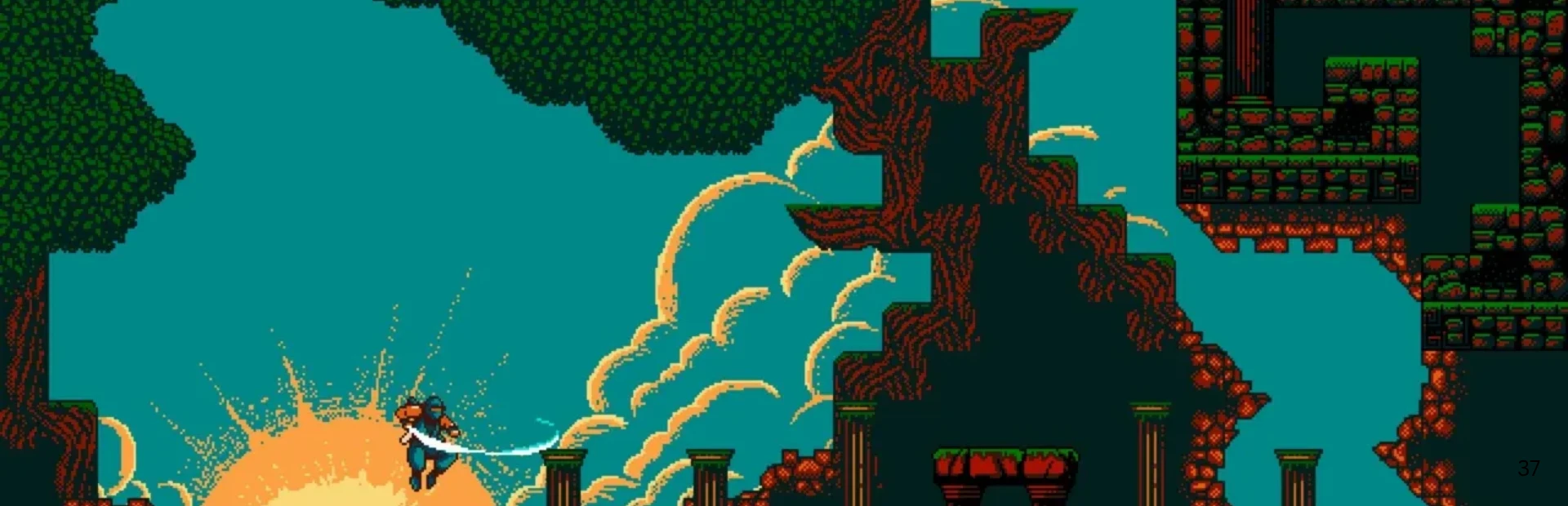
The Messenger begins as a tightly controlled action platformer about carrying a scroll through stages filled with spikes, demons, and precisely placed enemies. Attacking an object while airborne refreshes the ninja's jump through the Cloudstep ability, turning lanterns and projectiles into stepping stones across gaps.
That movement gives every enemy a second purpose. A weak creature can be ignored, killed, or used to extend a route through the air. Halfway through the campaign, the linear journey opens into a wider map and begins shifting between 8-bit and 16-bit versions of the same locations. The transformation is clever, but revisiting old stages weakens the pace established by the first half. Its best levels work because Cloudstep makes aggression a form of traversal rather than a break from it.
8. Cult of the Lamb
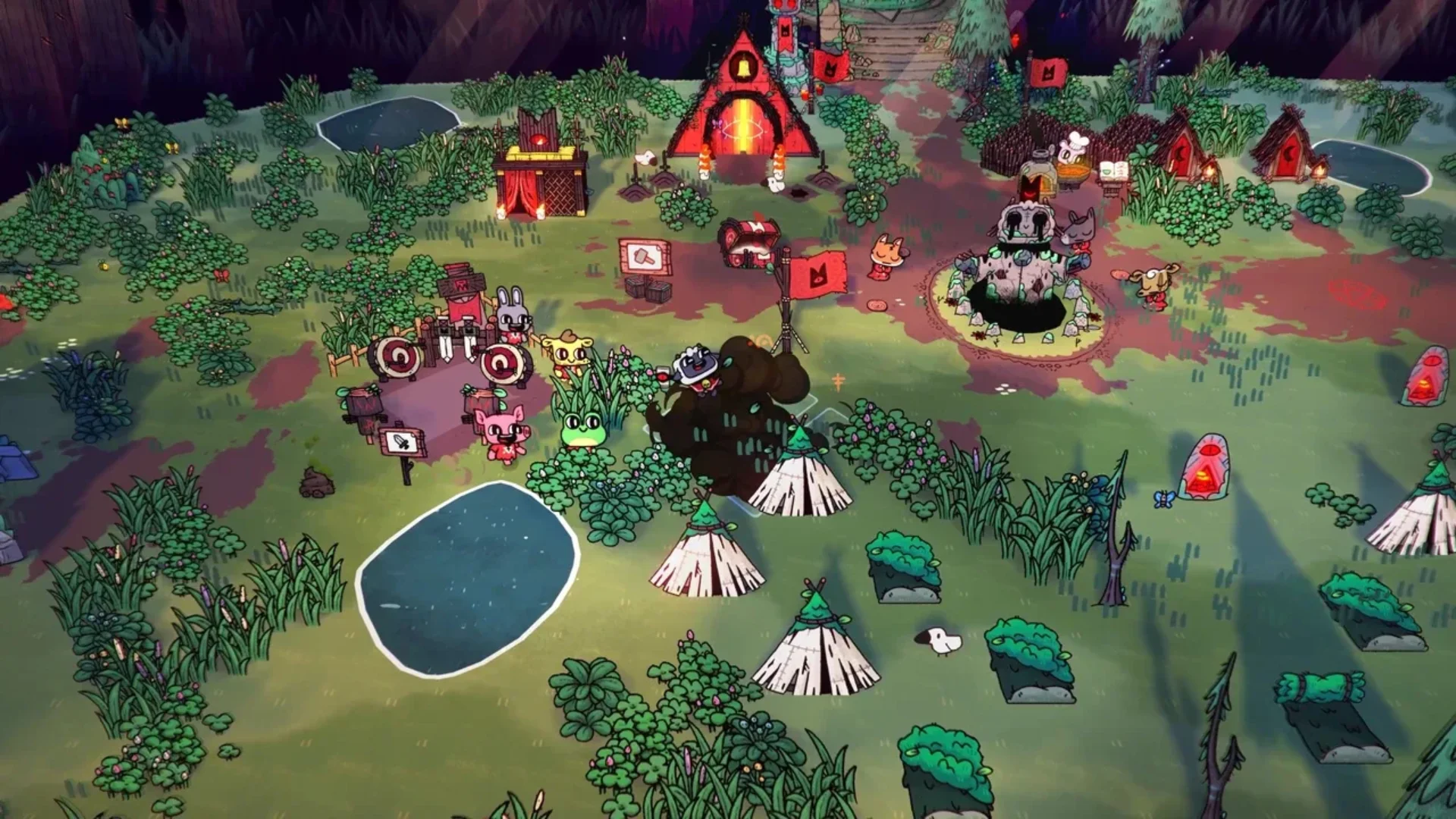
A failed sacrifice turns into a religion in Cult of the Lamb. The player enters short combat runs to defeat rival bishops, then returns home to feed followers, assign work, perform rituals, and deal with anyone losing faith in the cult.
The two halves depend on one another. Crusades provide resources and new recruits, while sermons and upgrades make future expeditions easier. Problems become more interesting once followers begin aging, arguing, or demanding actions that conflict with the cult's needs. Combat never develops the range found in stronger action roguelikes, even after better weapons and curses appear.
The settlement is the reason to return. Watching a carefully organized community descend into sickness because one expedition lasted too long creates better stories than most boss fights.
7. Death's Door
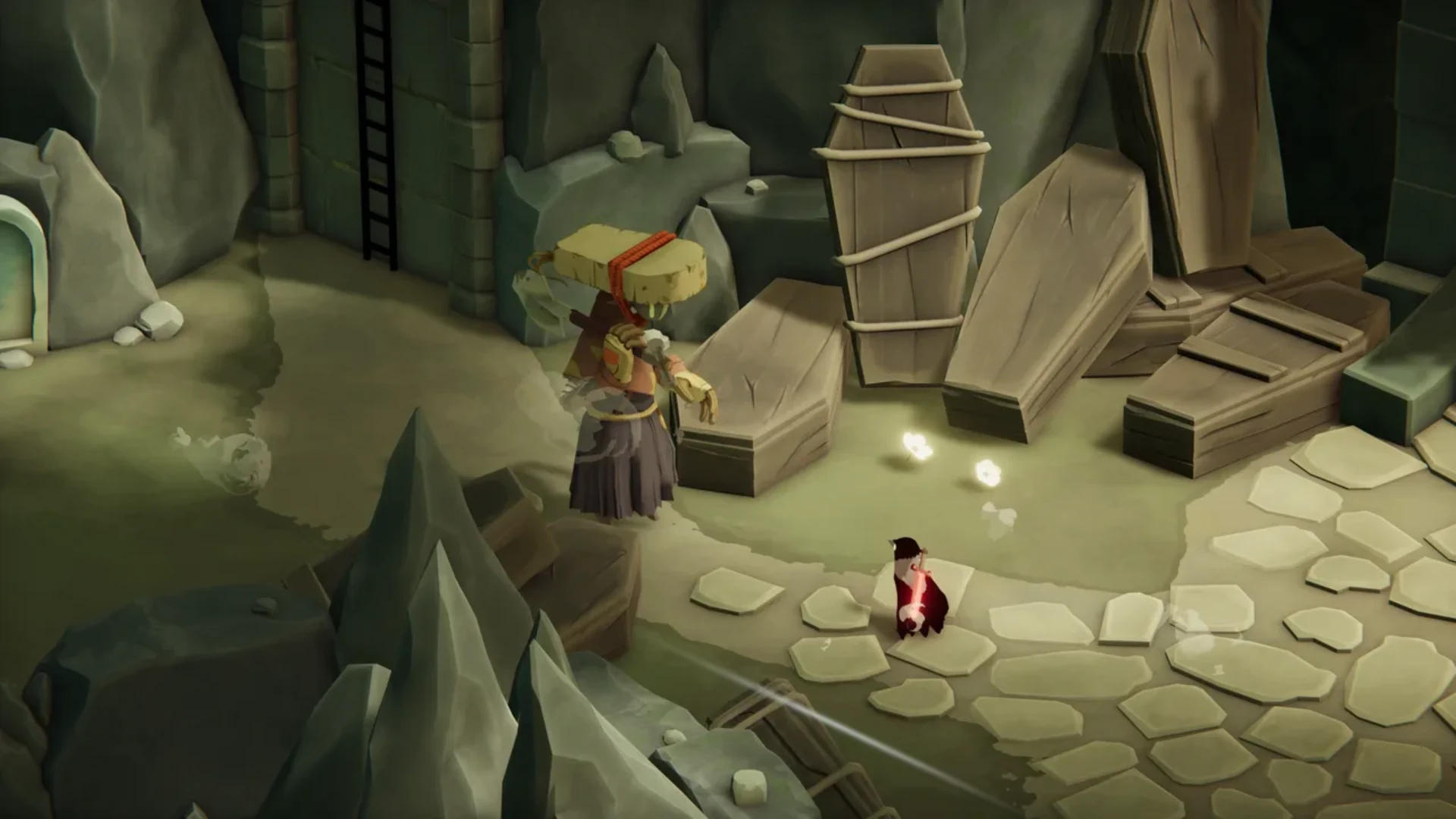
The crow in Death's Door works for an organization that collects the souls of the dead. When an assigned soul is stolen, the pursuit leads through compact dungeons where melee attacks, arrows, and magic must be used without a stamina bar protecting careless decisions.
Healing is limited and enemies can remove several points of health quickly, but the combat remains readable. A roll creates enough space to study an attack rather than allowing the player to avoid every consequence indefinitely. The interconnected world also rewards attention through hidden shrines and routes that become accessible after gaining new tools.
Its structure is familiar, and the upgrades do not encourage radically different builds. Death's Door succeeds through control rather than invention. Boss attacks are clearly telegraphed, shortcuts remove unnecessary repetition, and the quieter spaces make its preoccupation with death feel thoughtful without becoming heavy.
6. Loop Hero
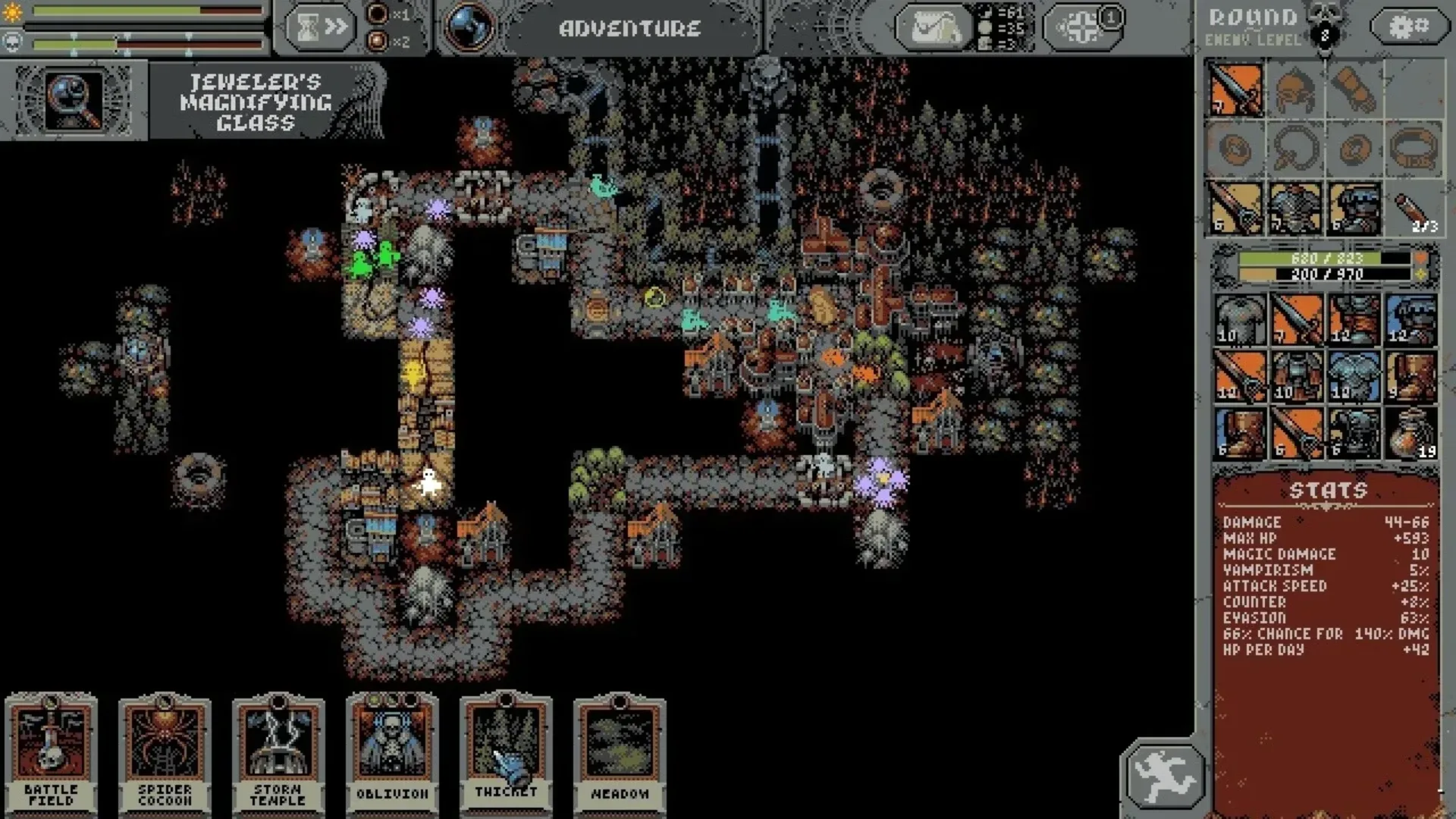
The hero in Loop Hero walks and fights automatically. The player changes the journey by placing cards around a circular route, adding forests, villages, battlefields, and enemy-producing terrain to a world that has almost disappeared.
Improvement requires making the loop more dangerous. A vampire mansion creates another enemy in nearby fights, but those battles may produce the equipment needed to survive the boss. Mountains increase health until enough connected tiles cause a goblin camp to appear. Every helpful addition carries the possibility of turning the next circuit into the last.
The early discovery of these interactions is stronger than the later resource grind. Once effective tile combinations become familiar, waiting for the hero to complete another lap can feel unnecessarily slow. Few games are better at making indirect control feel responsible for every success and failure.
5. Katana ZERO
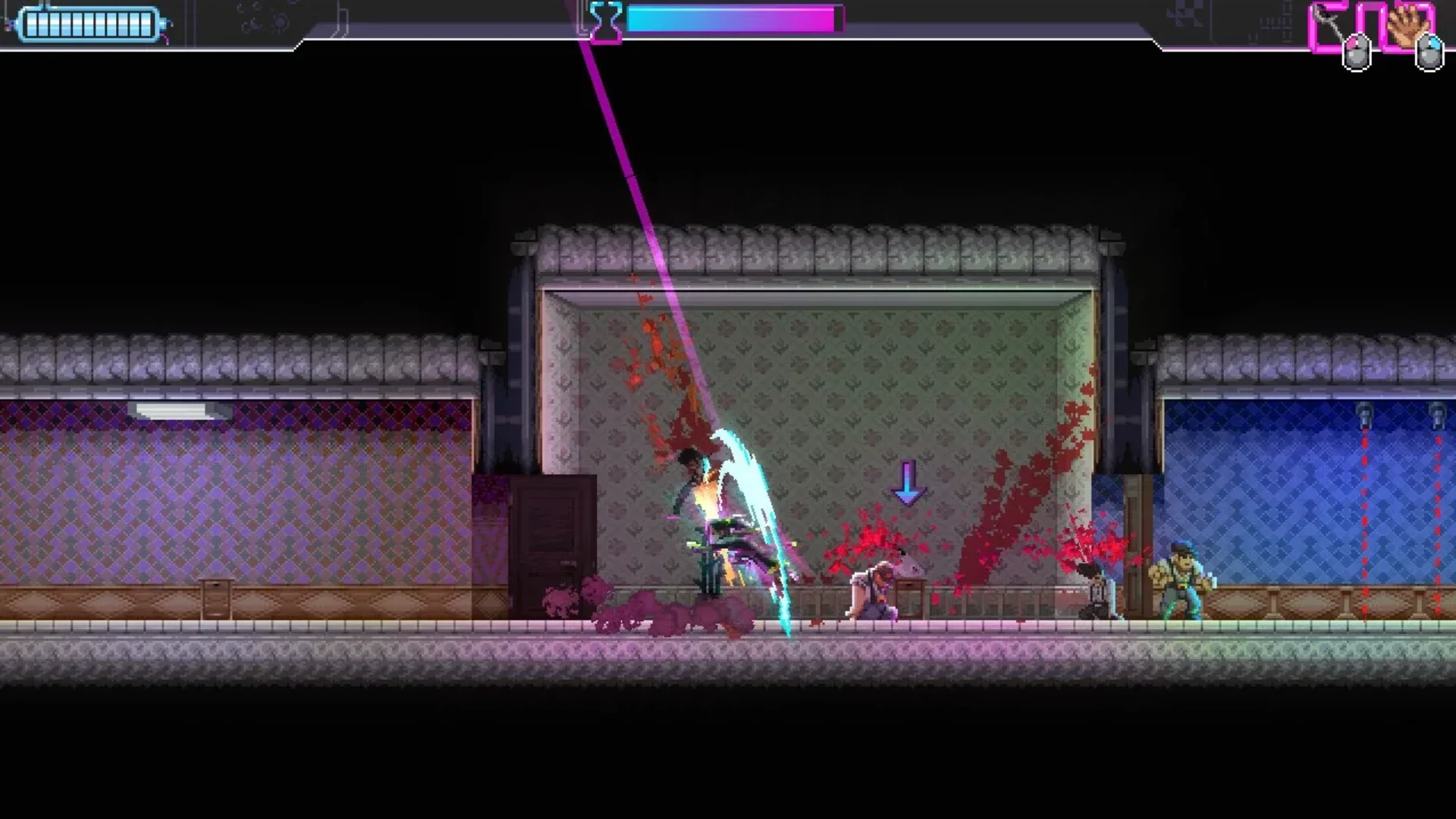
One hit kills the protagonist in Katana ZERO, but death merely rewinds the room to the moment before he entered. Each stage becomes a violent plan assembled through repeated attempts. The player slows time, deflects bullets, throws nearby objects, and rolls through attacks until the final version looks effortless.
That instant restart keeps failure useful. A closed door can become cover, an enemy's bottle can interrupt another gunman, and a discarded weapon may provide the fraction of a second needed to cross the next opening. Dialogue follows a similar concern with timing by allowing responses to be interrupted before another character finishes speaking.
The story deliberately withholds explanations about the protagonist's treatment and fractured memories, then ends before resolving several of its largest questions. The unfinished narrative is frustrating, but the action rarely wastes a second.
4. The Talos Principle II
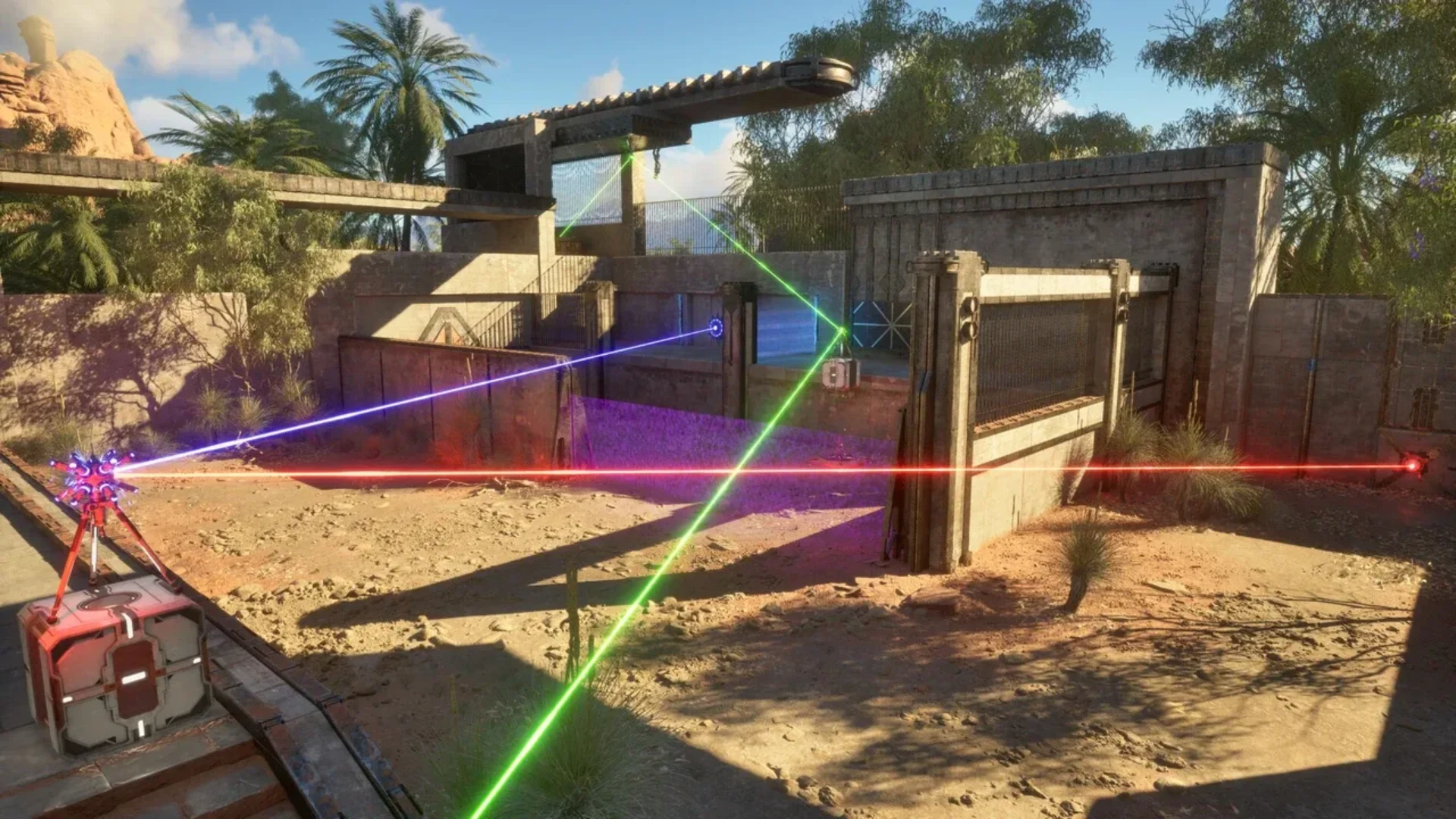
The Talos Principle II follows a civilization of robots attempting to decide what humanity's successor should become. Between conversations with the expedition team, the player enters first-person puzzle chambers and redirects beams, creates duplicates, swaps positions, or alters gravity to reach each terminal.
New devices are introduced through small, readable problems before later rooms begin combining their effects. The best solutions appear impossible until one object is viewed differently. A connector may not need to activate the final lock directly. It may only need to free another tool from its current role.
The islands are beautiful but larger than the puzzles require, and the repeated walks between chambers slow an already substantial game. Its philosophical discussions can also become overly eager to explain every position. Still, the questions asked by the story connect directly to a society deciding whether caution has become another form of surrender.
3. Enter the Gungeon
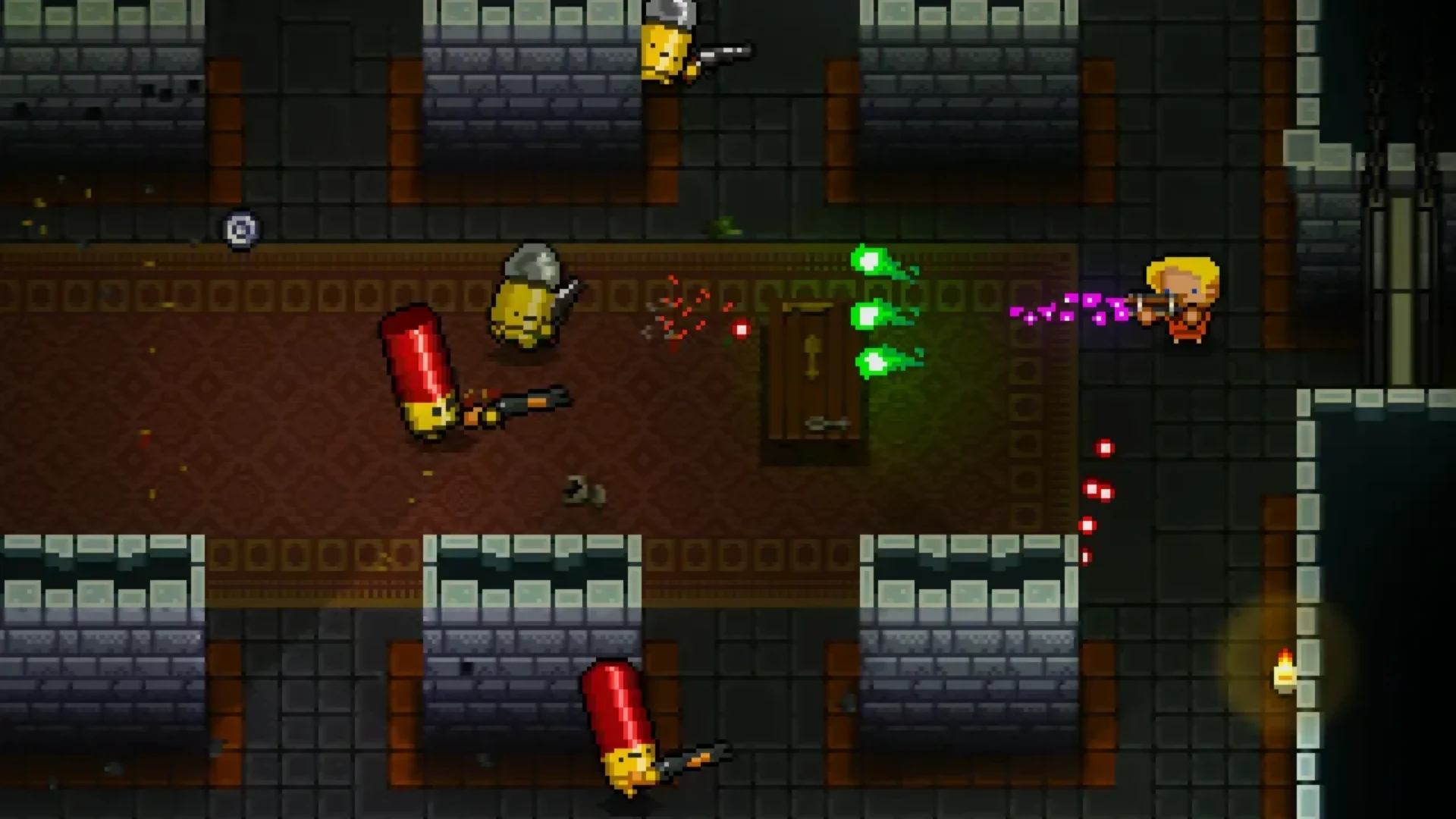
Bullets are enemies, currency, scenery, and jokes in Enter the Gungeon. A chosen adventurer descends through randomized floors while firing weapons ranging from ordinary pistols to guns that launch sharks, letters, or other guns. Dodge rolls pass through projectiles, while blanks clear the screen when a pattern becomes unmanageable.
The comedy never excuses weak shooting. Rooms demand control of distance, awareness of reload timing, and judgment about when a dodge will create more danger by placing the character against a wall. Weapon synergies can rescue equipment that initially appears useless, although the game explains too little about which combinations cause those changes.
Progress is harsh because permanent upgrades do not compensate for poor movement. A strong collection of guns can still disappear after one careless room. That severity makes learning enemy patterns more valuable than waiting for the game to become generous.
2. Hotline Miami
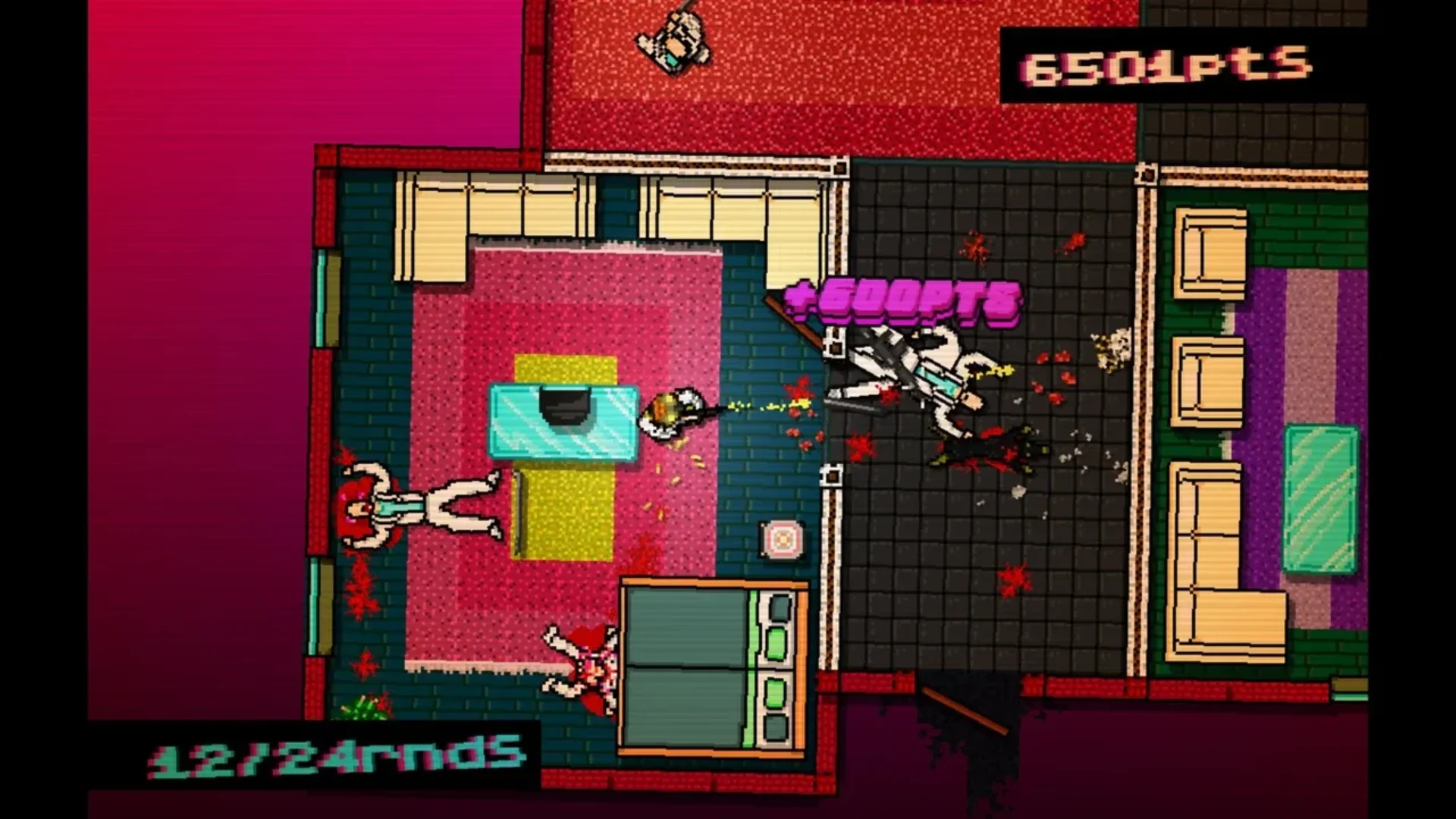
Opening a door can be an attack in Hotline Miami. The player studies a building from above, chooses a mask with a small mechanical benefit, and attempts to kill everyone inside using firearms, melee weapons, or objects taken from fallen enemies. One mistake usually ends the attempt immediately.
Rooms become rehearsed performances. Knocking down the first guard creates time to grab his weapon. A thrown gun stuns the next enemy without alerting the whole floor. A successful route may take seconds after several minutes spent discovering why earlier versions failed.
The unreliable targeting and off-screen gunfire sometimes make death feel cheaper than the game intends. Its score system also encourages recklessness even when a slower route would be safer. That tension is central to the design. Hotline Miami makes speed feel intoxicating, then surrounds the violence with enough repetition and unease to prevent the player from treating it as uncomplicated triumph.
1. Inscryption
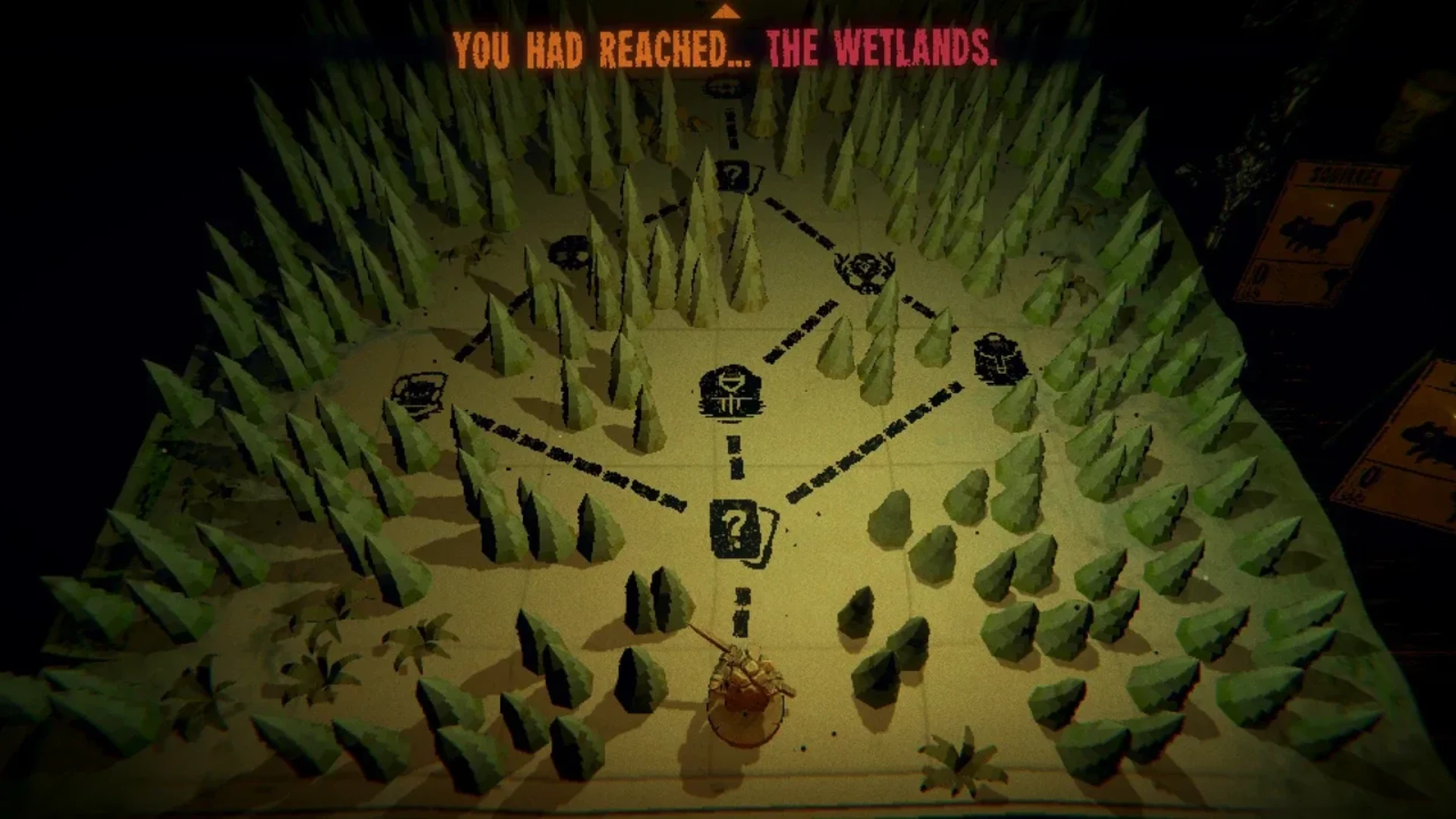
Inscryption begins across a table from a captor who controls the rules of a card game built around woodland creatures. Cards require blood sacrifices, damage is measured on a set of scales, and defeat sends the player toward another attempt with a slightly altered deck. The surrounding cabin can be explored between matches, turning objects on its shelves into parts of a larger escape-room puzzle.
The first act is so complete that the game risks damaging itself when it abandons that structure. Later sections change the presentation, available cards, and assumptions established at the table. Some of those systems are less satisfying to play, particularly after the tactile tension of sacrificing one creature to summon another.
The disruption is necessary. Inscryption is interested in the authority held by whoever explains a game, including the power to conceal information or rewrite the rules after the player has learned them. It provides strong deck-building before revealing that mastery was never the only objective. No other Devolver release turns the act of understanding a game into such an effective trap.

Inscryption
Inscryption is an inky black card-based odyssey that blends the deckbuilding roguelike, escape-room style puzzles, and psychological horror into a blood-laced smoothie. Darker still are the secrets inscrybed upon the cards...
Released
October 19, 2021
Developer
Daniel Mullins Games
Publisher
Devolver Digital


Tagged In
Discussion
0We want to hear from you. Share your perspective in the comments below, and please keep the conversation respectful.
Log in to join the discussion - vote, reply, and share your take.
Log In