
Best mobile games
The strongest phone games make touch controls, short interruptions, and a device carried everywhere part of the experience.
A phone is a difficult place for a game to hold someone's attention. Notifications arrive, batteries run low, and a session may end without warning when the bus reaches its stop. The best mobile games are designed around those interruptions. They make one turn, one route, or one attempt feel worthwhile without reducing the wider experience to disposable busywork.
This ranking includes games developed for phones alongside ports that found an unexpectedly suitable home there. Technical ambition matters, but scale alone is not enough. These selections remain readable without a controller and give players useful stopping points without constantly pushing them toward another purchase.
8. Genshin Impact

A complete open-world action RPG should feel absurd on a phone, yet Genshin Impact lets players cross mountains, solve environmental puzzles, and clear combat encounters without reducing Teyvat to a simplified mobile version. Parties contain four characters who can be swapped during battle. Applying Hydro before using an Electro attack causes a different elemental reaction than combining Cryo with Pyro, so team composition shapes how fights are approached.
Touch controls become less convincing when an encounter demands quick camera movement or precise aiming. The growing installation size is another serious obstacle for players without generous storage. Its character banners and daily progression systems also encourage a routine that can gradually replace exploration with maintenance.
Even with those compromises, few mobile games provide such a large world without charging for access to its regions and story.
7. Pokémon GO artwork with Trainers surrounded by Pikachu, Dragonite, Venusaur, Charizard and other Pokémon. Go

Pokémon Go cannot be separated from the device running it. The player walks through real locations, spins nearby PokéStops, and catches creatures positioned on a map built from the surrounding area. Raids can turn an ordinary landmark into a meeting point, while Community Days make local parks briefly feel like shared game spaces.
That dependence on location is also its main weakness. Players in dense cities encounter more stops, gyms, and other trainers than those in quieter areas. Limited events can make collecting feel governed by a calendar rather than curiosity, especially when a useful Pokémon appears during a narrow window.
No other major mobile game has been as successful at making the journey between places part of play rather than time spent away from it.
6. Monument Valley

Dragging a platform in Monument Valley does not always move it through physical space. It may instead align two disconnected paths from the camera's perspective, allowing Princess Ida to walk across an impossible structure. The player taps a destination, rotates pieces of architecture, and searches for the angle that makes an apparent contradiction usable.
Touching the world directly gives each solution a tactile simplicity that a cursor would weaken. The puzzles rarely become difficult enough to demand prolonged experimentation, and the journey ends soon after its visual ideas begin expanding. That brevity keeps the game from developing into a deeper puzzler, but it also removes every unnecessary obstruction between the player and its best illusions.
5. Vampire Survivors
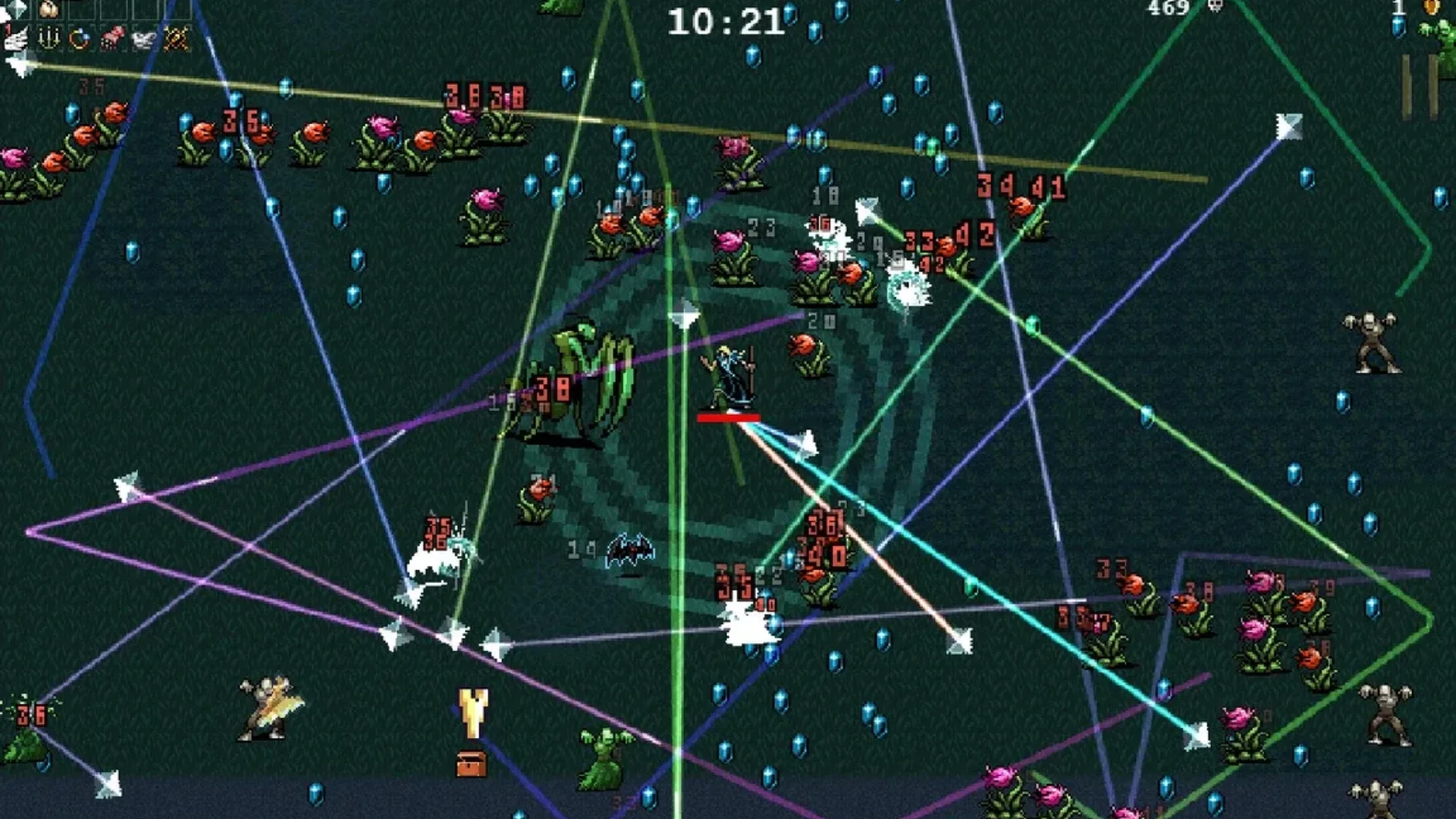
Only movement is controlled directly in Vampire Survivors. Weapons fire automatically while monsters close in from every side, leaving the player to collect experience gems and choose upgrades before the crowd becomes impossible to navigate. Combining the correct weapon and passive item can produce an evolution that changes the rest of the run.
One-thumb movement fits a phone immediately, but the game is not as passive as its automatic attacks suggest. A player still has to carve paths through enemies and judge when a treasure chest is worth entering a dangerous part of the screen. Later stages become so crowded with effects that hazards disappear beneath the build created to survive them.
The resulting mess is difficult to read, although watching a vulnerable character develop into the source of that mess remains the point.

4. 80 Days

Passepartout must guide Phileas Fogg around the world in 80 Days, choosing routes while managing money, luggage, health, and departure times. Reaching a new city does not simply unlock the next chapter. A conversation may reveal a faster railway, while buying an unusual item can open an option several countries later.
The map turns travel into a chain of informed risks. Waiting for a convenient departure costs time, but leaving immediately may send the pair through a more dangerous region. Repeated journeys eventually expose familiar passages, and some routes provide far richer stories than others.
The writing makes that repetition worthwhile because the world changes according to where Passepartout goes, what he carries, and how he treats the people encountered along the way.
3. Slay the Spire
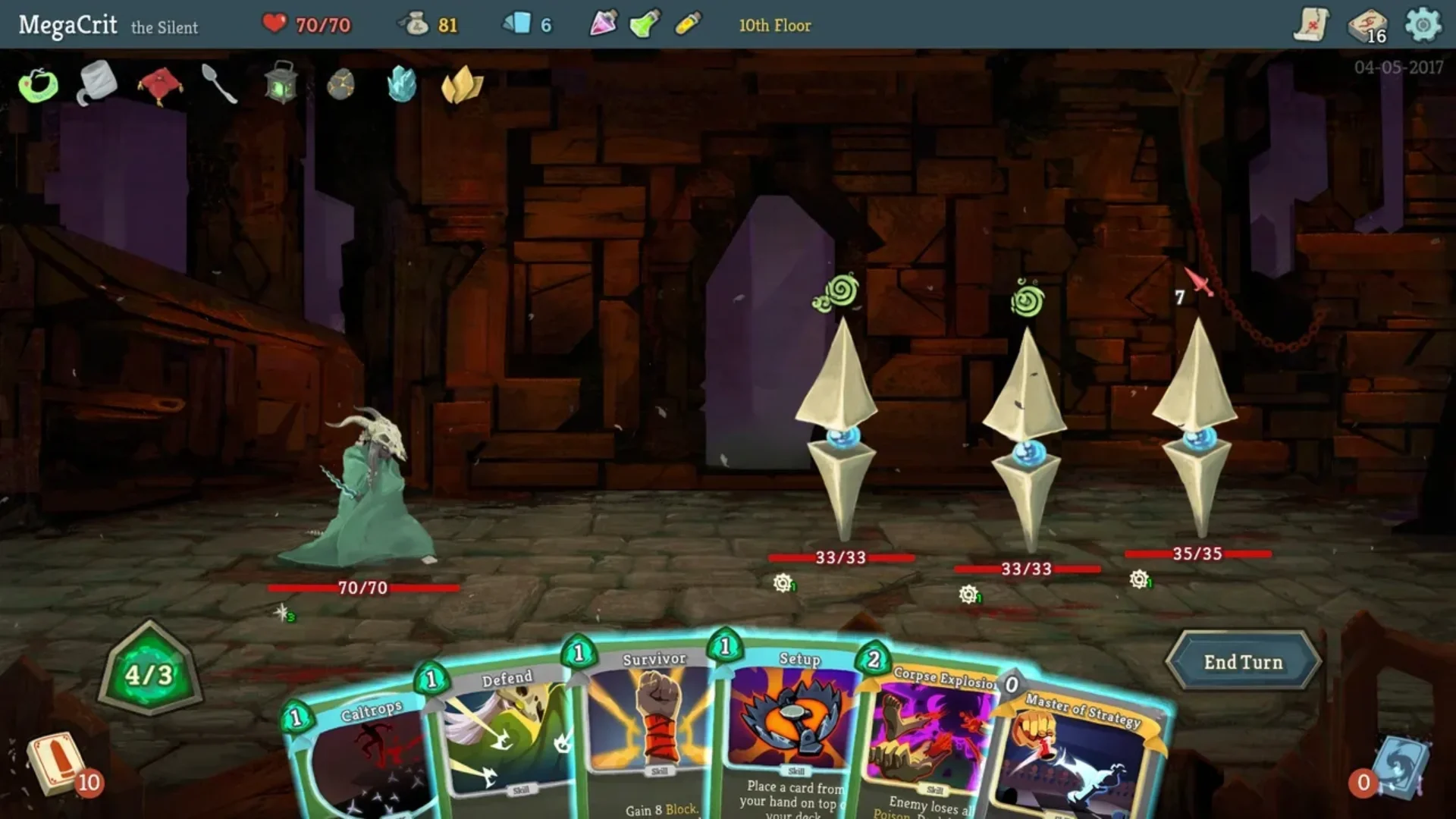
Enemies announce their next action in Slay the Spire, so battles are decided through preparation rather than surprise. Each turn gives the player a small hand of cards and enough energy to play only some of them. Blocking an incoming attack may be safe, but taking damage to apply Poison or Strength can prevent a worse turn later.
The harder decisions happen after combat. Adding a card feels like progress until the deck becomes too crowded to draw its important combinations. Relics can turn an ignored mechanic into the foundation of a run, while Ascension levels gradually make inefficient choices more expensive.
Some interface elements feel cramped on smaller screens, but touch controls suit a game built around examining cards and committing to one decision at a time.
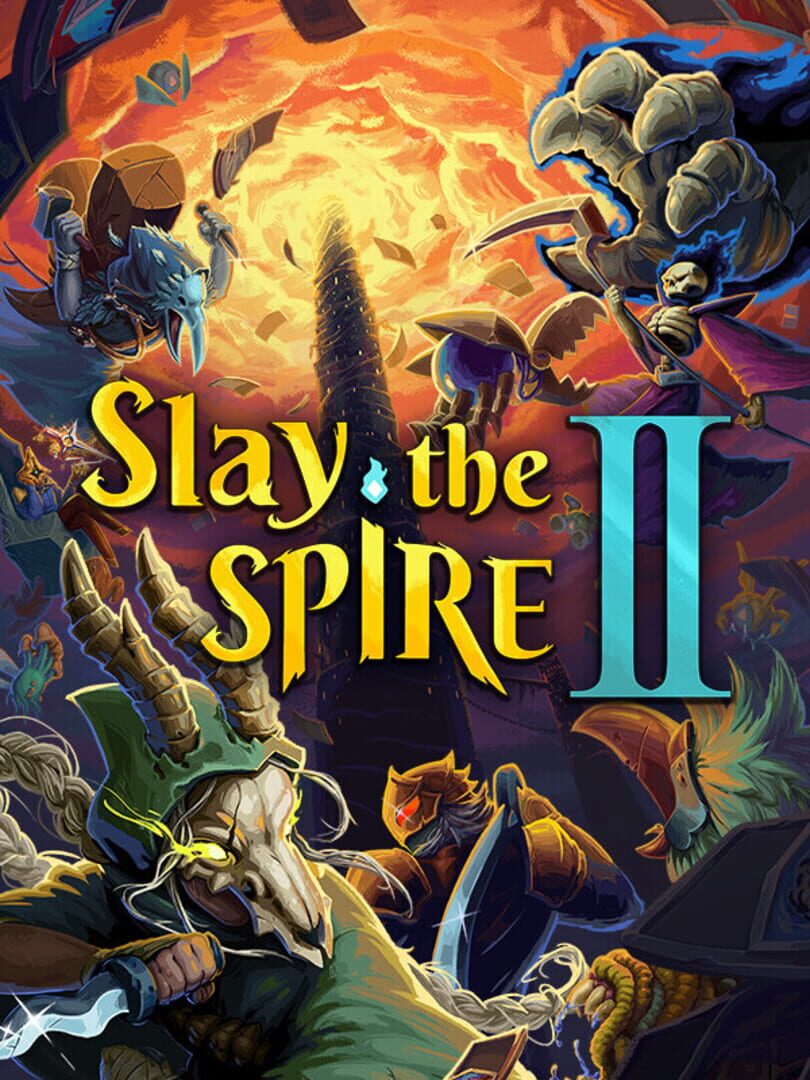
The iconic roguelike deckbuilder returns! Craft a unique deck, encounter bizarre creatures, and discover relics of immense power in Slay the Spire 2 - featuring new characters, cards, events, alternate acts, and more!
Released
March 5, 2026
Developer
Mega Crit Games
Publisher
Mega Crit Games


2. Balatro
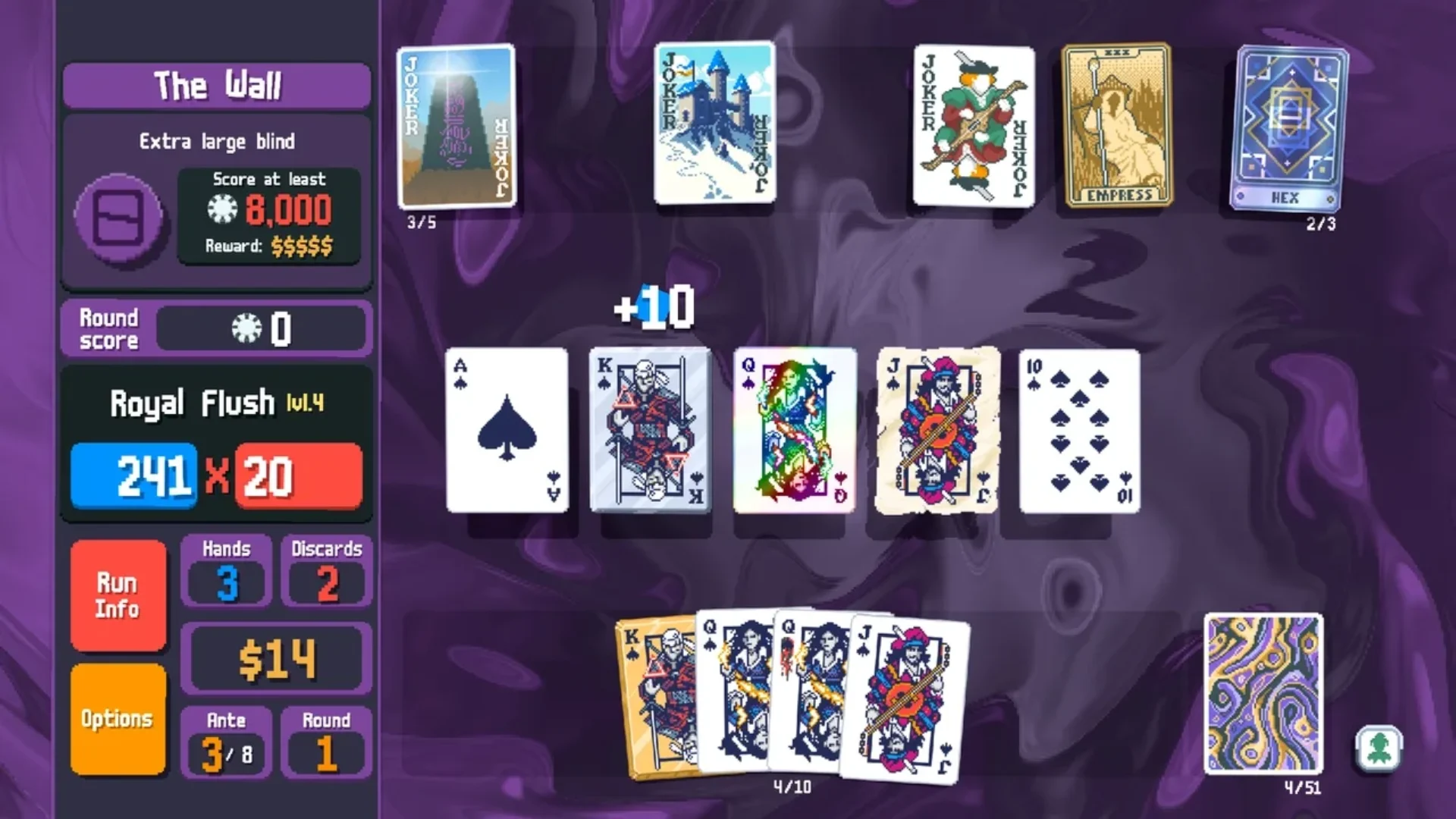
Balatro borrows poker's hand names, then abandons the idea that a straight or flush has a fixed value. Jokers modify how hands score, while tarot and planet cards alter the deck or improve particular combinations. A run may begin with sensible full houses before one unusual Joker turns low-value pairs into the only cards worth keeping.
The phone version makes arranging cards and checking scoring effects feel immediate, although text can become difficult to read on smaller displays. Boss blinds occasionally disable the exact suit or hand supporting a deck, which can end a run before adaptation is realistically possible.
There are no energy timers interrupting play and no purchasable shortcuts rescuing a weak build. Its grip comes from understanding why the previous score failed and seeing one more possible solution in the next shop.
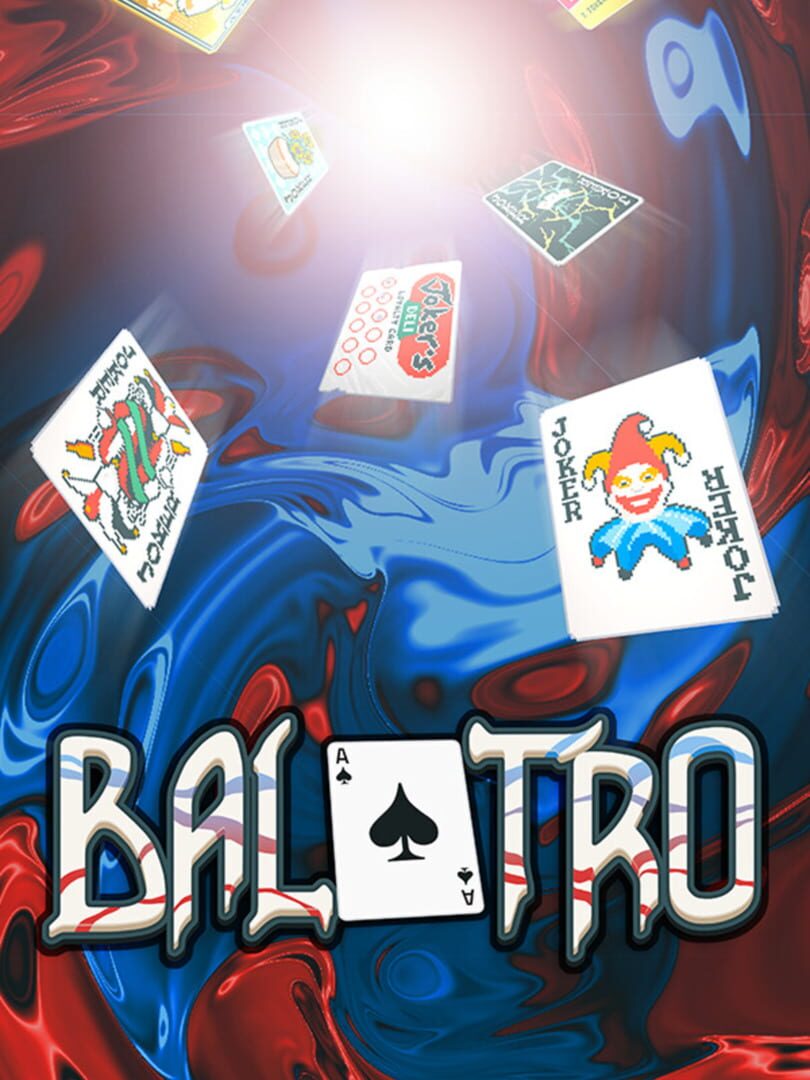
Balatro is a deck-building roguelite in which players construct poker hands to earn chips and overcome enemy blinds. The game features mechanics for enhancing a deck of playing cards, purchasing Jokers that modify hand effects, and discovering synergies to progress through increa
Released
February 20, 2024
Developer
LocalThunk
Publisher
Playstack
1. Into the Breach
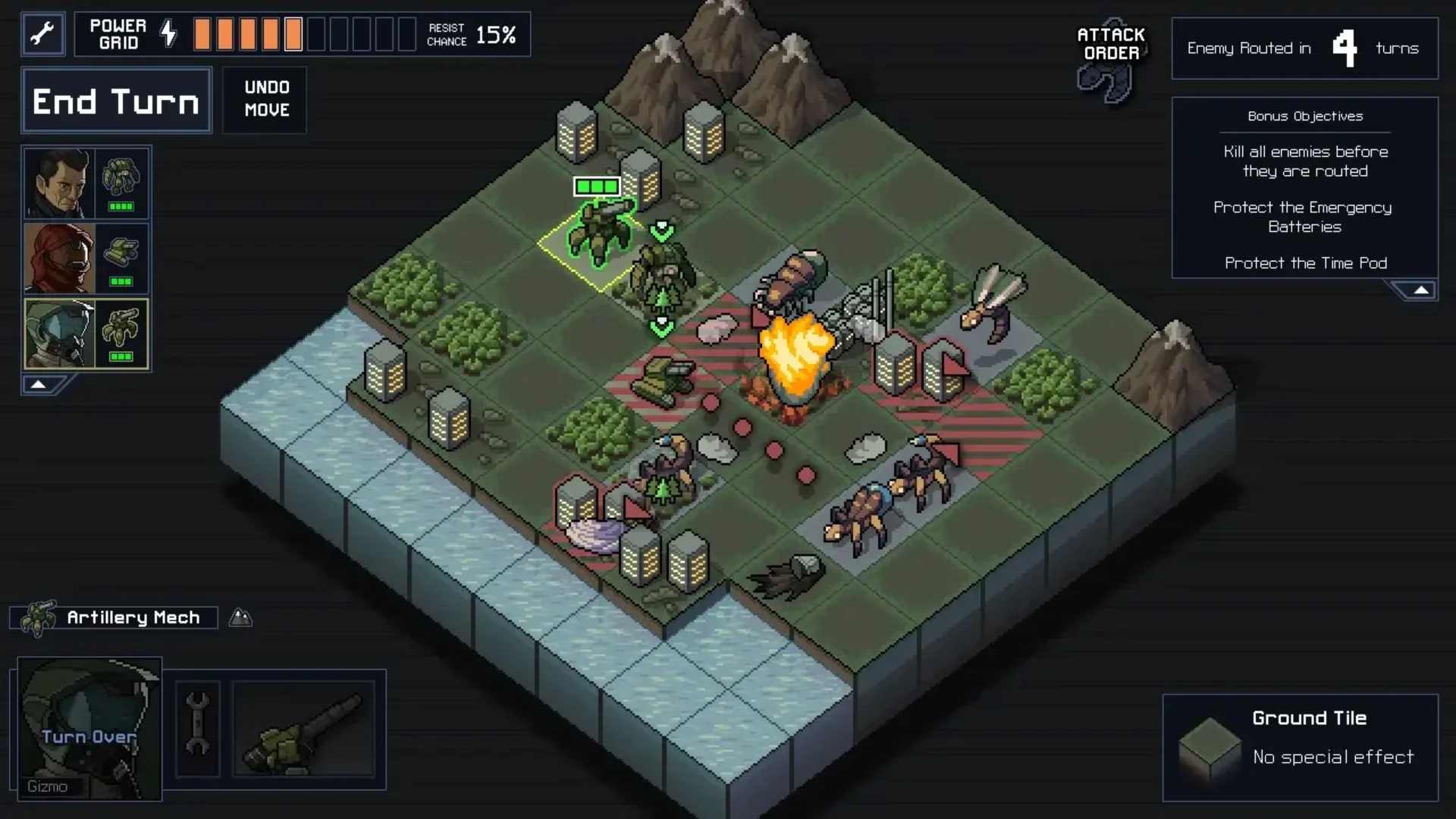
Every enemy in Into the Breach shows where it intends to attack before the player moves. Three mechs then have one turn to prevent the damage. Destroying an alien is useful, but pushing it away from a building or redirecting its attack into another enemy may solve the board without firing the strongest weapon.
That makes each compact battlefield resemble a tactical puzzle rather than a conventional war game. Buildings power the grid shared across the campaign, so protecting civilians can matter more than preserving a mech that will return for the next mission. Pilots and squad abilities change which solutions are available, but the rules remain visible enough for a loss to be traced back to a specific decision.
The small text is more comfortable on a tablet, and mobile access requires a Netflix subscription. Neither issue weakens how naturally its deliberate turns, clear information, and short missions fit a touchscreen.
Into the Breach
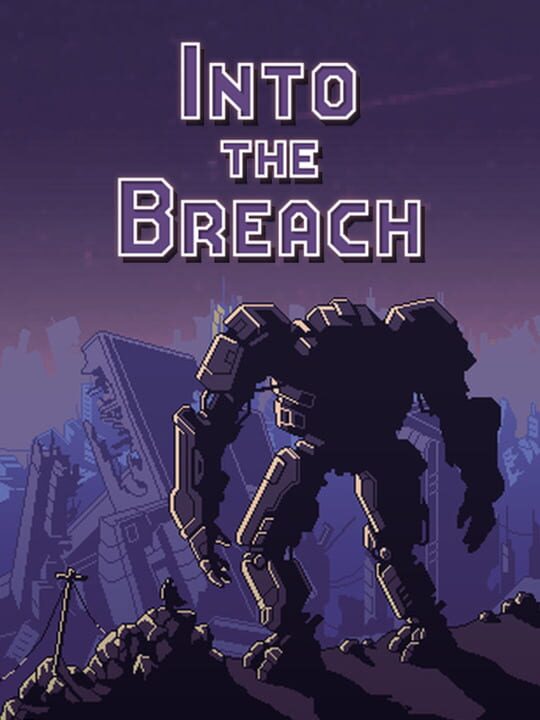
The remnants of human civilization are threatened by gigantic creatures breeding beneath the earth. You must control powerful mechs from the future to hold off this alien threat. Each attempt to save the world presents a new randomly generated challenge in this turn-based strateg
Released
February 27, 2018
Developer
Subset Games
Publisher
Subset Games
Tagged In
Discussion
0We want to hear from you. Share your perspective in the comments below, and please keep the conversation respectful.
Log in to join the discussion - vote, reply, and share your take.
Log In