
Black Ops' comeback should also reward its original developers
The original Black Ops games have found a new audience on PS4 and PS5, generating substantial revenue more than a decade after release. Former Treyarch developer Gavin Goslin argues that the people who built those games should benefit from their continued success.
Gavin Goslin, who worked on Call of Duty: Black Ops and Black Ops II at Treyarch, has criticized Activision and Microsoft over the success of their recent PlayStation ports. In a LinkedIn post, he recalled the crunch involved in making the originals and argued that the developers responsible should receive a share of the new revenue.
The two games arrived on PS4 and PS5 in July, bringing their original campaigns, multiplayer and Zombies to another generation of PlayStation hardware. Goslin says the original creators receive nothing from that renewed success.
Their old employment agreements may allow exactly that, but the popularity of these releases makes a strong case for contracts that reward developers when their work keeps selling.
Players are buying the original work again
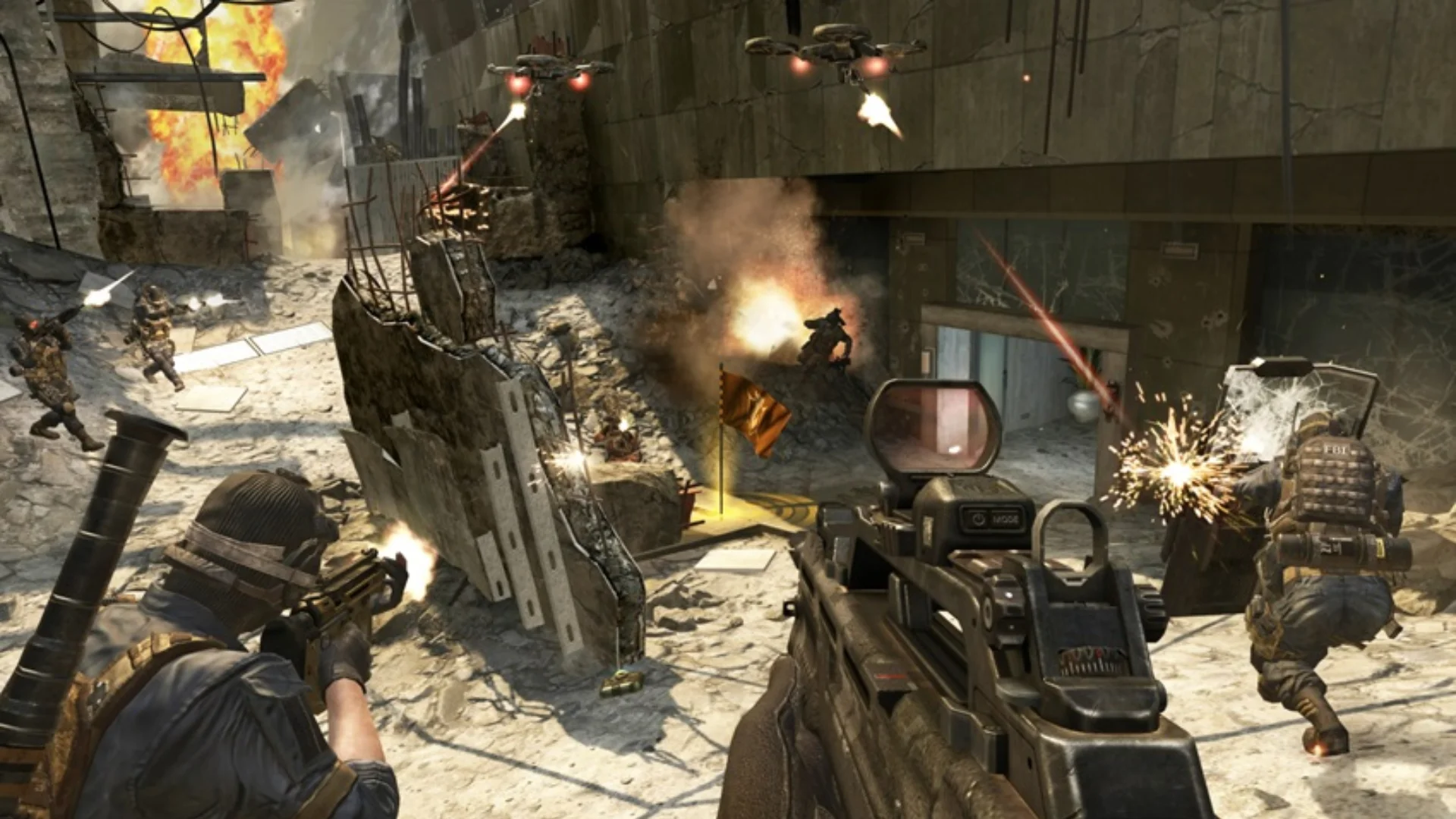
Activision released both Call of Duty ports on July 9 with a standard US price of $40 each. Both brought the original 2010 and 2012 games to new platforms, keeping their gameplay largely unchanged. This meant that if you bought Black Ops II you were getting the same campaign, multiplayer maps and Zombies mode Treyarch had created years earlier.
The response was substantial. Black Ops II topped Circana's US chart for July by dollar sales, with the original Black Ops finishing fifth. Those rankings include projected digital sales. Separately, Alinea Analytics estimated that the two ports sold 11.2 million copies on PlayStation during July, generating roughly $435 million in revenue.
PlayStation's compatibility gap gave Activision a clear opportunity. A PS3 disc cannot be played on PS5, so keeping an old copy did not give players access on their newer console. The ports gave longtime fans a chance to revisit these games while introducing them to new players.
Microsoft benefits from owning games whose appeal has survived several console generations. The original developers' work continues attracting customers even after some of its creators have moved on. A publisher can sell that work again without commissioning an entirely new campaign or building another set of multiplayer maps.
A development credit does not include a royalty
For an employee, helping create a game usually does not mean owning part of it. Under US copyright law, work made by an employee within the scope of their employment generally belongs to the employer, unless a written agreement says otherwise.
A level designer can spend years building a game's environments and leave with a salary, credits and any agreed bonuses. The company retains the rights that allow it to keep selling the finished work. Moving the game to another console does not automatically create a new payment obligation to everyone in its credits.
Royalties require a separate arrangement linking compensation to sales or another agreed measure. A launch bonus can recognize a successful release without giving its recipient any claim on a port sold fifteen years later. Those are different promises, even when both reward the same game.
Goslin's post does not disclose the original team's contracts or provide a complete account of past bonuses. It supports his complaint about income from these re-releases, but cannot establish that every contributor received identical compensation or that Activision has broken an agreement.
A salary gives developers income during production, before the company knows whether its game will sell. The publisher pays for that work even if the project fails. An ongoing share would supplement that arrangement, rewarding a successful game's later sales without asking employees to gamble their regular pay on them.

Bringing an old game back still requires work
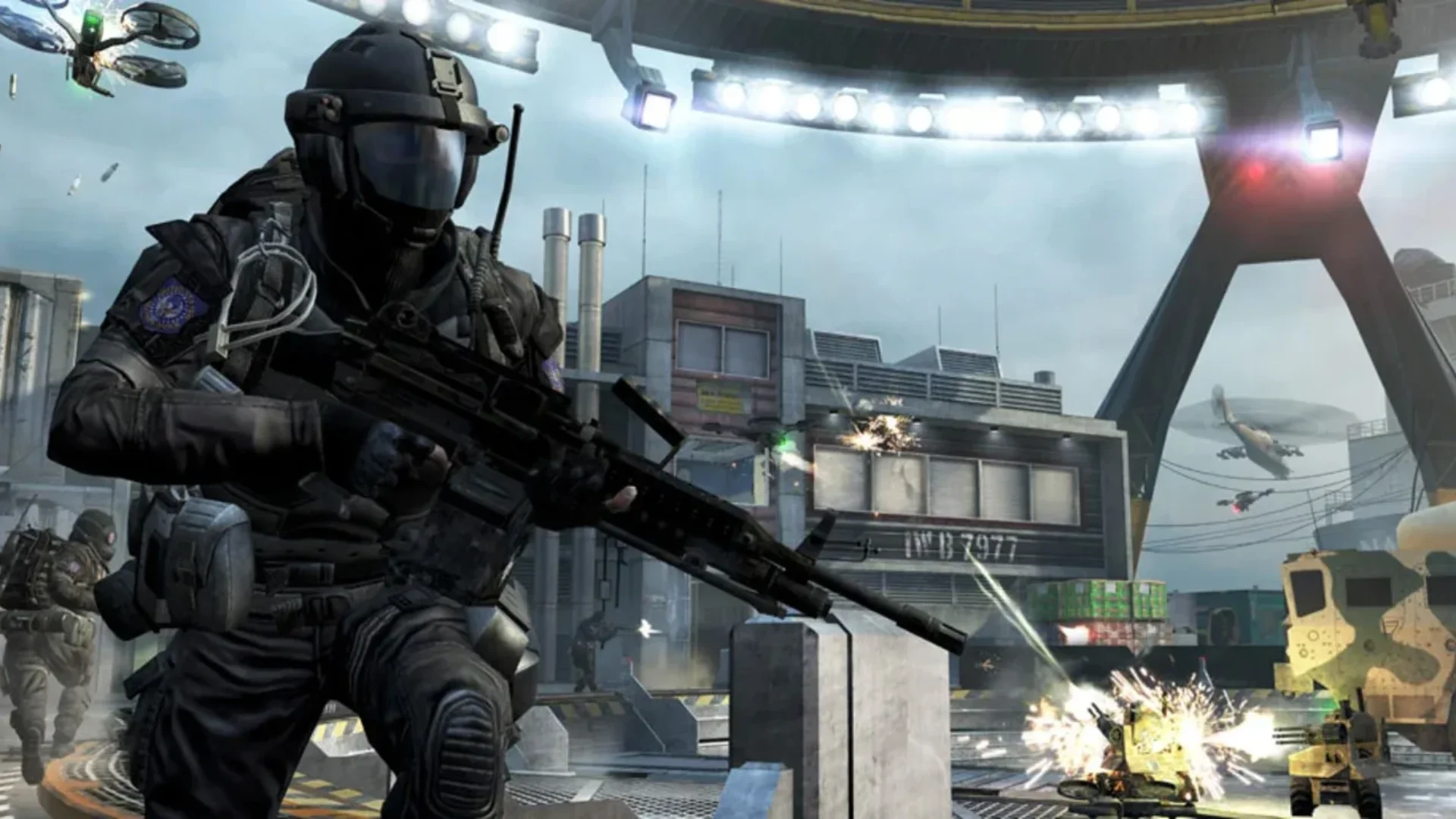
There is also a new development team to consider. Iron Galaxy handled the PlayStation conversions, and its contribution should not disappear behind the description of the ports as unchanged games. Getting an older release running on different hardware involves engineering and testing, even when players encounter familiar content.
Black Ops now supports multiplayer between PS4 and PS5 owners. Selling access to an old multiplayer game brings responsibilities around online services and support, alongside the cost of distributing it through another company's store.
Alinea's revenue estimate cannot tell us how much profit Activision made. Store fees and development expenses must be considered, and the public figures do not provide a complete budget for either port.
A remake can require new artwork, performances and redesigned levels, giving the new team a much larger creative role. The Black Ops ports rely heavily on the original content. Compensation for a re-release should account for both the work being reused and the work needed to make it available again, with a budget that makes those costs visible.
Profit sharing already exists in game development
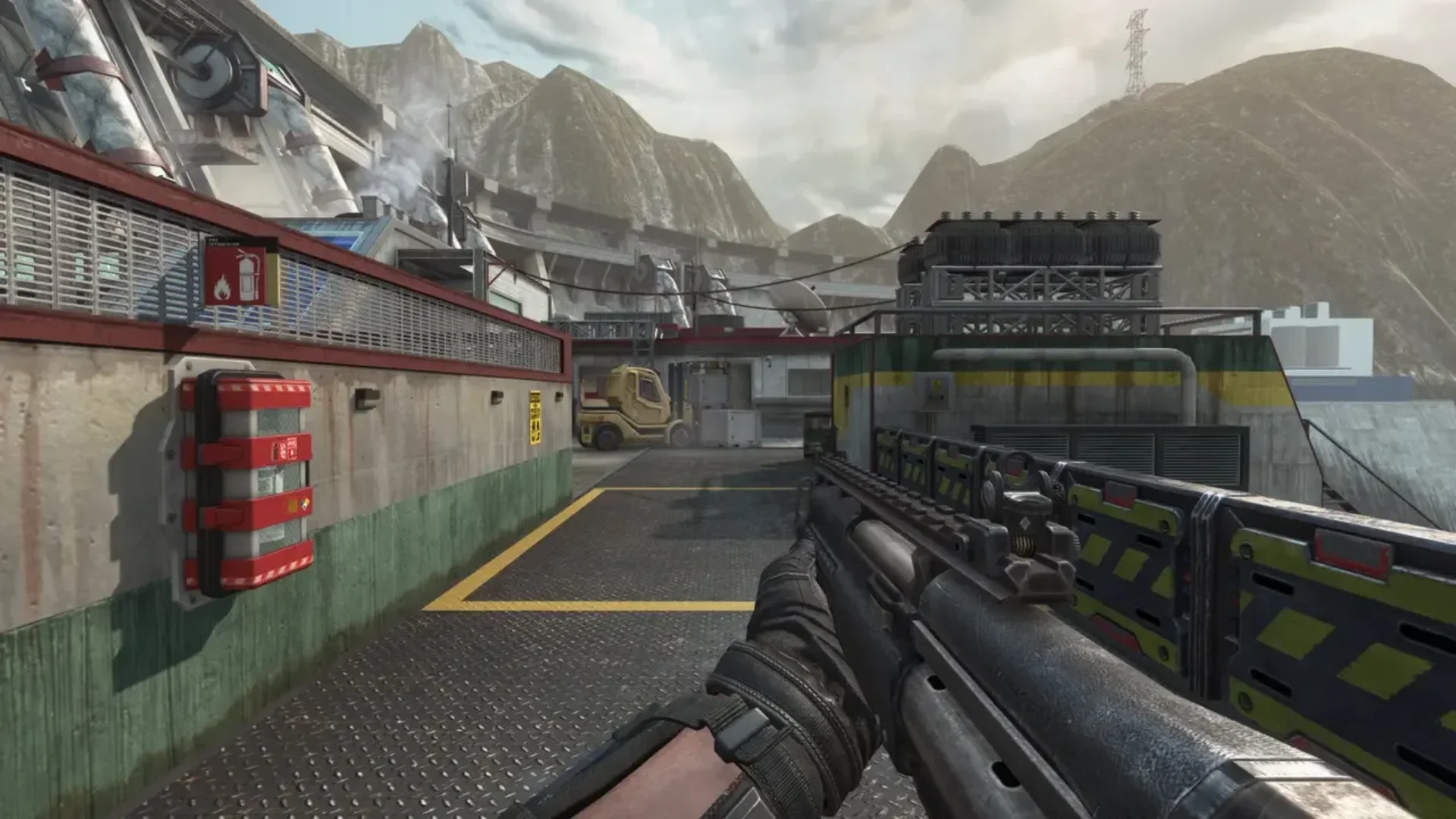
Paying developers more when a game succeeds is not a new idea. In 2017, Activision Blizzard described profit-sharing programs at Blizzard and King that allowed employees to earn additional money based on how well their businesses performed.
There is a difference between sharing a studio's profits and receiving royalties from a particular game. Studio-wide profit sharing can reward people working across different projects and support roles. Royalties would instead be tied to the sales of a specific game, potentially providing payments years after its original release.
Film and television already have a system for paying people when their work is used again. Under Writers Guild agreements, eligible writers receive additional payments, known as residuals, when their work is distributed in certain markets. The payments follow negotiated rules and are not automatically available to everyone involved in a production.
Introducing something similar in gaming would raise several questions. A system that rewards only directors and lead designers would leave out the programmers, artists, testers and other developers who helped create the game. Studios would also need to consider contractors and employees who left before release.
The amount developers receive would need to be clearly defined. A percentage of sales revenue after store fees is different from a percentage of profits after development costs. Developers would need access to sales figures and a clear explanation of which expenses are deducted.
For new games, studios could include these agreements in employment contracts from the start. They would also need to explain what happens to royalty payments if another company buys the game.
Older titles such as Black Ops II are more complicated. Without existing royalty agreements, publishers would have to negotiate new terms with former developers or choose to make additional payments voluntarily.
Both approaches are possible, but clear agreements would give developers more certainty about what they can expect when games they helped create continue selling years later.
Leaving a studio should not erase the contribution
Developers who helped create a game should not miss out on payments from later releases simply because they have moved to another studio. Some spend years working on a project, then leave long before the publisher decides to bring it to new platforms. If only current employees receive additional payments, many of the people who originally built the game could get nothing.
The original contracts for Black Ops and Black Ops II may not entitle former developers to a share of the new PlayStation sales. Activision could still negotiate payments with those contributors. For future games, studios could include clear agreements about royalties from ports and re-releases in their contracts.
People are still buying Black Ops and Black Ops II for the campaigns, maps and gameplay Treyarch created years ago. The developers responsible for that work deserve an agreed share of the money their games continue to earn.
Tagged In
Discussion
0We want to hear from you. Share your perspective in the comments below, and please keep the conversation respectful.
Log in to join the discussion - vote, reply, and share your take.
Log In