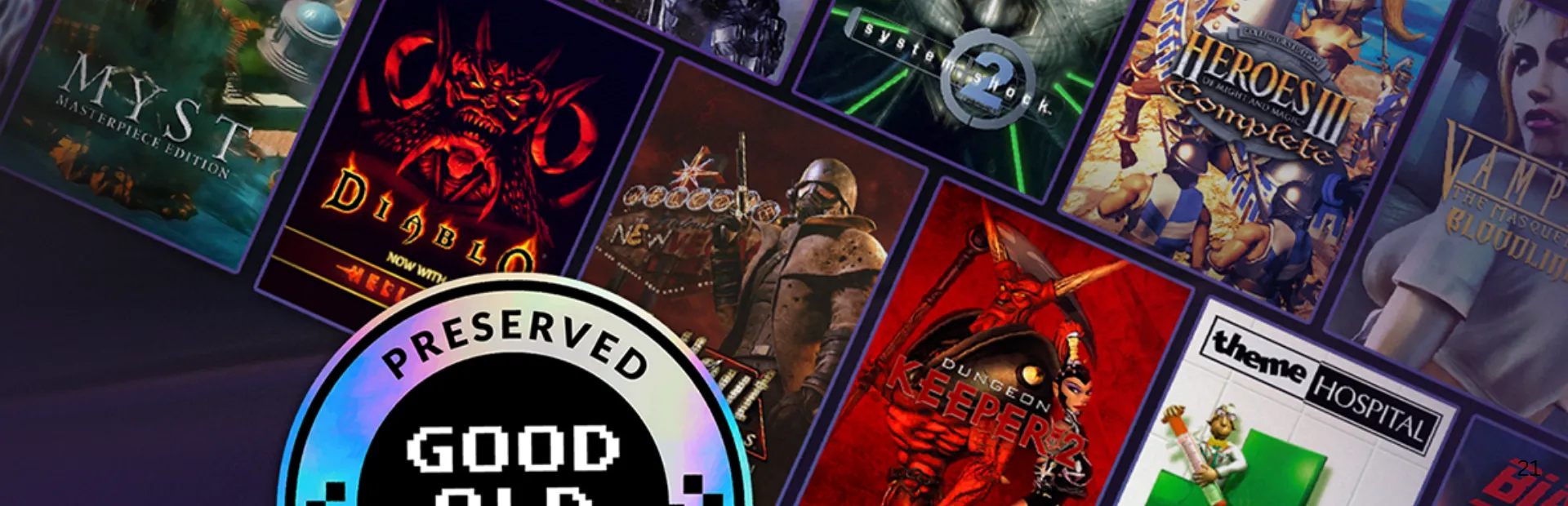
Credit: GOG
featureFeature
The GOG Rebellion: One Post, a Blank Disc, and a Shot at the All-Digital Future
July 16, 2026·Updated September 15, 2026·4 min read
GOG is urging players to burn their DRM-free games to blank discs, positioning true ownership against Sony's move to an all-digital future for Playstation.
On July 14, GOG told its customers to go find some blank discs. The message on X was: download the offline installer for any game you own on GOG, save it to a disc, and it is yours forever, no storefront's permission required. Some sources were quick to call it a tutorial, I see it more as a mission statement.
As we all know by now, on July 1, Sony announced it will stop producing physical discs for all new PlayStation games in January 2028. GOG had already posted that same day that a game vanishing from its store never leaves your library.
Then it watched the biggest console maker on the planet walk toward an all-digital future and answered with a CD-R. It is equal parts business strategy, legal lifeboat, and cultural defiance.
Autonomy Is the Product
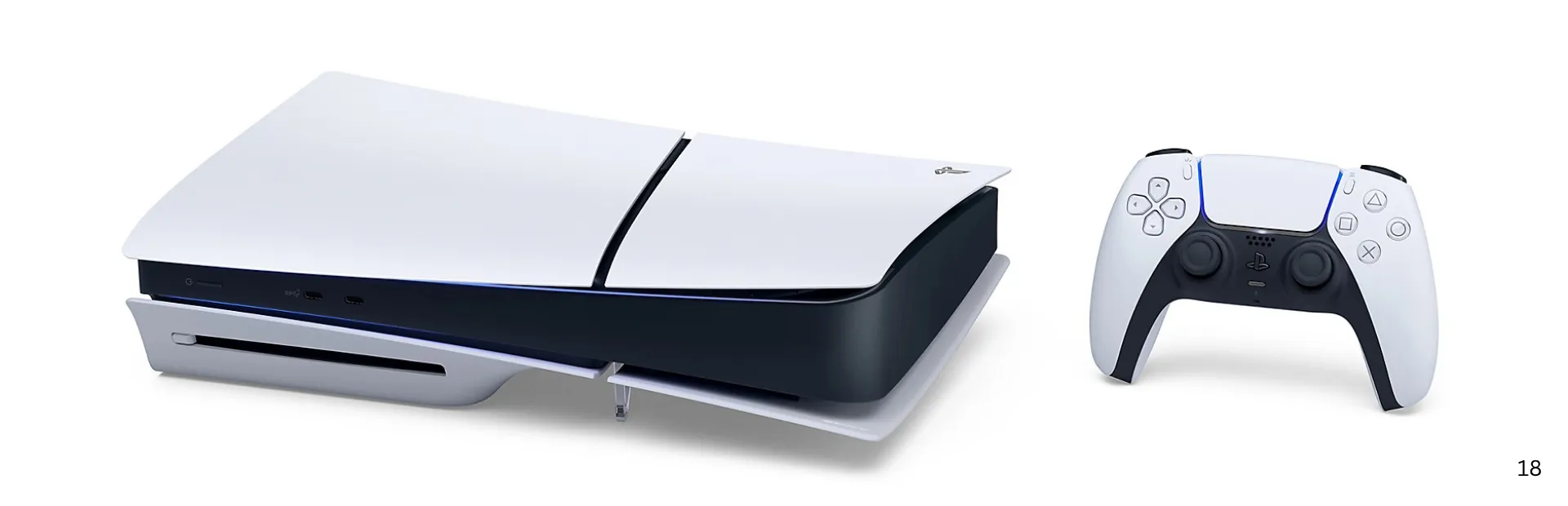
Sony's reasoning was pure spreadsheet. Nearly four in five full PlayStation game purchases in the past year were digital, so the company is retiring the disc and calling it consumer preference.
The base PS5 disc edition already jumped to 649 dollars this spring. Microsoft is testing tools to convert your physical shelf to digital, and the Series S ships with no disc drive at all. Even the "physical" edition of Grand Theft Auto 6 is a box with a download code inside. The direction is set: no discs, no resale, no lending, one storefront holding every key.
Next to Steam's massive catalogue, GOG cannot compete on sheer volume. It competes on principle instead. The platform corners a completely different market, packaging true ownership and total autonomy as its core premium features.
When Sony hands it a headline about players losing control, GOG turns that headline into an ad. The blank-disc post is counter-positioning aimed straight at the anxiety its rivals just manufactured, and it costs almost nothing to fire.
The Only Loophole Left
Here is the part the industry would rather you forget. You do not buy most modern games. You buy a license, and a license can be switched off.
The Crew is a good example of this. Ubisoft sold the game to an estimated 12 million people, then shut down its servers on March 31, 2024, bricking every copy, retail discs included, and later stripped the licenses out of players' accounts.
Its defense in the ensuing French lawsuit bluntly argued that players purchased limited access rather than permanent ownership.
You would expect lawmakers to have closed that gap by now. They have not. In June 2026, sitting on 1.29 million verified signatures from the Stop Killing Games campaign, the European Commission declined to require publishers to keep games playable and offered a voluntary code of conduct instead.
California's Protect Our Games Act passed the state Assembly but is not law yet. The courts are still arguing. In that vacuum, GOG's DRM-free offline installers are the only consumer remedy that actually exists today. A file on your own disc cannot be revoked from a server, because there is no server to phone.
This solution naturally only applies to DRM-free PC games, offering zero protection for console exclusives or always-online titles tethered to a live server.
Burning Discs as Protest
We are used to renting our media. We stream music until the subscription ends and watch movies until they leave the catalog. But video games are different. When a publisher shuts down a server, a game you paid full price for simply vanishes. Burning a game to a disc in 2026 is a direct reaction to that feeling. It takes effort, but it is the only way to physically hold what you bought.
The music world already figured this out. People buy vinyl records again because they want a physical object that nobody can remotely delete. Gamers are hitting that exact same wall. Players are tired of needing a server's permission to open their own libraries. GOG saw that frustration growing and simply pointed the community toward a CD burner.
Selling the Right to Keep Them
Stack the three together and the play is obvious. GOG's post exposes console giants dismantling physical media for storefront control. It spotlights a legal system that just told players they own a receipt, not a game. And it feeds an appetite for offline control that the vinyl revival already proved is real.
It is guerrilla marketing, and it is very good guerrilla marketing, precisely because every word of it is true. GOG is no longer just selling old games. It is selling the one thing the rest of the industry is quietly taking back: the right to keep what you paid for, on a disc in your own drawer, long after the servers go dark.
Tagged In
GOGGame PreservationDigital Ownership
Discussion
0We want to hear from you. Share your perspective in the comments below, and please keep the conversation respectful.
Log in to join the discussion - vote, reply, and share your take.
Log In