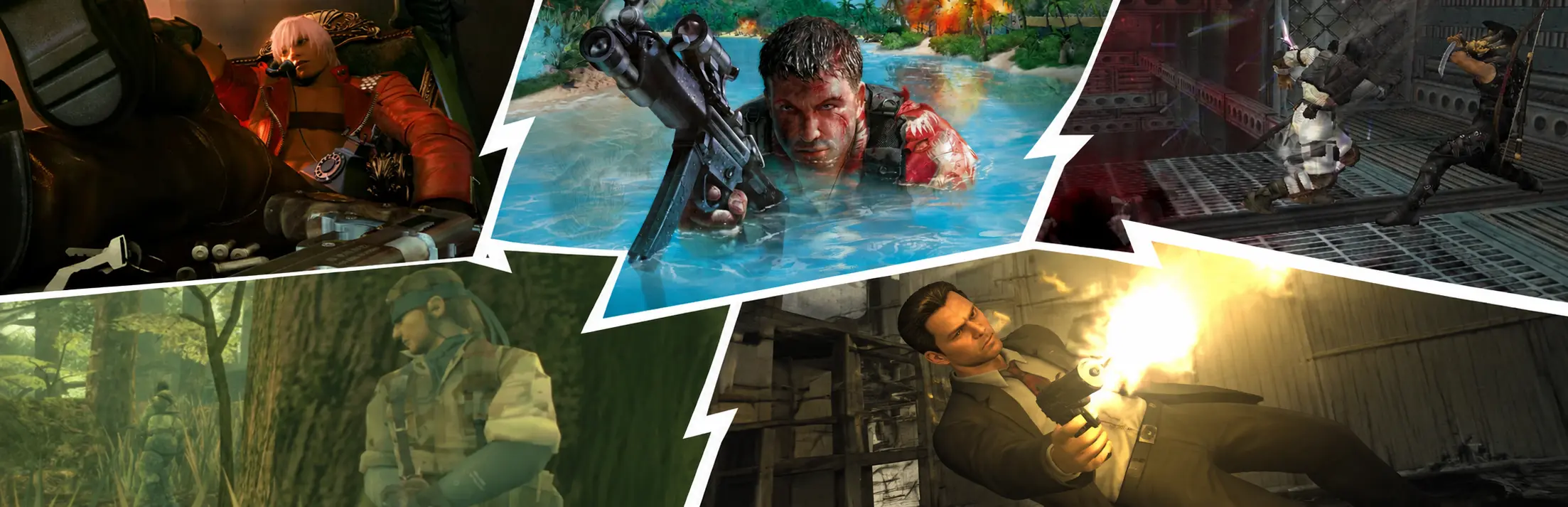
Credit: Capcom, Crytek, Konami, Remedy Entertainment
featureFeature
Top 10 Best Action Games of the 2000s
July 6, 2026·Updated September 14, 2026·11 min read
From God of War to Half-Life 2, discover the 10 best action games of the 2000s, ranked by impact, innovation, and legacy, plus one honorable mention.
The start of the millennium brought a huge wave of nostalgic titles and plenty of iconic action games. For some players it's a trip back to childhood or teenage years, for others a chance to discover legendary series for the first time. In the 2000s, dozens of genres flourished, from hack'n'slash titles, through FPS games, to adventure games built around heavy action.
For this ranking I took into account each title's impact on the genre as a whole, its innovation, and also the opinions of critics and players. Every game on this list stood out for something unique, but they all shared one thing in common: action. Below are ten titles that deserve to be called the best action games of the first decade of the millennium. At the end, I also made room for one honorable mention, a truly iconic game in its own right.
10. Devil May Cry 3: Dante's Awakening (2005)
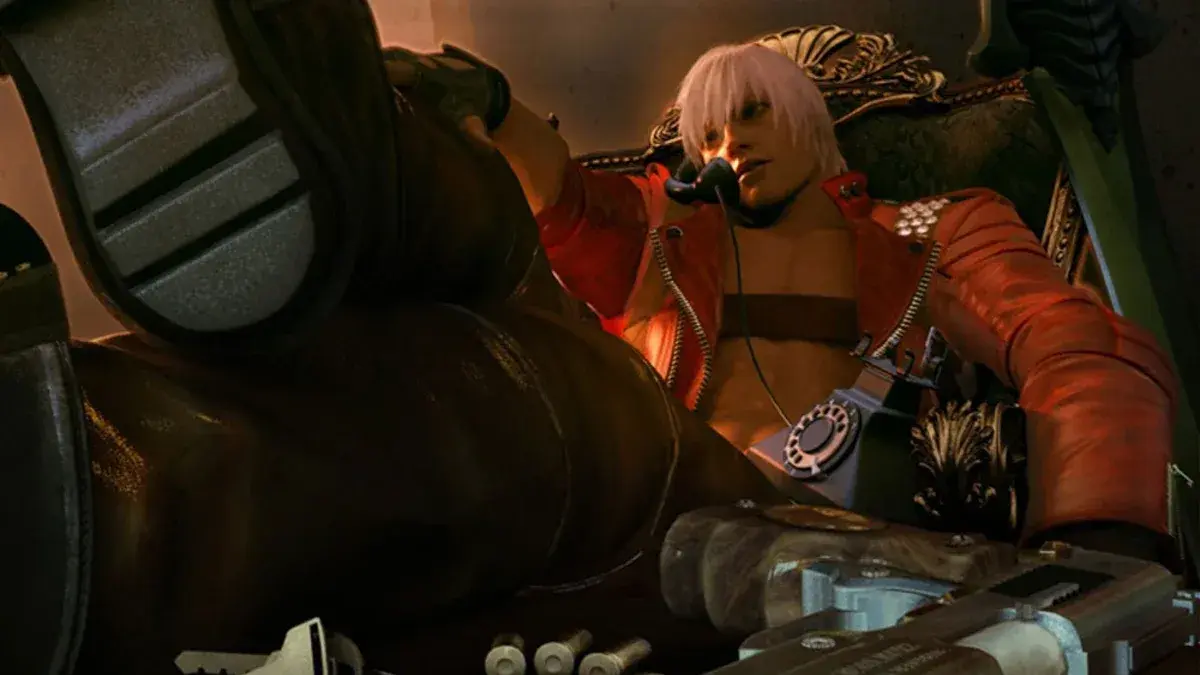
Style Switch, SSS rank, Dante Must Die. Those three things alone are enough for genre fans to know exactly what we're talking about. Devil May Cry 3 is a prequel to the first game, one where Capcom turned back the clock to a time when Dante was younger, cockier, and not quite as put together as we knew him. The story revolves around the tower of Temen ni gru, rising up from the ground and connecting the human world with the demonic one, along with the conflict with his twin brother Vergil. Both of them are dealing with the legacy left behind by their father, the demonic knight Sparda.
The Style Switch system let players swap combat styles on the fly (evasion, sword, ranged), and the game showed no mercy, rewarding fluidity and combo variety instead of spamming the same move over and over. This is really the moment the character action genre hit full maturity. The difficulty of Dante Must Die mode became a benchmark for what a "truly hard" action game should feel like.
9. Far Cry (2004)
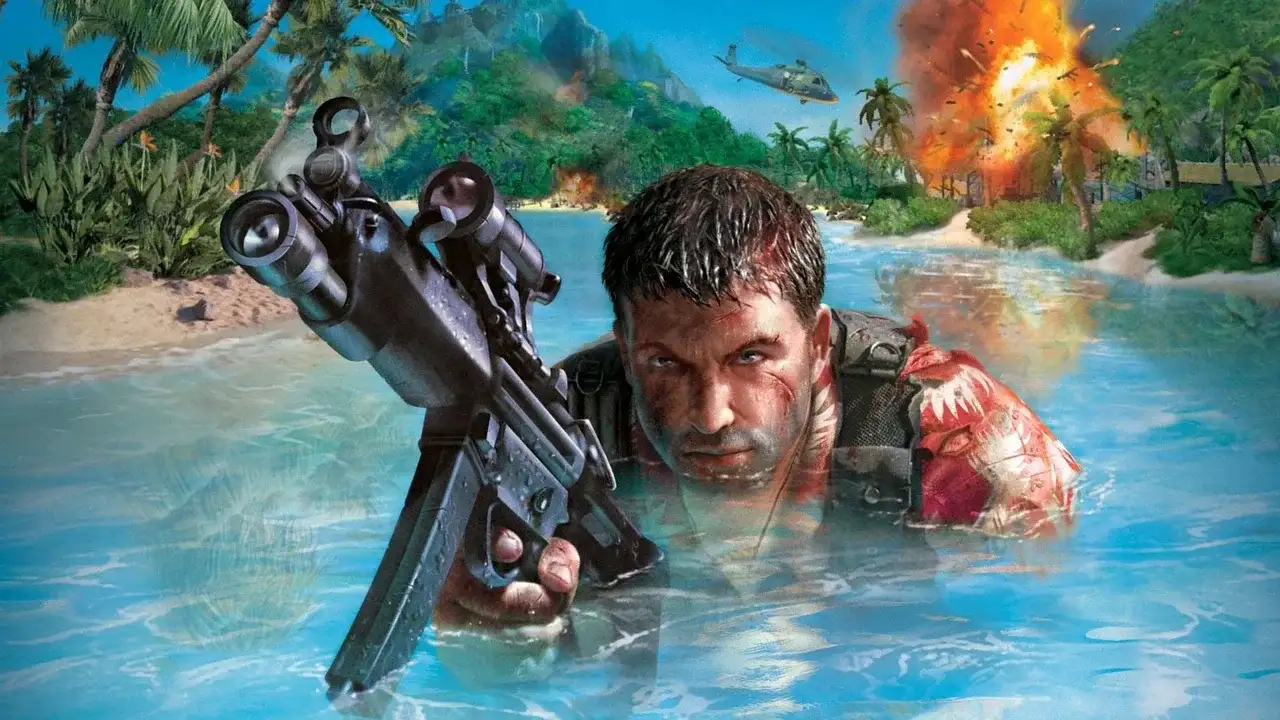
Crytek proved that an FPS doesn't have to lock the player inside a corridor. Far Cry, released in 2004, dropped us onto tropical islands as Jack Carver. The former mercenary found himself up against a private army and mutated soldiers known as Trigens, the result of illegal genetic experiments. I have to admit, the game knew how to catch you off guard and gave me more than one genuine scare, a good reminder of why it carries an 18+ rating.
The key difference compared to most FPS games of that era was the vast, open locations instead of a linear path. The player decides whether to approach an enemy base head on, from behind, or skip it entirely. That tactical freedom, combined with graphics that were genuinely impressive for the time thanks to the CryEngine, pointed the way FPS games would head for the rest of the decade: sandbox instead of corridor.
8. Ninja Gaiden (2004)
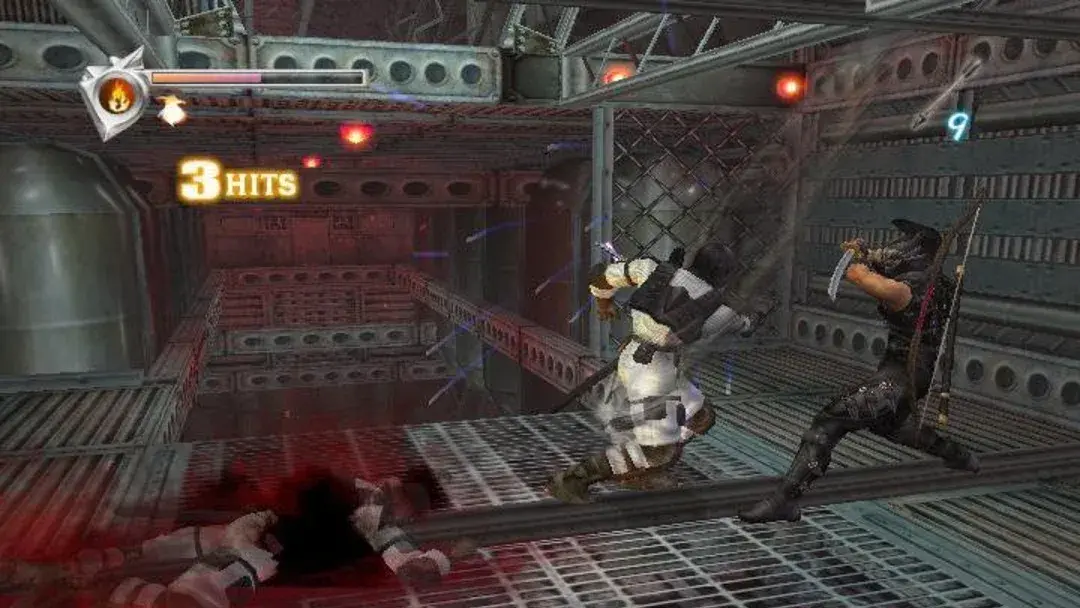
Few games this decade punished a lack of focus as harshly. Ninja Gaiden, developed by Team Ninja under Tomonobu Itagaki, follows Ryu Hayabusa, the last member of his ninja clan, on a quest to reclaim the stolen Dragon Sword, the blade that protects his village. Along the way he gets pulled into a war with the Vigoor Empire and demonic forces lurking in the shadows.
The combat system ran deep. A wide arsenal of weapons (the Dragon Sword, nunchaku, a scythe) gave plenty of room to experiment. The aggressive, sharp enemy AI didn't forgive mistakes even on "normal" difficulty. Death could come in an instant, and the satisfaction of mastering the combat was directly proportional to the frustration you went through to get there. It's still the reference point whenever someone's looking for an action game "for the hardcore." Few games commit so consistently to putting precision above everything else.
7. Metal Gear Solid 3: Snake Eater (2004)
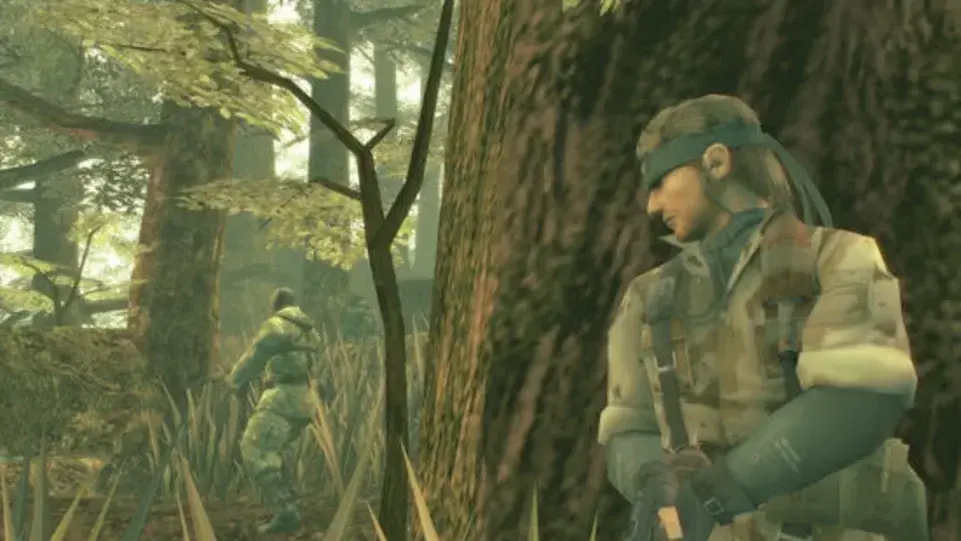
The year is 1964, the setting a Soviet jungle, the Cold War humming in the background. Hideo Kojima took the Metal Gear series back to its roots, building a prequel centered on Naked Snake, the man who would later become Big Boss. The mission? Rescue a Soviet scientist. Plenty of players were also caught off guard by the story twist that follows, one that requires killing your own mentor, The Boss, who turns out to have defected to the other side. It's one of the more emotional stories in games from that decade, and the foundation for the entire mythology the series built afterward.
The new addition here was the Camouflage Index, a system that let you match your outfit to the surrounding environment, along with survival mechanics like hunting for food and treating specific wounds in real time. The expanded Close Quarters Combat and the memorable boss fights are a true calling card of Metal Gear Solid. Among the most important was the fight against The End, stretched out over several hours. Just as memorable was the clash with The Sorrow. Both showed that stealth and action can go hand in hand with a cinematic, emotionally engaging story.
6. Max Payne 2: The Fall of Max Payne (2003)
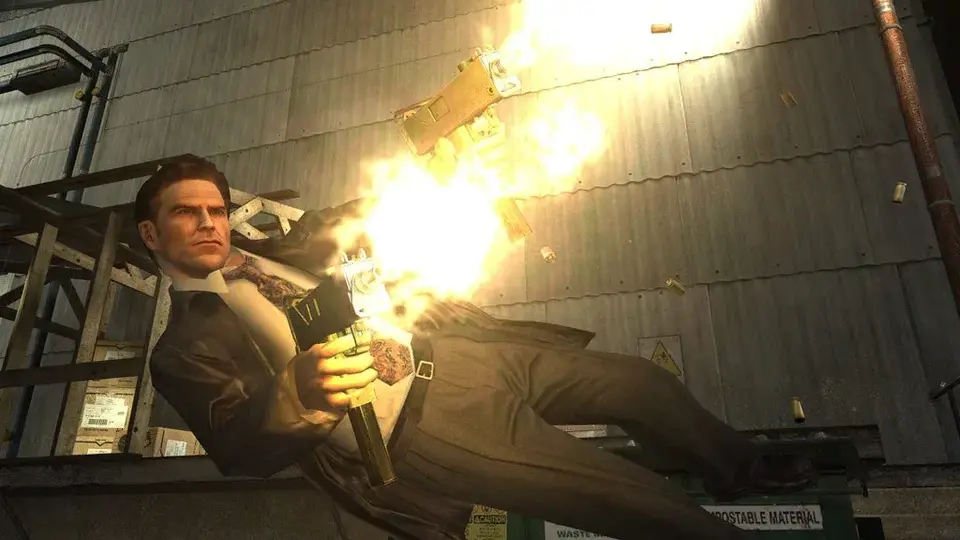
Finnish studio Remedy Entertainment, in 2003, perfected something the first Max Payne had only sketched out. Max, a former cop and DEA agent still carrying the weight of the family tragedy from the first game, tries to put his life back together. As you might guess, things don't stay calm for long. Our hero gets pulled into a dark plot involving Mona Sax, a mysterious assassin, and finds himself tangled up in a conspiracy connected to the Inner Circle corporation. The whole thing is wrapped in a cynical, noir tone delivered through comic book style cutscenes, an unusual style that became the series' trademark.
The slow motion effect that lets you pull off cinematic dives with a pistol in each hand returns here in a far more polished form. The whole mechanic is backed by the Havok physics engine, which makes the environment react far more realistically to bullets and explosions. The love story between Max and Mona, woven into the brutal action, gave the game an emotional weight that most shooters of that period simply didn't have. It's a template creators of action games are still borrowing from today.
5. Gears of War (2006)
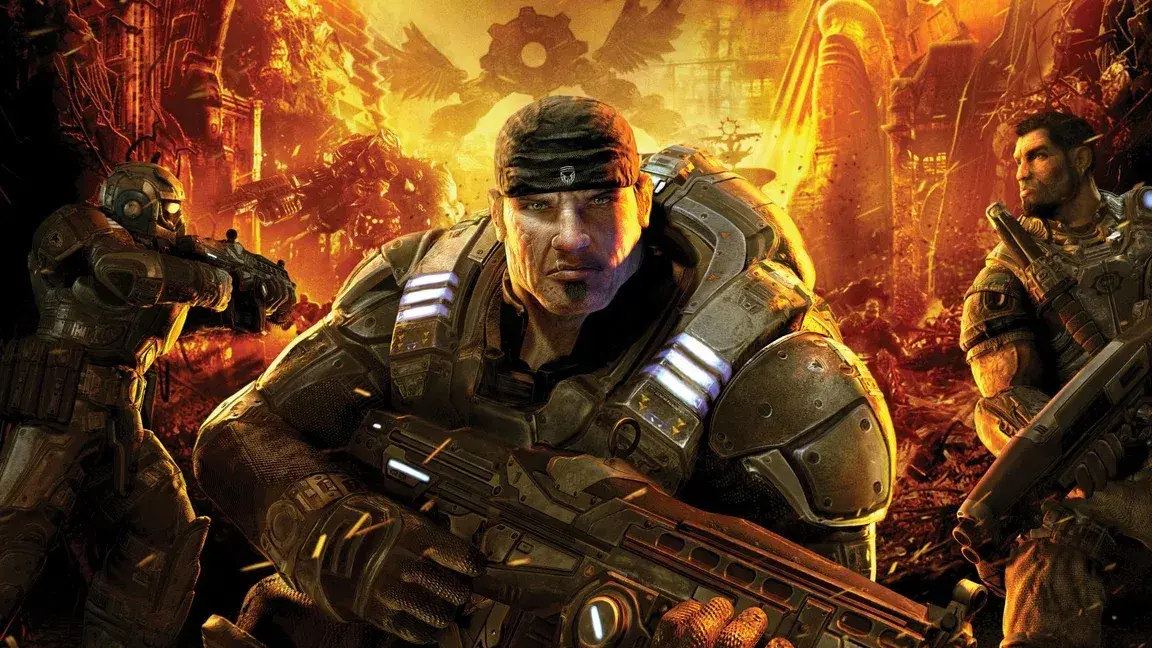
Emergence Day: the day the underground Locust Horde nearly wiped out humanity. Gears of War, an Xbox 360 exclusive from Epic Games, casts us as Marcus Fenix and Delta Squad. They're fighting to destroy a weapon of mass destruction called the Lightmass Bomb, the only real chance of stopping the invasion of the planet Sera.
This is the game that popularized cover shooting as a core mechanic. Hiding behind obstacles, leaning out, and firing became the standard for an entire generation of third person shooters from this point on. The Lancer, the series' iconic weapon fitted with a chainsaw bayonet, symbolizes just how brutal the fighting feels. The title's influence on the design of third person shooters is hard to overstate, and the active reload system is a perfect example of that legacy.
4. Call of Duty 4: Modern Warfare (2007)
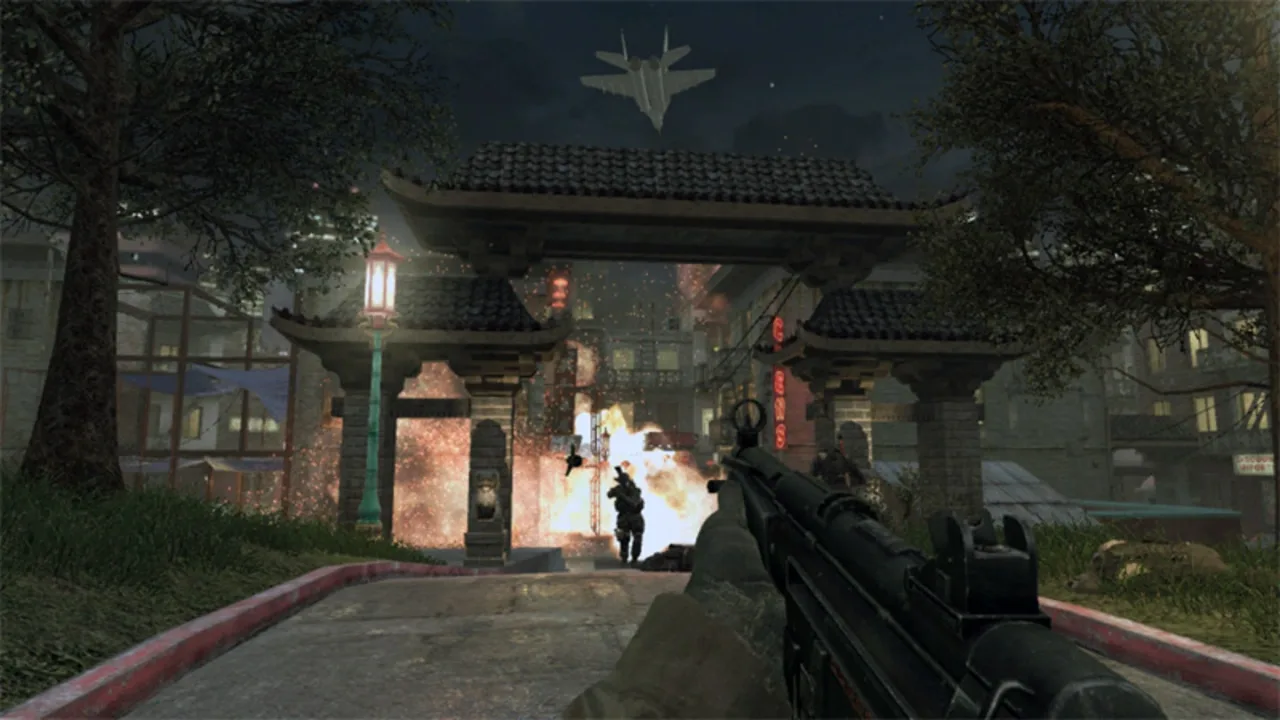
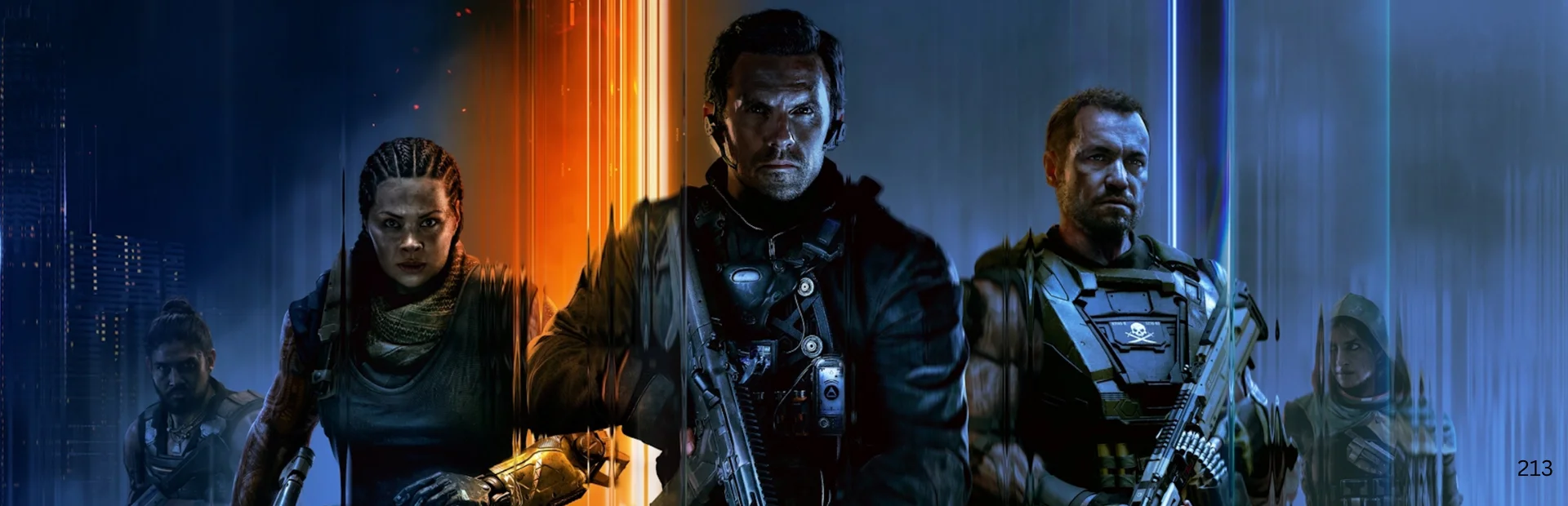
After several entries set during World War II, Infinity Ward moved the series into the modern day and changed the rules for the entire genre in the process. The story follows two parallel threads: British SAS commandos (Captain Price and Soap MacTavish) and American marine Paul Jackson, both caught up in a fight against Russian ultranationalists and a Middle East crisis triggered by a coup. The campaign had moments that stuck with players for years, like that one mission involving a nuclear detonation. I'll admit I was initially skeptical about leaving the wartime setting behind, but I quickly changed my mind as the hours kept ticking by.
The real revolution, though, turned out to be the multiplayer. Killstreaks rewarding kill chains without dying, deep weapon class customization, and a prestige system letting you repeat your progression with extra badges of honor. These are the exact solutions that basically every online shooter released after 2007 has been built on.
3. Resident Evil 4 (2005)
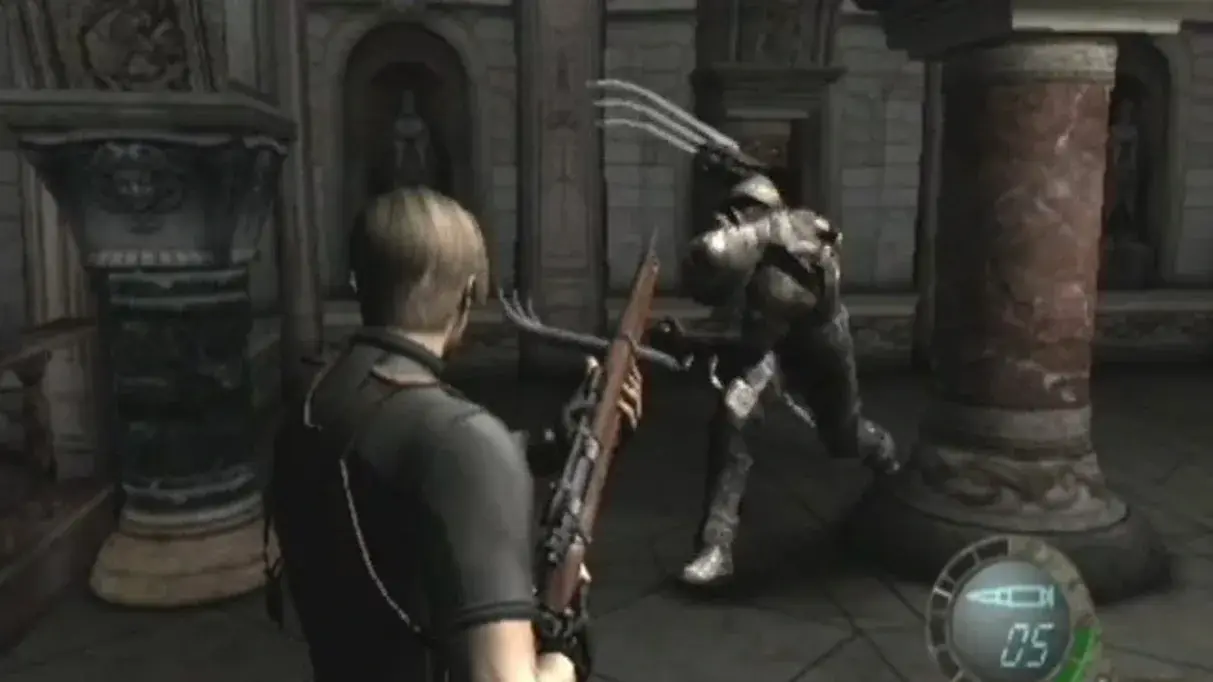
Shinji Mikami set himself a difficult task: redesign the very series that had defined the survival horror genre. The result was more than satisfying. Resident Evil 4 sends Leon S. Kennedy to a remote Spanish village to find and rescue Ashley Graham, the daughter of the US president. Once there, it turns out the villagers, the Ganados, are infected by a parasite controlled by the Los Illuminados cult. The once dominant Umbrella fades into the background in favor of this new threat.
An over the shoulder camera replaced the stiff tank controls of earlier entries, and combat gained a lot from it, becoming far more dynamic. A deep inventory system (an attache case you can reorganize and expand), quick time events at key moments, and the wandering Merchant rounded out the whole package. This game is widely regarded as the title that redesigned the genre. The over the shoulder camera later became the standard for dozens of action games, from Gears of War to Dead Space. As someone who was a big fan of all things zombie related in movies and games back then, this one held a special place in my heart.
2. Half-Life 2 (2004)
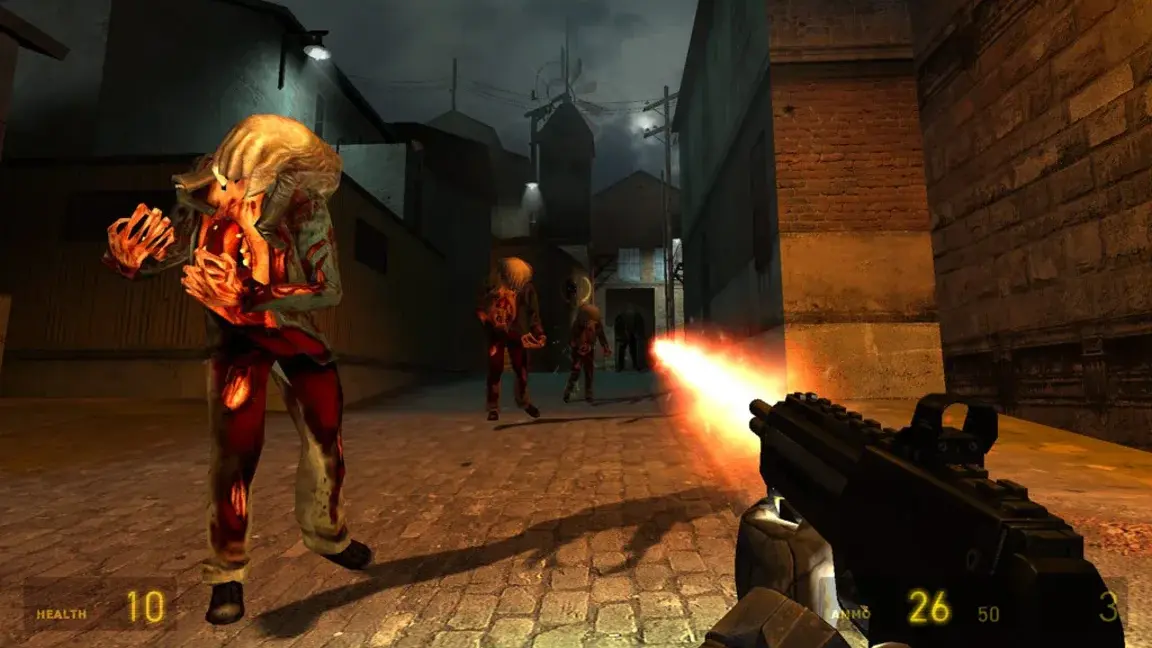
Gordon Freeman wakes up after years of absence in City 17, a city under occupation by a mysterious organization called the Combine. Alongside allies, including Alyx Vance, he joins the resistance, trying to stand up against a totalitarian power. He's also trying to figure out what the enigmatic G Man actually wants from him. Valve built one of the most influential games of the decade here, even though on paper the story reads like classic sci fi about resisting an occupying force.
The entire story is told without traditional cutscenes, from a first person perspective. It never takes control away from the player, which was a rare approach back in 2004. The Gravity Gun, a tool for manipulating objects using physics, opened the door to a whole new type of environmental puzzle. The Source engine, meanwhile, set new graphical and physics standards for the entire industry. This approach to storytelling without ever interrupting the gameplay is still a reference point for action game creators today.
1. God of War (2005) / God of War II (2007)
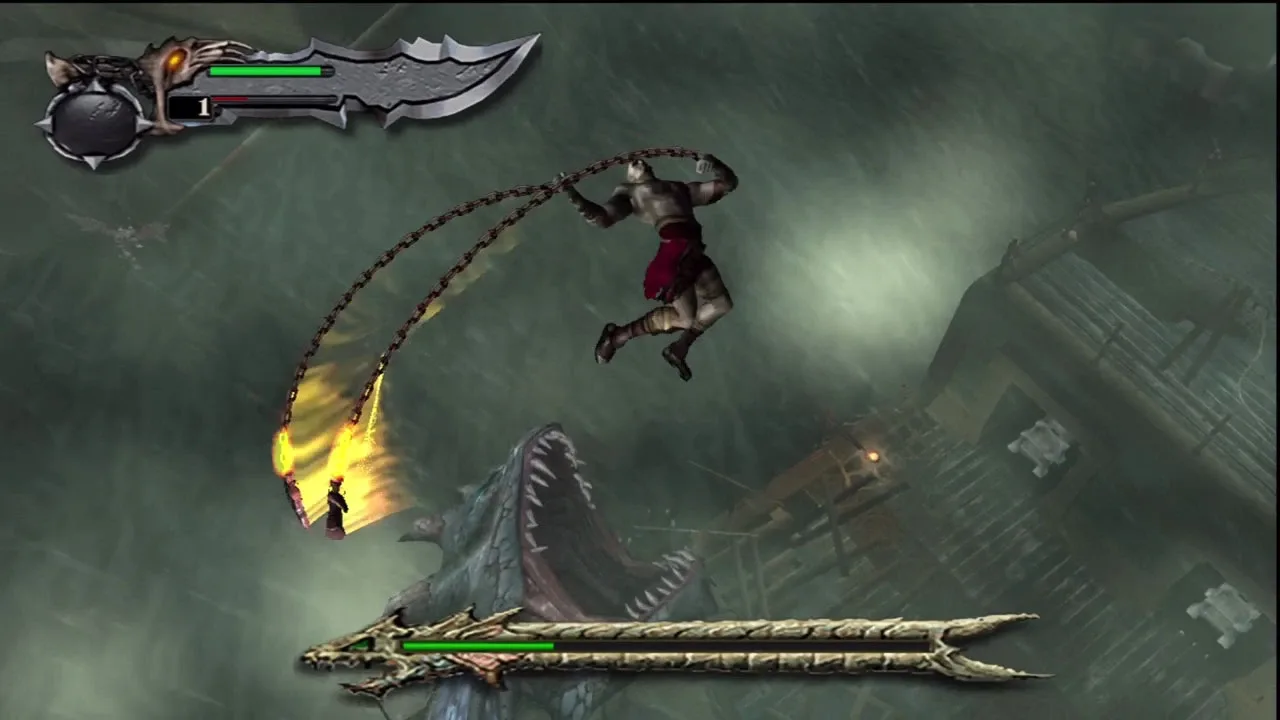
Ares, the god of war, manipulates the Spartan warrior Kratos into killing his own wife and daughter. Consumed by revenge and a desperate search for redemption, Kratos sets out to take down the entire pantheon of Greek gods. And so begins one of the most brutal and tragic stories in the action games of this decade. Santa Monica Studio released the first game in 2005 on PlayStation 2, followed by its sequel two years later.
The Blades of Chaos, chained weapons bound to the hero's arms, drive a dynamic combat system full of combos, magic attacks, and spectacular quick time events used to finish off enemies and take down massive bosses, like the legendary Hydra that opens the first game or the Colossus of Rhodes in the second. Add in platforming sections and environmental puzzles, and you get a sense of scale rarely seen at the time. For a lot of players, God of War became nothing less than a synonym for action games of the decade.
Honorable Mention: Grand Theft Auto: San Andreas (2004)
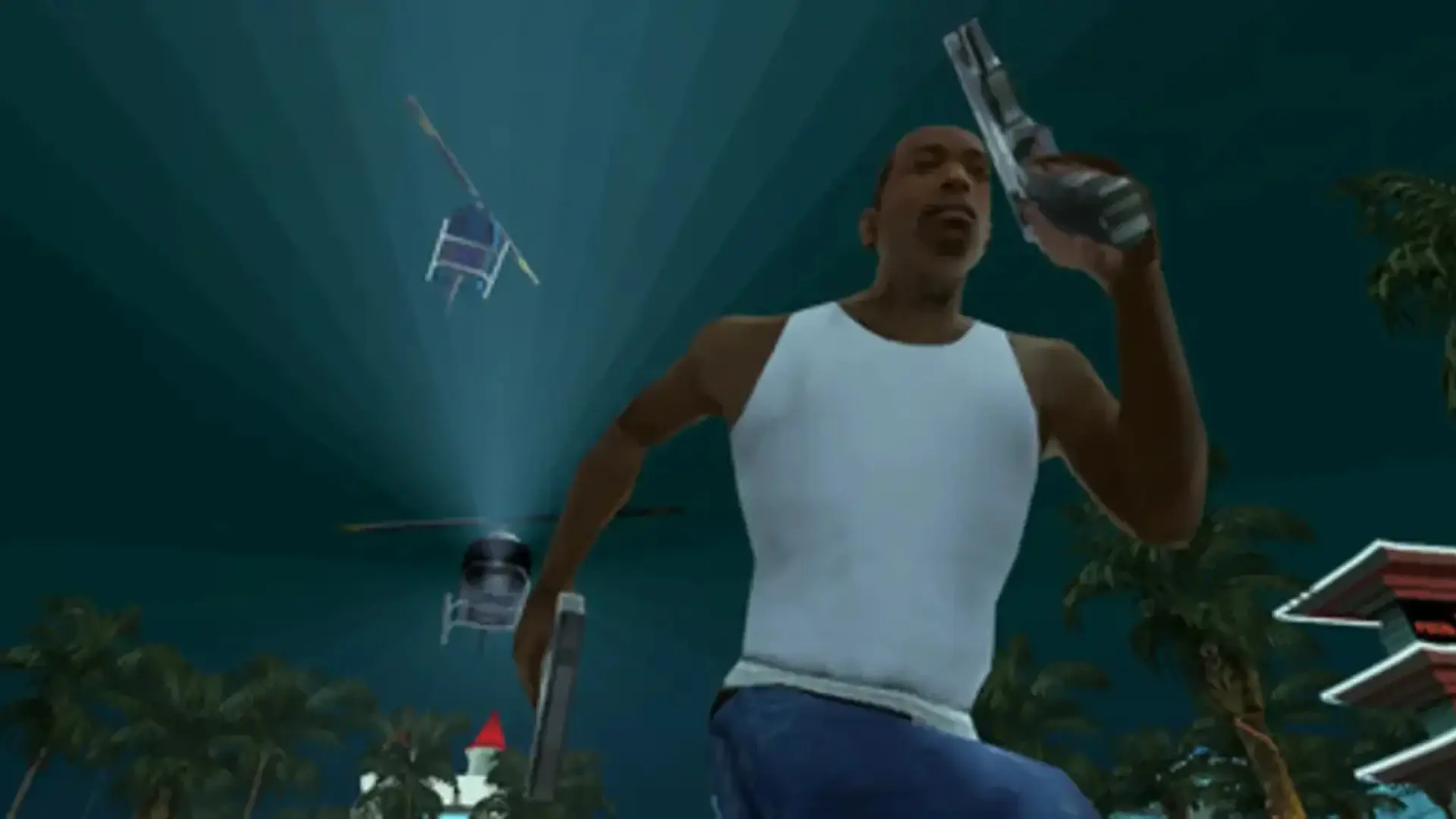
At its core, San Andreas is a game about exploration and character building, not a pure action title. Carl "CJ" Johnson returns to his home turf of Los Santos, pulled back onto a path he was desperately trying to escape. Rockstar Games introduced deep RPG lite systems here: food affecting your character's weight, gym training, relationships with other characters, and appearance customization. While these elements are clearly a departure from the other games on this list, GTA San Andreas still earns its place in the pantheon.
San Andreas delivered some of the most memorable action moments of the decade. Wild car chases, shootouts during story missions, chaotic gang battles across the streets of Los Santos, San Fierro, and Las Venturas. For a lot of players, this is the first thing that comes to mind when they hear the word "action" from the PlayStation 2 era, even though it technically belongs to a different genre. Too culturally significant to leave out, but too far removed from pure combat design to go head to head with God of War or Ninja Gaiden.
Tagged In
Devil May CryFar CryNinja GaidenMetal Gear Solid 3Max PayneGears of WarHalf-life 2Call of DutyResident EvilGod of WarGta
Discussion
0We want to hear from you. Share your perspective in the comments below, and please keep the conversation respectful.
Log in to join the discussion - vote, reply, and share your take.
Log In