
The 11 best life sims for building another life
From carefully designed dream homes to islands full of unhinged neighbors, these games make ordinary routines surprisingly difficult to leave behind.
Life sims work because the smallest decisions can become the entire evening. You sit down intending to move a sofa, plant a few crops or introduce two characters. Three hours later, somebody has started a family argument, the kitchen has burned down and you are rebuilding the house around a swimming pool nobody can afford.
The games below approach that fantasy from different directions. Some hand you complete control over a household. Others let you become part of a town, restore a workshop or simply watch tiny digital people create their own drama. Farming games qualify when daily life and relationships matter as much as the harvest, but management games with no real personal life behind them stay outside the door.
11. Tiny Life
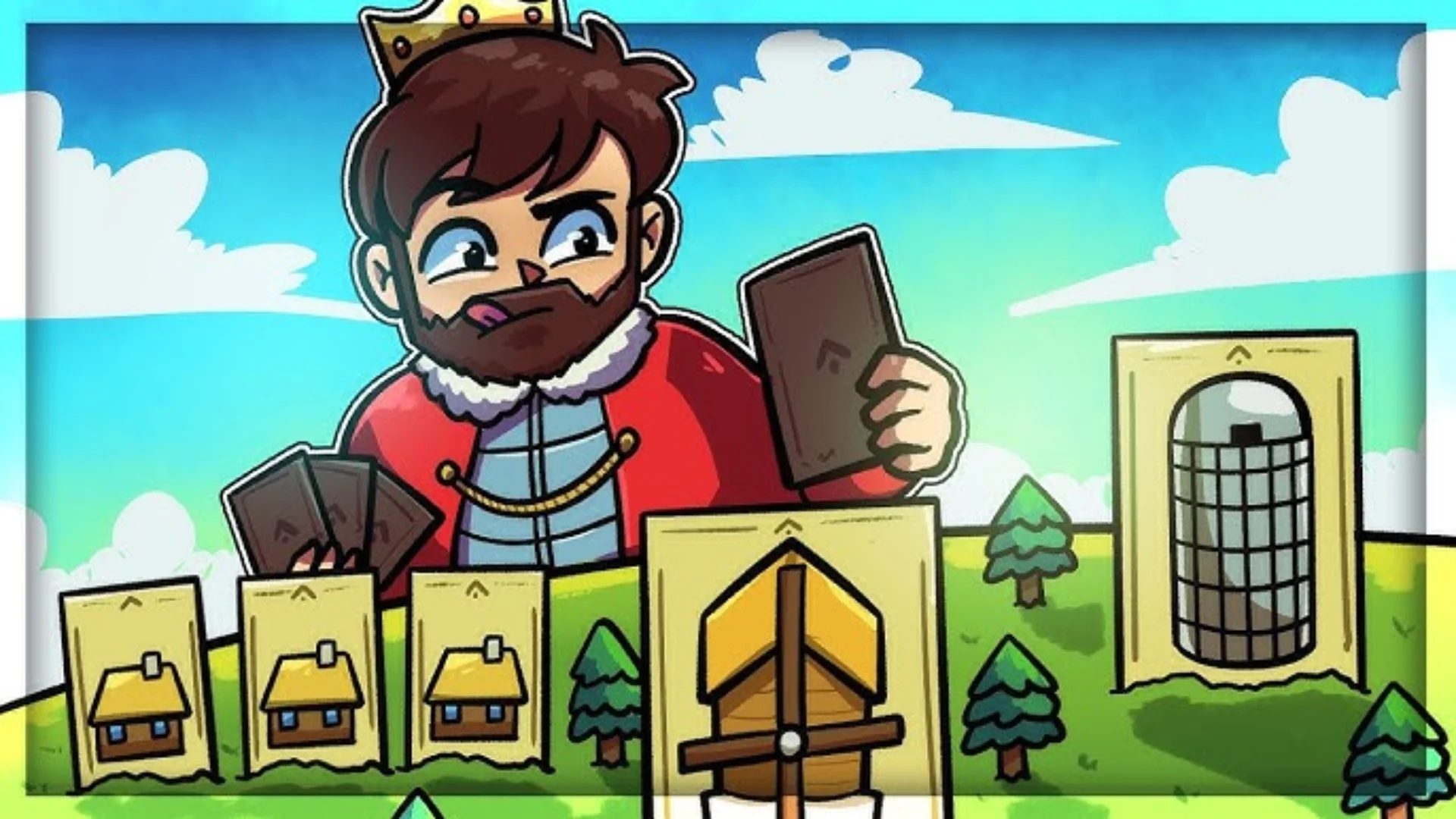
Tiny Life looks modest, but its pixel-art neighborhoods hide a surprisingly capable household simulator. Characters form relationships, develop skills, take jobs and wander through lots that can be redesigned almost tile by tile. Its open neighborhoods also avoid the boxed-in feeling that can make moving between homes in other life sims feel like changing television channels.
The rougher presentation asks for some patience. Animations are basic, conversations can feel mechanical and the personalities of individual Tinies do not always emerge as strongly as their statistics suggest. Its building tools, mod support and willingness to simulate an entire neighborhood make it more than a novelty, though. This is a small game trying to solve some very large problems.
10. inZOI
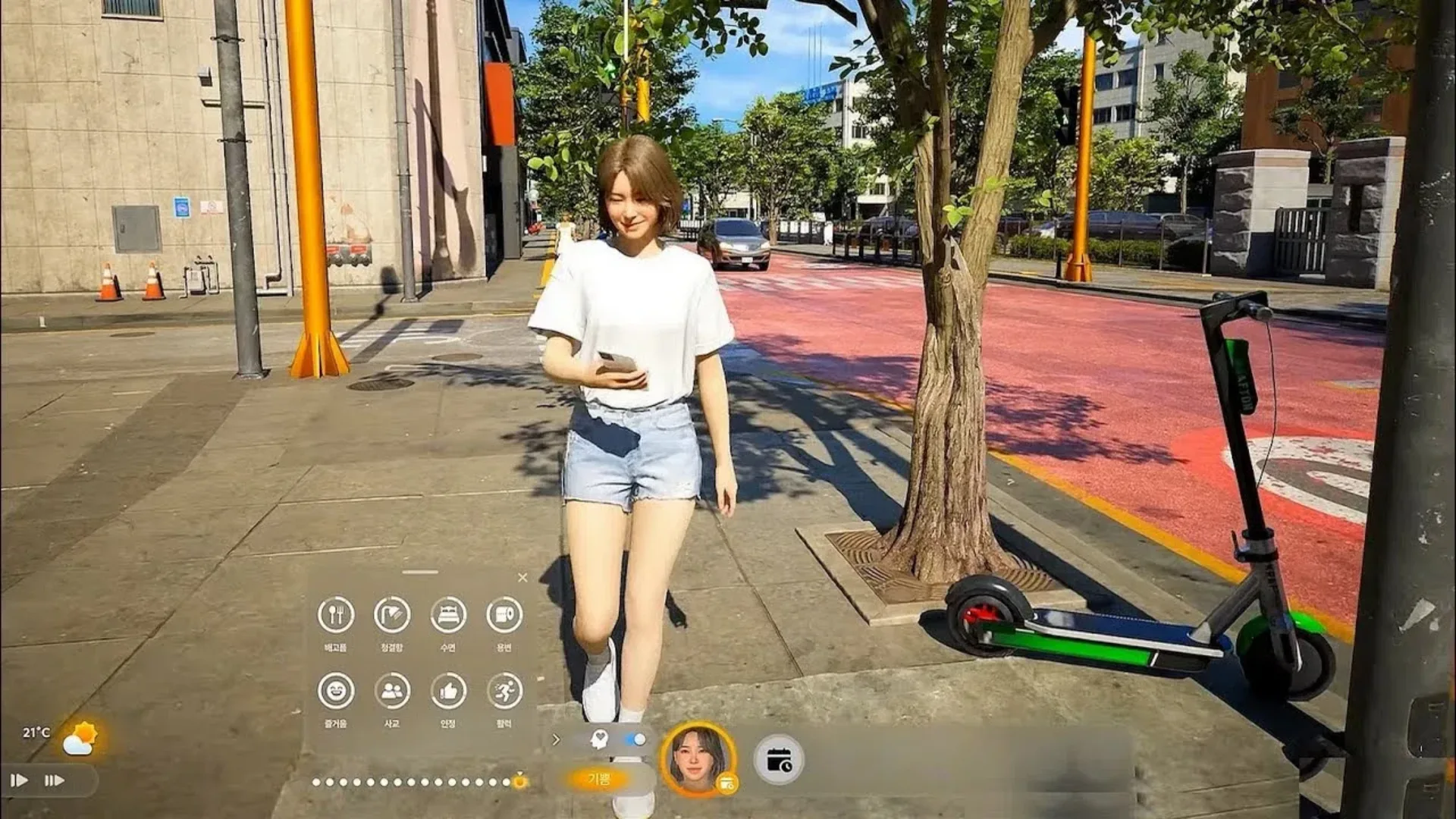
Few life sims can match inZOI when the goal is creating somebody who looks almost real. Its character editor handles faces, clothing and fine visual details with unnerving precision, while the cities resemble glossy architectural renders brought to life. Houses can be decorated down to the clutter, and world settings let players interfere with everything from cleanliness to crime.
The trouble starts after the photographs are taken. Daily life can feel strangely empty, with Zois carrying out beautiful animations without always producing convincing relationships or unexpected behavior. It remains an impressive digital dollhouse and a fascinating work in progress, especially for players who care most about character creation and visual storytelling. The social simulation still needs more mess.
9. Paralives
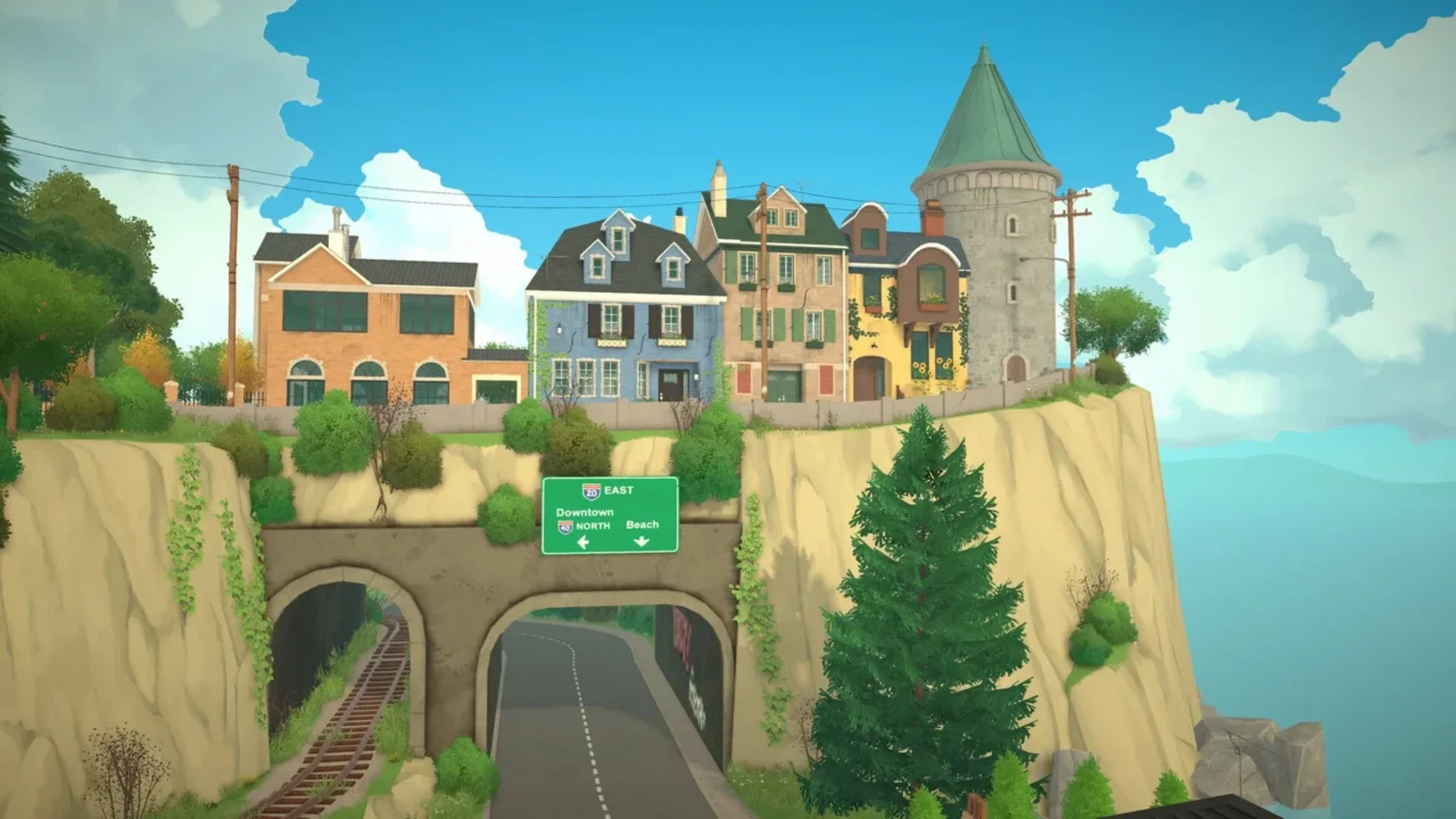
Paralives immediately feels designed by people who have spent years arguing with restrictive build tools. Walls bend to unusual shapes, furniture can be resized and colors are not trapped inside a handful of fixed swatches. Creating a Para is similarly flexible, with height, body shape and clothing controls that make households feel less uniform.
Its live mode is quieter than its excellent construction tools. Careers, relationships and everyday activities are all present, but the simulation can run out of surprises sooner than the best games in the genre. Even so, the relaxed art style and small domestic details give it warmth. Watching a Para potter around a carefully built apartment already feels more personal than managing a prettier but emptier city.
8. Disney Dreamlight Valley
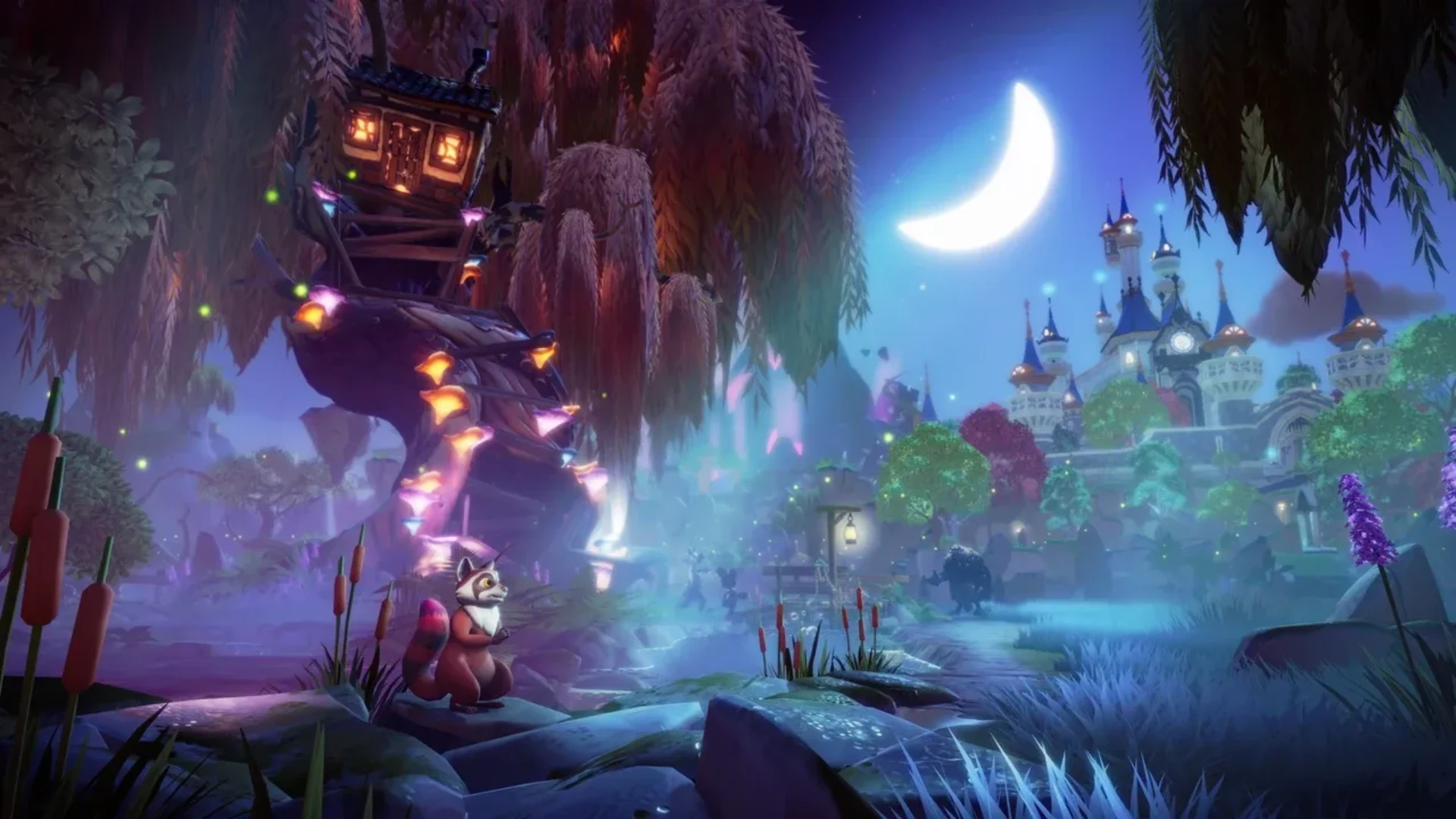
Disney Dreamlight Valley turns household chores into an elaborate excuse to spend time with Disney and Pixar characters. Fishing with Goofy, cooking for Remy and helping Wall-E tend his garden are simple activities, but the familiar cast gives every errand an easy sense of purpose. The valley gradually changes from an overgrown collection of biomes into a personalized theme park full of homes, paths and decorated gathering spaces.
The quest design can become repetitive, and its currencies, events and premium shop add more commercial noise than a relaxing life sim needs. The decorating tools and steady character additions still give it considerable staying power. It is particularly good at making a daily twenty-minute check-in become an hour of rearranging furniture.
7. Tomodachi Life: Living the Dream
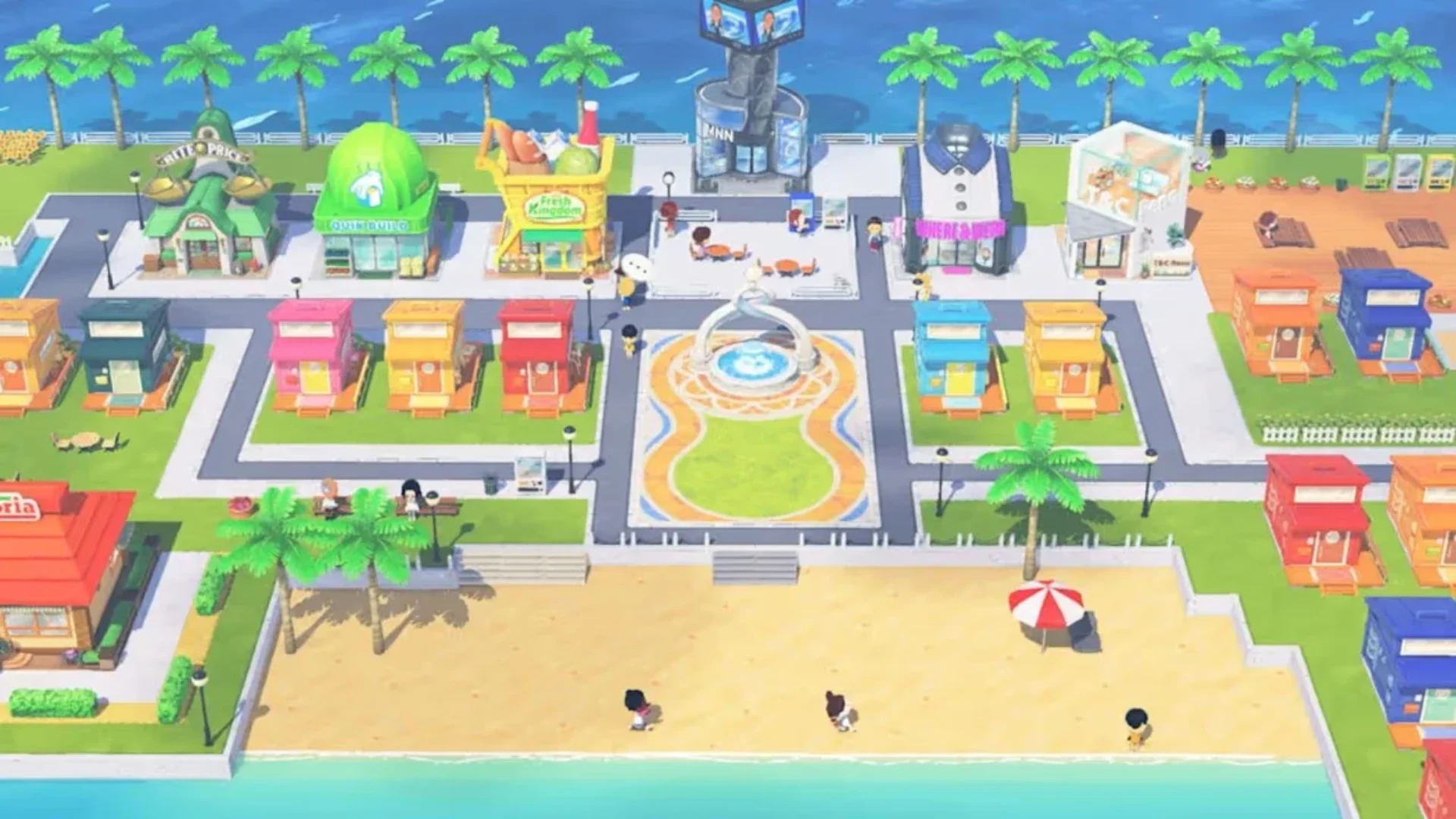
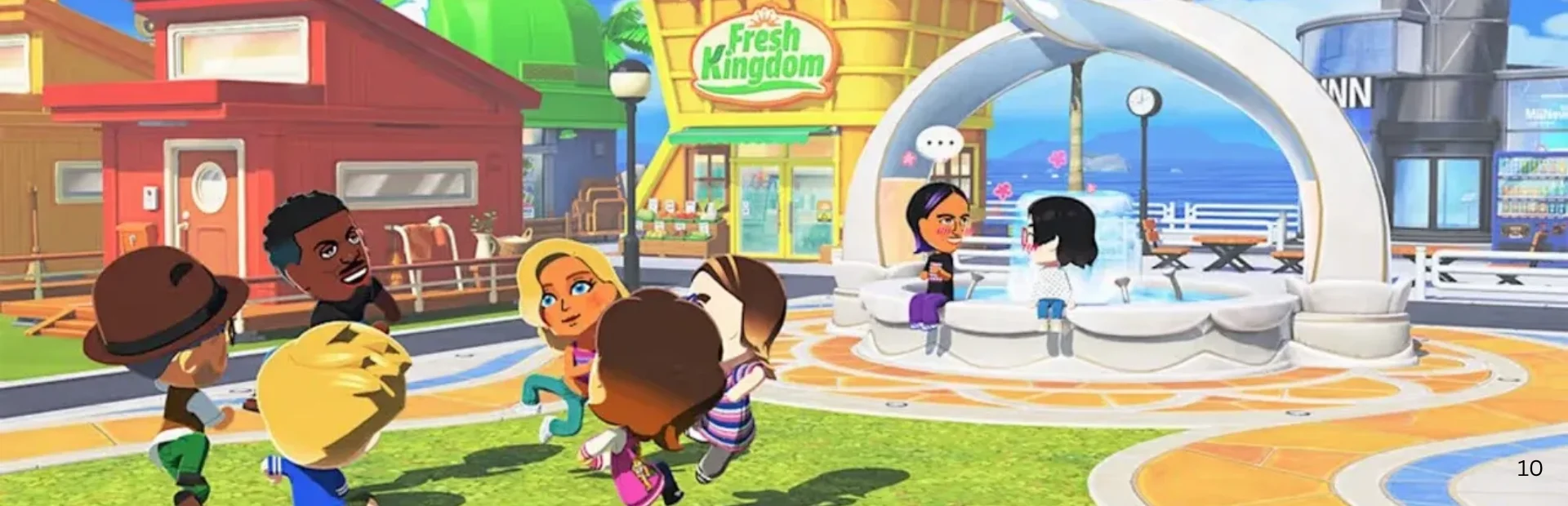
Most life sims ask you to control people. Tomodachi Life: Living the Dream is happier letting you create them and then watch the consequences. Populate an island with friends, celebrities, fictional characters or badly disguised versions of your colleagues, and the Miis begin forming friendships, feuds and hopeless romantic attachments without waiting for a sensible script.
The pleasure comes from the gap between familiar faces and absurd behavior. A serious character may perform a ridiculous song, while two people who would never meet in reality become inseparable over lunch. Requests and minigames repeat after enough hours, but the island rarely stays predictable for long. It plays less like managing a household and more like producing a reality show whose cast has stopped listening to you.
6. My Time at Sandrock
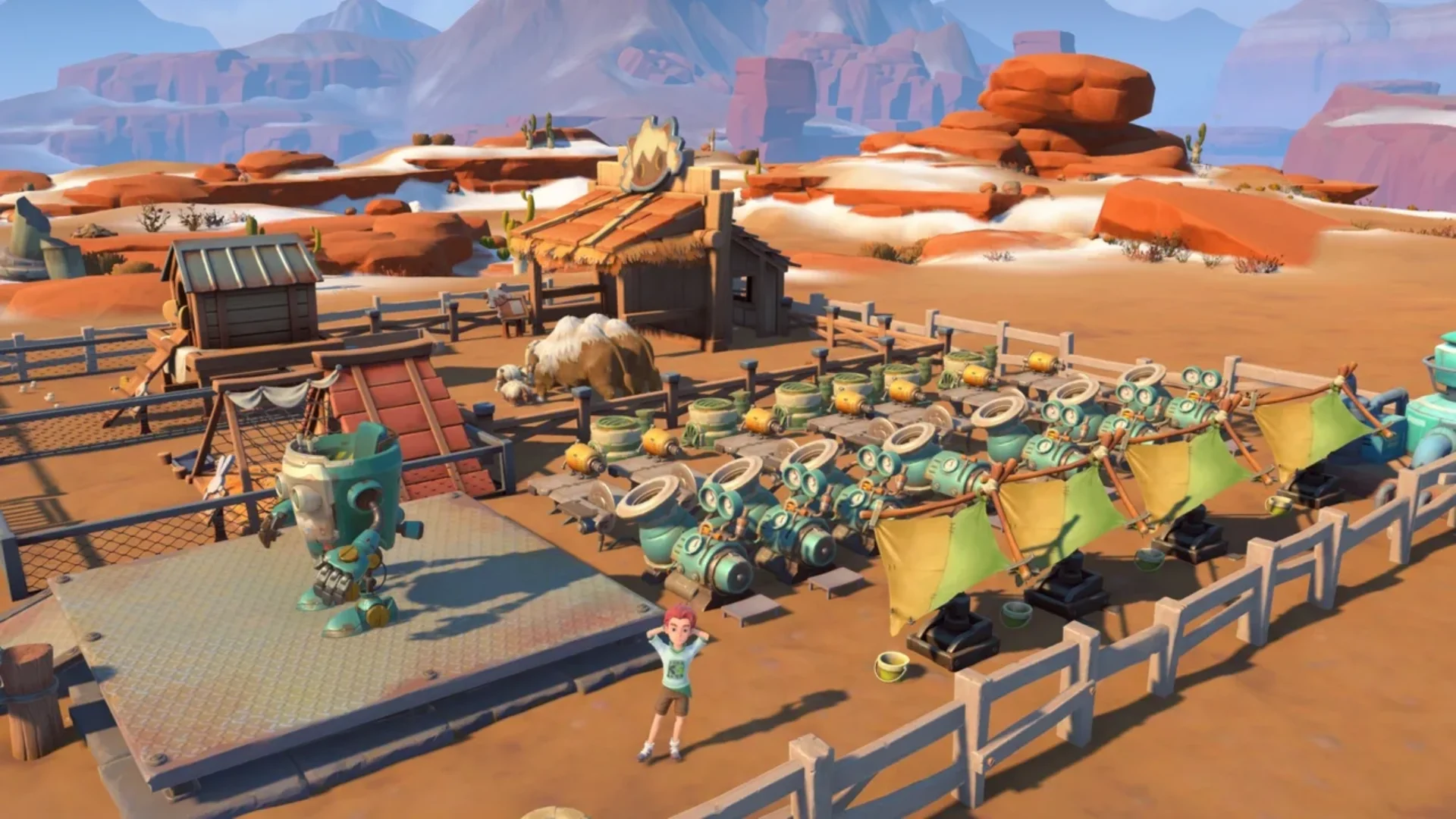
Life in Sandrock revolves around a workshop, but the game is far more interested in community than its machines initially suggest. Each commission contributes to rebuilding a struggling desert town, so crafted bridges, water systems and public structures leave visible marks on the place. The cast responds to that progress with long storylines, friendships and romances that develop over dozens of hours.
Crafting can become a forest of machines processing materials for other machines, and the early resource grind occasionally slows the story to a crawl. Its quests and characters carry it through those stretches. Sandrock feels like a town with a future rather than a static collection of shops, and the player becomes part of that future one slightly overcomplicated contraption at a time.
5. The Sims 4
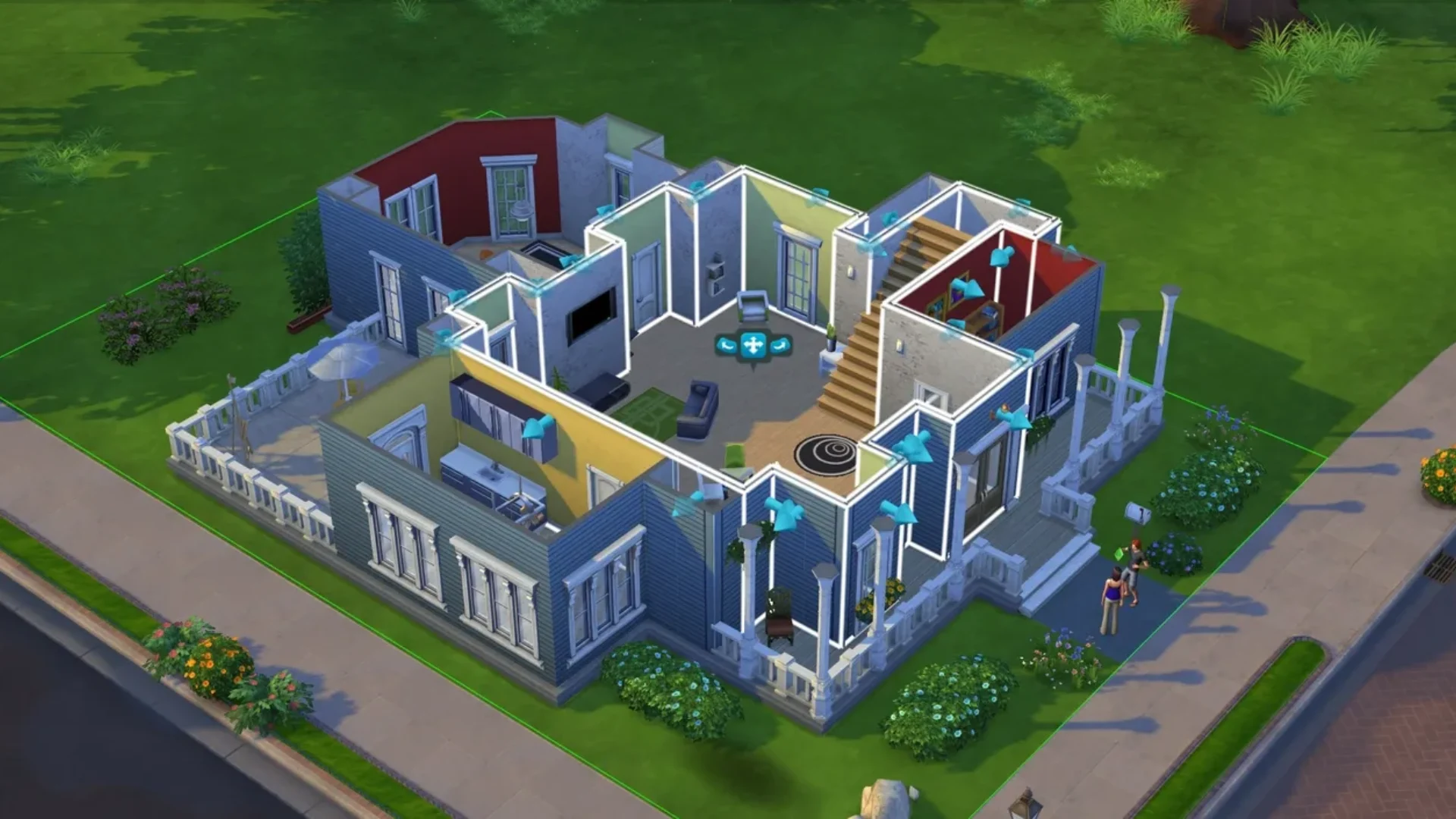
No other current life sim gives players this many ways to construct a household fantasy. The Sims 4 has exceptional building tools, expressive characters and a huge catalogue covering careers, university, parenthood, fame, magic, pets and almost every decorating style imaginable. Its Create-a-Sim remains approachable enough to build a family quickly and deep enough to lose an entire evening adjusting outfits.
That enormous catalogue is also its ugliest weakness. Too much of the fuller simulation sits across years of paid expansions, and the base game's personalities can feel thinner than the traits imply. With the right collection of packs, however, it becomes an enormous storytelling toy. Few games are better at turning a respectable family plan into divorce, ghosts and an unexplained fire before Monday.
4. Fields of Mistria

The bright Game Boy Advance-style artwork gets the first glance, but Mistria's residents are what keep the days moving. Conversations change frequently, townspeople gather without waiting for the player and group scenes make them feel connected to one another rather than stationed around town as romance options.
Farming, archaeology, mining and magic follow a familiar seasonal routine, polished by sensible upgrades and a generous flow of discoveries. The game borrows openly from the classics, sometimes closely enough that individual systems feel recognizable before they are introduced. Its writing gives those familiar routines new energy. Visiting the inn is worthwhile because the people inside are funny, nosy and involved in lives beyond the player's courtship schedule.
3. Animal Crossing: New Horizons
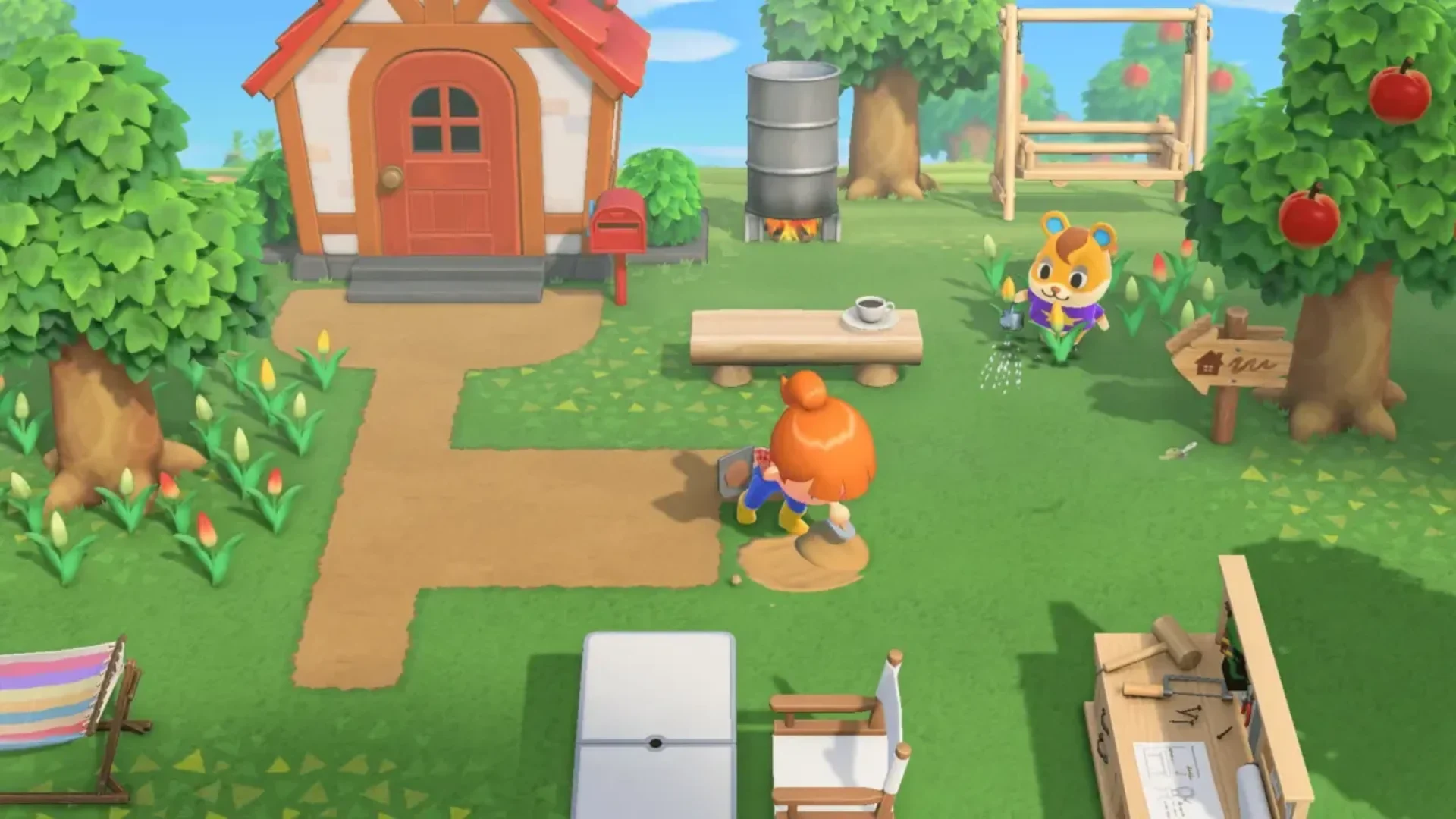
New Horizons turns slow progress into a ritual. Trees grow in real time, shops change their stock each day and neighbors continue their routines whether you visit or not. That pace can be frustrating when a bridge takes another day to appear, but it also gives the island a sense of continuity that faster games struggle to create.
Terraforming and outdoor furniture let players reshape almost every visible corner, producing islands that range from quiet villages to elaborate theme parks. The villagers eventually repeat themselves, and multiplayer offers fewer shared activities than it should. Still, few games make checking the mail, searching for a missing fossil and moving one garden bench feel like such a pleasant use of an evening.
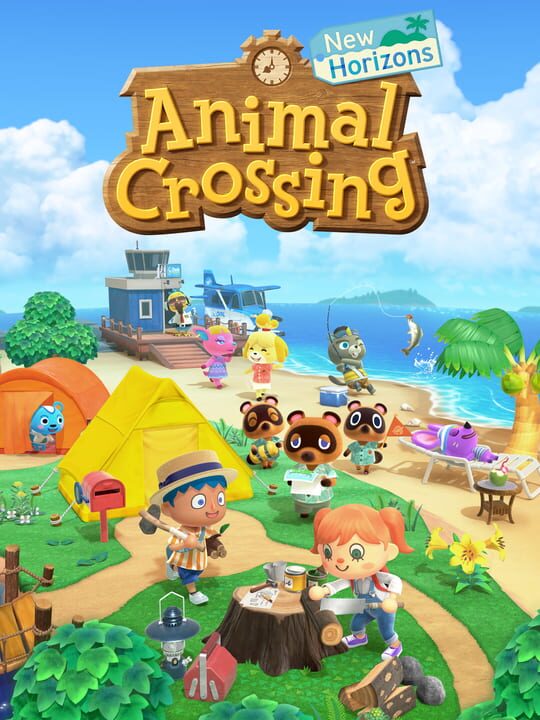
Animal Crossing: New Horizons
Escape to a deserted island and create your own paradise as you explore, create, and customize in Animal Crossing: New Horizons. Your island getaway has a wealth of natural resources that can be used to craft everything from tools to creature comforts. You can hunt down insects a
Released
March 20, 2020
Developer
Nintendo EPD Production Group No. 5
Publisher
Nintendo


2. Stardew Valley

The farm provides the structure, but Pelican Town is the reason Stardew Valley becomes a life rather than a sequence of harvests. Seasons change the work, festivals interrupt routine and relationships slowly reveal the people behind familiar daily routes. A morning spent watering crops can drift into a trip through the mines, dinner at the saloon and a walk home in the rain.
Its pixel art leaves space for imagination, while the soundtrack gives each season a mood that returns like a memory. There is enough optimization for players who want perfect profits, but the game never requires that pace. A small orchard, a favorite fishing spot and a few good neighbors can be just as satisfying as an industrial field of ancient fruit.
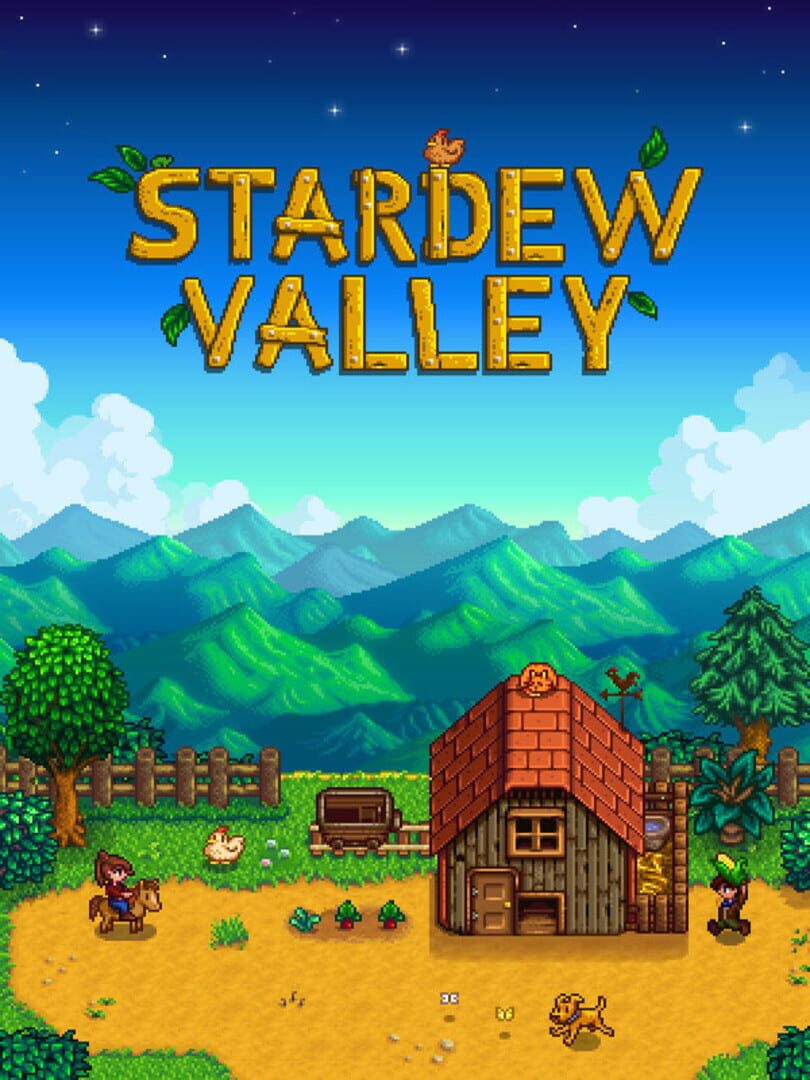
Stardew Valley is an open-ended country-life RPG! You’ve inherited your grandfather’s old farm plot in Stardew Valley. Armed with hand-me-down tools and a few coins, you set out to begin your new life. Can you learn to live off the land and turn these overgrown fields into a thri
Released
February 26, 2016
Developer
ConcernedApe
Publisher
Chucklefish Games
1. The Sims 3
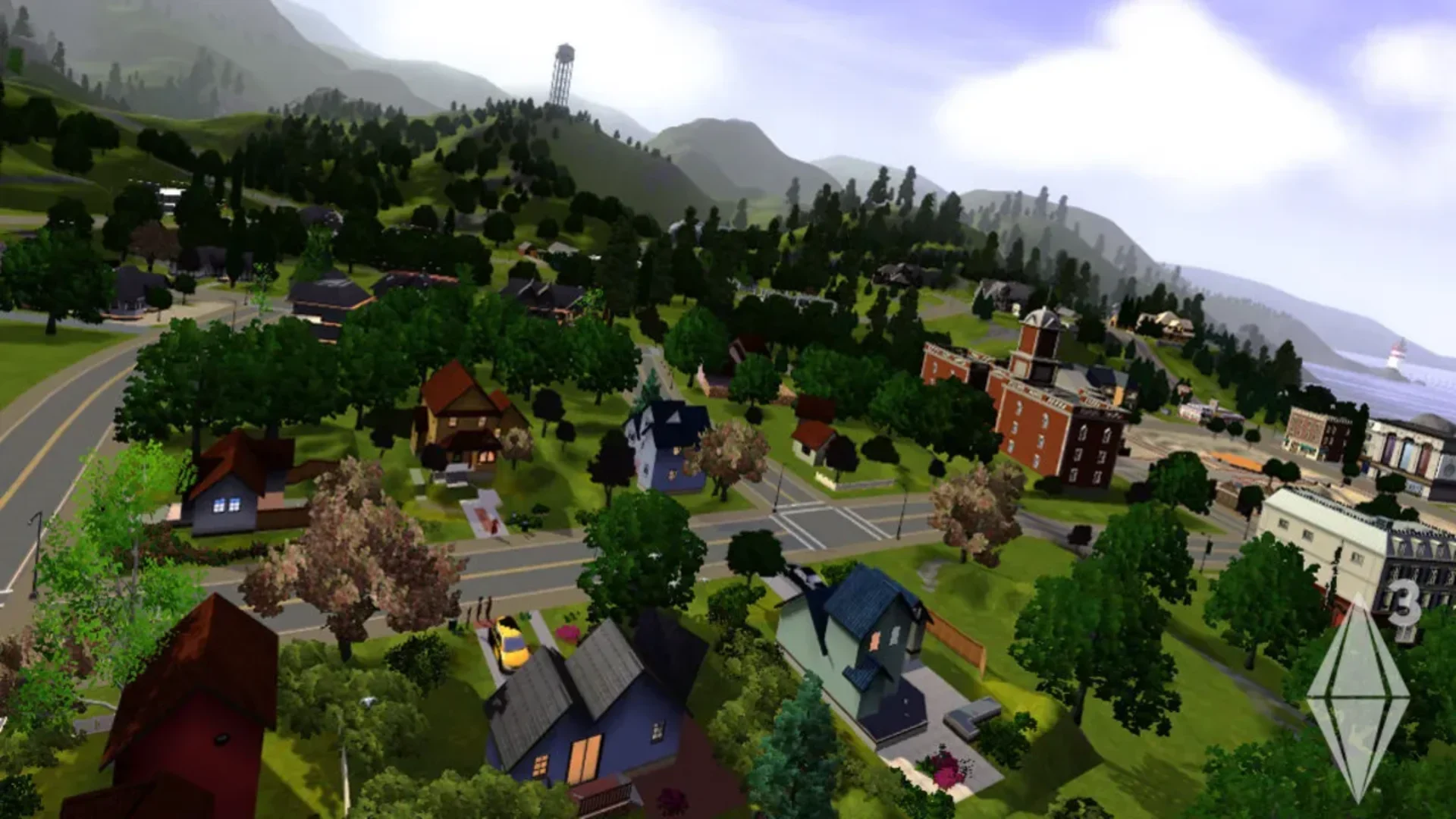
The Sims 3 remains the richest simulation of ordinary life because its open world allows households to exist inside a community rather than on isolated stages. Neighbors leave for work, visit parks, start relationships and make questionable decisions while the player is busy elsewhere. Switching attention to another family does not freeze everybody left behind.
Traits create sharper personalities than the broad emotional moods of its sequel. A coward reacts differently from a snob, a hopeless romantic or an unlucky kleptomaniac, and those combinations regularly produce behavior that feels specific to the Sim rather than selected from a universal animation pool. Its performance can be temperamental, the character models have aged awkwardly and its own expansion catalogue is hardly cheap.
None of that replaces the feeling of following a Sim across town without encountering a loading screen, noticing an old friend outside a restaurant and watching a planned evening veer into something else. The Sims 3 understands that the best life-sim stories are not written in advance. They begin when several ordinary systems collide and create a mess worth remembering.
Tagged In
Discussion
0We want to hear from you. Share your perspective in the comments below, and please keep the conversation respectful.
Log in to join the discussion - vote, reply, and share your take.
Log In