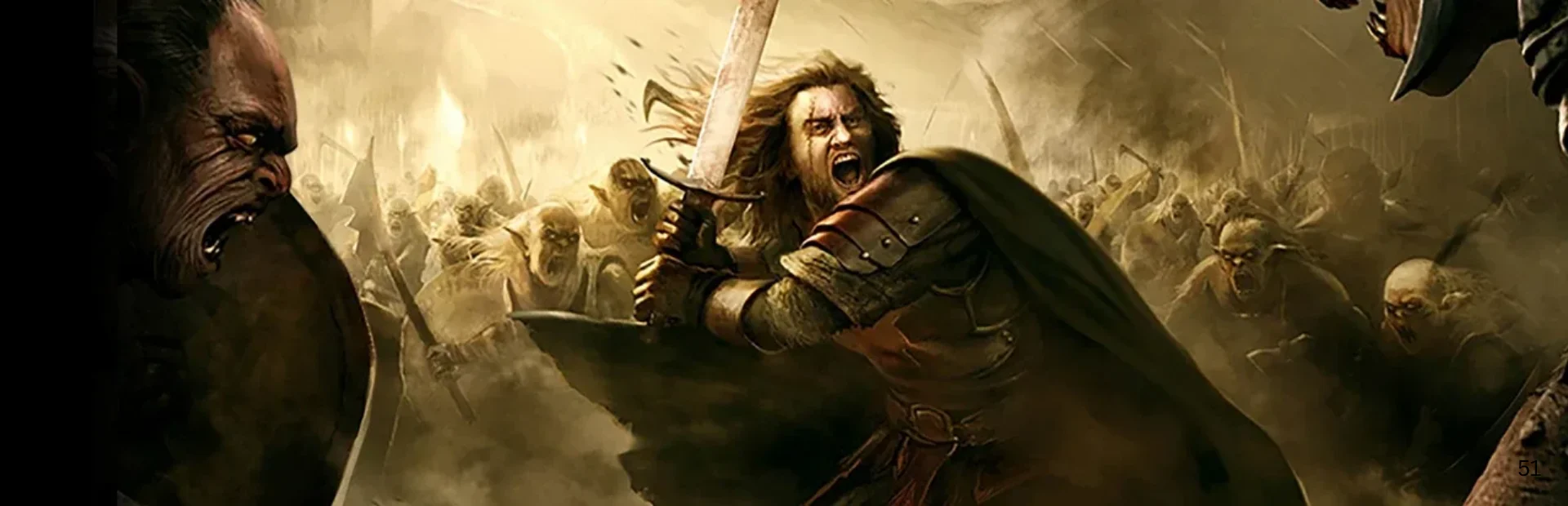
The 12 Best MMOs games
In the strongest MMOs, a weekly raid night can matter as much as the next expansion.
Logging back into an MMO after years away is unlike returning to almost any other game. The hotbars look unfamiliar. A once-busy guild may be silent, while the capital city is full of mounts added during your absence. Then the old route from the bank to the auction house comes back without thought.
A launch review becomes unreliable after a decade of expansions. These games are judged in the form available in 2026, including older worlds whose leveling has changed beyond recognition. Retail World of Warcraft and Classic are separate entries because one rushes toward seasonal endgame while the other makes leveling part of the main event.
Some of these worlds hold together through small routines. Others make every trip beyond a safe city carry a real cost. Middle-earth starts at the quieter end of that range.
12. The Lord of the Rings Online
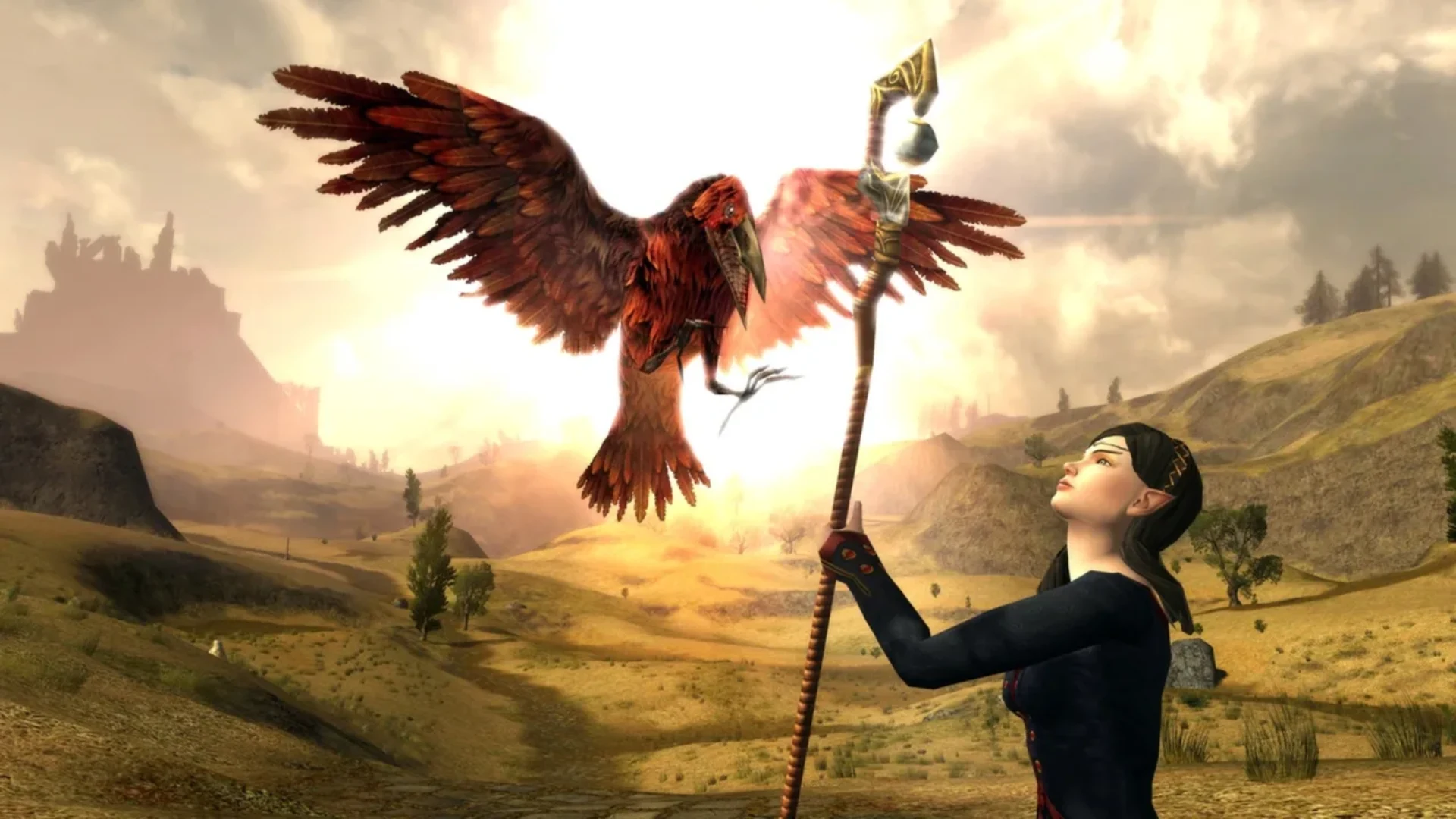
The Lord of the Rings Online turns Tolkien's Middle-earth into a questing MMO that often begins far from the War of the Ring's biggest battles. A new hobbit can spend an early afternoon delivering pies around the Shire while keeping them away from hungry neighbors. Those modest errands establish what life in this part of the world looks like before the Epic Story brings Aragorn and Gandalf into view.
Combat still has the stiff rhythm of a 2007 game, and the interface has accumulated too many currencies and store prompts. The landscape remains the reason to stay. Walking into Rivendell or following the road toward Moria gives Middle-earth a sense of distance that faster MMOs often lose.
11. Star Wars: The Old Republic
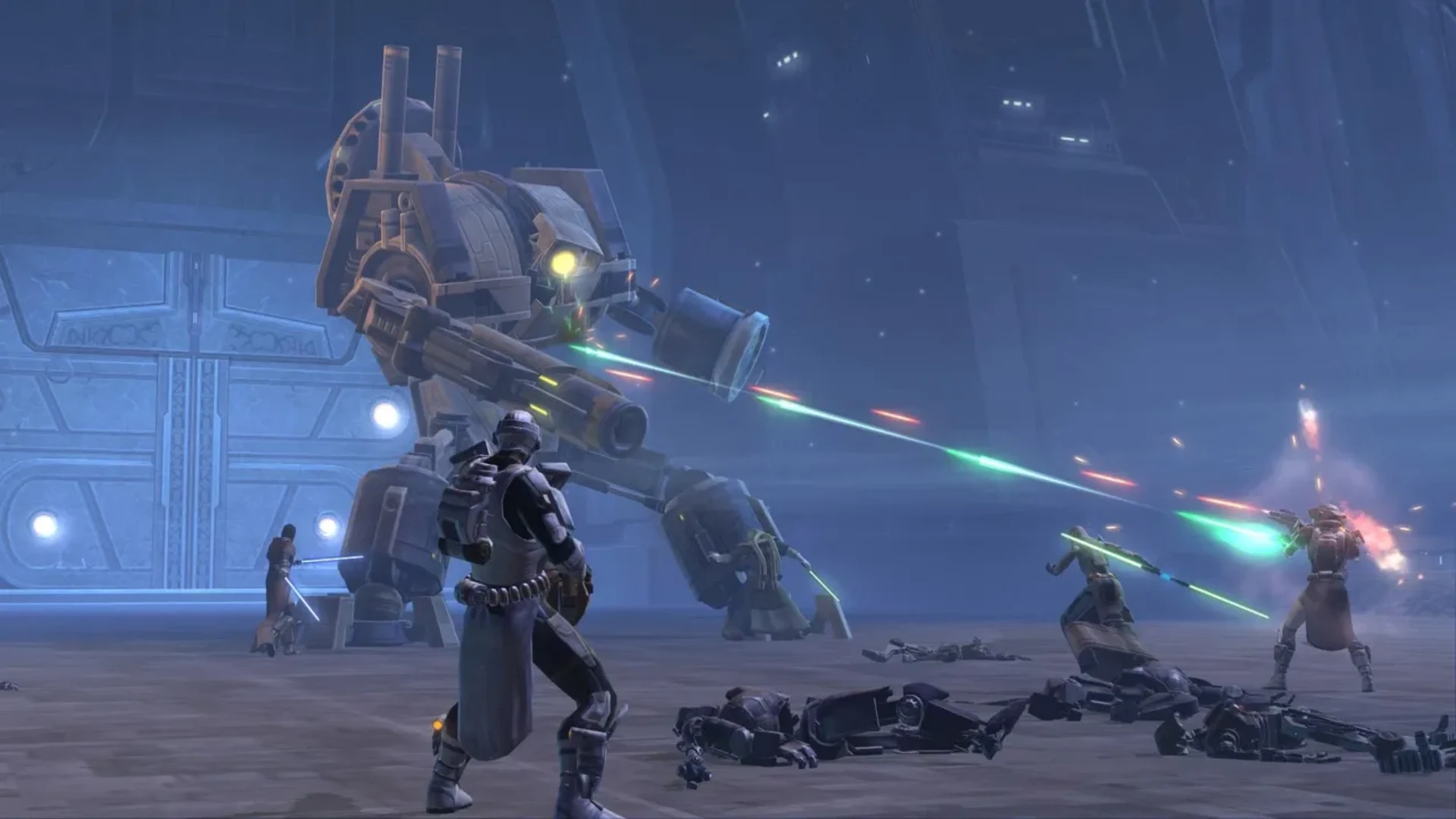
Star Wars: The Old Republic is a BioWare RPG stretched across shared planets. Its original class campaigns give every character a voiced story, with dialogue choices that can change a mission's outcome. The Imperial Agent route is the standout because its shifting loyalties make those choices feel less obvious than a simple light-side or dark-side decision. Companion conversations aboard the ship also give each class a home between planets.
The MMO around those stories is less convincing. Planetary questing sends characters through wide corridors filled with disposable enemies, and the combat rarely asks much during the long leveling run. Flashpoints are enjoyable with a group, but the class stories remain the strongest reason to install it.
10. Black Desert Online
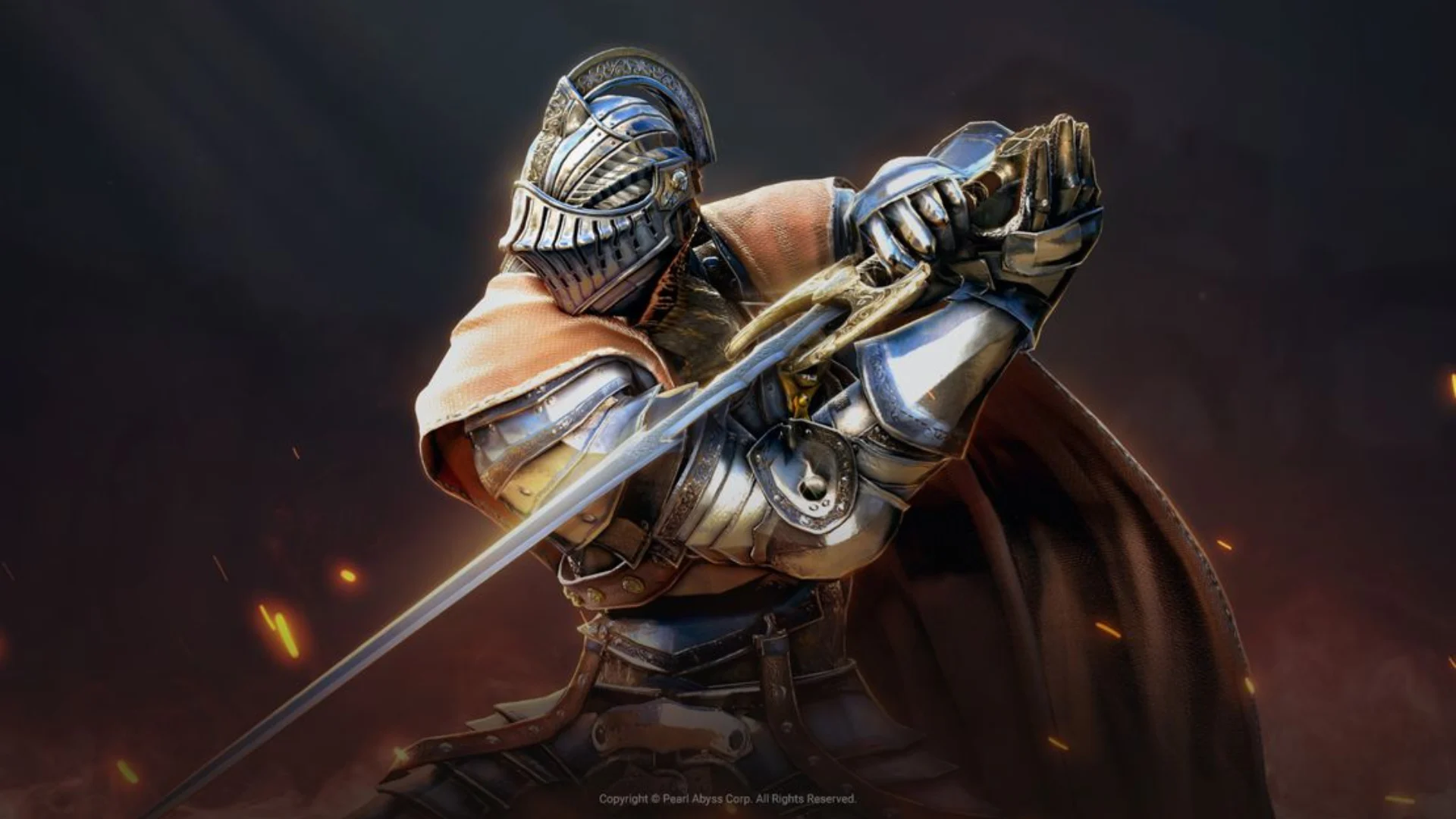
Most MMOs place abilities across a hotbar. Black Desert Online maps many attacks to mouse buttons and directional inputs, which makes fighting feel closer to an action game. A Sorceress can cancel out of one move and reposition before the next hit lands. That control keeps long grinding sessions lively when the objective is simply to clear another dense pack of enemies.
The surrounding systems are much harder to read. Menus bury basic information, while gear enhancement can turn a useful upgrade into an expensive failure. Years of monetized convenience items also make it difficult to tell where ordinary progression ends and a paid shortcut begins.
9. The Elder Scrolls Online
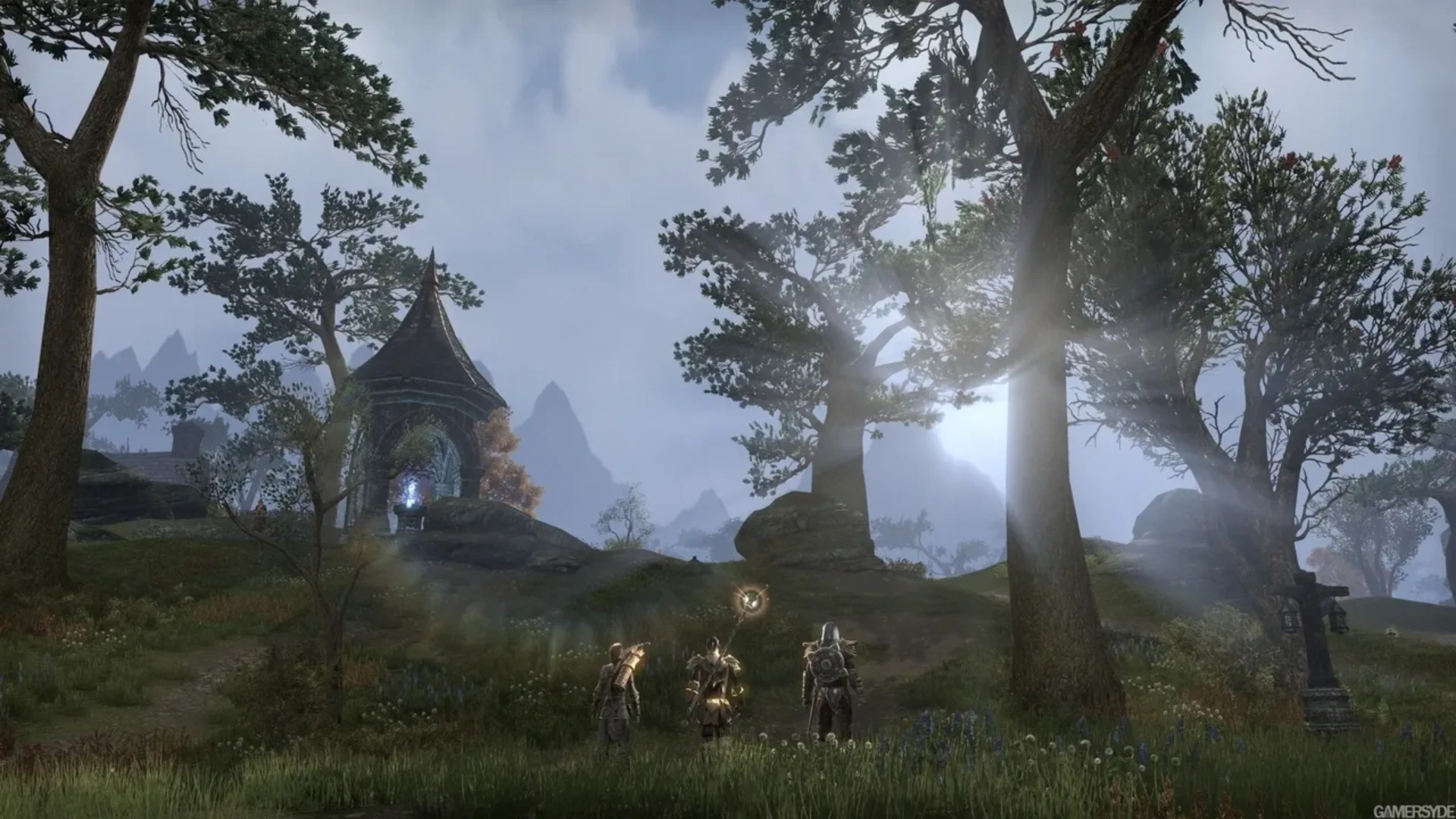
The Elder Scrolls Online lets a newly created character travel almost anywhere in Tamriel after the tutorial. Level scaling means that friend can head straight to Vvardenfell and quest beside a veteran without one of them erasing every enemy in a hit. It gives the world unusual freedom, and fully voiced side stories make a detour into an unfamiliar town worth taking.
Combat is the weak link. Light-attack weaving makes high-level damage feel busy rather than forceful, and the Crown Store is too visible for a game with paid expansions. Inventory pressure also nudges dedicated crafters toward the subscription's unlimited material bag.
8. EVE Online
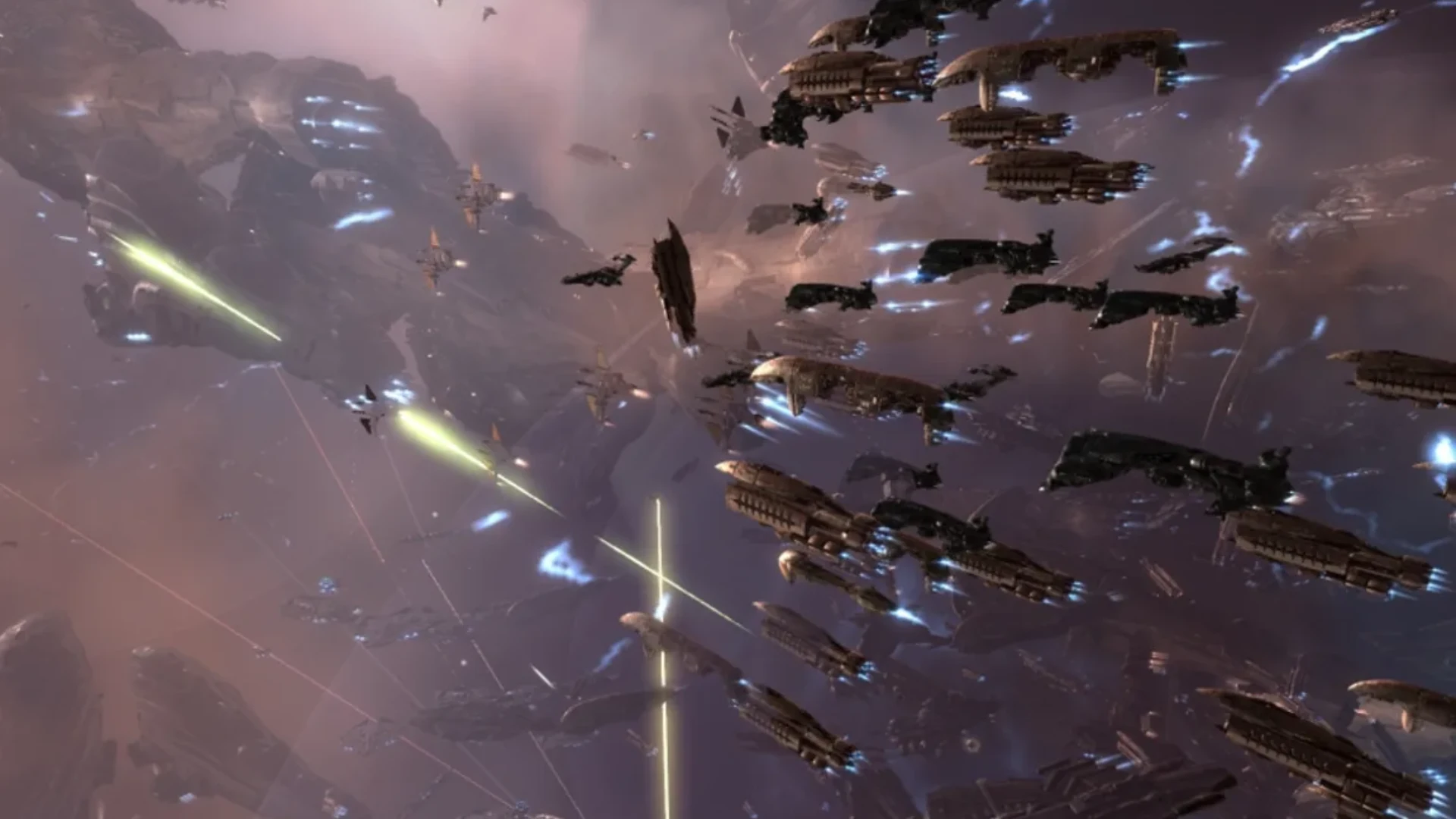
In EVE Online, the ship is equipment rather than a permanent avatar. If it explodes, the hull and its fitted modules are gone. Part of the cargo may be left behind for whoever won the fight. That threat changes a routine trip through New Eden because the value in the hold is never just a number on an inventory screen.
The loss feeds a player-run economy. When a corporation loses a fleet, its replacements must be built. That demand reaches miners and traders several regions from the battle. Few games make logistics feel this important.
Learning how to take part remains difficult. The interface is dense, and useful knowledge often lives outside the client.
Large conflicts can involve hours of waiting before a short burst of action. EVE asks for more patience than most games on this list, but its risks are real in a way theme-park MMOs rarely attempt.
7. World of Warcraft Classic
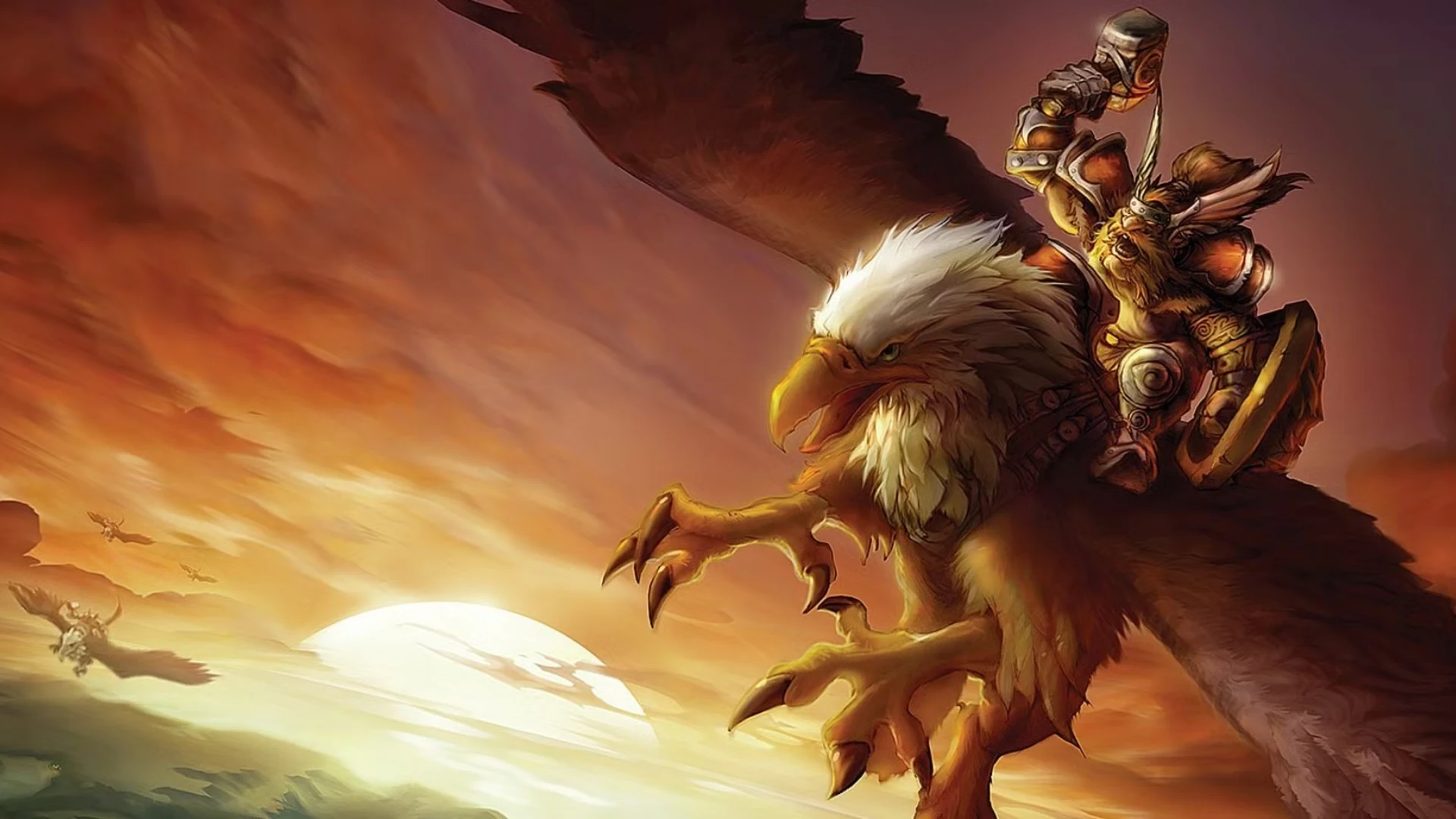
Blizzard now runs several older versions of Azeroth under the Classic name. Classic Era preserves the clearest version of the original idea, where leveling is slow and the world does not rearrange itself around one character. In Westfall, the Defias quest chain builds toward the Deadmines. Finding a group and traveling to the entrance are part of that story, not steps skipped by an automatic queue.
That friction makes strangers useful. A priest may stop to help with a difficult pull because both characters need the same quest, and an accidental invite can last for the rest of the zone. It can also waste an evening through poor drop rates or a long corpse run. Class balance is rough, especially for specializations that were never given a proper endgame role.
6. Albion Online
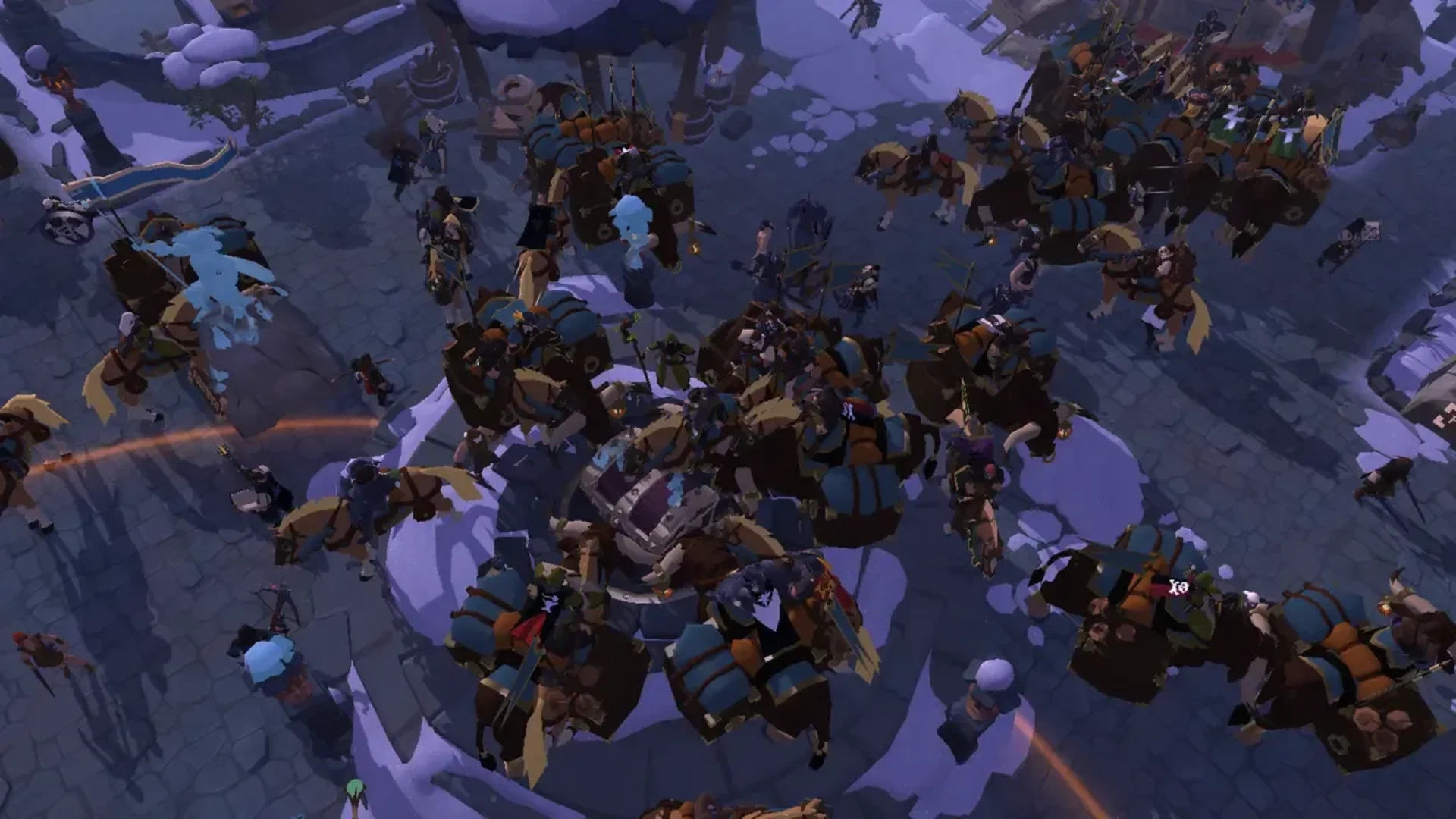
Albion Online is a classless fantasy sandbox where equipped gear determines available abilities. Its economy works because dangerous regions use full-loot PvP. A lost set of armor becomes another order for a crafter, so even basic equipment continues to matter after the server has been running for years. Heading into a black zone with an affordable kit creates a sensible calculation between profit and what can be replaced.
Large groups can make those areas miserable for solo gatherers, and the repeated resource runs are not interesting on their own. The possibility of an ambush makes each trip tense.
5. Final Fantasy XI
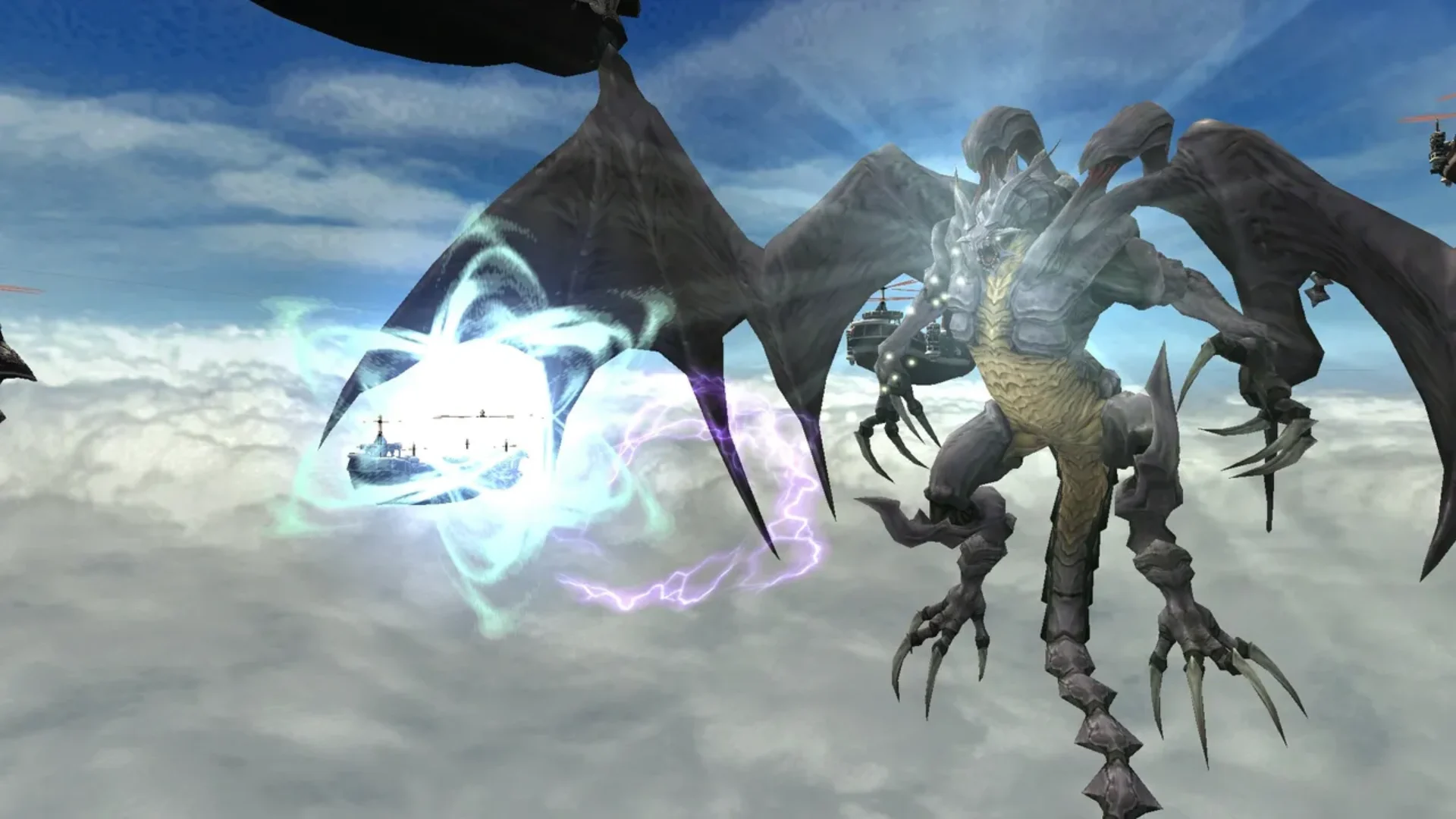
Final Fantasy XI comes from an older school of MMO design. Vana'diel was built around parties, and an ordinary trip beyond town could become dangerous. Quests offered little direction once you arrived. Trusts now allow one character to summon familiar NPCs as party members, making the main stories far easier to see without waiting for the right group to log in.
The job system still gives the game its depth. A support job lends abilities and traits at roughly half the main job's level, so changing that second job can alter how the same character handles a fight. A Warrior can borrow Ninja's Dual Wield, for example, instead of starting another character from scratch.
Its menus still feel designed for a PlayStation 2 controller, and many quest directions assume that a guide is open nearby. Those barriers are substantial. They also surround one of the most distinctive worlds in the genre, not a museum piece kept online without new work.
4. Old School RuneScape
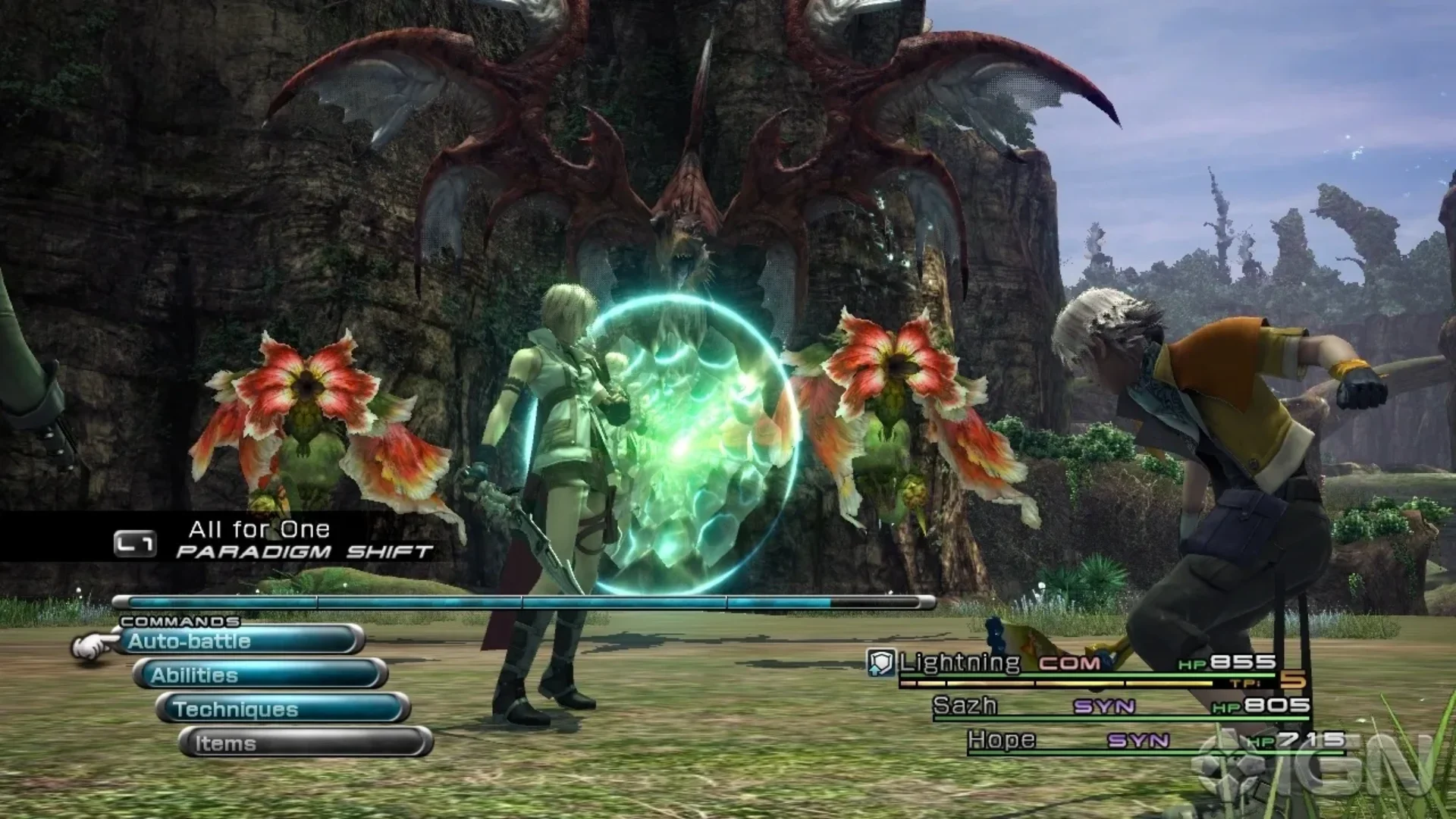
Old School RuneScape began as a restoration of the 2007 game, then grew according to community polls. Its click-based combat looks simple, but the wider game is built on long-term goals. Cutting one more inventory of logs or finishing one more Slayer task has value because skill levels unlock routes through quests and new ways to earn gold.
Sailing, added in 2025 after years of player input, shows how carefully Jagex expands that old foundation. Steering is physical enough that a badly handled sloop can wedge itself into a narrow river. The resulting traffic jam, complete with onlookers heckling from shore, feels more at home in RuneScape than a polished fast-travel menu would.
The grind is extreme. Reaching level 99 in a skill can take hundreds of hours, and efficient training often repeats the same few clicks. Quests provide the relief because they use bespoke puzzles and odd jokes rather than a standard template of map markers.
3. Guild Wars 2
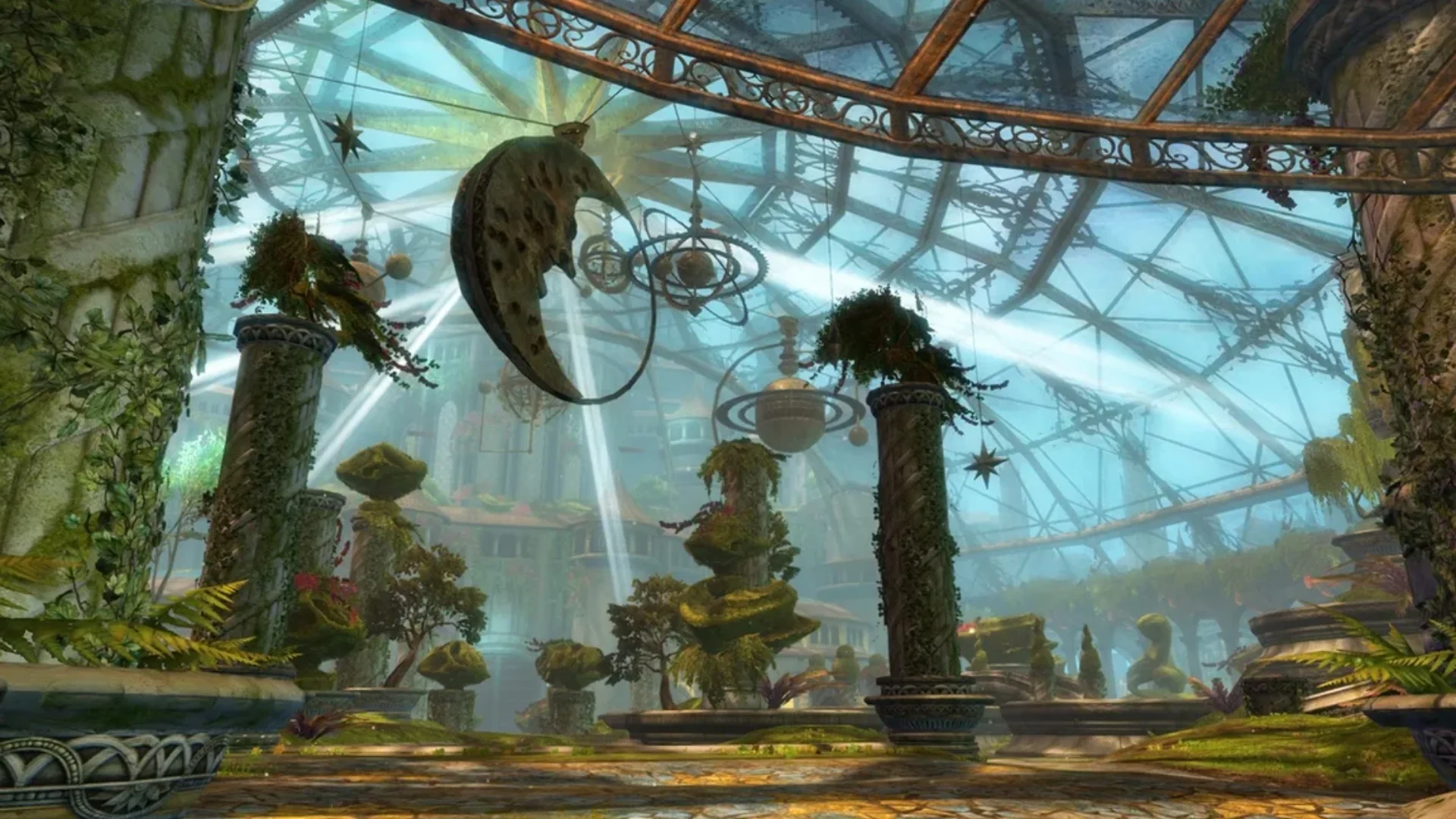
Guild Wars 2 makes cooperation easy without making it formal. When centaurs attack a settlement, anyone nearby can join the defense and receive credit. There is no need to form a party or compete for the final hit. A map can move from scattered solo exploration to a coordinated meta-event because people are already working toward the same outcome.
Its horizontal progression is just as important. Ascended equipment earned years ago can still handle current endgame content, so returning after an expansion does not begin with replacing every item. Masteries open new movement and exploration options instead. The skyscale changes how Tyria is crossed, but it does not make an old sword useless.
Large events can become a blur of spell effects, and the personal story varies sharply in quality across its long timeline. Still, no other major MMO is as good at turning an unplanned meeting in the open world into useful cooperation.
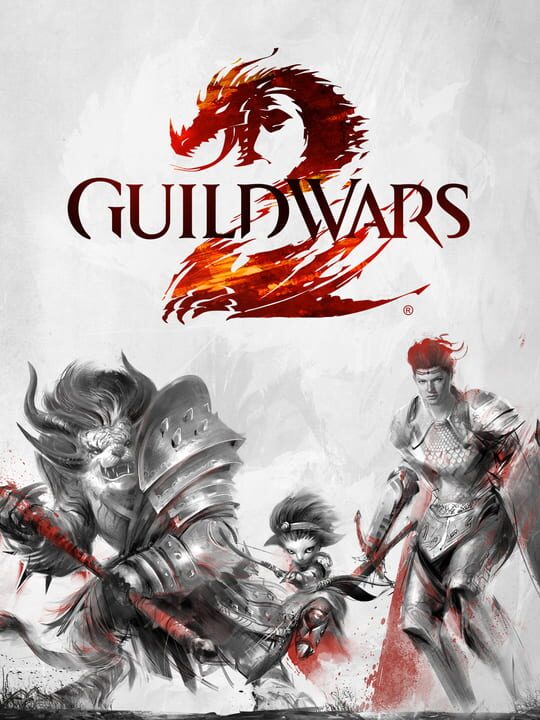
Guild Wars 2
Guild Wars 2 is an online role-playing game with fast-paced action combat, a rich and detailed universe of stories, awe-inspiring landscapes to explore, two challenging player vs. player modes, and no subscription fees!
Released
August 25, 2012
Developer
ArenaNet
Publisher
NCSOFT


2. World of Warcraft
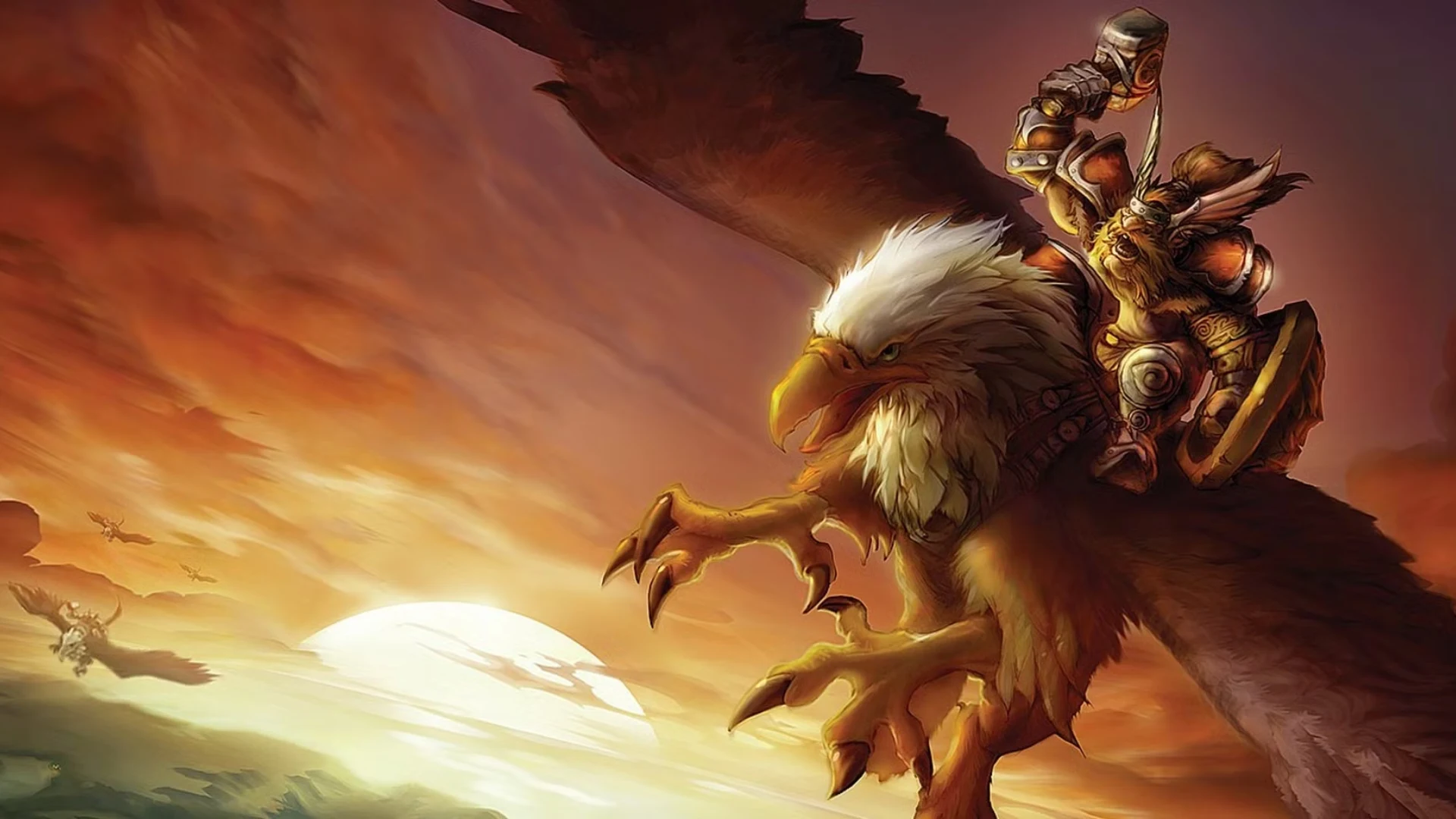
Retail World of Warcraft is now a faster game than the version preserved by Classic. Leveling moves quickly, while the current expansion pushes characters toward repeatable endgame content. That pace puts more weight on dungeons. Few MMOs feel as precise during a demanding pull, where interrupting one dangerous cast matters more than padding the damage meter.
Raids remain readable even when the encounters become complicated. Floor patterns and boss animations usually tell a group what went wrong, which makes another attempt feel worthwhile. Mythic+ adds pressure by placing familiar dungeons on a timer and raising the cost of mistakes. A strong run asks all five members to understand the route rather than follow the tank without thinking.
The newcomer experience is far less controlled. Characters from years of campaigns appear with little context, and the story can feel like several expansion finales stitched together. Seasonal gear resets also make hard-won items temporary. Account-wide systems such as Warbands have reduced some repeated chores, but modern WoW is still built around keeping up with the current season.
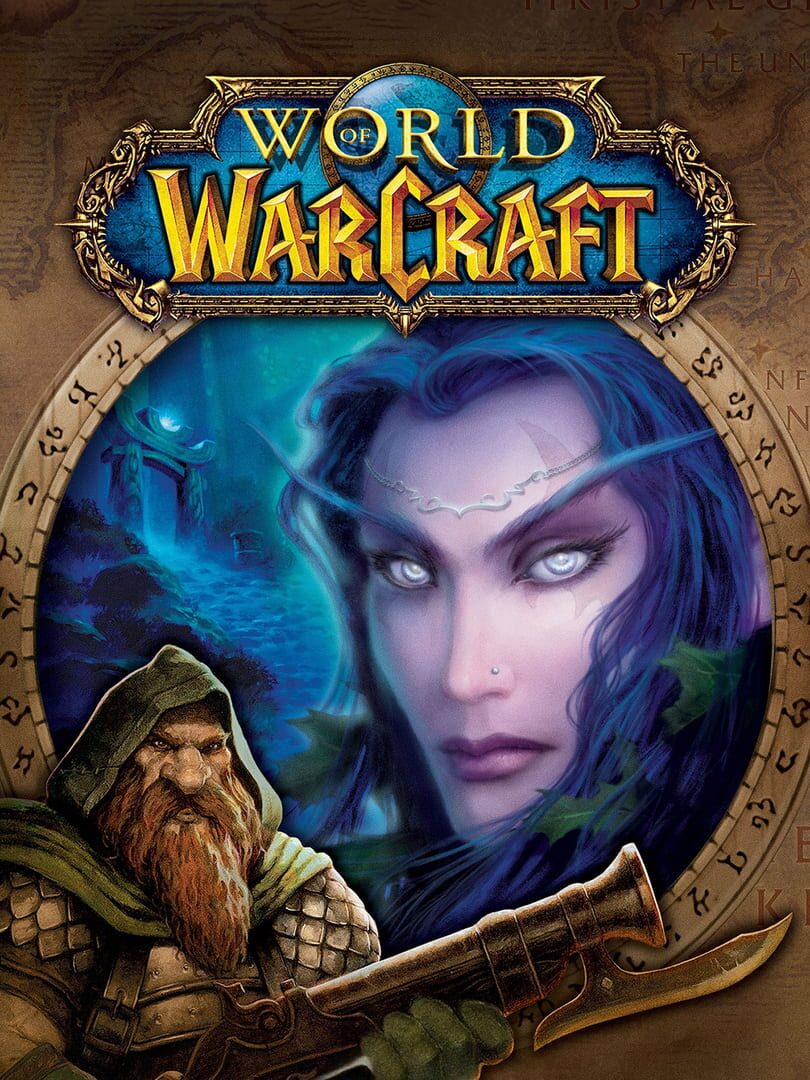
World of Warcraft is a massively multiplayer online roleplaying game (MMORPG) set in the Warcraft universe. Players assume the roles of Warcraft heroes as they explore, adventure, and quest across a vast world. Being "Massively Multiplayer," World of Warcraft allows thousands of
Released
November 23, 2004
Developer
Blizzard Entertainment
Publisher
Blizzard Entertainment
1. Final Fantasy XIV
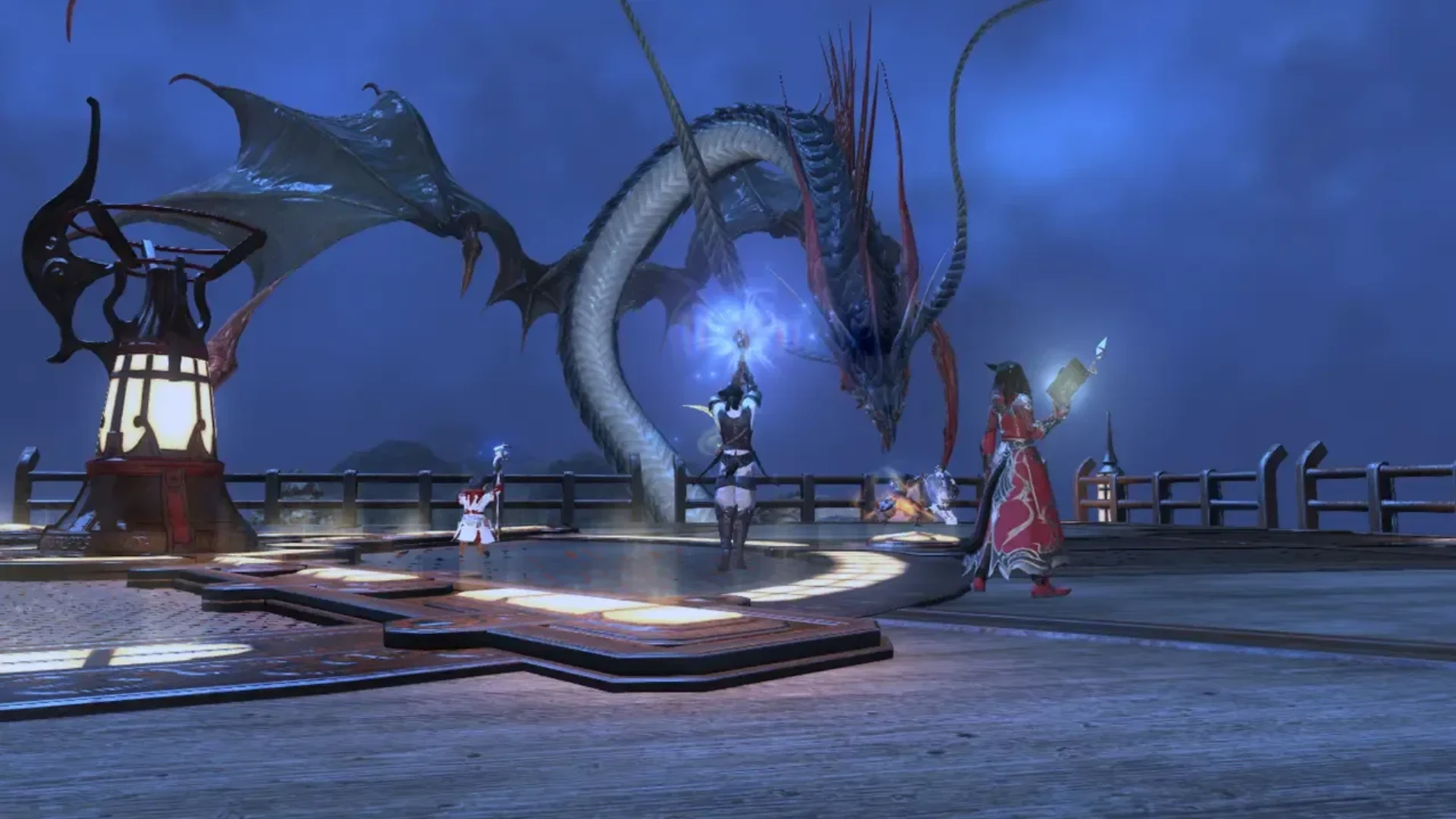
Final Fantasy XIV is a story-led MMO in which one character can learn every combat and crafting job. Switching from Dragoon to Botanist does not require another trip through the main scenario. That choice keeps years of progress attached to the same Warrior of Light, which matters in a campaign that treats the protagonist as more than a disposable adventurer.
The main scenario is also its biggest barrier. Much of A Realm Reborn moves slowly, and important dungeons remain locked behind hours of dialogue and travel. Later expansions make better use of that groundwork, but a new account cannot simply skip to the strongest chapters without losing the relationships that give them weight.
Duty Roulette solves a different long-term problem. A veteran chasing weekly rewards can be matched with a newcomer entering Sastasha for the first time. The reward gives experienced characters a reason to return, while the newcomer gets a full group for old story content. It is a simple piece of matchmaking that helps Eorzea feel inhabited across its entire history, not only in the latest raid tier.
Tagged In
Discussion
0We want to hear from you. Share your perspective in the comments below, and please keep the conversation respectful.
Log in to join the discussion - vote, reply, and share your take.
Log In