The Original Mafia Still Plays by Its Own Rules
Return to Lost Heaven and discover why the original Mafia remains a gangster classic despite dated shooting, unforgiving checkpoints, and slow cars.
Returning to the original Mafia feels like trading a modern car for a machine from the 1930s. Everything moves more slowly, demands more patience, and punishes lapses in concentration. Yet it only takes a short drive through Lost Heaven, some jazz playing on the radio, and a police officer reacting to a speeding violation to appreciate the ambition of Illusion Softworks all over again. In 2002, few games treated their worlds with such seriousness.
More than two decades later, Mafia: The City of Lost Heaven survives on more than nostalgia. Tommy Angelo's story, the atmosphere of the 1930s, and the commitment to realism still give the game a distinct identity. The shooting, checkpoints, and certain missions clearly show their age, but beneath those technical limitations remains one of the finest gangster stories in gaming history.
Lost Heaven Still Works as a 1930s City
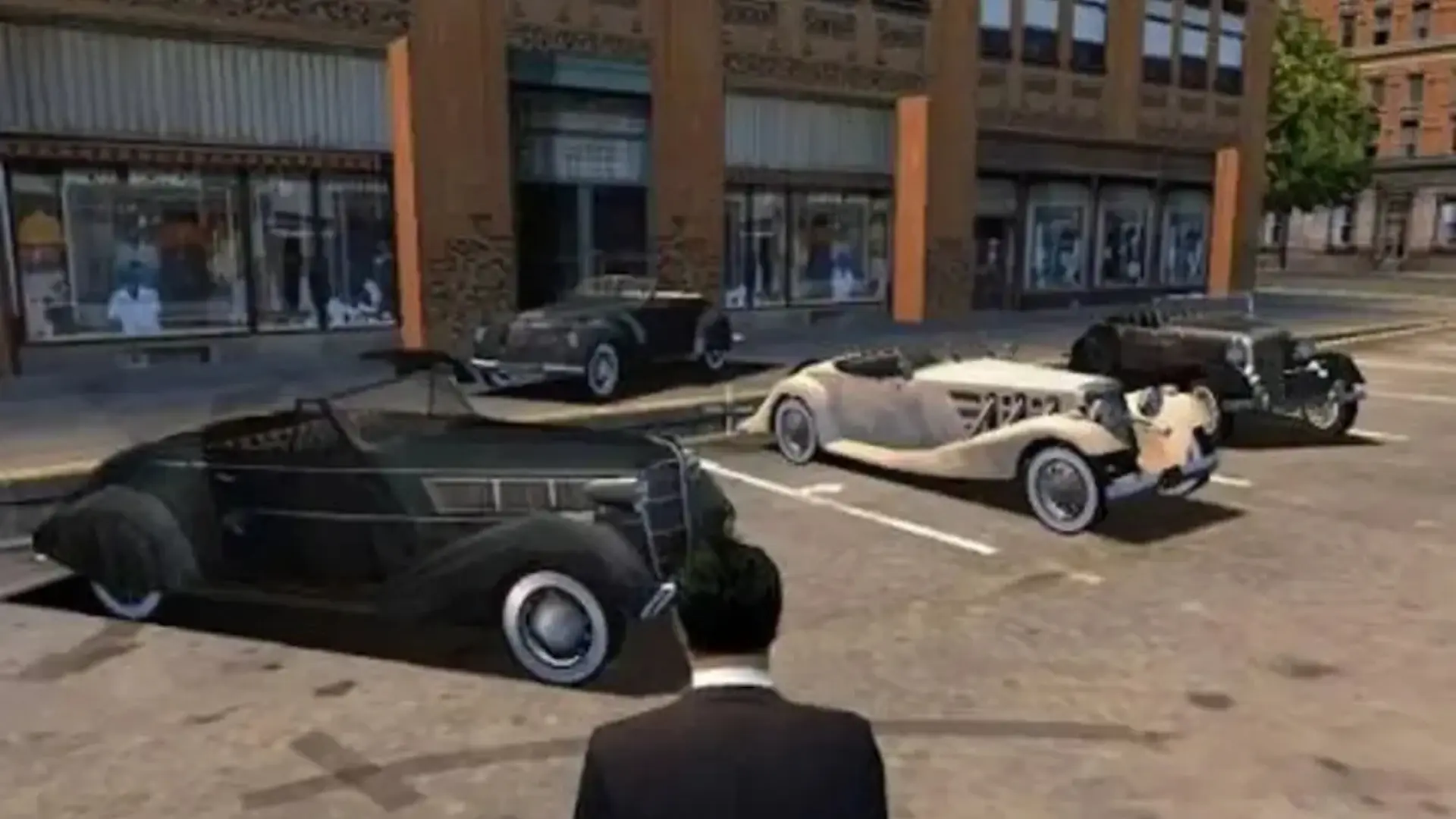
Lost Heaven is not an open world designed around hundreds of markers and side activities. The city primarily serves as the setting for a linear story. Most missions begin at Salieri's Bar, where Tommy collects a weapon, chooses a car, and drives to his destination. There are no districts to take over or random jobs to complete for passing strangers.
Even so, driving through the city never feels like a complete waste of time. Every journey makes its broad avenues, industrial districts, bridges, railway tracks, and wealthier neighborhoods more familiar. Missions take place at different times of day and in changing weather conditions, allowing the same streets to adopt a different character.
The details do most of the work. The cars fit the period, pedestrians wear distinctive clothing, and the jazz soundtrack builds the atmosphere without distracting from the drive. Although Lost Heaven offers few interactive elements, it remains one of the game's greatest strengths.
Related Article
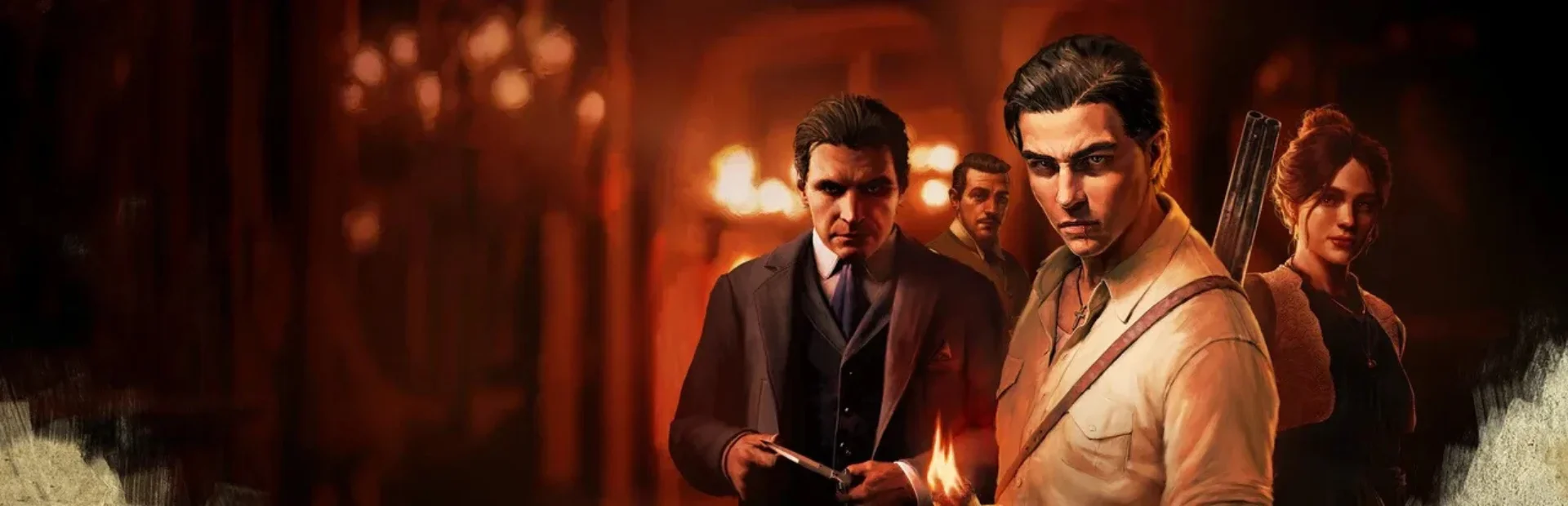
Mafia: The Old Country is a beautiful crime story with old habits
The Police Treat Each Offence Differently
Mafia's realism is most apparent behind the wheel. Cars feel heavy, accelerate slowly, and do not stop immediately when the brakes are applied. Older models can struggle when climbing hills, while taking a corner too sharply can easily send the vehicle out of control. Players also need to monitor fuel levels and damage.
The police are even more impressive. Officers do not respond to every offence with gunfire. Speeding, running a red light, or causing a minor collision can result in a fine. More serious crimes lead to an attempted arrest, while using a weapon causes the police to respond with force.
This system still feels more considered than the police chases found in many newer games. Officers also identify the car used to commit a crime. If Tommy manages to lose them and change vehicles without being seen, he can escape further pursuit. The game even provides a speed limiter to prevent players from accidentally breaking the law. This stands in sharp contrast to GTA Vice City, which was also released in 2002 but featured far more one-dimensional police behavior.
Slower vehicles and the need to follow traffic laws may frustrate players accustomed to moving quickly across a map. For me, however, they remain an important part of Mafia. Tommy does not move through the city like an indestructible action hero. Every journey demands some attention, while escaping the police involves more than simply losing a few icons on the minimap.
Becoming a Gangster Has Consequences for Tommy Angelo
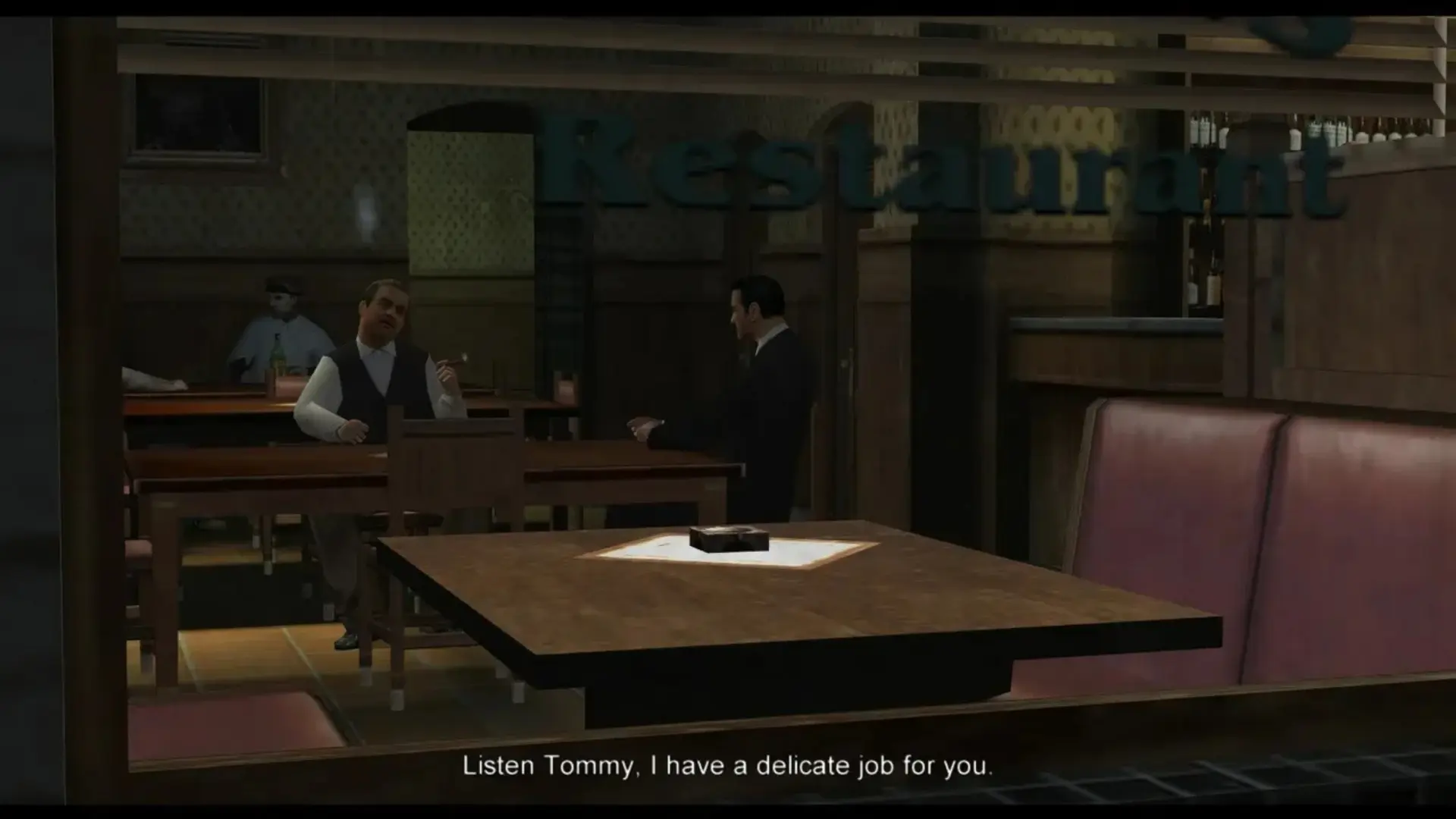
Mafia tells the story of a taxi driver who accidentally helps Don Salieri's men and is later drawn into the organization. Tommy initially treats working for the Mafia as a way out of a difficult situation. Over time, he begins to enjoy the money, influence, and status, but he never becomes a completely remorseless killer.
The story is told from the perspective of an older Tommy speaking to a detective. From the beginning, we know that his career did not end with a peaceful retirement. Rather than weakening the tension, this structure gives every mission additional meaning. The question is not only what will happen next, but also when Tommy will realize that he cannot live by Salieri's rules forever.
Paulie and Sam also play important roles. They are not merely companions who appear during shootouts. Their conversations, shared assignments, and conflicts reveal the changes taking place within the entire group. The game can move from a joke during a drive to a brutal scene without feeling as though it has suddenly changed its tone.
The facial animations and dialogue presentation naturally fall short of modern standards. The story itself, however, still works remarkably well. Mafia does not endlessly romanticize a life of crime. It shows its appeal before gradually presenting the cost of every decision. This also sets it apart from other games of the period, which often ended with an unearned happy ending.
The Race Remains a Test of Patience
The missions regularly change the type of task Tommy must complete. He takes part in chases, shootouts, assassinations, robberies, and operations requiring a more discreet approach. The best stages make use of large environments, allowing players to find cover, flank enemies, and use vehicles during combat.
The shooting has a satisfying weight, while limited ammunition demands caution. Reloading discards any rounds left in the magazine, so pressing the button automatically after every encounter is not always a good idea. Tommy does not regenerate health behind cover, and a few accurate shots can end a mission. Even entering an ordinary room requires checking the corners.
The checkpoints and the need to repeat longer sections cause more problems. Failing near the end of a mission can send the player back far enough that another attempt becomes a greater test of patience than skill. The shooting controls also lack the precision expected from a modern action game.
The most famous example of the game's difficulty remains the race. The mission requires players to master a car that handles completely differently from the vehicles used earlier, and a single mistake can ruin the entire attempt. For Mafia, it serves the same role as the remote-controlled helicopter mission in GTA VC. It causes frustration, but it also becomes a memory that players continue to discuss more than two decades later.
The Open World Does Not Offer Modern Freedom
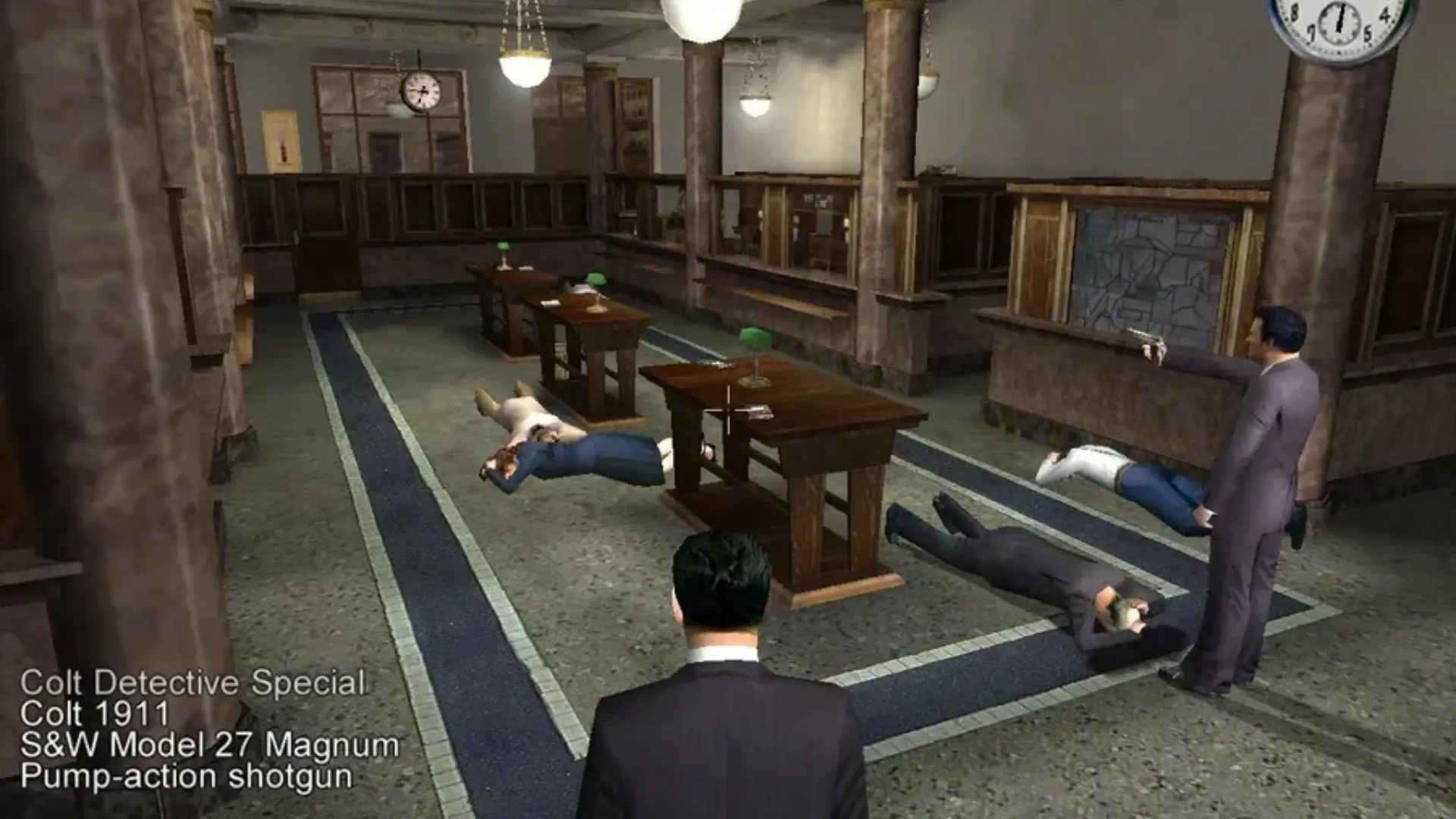
Mafia may initially resemble GTA, but its city serves a different purpose. The campaign remains linear, and leaving the designated route rarely leads to a worthwhile discovery. Players cannot purchase properties, develop criminal businesses, or work through an extensive list of additional activities.
Tommy also cannot swim, meaning that falling into the water results in death. The game lacks many conveniences that we now consider standard. From a modern perspective, it would be easy to compile a long list of features that Mafia does not offer.
Such an assessment would be distorted by more than two decades of open-world development. Mafia does not try to simulate every aspect of a gangster's life. Lost Heaven provides scale, context, and a believable setting for each chapter of the story. The separate Free Ride modes allow for more freedom, but the campaign guides the player along a clearly defined path from the beginning.
Every Fan of Gangster Stories Should Play Mafia
The original Mafia demands patience today. Slow driving, unforgiving checkpoints, dated shooting, and the notorious race can easily discourage players. It also lacks the freedom and activities that newer games have taught us to expect from an open city.
None of this changes the fact that Mafia: The City of Lost Heaven remains an absolute classic from the beginning of the millennium. Returning players can experience the atmosphere of Lost Heaven again and discover how much of their memory has survived the test of time. Newcomers will find a game that approached realism, police behavior, and gangster storytelling with remarkable ambition as early as 2002. Every fan of the series should return to its origins at least once. When I was younger, I rated Vice City more highly, but with time, I have come to believe that Mafia outclassed Rockstar in storytelling and gameplay mechanics. Without exaggeration, it earned its legendary status.
Mafia is a 3D action crime epic set in the seedy underworld of the 1930's. Rise from the lowly but well-dressed Footsoldier, to an envied and feared Made Man in an era of mob hits, car chases, and bootlegging. Earn a reputation as a tough enforcer, daring getaway driver, and dead
Released
August 29, 2002
Developer
Illusion Softworks
Publisher
Gathering of Developers


Tagged In
Discussion
0We want to hear from you. Share your perspective in the comments below, and please keep the conversation respectful.
Log in to join the discussion - vote, reply, and share your take.
Log In