The 13 Best Bethesda Games
From a coffee mug that bites back to a dragon landing outside Whiterun, Bethesda's best games rarely let a plan survive unchanged.
Bethesda built its reputation on enormous role-playing games. The Elder Scrolls and Fallout made the company synonymous with open worlds, but Bethesda Softworks has also published Arkane's immersive sims and id Software's shooters. Its catalogue extends far beyond the games developed internally by Bethesda Game Studios.
For this ranking, any game published under Bethesda Softworks qualifies. That includes releases from other developers such as Obsidian and Arkane. Each game is judged in the form available today, so a poor port or unresolved technical problems can count against an otherwise excellent original release.
13. The Evil Within 2
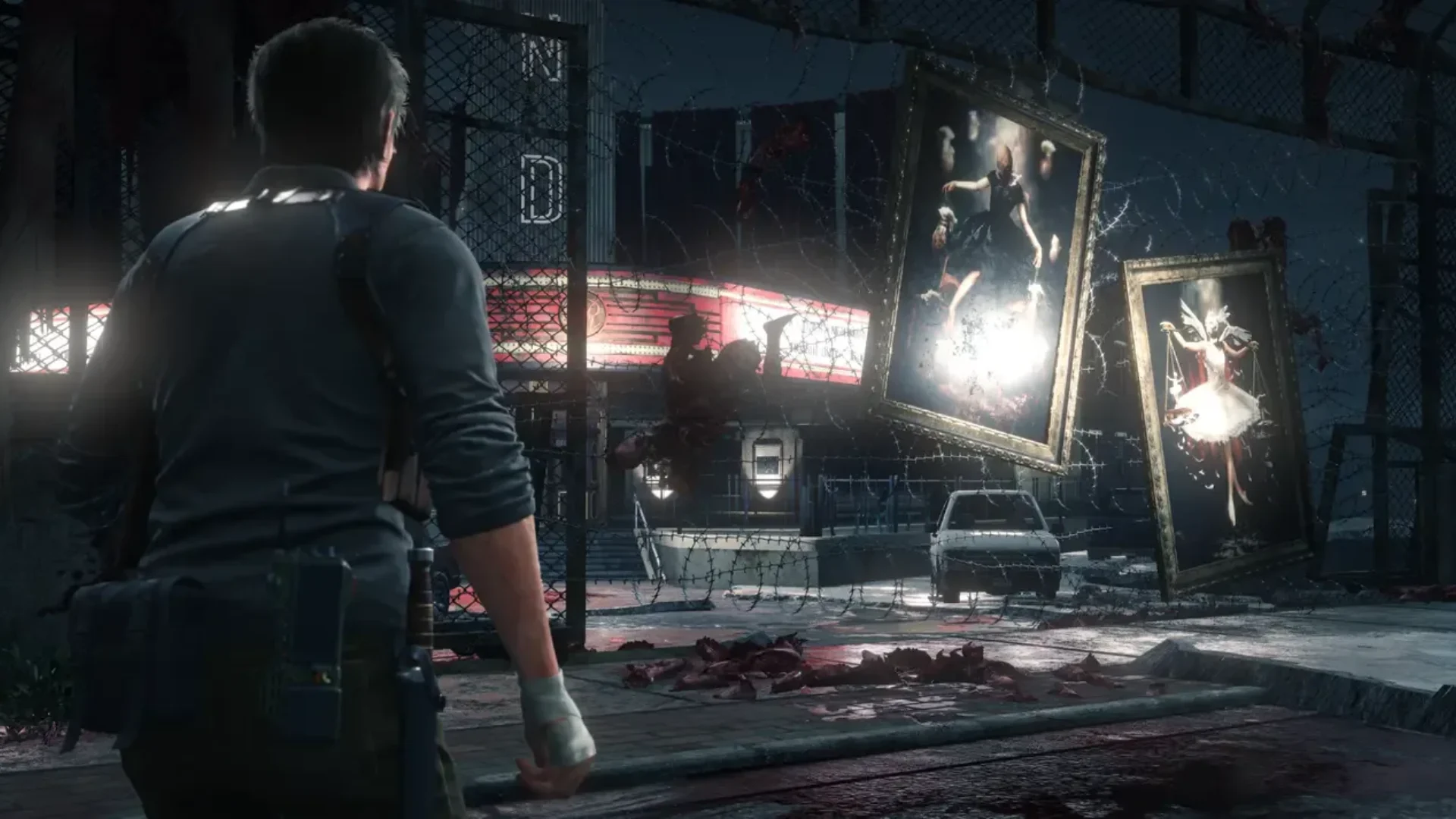
Detective Sebastian Castellanos enters a collapsing simulation called Union to rescue his daughter in The Evil Within 2. The result is a survival horror game with more room to explore than its predecessor. Early chapters allow Sebastian to move through the town at his own pace, following radio signals that may lead to supplies or another scene he would rather not have found.
The open streets make resource management more personal. Investigating a distant building might produce ammunition, but reaching it could cost the last shells in Sebastian's shotgun. Shock bolts from the crossbow can electrify water, which makes a puddle more valuable than another weapon when several enemies are closing in.
Union becomes less interesting once the campaign leaves its open areas and returns to a more linear path. The second half also repeats several visual ideas. Sebastian's search for his daughter gives the story a focus the first game lacked, even when his dialogue remains blunt.
12. Hi-Fi Rush
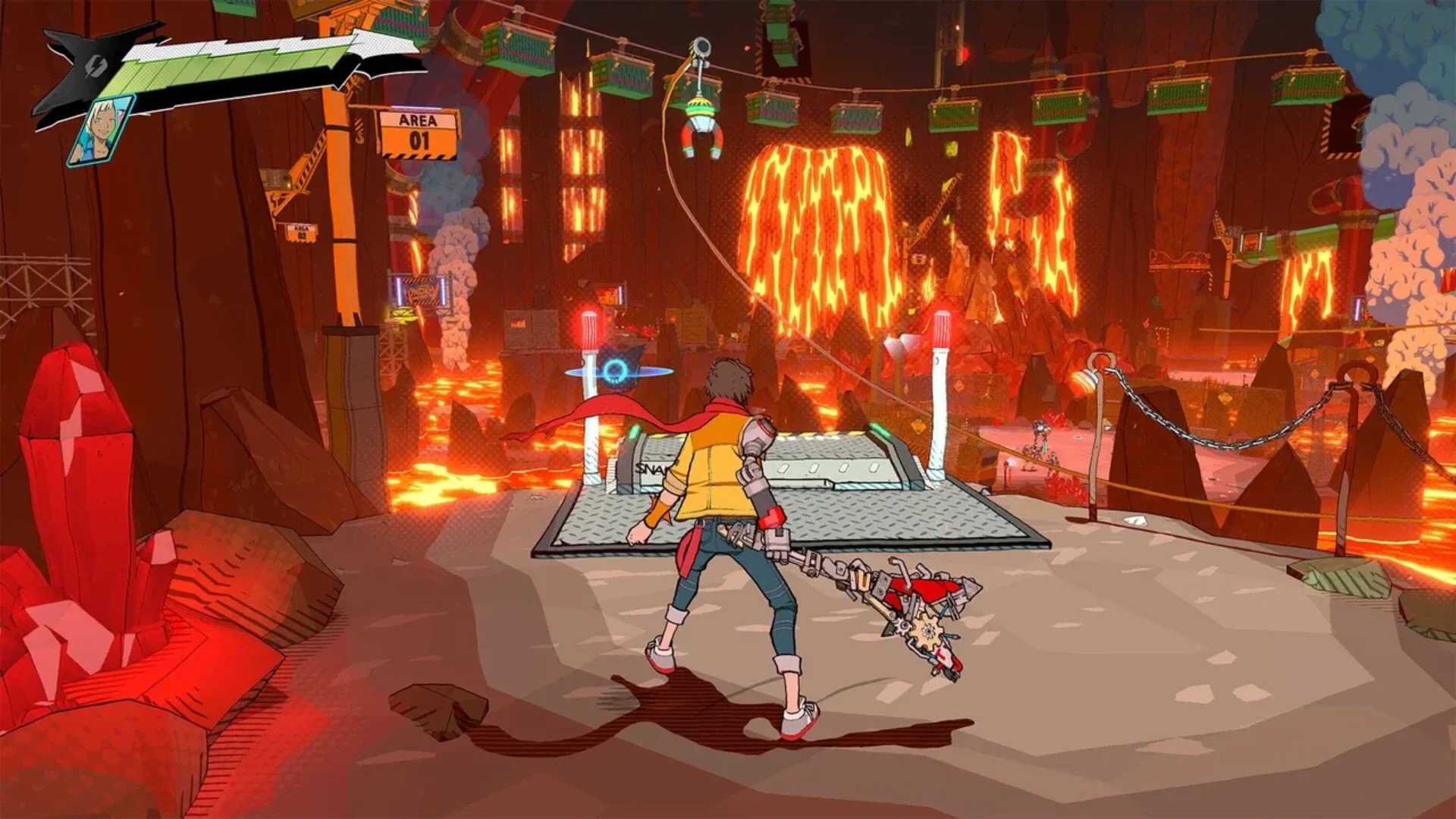
Hi-Fi Rush is a rhythm action game about Chai, a would-be rock star whose music player becomes fused to his chest during a corporate experiment. The entire world moves with the soundtrack. Machinery pumps on the beat, while environmental details provide a visual count during fights. Chai's attacks still connect when the timing is imperfect, so losing the rhythm does not stop the action. Staying on beat increases damage and improves his score instead.
Combo finishers require a final timed input, which makes the end of an attack feel like landing the last note of a short drum fill. Some platforming sections repeat their tricks for too long, but the combat keeps finding new ways to test timing without turning every encounter into a memory exercise.
11. Deathloop
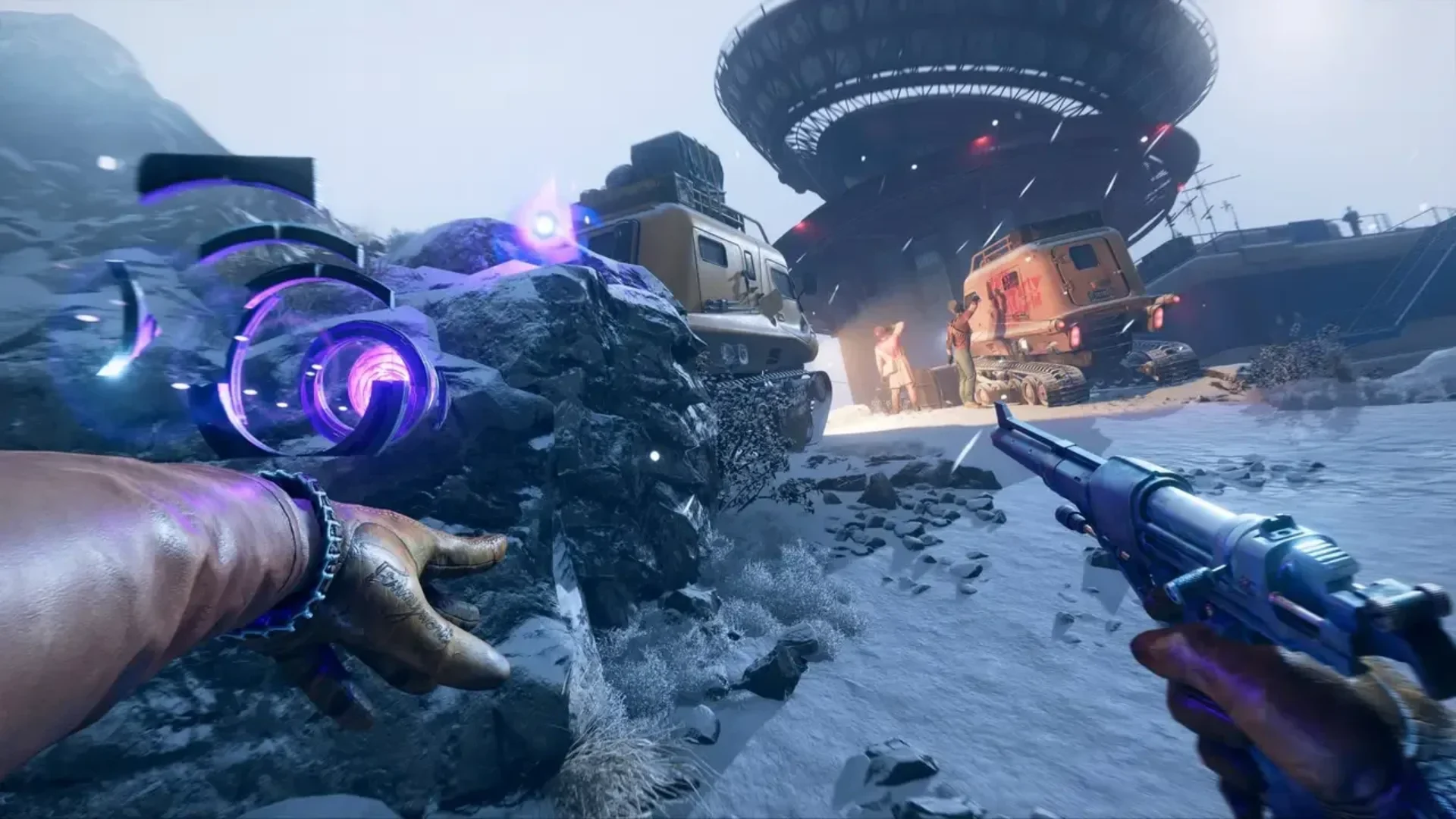
Colt wakes on a beach with one day to kill eight Visionaries and break the time loop trapping the island of Blackreef. Each district changes according to the time of day. A door locked in the morning may be open later, while moving one target can alter another person's schedule.
Early loops are spent gathering leads rather than attempting the final assassination. Colt can use Residuum to preserve selected weapons and supernatural abilities between resets, which prevents every death from wiping the inventory. The more important discoveries concern routines. Finding out where a Visionary attends a party is useful, but learning how to bring another target to the same building changes the shape of the entire day.
The eventual route through Blackreef is more prescribed than the opening suggests. Once every lead has been completed, there is little room to invent a different final solution. Online invasions help by allowing another person to control Julianna, whose arrival can turn a familiar district into an improvised hunt.
10. Fallout 3
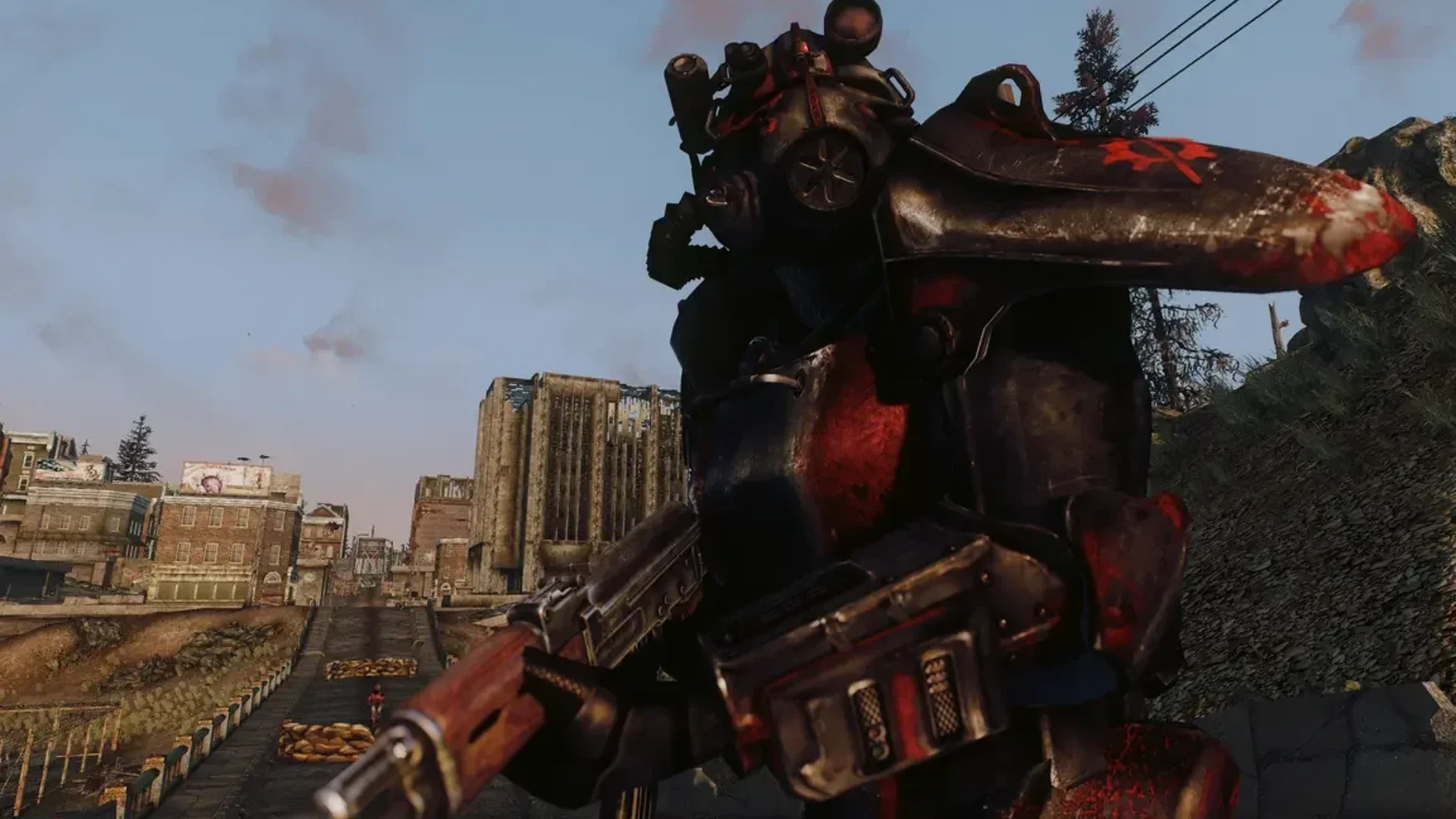
Leaving Vault 101 remains one of Bethesda's finest openings. The tunnel door rolls shut behind the Lone Wanderer, their eyes adjust to the daylight, and the ruined Capital Wasteland appears without an immediate instruction to clear a camp or collect materials. Fallout 3 is an action RPG about searching that wasteland for a missing father, although the distant landmarks quickly become more persuasive than the main quest.
VATS pauses combat and displays the chance of hitting individual body parts. Targeting a raider's weapon can knock it away, which is often more useful than taking another low-percentage shot at the head. Outside combat, the best quests let curiosity create the objective. A radio signal can lead into a sealed bunker with no guarantee that anyone inside is still alive.
The gunplay feels stiff without VATS, and several major moral choices are so extreme that they leave little room for genuine uncertainty. Blowing up Megaton is memorable, but it asks whether the settlement should exist at all rather than presenting a difficult compromise. Smaller stories around the wasteland usually handle choice with more care.
9. Wolfenstein: The New Order
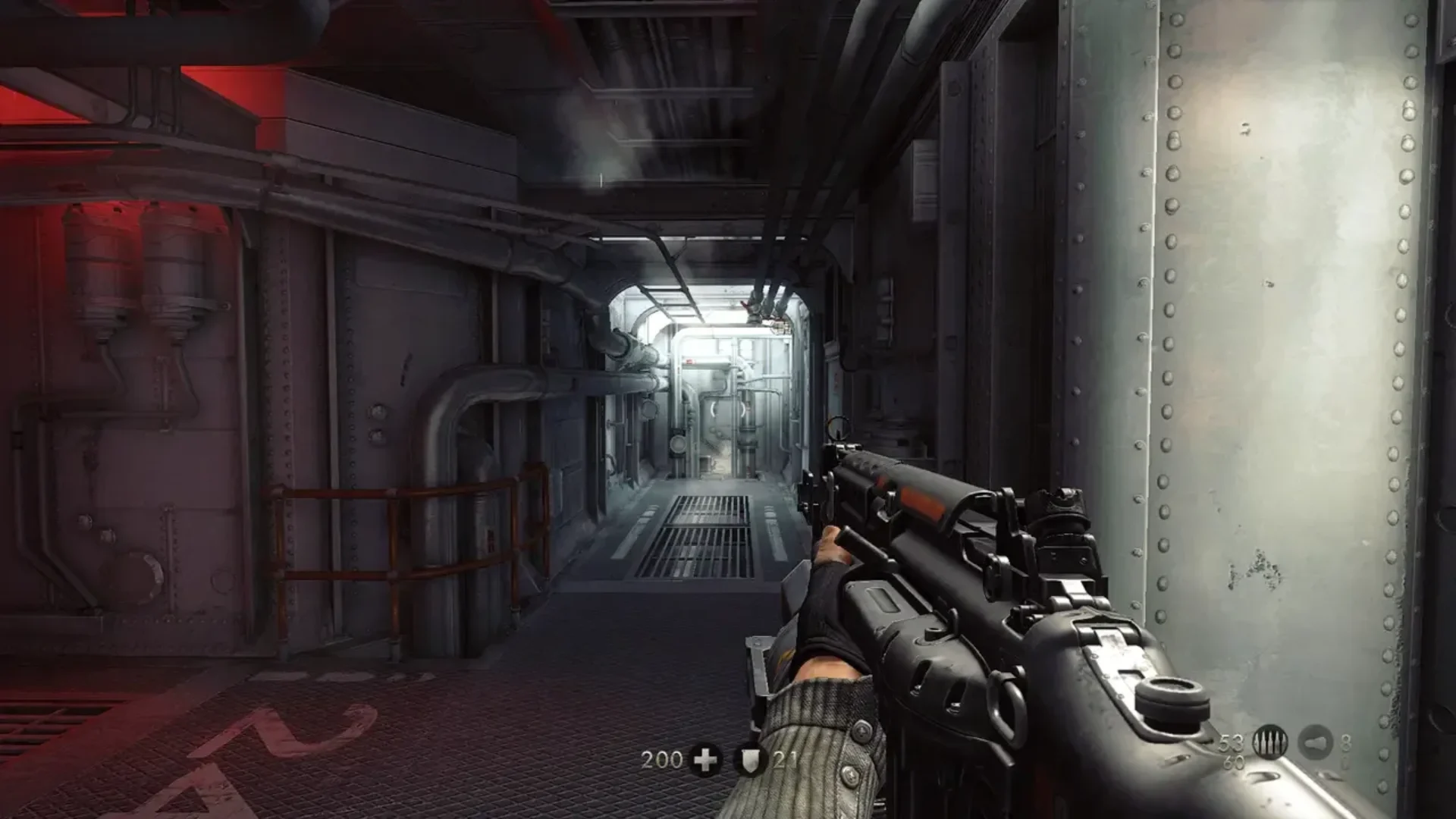
Wolfenstein: The New Order places B.J. Blazkowicz in 1960 after Nazi Germany has won World War II. It is a first-person shooter that allows B.J. to dual-wield automatic weapons, yet its quieter scenes are the reason the campaign lasts in the memory. The resistance members hiding beneath Berlin are given enough ordinary conversation to feel like people rather than mission dispensers.
Combat spaces support both stealth and open shooting. Killing an officer silently prevents reinforcements, so slipping through the first half of an area can make the eventual firefight manageable. B.J.'s inner monologue also gives the series' square-jawed hero an unexpected sadness without changing the fact that he can carry two shotguns at once.

8. Indiana Jones and the Great Circle
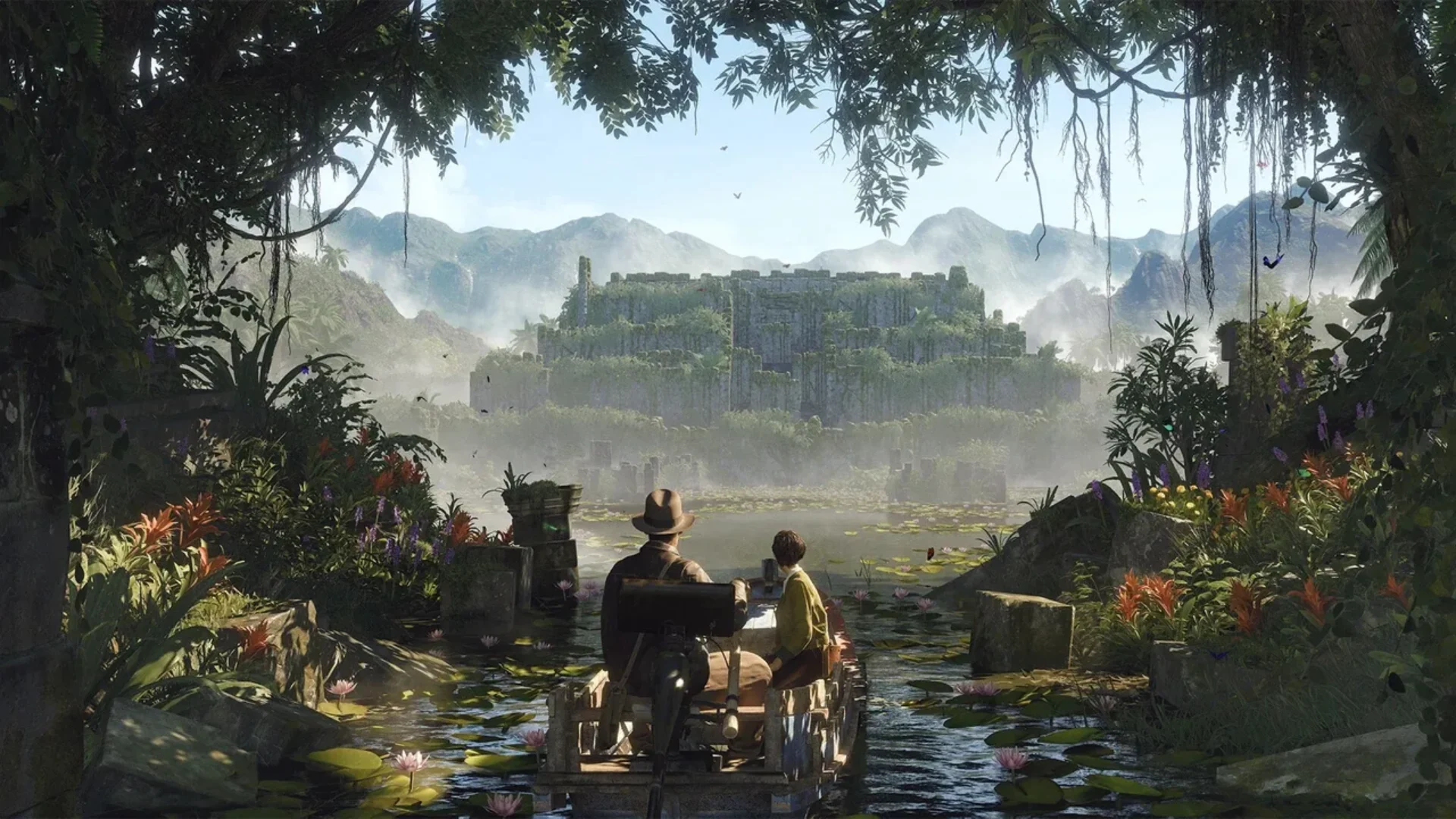
MachineGames treats Indiana Jones as an archaeologist before treating him as an action hero. The Great Circle is a first-person adventure built around exploring large locations and solving physical puzzles. Indy's camera records inscriptions and architecture in his journal, allowing clues found in one room to make sense of an object somewhere else.
Disguises let him enter restricted areas, but they are not invisibility cloaks. Officers familiar with the staff can still recognize an intruder, which gives Indy a reason to avoid particular patrols. His whip can pull enemies off balance when that disguise fails. Firing a gun is possible, but the noise usually creates more trouble than a fistfight.
Enemy awareness is inconsistent, and some guards fail to notice obvious movement nearby. The puzzles are much more dependable. Turning a mechanism or comparing symbols in the journal feels appropriate for the character, particularly when the solution opens a hidden route rather than another chest of supplies.
7. Prey
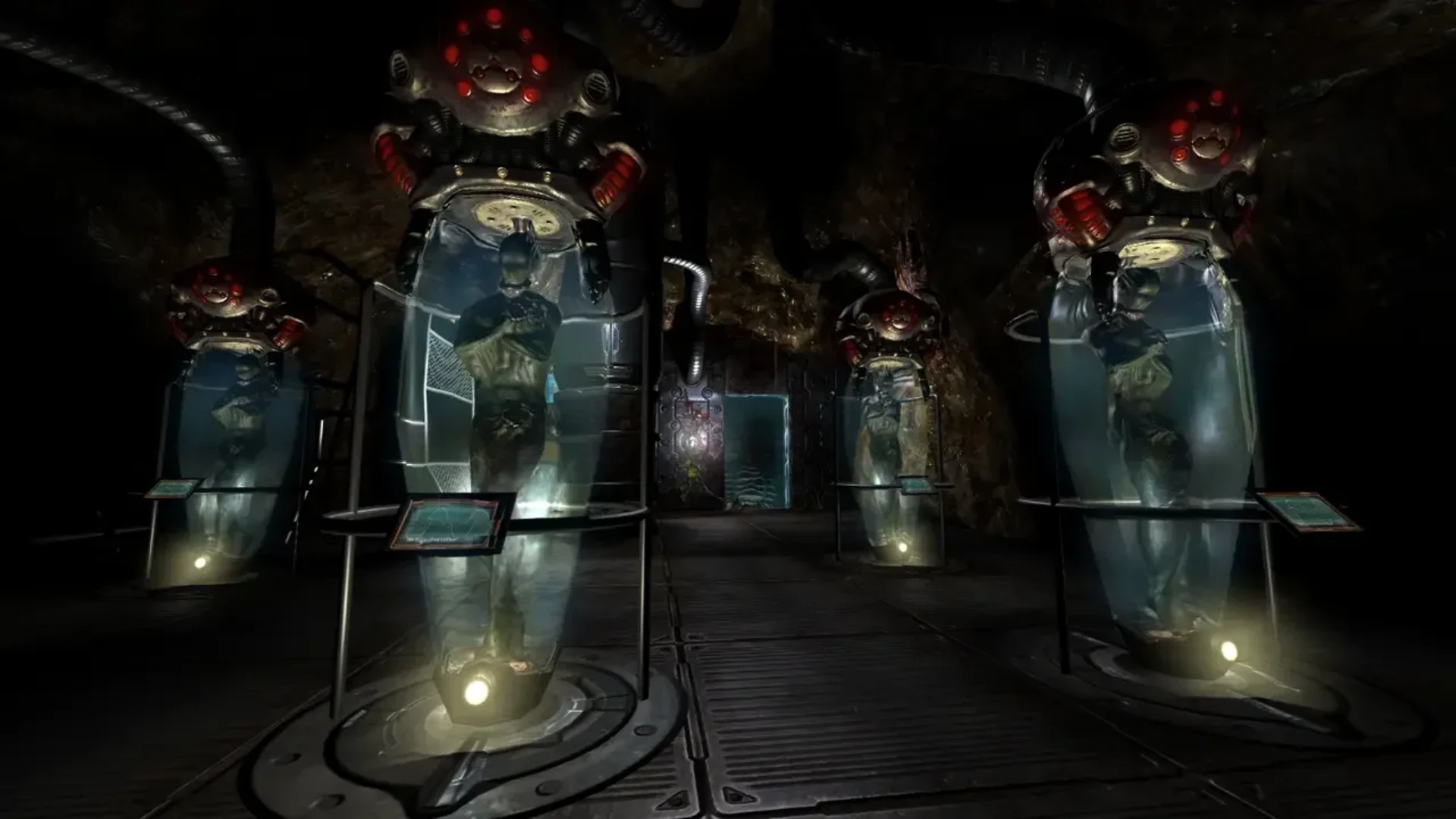
Morgan Yu wakes aboard the Talos I space station after an experiment has gone wrong. The Typhon have escaped containment, and the smallest creatures can disguise themselves as ordinary objects. A room containing two coffee mugs may suddenly contain three. That small inconsistency is enough to make every desk suspicious.
The GLOO Cannon captures what Arkane does best. It freezes enemies, seals environmental hazards, and creates temporary steps on walls. A locked office may have several programmed solutions, but the cannon allows Morgan to build another. Recycler Charges provide similar freedom by converting loose objects into crafting materials. A room full of heavy furniture becomes ammunition once it is pulled into the device's blast.
Neuromods create a more interesting consequence. Installing Typhon powers gives Morgan abilities taken from the creatures, but station security can begin identifying Morgan as an alien threat. The late game weakens that tension by filling previously explored sections with military operators. Repeated loading between areas also makes the final trips across Talos I slower than they need to be.
6. The Elder Scrolls IV: Oblivion Remastered
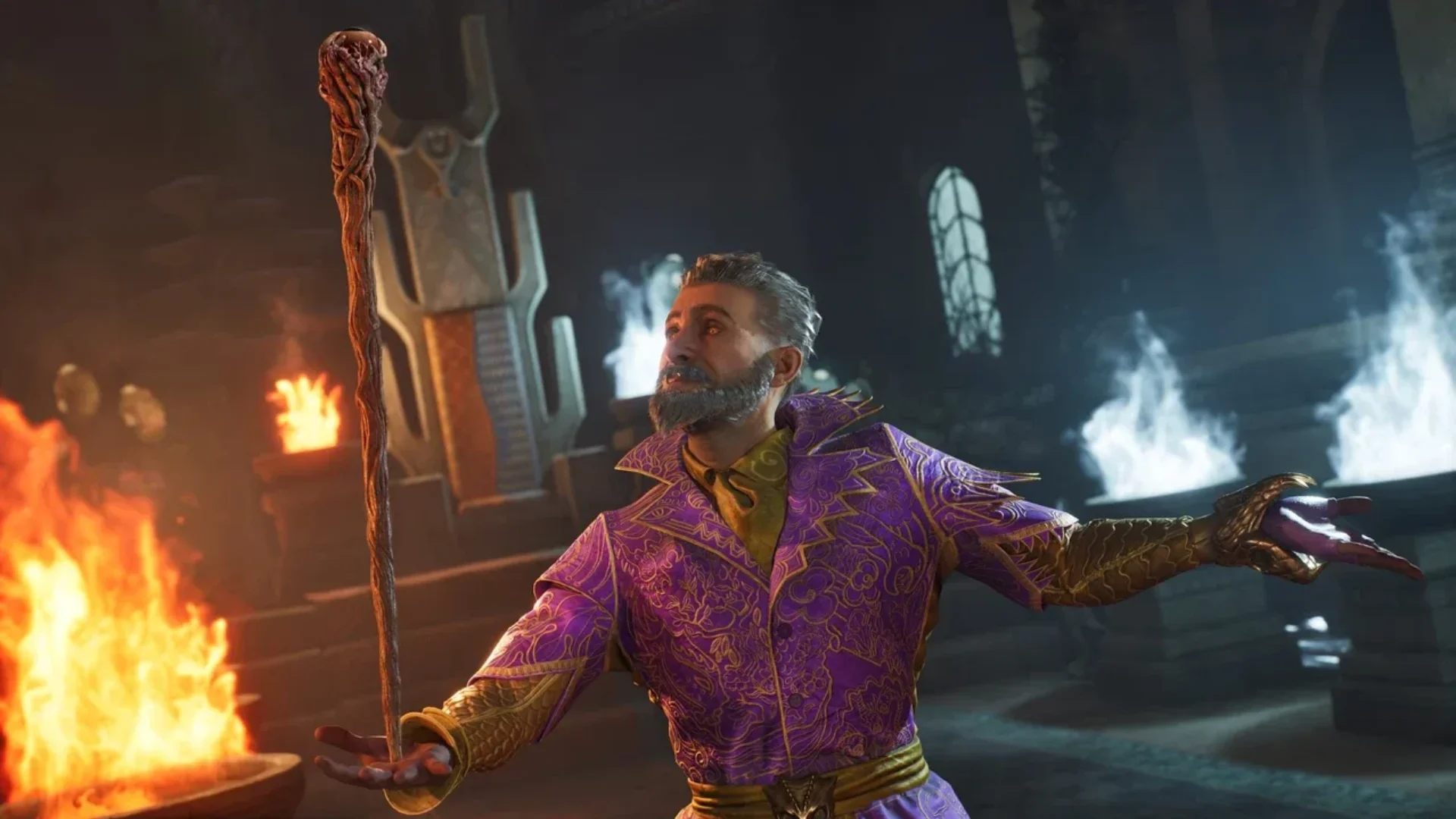
Oblivion Remastered rebuilds Cyrodiil's forests and cities while leaving the original role-playing game underneath. The Hero of Kvatch escapes prison as demonic gates begin opening across the province, but the main crisis is only one reason to travel. A stranger offering admission to the Dark Brotherhood can redirect the next several evenings.
The guild quests remain the strongest part of Oblivion. "Whodunit?" locks the character inside a manor with several guests and asks for each one to be killed without exposing the assassin. Conversations can turn the guests against one another, making the job easier without introducing a special dialogue system used nowhere else.
The remaster improves leveling so that an inefficient class cannot quietly ruin a long save. Combat still feels loose, and the highly detailed faces clash with old facial animations. Bethesda preserved enough of the original awkwardness that Cyrodiil has not become a generic fantasy world wearing newer textures.
5. Doom Eternal
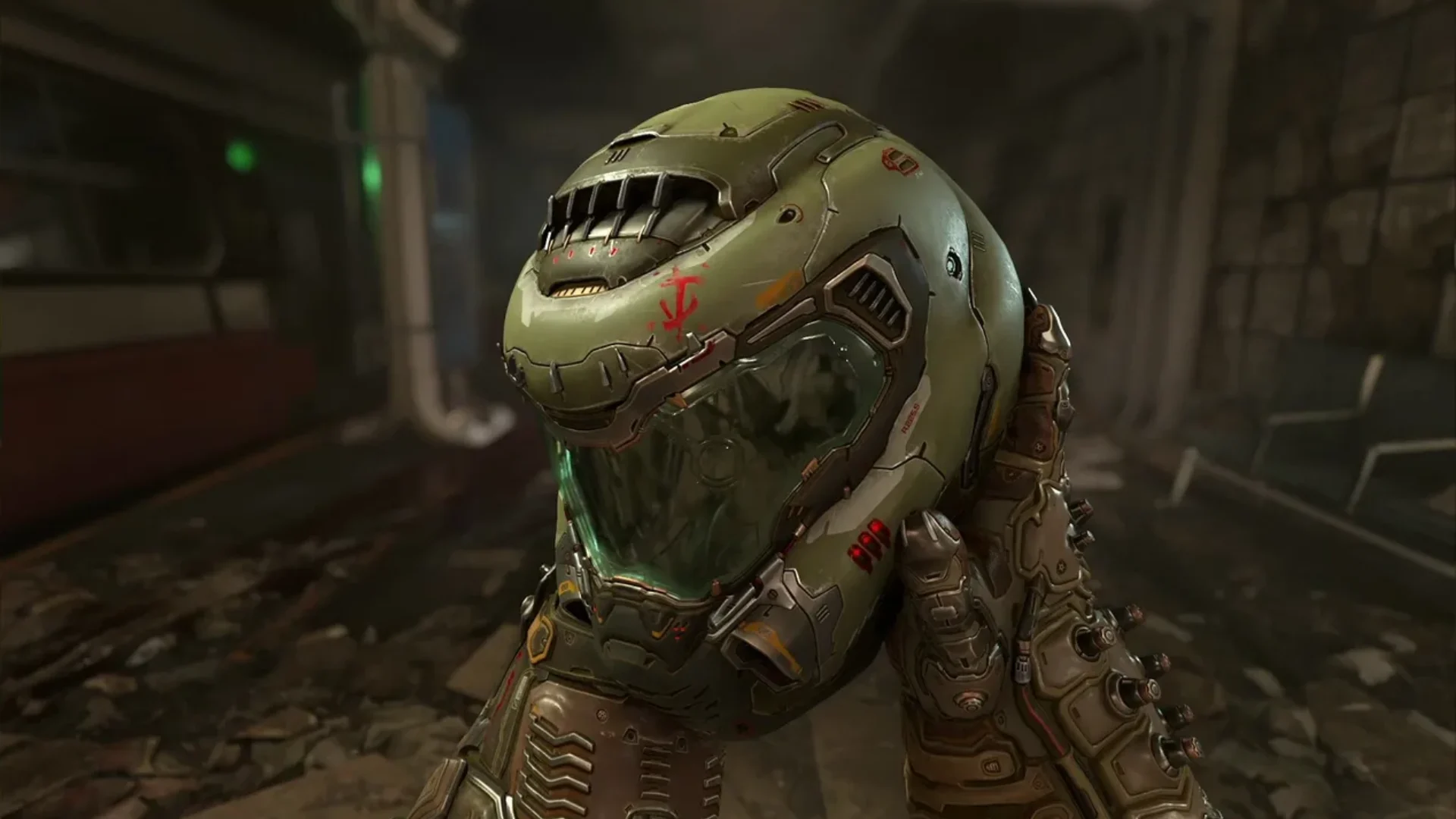
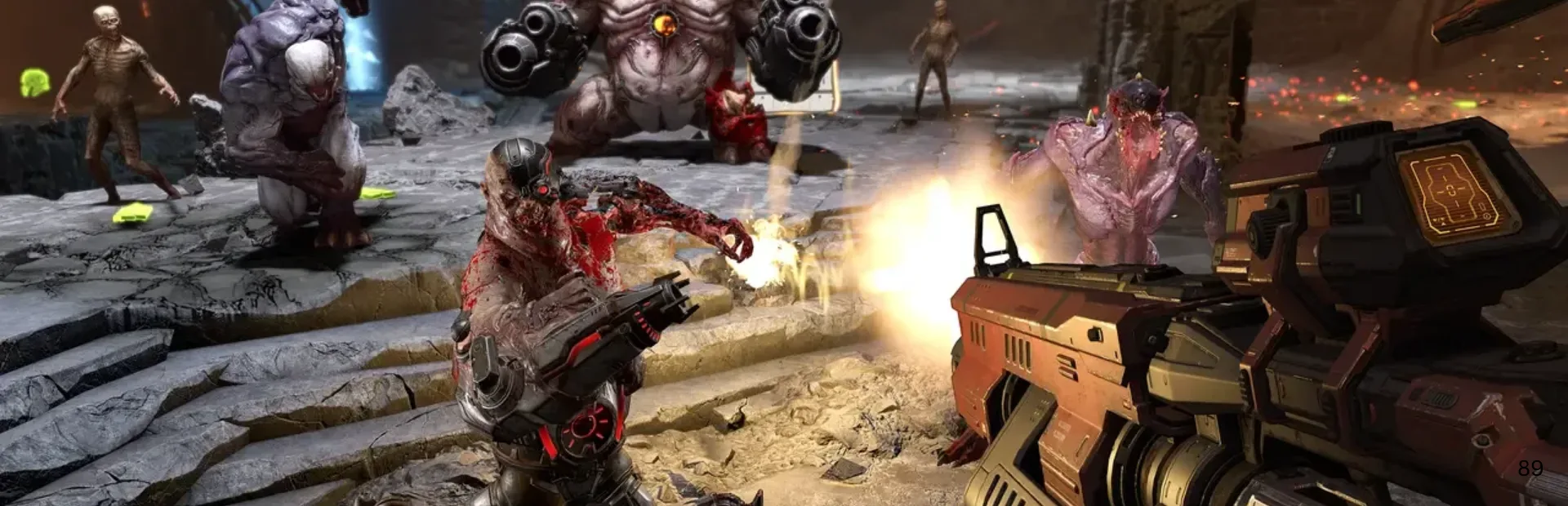
Ammunition is deliberately scarce in Doom Eternal. The chainsaw is effectively a reload button that turns a weaker demon into a burst of shells and bullets. That means a low-ammo warning is not an instruction to hide. It is a reason to move toward the nearest disposable target.
Every arena is designed around that forward pressure. The Doom Slayer can dash across gaps, then use a glory kill to pull himself back into close range. Standing still allows heavy demons to control the space, while constant movement creates the seconds needed to choose another target.
The number of tools can be overwhelming during the opening missions. Once their purposes become clear, fights develop a demanding rhythm that few shooters can match. The elaborate story receives far more attention than it needs, but most of that exposition can be ignored on the way to the next arena.
4. Dishonored 2
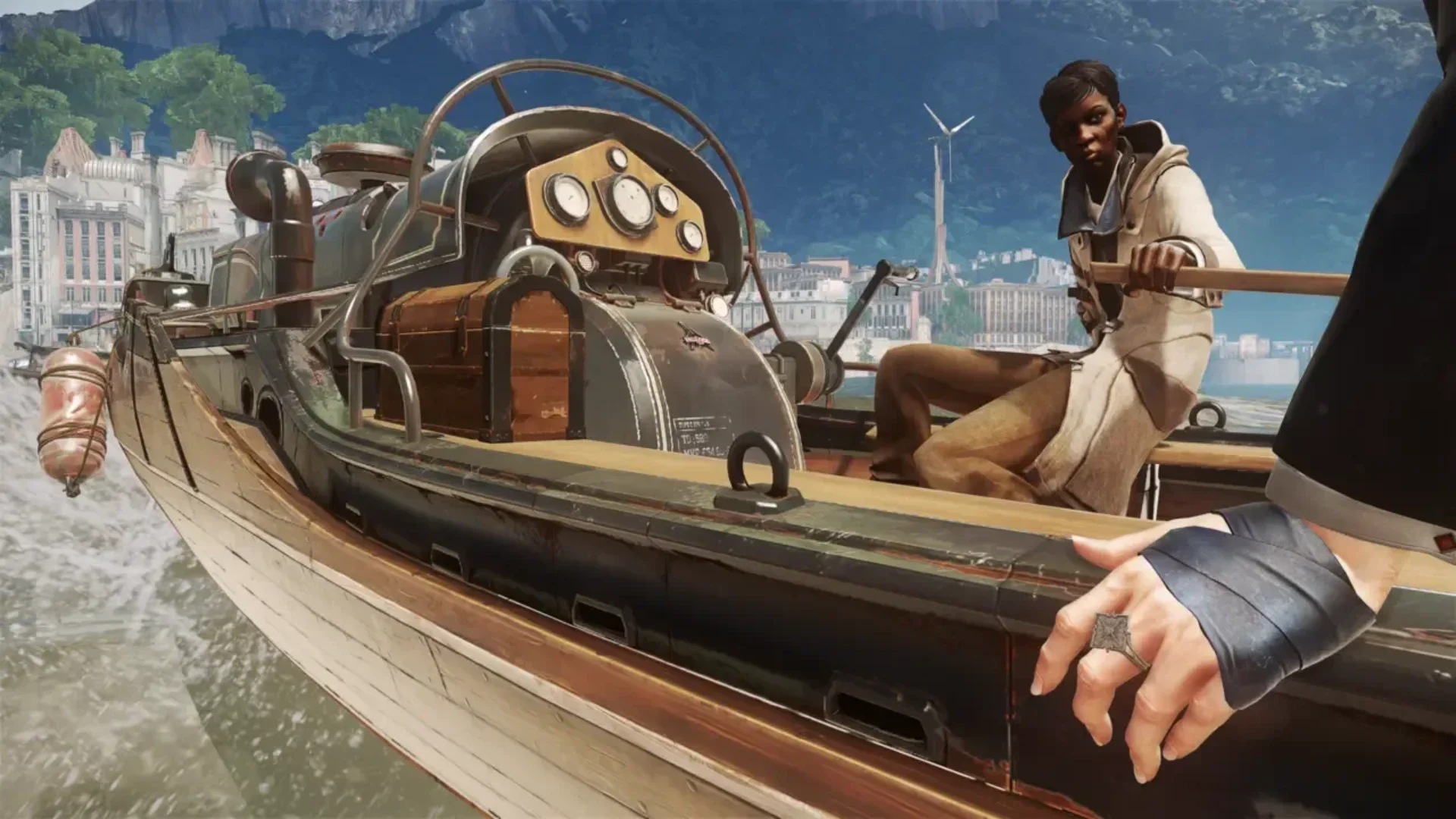
Emily Kaldwin loses her throne at the beginning of Dishonored 2, then travels to Karnaca to remove the people behind the coup. Emily or Corvo can lead the campaign, and both can finish it without killing anyone.
Emily's Domino ability links the fates of several enemies. Knocking one guard unconscious will drop everyone connected to him. The obvious use is to clear a room with one sleep dart, but the power becomes more interesting when combined with the environment. Linking a target to an enemy standing near an electrical trap can remove both without Emily approaching either position.
The Clockwork Mansion changes while Emily moves through it. Pulling a lever causes walls to rotate and furniture to disappear into the floor. Crawling behind those moving sections reveals passages used by the machinery, allowing the mansion to be explored without entering its rooms as intended. The story is less memorable than the setting, and a fully upgraded character can overpower the later missions. Karnaca's best levels still reward the kind of curiosity most stealth games punish.
3. The Elder Scrolls III: Morrowind
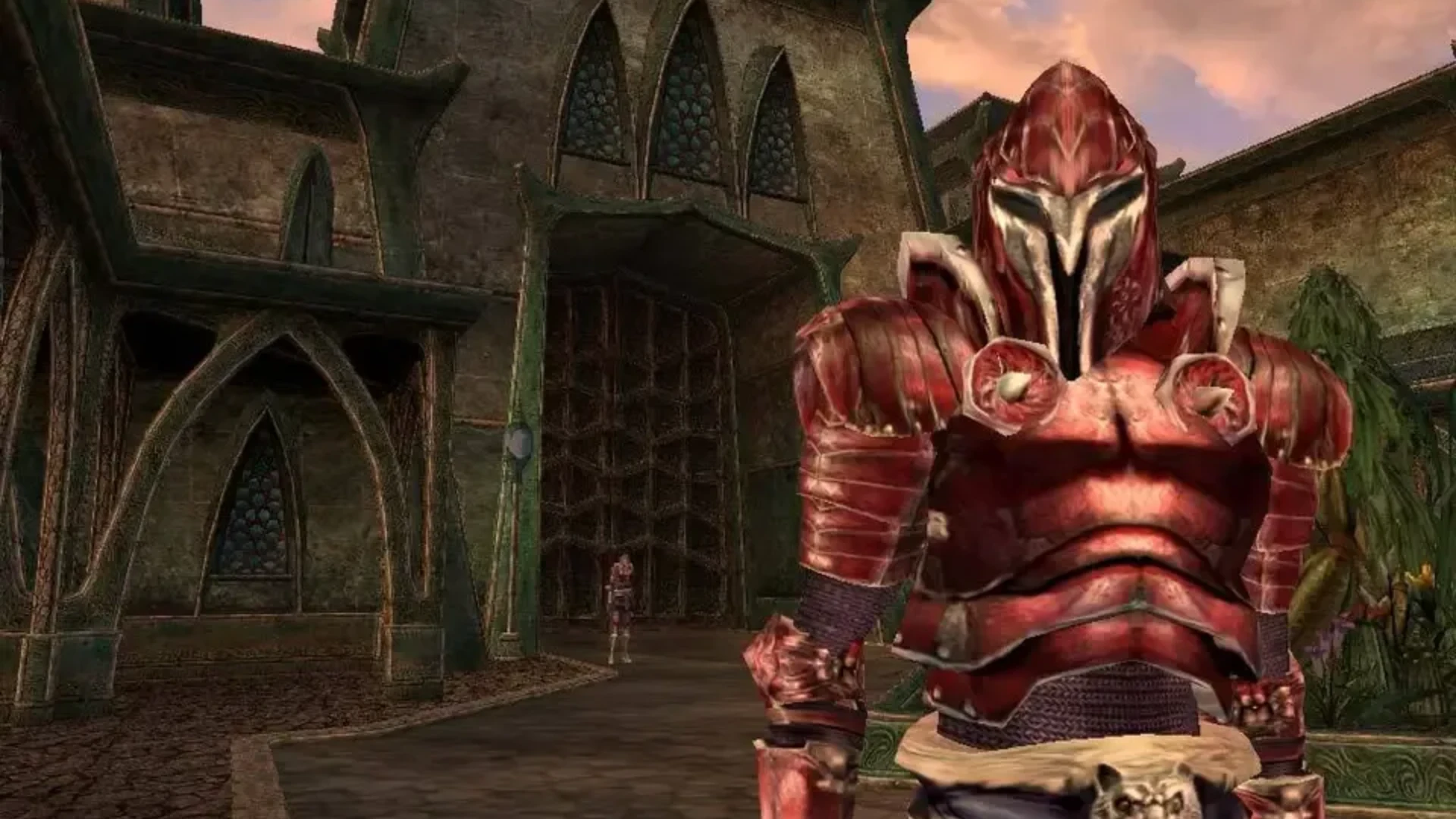
Morrowind sends a released prisoner to the island of Vvardenfell with written orders and little explanation. There are no floating quest markers. Directions might mention a road leaving Balmora or a bridge near a Dwemer ruin, which means reaching the destination requires attention to the land.
That approach makes Vvardenfell difficult to navigate, but it also gives its geography meaning. Silt striders only connect certain settlements, so a long journey may require several stops. The island itself avoids familiar medieval fantasy. Giant mushrooms surround towns built inside insect shells, while the ashlands become difficult to cross when storms hide the horizon.
Combat has aged badly. A sword can visibly pass through an enemy while a hidden dice roll records a miss. The journal is also poor at separating current work from old conversations. Morrowind asks for more patience than later Elder Scrolls games, but it also allows stranger character builds and gives its factions firm requirements. A warrior cannot become head of the Mages Guild simply by completing enough errands.

The Elder Scrolls III: Morrowind is an open-world first-person role-playing game and the third main entry in The Elder Scrolls series. Set on the island of Vvardenfell in the province of Morrowind, the player arrives as a released prisoner and becomes involved in the political an
Released
May 1, 2002
Developer
Bethesda Game Studios
Publisher
ZeniMax Media


2. Fallout: New Vegas
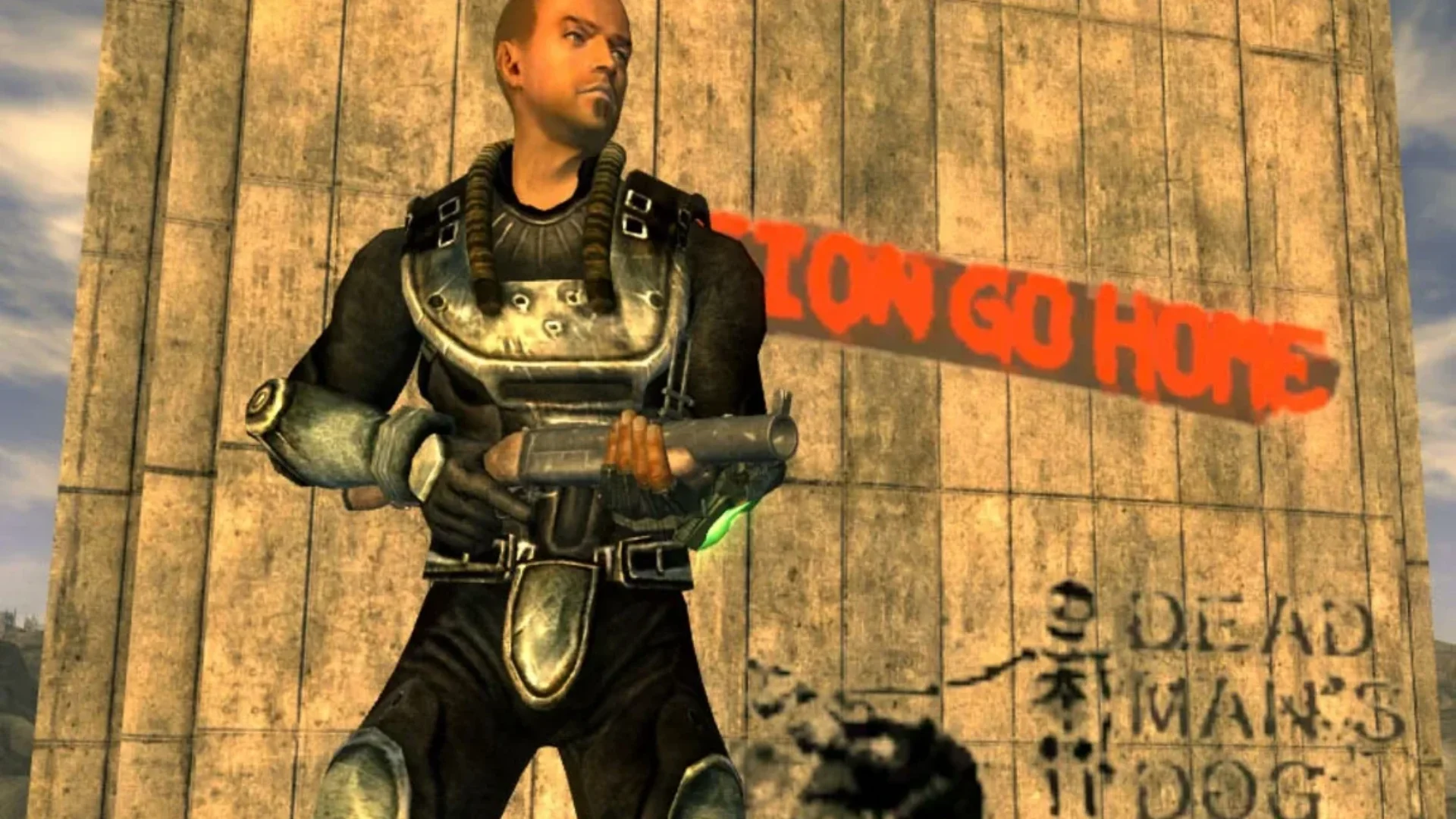
The Courier is shot in the head, buried outside Goodsprings, and left with a poker chip that several factions are willing to kill for. Fallout: New Vegas uses that simple pursuit to introduce a struggle over Hoover Dam and the future of the Mojave.
Reputation changes how entire settlements respond. Helping the NCR can make its bases safer while turning Legion territory into hostile ground. Wearing faction armor may get the Courier through a guarded entrance, but someone with enough authority can recognize the disguise. Choices made in one quest continue to matter after its reward has been collected.
Character skills also open routes that have nothing to do with combat. A high Speech score can expose a lie or prevent a battle that initially looks unavoidable. Medicine knowledge may reveal that someone's diagnosis is wrong. These checks usually refer to the subject being discussed, so they feel like consequences of the character build rather than a universal persuasion button.
The shooting is dated, and the unmodified game remains prone to technical problems. The Mojave survives those weaknesses because so many quests accept decisions the designers could have refused to support.
In this first-person Western RPG, the player takes on the role of Courier 6, barely surviving after being robbed of their cargo, shot and put into a shallow grave by a New Vegas mob boss. The Courier sets out to track down their robbers and retrieve their cargo, and winds up gett
Released
October 19, 2010
Developer
Obsidian Entertainment
Publisher
Bandai Namco Entertainment
1. The Elder Scrolls V: Skyrim
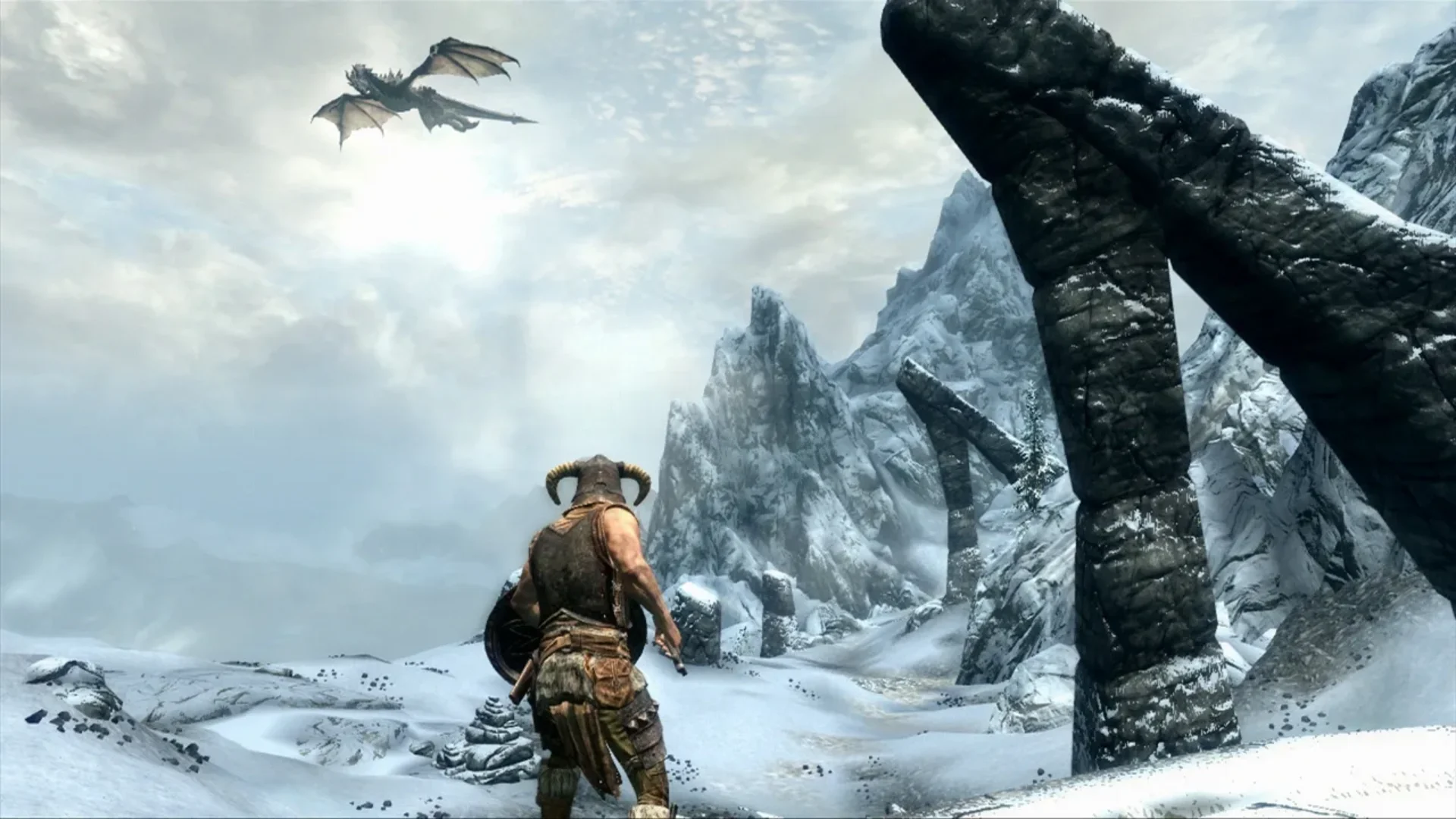
Skyrim begins with an execution interrupted by a dragon, then releases the Dragonborn into a northern province divided by civil war. The main story supplies clear direction, but the game is better at making that direction feel temporary. A walk toward Whiterun may reveal a cave entrance or a giant camp on the horizon. Following either can fill an evening without advancing the original objective.
Skills improve through use, allowing a character to develop without choosing a rigid class. Repeatedly opening fights from stealth makes Sneak stronger. A warrior who begins using healing magic after difficult encounters may eventually become capable enough to abandon potions. The familiar stealth archer build became common because the systems allow habits to shape the character naturally.
Not every quest line earns its dramatic promotion. Some guilds place the Dragonborn in charge after surprisingly little work, and dragons become less intimidating once their attacks are understood. Bugs still appear across the many editions, although current releases are far more stable than the original.
What Skyrim continues to do exceptionally well is place interesting distractions within sight of one another. The road is rarely empty, and the next detour seldom needs a quest marker to justify it.
Skyrim reimagines and revolutionizes the open-world fantasy epic, bringing to life a complete virtual world open for you to explore any way you choose. Play any type of character you can imagine, and do whatever you want; the legendary freedom of choice, storytelling, and adventu
Released
November 10, 2011
Developer
Bethesda Game Studios
Publisher
Bethesda Softworks
Tagged In
Discussion
0We want to hear from you. Share your perspective in the comments below, and please keep the conversation respectful.
Log in to join the discussion - vote, reply, and share your take.
Log In