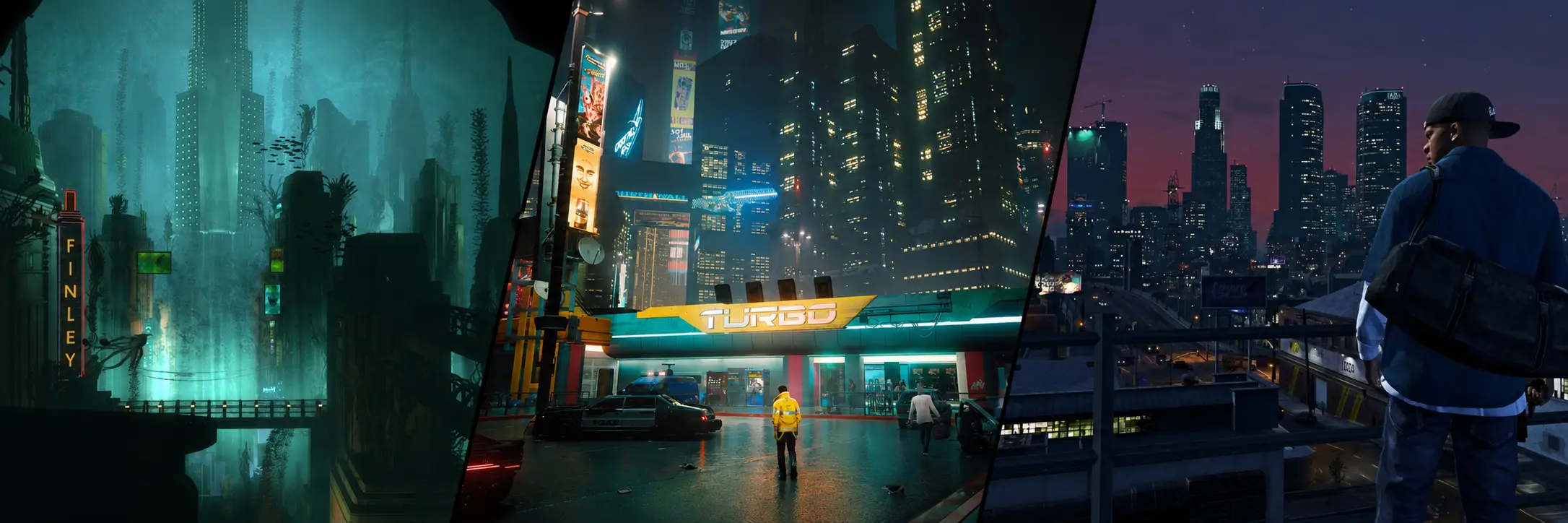
The 7 Best Video Game Cities of All Time
The greatest virtual cities do more than surround missions. They shape how a game moves, what its world believes and which streets players remember years later.
A city can be the largest object in a game and still feel like background. Skyscrapers mean little if they only form walls around objectives, while crowded streets stop feeling alive when every district repeats the same shops and activities. Memorable cities explain themselves as the player moves through them. A checkpoint reveals who controls a neighbourhood. A train line shows who lives above the street. A shortcut turns a hostile maze into somewhere understood.
This ranking considers visual identity, use of space, narrative importance, influence and how well each location serves the mechanics built around it. The list is limited to one city per series. Some of these places are lively enough to waste an evening in. Others are dying when the player arrives. All seven would leave the games built around them fundamentally poorer if replaced by a generic setting.
7. City 17
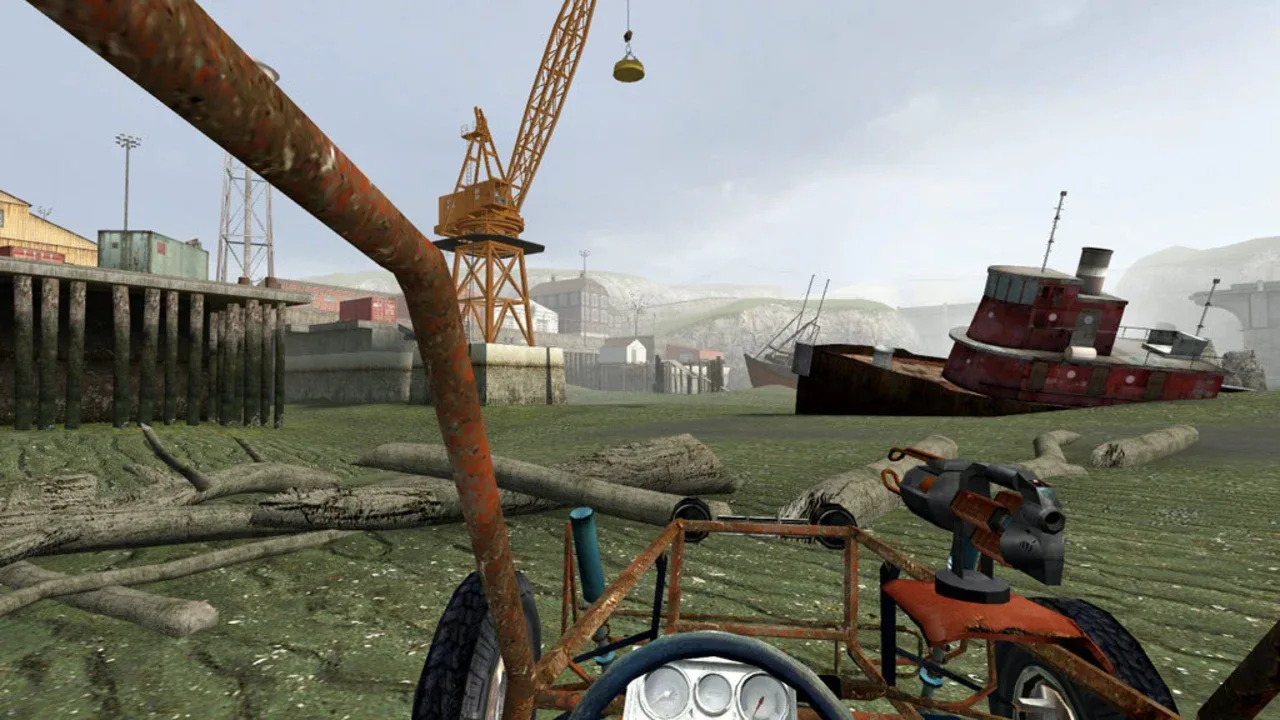
Half-Life 2 introduces City 17 through a train station, a security checkpoint and Dr Wallace Breen speaking from screens above people who have learned not to look up. Gordon Freeman receives no guided tour of the Combine occupation. He sees residents being redirected, apartments being searched and Civil Protection officers treating ordinary movement as suspicious. By the time the Citadel appears above the rooftops, the city has explained what it is.
Its linearity strengthens that idea. Gordon is pushed through courtyards, tenements, rooftops and canals along routes that feel temporary or forbidden. The Combine controls the streets, so resistance means travelling through the spaces between them. When the campaign returns during the uprising, familiar buildings have become a battlefield and frightened citizens are carrying weapons. City 17 is not an open world, but it first teaches the player to feel trapped and then uses the same architecture to make rebellion visible.
6. Los Santos
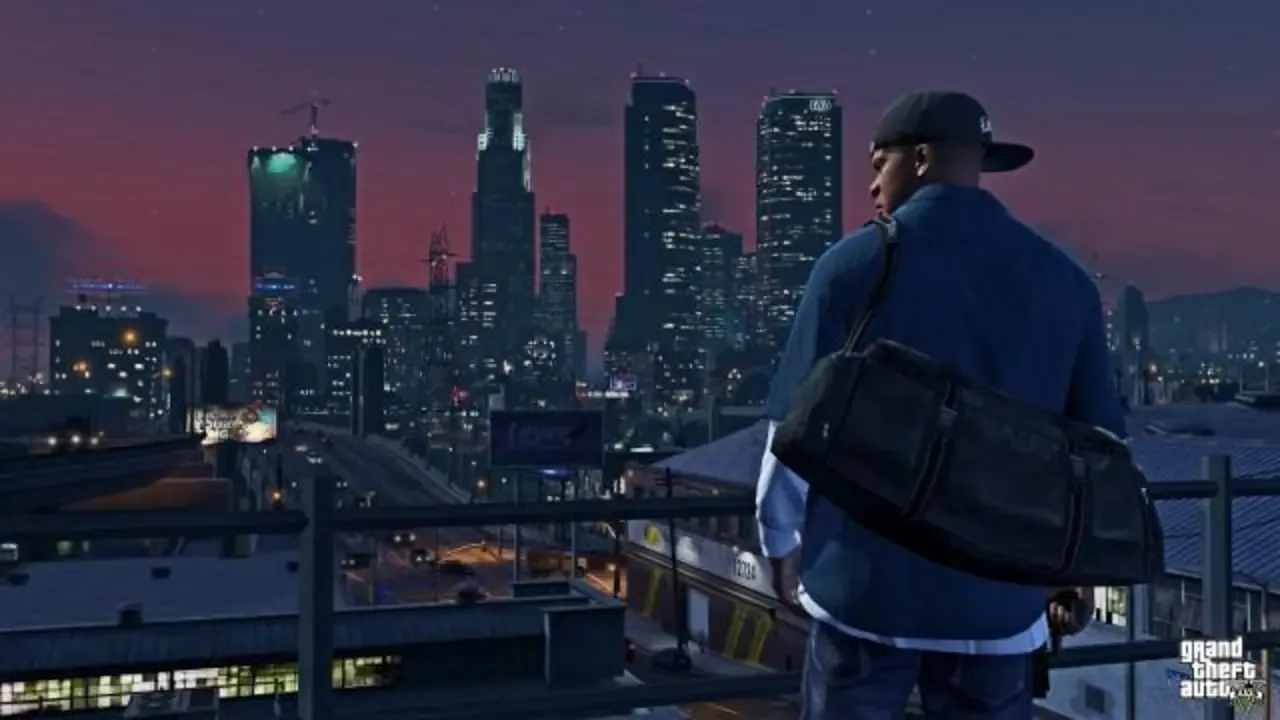
Los Santos can sell an entire neighbourhood before the player leaves the car. Radio adverts, billboards, traffic and the people on the pavement change as Grand Theft Auto V moves between South Los Santos, Vespucci Beach, Vinewood and Rockford Hills. The satire is rarely subtle, but its targets are built into the map. Wealth climbs into gated hills, entertainment sells fantasy from studio lots and neglected communities sit beneath freeways carrying richer residents elsewhere.\
The three protagonists also read the city differently. Franklin sees limited opportunities in the streets where he grew up. Michael has reached the expensive side of Los Santos and discovered that comfort has not fixed him. Trevor arrives from Blaine County with no interest in respecting the social rules everyone else follows. The city can support all three perspectives because it contains aspiration, resentment and excess within driving distance of one another. It also gives several figures in our ranking of GTA's best antagonists a culture of money and status to exploit.
Rockstar's extended look at GTA VI suggests its new Vice City may eventually set a higher standard. Until players can actually learn those streets, Los Santos remains the studio's most complete urban playground.
5. Kamurocho
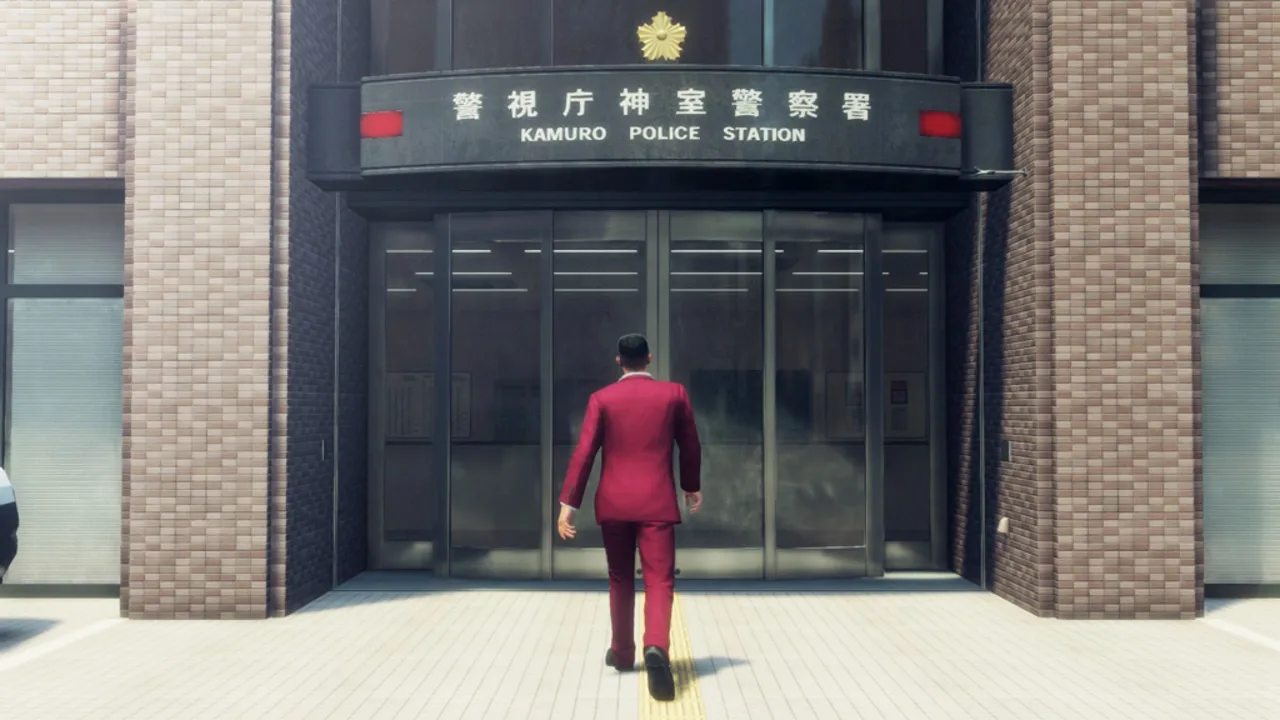
Kamurocho is small enough for a player to recognise a corner before checking the map. The district, modelled on Tokyo's Kabukicho, compresses restaurants, bars, arcades, offices and criminal hideouts into a few dense blocks. A walk to the next story objective can produce a street fight, a substory involving a stranger or an hour lost to mahjong. None of those diversions requires a separate region pretending to be a city.
Its real advantage is time. The Yakuza and Like a Dragon games revisit Kamurocho across different decades, allowing businesses to close, landmarks to appear and old relationships to become attached to specific places. The Empty Lot driving Yakuza 0 eventually gives way to Millennium Tower. What initially looks like reuse turns into continuity. Most open worlds impress with the amount of ground they cover; Kamurocho makes players notice what has changed since the last visit.

4. Night City
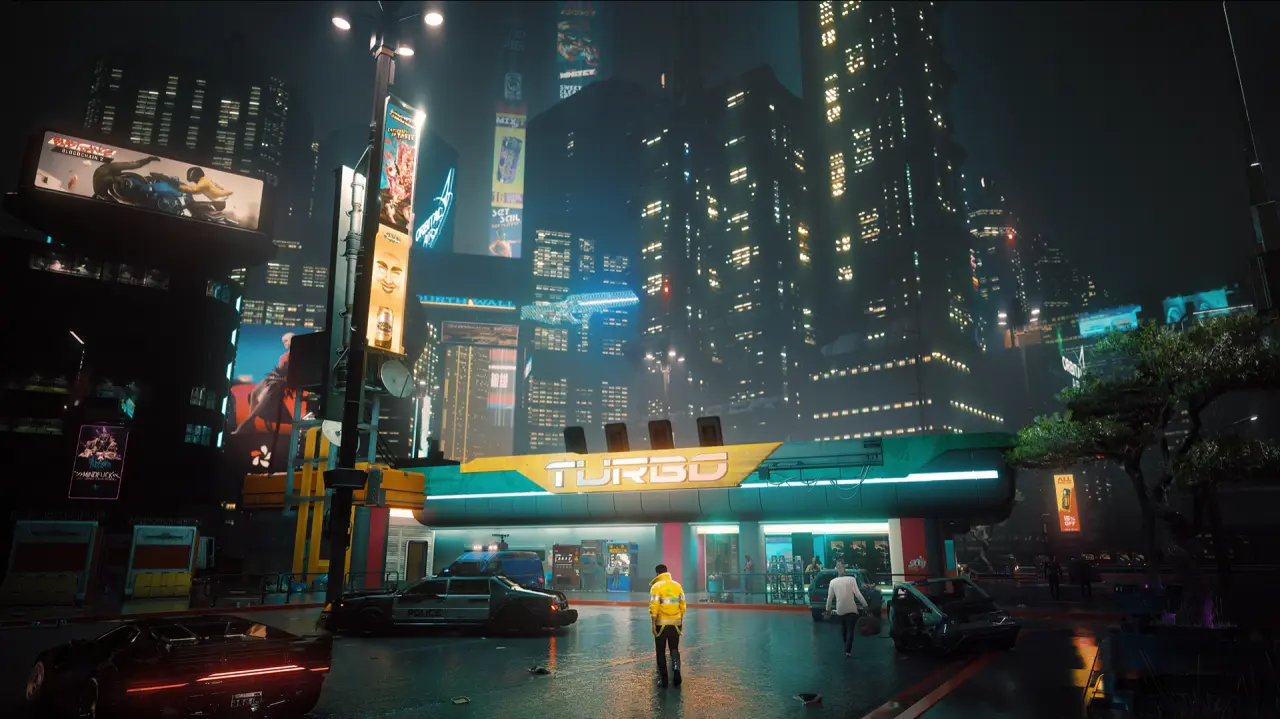
Night City is designed to make the individual feel temporary. Corporate towers dominate the skyline, megabuildings stack thousands of lives on top of one another and advertisements cover almost every surface that could offer silence. Cyberpunk 2077 follows V's attempt to resist death, but the city shows how easily another mercenary, executive or gang member can take an empty place.
Travelling through it reveals more than the neon centre used in trailers. Pacifica's unfinished resorts preserve an abandoned investment. Santo Domingo keeps the city's machinery running without sharing its luxury. Watson mixes markets, industry and cramped homes beneath structures built for people with more power. Cars make those economic borders easy to cross without making them disappear. Night City does not need every door to open when its roads curve beneath impossible towers, alleys create routes through combat spaces and every district suggests activity continuing beyond V's reach. Few game cities make spectacle feel this much like pressure.
3. Midgar
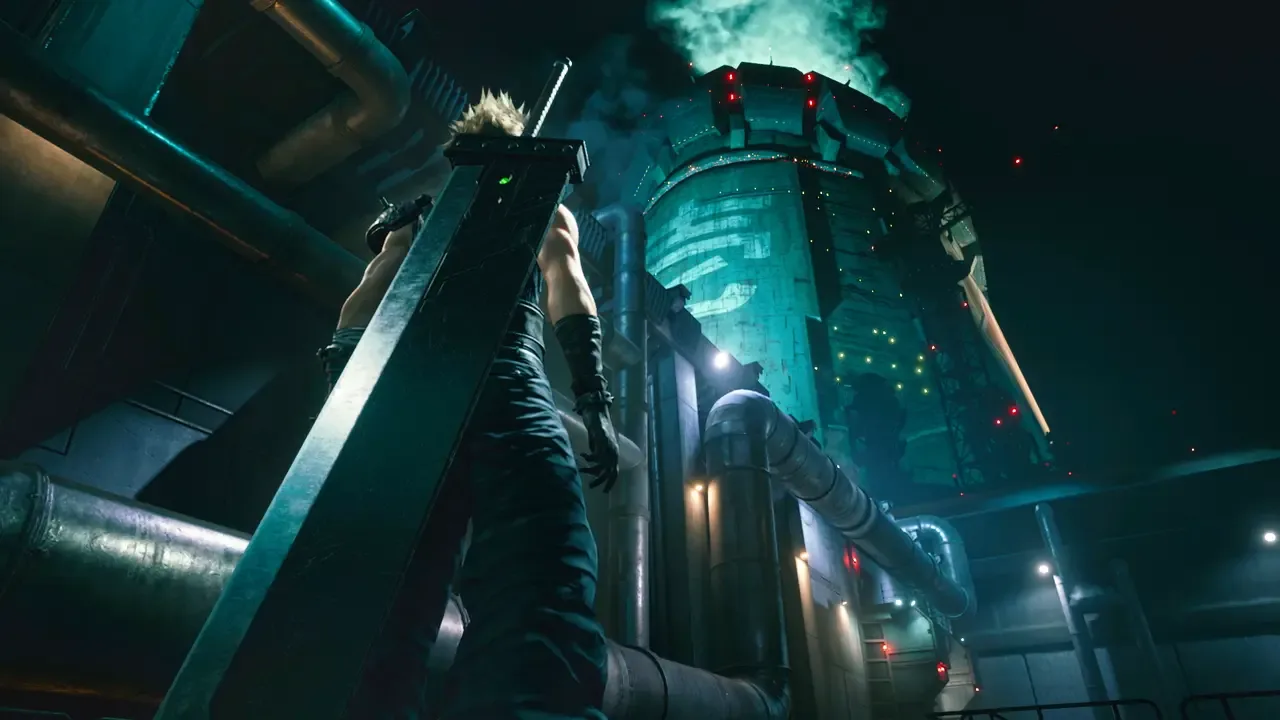
Midgar turns social inequality into a cross-section. Shinra's plates lift wealth and offices above communities denied natural daylight beneath them, while eight mako reactors drain the planet to keep the structure running. The arrangement is understandable before Final Fantasy VII explains the Lifestream or gives President Shinra much screen time. Power belongs to the people living on top because they have physically placed themselves there.
The original game only keeps Cloud and the party in Midgar for its opening act, yet locations such as the Sector 7 slums, Wall Market and Shinra Building define much of what follows. Leaving the city feels significant because Midgar has been presented as the whole world and then suddenly becomes one poisoned point on a much larger map.
Final Fantasy VII Remake expands that opening into a full game without exhausting the setting. It gives residents routines, stretches the journeys between sectors and spends more time showing who pays for Avalanche's conflict with Shinra. The added scale works because the basic design was already so clear. Midgar is not merely a memorable skyline. It is the game's argument about class, industry and environmental destruction made playable.
2. Yharnam
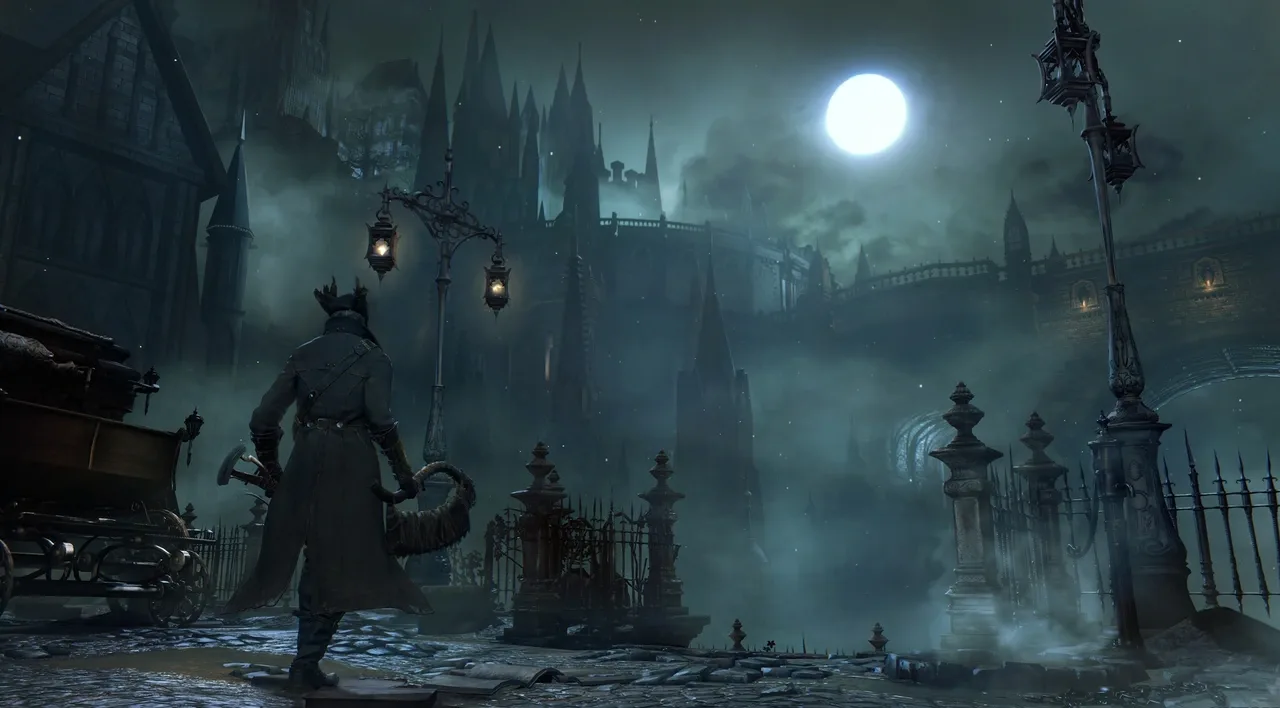
Yharnam greets a visitor with locked doors, burning beasts and residents shouting from behind windows. The city built its reputation on miraculous blood ministration, and by the time Bloodborne begins, that cure has become inseparable from its disease. The Healing Church occupies the heights around Cathedral Ward while older and uglier truths wait underneath. Architecture establishes the hierarchy before the story provides names for it.
The streets initially feel designed to get the Hunter lost. Staircases double back, gates refuse to open from one side and narrow alleys hide enemies behind carriages and coffins. Progress gradually reveals ladders and lifts connecting places that once seemed far apart. Learning Yharnam is therefore a practical form of survival. A route that consumed every Blood Vial on the first attempt can later become a short walk to a boss.
It also changes according to what the player understands. Enough Insight reveals enormous Amygdalae clinging to buildings that appeared empty before, turning familiar walls into evidence that the nightmare was always present. Bloodborne earns its place among the best Soulslike games through combat, but Yharnam gives every hunt its meaning. The city is a level, a history and a diagnosis of its own collapse at the same time.
1. Rapture
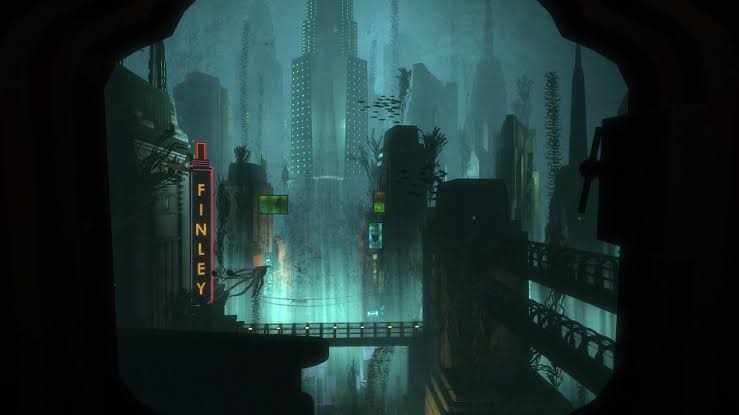
Rapture makes its first impression before the player reaches a street. A bathysphere descends through black water, Art Deco towers emerge from the seabed and Andrew Ryan explains the dream that brought people there. BioShock does not rely on that view for long. The windows soon show cracks and leaks. Luxury spaces lead into ruined medical wards, flooded apartments and businesses reshaped by civil war.
Every major system belongs to that history. Plasmids give Jack spectacular abilities because Rapture turned genetic modification into a consumer product. Splicers show what that market did to customers. Big Daddies and Little Sisters connect the city's industry to ADAM, the resource needed for further upgrades. Even searching bins and abandoned rooms fits a society that collapsed after promising exceptional people freedom from every limit.
Audio diaries fill in individual stories, but barricades, propaganda, leaking tunnels and bodies around failed escapes already show how Ryan's private utopia became a prison. The city is visually distinct, mechanically useful and central to every question the game asks about freedom and control. Other entries on this list could host a different story. Remove Rapture from BioShock and almost nothing survives unchanged. That is why it remains the best video game city of all time.

Discussion
0We want to hear from you. Share your perspective in the comments below, and please keep the conversation respectful.
Log in to join the discussion - vote, reply, and share your take.
Log In