The 8 Best Capcom Games of All Time
Ranked from Phoenix Wright to Resident Evil 4 Remake, these are the 8 best Capcom games of all time and why they still stand out today.
Capcom has spent decades moving confidently between courtroom mysteries, arcade fighters, horror, and demanding action games. Its strongest releases do more than represent an important moment in gaming history. They remain enjoyable now, whether that means finishing a tightly paced campaign or returning for another hundred hours of practice.
This ranking allows only one game from each franchise and judges the complete experience available today. Sales, reviews, influence, and long term reception all matter, but mechanical depth and replayability ultimately decide the order.
8. Phoenix Wright Ace Attorney

Phoenix Wright Ace Attorney turns the work of a rookie defense lawyer into a lively combination of crime scene investigation and courtroom puzzle solving, but the game comes alive when testimony begins to crack under pressure.
In the opening case, a witness identifies a supposed statue as a clock even though that detail was never revealed, giving you the contradiction needed to expose his lie. Moments like this work because the writing gives each deduction a comic payoff without losing sight of the murder mystery behind it.
The current Trilogy release is the easiest way to play, with cleaner presentation, episode selection, and assistance features added through updates. Its rigid logic remains the main frustration, since the court sometimes rejects sound reasoning unless you present one specific item against one specific statement.
7. Ghost Trick Phantom Detective

Ghost Trick Phantom Detective opens with Sissel already dead, leaving him one night to discover who killed him and why his spirit can possess nearby objects. From the Ghost World, you move between items and perform small tricks in the living world, then rewind the final four minutes before a death to change the outcome.
An early rescue ends with a wrecking ball dropping onto an assassin, teaching the rules through a satisfying piece of physical comedy. The mystery keeps expanding from there, and the high definition remaster preserves the expressive animation and eccentric cast that define the game while adding sharper art, music options, and useful text controls.
Some later solutions depend on trial and error, however, and repeating the same timed sequence can interrupt an otherwise brilliantly paced story.
6. Mega Man X
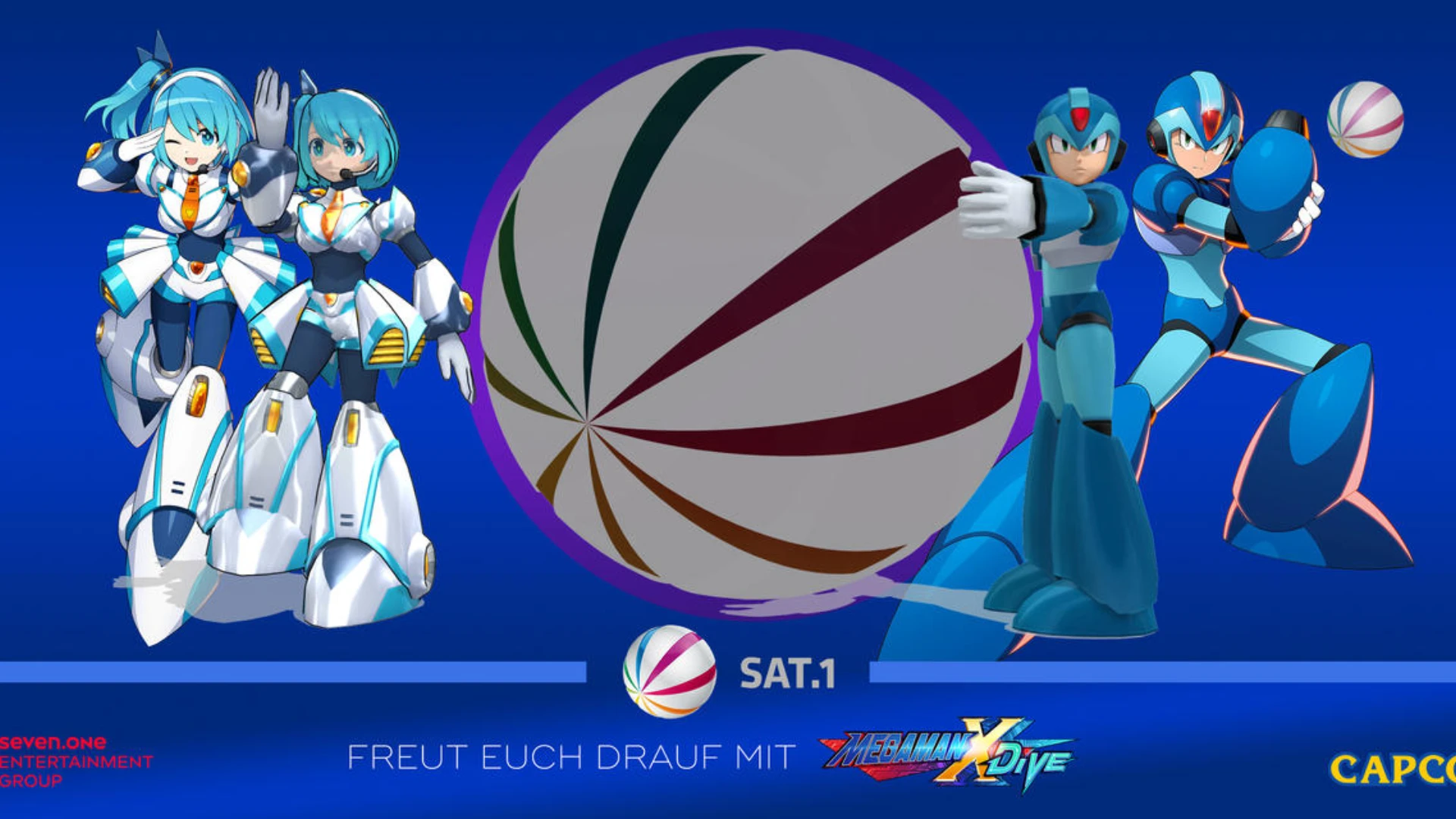
Mega Man X rebuilt Capcom's action platformer around wall jumps, dashes, and charged shots, then used eight stages that can be tackled in different orders to make that new freedom meaningful. Beat Chill Penguin before visiting Flame Mammoth, for example, and the dangerous lava in the factory freezes, creating safer ground and opening a different route through the level.
Hidden armor pieces and health upgrades reward careful exploration, and the bosses encourage repeated runs as their patterns become easier to read and exploit. Mega Man X Legacy Collection provides the most convenient modern release, with a Switch version that runs close to the original hardware and includes the game alongside its early sequels.
The final fortress is less elegant than the stages before it, since its difficulty spikes and mandatory boss rematches slow the momentum just when the adventure should be reaching its cleanest finish.
5. Ōkami HD

Ōkami HD places the sun goddess Amaterasu in the body of a white wolf and gives her a Celestial Brush that pauses the action so you can draw directly across the scene. Circle a withered Guardian Sapling and the surrounding land bursts back into life, turning a simple puzzle solution into a visible change that follows you through the world.
Its hand painted art still looks remarkably distinctive today, and the villages and dungeons give the generous adventure enough variety to sustain its length.
The Switch edition is especially comfortable because its touch controls suit the brush, although every HD version remains locked to 30 frames per second.
The larger problem is pacing, since repeated explanations and a slow opening regularly delay a game built around the pleasure of discovery.
4. Devil May Cry 5
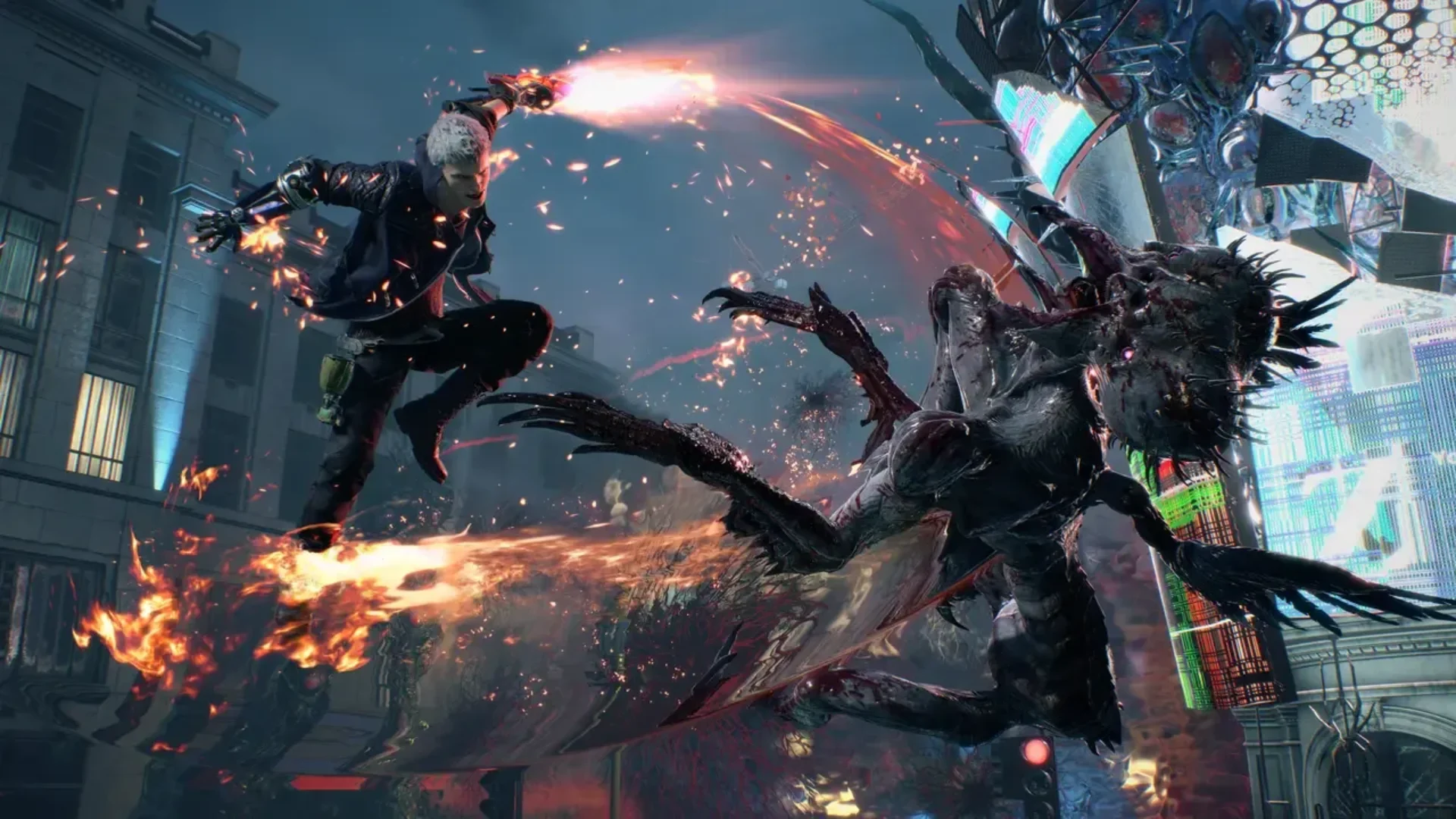
Devil May Cry 5 treats every demon encounter as a chance to improvise, and Nero demonstrates that freedom by launching an enemy, pulling it back with the Wire Snatch, and revving the Red Queen to keep the aerial sequence alive. Dante offers an even denser set of weapons and combat styles, giving experienced players enough options to refine techniques across several playthroughs.
Basic attacks keep the campaign approachable because they are responsive and readable, whereas higher settings and Bloody Palace expose how much room there is for mastery. The fullest console version is the Special Edition, and the Devil Hunter Edition now provides a smooth portable option on Switch 2.
V is the weak link because commanding his familiars creates distance from the impact, making his chapters less precise and immediate than Nero's or Dante's fights.
3. Street Fighter 6

Street Fighter 6 welcomes newcomers without reducing the depth that keeps experienced players studying every matchup, largely because its shared Drive Gauge ties defensive and offensive choices to one limited resource. A Drive Rush can turn a quick crouching kick into a full combo, but careless use may leave you in Burnout with weaker defense just as the opponent pushes you toward the corner.
Modern controls simplify special move inputs, while the traditional layout preserves the precision longtime players expect, allowing both groups to learn through strong training tools and stable online matches.
The community remains highly active, with new characters still producing record Steam activity and Capcom continuing its tournament circuit. World Tour adds a welcoming single player introduction, though repetitive street fights and slow progression prevent it from matching the quality of the central one on one competition.
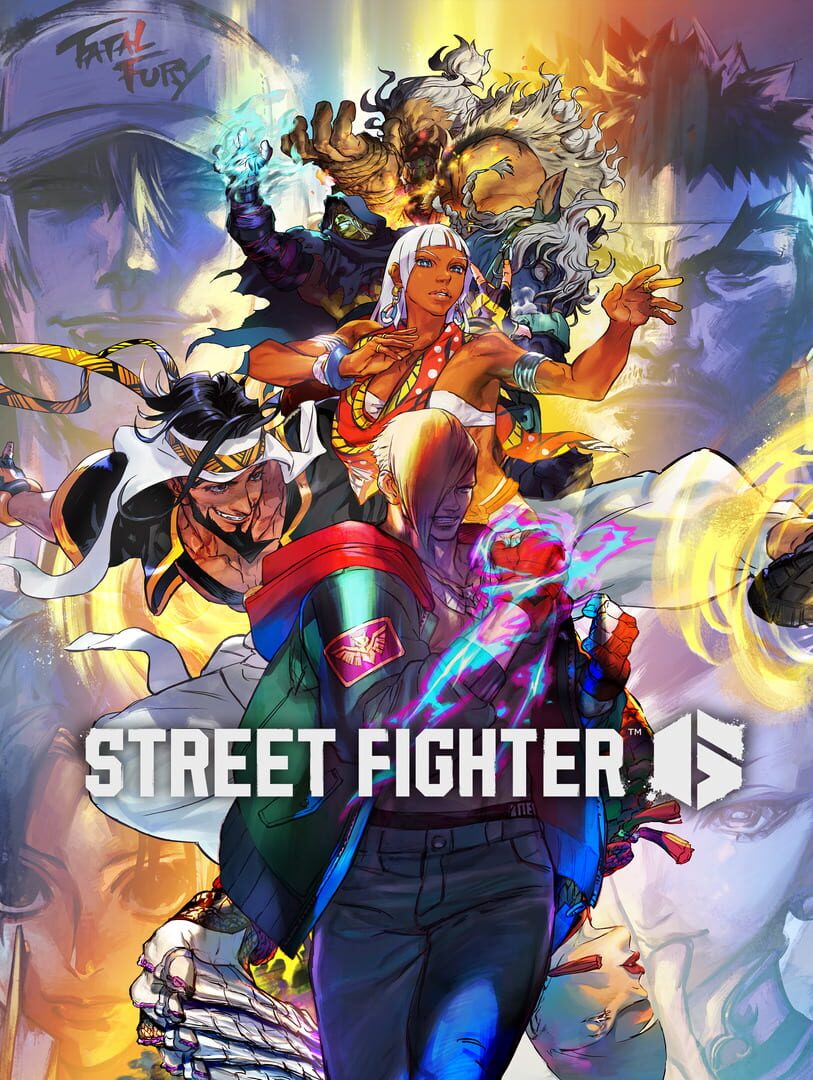
The evolution of fighting games starts with our traditional Fighting Ground, and then we're turning the genre on its head with World Tour and Battle Hub for a total of three modes where anyone can play to their liking. No one starts off as a champion. You get there step by step,
Released
June 2, 2023
Developer
Capcom Development Division 2
Publisher
Capcom


2. Monster Hunter World
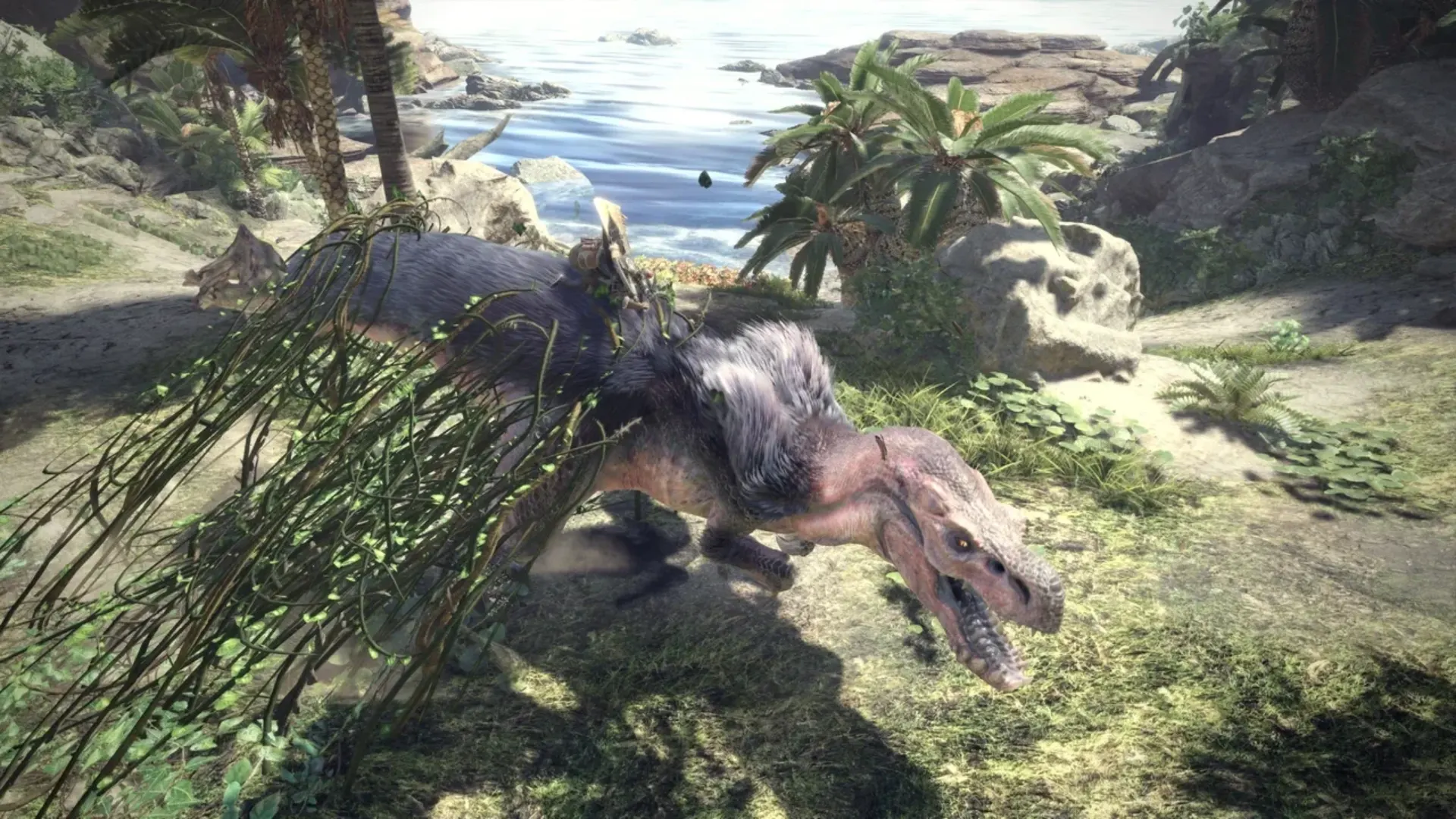
Monster Hunter World turns each hunt into preparation for the next, and an early confrontation with Anjanath may end when its fire breath catches you at the wrong angle.
That failure reveals how far its attacks reach and which openings are safe enough for a charged strike, so returning with better equipment never replaces the need to read the creature calmly.
Four player hunts add cooperation without removing that personal responsibility, since every weapon asks its user to manage a distinct rhythm and position. The recommended complete experience is Monster Hunter World Iceborne Master Edition, which runs well through current console compatibility and carries progression deep into Master Rank through its enormous expansion.
Repetition is essential to that structure, so anyone who dislikes hunting the same creature for a rare material may find the upgrade loop exhausting rather than rewarding.
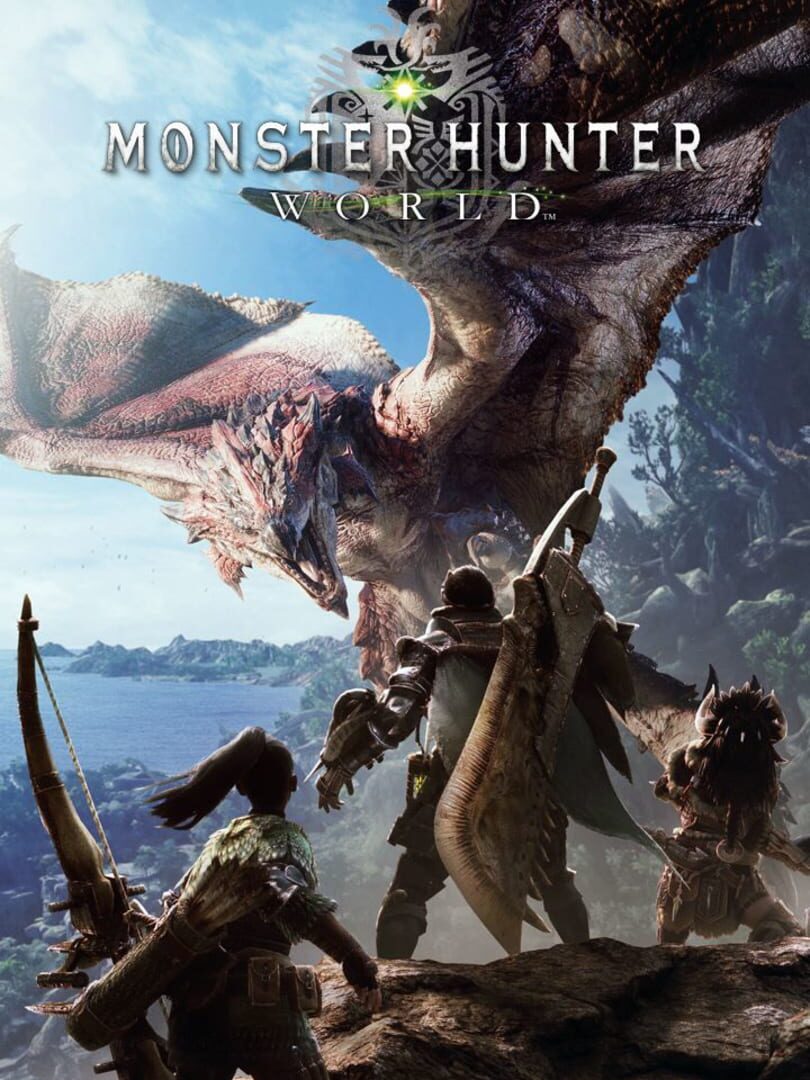
Welcome to a new world! Take on the role of a hunter and slay ferocious monsters in a living, breathing ecosystem where you can use the landscape and its diverse inhabitants to get the upper hand. Hunt alone or in co-op with up to three other players, and use materials collected
Released
January 26, 2018
Developer
Capcom
Publisher
Capcom
1. Resident Evil 4 Remake
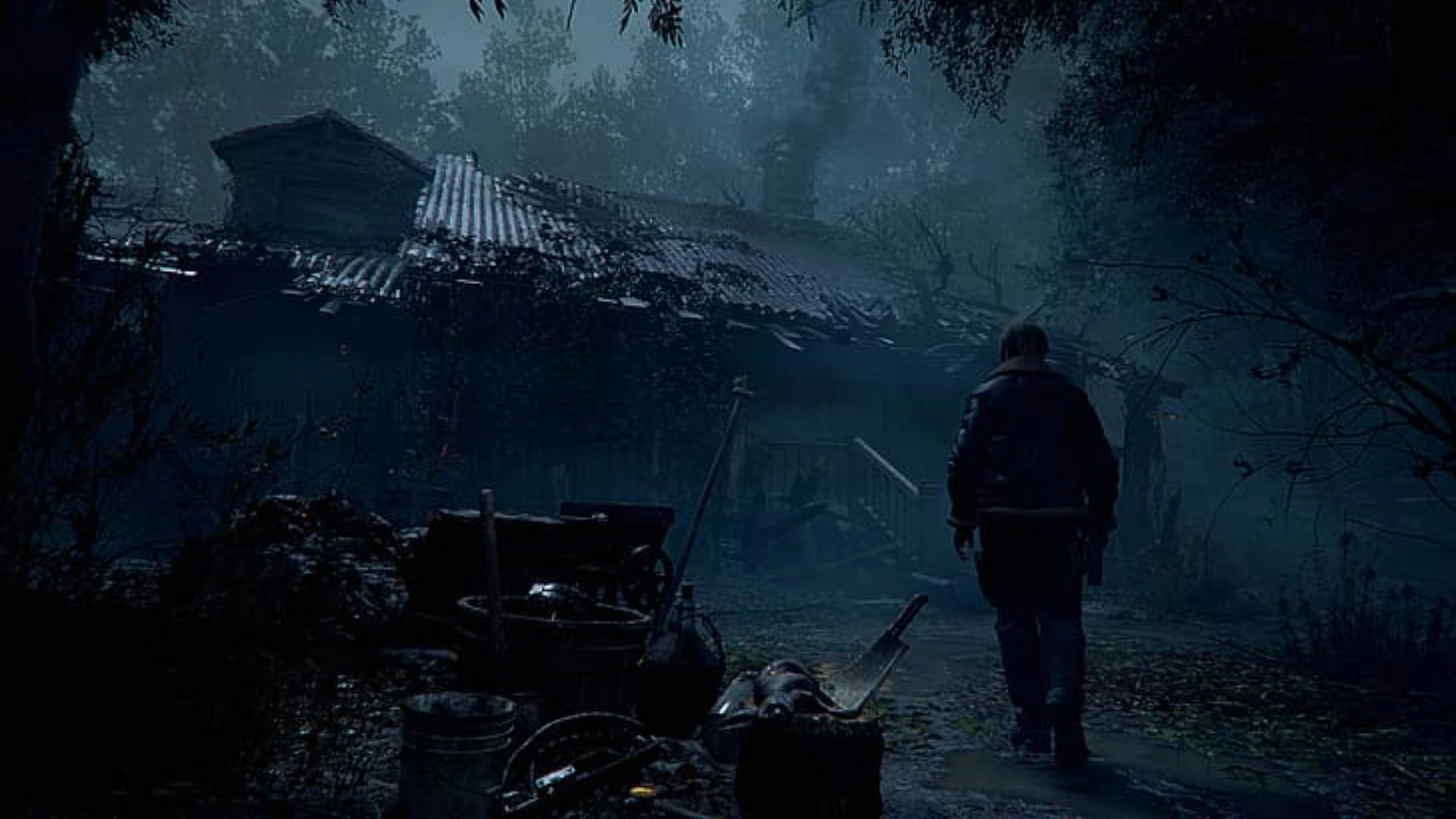
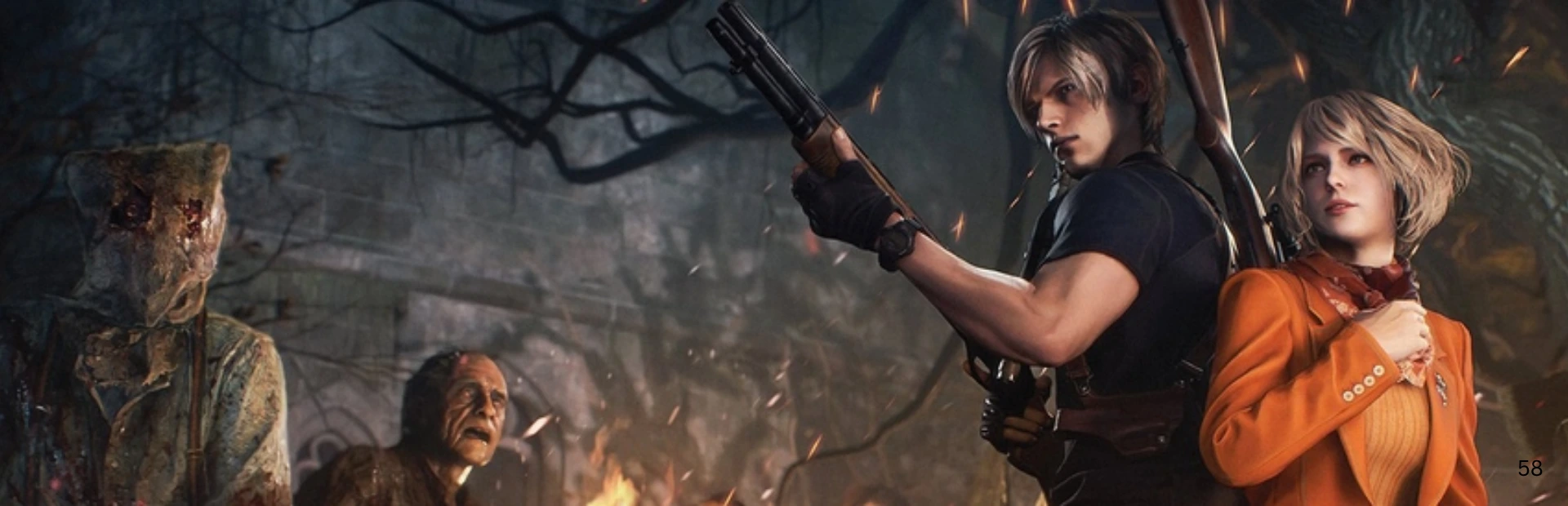
Resident Evil 4 Remake earns first place by balancing survival horror tension with flexible third person combat, and the opening village attack proves how naturally those parts support each other.
Leon has several escape routes but never enough ammunition to feel secure, forcing you to create space as the crowd closes around him. Shooting a Ganado in the knee opens a brief chance for a roundhouse kick, while a carefully timed knife parry can save Leon from the chainsaw at the cost of precious durability.
That push between aggression and conservation continues through a campaign filled with stronger enemy combinations, useful weapon upgrades, and encounters that change enough on later difficulties to reward another run.
The polished Gold Edition adds Ada Wong's substantial Separate Ways campaign, although the base game's combat heavy island remains the weakest stretch because it sacrifices too much uncertainty and horror.
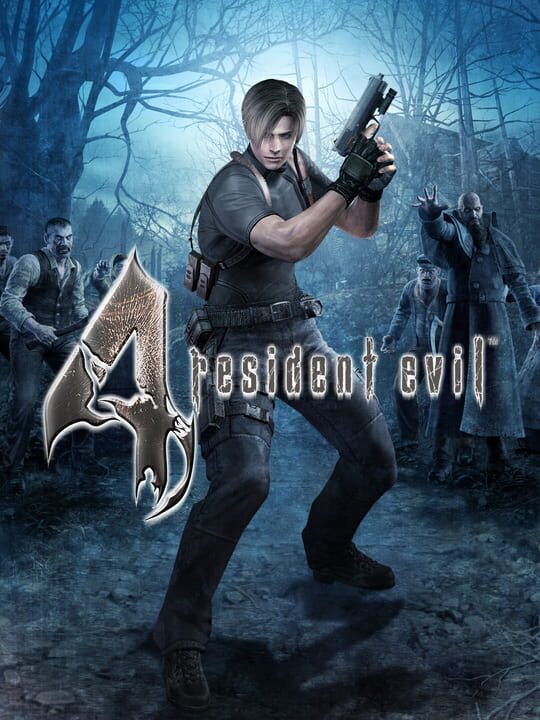
Resident Evil 4
Resident Evil 4 is directly based off the Wii port, having all the new features that the Wii added. Some of the key features of this version are stunning HD graphics running at a smooth 60 frames per second for the first time. It also features a complete visual overhaul to bring
Released
September 8, 2011
Developer
Capcom Production Studio 4
Publisher
Capcom
Tagged In
Discussion
0We want to hear from you. Share your perspective in the comments below, and please keep the conversation respectful.
Log in to join the discussion - vote, reply, and share your take.
Log In