The 9 Best Rockstar Games
Rockstar's most convincing places are defined by how players learn their rules, not by the distance between mission markers.
Since Grand Theft Auto V first arrived, the same Los Santos has crossed three console generations while players waited for its sequel. That long afterlife can make Rockstar look like a company built around one endlessly expanding game. Its earlier catalogue moved much more freely, treating a boarding school or an illegal street race with the same attention it gave a criminal city.
Rockstar's catalogue treats scale as only one kind of ambition. Team Bondi's L.A. Noire, which Rockstar published and carried into later editions, pursues a smaller kind of control through evidence and interrogation. It provides a revealing place to start because its carefully reconstructed city is often limited by the rules used to read the people inside it.
9. L.A. Noire
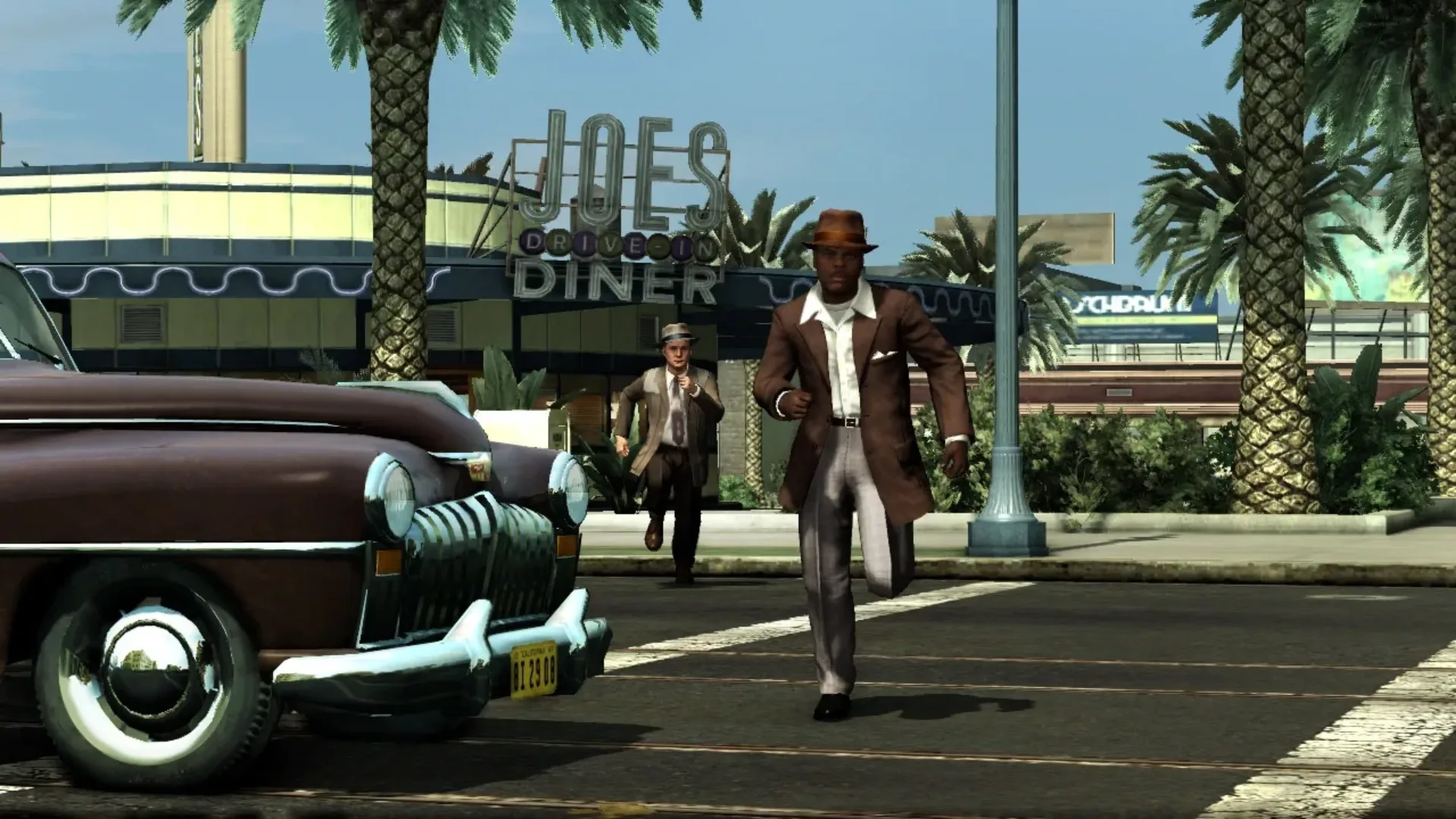
Each case in L.A. Noire sends LAPD detective Cole Phelps to a crime scene, where he searches for evidence before questioning the people connected to it. A missed receipt or footprint can remove an important topic from his notebook. When a witness answers, the player first judges whether the statement is honest. An accusation requires a specific clue that contradicts the testimony.
Searching works best with the clue chimes and controller vibration disabled. A room then has to be studied instead of swept for prompts. Interrogation is less dependable. MotionScan makes facial hesitation visible, yet selecting what sounds like a measured challenge can make Phelps launch into an accusation the menu did not imply. A poor interview can close a lead while allowing the case to continue, which initially makes imperfect detective work feel valid.
The illusion weakens when the next case ignores a disastrous result or a pursuit refuses an obvious early arrest. Its 1947 Los Angeles remains more convincing as a setting for investigations than as an open world. Letting Phelps's partner drive is often preferable because most streets offer little beyond the next case.
8. Midnight Club 3: DUB Edition Remix
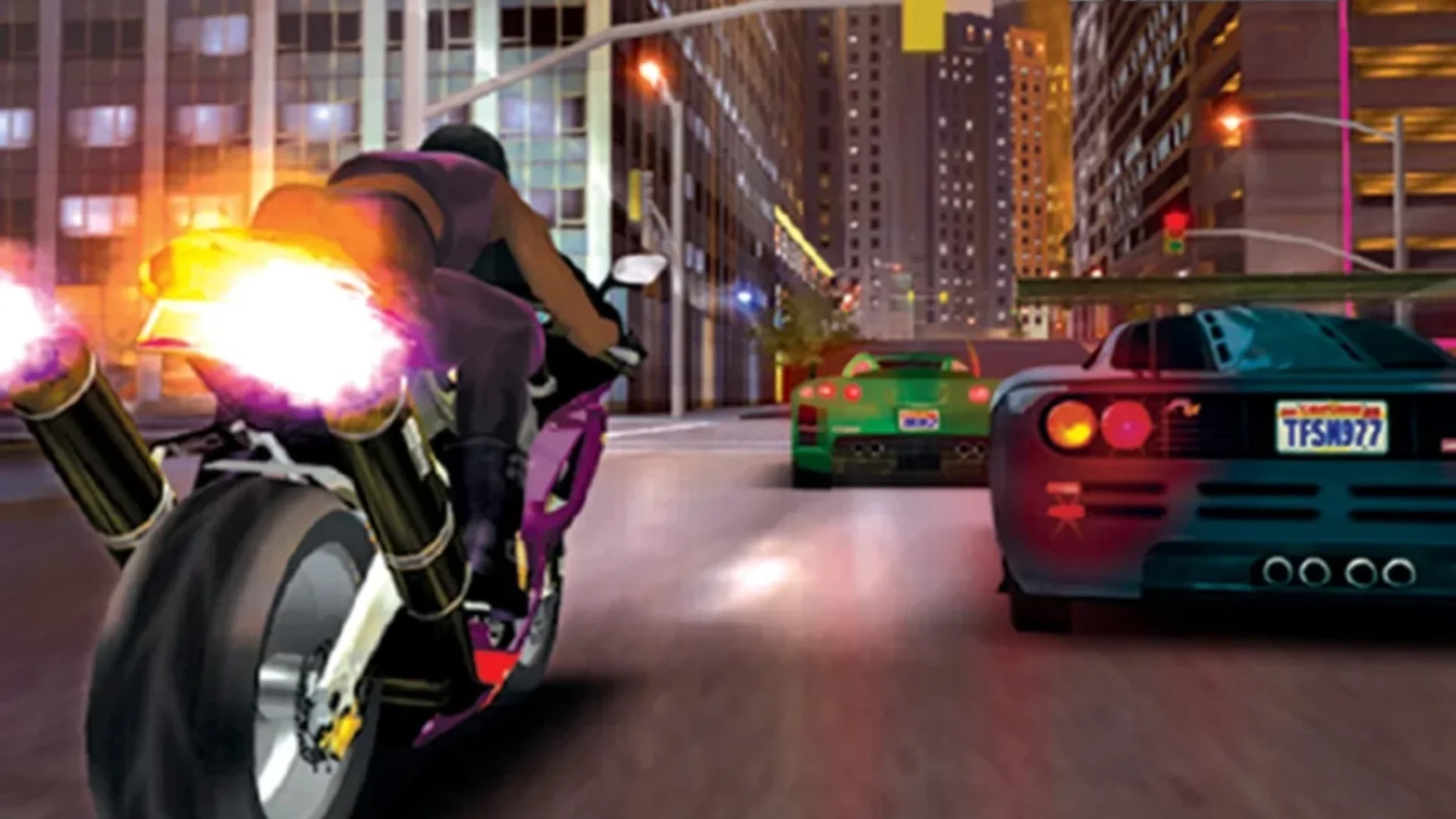
Most racing games teach tracks. Midnight Club 3: DUB Edition Remix teaches cities. Its arcade races place checkpoints across San Diego, Atlanta, and Detroit, with the expanded Remix release adding Tokyo. The gate must be reached, but the road between two checkpoints is the driver's decision. An alley may remove two corners from the route. A badly judged shortcut can instead leave the car facing traffic while the next gate disappears behind a building.
Cruise mode therefore becomes genuine preparation rather than aimless free roaming. Some faster vehicles can activate Zone to slow the world long enough to thread through a crowded junction, while nitrous cannot rescue a driver who chose the wrong street. Later races often turn the first attempt into reconnaissance because the next checkpoint remains hidden until the current one is cleared. That trial and error can be severe, but opponents are allowed to make their own mistakes instead of simply teleporting back into contention.
With no straightforward modern release, Rockstar's sharpest arcade racer remains tied to old hardware.
7. Max Payne 3
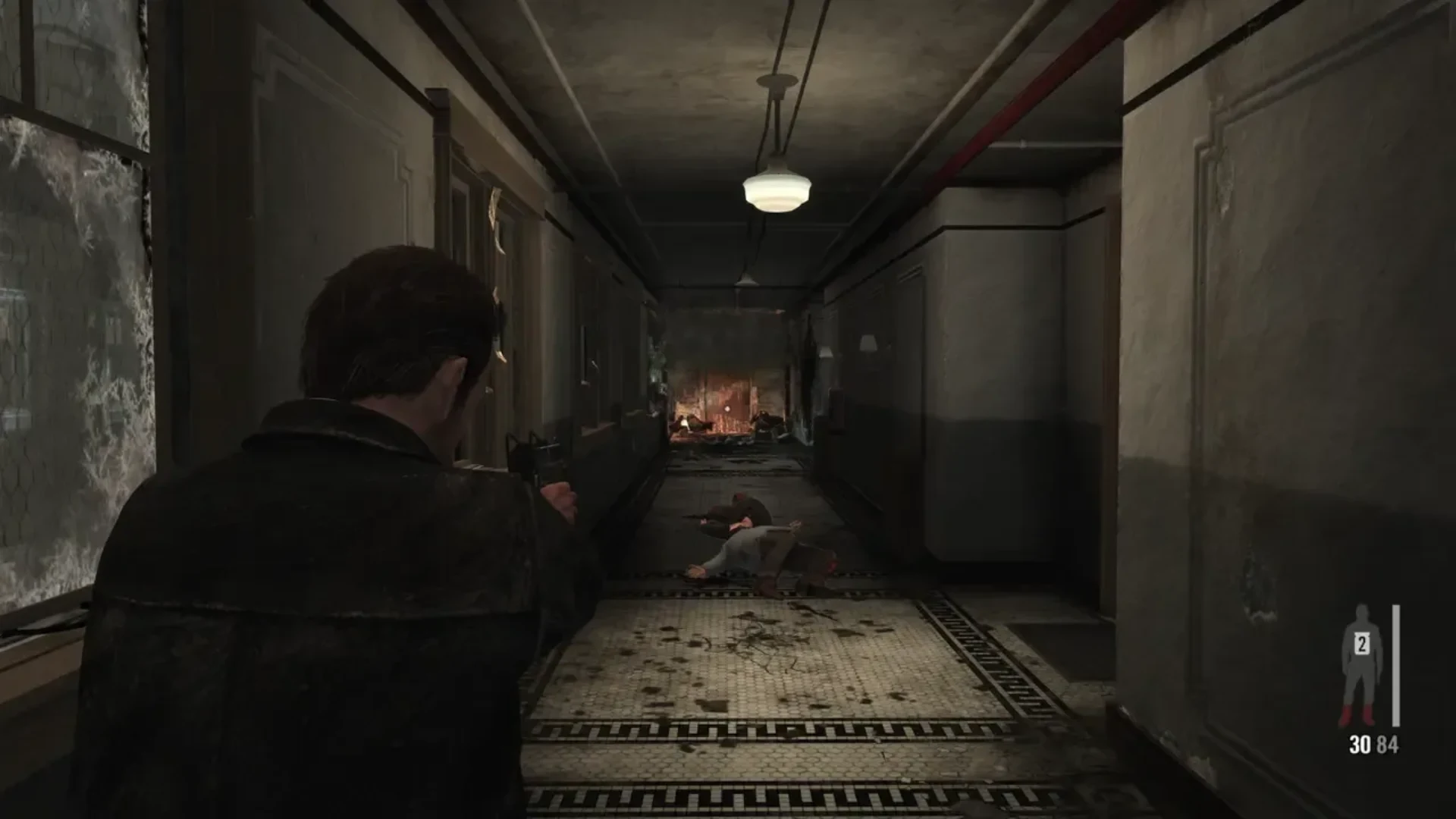
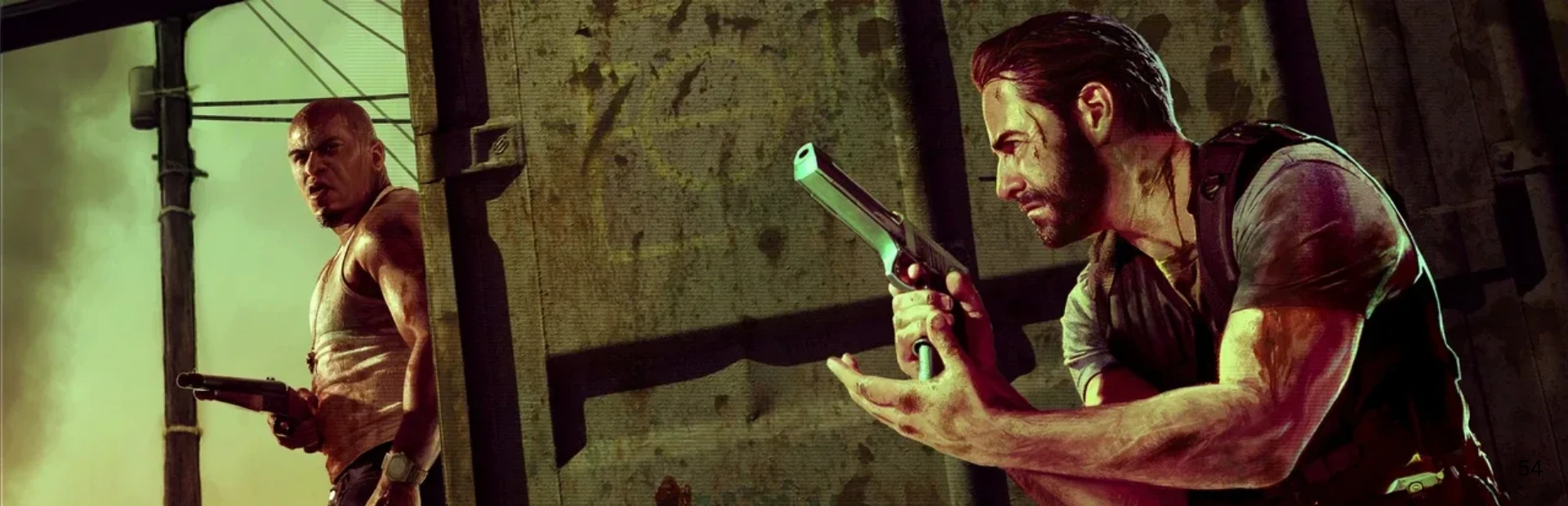
Max Payne 3 removes the open world entirely. It is a linear third-person shooter that follows Max through tightly directed encounters in São Paulo, using Bullet Time to slow everything around him while his aim remains responsive. Cover offers a safe way to read a room, but Shootdodge turns Max's whole body into a commitment.
A dive across an office can clear one line of fire and open another angle before an enemy reacts. Landing behind a desk gives Max somewhere to recover. Landing in the open leaves him struggling back to his feet while everyone else has already found cover. That vulnerable recovery stops the signature move from becoming a free escape button. It also gives the animation unusual consequence because Max cannot instantly cancel a bad decision.
The campaign repeatedly interrupts that control with stylized cutscenes, many of which delay or prevent an immediate skip. They keep the story moving but make replays and score attacks harder to settle into. The plot also returns to Max failing the people he is meant to protect often enough that misery becomes routine. The shooting needs none of Rockstar's usual scale. A destructible room and one poorly aimed dive provide all the space it requires.
6. Bully
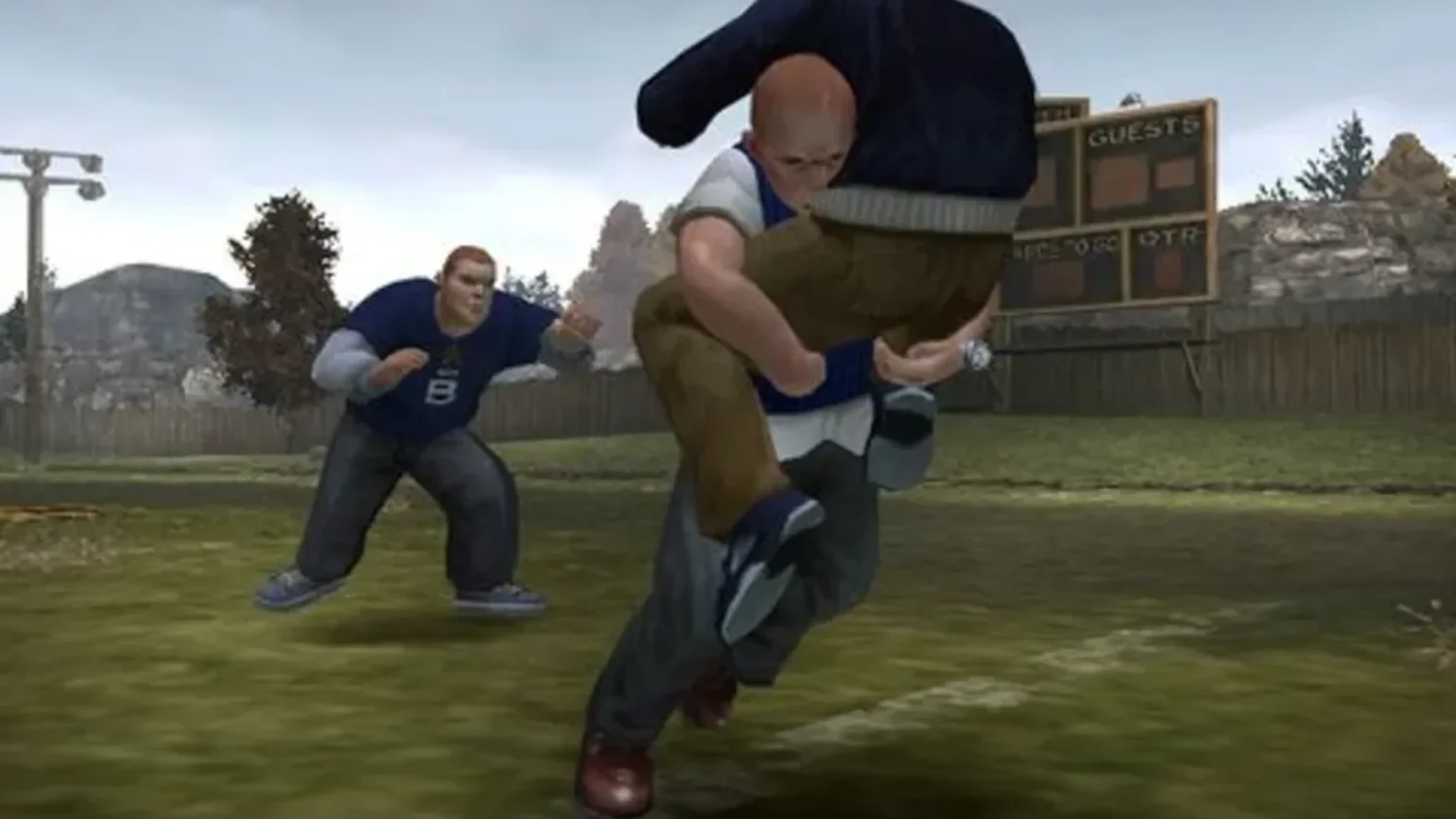
Bullworth Academy imposes a timetable on open-world play. Jimmy Hopkins has two classes each day, and prefects treat skipping them as truancy. Curfew creates another reason to watch the clock, although Jimmy can stay outside until exhaustion ends the night for him. The rules give even a short trip across campus a deadline that a larger Rockstar city would struggle to create.
Classes are minigames with practical rewards. English expands the apologies Jimmy can use after breaking a rule. Chemistry gives him access to new prank items. Once all five sessions of a subject have been passed, that class no longer restricts his schedule, so progress literally creates more free time. Bullworth is small enough for students and prefect routes to become familiar, while each clique controls a recognizable part of the school.
The chapter structure eventually repeats the same cycle of provoking a group and winning its respect. Combat also becomes too forgiving after Jimmy learns stronger moves. The daily routine remains persuasive because freedom is never separate from the next bell.
5. Grand Theft Auto V
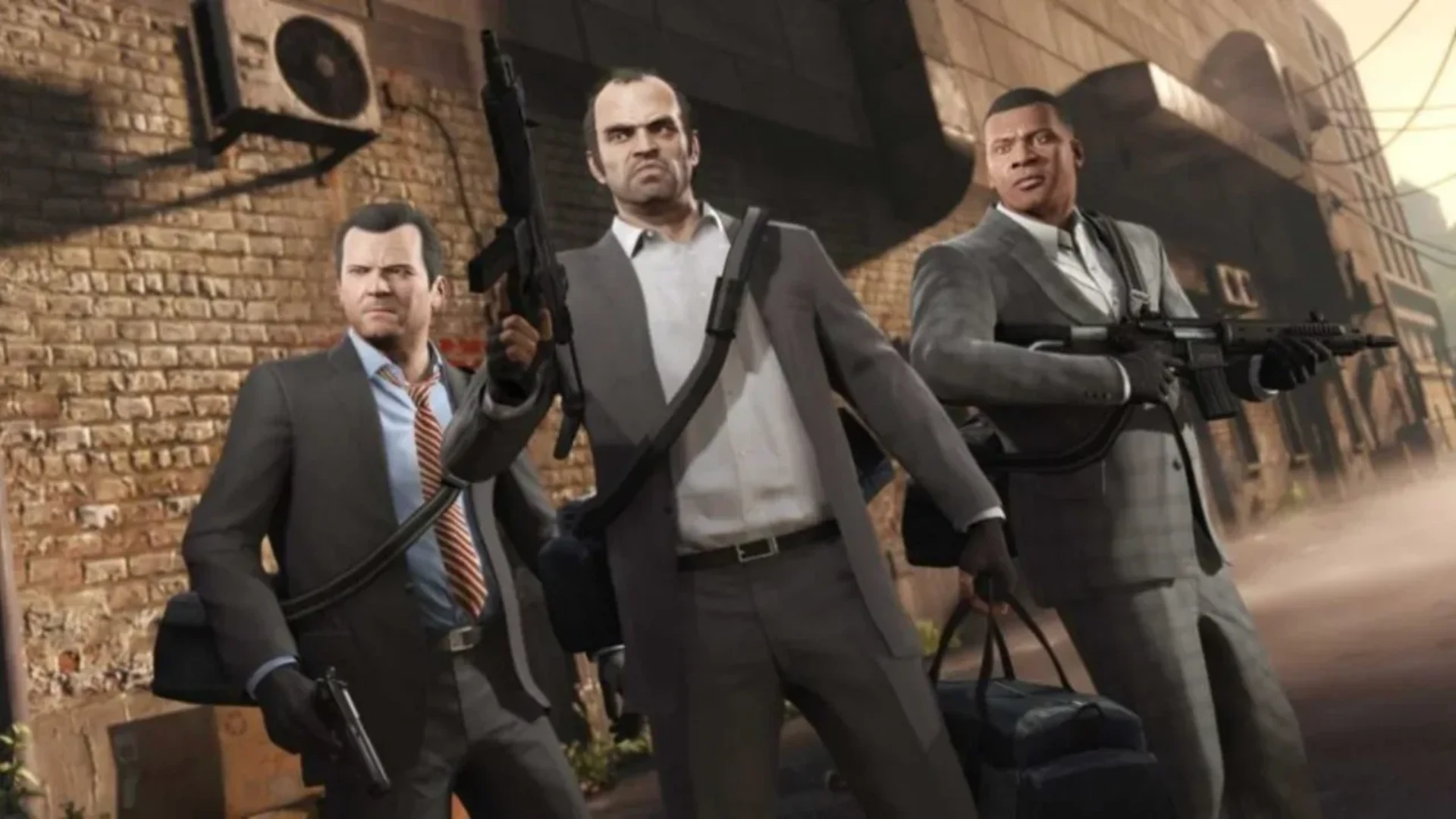
Grand Theft Auto V divides Los Santos among Franklin, Michael, and Trevor. Switching characters outside missions can drop the player into a quiet part of somebody's day rather than returning everyone to a neutral starting point. During the major heists, the same system moves between simultaneous roles while the job continues. A distant shooter can protect the escape, then control can jump directly into the vehicle leaving the scene.
Planning those jobs gives crew selection a lasting cost. An inexpensive specialist may make a damaging mistake, while a surviving crew member improves and can be rehired without demanding a larger cut. Approach choices can rebuild an entire mission around infiltration or a direct assault. The campaign does not use that structure often enough, and several preparation tasks amount to collecting equipment for a far more interesting finale.
Its satire has aged worse. The three leads receive contradictions and room to change, while many women exist only as targets for their anger or jokes. GTA Online has since filled Los Santos with years of additional work, but its menus and inflated economy make the current city harder to enter than the original single-player campaign. The cleanest expression of GTA V is still the moment a heist lets three separate plans become one playable sequence.

4. Grand Theft Auto IV
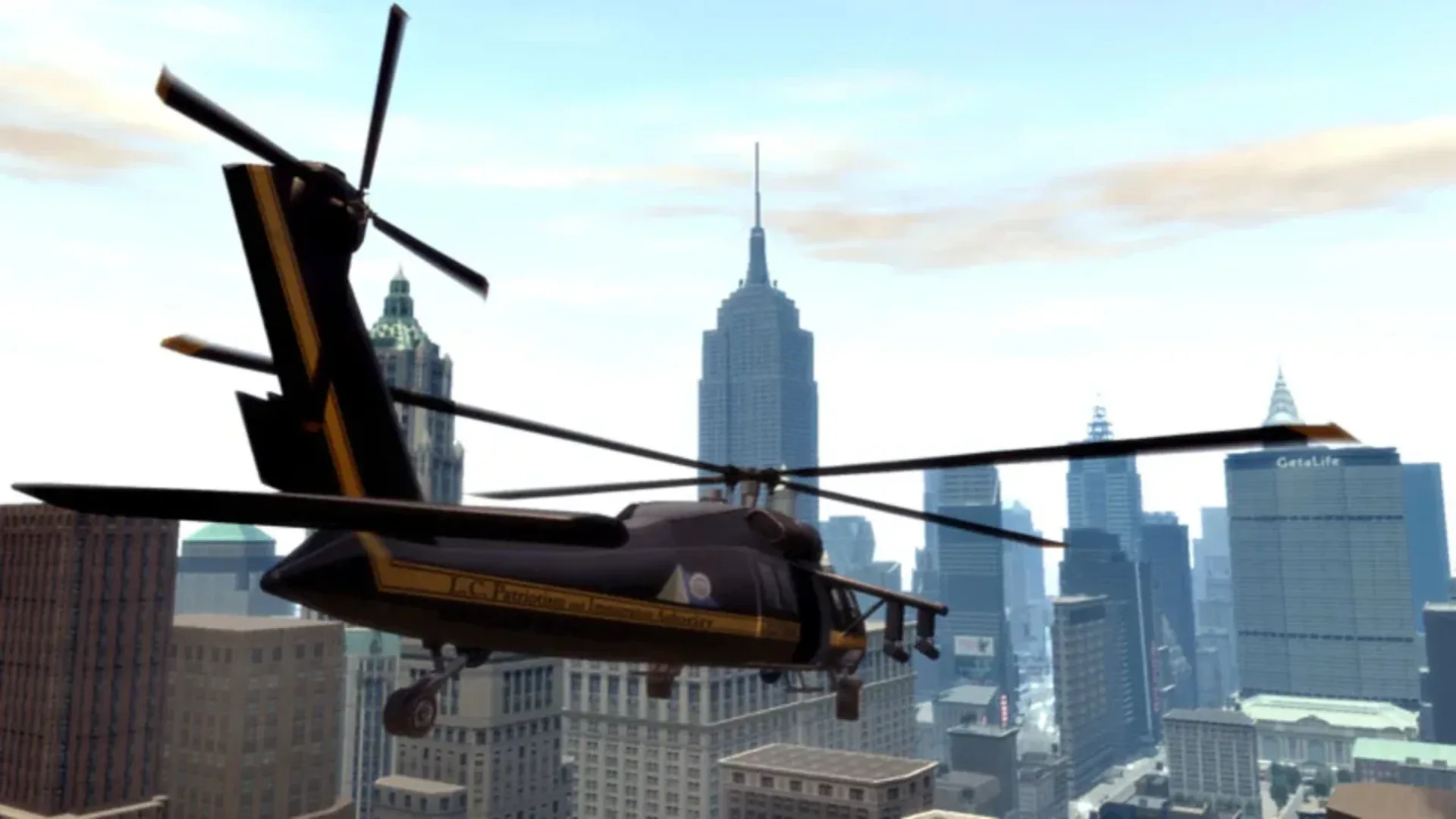
Grand Theft Auto IV asks players to brake before a corner. That sounds like a small change, but its heavier cars reshape an open-world crime game built around driving. Niko Bellic arrives in Liberty City looking for a new life and quickly becomes useful to people who need somebody else to take the risk. A chase begins before the target moves because choosing a nimble car can matter more than finding the fastest one. Body roll and longer stopping distances make the next junction part of the plan.
The same physical weight gives minor accidents consequences. A failed turn can damage the car and attract police attention. Escaping then means changing the route through streets that rarely provide a clean exit. Liberty City supports that friction with dense neighborhoods and a population that feels close enough to interrupt Niko's work. Some story choices allow him to spare a target and deal with the result later, giving his reluctance more substance than the dialogue alone.
The mission structure is much less flexible. Too many jobs place a conventional cover shootout after a long drive, then offer no useful checkpoint when the final exchange goes wrong. Repeating the journey exposes how often the story and city are stronger than the objectives placed inside them.
3. Grand Theft Auto: San Andreas
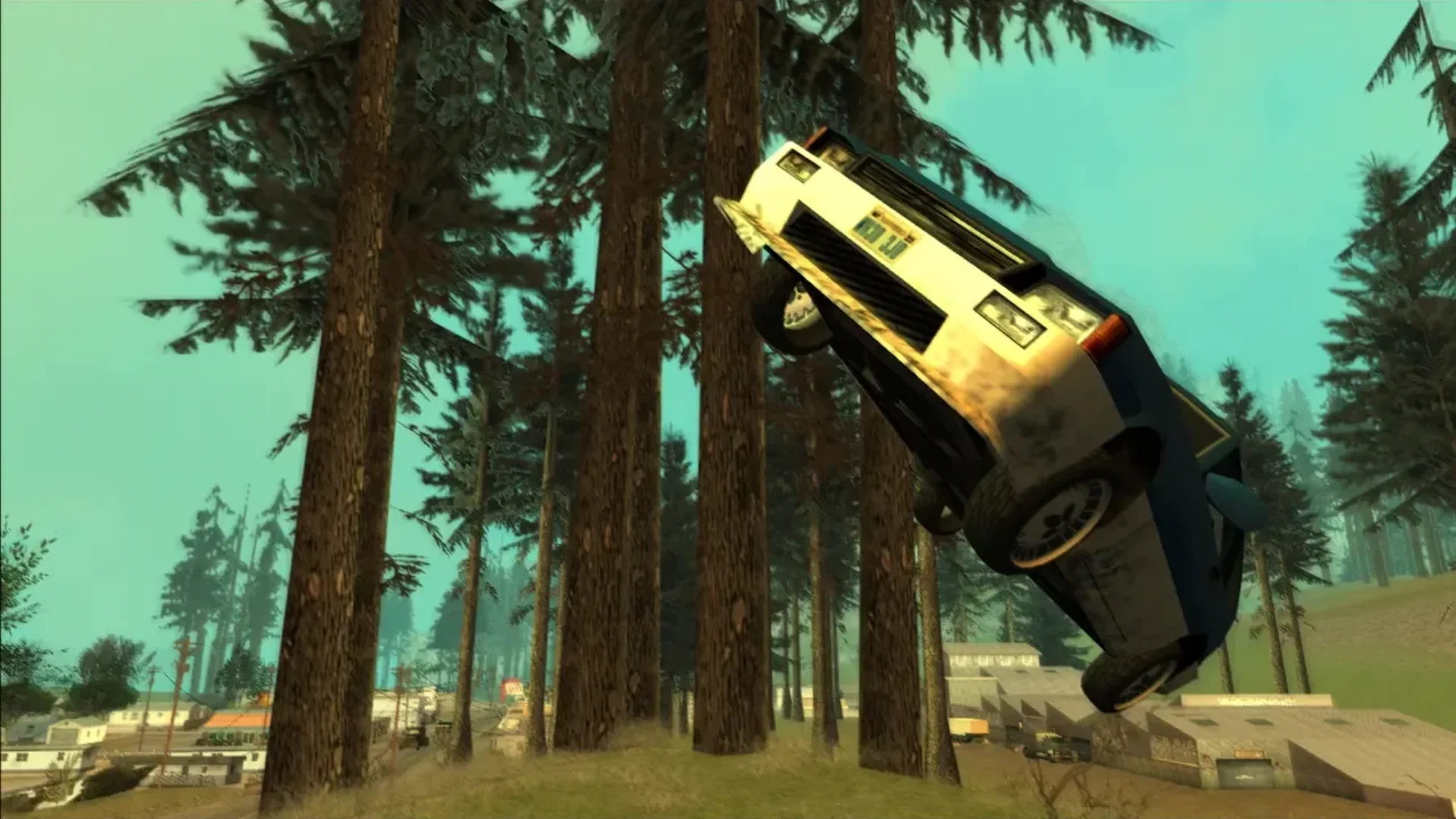
Grand Theft Auto: San Andreas keeps changing what its state is for. CJ returns to Los Santos and begins by rebuilding the Grove Street Families across a few contested neighborhoods. The story eventually pushes him into the countryside, then through San Fierro and Las Venturas. Each move changes the useful vehicles and the distance between jobs, so opening the map feels like beginning another stage of CJ's life rather than uncovering more icons.
Ordinary travel feeds into progression. Driving and cycling improve through use, while repeated practice with a weapon changes how CJ handles it. Gang territory gives Los Santos a second layer by turning familiar blocks into areas that can be attacked and defended. The system is initially effective because it makes the player's knowledge of alleys and bridges useful outside scripted missions.
Rockstar's appetite for new ideas also produces some severe interruptions. Flight school blocks story progress until its tests are passed, regardless of whether the player enjoys the controls. The late return to Los Santos requires enough territory to be recaptured that the same wave battles begin replacing the sense of homecoming. Those stretches are clumsy, but no later Grand Theft Auto has matched the feeling of a campaign changing shape every time CJ reaches another part of the state.
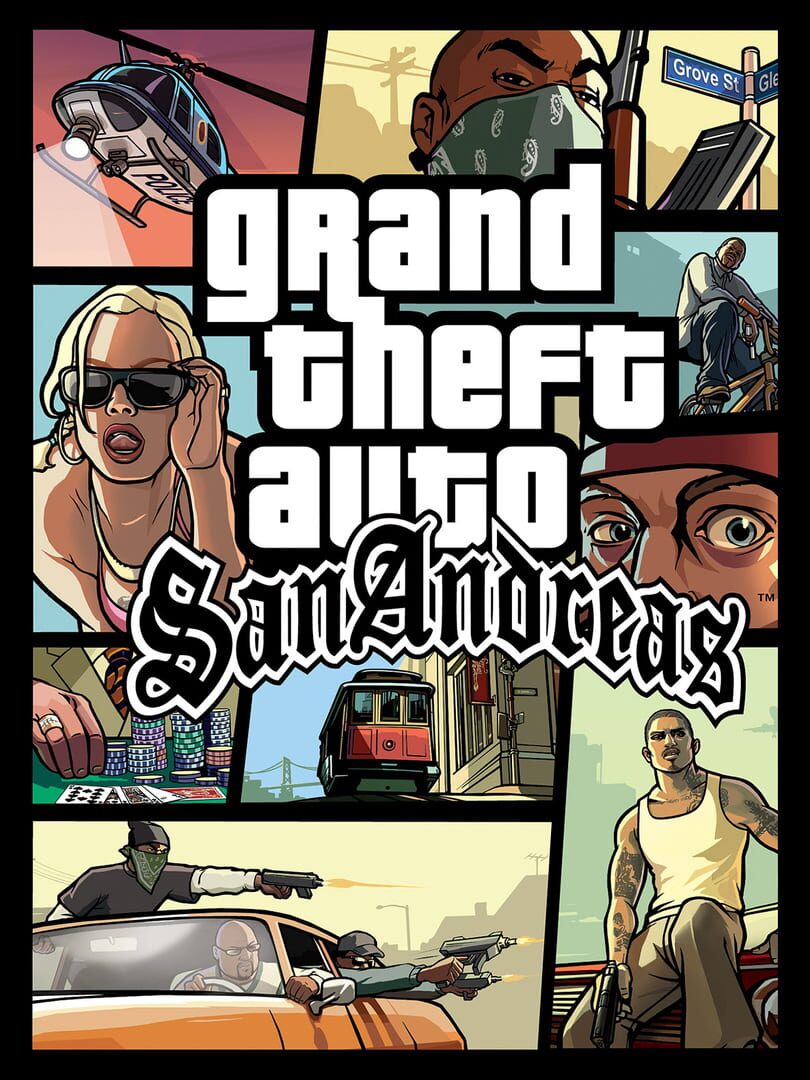
Returning after his mother's murder to the semi-fictional city of Los Santos (based on Los Angeles), Carl Johnson, a former gang banger, must take back the streets for his family and friends by gaining respect and once again gaining control over the streets. However, a story fill
Released
October 26, 2004
Developer
Rockstar North
Publisher
Take-Two Interactive


2. Red Dead Redemption
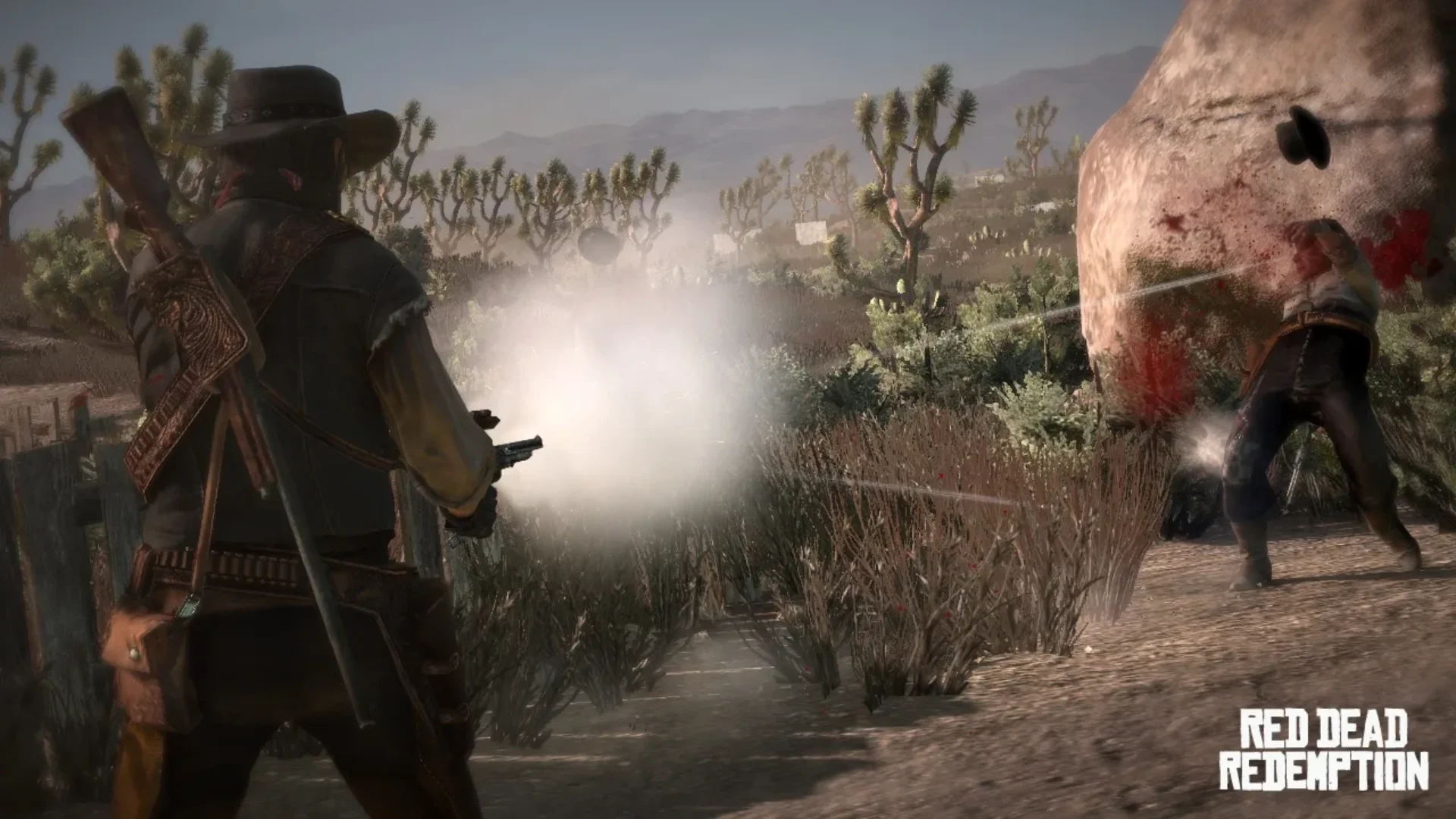
Federal agents force former outlaw John Marston to hunt the people he once rode with in Red Dead Redemption, an open-world western set near the end of the frontier. The arrangement gives every mission a clear pressure that Rockstar's more sprawling crime stories sometimes lose. John may help ranchers or local power brokers, but each favor is ultimately another attempt to reach a name on his list.
Fame rises as the story spreads John's reputation. Honor separately determines what that reputation means when he enters a town. High honor brings warm greetings, while a feared John changes how a town responds to him. Greater fame also attracts duelists hoping to build their own names. Dead Eye slows a confrontation enough to disarm a duelist, while a lasso allows a bounty to be returned alive for a better reward. Those alternatives make restraint a mechanical decision rather than a cutscene choice.
The middle of the campaign loses urgency when John reaches Mexico and repeatedly works for competing sides that promise information later. Its mission design still relies too heavily on riding beside a character before the actual objective begins. The directness of John's goal survives those delays. The frontier is allowed to feel empty between towns, and that distance gives an unexpected stranger or a distant column of smoke room to interrupt the journey.
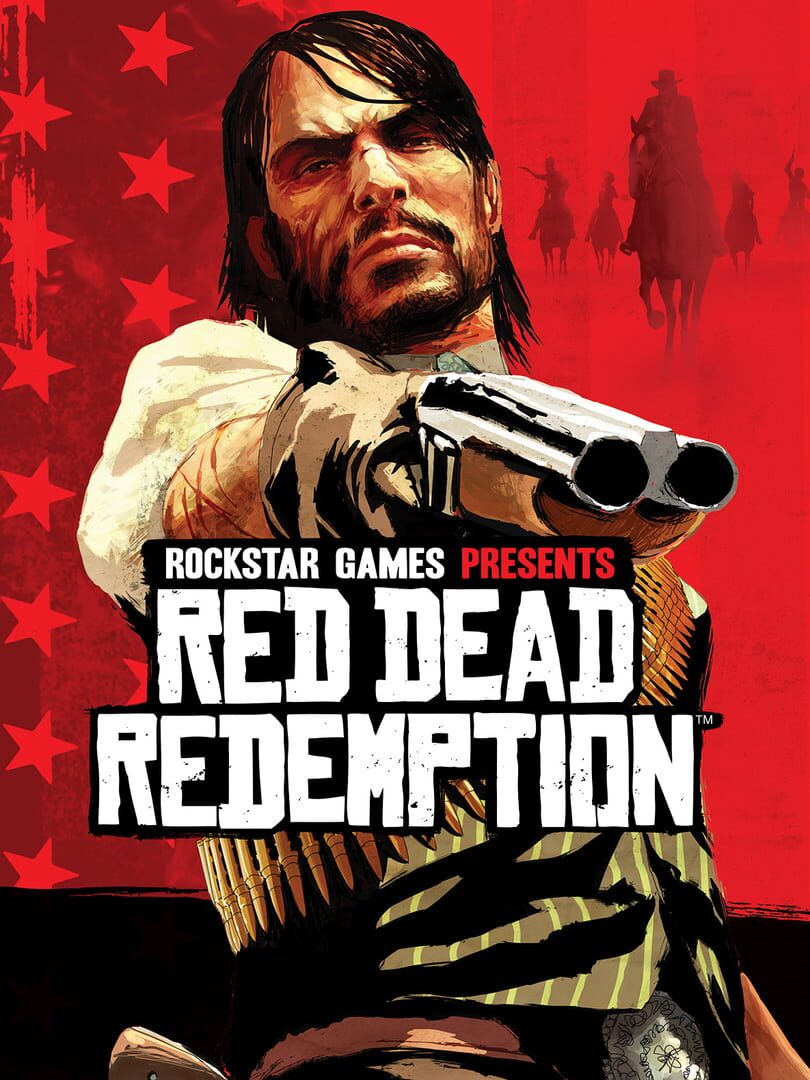
A modern-day Western epic, Red Dead Redemption takes John Marston, a relic from the fast-closing time of the gunslinger, through an open world filled with wildlife, mini-games, and shootouts. Marston sets out to hunt down his old gang mates for the government, who have taken away
Released
May 18, 2010
Developer
Rockstar North
Publisher
Rockstar Games
1. Red Dead Redemption 2
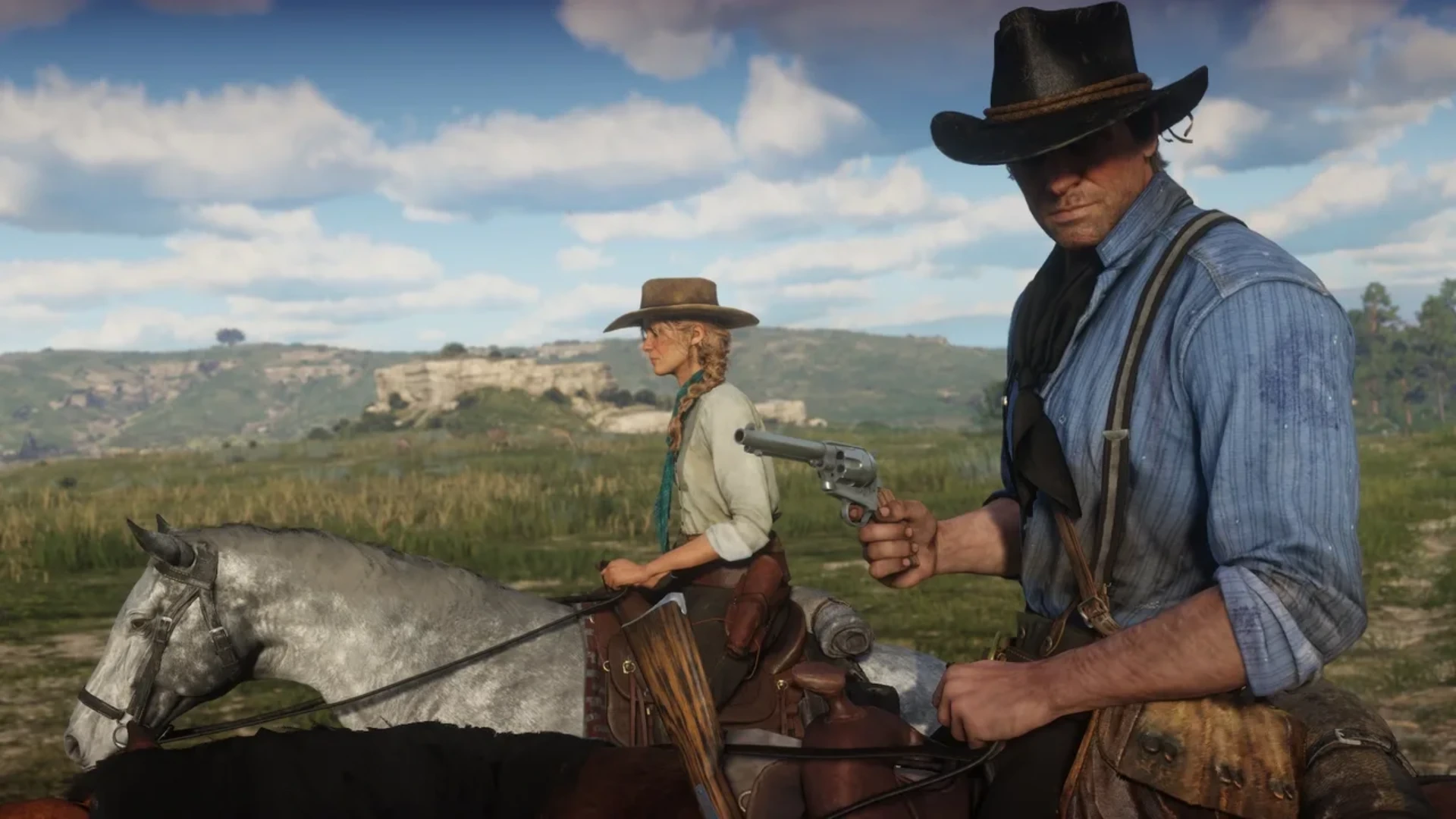
A routine ride back to camp can contain more of Red Dead Redemption 2 than one of its carefully directed missions. This open-world prequel follows Arthur Morgan, a senior member of the Van der Linde gang, while its camps move across a country becoming less tolerant of people like them. Arthur carries the gang's work into the world, then returns to people whose lives continue while he is gone.
Camp conversations overlap and change according to who is present. Arthur's journal records major events, but its smaller observations are more revealing. He sketches animals and strangers that the main story never needs. Outside camp, a careless crime can produce a witness who must be stopped before the law receives a description. The response may create another witness, turning one impulsive act into a problem that keeps growing. Even Arthur's horse resists being treated as disposable transport because bonding changes its abilities and losing access to the saddle also means losing the weapons stored there.
The attention demanded by these systems can become exhausting. Arthur takes time to search a drawer or collect materials, and the controller assigns different interactions to buttons that are easy to confuse. Story missions are even more restrictive. Leaving the intended route can cause failure when the open world has already taught the player to improvise. On the ride back, a witness may force a new decision. At camp, a conversation can begin without waiting for Arthur. Rockstar's largest game is strongest in the moments it did not arrange.
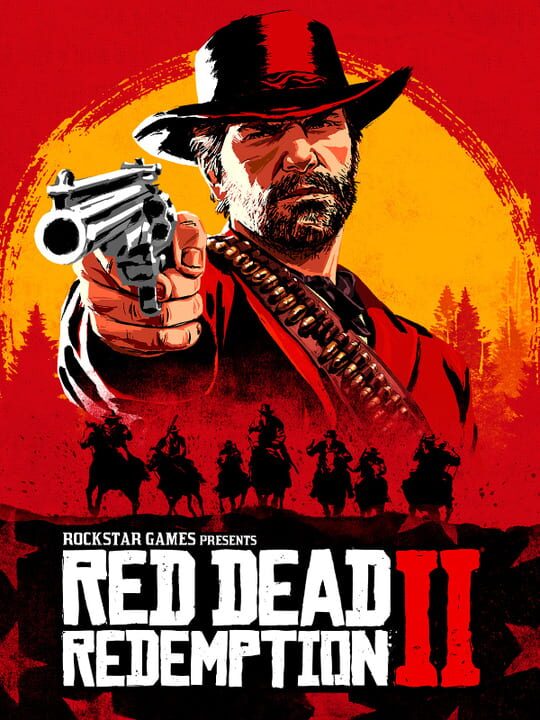
Red Dead Redemption 2 is the epic tale of outlaw Arthur Morgan and the infamous Van der Linde gang, on the run across America at the dawn of the modern age.
Released
October 26, 2018
Developer
Rockstar Games
Publisher
Take-Two Interactive
Tagged In
Discussion
0We want to hear from you. Share your perspective in the comments below, and please keep the conversation respectful.
Log in to join the discussion - vote, reply, and share your take.
Log In