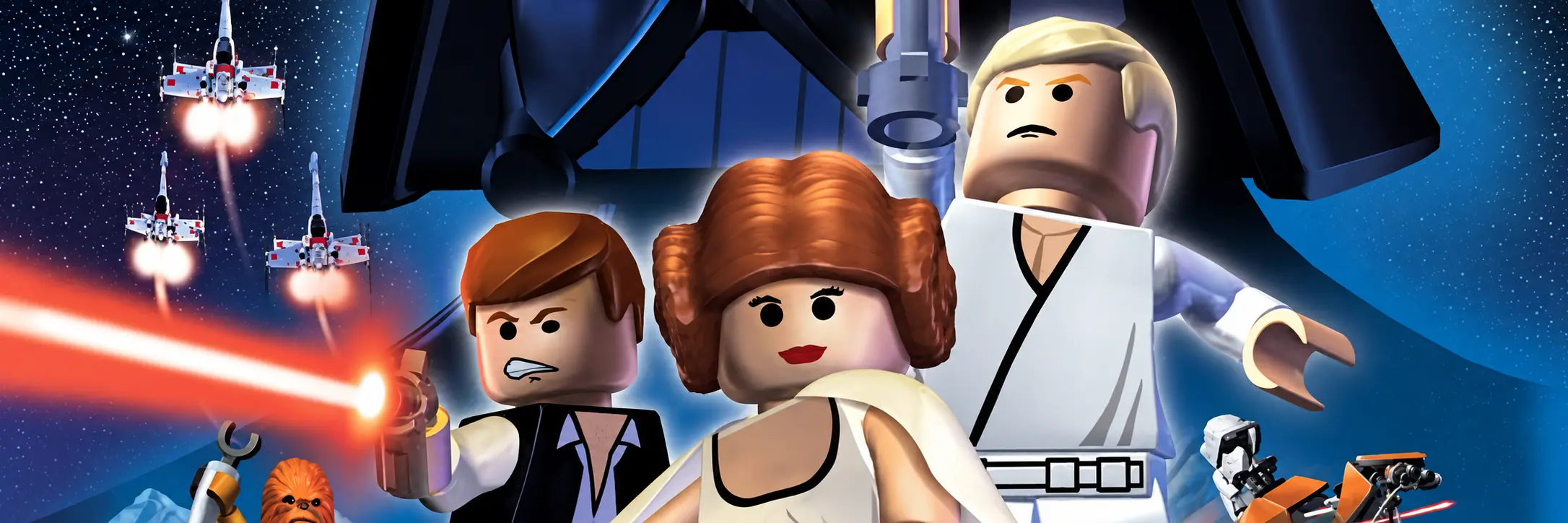
LEGO Star Wars II Built the Formula That Defined LEGO Games
Twenty years later, Traveller's Tales' brick-built original trilogy remains a sharp lesson in how simple mechanics, replayable levels and wordless comedy can carry a licensed game.
Licensed games in 2006 were rarely expected to survive for two decades. Most were built to arrive beside a film, repeat its biggest scenes and disappear when the marketing campaign moved on. Years before Batman: Arkham Asylum showed how a licensed game could reinterpret its hero, LEGO Star Wars II: The Original Trilogy found a less serious but equally durable approach. Traveller's Tales treated A New Hope, The Empire Strikes Back and Return of the Jedi as a toy box: something to dismantle, rebuild and share rather than merely watch in a different format.
Modern LEGO games offer larger worlds, spoken dialogue and crowded maps. LEGO Star Wars II looks tiny beside them, but that smaller scale has become one of its strengths. Its 18 main chapters, Mos Eisley cantina hub and Free Play structure create a loop that explains itself without friction. Finish a scene, unlock more characters, then return with new abilities to reach what was hiding in plain sight. The combat was already basic and several mechanical joints now creak, but the design remains remarkably sturdy.
Star Wars Works Better When Nobody Speaks
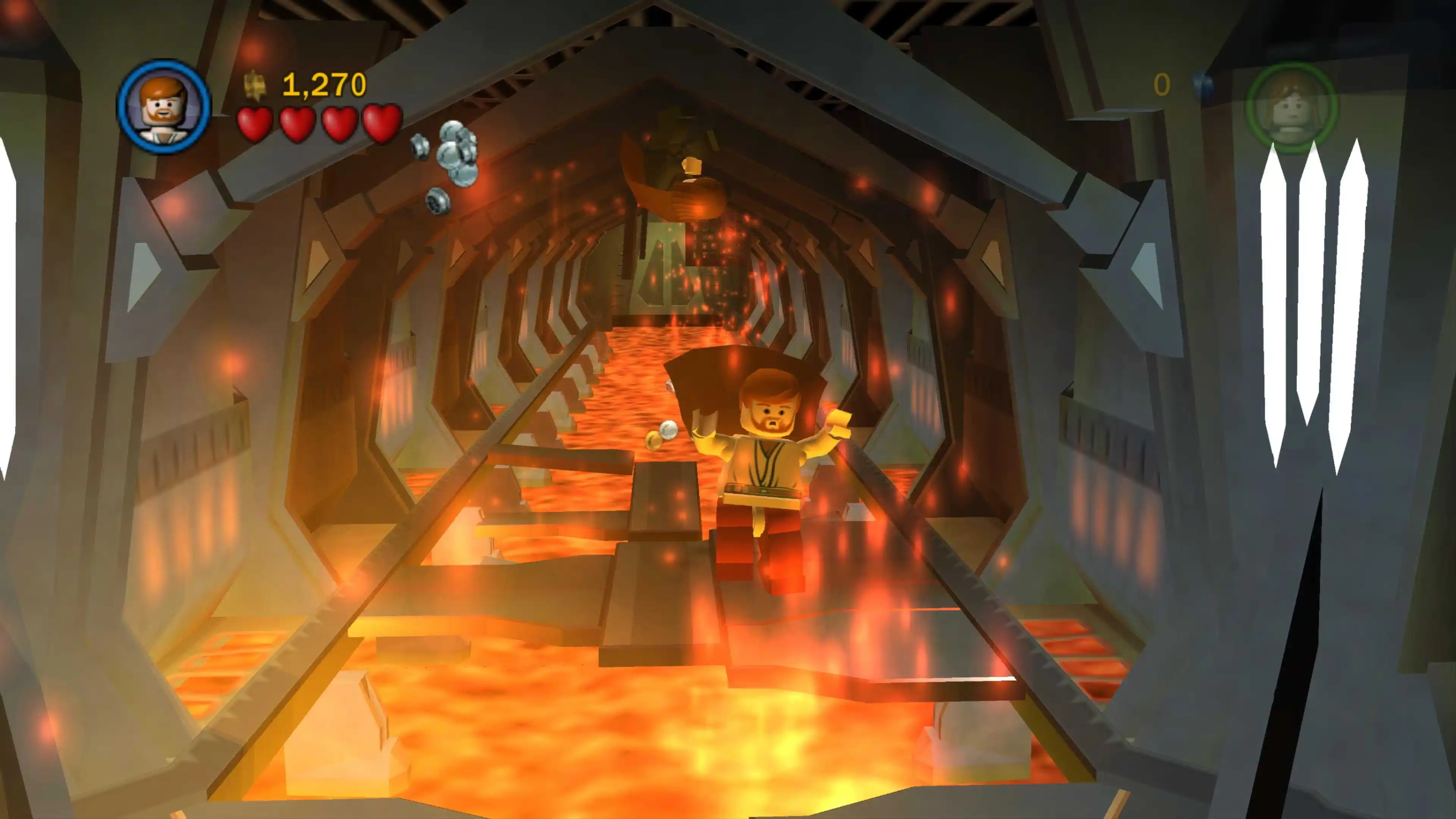
LEGO Star Wars II retells three films without conventional dialogue. Minifigures grunt, gesture and overreact while the soundtrack and animation carry the meaning. That limitation became the game's comic language. Darth Vader cannot deliver cinema's most famous parental revelation, so he produces a family photograph. Stormtroopers trip over themselves. Dramatic deaths become showers of loose plastic without losing the shape of the original scene.
The humor works because it usually comes from the characters rather than from a constant stream of references. Han is still arrogant, C-3PO is still fussy and Chewbacca still solves disagreements with alarming enthusiasm. Traveller's Tales understood that the films did not need to be mocked. They only needed to be squeezed through the physical rules of a child's LEGO set.
That affection extends to the levels. The corridors of the Tantive IV, the dunes of Tatooine, the platforms of Cloud City and the forests of Endor are heavily compressed, yet each location retains a clear identity. Familiar John Williams themes and unmistakable blaster, lightsaber and droid effects cover some of the visual distance that 2006 hardware could not. It barely explains the story to anyone unfamiliar with the films. What it preserves is their momentum: an escape, a battle, a revelation and then another excuse to smash the scenery.
Free Play Makes Every Locked Door Matter
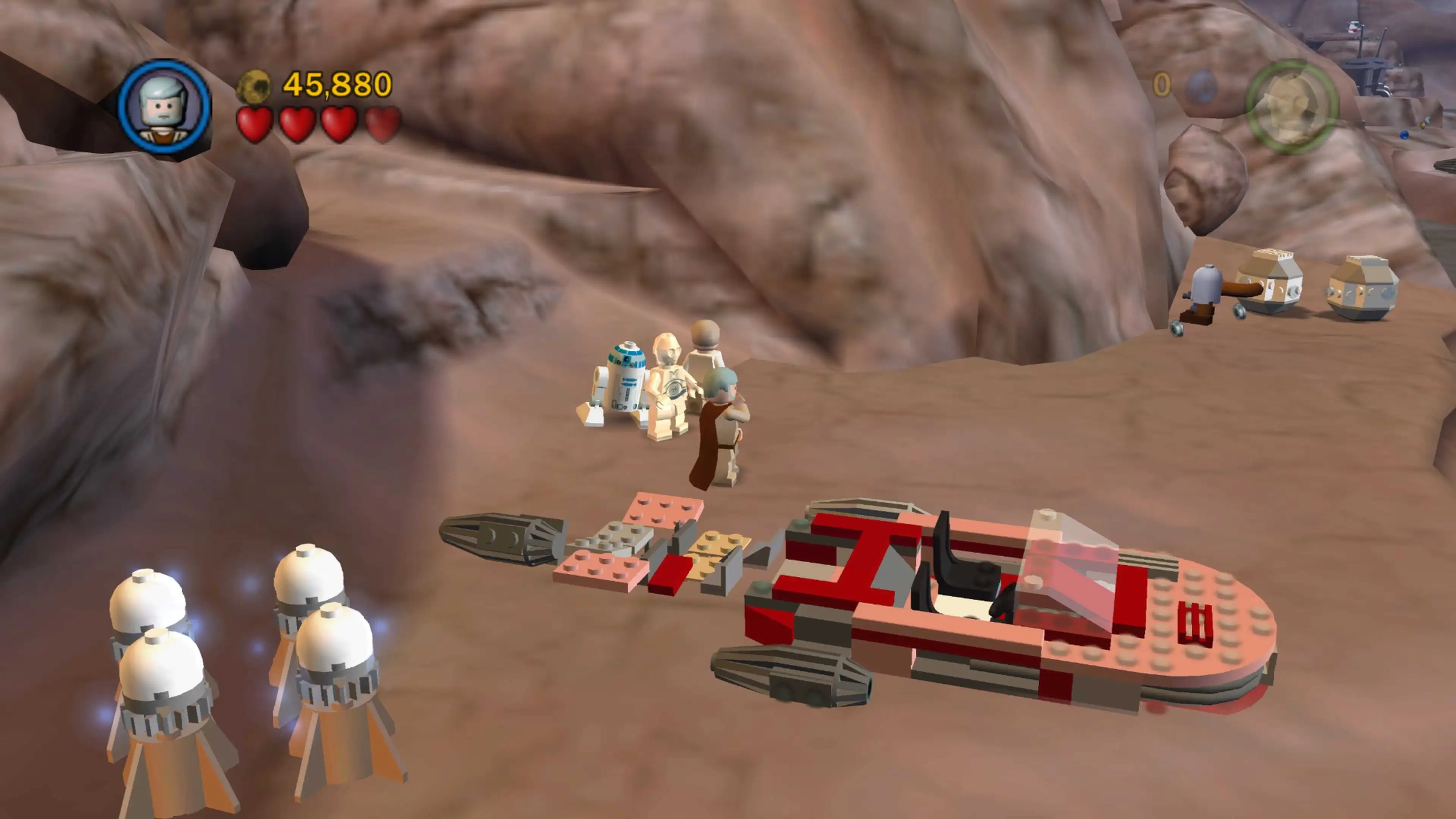
The immediate routine could hardly be simpler. Enemies are attacked, LEGO objects are broken for studs, scattered bricks are rebuilt into useful machinery and a small puzzle opens the way forward. Death only costs some currency before the character reappears, so failure rarely interrupts the level. Lightsabers, blasters and character-specific moves add flavor, but there is little need to learn enemy patterns or develop a sophisticated fighting style.
The smarter design sits around that simplicity. Story Mode limits each chapter to the cast involved in that part of the film. Completing it unlocks Free Play, where the growing roster can be swapped in to solve ability checks the original group could not. Droids activate particular panels, small characters enter hatches, bounty hunters access restricted areas, Force users manipulate marked objects and blaster-equipped heroes use grappling points. A sealed room seen on the first visit becomes a reason to remember the level instead of a reason to consult a map covered in icons.
Minikit pieces, power bricks, stud targets and gold bricks turn those return visits into measurable progress. The rewards vary, and reaching 100 percent eventually demands repetition for its own sake. Yet the structure gives even a short story chapter a useful second life. A player is not simply repeating the Battle of Hoth with a different skin. They are reading the same space with a larger vocabulary.
This became the defining loop for years of LEGO adaptations because every part supports another. Collecting studs unlocks characters. Characters open routes. New routes contain more collectibles. Those collectibles unlock extras that make the next run faster or sillier. The game is easy, but it is rarely empty.
Couch Co-Op Is the Real Superpower
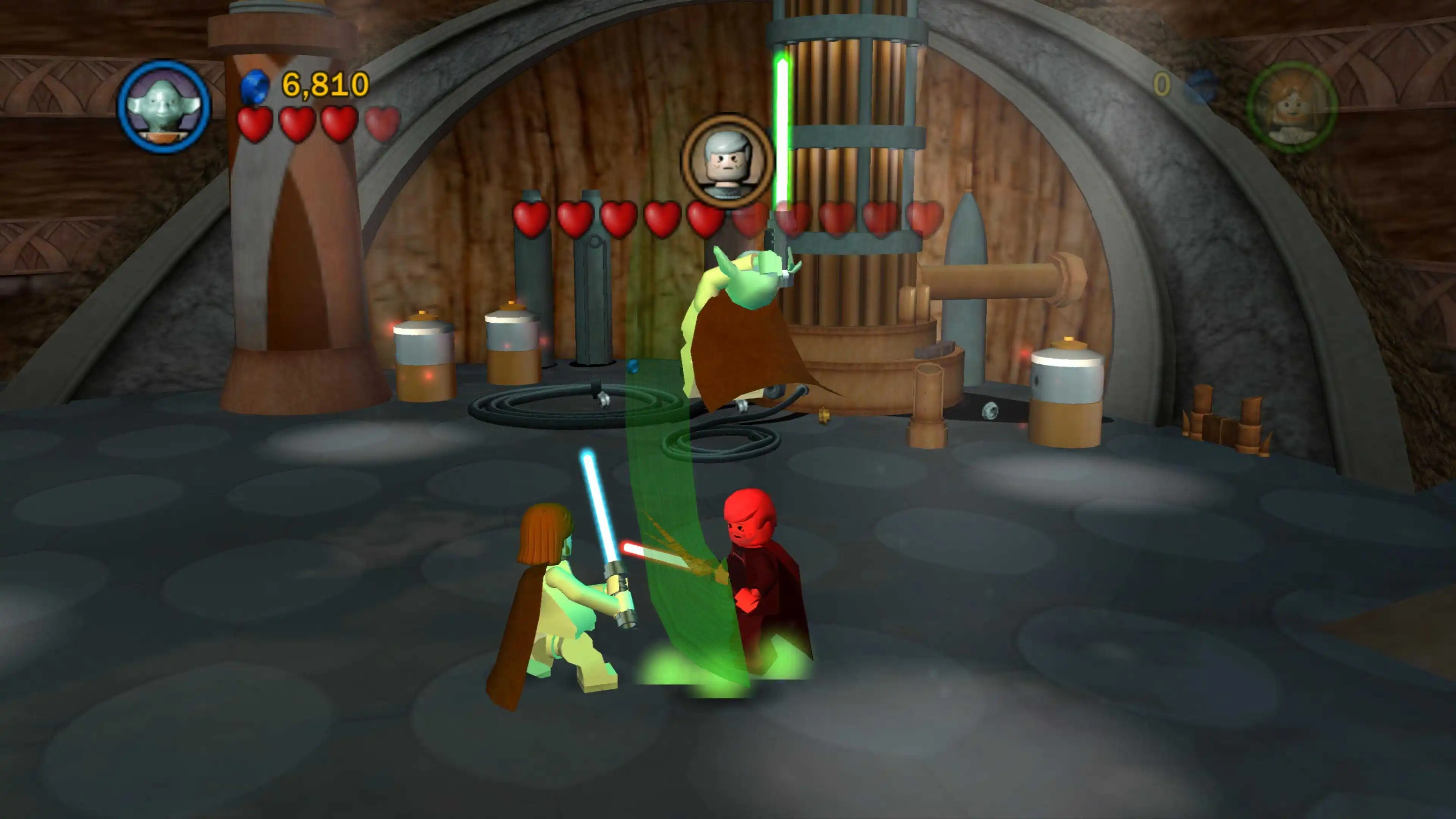
The systems make sense alone, but local co-op reveals what LEGO Star Wars II is built to do. A second player can join without turning the session into a formal event, and the controls are simple enough for someone unfamiliar with games to contribute immediately. One person operates a panel while the other builds a bridge. One fights stormtroopers while the other searches for studs. Just as often, both abandon the objective and start hitting each other in the cantina.
That casual chaos suits LEGO better than polished teamwork would. Characters fall apart and reassemble, friendly attacks have little lasting consequence and lost studs can be chased across the floor before they vanish. The game gives two players a shared objective without demanding equal skill. It works as a parent-and-child game, a sibling game or an easy evening with someone who would never volunteer for a more complicated co-op campaign.
There is friction. Both players are tied to one camera, which pulls against anyone trying to explore in the opposite direction. Narrow rooms become crowded, jumps become harder to judge and an impatient partner can drag the view away at exactly the wrong moment. Single-player exposes the opposite problem: computer-controlled companions are present but rarely useful until the player manually swaps into them. Neither version is elegant, but co-op turns many of the rough edges into part of the joke.
The roster reinforces that toy-box quality. Dozens of heroes, villains, droids and background aliens share a relatively small set of abilities, yet unlocking them remains satisfying because the fantasy matters as much as mechanical difference. The character creator goes one step further, allowing unlocked parts to be combined into deliberately ridiculous new figures. It is limited by modern standards, but it recognizes something essential: LEGO is more fun when the player is allowed to make the wrong character on purpose.
The Camera Has Aged Faster Than the Comedy
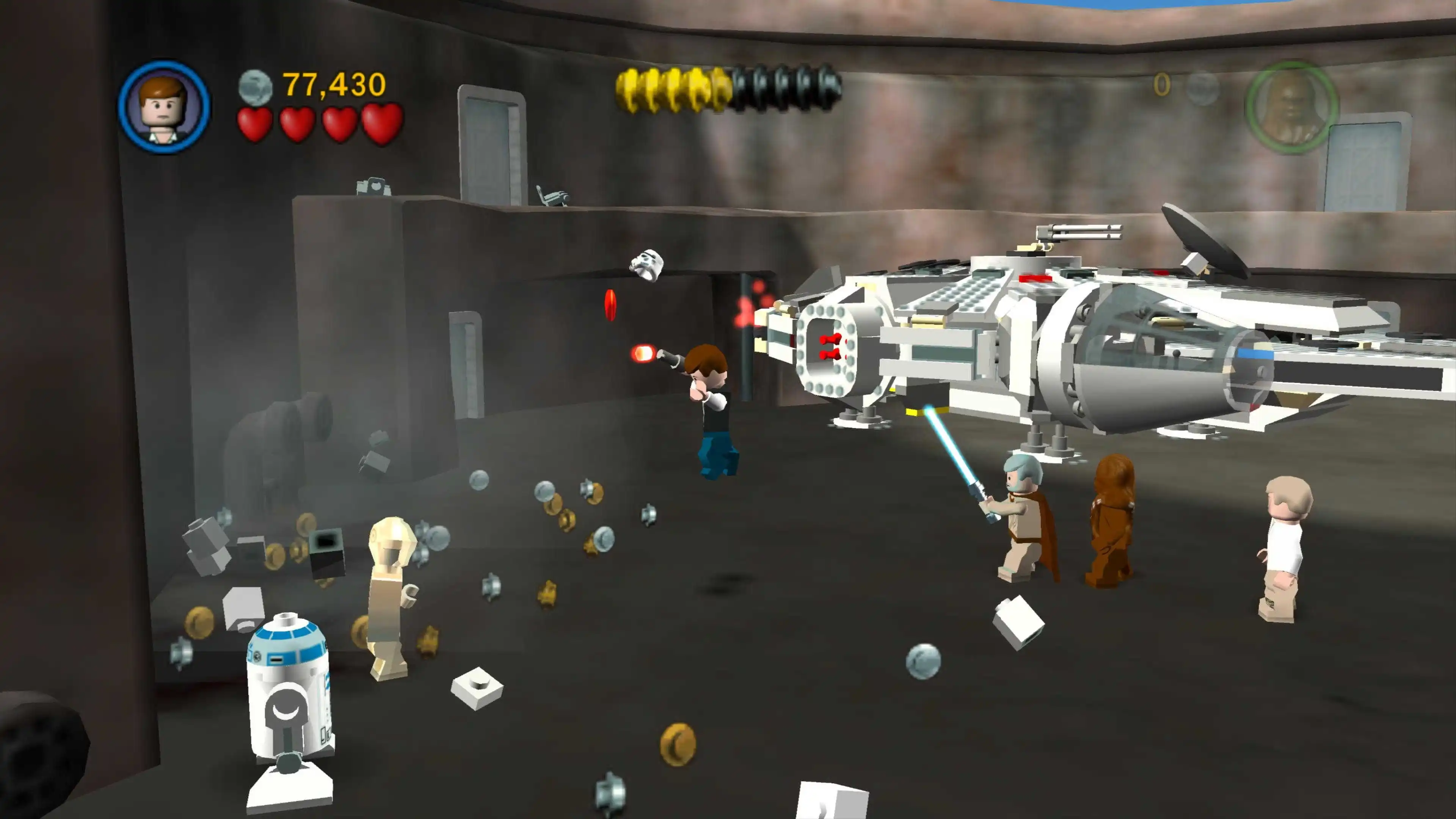
The low difficulty does not prevent frustration. Platforming was never precise, and the fixed perspective regularly hides the depth of a gap or the edge of a platform. A missed jump may cost little, but repeating it because the camera gave poor information is still irritating. Interactive objects can also blend into busy rooms, while endlessly respawning enemies sometimes interrupt building animations and turn a simple puzzle into unnecessary cleanup.
Vehicle stages are similarly uneven. The snowspeeder battle on Hoth delivers scale, movement and the pleasure of pulling down an AT-AT with a tow cable. Other sequences reveal loose steering, awkward collisions and checkpoints that make spectacle less enjoyable than it should be. They are welcome changes of pace, but they do not match the clarity of the best on-foot chapters.
Combat becomes repetitive long before the collectible hunt ends. Most encounters can be solved by continuing to attack, bosses rely on obvious cycles and the generous respawn system removes almost all tension. That accessibility is fundamental to the game's appeal, but there is a difference between being welcoming and offering no resistance. Older players returning without a co-op partner may find that the levels have more charm than challenge.
Visually, the results are kinder. Minifigures, simple silhouettes and plastic surfaces do not age like attempts at realistic human faces, so the central cast still looks expressive. Flat backgrounds, plain textures and repeated environmental pieces reveal the game's age more clearly, but the art direction keeps most scenes readable. The sound has held up even better. Star Wars music and effects give a modest production the weight of something much larger.
LEGO Star Wars II Still Holds Together
LEGO Star Wars II is no longer a particularly good platformer and was never a deep action game. Modern Star Wars releases can compete with the best action-adventure games on PC and console through scale and combat depth; this offers neither. Its camera fights exploration, its computer-controlled partners contribute little and some vehicle missions are remembered more fondly than they play. Nostalgia can soften those problems, but it does not erase them.
What remains is a focused, generous co-op game that knows exactly why each piece exists. Levels are short because they are meant to be replayed. Characters matter because their abilities change familiar spaces. Studs make destruction useful, while silent comedy keeps a familiar trilogy from feeling like a summary. Later LEGO games expanded this formula until it became an entire genre of licensed adventure, but this is the sequel that made the structure feel complete. Twenty years on, some bricks are scuffed; the build is still sound.
The Verdict
LEGO Star Wars II remains a charming and focused co-op adventure whose humor and replay structure have aged better than its basic combat. The camera and vehicle sections show their age, but the game still demonstrates why Traveller’s Tales’ original LEGO formula became so successful.
The Good
- +Clever wordless humor captures the original trilogy perfectly
- +Free Play and collectibles make levels rewarding to revisit
- +Accessible local co-op remains genuinely entertaining
The Bad
- -Restrictive camera and imprecise platforming cause frustration
- -Combat and boss encounters quickly become repetitive
LEGO Star Wars II: The Original Trilogy
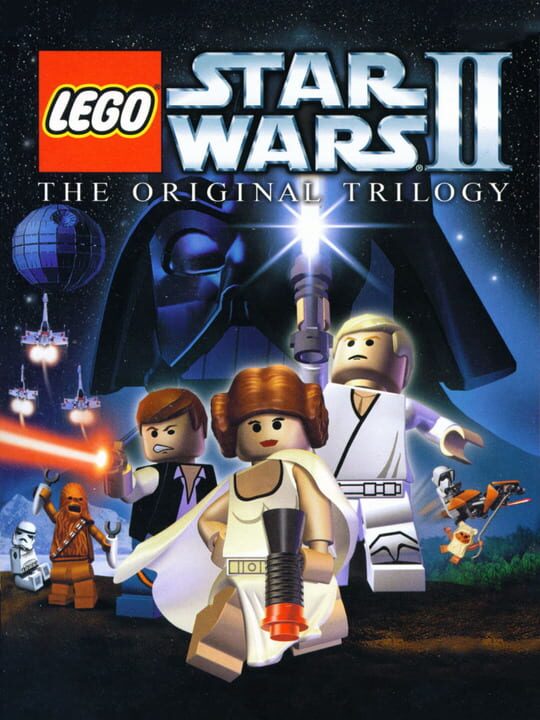
LEGO Star Wars II: The Original Trilogy takes the fun and endless customization of LEGO and combines it with the epic story, characters and action from the original Star Wars movies that revolutionized pop culture forever (Episode IV A New Hope, Episode V The Empire Strikes Back
Released
September 11, 2006
Developer
Traveller's Tales
Publisher
LucasArts


Tagged In
Discussion
0We want to hear from you. Share your perspective in the comments below, and please keep the conversation respectful.
Log in to join the discussion - vote, reply, and share your take.
Log In