Star Wars Zero Company makes every turn feel personal
Bit Reactor combines excellent tactical combat with a crew worth protecting, although technical problems and a streamlined strategy layer prevent its debut from reaching full strength.
Star Wars has supported almost every kind of game, from shooters and RPGs to the brick-built co-op formula, yet squad tactics always looked like one of its most natural missing forms. The Clone Wars provide armies, divided loyalties and enough expendable soldiers to make every deployment dangerous. Bit Reactor, a studio formed by veterans of the modern XCOM games, finally places those pieces on the same battlefield.
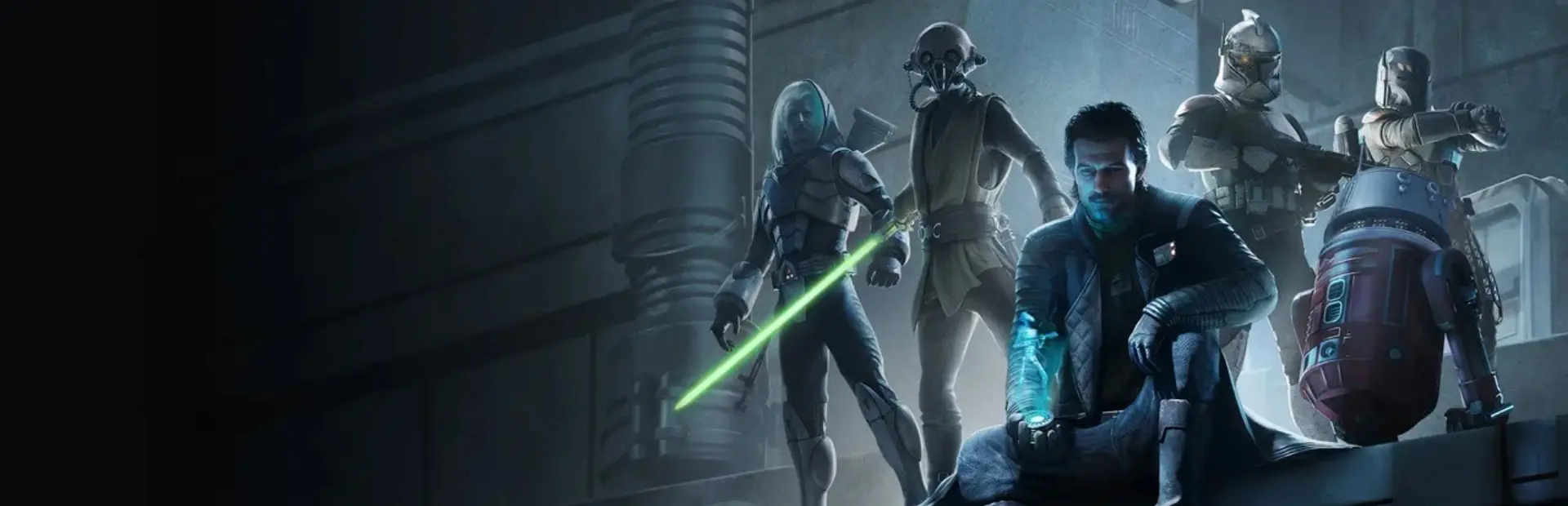
Star Wars Zero Company follows Hawks, a former Republic officer leading a mercenary outfit during the final years of the conflict. What begins as another contract draws the group into a campaign against the Infinite Coil and its leader, Kundri Fathom. The threat is not always compelling enough to support the entire story, but it creates the conditions for a superb tactical campaign. Flexible action points, varied missions and relationships that affect combat make Zero Company feel like more than XCOM wearing clone armor.
Zero Company is more interesting than the threat it fights
Hawks can be customized through appearance, species, voice and combat specialization, but this is not an empty protagonist waiting for the player to invent a personality. The former captain is already tired, decisive and carrying enough history with the Republic to make accepting its money uncomfortable. Customization creates ownership without forcing the story to write around a silent stranger.
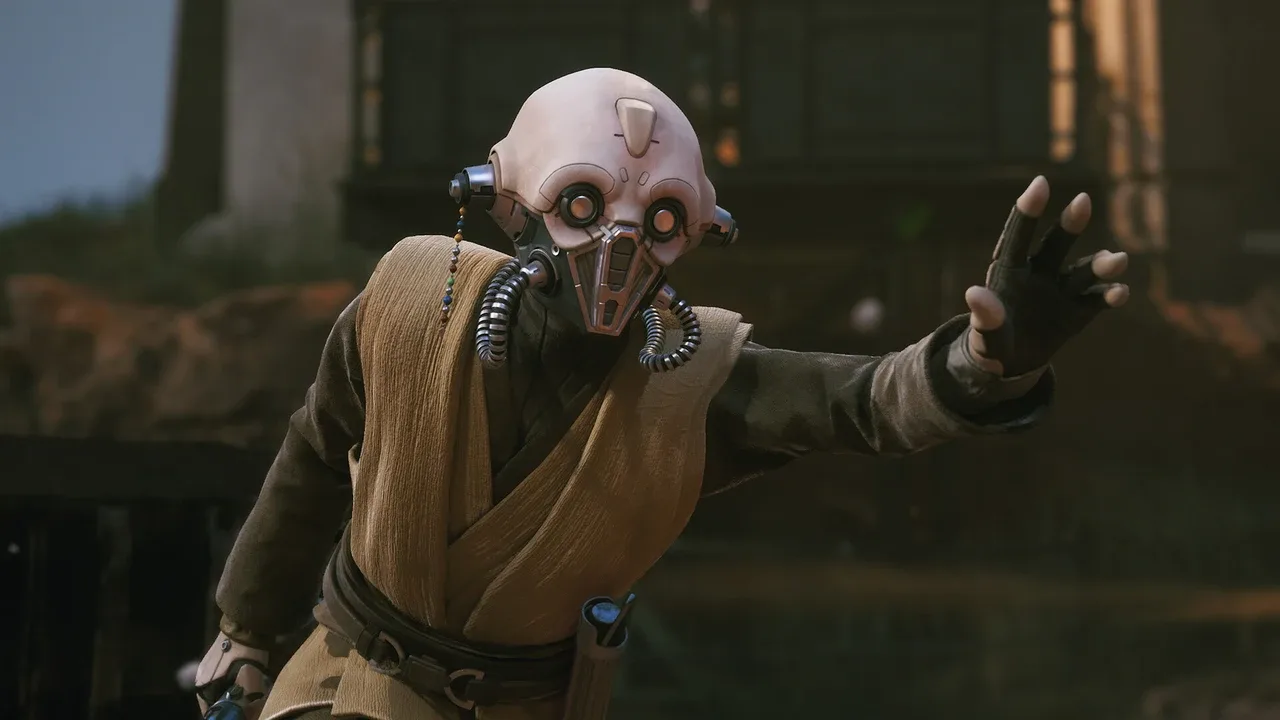
The surrounding crew provides the campaign with most of its personality. Trick is a clone trooper whose loyalty to Hawks survived their departure from the army. Tel-Rea is a disciplined Jedi Padawan trying to honor her fallen master, while Umbaran sniper Luco Bronc has little reason to trust either the Republic or the clone fighting beside him. Mandalorian Cly Kullervo, former prizefighter Kabb Uppercut and Ore-Baroness Jae Mordant bring their own grudges into the Den.
These differences matter because the group does not immediately behave like a family. Operators argue over the war, question Hawks' decisions and carry resentment from battles fought on opposite sides. Conversations between missions gradually reveal why they agreed to work together without pretending that one successful operation has erased everything separating them.
The central plot is less convincing. Fathom and the Infinite Coil give Zero Company a secret war to investigate, but their mysterious plague and familiar cult imagery rarely match the specificity of the people fighting them. The story improves whenever it focuses on the damage caused by the Clone Wars rather than the next revelation about a galaxy-threatening enemy. Its best moments are personal assignments, conflicting loyalties and the knowledge that the Republic employing these mercenaries is already moving toward something worse.
Three action points make every turn flexible
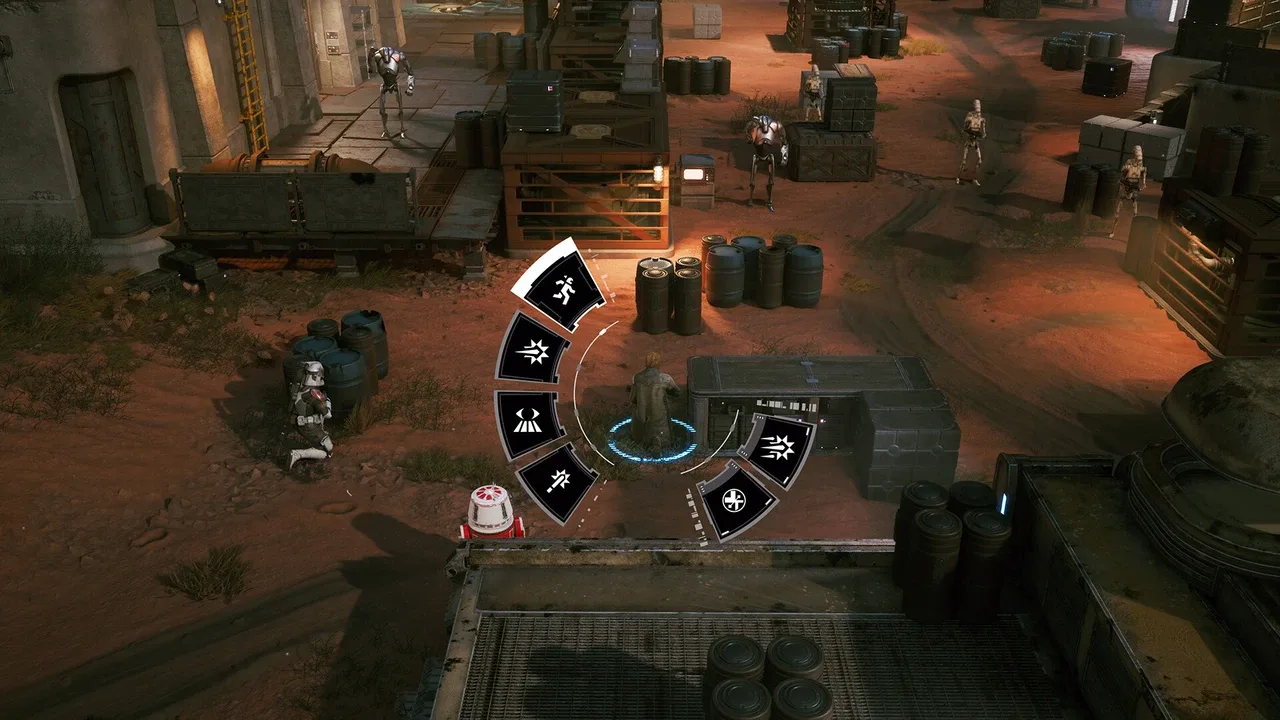
Each mission places four Operators under the player's control, with every character receiving three Action Points per turn. Moving, firing, using equipment and activating abilities consume different amounts, but actions can usually be performed in any order. A sharpshooter can fire before retreating into cover. A soldier can flank an enemy, throw a grenade and leave the remaining work to someone better positioned.
That flexibility avoids the rigid move-then-attack rhythm found in many tactical RPGs. Weapons have different AP requirements, while utilities and character abilities create ways to extend a turn. Successful attacks also generate Advantage, a shared resource used for powerful actions such as restoring AP, improving the squad's accuracy or calling in heavier firepower. A round that begins with limited options can expand as each Operator creates an opportunity for the next.
Positioning remains essential. Partial and full cover affect hit probability, elevation improves firing angles and much of the scenery can be destroyed. Overwatch uses an adjustable cone rather than automatically covering every visible route, with additional AP increasing how many reactions an Operator can make. Abilities such as Force Push and Kabb's uppercut can remove an enemy from safety, send it over a ledge or throw it directly into a prepared line of fire.
The strongest missions keep changing the question being asked. Extraction routes are blocked, reinforcements arrive from inconvenient positions and environmental threats force the squad to advance instead of waiting behind the safest wall. Main operations frequently connect several encounters through short exploration sequences, allowing them to build toward a climax rather than ending after one cleared arena.
Side missions have less imagination, often returning to rescues, thefts, sabotage and evacuation. Later enemies also rely too heavily on healing and damage prevention, extending encounters after the tactical problem has already been solved. Even then, the combination of readable rules and distinctive abilities ensures that combat rarely becomes a simple exchange of blaster fire.
Bonds make a good squad difficult to replace
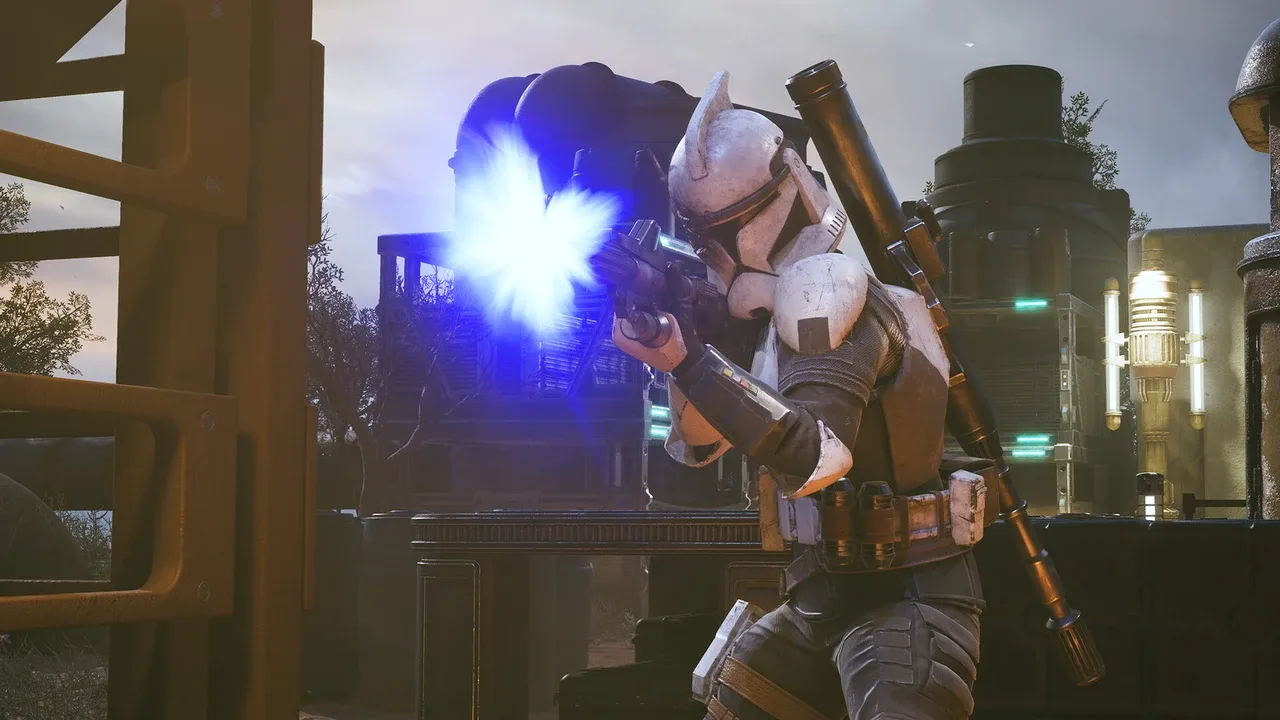
Zero Company includes authored companions and fully customizable recruits. Most Operators can adopt one of eight standard specializations, including Assault, Medic, Heavy, Scoundrel and Sharpshooter, before multiclassing opens more complicated combinations. Weapons accept modifications, utilities add grenades or healing tools and Astromech units provide exceptional support by restoring AP and carrying additional equipment.
The progression systems become more interesting through Bonds. Completing missions together, assisting attacks and resolving disputes can improve the relationship between two Operators. Stronger Bonds unlock permanent Cross Training bonuses, turning familiarity into a measurable battlefield advantage. Pairing former enemies repeatedly can therefore produce both new conversations and a more effective tactical partnership.
Permadeath gives that investment a purpose. On standard difficulty, an Operator dies after accumulating three Injuries, while a downed character can be rallied before the battle ends. Losing someone means more than removing a leveled unit from the roster. It can erase an established relationship, weaken another squad member and close off personal story material.
The system does not always create the pressure it promises. Normal difficulty is forgiving enough that deaths can be rare, while Bond bonuses encourage using the same dependable group instead of developing a wider roster. Custom recruits are integrated impressively into conversations at the Den, but the authored cast naturally receives the stronger material. Zero Company offers several reasons to replay on a harder setting or with Ironman rules, yet the absence of New Game Plus and official mod support limits its potential to become the same kind of permanent strategy sandbox as XCOM 2.
The Den looks richer than it plays
Between operations, Zero Company returns to the Den, a base hidden inside the Ring of Kafrene. The camera moves behind Hawks, allowing the command center, armory and crew quarters to be explored from a third-person perspective. Operators gather in different areas, conversations change as the campaign develops and the detailed environment gives the company a physical home.
The same approach appears during larger missions. Tactical combat can pull back into an isometric view before returning to ground level for short walks through ships, settlements and industrial facilities. These transitions give the campaign a cinematic quality unusual for the genre. Blaster bolts burn through cover, lightsabers redirect fire and Gordy Haab's score supports the action without relying entirely on familiar John Williams themes.
Exploration itself is shallow. Most routes lead directly toward the next fight, with optional interactions providing small amounts of intel or another reward. Walking through a location improves its scale, but it rarely introduces decisions that could not have been handled through a menu.
Base management has a similar limitation. Cycles determine when facilities finish upgrading, while credits, intel and build slots must be divided between equipment, healing and long-term improvements. Non-combat operations add short narrative decisions and the galaxy map provides several competing tasks. The structure keeps the campaign moving, but veteran strategy players may miss the deeper economic pressure and long-term planning of XCOM.
Technical problems further weaken the presentation. Camera changes can cause stuttering and frame drops, while textures, cloth physics and interface elements occasionally misbehave. Enemy turns can pause while the game resolves an action, and more serious reports include crashes, soft locks and AI loops. Performance varies between platforms, but the launch build does not consistently match the quality of its animation and environmental design.
Star Wars Zero Company makes every turn feel personal
Star Wars Zero Company succeeds because Bit Reactor understands that tactical depth does not come from filling the screen with systems. Three Action Points, four Operators and one difficult objective are enough when movement, abilities and relationships continually interact. The best missions create pressure without removing control, allowing a desperate extraction or perfectly prepared ambush to become its own small Star Wars story.
The Infinite Coil is less memorable than the company pursuing it, and neither base management nor third-person exploration develops as far as its presentation suggests. Technical instability also makes waiting for further updates reasonable, particularly on PC. Those weaknesses surround an excellent combat system rather than defining it. Zero Company gives the Clone Wars a crew worth knowing, a squad worth protecting and one of the strongest tactical adaptations the franchise has received.
The Verdict
Star Wars Zero Company combines flexible turn-based combat, varied missions and a memorable cast to create one of the franchise’s strongest strategy games. Technical issues and shallow base management hold it back, but the excellent squad-building and Bond systems make every decision and every Operator feel important.
The Good
- +Flexible three-Action Point combat creates plenty of tactical options
- +Excellent mission design keeps objectives and encounters varied
- +Memorable characters supported by a meaningful Bond system
- +Deep class, equipment and squad customization
- +Authentic Star Wars visuals, sound effects and music
The Bad
- -Performance issues include stuttering, bugs and occasional crashes
- -Base management and exploration lack strategic depth
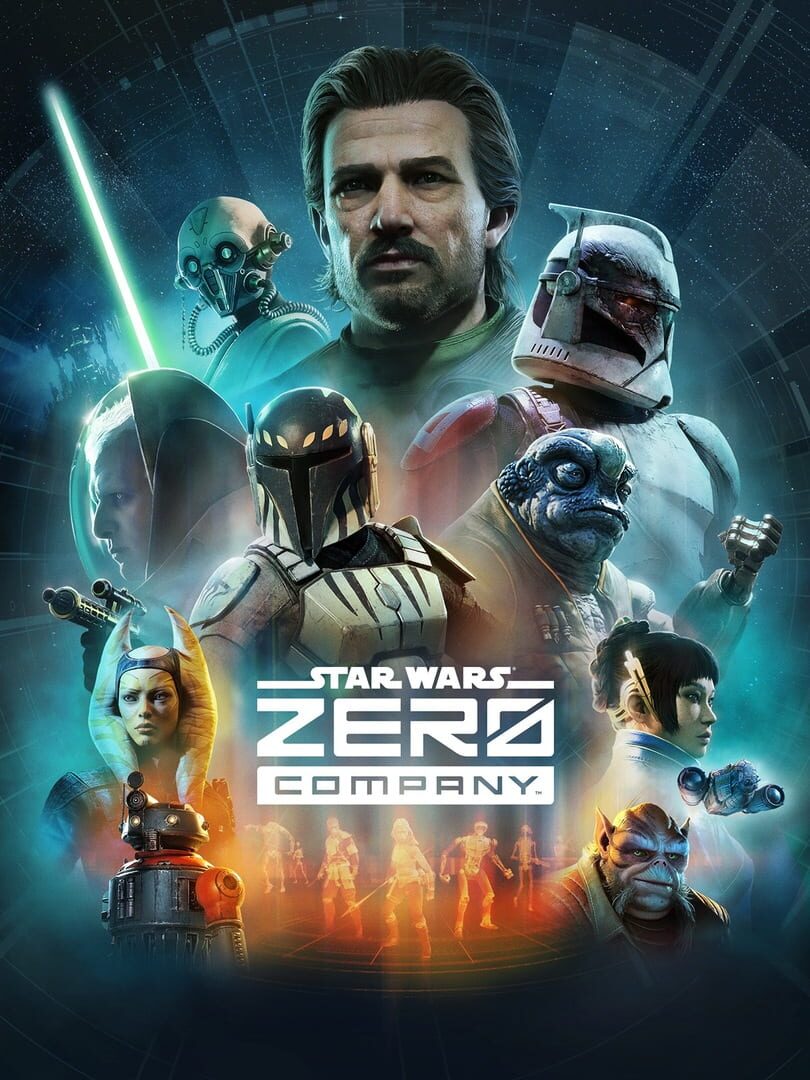
Command an elite squad through a gritty and authentic story in Star Wars Zero Company, a single-player turn-based tactics game.
Released
August 27, 2026
Developer
Bit Reactor
Publisher
Electronic Arts


Tagged In
Discussion
0We want to hear from you. Share your perspective in the comments below, and please keep the conversation respectful.
Log in to join the discussion - vote, reply, and share your take.
Log In