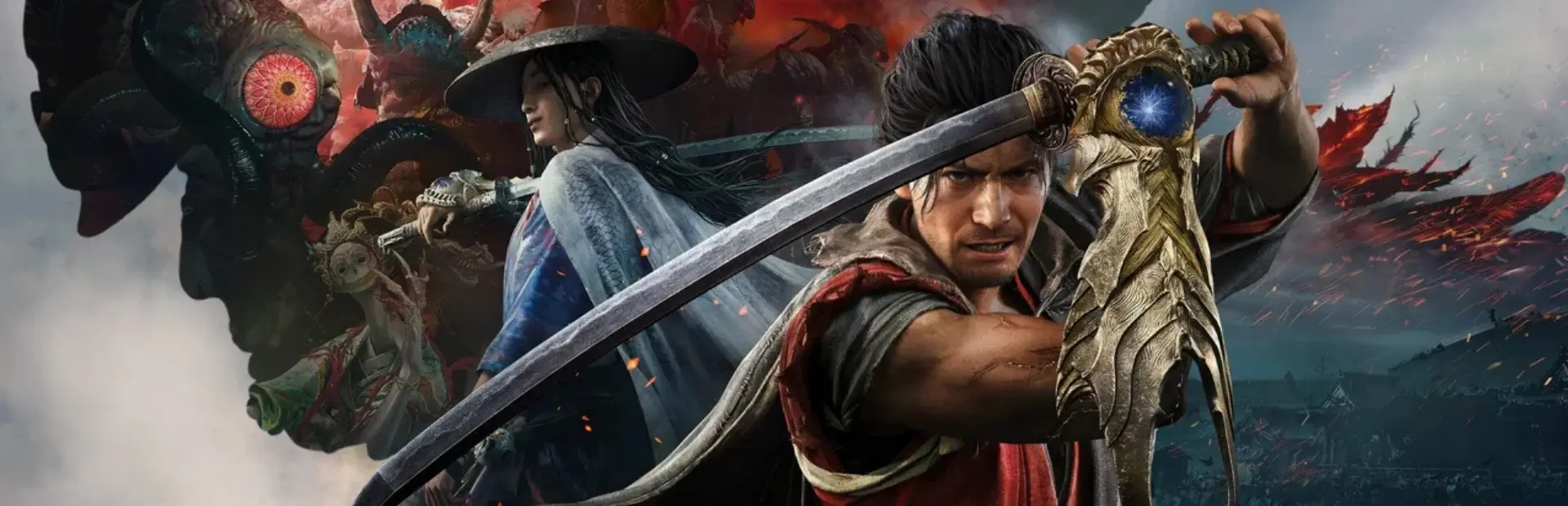
Onimusha: Way of the Sword earns its comeback through precision
Capcom's long-awaited revival pairs superbly timed swordplay with a charismatic Miyamoto Musashi, although repetitive work in Kyoto keeps dulling the blade between its best fights.
Twenty years have passed since Onimusha: Dawn of Dreams, long enough for the series to become a memory rather than an active part of Capcom's lineup. Way of the Sword does not attempt to continue an old plot or demand knowledge of the PlayStation 2 games. It starts again with Miyamoto Musashi, an Oni Gauntlet and an Edo-period Kyoto being consumed by the demonic Genma.
That clean break gives one of September 2026's biggest game releases room to modernize without losing the ideas that made Onimusha distinctive. Soul absorption and Issen counters return inside a deeper combat system, while Musashi brings much more personality than another solemn fantasy swordsman. The revival is at its best when two blades meet. Its problems begin whenever the game steps away from them and tries to turn Kyoto into a source of side activities, materials and repeated encounters.
Musashi gives the old formula a new center
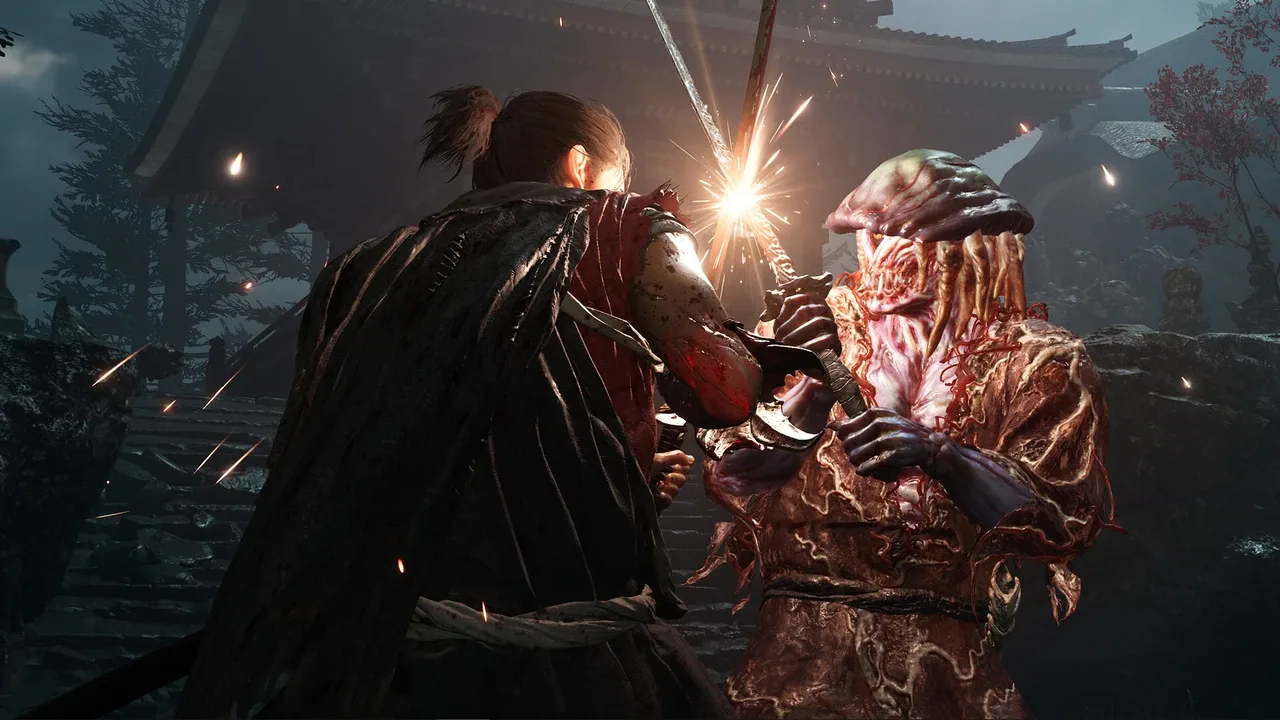
Musashi begins the story as a wandering swordsman concerned primarily with proving his skill. A confrontation with his rival Ganryu is interrupted by the Genma, leaving Musashi bound to an Oni Gauntlet that grants the power needed to fight them. That power also offends his sense of achievement. A man who has built his identity around mastering the sword does not appreciate being told that a supernatural object is the reason he can survive.
His resistance gives the campaign a useful internal conflict. Musashi complains, pushes allies away and treats responsibility as another inconvenience, but his actions gradually reveal more compassion than his words. Conversations with Shizuka, the spirit connected to his gauntlet, are particularly effective. Her measured sense of duty repeatedly collides with his impatience and lack of ceremony.
Capcom's use of Toshiro Mifune's likeness could have produced a stiff digital monument to the legendary actor. Instead, detailed facial animation makes Musashi unusually expressive. He grimaces, boasts and reacts to supernatural horrors with a mixture of disgust and disbelief. The performance brings the energy of an old samurai film without reducing him to an imitation of one famous role.
That personality also keeps the tone flexible. Kyoto is filled with mutilated bodies, grotesque enemies and environments warped by Malice, but Way of the Sword is still willing to be funny and theatrical. Its villains enjoy being villains, supporting characters have room for eccentricity and the horror rarely becomes oppressively serious. The result feels recognizably Onimusha even though the story stands entirely on its own.
Every duel is built around timing
Way of the Sword is not a Soulslike wearing samurai armor. It uses deliberate movement and punishes careless attacks, but it does not revolve around evasive rolls, corpse runs or conserving a small collection of healing items. Musashi is already an accomplished fighter. The challenge comes from learning how to turn an opponent's aggression against them.
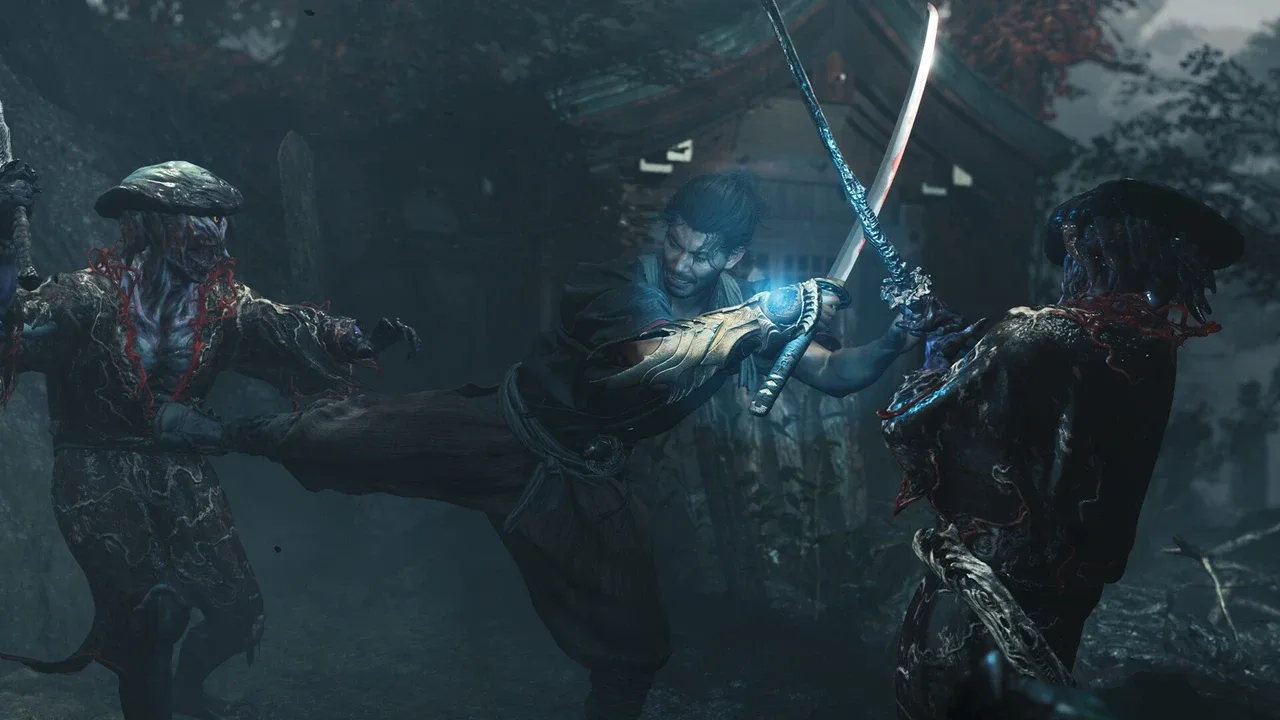
Light and heavy attacks provide the foundation, while blocks, dodges, parries and deflections control the rhythm of an exchange. Enemies have stamina as well as health, so breaking their balance can be more valuable than slowly reducing a life bar. A successful defense creates an opening, but the most satisfying response is the returning Issen. Attacking at the precise moment before an enemy's strike allows Musashi to cut through weaker Genma immediately and inflict severe damage on larger opponents.
The mechanic works because the presentation makes every success readable. Steel meets steel with weight, sparks mark the point of contact and Musashi's animation follows the direction of the attack. Combat is violent without becoming visually incoherent. Even when several enemies enter the fight, the best encounters still feel like a sequence of individual decisions rather than an uncontrolled cloud of effects.
Oni Armaments provide more explosive options without replacing the sword. Different supernatural weapons can clear space, attack several targets or destroy stamina more efficiently. Souls absorbed from defeated Genma restore health, fund upgrades and power those abilities, preserving one of the series' defining systems while giving it a clearer role in the wider combat loop.
The opening hours do not reveal all of that depth immediately. Basic Genma are often too forgiving, while several useful techniques sit behind upgrades. Once enemy combinations become more demanding and Musashi's move set expands, the combat finds a much stronger rhythm. By the middle of the campaign, a group that once looked like disposable fodder can become an opportunity to chain deflections, finishers and supernatural attacks without surrendering control.
Bosses turn technique into spectacle
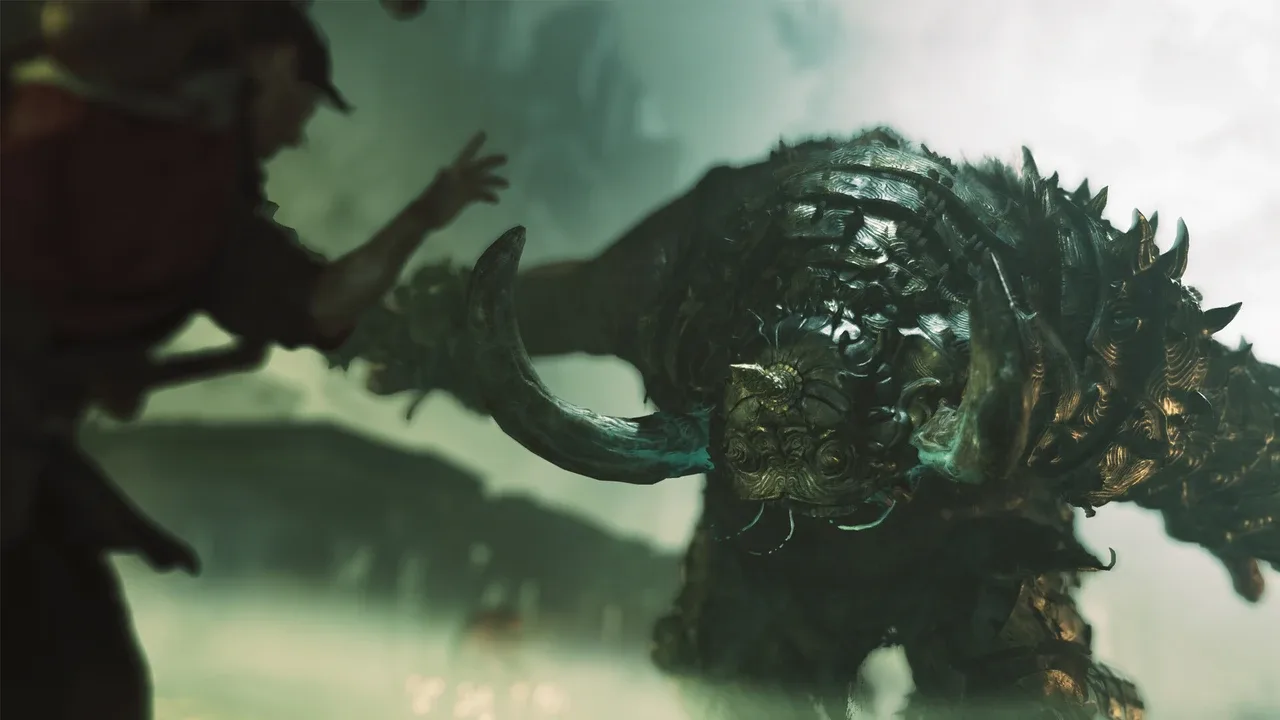
Boss fights provide the clearest answer to why the combat has been built this way. These encounters do more than increase enemy health and damage. Different opponents change which defensive response is safest, interrupt familiar timing or force Musashi to manage threats beyond the blade directly in front of him.
The strongest fights move smoothly between spectacle and mechanical pressure. Large creatures create dramatic set pieces, while rival swordsmen strip the system back to its most important elements. Their attacks may look extravagant, but victory still depends on recognizing a pattern, holding position and responding at the correct instant. That consistency prevents the cinematic presentation from taking control away from the player.
Difficulty options make the system more approachable. Story mode widens defensive windows, while optional attack indicators help communicate what kind of response is coming without revealing its exact timing. Action mode remains demanding enough for bosses to require several attempts, but regular checkpoints keep failure from becoming expensive.
Players seeking the harshest version must finish the campaign before unlocking Carnage difficulty and New Game+. Keeping that option unavailable from the beginning is an unnecessary restriction, particularly for experienced action players. Repeated mini-bosses also lose some of their impact as the campaign continues. The major battles remain highlights, but several opponents return more times than their evolving move sets can justify.
Kyoto is gorgeous but not deep enough
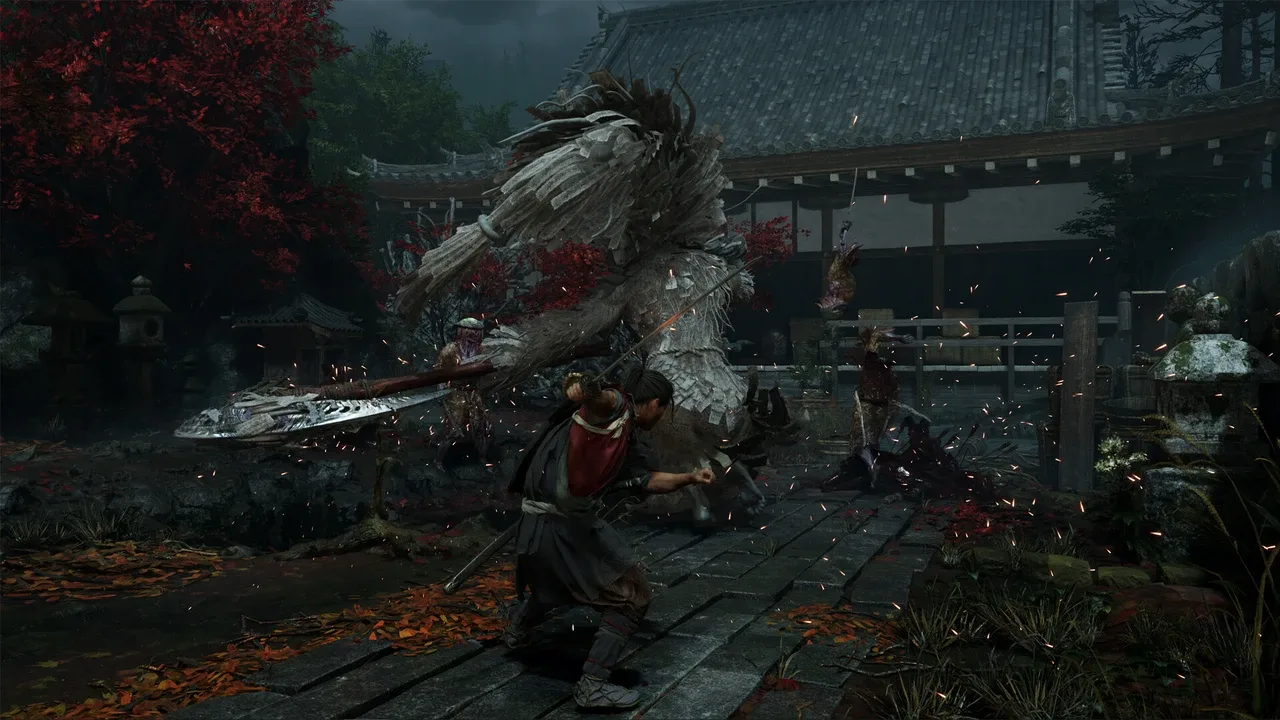
The RE Engine turns Kyoto into a convincing mixture of historical detail and supernatural corruption. Temples, narrow streets and forests are invaded by growths formed from faces, limbs and coral-like stone. Genma designs move between theatrical absurdity and body horror, while traditional instruments give the soundtrack an uneasy quality without overwhelming quieter scenes.
The campaign alternates between directed story chapters and a more open section of Kyoto that acts as its central hub. Returning to the city reveals new routes, side stories, treasures and upgrade materials. Better optional quests explore local legends and historical figures, giving the setting substance beyond its ruined buildings. Hidden Lion Dogs and other discoveries also provide short reasons to examine spaces that the main story passes quickly.
Too much of the remaining content exists to extend progression. Minor requests, archery activities and material hunts repeatedly send Musashi through familiar streets to fight familiar enemies. Equipment improvements arrive through enough small percentage increases that resource gathering begins to feel like maintenance. A focused story playthrough can remain near 20 hours, but clearing the map pushes the campaign considerably beyond that without providing the same increase in meaningful content.
Environmental puzzles are another missed opportunity. Earlier Onimusha games used their Resident Evil influence to interrupt combat with locks, mechanisms and compact spatial problems. Way of the Sword occasionally suggests something more ambitious, but most obstacles are solved before they can demand much thought. Kyoto looks like a place full of secrets, yet it rarely asks players to understand the environment as deeply as they must understand an enemy.
Performance at least keeps exploration and combat stable. The PS5 version targets 60 frames per second effectively in performance mode, although the image can become softer and open areas occasionally suffer from flat lighting. Those compromises are easier to accept during battle, where animation, responsiveness and clear effects matter more than distant detail.
Onimusha: Way of the Sword is a powerful return
Onimusha: Way of the Sword succeeds because Capcom understood which part of the series deserved the greatest investment. Its sword combat is controlled, expressive and rewarding, while the bosses continually find new ways to test it. Musashi gives the campaign humor and humanity, and the supernatural version of Kyoto is capable of producing both beautiful scenery and genuinely disturbing horror.
The revival would be stronger with less material hunting, fewer repeated encounters and more substantial puzzles between its fights. Those weaknesses blunt the pacing without damaging the quality of the combat underneath. Players looking for a deep open world may find Kyoto restrictive, but anyone who wants demanding action, memorable bosses and a protagonist worth following will find that Onimusha has returned with its identity intact.
The Verdict
Onimusha: Way of the Sword is a confident comeback built around exceptional sword combat, memorable bosses and a Musashi with enough personality to carry its supernatural story. Repetitive side content and shallow exploration weaken the pacing, but when steel meets steel, Capcom’s revival is one of the year’s most satisfying action games.
The Good
- +Precise, deeply satisfying sword combat
- +Spectacular and mechanically varied boss battles
- +Charismatic Musashi and expressive character animation
- +Beautifully grotesque vision of Edo-period Kyoto
The Bad
- -Repetitive side activities and resource gathering
- -Reused encounters and underdeveloped environmental puzzles
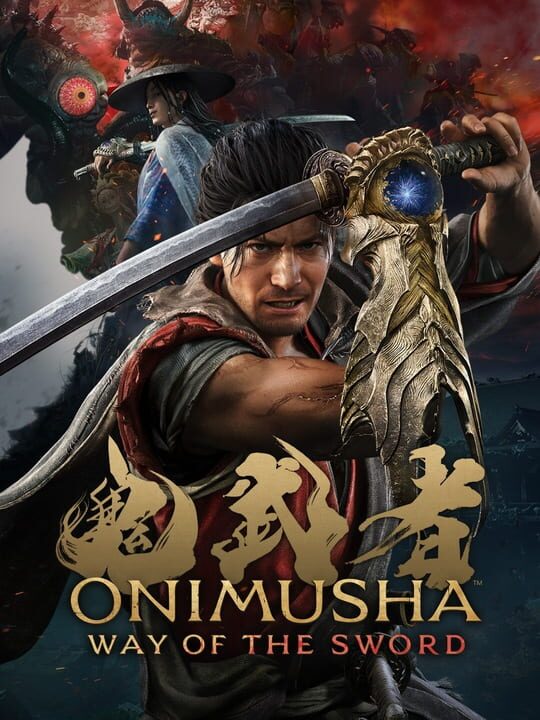
Onimusha: Way of the Sword
Fight through bloodstained battlefields of intense swordplay action. Explore the historic Japanese capital of Edo-era Kyoto, twisted by malevolent clouds of Malice. With every stage cloaked in mystery, danger and intrigue. Battle against monstrosities from the underworld known as
Released
September 4, 2026
Developer
Capcom
Publisher
Capcom


Tagged In
Discussion
0We want to hear from you. Share your perspective in the comments below, and please keep the conversation respectful.
Log in to join the discussion - vote, reply, and share your take.
Log In