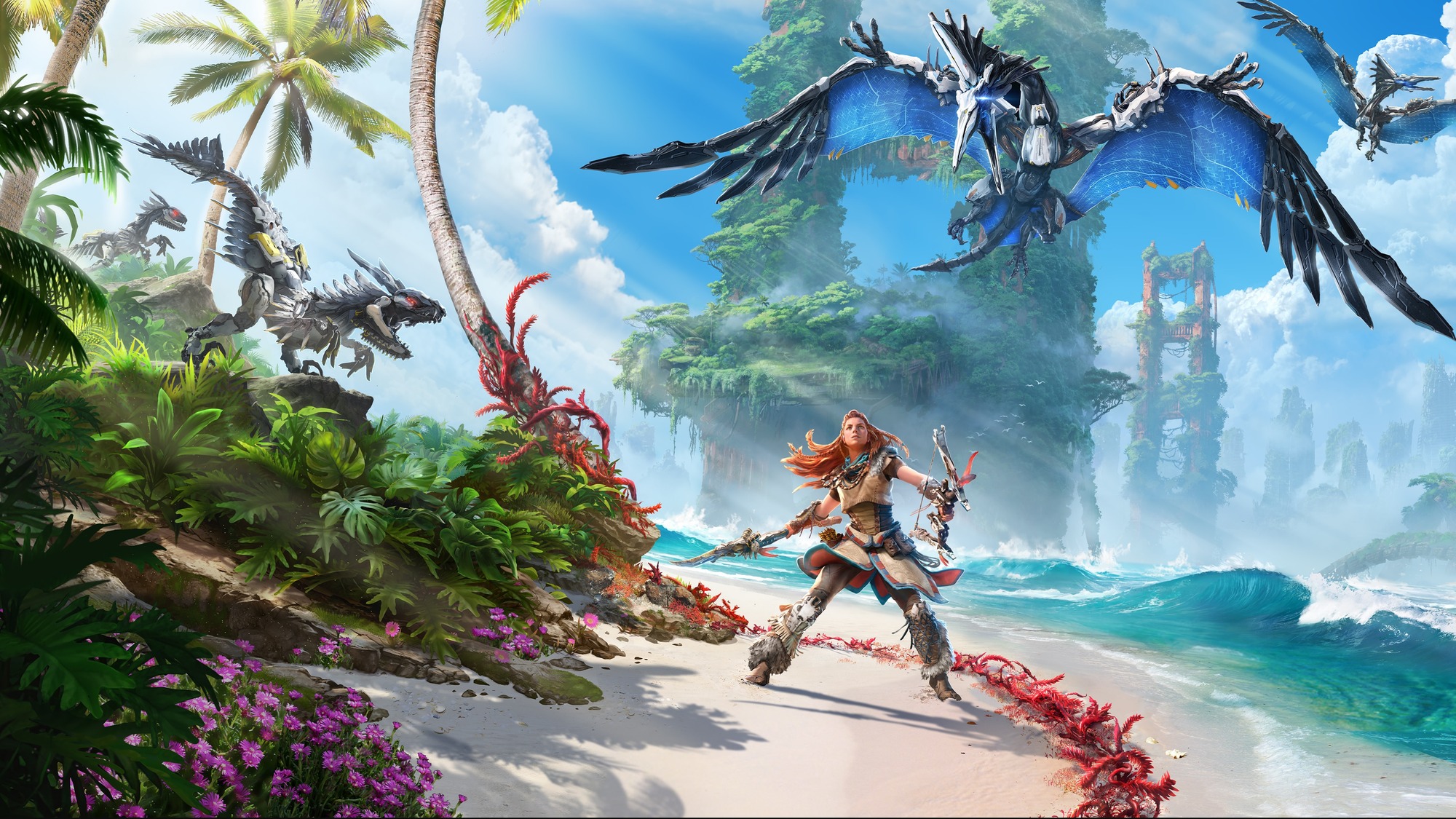
Guerrilla Games left Killzone behind to build the world of Horizon
After a decade of Killzone, Guerrilla bet on robot dinosaurs, built the Decima engine and grew Horizon into a franchise of more than 40 million copies.
For more than a decade, Guerrilla Games was best known for Killzone, PlayStation's gritty science-fiction shooter series. The Amsterdam studio had developed considerable expertise in first-person combat and console technology, but its biggest success would come from taking an entirely different direction.
Released in 2017, Horizon Zero Dawn introduced players to a post-apocalyptic world where enormous machines roamed the wilderness. Its combination of tactical combat, exploration, and a distinctive science-fiction setting gave Guerrilla its first major franchise outside Killzone. The game also demonstrated that the studio's technical expertise could support something far more ambitious than another military shooter.
Horizon established Guerrilla as one of PlayStation's leading first-party developers, while its proprietary Decima engine attracted interest beyond the studio. What began as a risky departure from Killzone ultimately reshaped Guerrilla's future, giving it a successful new franchise and technology that other developers would build their games around.
Profile Snapshot
- Founded: 2000 as Lost Boys Games, renamed Guerrilla Games in 2003
- Headquarters: Amsterdam, Netherlands
- Parent company: Sony Interactive Entertainment, acquired in 2005
- Studio directors: Jan-Bart van Beek, Joel Eschler, and Hella Schmidt
- Signature franchises: Killzone and Horizon
- Technology: Decima, Guerrilla's proprietary game engine
- Current projects: Horizon Hunters Gathering and a future single-player Horizon game
Killzone established Guerrilla's technical reputation
Guerrilla began as Lost Boys Games, a Dutch developer formed through the merger of several smaller studios. After adopting the Guerrilla name in 2003, the company concentrated on making ambitious 3D games for consoles.
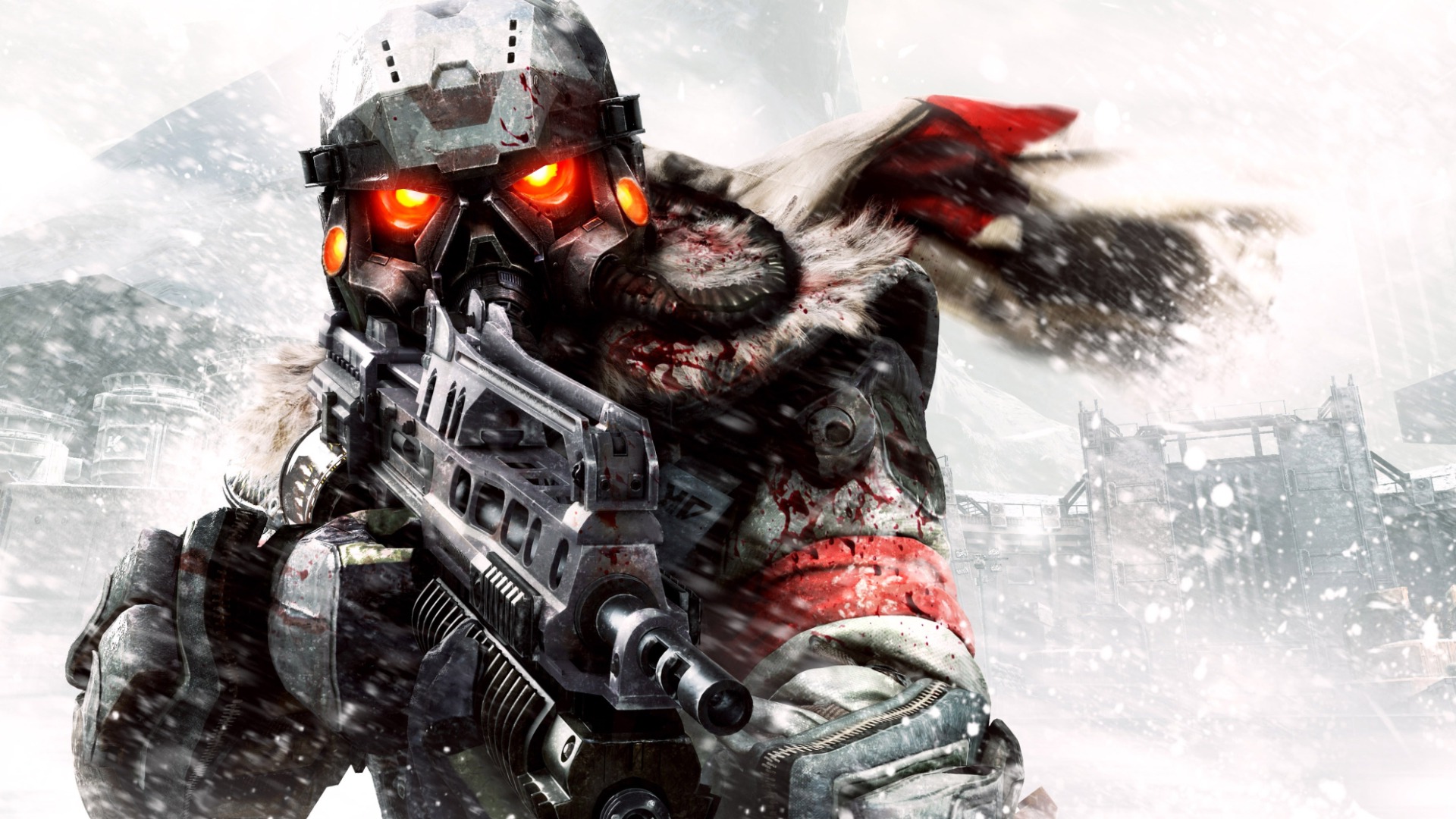
Its breakthrough came with Killzone in 2004. The PlayStation 2 shooter introduced a futuristic military conflict between the Interplanetary Strategic Alliance and the Helghast, an army recognizable by its glowing red eyes and intimidating equipment.
The game received mixed reviews, but its visual presentation attracted attention from Sony. The publisher acquired Guerrilla in December 2005, bringing the developer into its first-party studio network. Killzone 2 arrived on PlayStation 3 in 2009 and represented a substantial technical improvement. Its detailed environments and intense firefights helped demonstrate what Sony's hardware could achieve.
The series continued with Killzone 3 and the PlayStation 4 launch title Killzone: Shadow Fall in 2013. However, developing military shooters for almost a decade had become restrictive. Guerrilla wanted to experiment with a different setting and more freedom for players.
Robot dinosaurs became Guerrilla's biggest gamble
The idea behind Horizon Zero Dawn originated during internal discussions in 2010. Guerrilla invited employees to pitch concepts for its next major project, and one suggestion stood out: a world where tribal societies lived alongside enormous robotic creatures.
It was a radical departure from Killzone. Instead of soldiers fighting through controlled environments, players would explore a vast landscape filled with dangerous machines.
The change required extensive development work. Guerrilla had experience building shooting mechanics, but creating an open-world RPG meant learning how to design quests and build a more elaborate narrative. The studio recruited new writers and quest designers, including narrative director John Gonzalez, who had previously worked on Fallout: New Vegas.
Its new protagonist, Aloy, also represented a departure from the heavily armored soldiers of Killzone. As a young hunter searching for answers about her origins, she gave players a personal reason to explore the mysterious world. When Horizon Zero Dawn finally launched in February 2017, Guerrilla had successfully established an entirely new franchise.
Horizon made hunting machines the main attraction
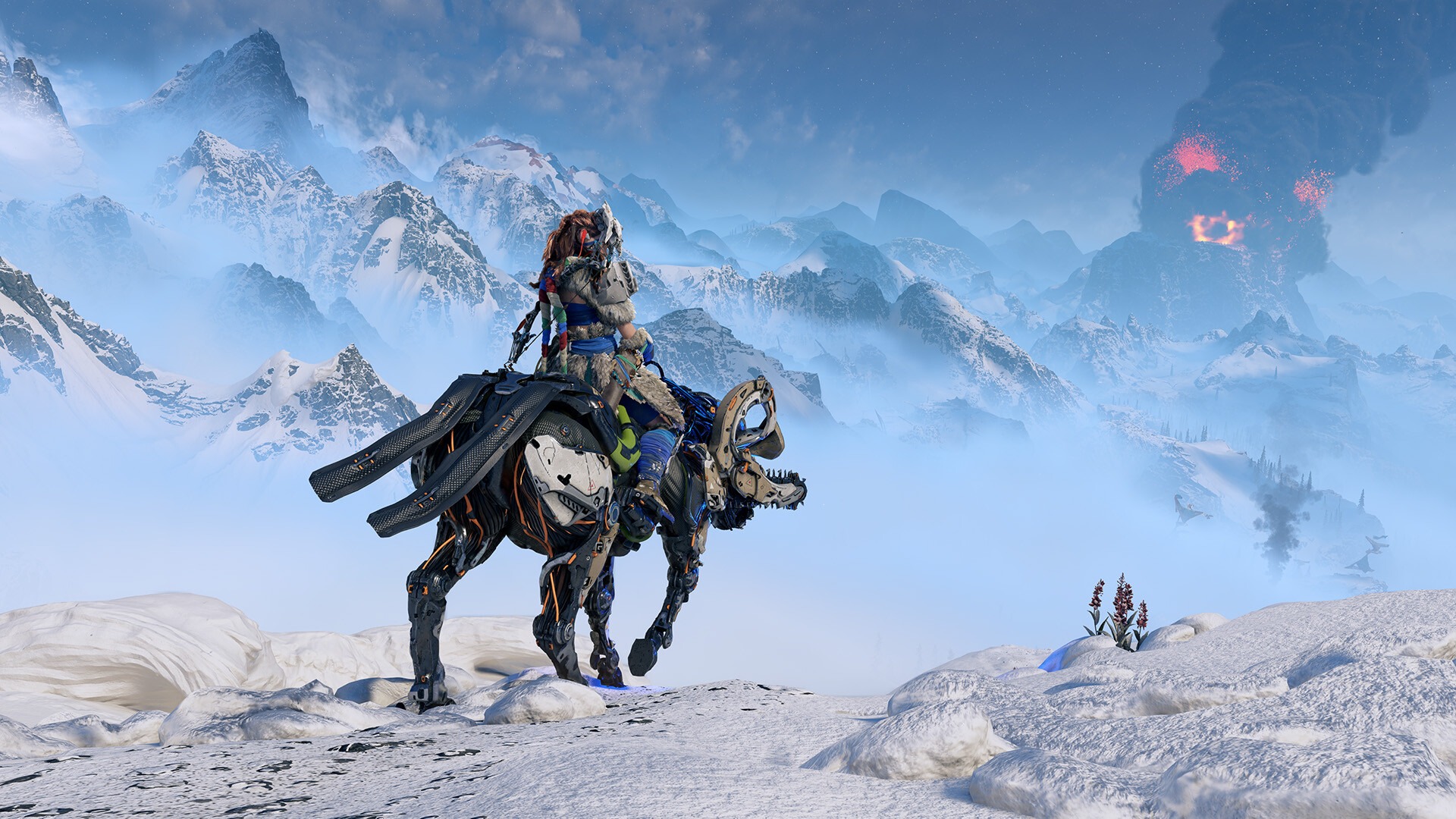
The mechanical creatures were easily the most recognizable feature of Horizon Zero Dawn, but their design went beyond impressive visuals. Every machine had distinct behavior and vulnerabilities. Smaller Watchers could alert nearby enemies, while enormous Thunderjaws carried powerful weapons that players could detach during combat.
Aloy's Focus device allowed players to examine machines and identify components worth targeting. Different ammunition types could exploit elemental weaknesses, while traps and stealth offered alternatives to direct confrontation. The combat encouraged preparation, particularly against larger enemies. Removing a dangerous weapon could completely change the balance of a fight.
Guerrilla also built an elaborate mystery around the machines. As Aloy explored ancient ruins, she gradually uncovered the circumstances behind humanity's collapse and the origins of the mechanical creatures. The combination worked commercially. By February 2022, Horizon Zero Dawn had sold more than 20 million copies across PlayStation 4 and PC.
However, the game wasn't without criticism. Its open world relied on familiar activities such as clearing bandit camps and collecting items, while some side quests lacked the depth of its central storyline. Despite those limitations, Guerrilla had discovered a successful new identity centered on tactical combat and environmental storytelling.
Decima grew beyond Guerrilla's own games
The transition from Killzone to Horizon also required major changes behind the scenes. Guerrilla had developed its own technology for the earlier shooters, but an enormous open world presented completely different challenges.
The engine needed to handle dense vegetation and changing weather while supporting machines of vastly different sizes. Guerrilla redesigned existing systems and introduced new technology to manage complex enemy behavior. The result became known as Decima, officially named in February 2017.
Its capabilities soon attracted Hideo Kojima, who was establishing an independent studio after leaving Konami. Guerrilla shared Decima with Kojima Productions, allowing the Japanese developer to build Death Stranding without creating an entirely new engine.
The partnership continued through Death Stranding 2: On the Beach in 2025. Both studios contributed improvements to the technology, sharing knowledge about rendering and development tools.
For Guerrilla, Decima became an important asset beyond the Horizon franchise. Its continued development also supported larger environments and more elaborate visual effects across successive PlayStation generations.
Forbidden West expanded the formula
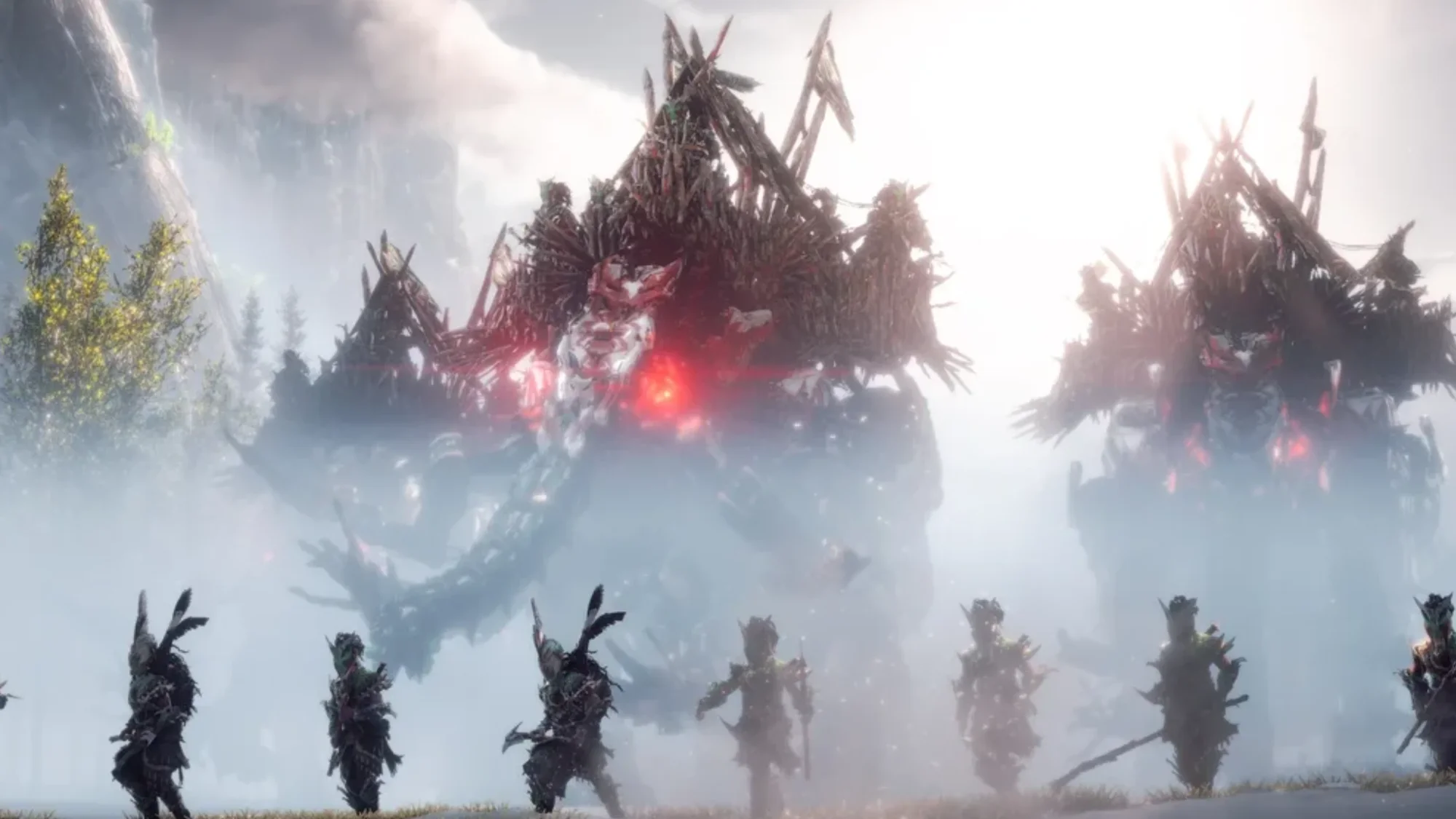
Horizon Forbidden West arrived in February 2022, taking Aloy into a larger world inspired by the western United States. The sequel expanded underwater exploration and introduced new traversal equipment, including a glider. Machines became increasingly complicated, with flying and swimming enemies demanding different combat strategies.
Its technical improvements were particularly impressive. Detailed character animations and dense environments demonstrated how far Decima had progressed since the original game. The Burning Shores expansion followed in April 2023, taking advantage of PlayStation 5 hardware to stage an enormous battle against a Horus war machine.
Commercially, the franchise continued growing. By April 2023, Horizon had sold more than 32.7 million copies worldwide, including 8.4 million copies of Forbidden West. A later figure disclosed by NCSOFT in November 2025 placed total franchise sales at 40 million. However, the sequel also attracted criticism for its enormous number of optional activities and increasingly complicated progression systems. The bigger world sometimes made the experience feel unnecessarily crowded.
The franchise subsequently expanded into other formats, including the VR adventure Horizon Call of the Mountain and LEGO Horizon Adventures, developed with external partners.
Guerrilla's multiplayer plans face an uncertain future
Guerrilla announced Horizon Hunters Gathering in February 2026, introducing a cooperative action game where three players could hunt machines together. However, Bloomberg reported in August that negative playtest feedback had prompted a major redesign, with Sony reportedly scaling back its live-service ambitions.
The project remains in development without a confirmed release date. A new single-player Horizon adventure is also planned, although reporting suggests it remains years away.
Guerrilla successfully reinvented itself by moving beyond Killzone, but its next challenge involves expanding Horizon without losing what made the series successful. Following the reported difficulties with Hunters Gathering, the studio must find a multiplayer approach that captures the tactical machine combat and exploration that established its reputation.