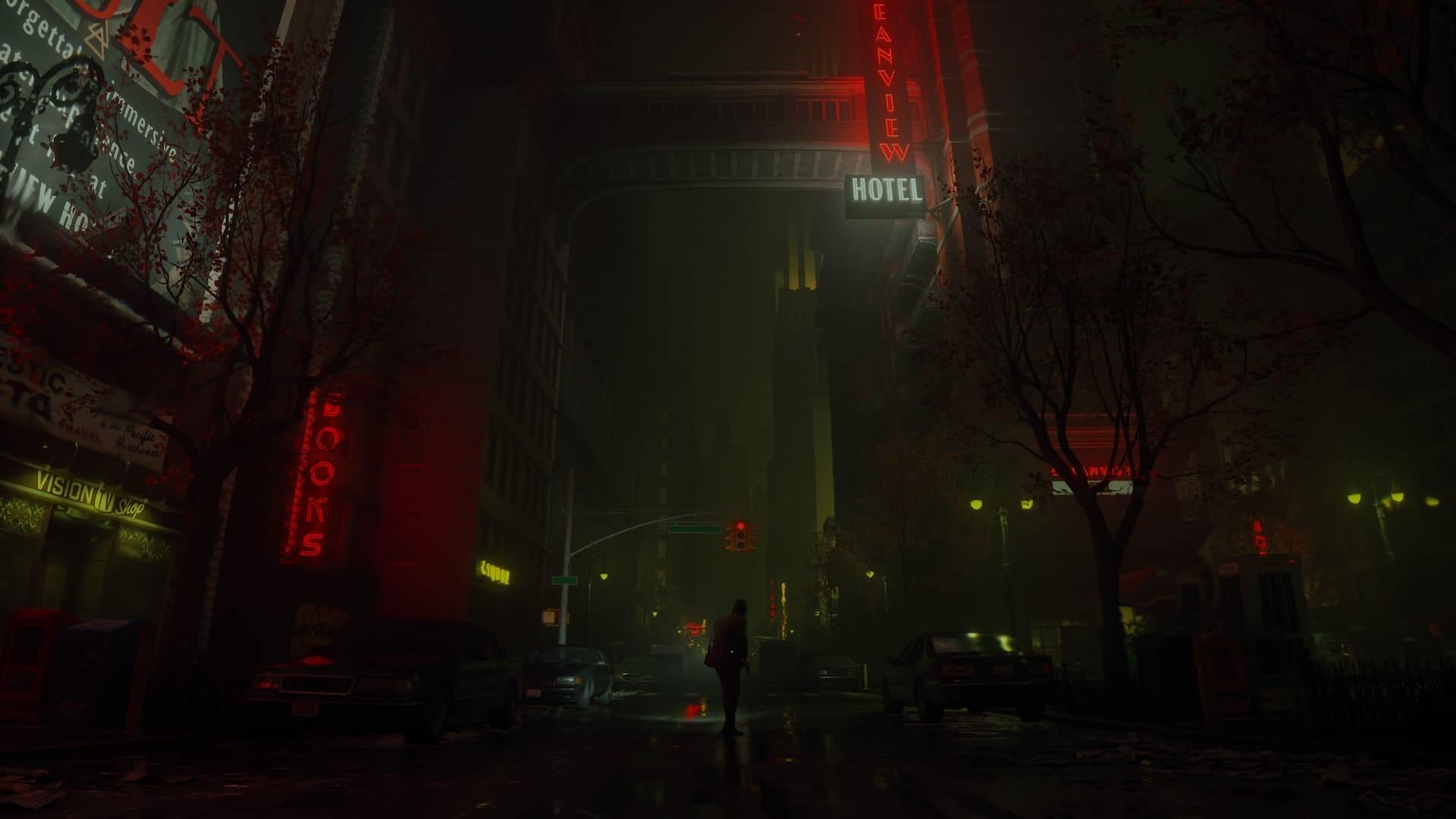
Remedy Entertainment made its strangest stories part of a connected universe
Remedy turned Max Payne, Alan Wake and Control into one supernatural universe, then learned the limits of self-publishing with FBC: Firebreak and CONTROL Resonant.
Remedy Entertainment has built a reputation for cinematic action games with stories that become stranger the deeper players go. After the crime drama of Max Payne, the Finnish studio explored psychological horror in Alan Wake and took its supernatural storytelling even further with Control.
Control brought players into the Oldest House, a mysterious government building filled with shifting corridors and objects that defy explanation. The game's unsettling atmosphere and connections to Alan Wake also revealed something larger taking shape. Remedy was gradually bringing its fictional worlds together.
Remedy has continued building on these connections through the Remedy Connected Universe, bringing familiar characters and mysteries into new stories. The studio has ambitious plans for its interconnected games, but balancing those creative ambitions with the cost of development has become increasingly difficult.
Profile Snapshot
- Founded: 1995
- Headquarters: Espoo, Finland
- CEO: Jean-Charles Gaudechon, appointed March 2026
- Creative director: Sam Lake
- Ownership: Independent, publicly traded on Nasdaq Helsinki
- Signature games: Max Payne, Alan Wake, Quantum Break, and Control
- Latest release: CONTROL Resonant, September 24, 2026
Max Payne established Remedy's cinematic style
Remedy was experimenting with unusual storytelling long before supernatural mysteries became its specialty. Its first game, Death Rally, arrived in 1996, but the studio's international breakthrough came with Max Payne in 2001.
The third-person shooter combined slow-motion gunfights with a dark detective story inspired by film noir. Its graphic novel cutscenes featured dramatic narration and cynical humor, giving the action a personality that most shooters lacked.
Writer Sam Lake played a major role in shaping that identity. He wrote the story and famously provided the face of Max Payne, using photographs rather than expensive performance capture technology.
Max Payne 2: The Fall of Max Payne expanded the cinematic approach in 2003, introducing a complicated romance and more elaborate action sequences. The series established Remedy internationally, although the studio had sold the Max Payne intellectual property to Take-Two Interactive in 2002. Its next major project would move away from crime thrillers toward something considerably stranger.
Alan Wake brought psychological horror into the spotlight
Released in 2010, Alan Wake followed a struggling novelist searching for his missing wife in Bright Falls, a fictional town in Washington state. The story drew inspiration from psychological thrillers and television mysteries, particularly the unsettling atmosphere of Twin Peaks.
Its central mechanic revolved around light. Enemies were protected by supernatural darkness, forcing players to weaken them with a flashlight before conventional weapons could cause damage.
The combat could become repetitive, but Bright Falls was an intriguing place to explore. Strange television programs appeared throughout the town, while manuscript pages described events that hadn't happened yet.
Remedy also structured the adventure like a television series, dividing the story into episodes with dramatic cliffhangers.
Despite attracting a dedicated following, Alan Wake wasn't the commercial breakthrough the studio had hoped for. Plans for a direct sequel struggled to secure funding, and Remedy eventually moved on to other projects.
Quantum Break followed in 2016, combining time-manipulation combat with live-action television episodes. Its ambitious presentation received mixed reactions, but Remedy continued experimenting with how stories could unfold across different formats.

Control created a home for the supernatural
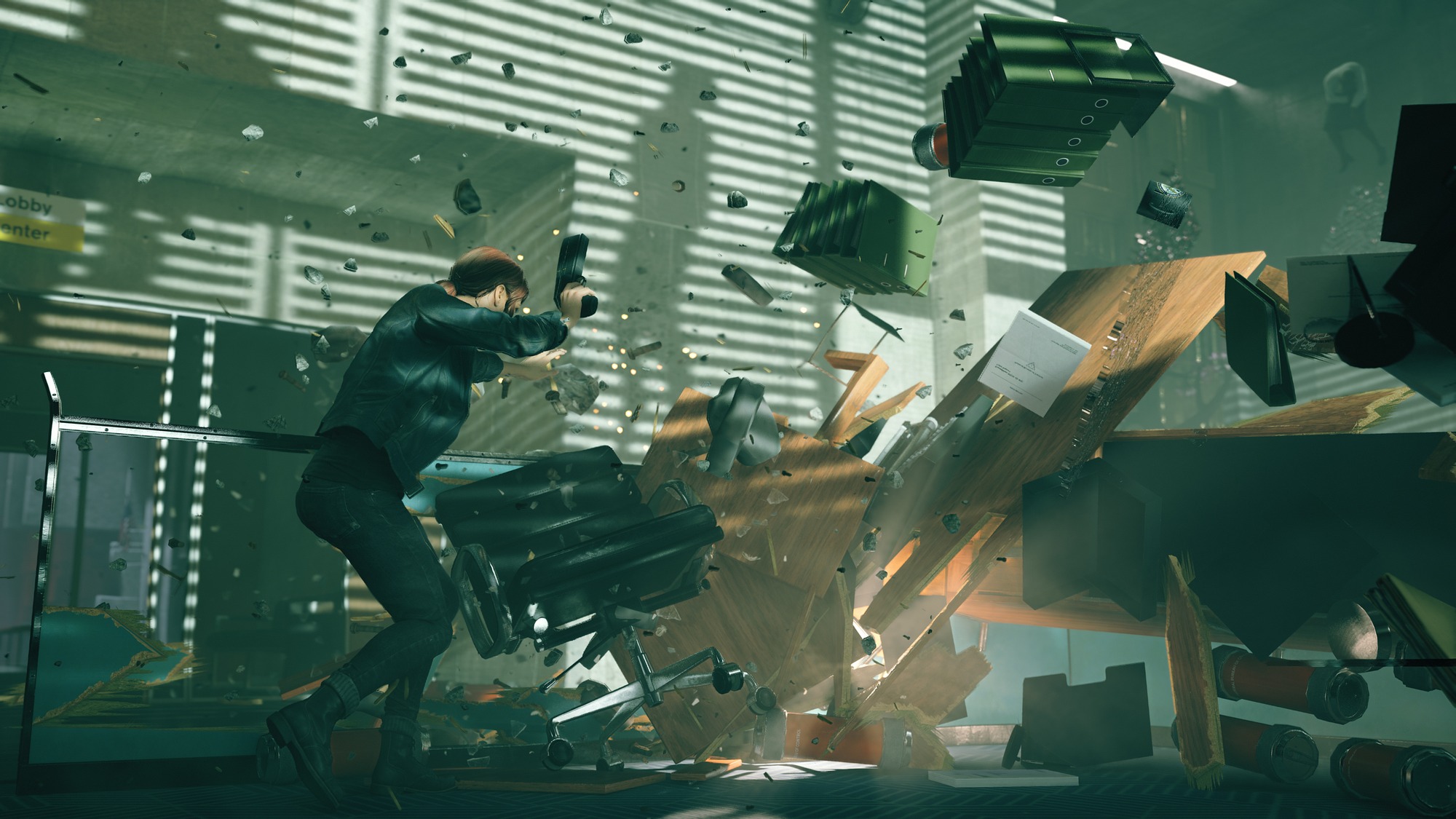
Control arrived in August 2019, introducing Jesse Faden and the Federal Bureau of Control, a secret government organization responsible for investigating supernatural phenomena.
The adventure takes place inside the Oldest House, a mysterious Manhattan building that constantly shifts its internal structure. Ordinary offices sit alongside impossible architecture, while everyday objects can possess extraordinary powers.
Jesse's telekinetic abilities made combat considerably more dynamic than Alan Wake. Players could rip chunks of concrete from the environment, throw furniture at enemies, and eventually levitate through enormous rooms.
The Ashtray Maze became one of the game's most memorable sequences. Its corridors constantly rearrange themselves while Jesse fights through enemies to the sound of rock music. The combination of music, action, and environmental effects captures Remedy's theatrical approach to game design.
The studio also expanded its environmental storytelling. Bureau documents describe bizarre incidents with the dry seriousness of official government reports. Some are disturbing, while others are surprisingly funny.
Hidden among those files were references to Bright Falls and the events of Alan Wake. The supernatural disaster from the earlier game had attracted the Bureau's attention, establishing a connection between the two worlds.
Alan Wake 2 brought the connected universe together
The relationship became explicit with Control's AWE expansion in 2020, which brought Alan Wake and the Dark Presence into the Bureau's investigations. Remedy returned to Bright Falls in October 2023 with Alan Wake 2. The sequel followed FBI agent Saga Anderson as she investigated ritualistic murders, while Alan remained trapped in the mysterious Dark Place.
The game leaned much further into survival horror, with limited ammunition and dangerous enemies. Remedy also embraced live-action storytelling more confidently, moving between filmed sequences and traditional gameplay. The elaborate musical sequence featuring Herald of Darkness became a particularly memorable example.
Connections to Control were now central to the story. Federal Bureau of Control agents investigated events in Bright Falls, while the 2024 Lake House expansion took players inside an FBC research facility near Cauldron Lake.
Alan Wake 2 received widespread critical acclaim, although its commercial success developed gradually. The game passed two million copies sold by the end of 2024, recovering its development and marketing costs under its publishing agreement with Epic Games. By 2026, sales had exceeded three million copies, giving Remedy another established franchise within its growing supernatural universe.
Expanding the universe brought new risks
Remedy's ambitions extended beyond storytelling. In February 2024, it acquired the publishing and distribution rights to Control from 505 Games, giving the studio greater control over a franchise whose intellectual property it already owned.
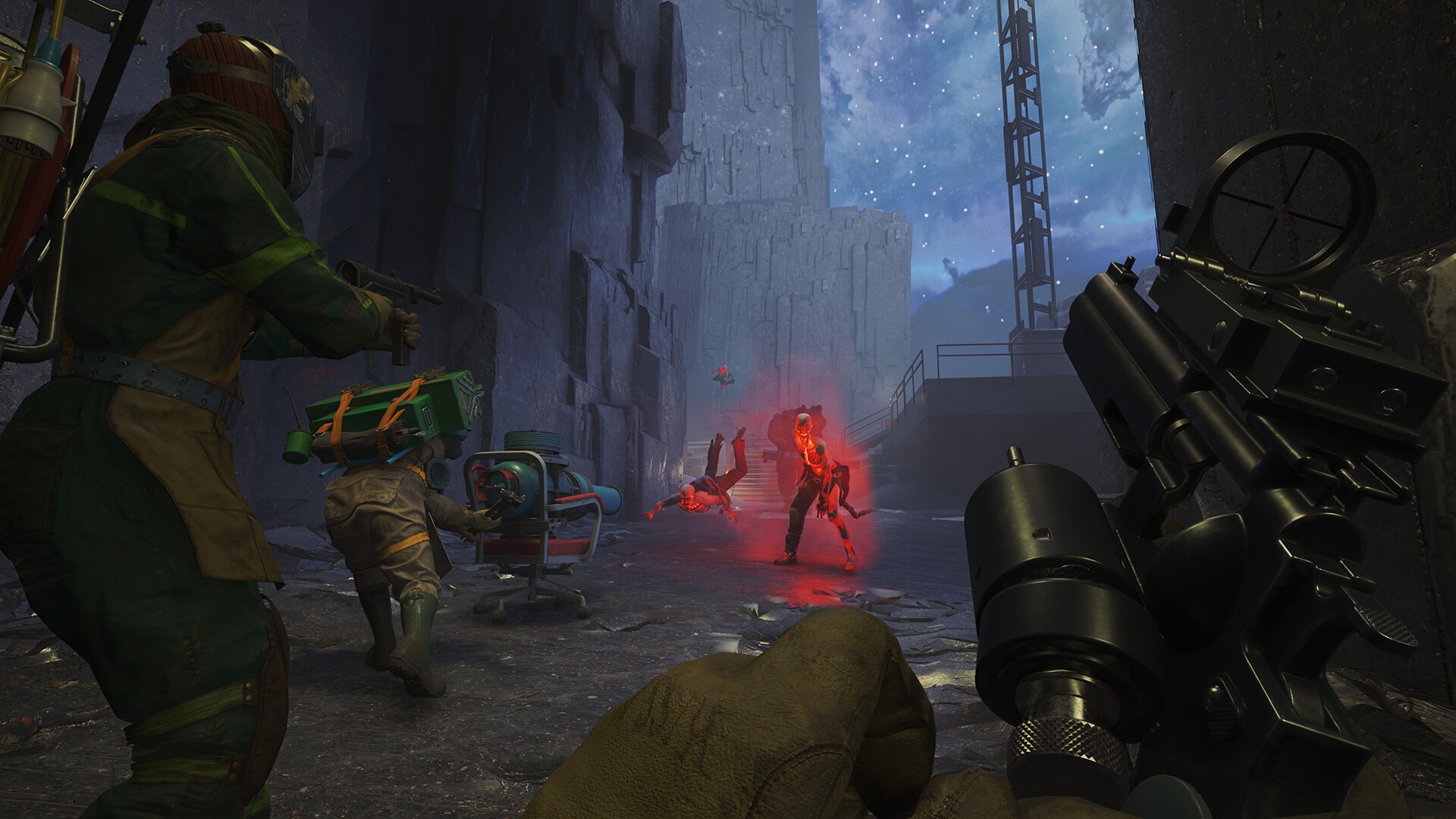
Its first major attempt at self-publishing was FBC: Firebreak, a cooperative multiplayer shooter released in June 2025.
Set inside the Oldest House, the game placed three players in the roles of Bureau employees dealing with supernatural emergencies. The premise offered a different perspective on Control, but the execution struggled to attract an audience.
Remedy acknowledged disappointing sales and recorded a €14.9 million impairment related to the project in 2025. CEO Tero Virtala also stepped down that October, although the company did not identify the game's performance as the sole reason for his departure.
After several updates, Remedy released the final major content expansion in March 2026. Firebreak remains playable, but no further major additions are planned. The experiment demonstrated the difficulty of transferring Remedy's unusual storytelling into a multiplayer format. Its atmospheric worlds were already a recognizable strength, but that identity alone wasn't enough to sustain an online shooter.
Control Resonant takes the universe beyond the Oldest House
Remedy returned to single-player action in September 2026 with CONTROL Resonant. The sequel follows Dylan Faden through a supernatural crisis in Manhattan, with larger environments and a greater emphasis on melee combat. Although some critics found the encounters repetitive, CONTROL Resonant sold over one million copies by October 15, making it Remedy's fastest-selling game.
Meanwhile, Remedy is working with Rockstar Games on remakes of the first two Max Payne titles. After the disappointing performance of FBC: Firebreak, CONTROL Resonant's early success has given the studio some much-needed momentum. It also offers encouragement for Remedy's growing self-publishing ambitions, as the developer looks to build on the worlds of Alan Wake and Control while maintaining its distinctive approach to storytelling.