The 9 best deckbuilding games for finding the perfect combo
These games make the deck itself your character build, then ask you to improve it without adding one card too many.
Deckbuilding games usually begin with a weak set of attacks or simple actions. The challenge comes from changing what can appear in your hand. Every new card alters the odds, which means a powerful reward can still make the deck worse if it delays the combination keeping the run alive.
This ranking focuses on games where the deck changes during play. Traditional collectible card games stay outside the list because their decks are assembled before the match. Roguelikes dominate the genre, but the strongest deckbuilders also use cards for role-playing, co-op tactics, horror and spaceship combat.
9. SteamWorld Quest: Hand of Gilgamech
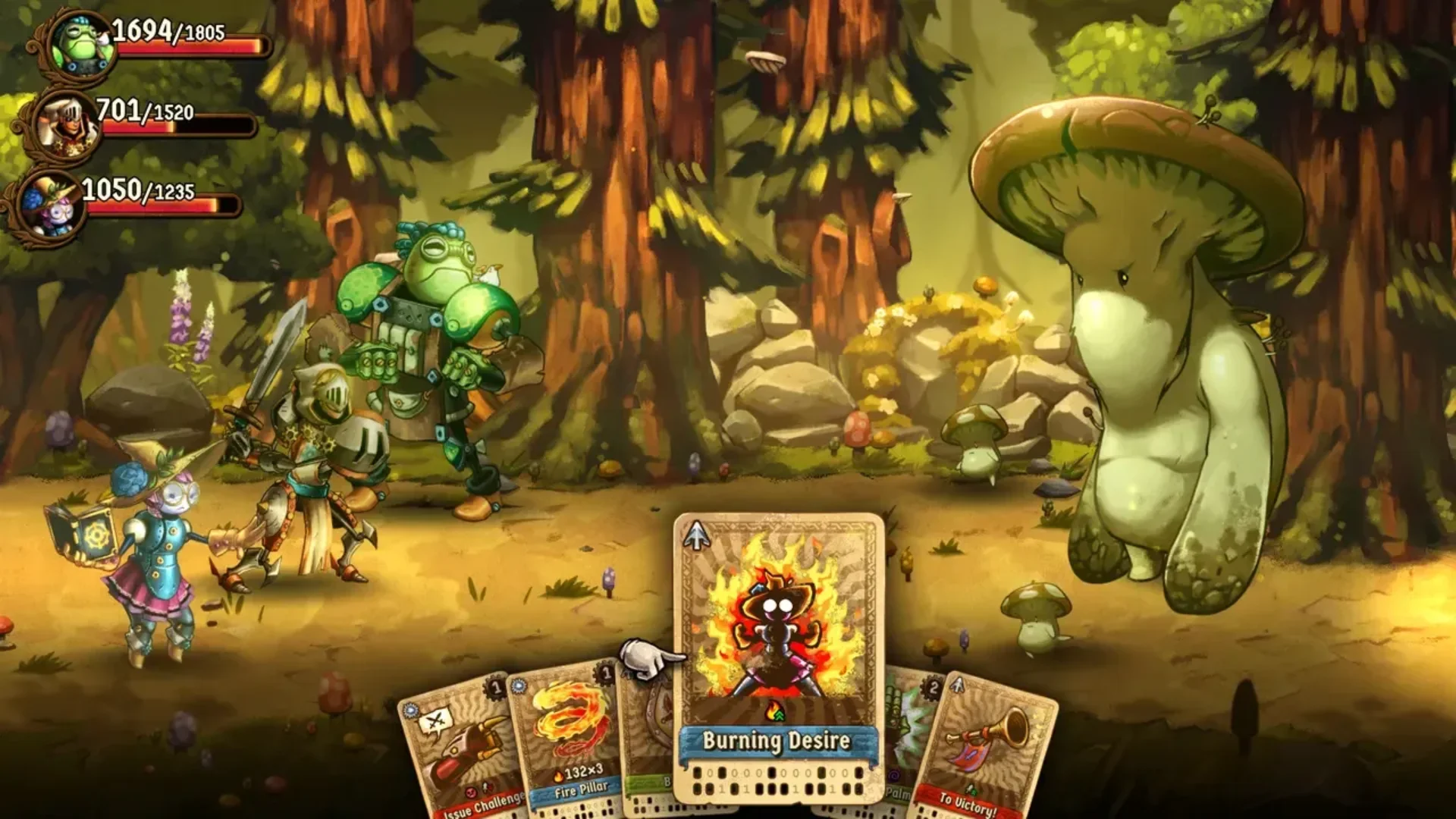
SteamWorld Quest is a turn-based RPG where a party of three steambots attacks through a shared deck. Each hero contributes eight cards, so changing one party member also changes what the whole group can draw. Armilly handles direct sword attacks. Copernica brings elemental magic, while later recruits open healing and support strategies.
A turn allows three cards, and playing particular character combinations can trigger extra effects. That gives newcomers a familiar RPG structure while introducing one of deckbuilding's central lessons: a smaller deck often performs more reliably than a pile full of individually strong cards. Equipment unlocks new cards instead of merely raising statistics, so choosing a weapon can change how a character functions in battle.
8. Griftlands
Griftlands is a narrative roguelike where conversations and physical fights use separate decks. Each playable character carries one negotiation deck and one battle deck, and both grow according to the choices made during the campaign.
Negotiations are proper card battles rather than simple dialogue checks. Arguments appear as targets with their own effects, while social cards let you apply pressure or build influence. Starting a fight uses a different set of rules built around weapons, defence and character abilities. Players who already know the genre can shape sharply specialised decks, but the story gives new players a clear reason to care about each card choice.
A negotiation deck built around intimidation creates a different version of the character from one that relies on patience or charm.
7. Wildfrost
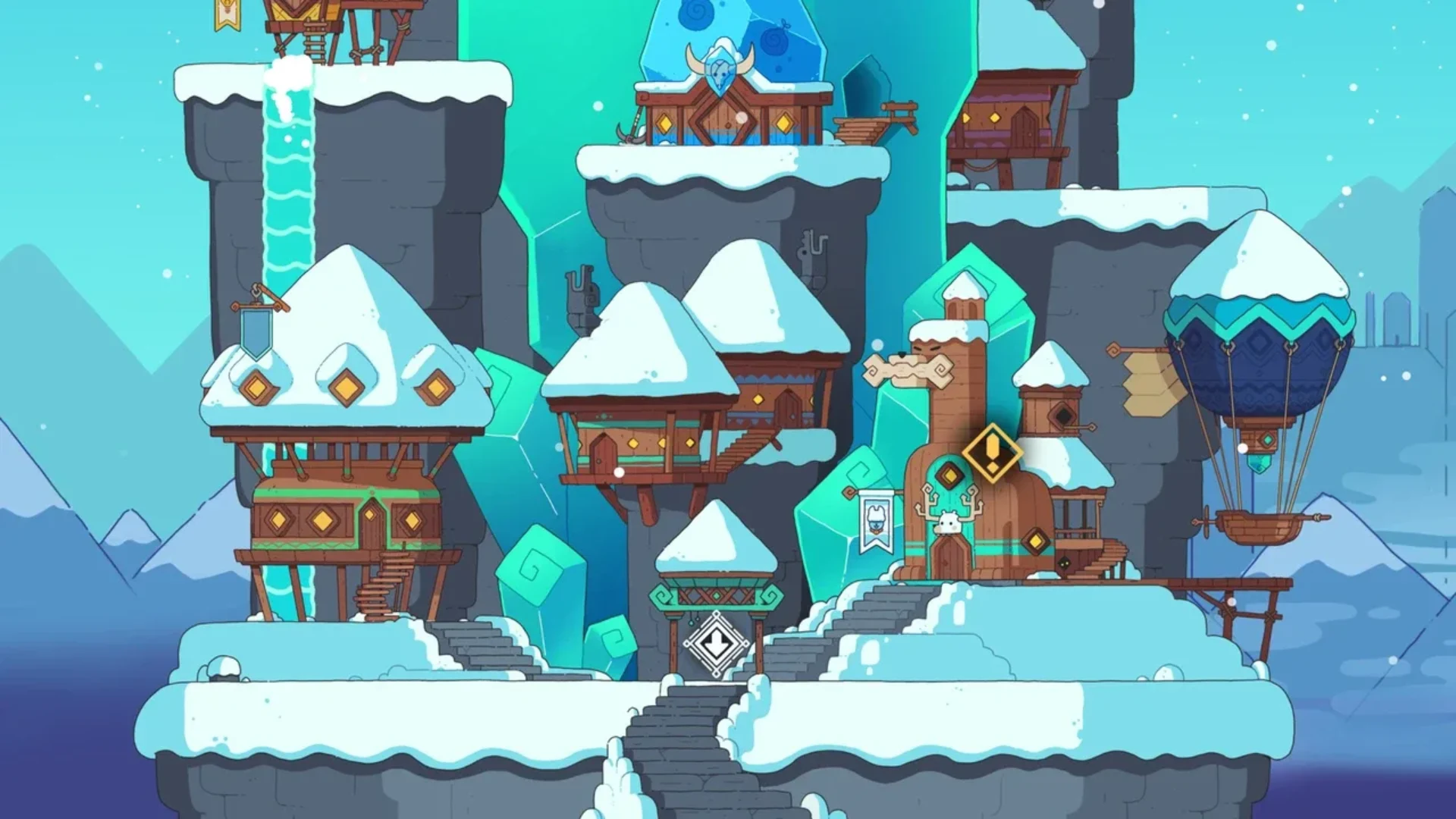
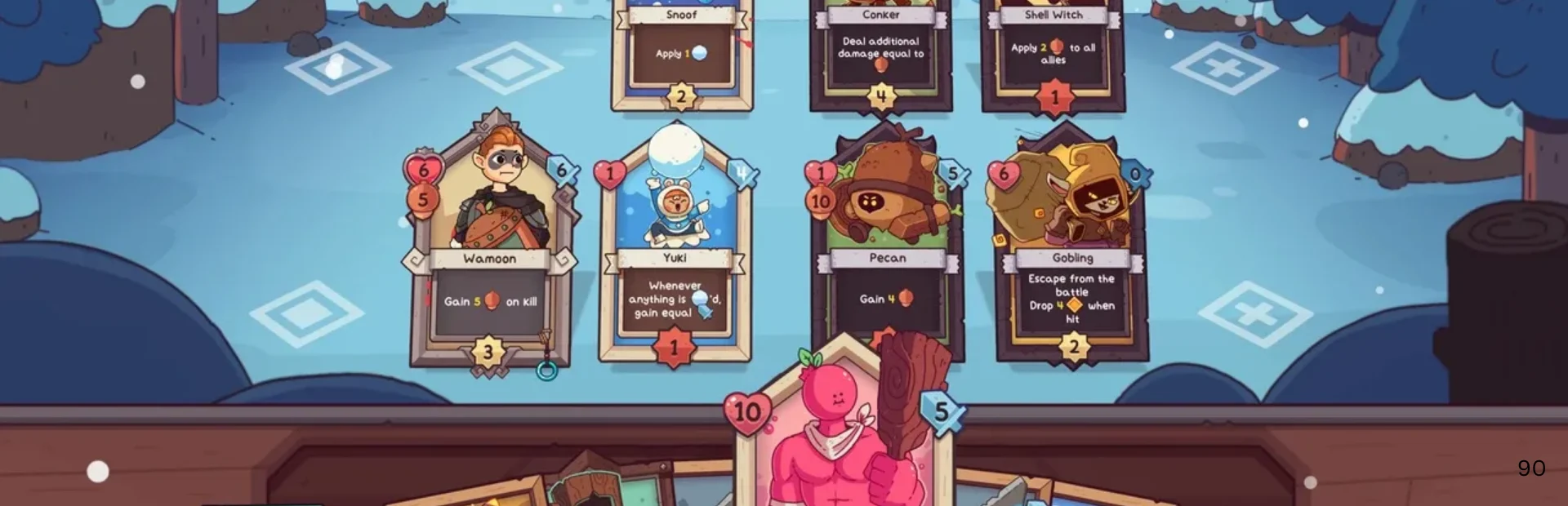
Wildfrost is a tactical roguelike deckbuilder played across two rows. Instead of paying energy to use every card, you place companions onto the board and watch the countdown numbers above them. When a counter reaches zero, that unit attacks automatically.
Every card played advances those counters, including the enemies'. That means a healing card may save one companion while allowing an enemy to strike sooner than expected. Experienced players learn to manipulate turn order with snow effects and movement. New players can read the board directly because the next attack is always visible.
Charms modify cards with permanent effects during the run, while rescued companions give each deck a different centrepiece. The cute artwork makes the rules approachable, but winning still depends on understanding exactly when the next countdown will reach zero.
6. Cobalt Core
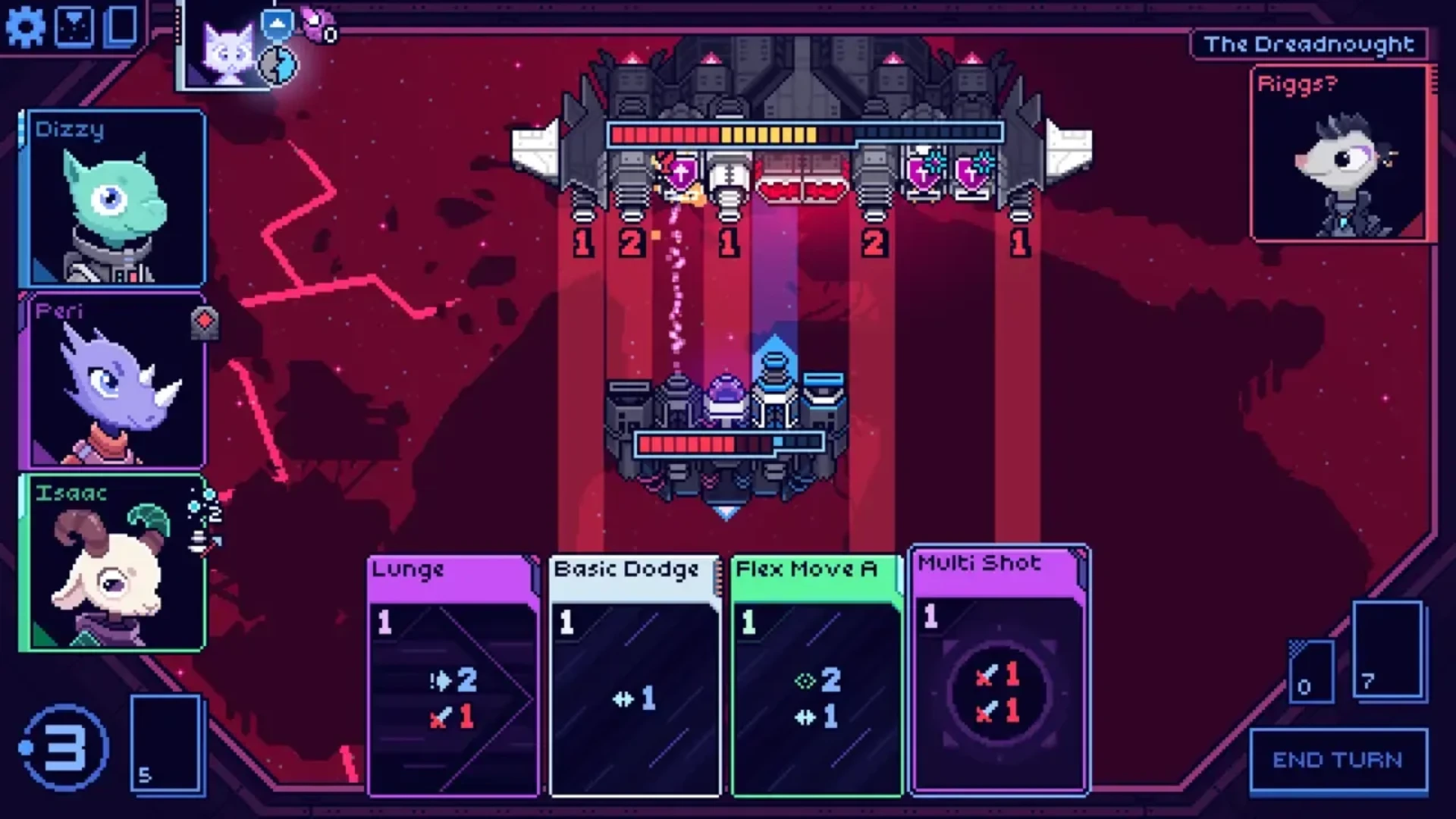
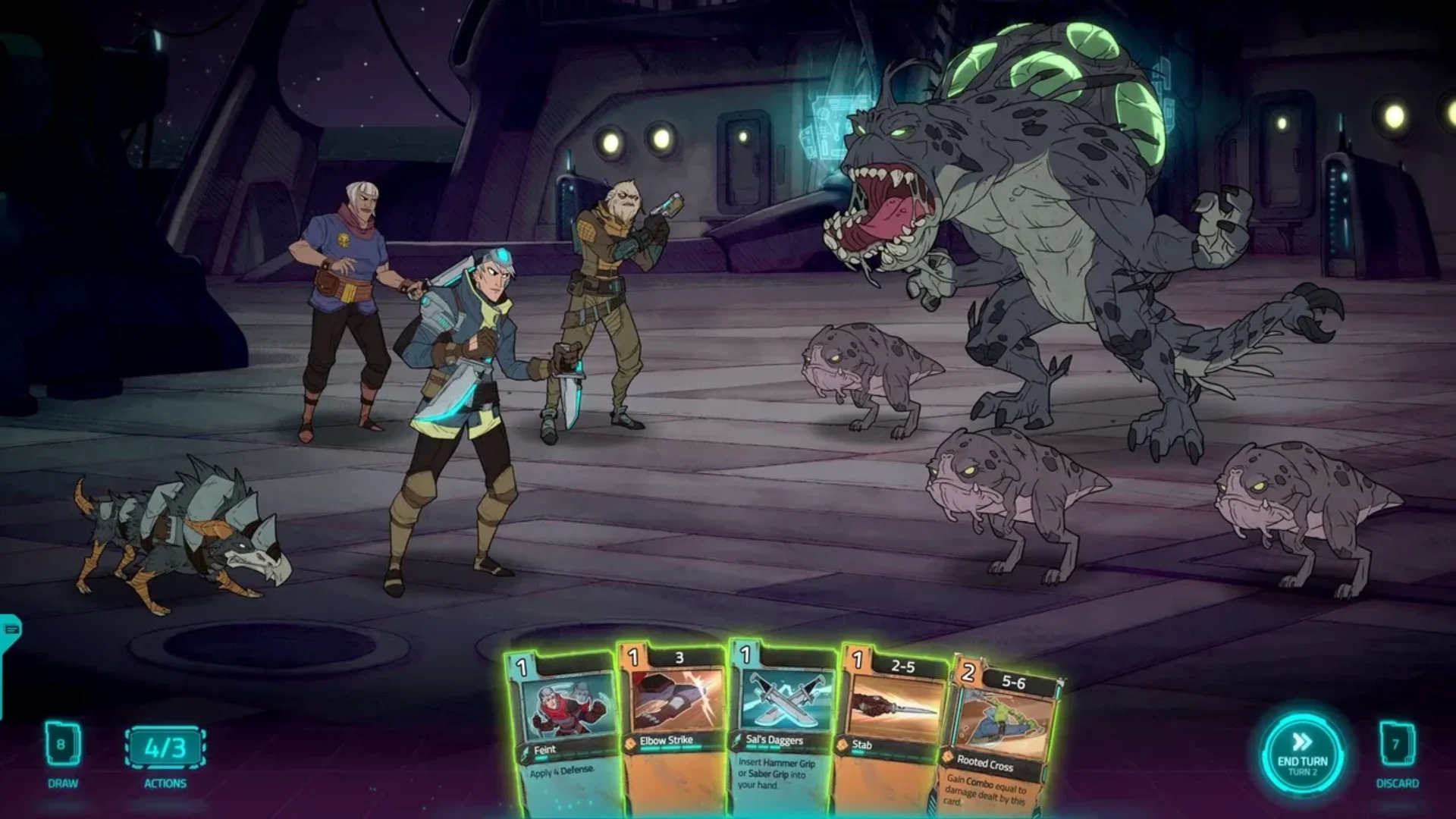
Cobalt Core turns the usual card battle into a duel between spaceships. Your crew draws attacks, shields and movement cards, but the ship also occupies a physical position on a horizontal grid. Moving left or right can place the hull outside an incoming laser or line one of your cannons up with a vulnerable section of the enemy.
That single movement system changes how familiar deckbuilding cards are read. A weak attack may become useful because it fires from the right part of the ship. A dodge card can prevent damage without generating any block. Some builds move constantly, while others cover the enemy vessel with status effects before committing to a heavy shot.
The crew members also determine the available card pool, giving party selection the same importance as choosing a class in another roguelike. Veterans will recognize elements of Slay the Spire, FTL and Into the Breach, but the lane-based ship combat gives Cobalt Core a clear structure of its own.

5. Across the Obelisk
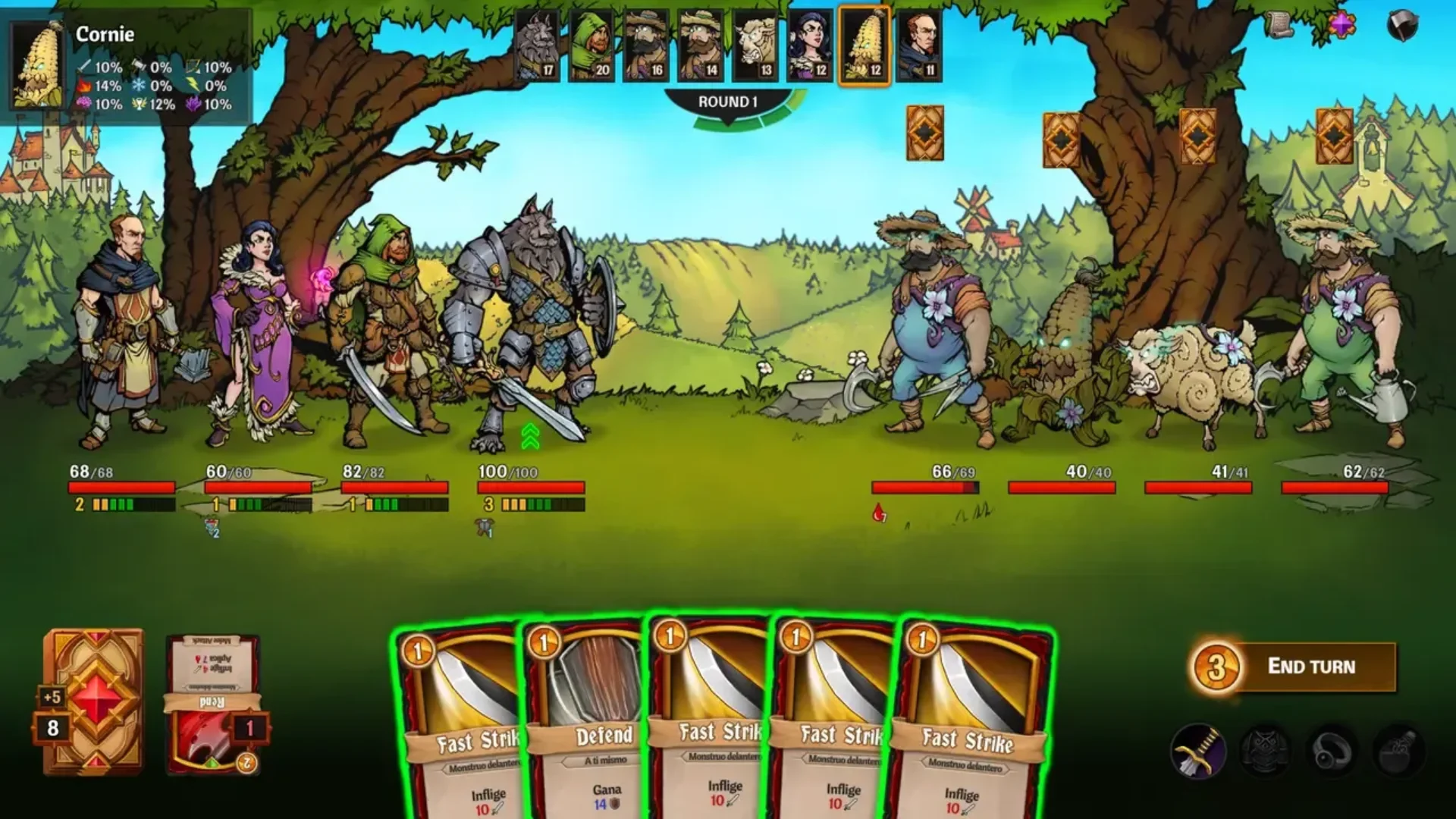
Across the Obelisk is a party-based deckbuilding RPG designed for solo play or online co-op. A full party contains four heroes, and each one controls a separate deck built around their role. One character may protect the group with block cards, while another prepares elemental effects for a teammate to trigger.
The co-op format is the main attraction. Up to four players can each control one hero, which turns deck construction into a group discussion. Taking a card that improves one character may also complete another player's strategy. Boss encounters reward teams that understand how their decks interact rather than four players chasing separate damage numbers.
Solo players manage the entire party themselves, creating a larger planning problem than the usual single-character deckbuilder. The branching campaign also includes events and route decisions, so each group can pursue a different path through the same region.
4. Inscryption
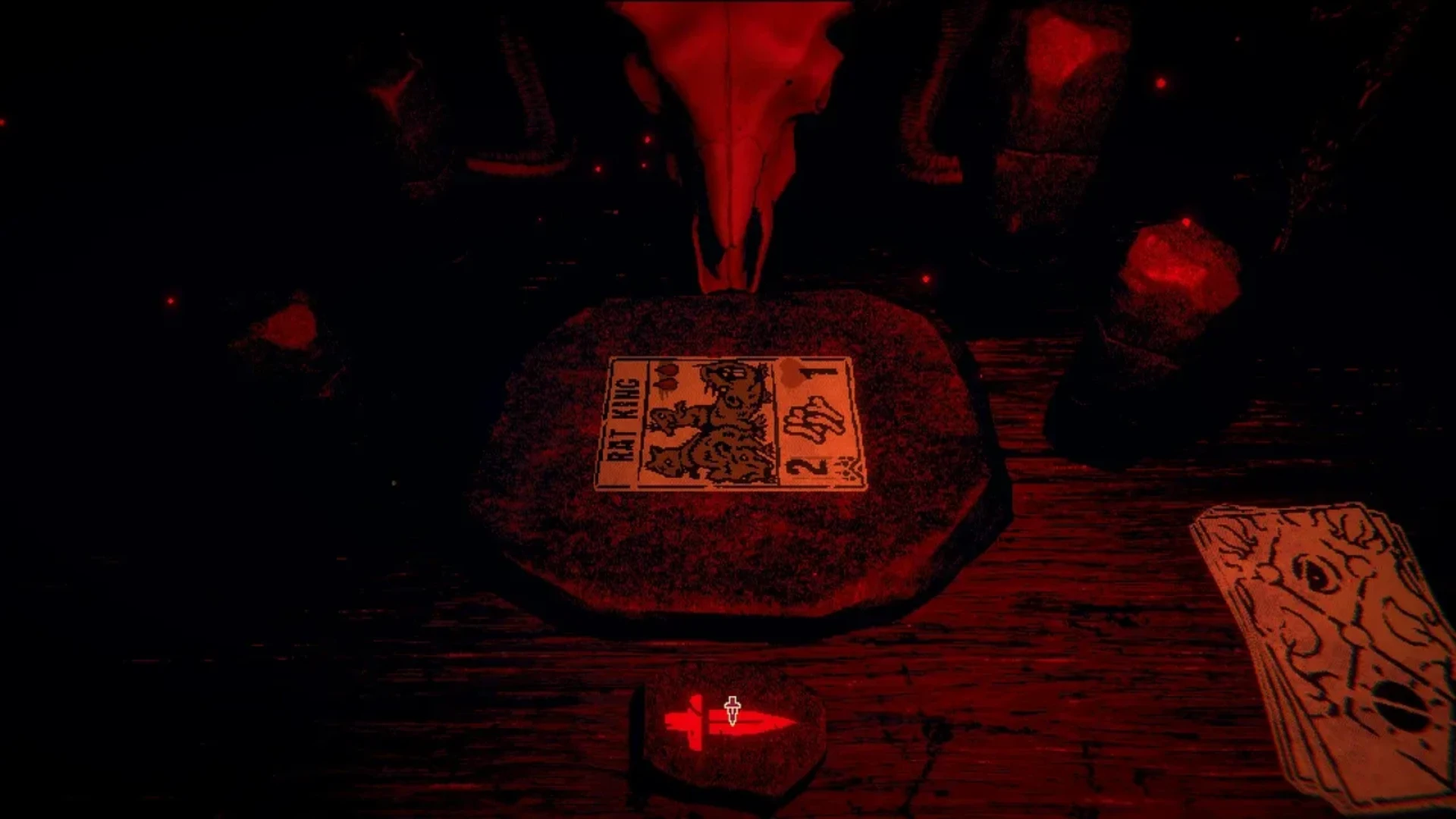
Inscryption begins as a card game played across a wooden table inside a locked cabin. Creature cards occupy four lanes, and stronger animals are summoned by sacrificing weaker ones already on the board. Damage that passes through an empty lane tips a set of scales beside the table.
The card rules are only part of the game. Between matches, you can stand up and examine the cabin. Puzzles hidden around the room unlock cards and tools that affect later battles. That makes learning the rules feel connected to learning who your opponent is and why the match is taking place.
Veteran deckbuilder players will recognize familiar ideas such as deck thinning and card modification, but Inscryption keeps changing the context around them. It is best approached without reading a detailed explanation of everything waiting beyond the cabin.
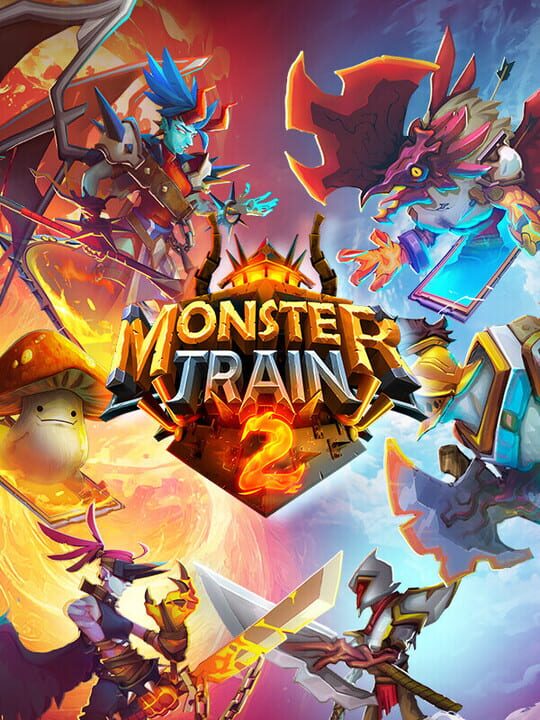
3. Monster Train 2
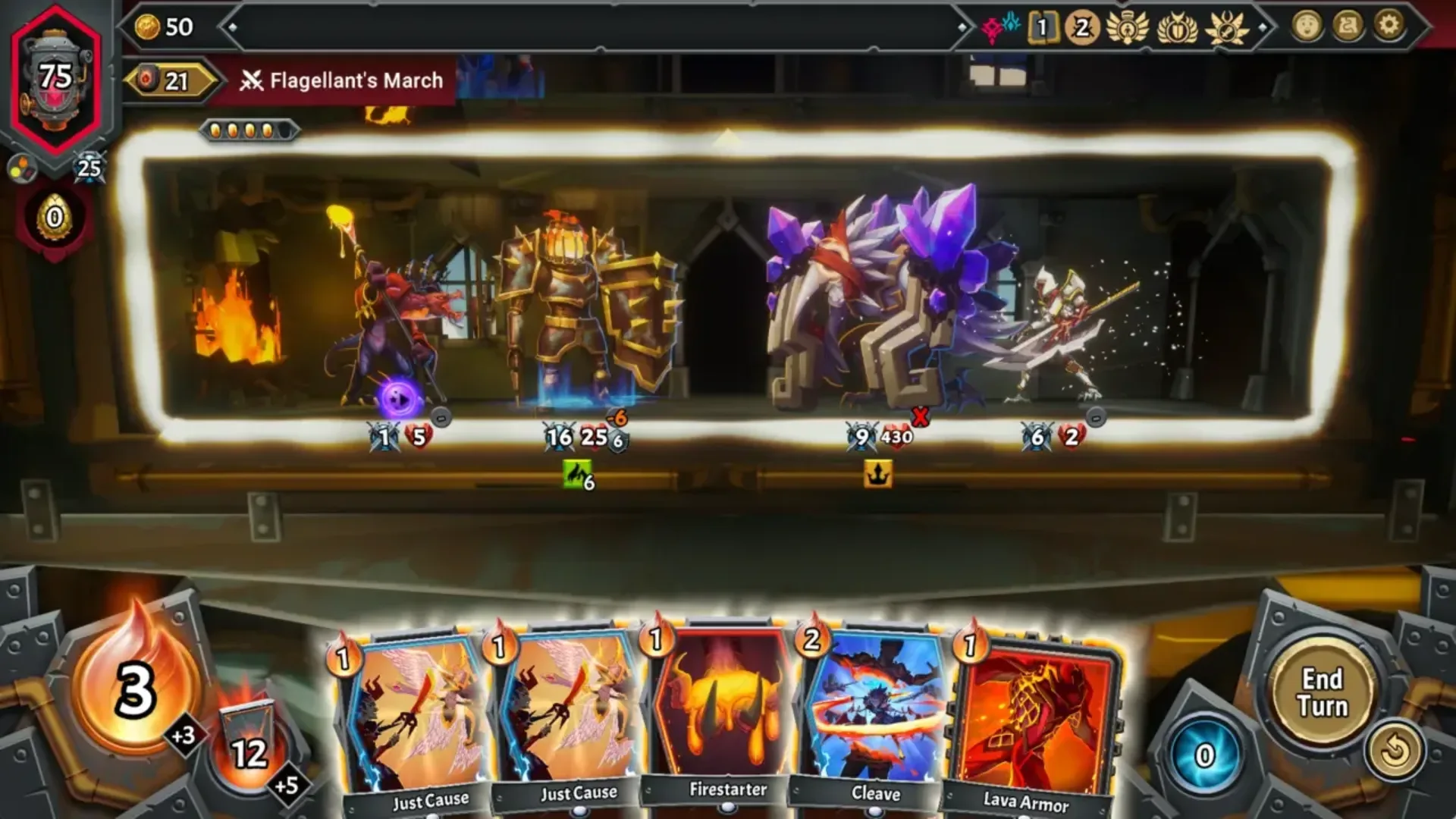
Monster Train 2 asks you to defend a pyre at the top of a train while enemies enter from the bottom. Battles take place across three floors. Units remain on the floor where they are summoned, so a successful defense often depends on deciding which level should stop the enemy and which should weaken anything that survives.
A run combines two clans, each with its own champion and card pool. One clan may build around armor, while another relies on healing or summoned units. The sequel adds equipment that can be attached to creatures and room cards that change an entire floor. These additions give players more ways to shape the battlefield before combat resolves.
The three-floor structure creates combinations that other deckbuilders cannot copy. One unit can prepare enemies for the floor above, where a larger creature finishes the fight. Recent updates have continued adding cards and adjusting clan strategies, giving experienced players new combinations to test long after the first successful run.
Monster Train 2
It's time to raise Hell in Heaven! Monster Train returns with all new clans, new enemy factions, new challenges, new modes and more! Defend your Pyre in the classic three-tiered, vertical gameplay that made the original roguelike deckbuilder a hit.
Released
May 21, 2025
Developer
Shiny Shoe
Publisher
Big Fan Games


2. Balatro
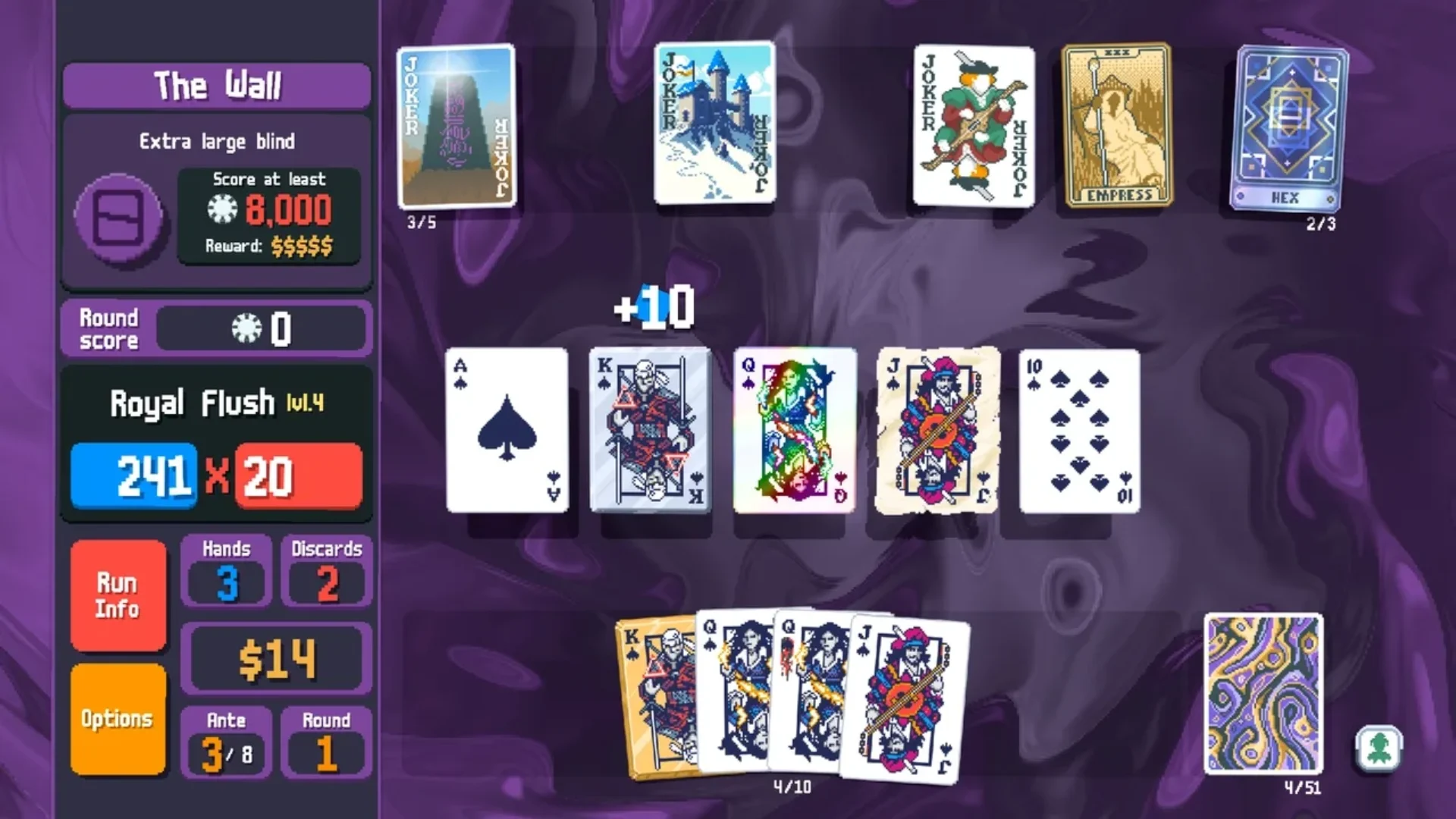
Balatro starts with an ordinary deck of playing cards and asks you to beat score requirements by making poker hands. A pair earns chips. A straight or flush earns more. The deckbuilding begins when Jokers and card modifications change what those hands are worth.
Jokers sit beside the deck and apply persistent effects. One may reward repeated suits, while another multiplies the score after a particular hand. Planet cards improve individual poker hands for the rest of the run. Tarot cards can change the ranks or suits of cards already inside the deck.
The rules are familiar enough for somebody who has never played a roguelike deckbuilder, but veteran players will quickly find the deeper problem. A run is not only about finding strong Jokers. Their effects need to activate in the correct order, and the deck itself must draw the hands that support them. A basic pair can eventually produce an absurd score if every part of the build points toward it.
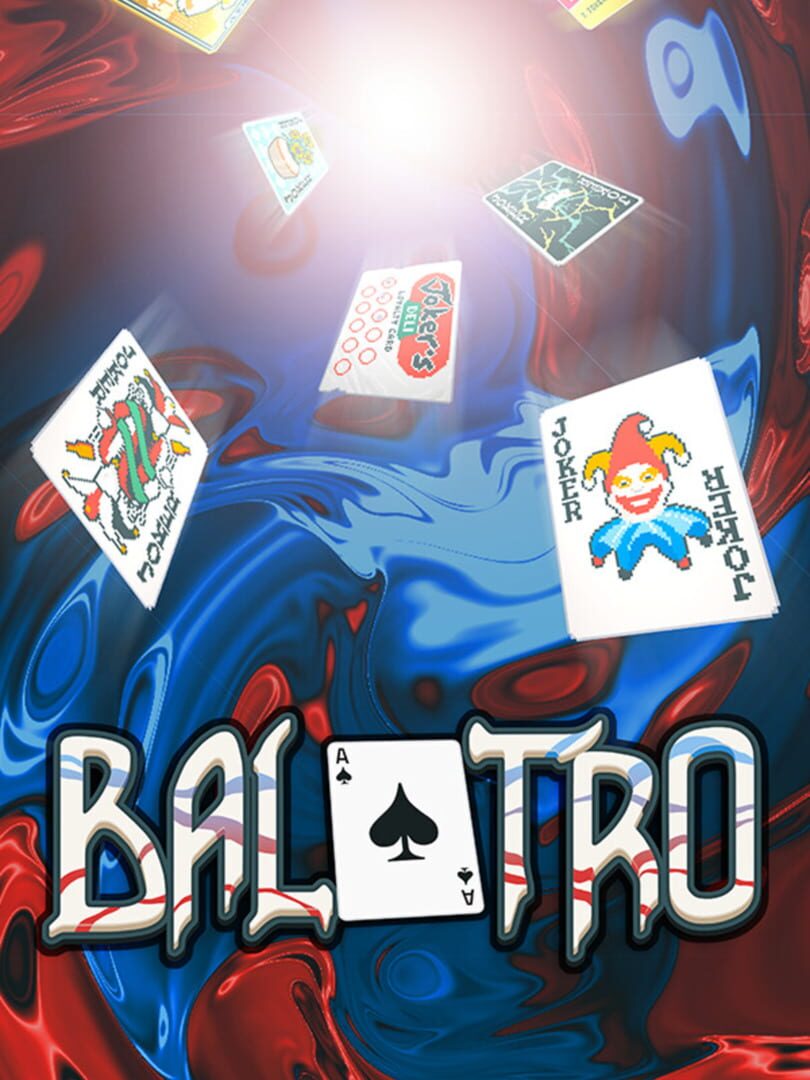
Balatro is a deck-building roguelite in which players construct poker hands to earn chips and overcome enemy blinds. The game features mechanics for enhancing a deck of playing cards, purchasing Jokers that modify hand effects, and discovering synergies to progress through increa
Released
February 20, 2024
Developer
LocalThunk
Publisher
Playstack
1. Slay the Spire
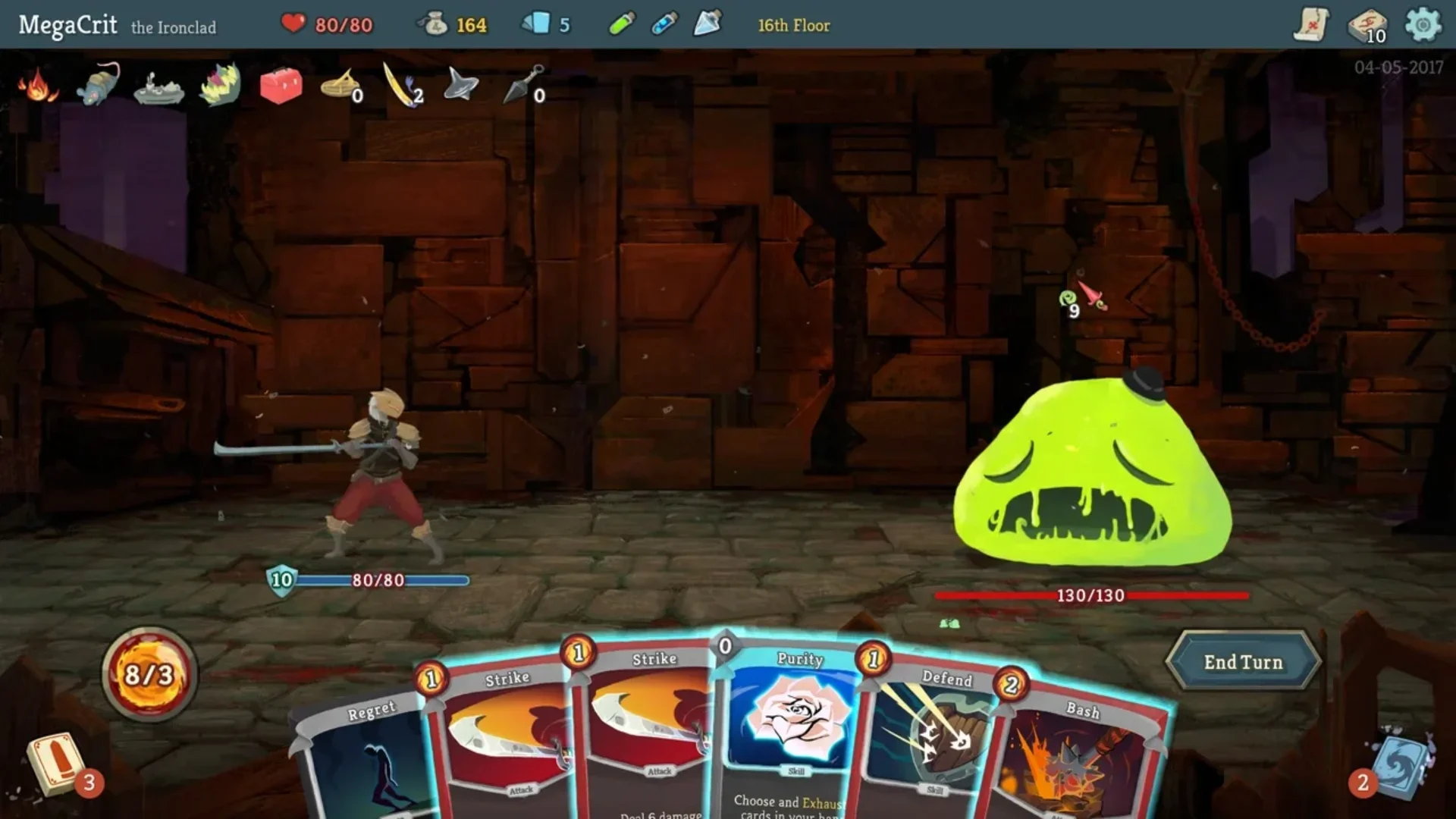
Slay the Spire is the game that established the modern roguelike deckbuilder format. You choose a character, follow a branching route up the tower and fight through turn-based battles where enemy intentions are shown before you act. Winning a fight usually offers a card, but taking it is optional.
That choice defines the game. The Ironclad can build around strength, heavy attacks or self-damage. The Silent may rely on poison or repeated low-cost cards. The Defect channels elemental orbs, while the Watcher changes stances to control damage and energy. Each character uses the same basic rules without feeling like a reskinned version of the others.
Relics create another layer because their passive effects can change the value of cards already in the deck. An ordinary attack may become central after one relic rewards playing several cards in a turn. A defensive build can suddenly produce damage through block. Ascension levels then adjust enemies and rules for players who want to keep refining those ideas.
Slay the Spire 2 entered early access in March 2026 with five playable characters and co-op for up to four players. It expands the same foundation, but the original remains the clearest introduction to why deckbuilding works so well as a videogame: every reward offers a possibility, and every addition has a cost.
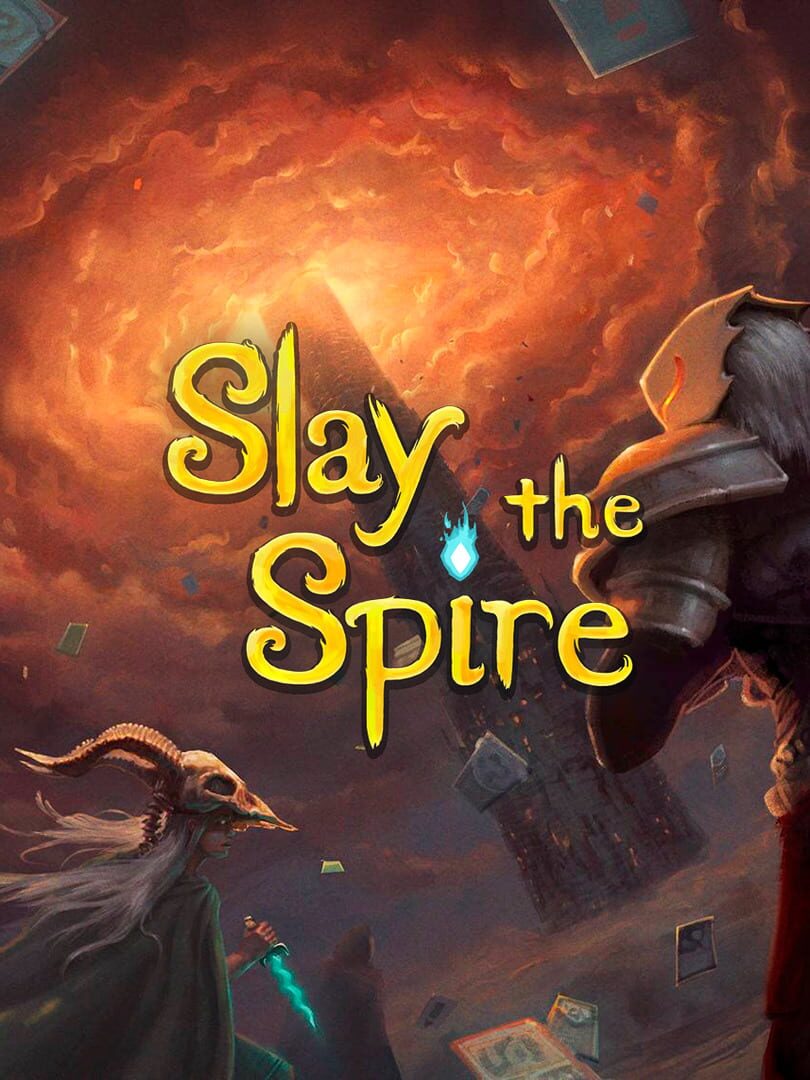
Slay the Spire is a single-player roguelike deck-building game. Players choose from four characters, each with a unique set of cards, and attempt to climb a procedurally generated spire consisting of multiple floors of increasingly difficult enemies and bosses. Combat uses a card
Released
January 23, 2019
Developer
Mega Crit Games
Publisher
Humble Games
Tagged In
Discussion
0We want to hear from you. Share your perspective in the comments below, and please keep the conversation respectful.
Log in to join the discussion - vote, reply, and share your take.
Log In