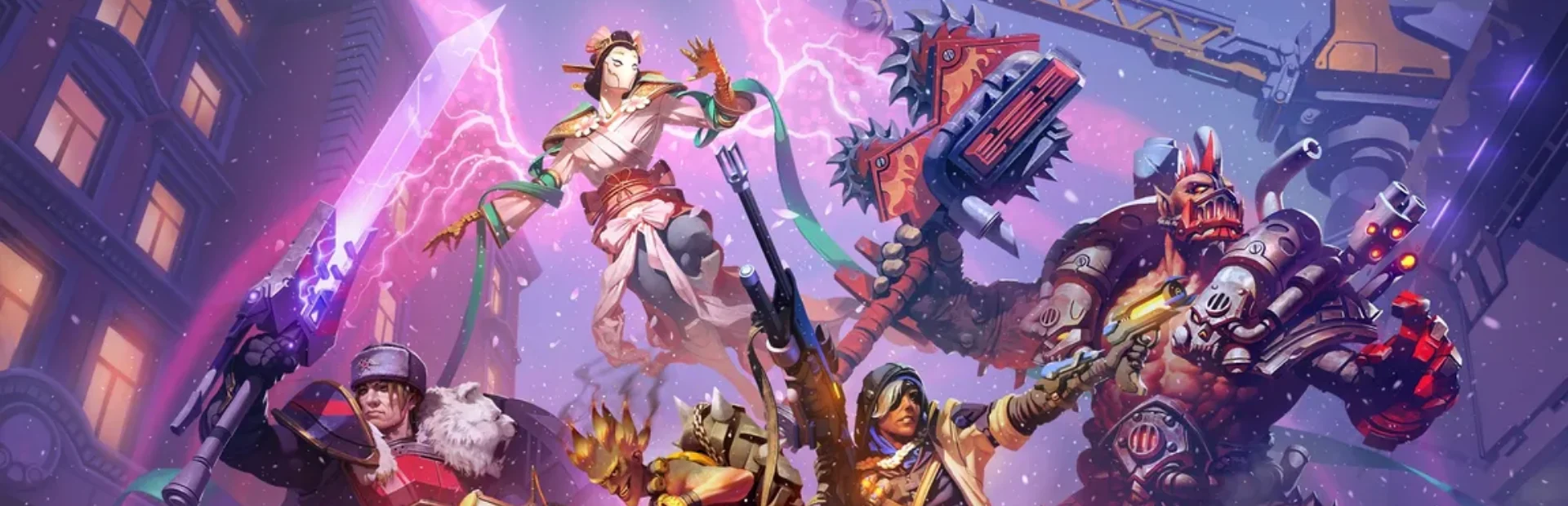
The 9 Best MOBA Games
The 9 best MOBA games ranked, from League of Legends and Dota 2 to Deadlock, Wild Rift, Smite 2 and Heroes of the Storm.
The greatest multiplayer online battle arenas turn a familiar map into an ongoing argument that never unfolds the same way twice. One missed minion can delay a crucial item completion, while a support disappearing into the river fog instantly makes every lane on the map feel dangerous.
Accessibility matters when introducing newcomers to three lanes and a jungle, yet a friendly tutorial can never rescue shallow competition.
A zero dollar download also means little when progression models quietly sell mechanical power. The ten standouts below remain endlessly rewarding long after your first casual victories stop feeling easy.
9. Heroes of the Storm
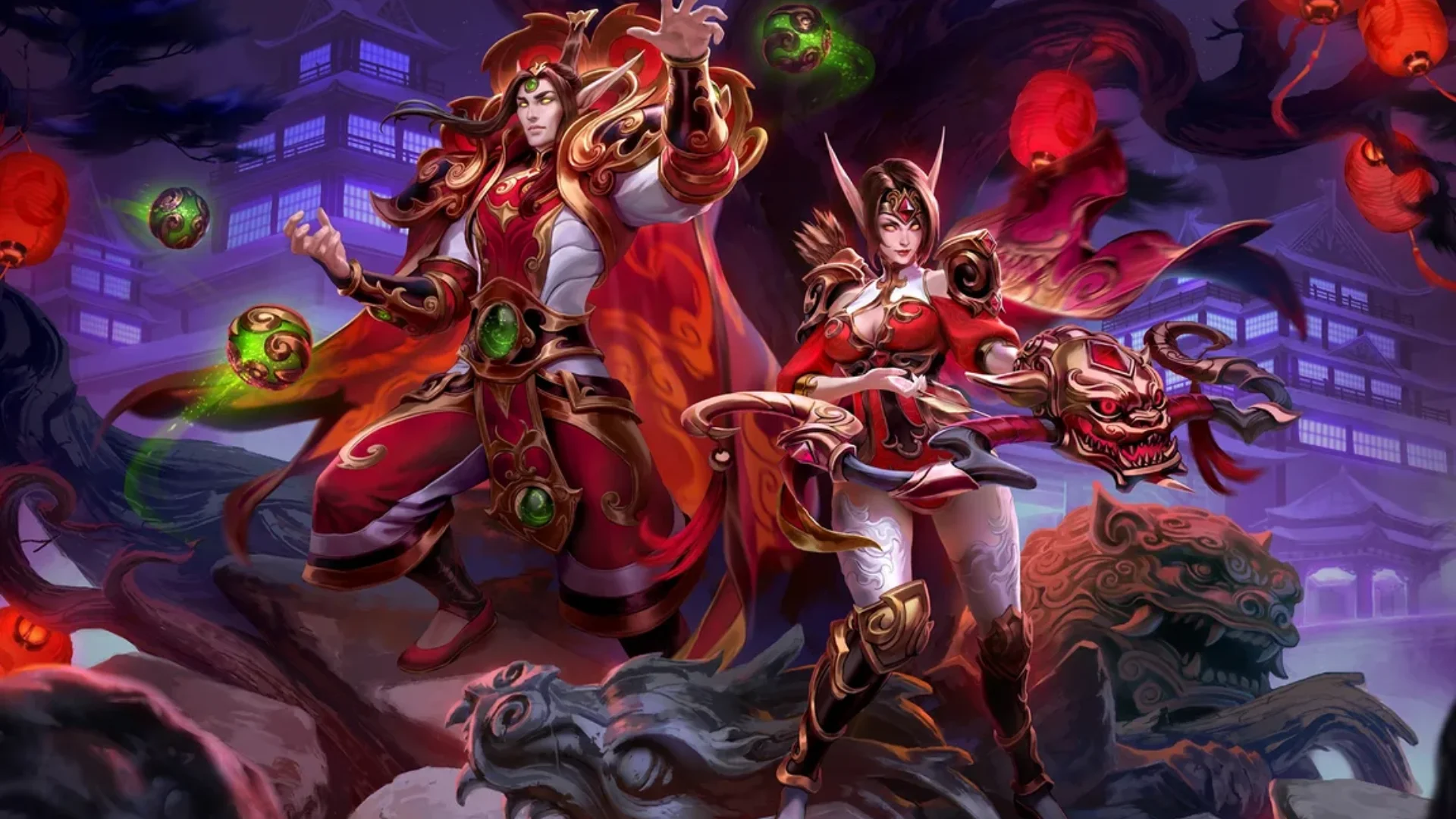
Fighting over the third tribute on Cursed Hollow happens just as a teammate clears a massive minion wave in the top lane. Staying in lane earns valuable experience for the entire squad, yet arriving late to the objective might hand your opponents a curse that completely disables your defensive forts.
Shared team levels turn those macro rotations into a collective gamble where nobody can selfishly farm their way to an isolated advantage.
Because talent spikes and map objectives constantly pull all five players toward the same strategic decision, it remains the most genuinely cooperative arena in the genre despite its modest development support.
8. Pokémon Unite
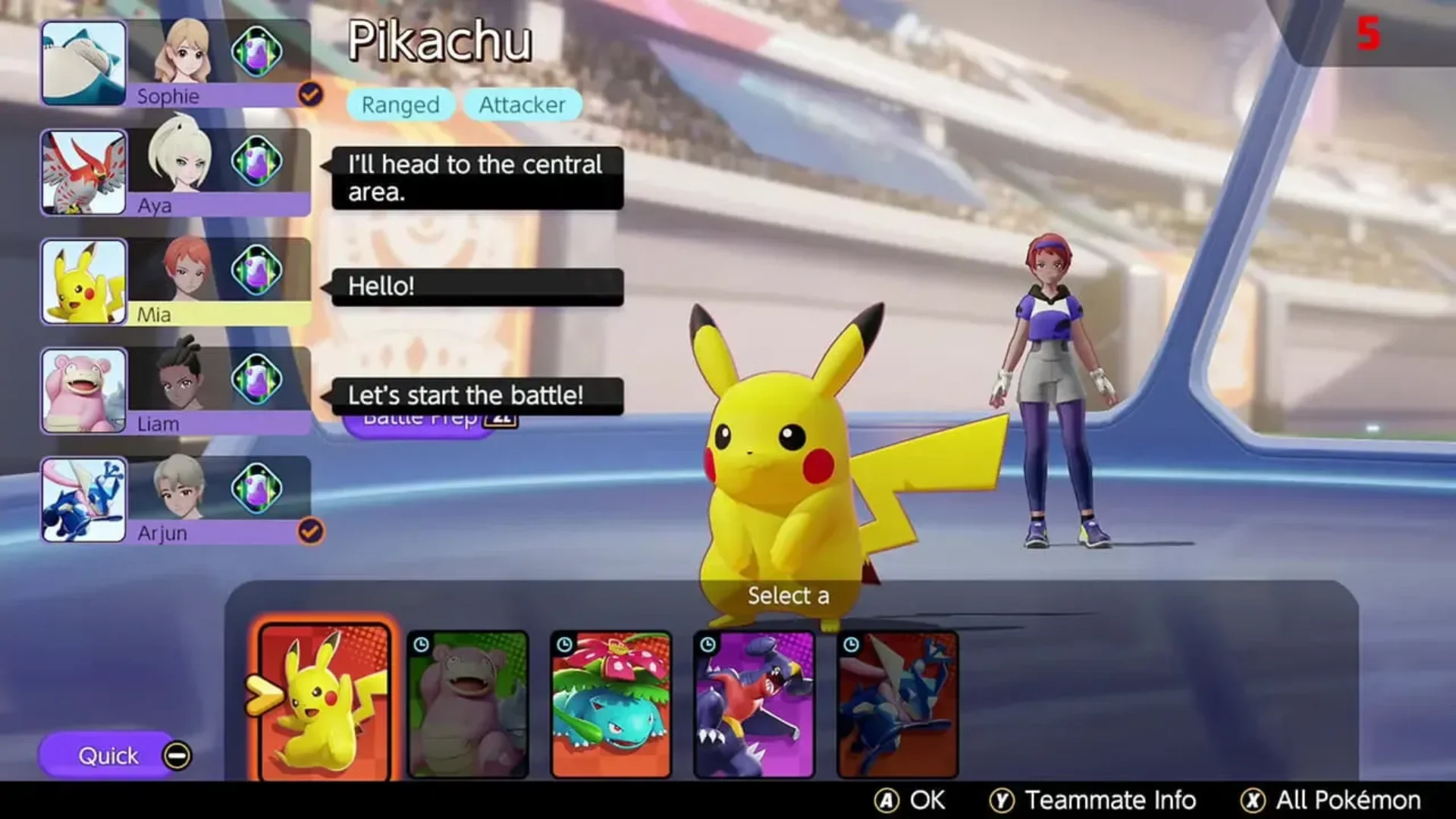
Starting a match as a fragile Charmander lets you scrap for early lane experience before evolving into a dominant Charizard just in time for the decisive team fight around Rayquaza. That entire developmental arc is cleverly compressed into a frantic ten minute window where traditional enemy bases are replaced by open scoring goals.
Depositing stolen energy gives every won skirmish an immediate scoreboard purpose, while streamlined movesets save newcomers from needing a spreadsheet to understand their build.
Sluggish menu navigation on the Switch and purchasable held items that grant statistical power remain the only irritating blemishes on an otherwise brilliant gateway MOBA.
7. Smite 2
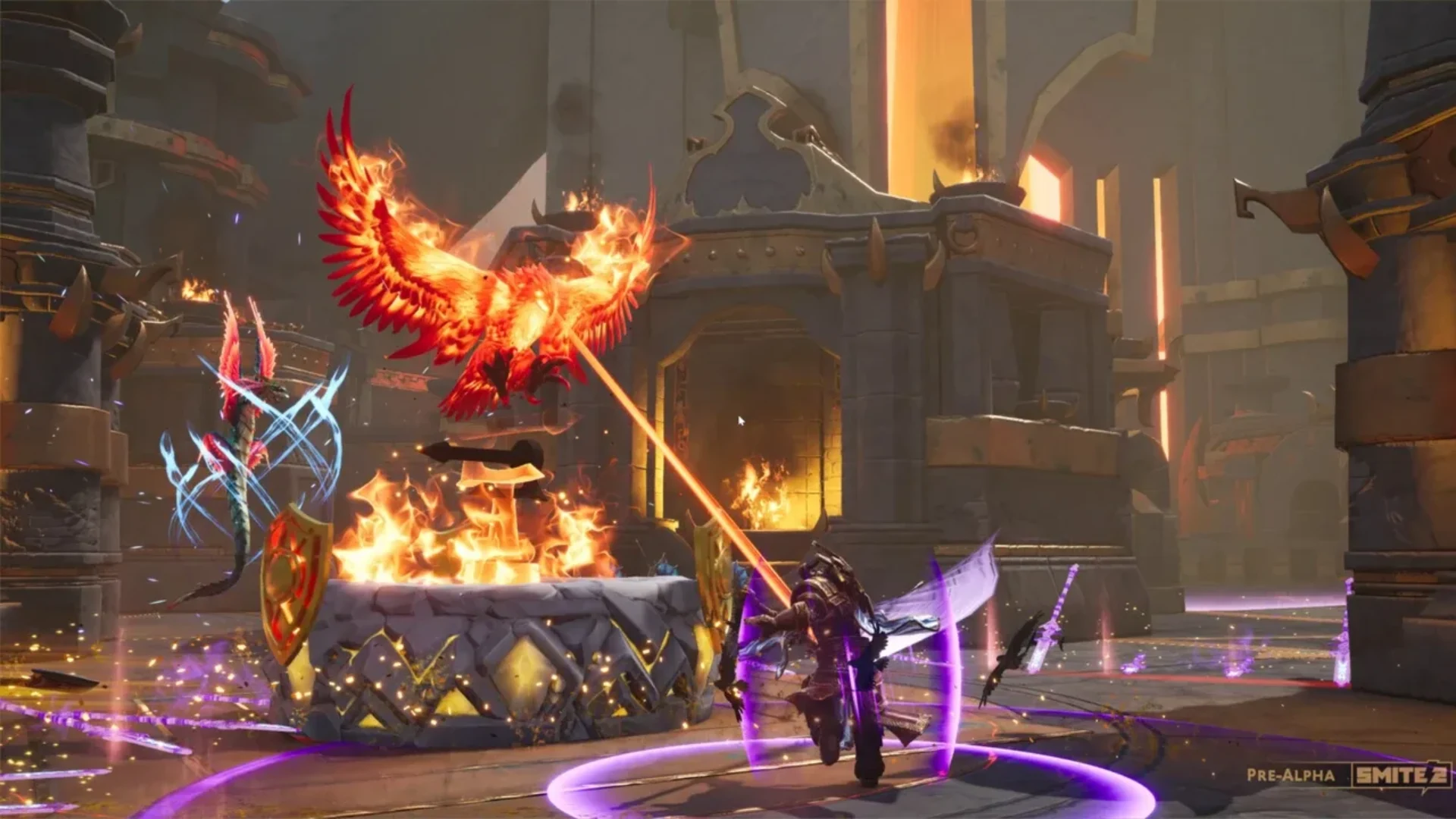
Backing away from an advancing warrior as a ranged hunter in Smite 2 demands that you manually aim every single basic attack over your character's shoulder. Firing an ability half a second too early leaves a wide opening for your opponent to sidestep the skillshot and collapse your personal space.
The sequel translates traditional lane manipulation into direct third person combat without losing the gold economy, character roles, and neutral objectives that give the genre its tactical backbone.
While the updated engine delivers punchier combat than the original title, the surrounding user interface and smaller roster still betray an open beta searching for its final polish.
6. Deadlock
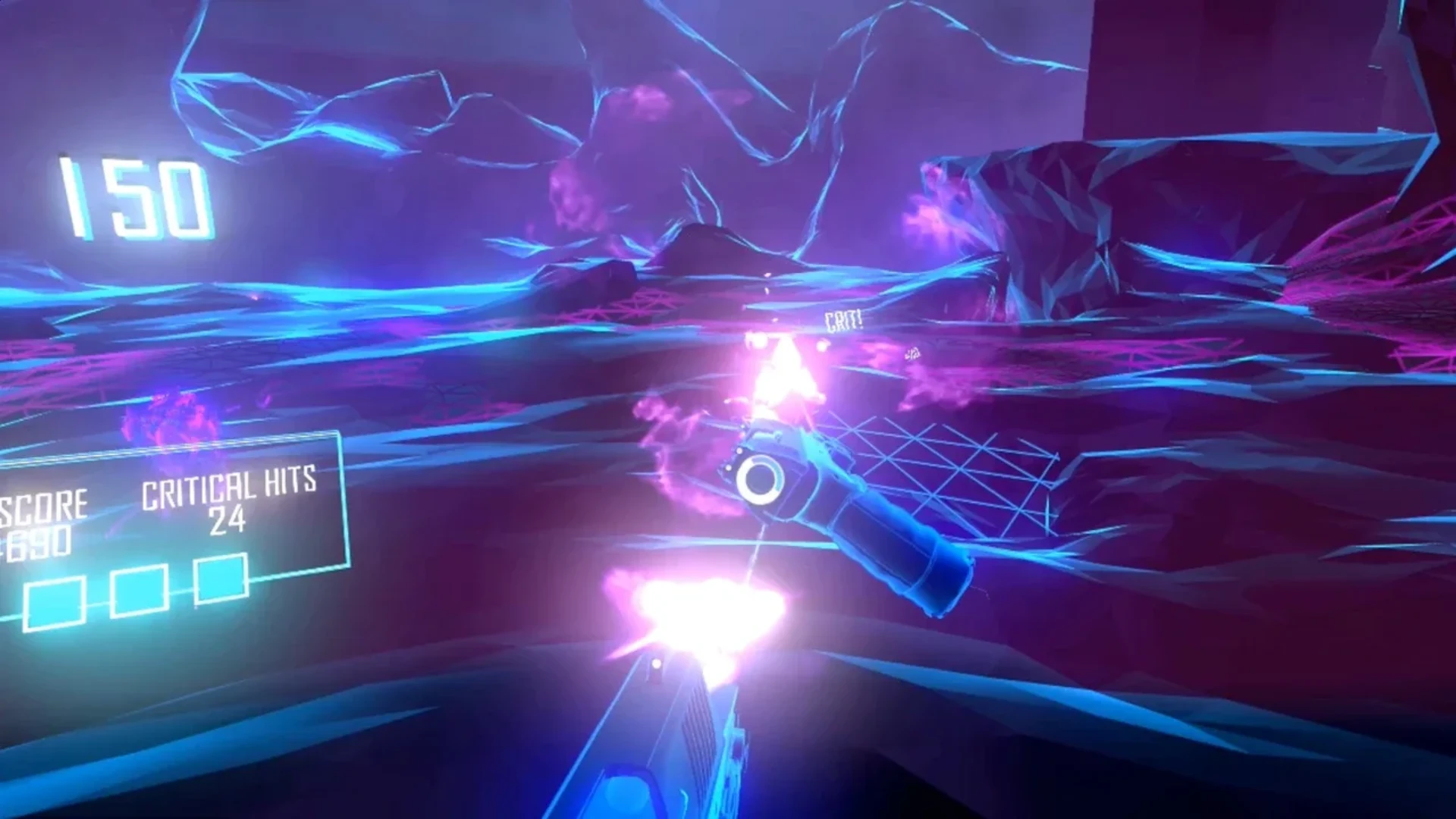
Dueling in a lane can suddenly climb onto a brick rooftop when your opponent slides under incoming gunfire and grabs a transit zipline toward safety. You can aggressively give chase across the skyline or stay on the street to shoot the floating soul of a fallen trooper before your rival can deny the bounty.
Movement mechanics and third person aiming make every individual exchange exhilarating, yet disciplined farming still dictates who can afford the weapon upgrades required for the next team fight.
Valve has built a fascinating hybrid where shooter mechanics meet traditional lane control, creating an unpredictable playground that feels fresh even while its matchmaking rules are still under construction.
5. Honor of Kings
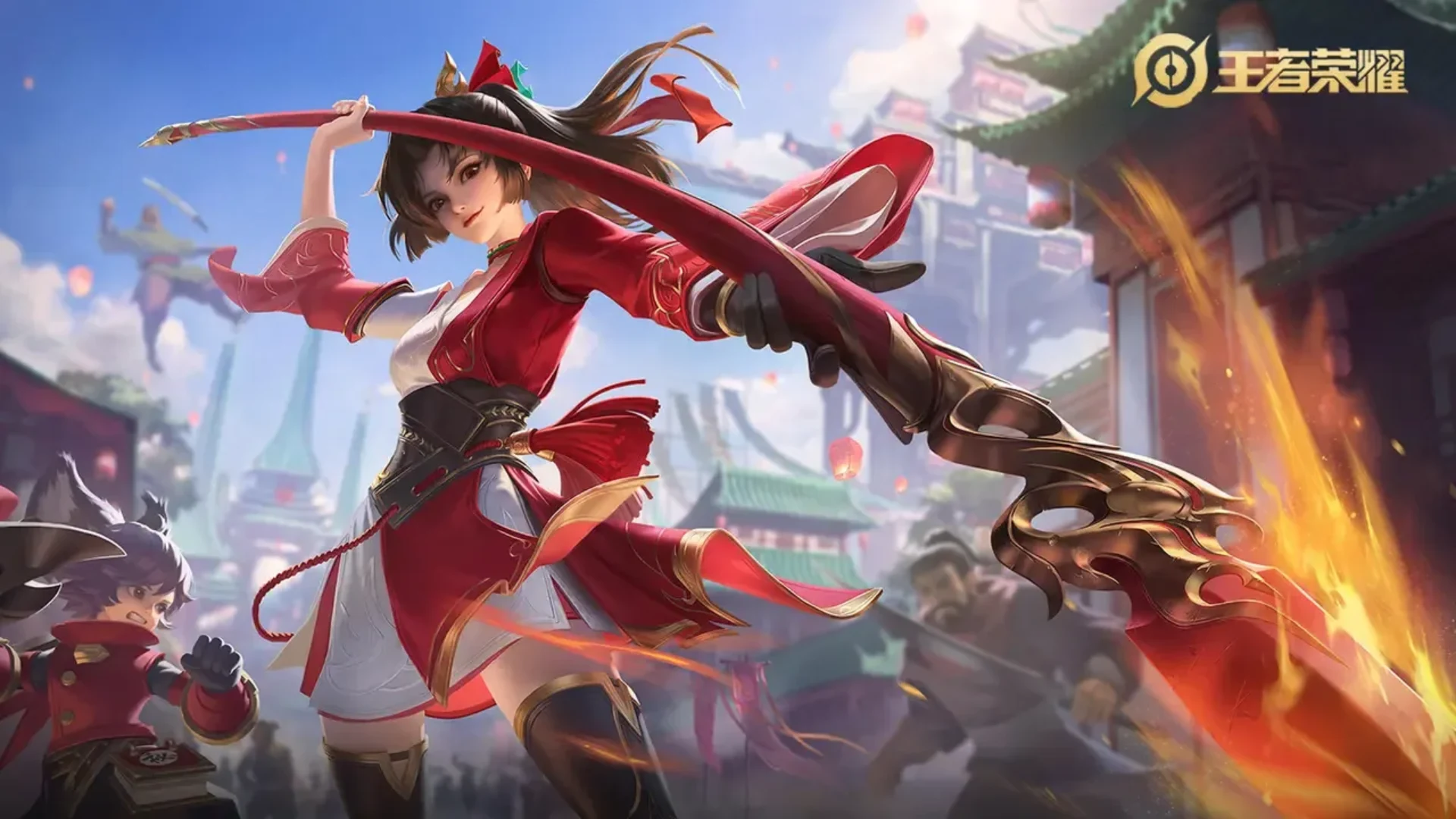
When an enemy marksman steps slightly too far beyond the protection of their tower, the opposing jungler can smoothly drag an ability indicator around the river wall to cut off the escape route. Responsive touch controls make those mechanical ambushes feel intuitive without ever making the resulting kill feel automated.
Clean lane indicators and sensible default builds remove the early shopping confusion, leaving you free to focus entirely on spacing and objective timers.
It runs exceptionally well across modest mobile hardware, though its highly refined fundamentals play it safe enough that seasoned veterans may eventually miss the wilder design quirks of rival games.
4. Mobile Legends Bang Bang
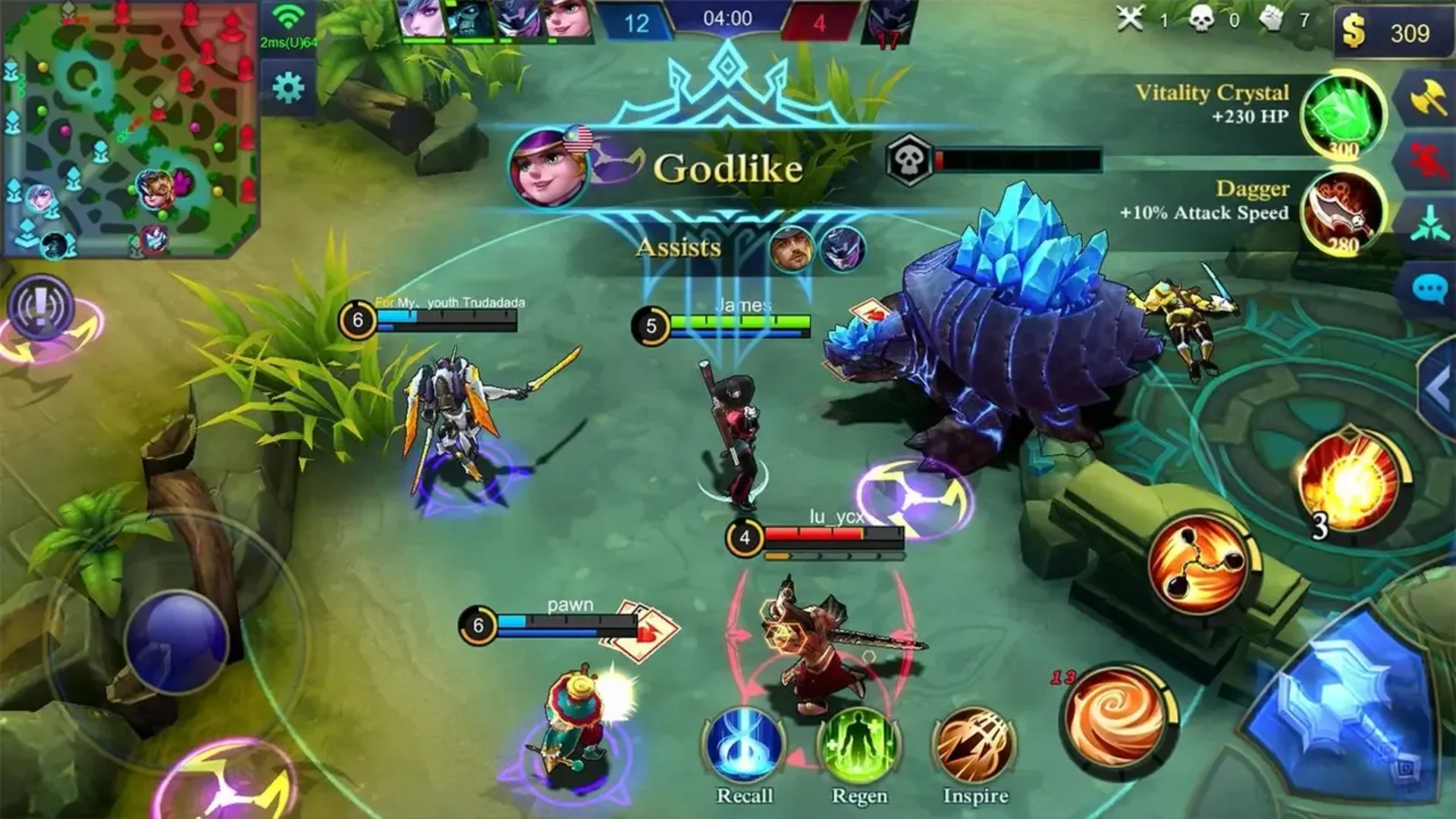
Clearing a side lane wave before cutting through the compact jungle allows a nimble hero to reach the Turtle pit before the enemy team even realizes a fight is brewing. Because the condensed map layout wastes zero time on long commutes, a minor movement advantage instantly transforms into a numerical superiority when a neutral objective is contested.
Blisteringly fast rotations make every single match feel restless and force squads to initiate aggressive plays before a perfect defensive setup can materialize.
While the client is cluttered with endless pop up advertisements and gacha stores, the actual gameplay remains a masterclass in high speed mobile competition.
3. League of Legends Wild Rift
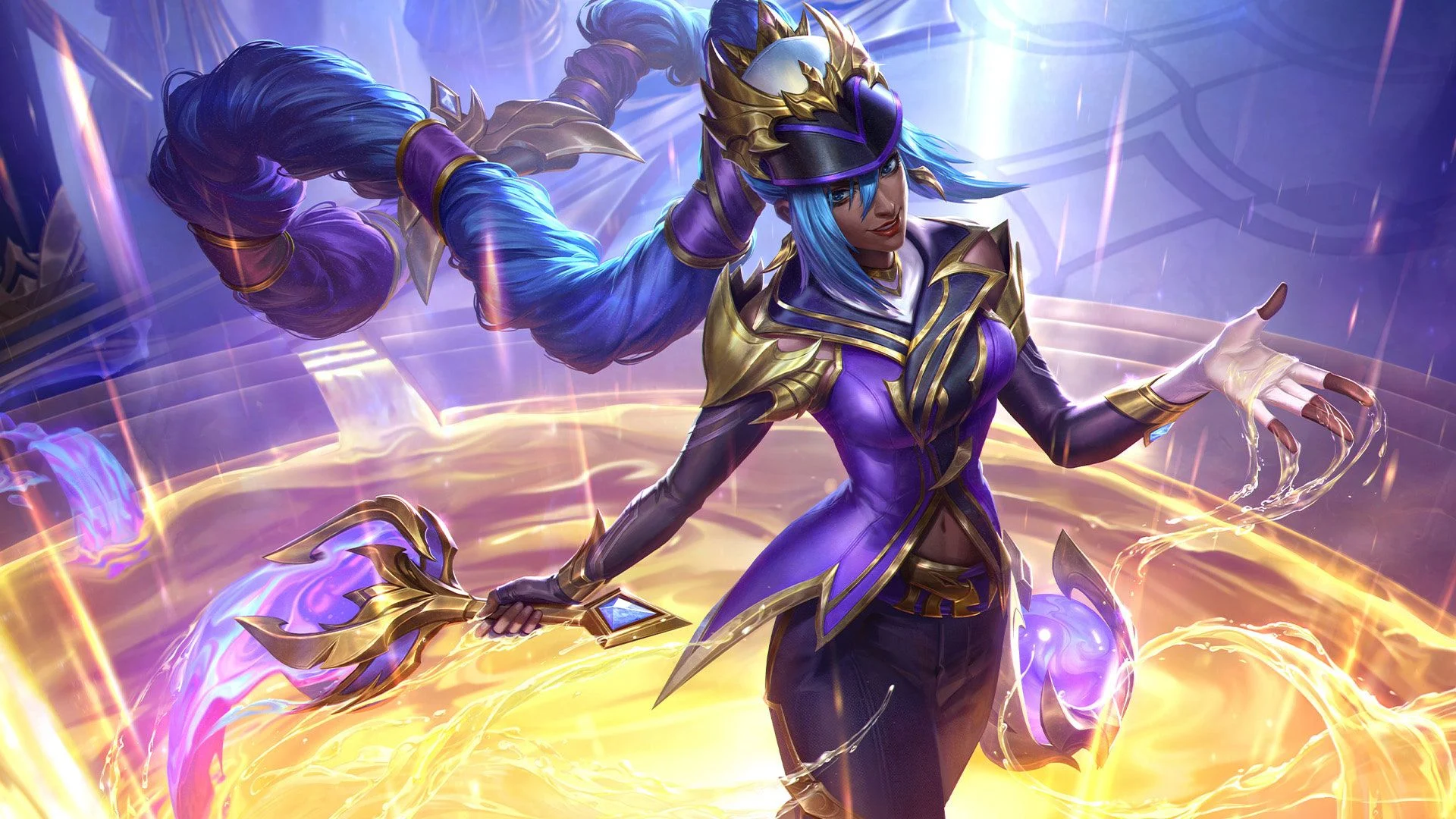
Executing a rapid dash across open terrain with Lee Sin requires only one clean touch command, smoothly translating a famously demanding PC technique onto a touchscreen. That control philosophy highlights why Wild Rift succeeds where so many mobile adaptations stumble: champions keep their nuanced tactical identities, but the map geometry and targeting priorities have been built from scratch for your thumbs.
Neutral objective fights happen earlier in the match without losing the delicate warding and positioning phase that makes them thrilling.
It stands as the premier mobile adaptation of a desktop giant, provided your local regional queues are populated enough to deliver balanced teams.
2. Dota 2
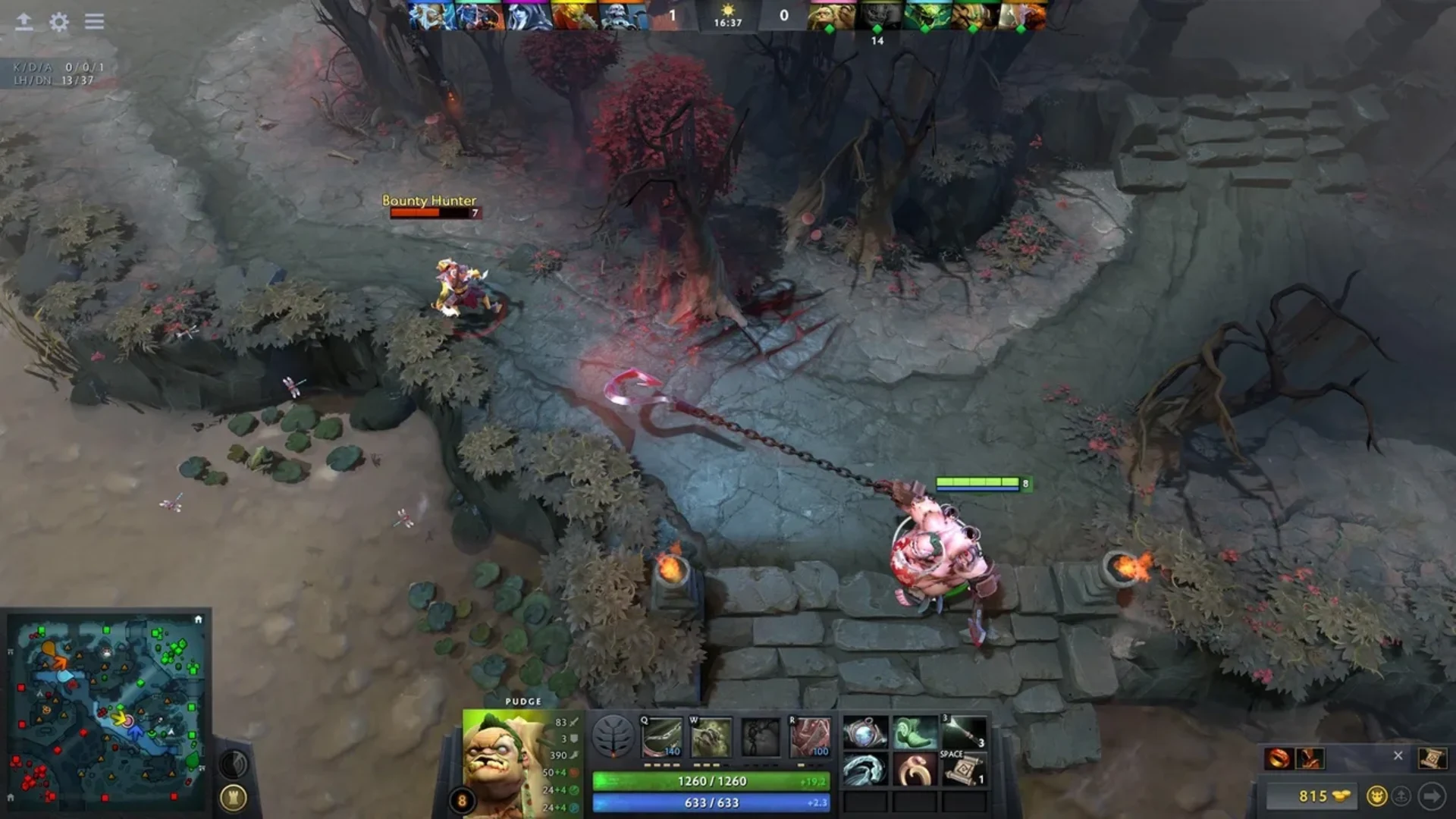
Landing a precise attack on an allied creep denies your lane opponent the gold they desperately need to finish an early attribute item. That microscopic financial edge funds a crucial stat boost delivered by a flying courier without forcing you to abandon your lane for a base trip.
Forty minutes later, that same economic discipline dictates whether a fallen carry has enough gold saved to buy back into a championship deciding battle around Roshan.
Offering an unrestricted hero roster where every character is unlocked for free, it remains an unsparingly deep sandbox where one early laning mistake can haunt you for an hour.
1. League of Legends
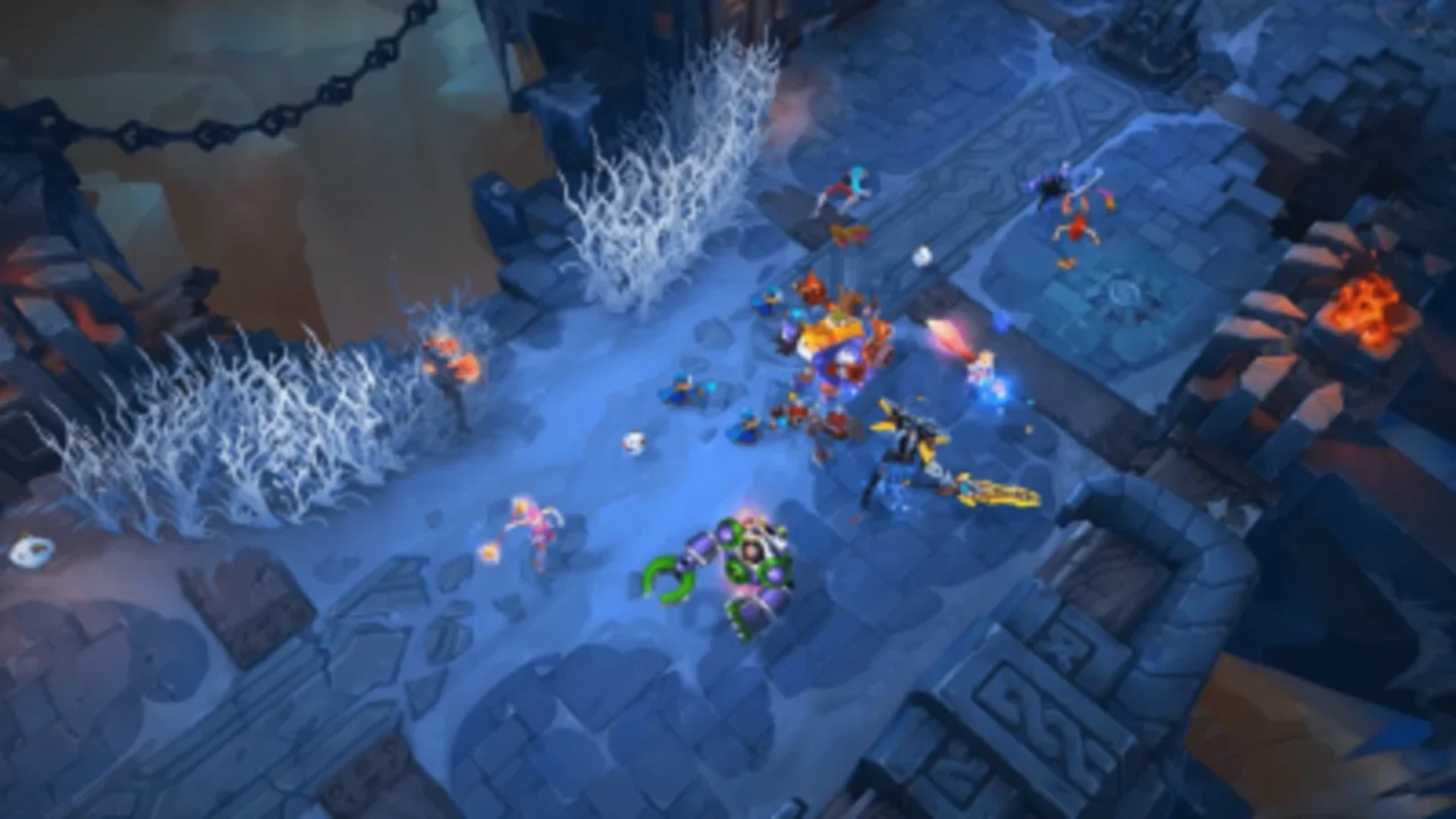
Freezing a minion wave just outside the attack range of your defensive tower denies your opponent safe farm while creating a long runway for your jungler to approach unseen. The rival laner must either call for rescue, abandon the gold entirely, or risk stepping forward into an almost guaranteed ambush.
A psychological contest that starts with six humble minions regularly decides which team completes their first legendary item before the dragon spawns.
Backed by readable character roles, endless mechanical expression, and an active matchmaking pool, it remains the definitive arena experience for players willing to master its massive roster and intrusive kernel level security.
League of Legends is a fast-paced, competitive online game that blends the speed and intensity of an RTS with RPG elements. Two teams of powerful champions, each with a unique design and playstyle, battle head-to-head across multiple battlefields and game modes. With an ever-expa
Released
October 27, 2009
Developer
Riot Games
Publisher
Riot Games


Tagged In
Discussion
0We want to hear from you. Share your perspective in the comments below, and please keep the conversation respectful.
Log in to join the discussion - vote, reply, and share your take.
Log In