Best Sega Games
As Sega returns to Crazy Taxi and Jet Set Radio, these games show which parts of its past deserve more than nostalgia.
Sega built its reputation in arcades, where a game had only seconds to catch the attention of someone walking past. That pressure produced games with unusually clear attractions, from OutRun's open road to the exacting three-button combat of Virtua Fighter. Its best console releases carried the same confidence into experiences designed to last much longer than a single credit.
After the Dreamcast, Sega became a harder company to define. Yakuza turned a few dense city blocks into decades of crime stories, while Atlus made school calendars as important as dungeon maps. Those games look nothing like the arcade hits that established Sega's name, but they are now just as important to understanding its catalogue.
That wider history sets the scope for this ranking. Games developed or published by Sega qualify, including work from Atlus and Creative Assembly, while third-party classics that only appeared on Sega hardware do not. The list begins aboard Sevastopol station, where Alien: Isolation replaces Sega's usual speed with a threat that punishes every hurried decision.
11. Alien: Isolation
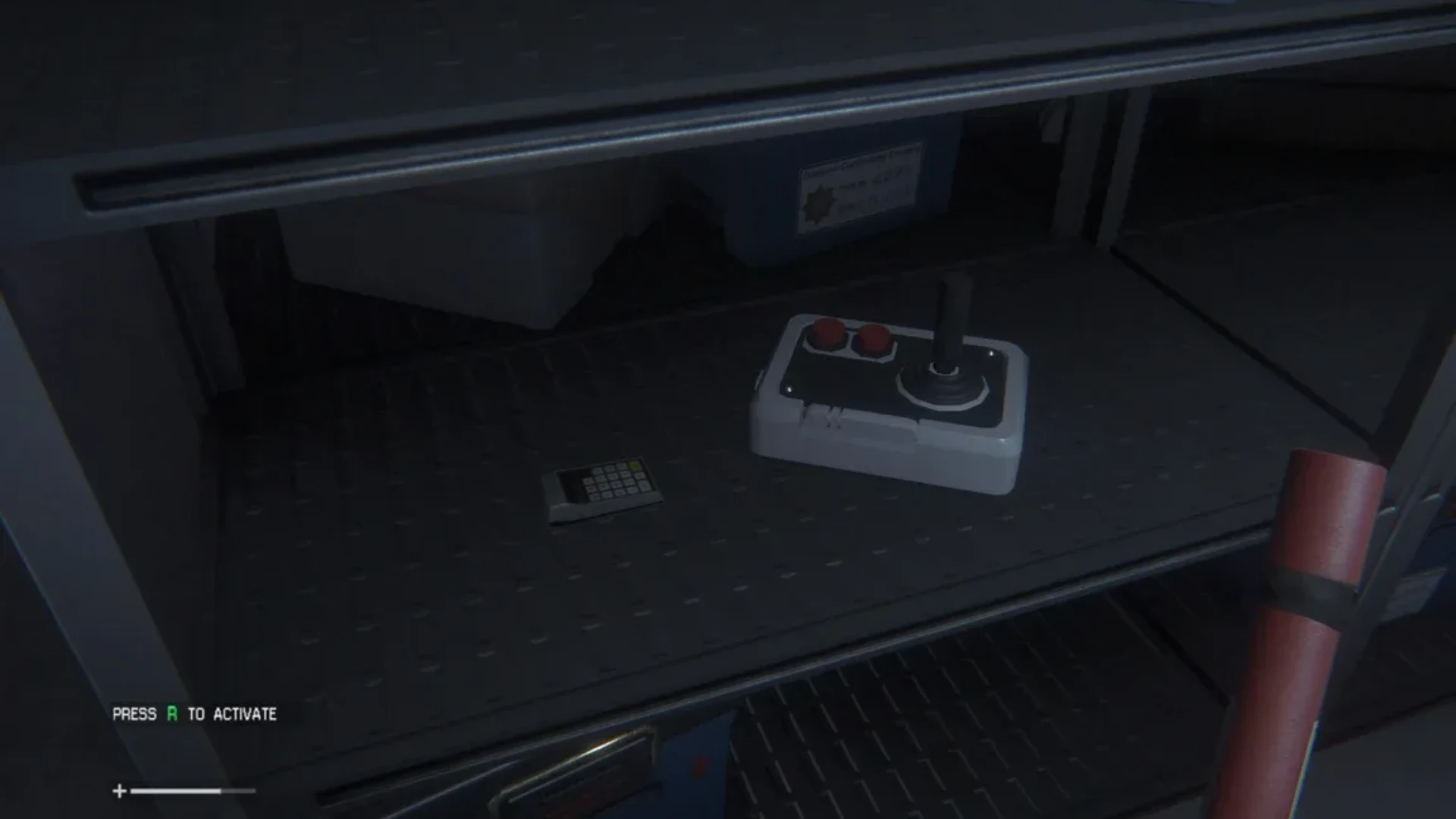
Amanda Ripley searches Sevastopol station in Alien: Isolation, a first-person survival horror game built around an almost indestructible Xenomorph. Weapons can deal with hostile survivors and Working Joe androids, but they never turn the creature into a conventional enemy. Most encounters are about crossing a room without giving it a reason to investigate.
The motion tracker supplies a direction and an unreliable distance rather than a safe route. Its beeping can expose Amanda when the Xenomorph is already close, so the tool players depend on eventually becomes something they learn to lower. Flares and noisemakers can redirect a search. The flamethrower later forces the creature to retreat, but repeated use changes how willingly it approaches.
These responses make a routine trip to a save terminal feel improvised rather than scripted. The campaign keeps rebuilding that tension after its best ideas are established. Repeated Working Joe encounters slow the middle, while late reversals keep Amanda aboard Sevastopol after the story appears ready to move on.
10. Jet Set Radio Future
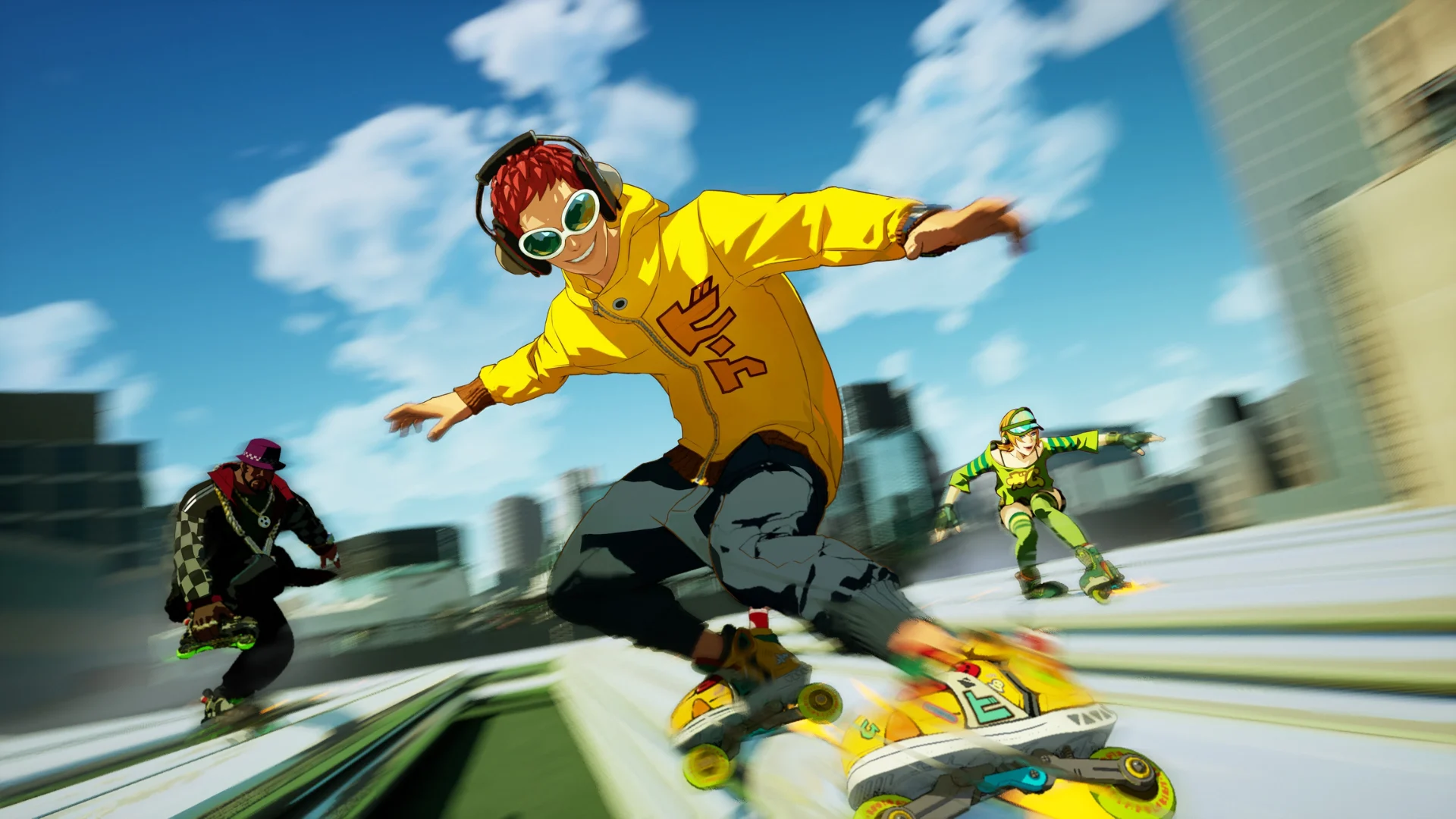
Jet Set Radio Future turns a futuristic Tokyo-to into a skating course for the GGs, a crew reclaiming districts from rival gangs by covering their tags with graffiti. Grinding happens automatically when a skater lands on a rail, but maintaining speed still depends on reading the environment. A handrail may feed into a wall ride and then a cable suspended above the street. The quickest route is often visible long before the player knows how to reach it.
Future removes the original game's timer and analog-stick graffiti inputs, giving larger spaces such as 99th Street room to function as traversal puzzles. Spray cans serve two competing needs. Every tag consumes paint, while a Boost Dash costs ten cans and can rescue a weak jump. The looser structure suits exploration, but late graffiti hunts can become searches for one overlooked icon. Police encounters also interrupt the skating with awkward attacks. With no straightforward modern release, one of Sega's most inventive cities remains tied to original Xbox hardware and Xbox 360 backward compatibility.
9. Valkyria Chronicles
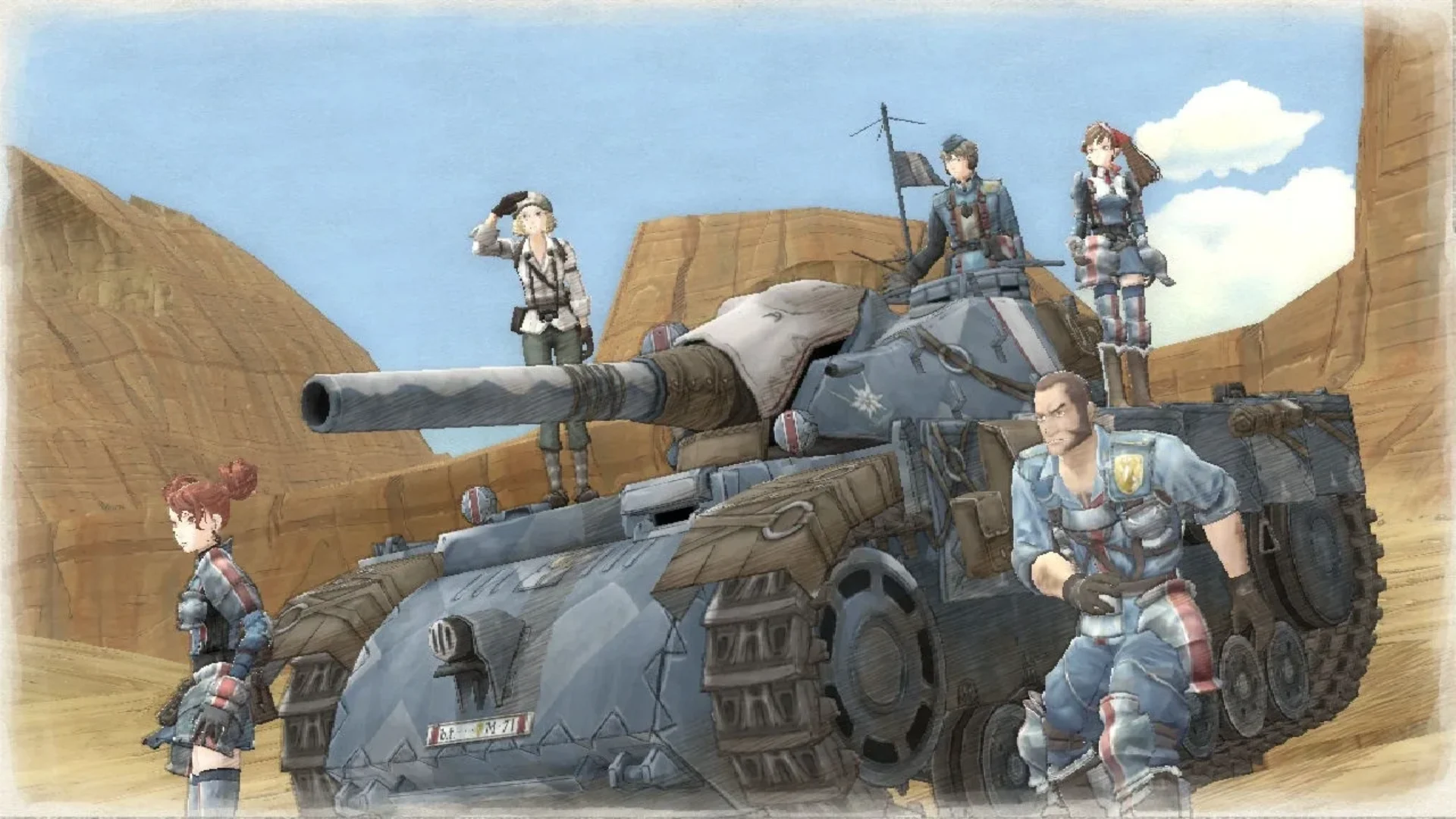
Each battle in the tactical RPG Valkyria Chronicles puts Squad 7 into a fictional European war. A turn begins on an overhead map, but selecting a soldier shifts the camera behind that character and starts real-time movement. Crossing an exposed road causes nearby enemies to open interception fire. Reaching cover is part of the decision, not an animation that follows it.
Every action costs a Command Point, and the same unit can act several times in one turn. A scout such as Alicia can travel farther than a shocktrooper, capture a camp, then activate again from the new position. Repeated movement reduces her available Action Points, but Orders and defensive bonuses can still make a scout rush more efficient than coordinating the full class roster. The grading system encourages that behavior by caring heavily about turn count.
BLiTZ combat is far more convincing when a plan fails for a visible reason, such as leaving the Edelweiss's rear radiator exposed. Surprise reinforcements instead punish positioning with information the player could not have known.
8. Super Monkey Ball
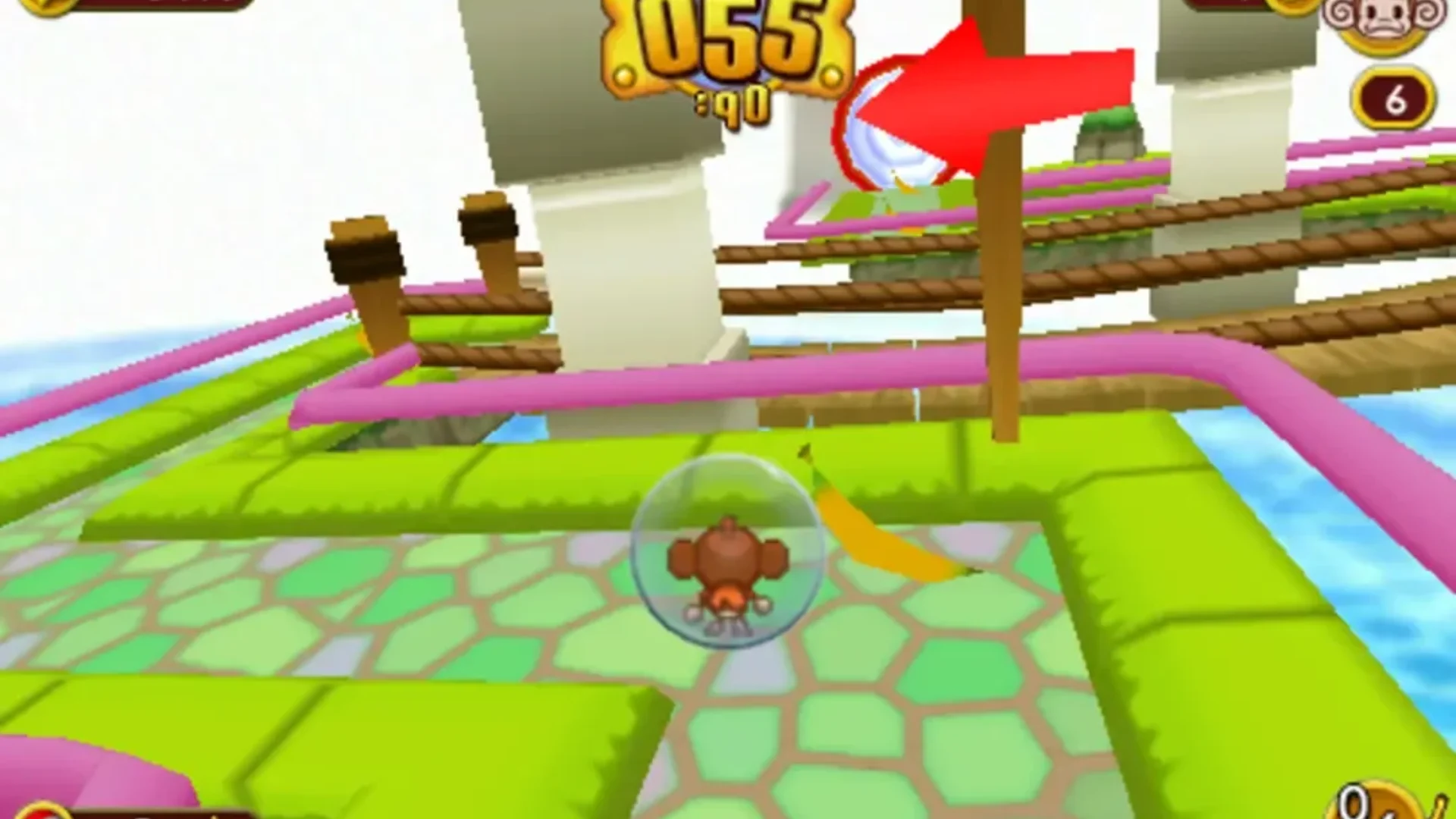
Players do not steer the monkey in Super Monkey Ball. The analog stick tilts the entire stage, allowing gravity to roll a transparent ball toward the goal before time expires. Pushing back does not stop it immediately. The player must counter its existing momentum, which is why a cautious correction can become a second mistake near an open edge.
Advanced and Expert courses shrink the safe route to rails where a late correction has no room to settle. Moving platforms then force players to judge when to commit. A shortcut might involve dropping to a platform below or launching from a slope, but missing it costs a life under an unforgiving continue system. The fixed camera also hides the required angle on some sharper turns. Monkey Target carries the physics into multiplayer by asking players to launch from a ramp and open the ball into glider panels. Chasing a distant scoring zone becomes a mistake once there is no runway left to slow the landing.
7. Crazy Taxi
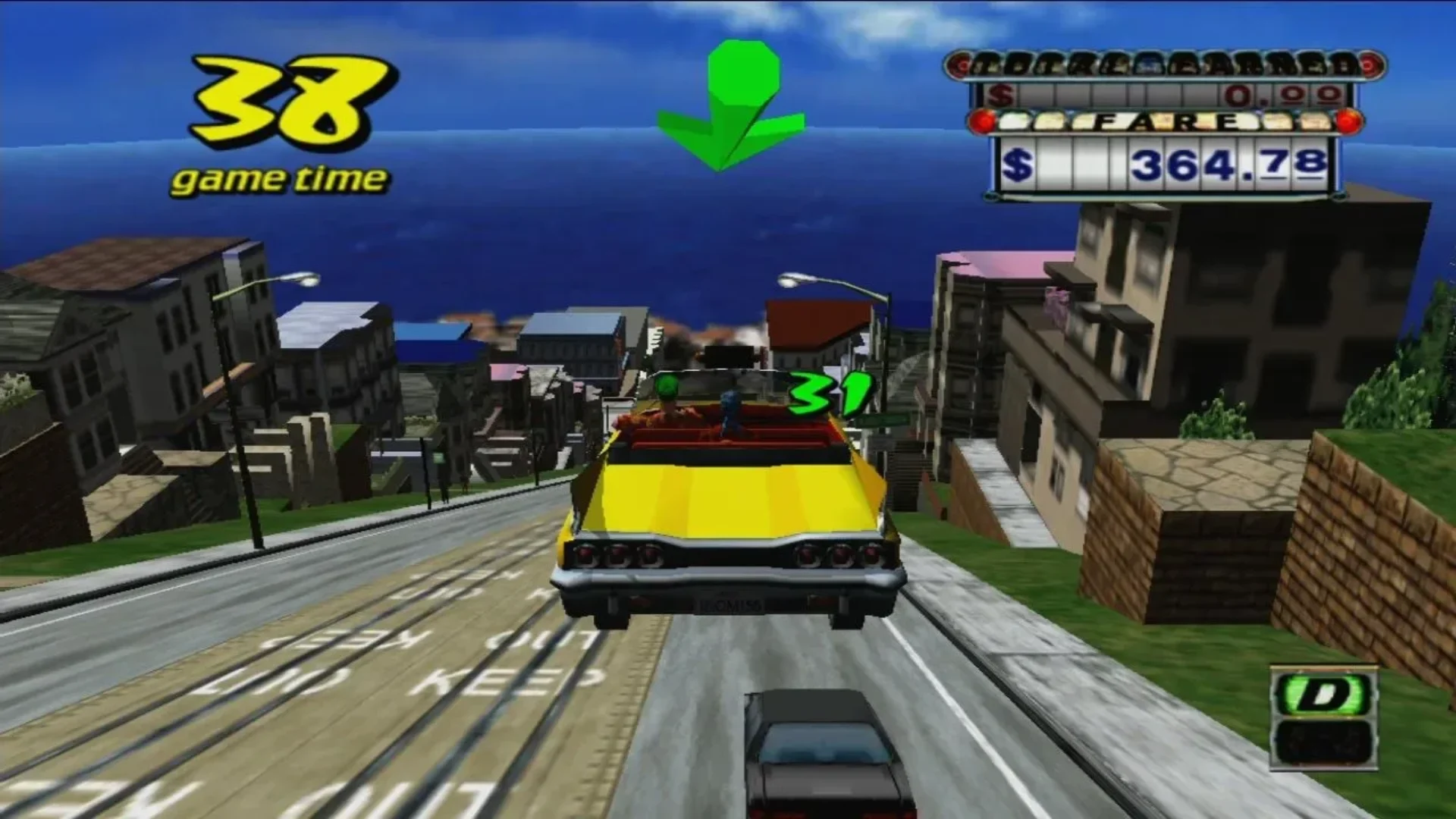
In the arcade score attack Crazy Taxi, passengers must be delivered across a compact city before the shift clock expires. The arrow above the cab points toward a destination, but it cannot read the road layout. It also ignores traffic and useful shortcuts. Following it gets a passenger there. Learning that a downhill side street bypasses two junctions gets them there quickly enough to extend the run.
Near misses and controlled jumps build tips through Crazy Through and Crazy Jump bonuses, provided the recovery does not waste more time than the stunt earns. Crazy Dash acceleration and Crazy Drift cornering turn the simple gear controls into demanding techniques. Pulling away cleanly after one delivery preserves seconds for the next customer, while accepting a fare to the wrong part of town can damage several trips afterward.
Two cities look slight beside a modern open world, but their size is why hills and one-way streets become useful knowledge instead of scenery. Later ports also lost much of the licensed soundtrack without adding enough to replace it.

6. Virtua Fighter 5 R.E.V.O. World Stage
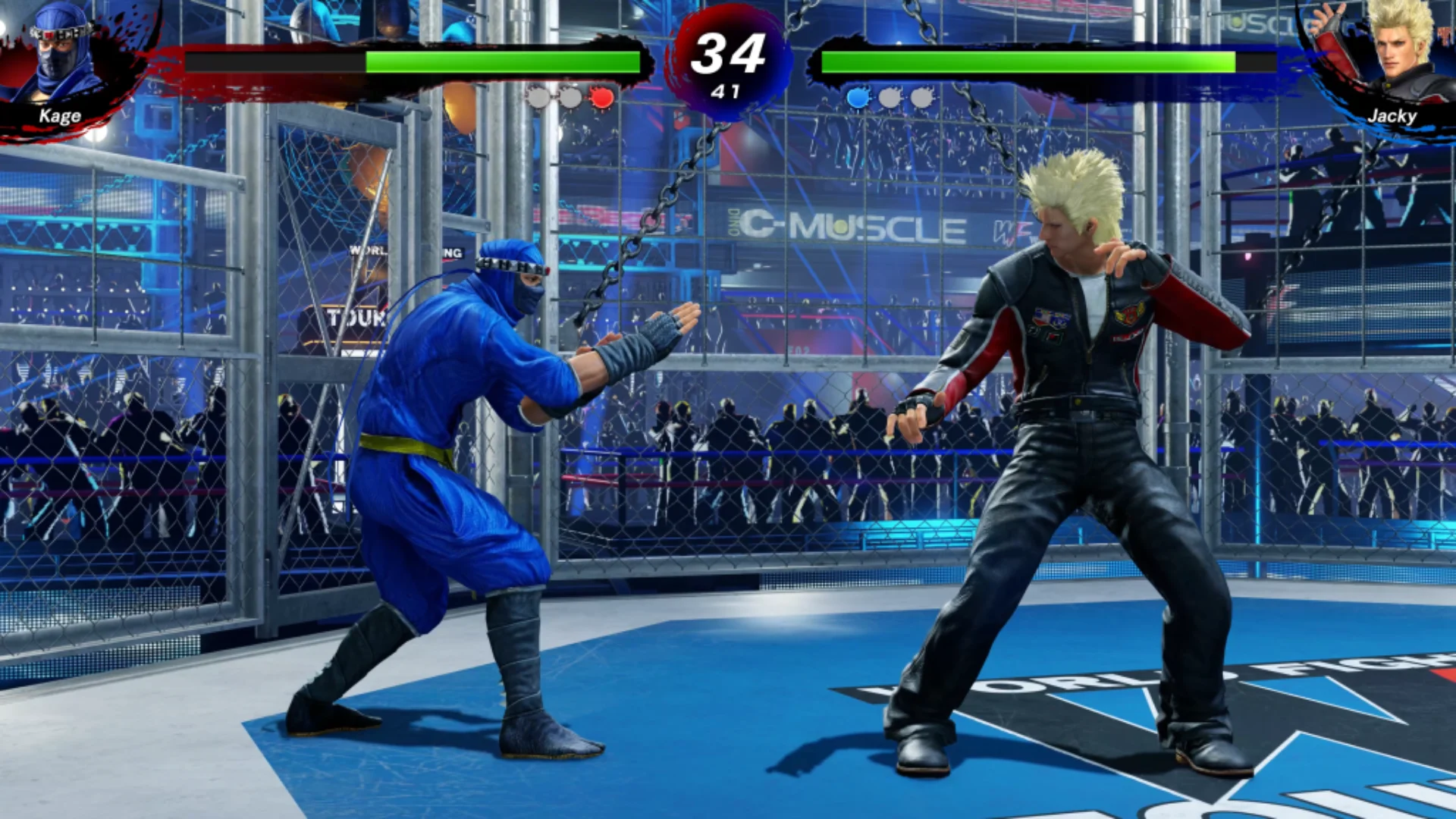
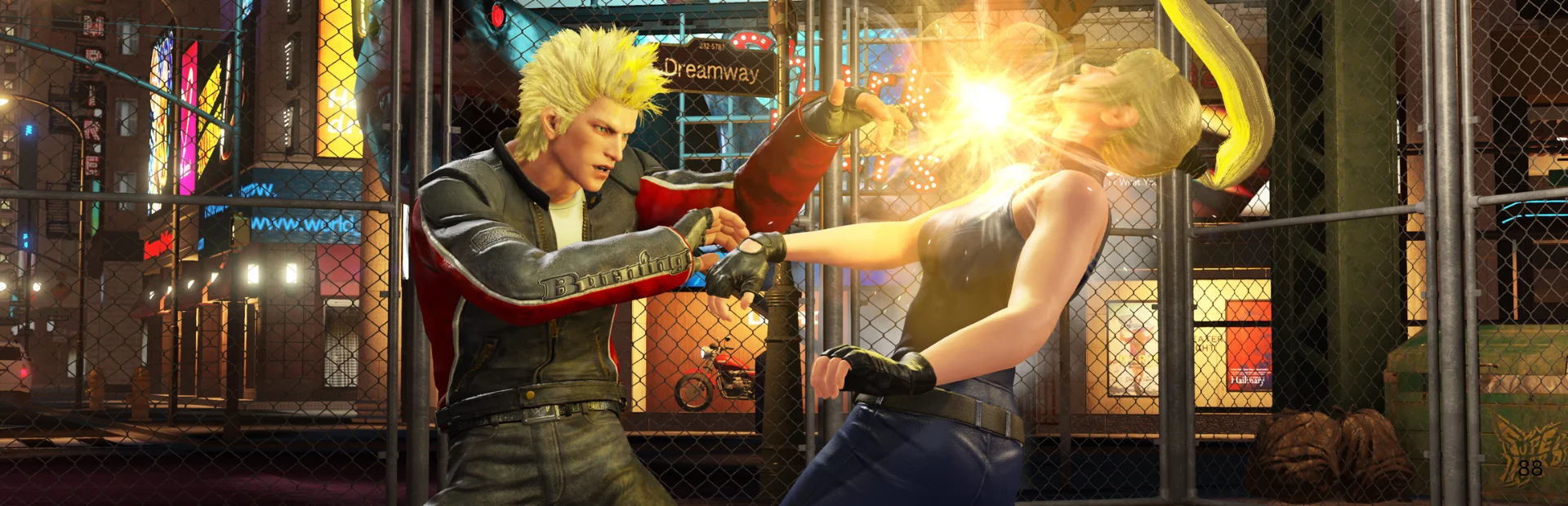
Punch, kick, and guard control the grounded one-on-one fights in Virtua Fighter 5 R.E.V.O. World Stage. Strikes interrupt throws. Guard stops most strikes. A throw punishes someone who keeps guarding. Directional inputs and precise timing expand those three buttons into enormous move sets. Character stances complicate them further, but the first decisions remain readable.
Sidestepping avoids a linear attack but loses to circular moves designed to catch that escape. A successful evade can place the defender at an opponent's side, while one careless step near the boundary can turn moderate damage into a ring-out. Aoi can reverse predictable attacks, punishing someone who falls back on one dependable string. Taka-Arashi's unusual weight changes which combos work against him. Matchup knowledge affects more than memorized attack strings.
World Stage adds solo opponents modeled on recognizable player habits, while rollback netcode and cross-platform play finally give the combat an appropriate modern home. The game still explains too little. Its brief tutorials do not adequately teach throw escapes, frame advantage, or how to diagnose a failed evade. The solo mode supplies hours of practice, but newcomers will still need outside help to understand what many losses are showing them.
5. Panzer Dragoon Saga
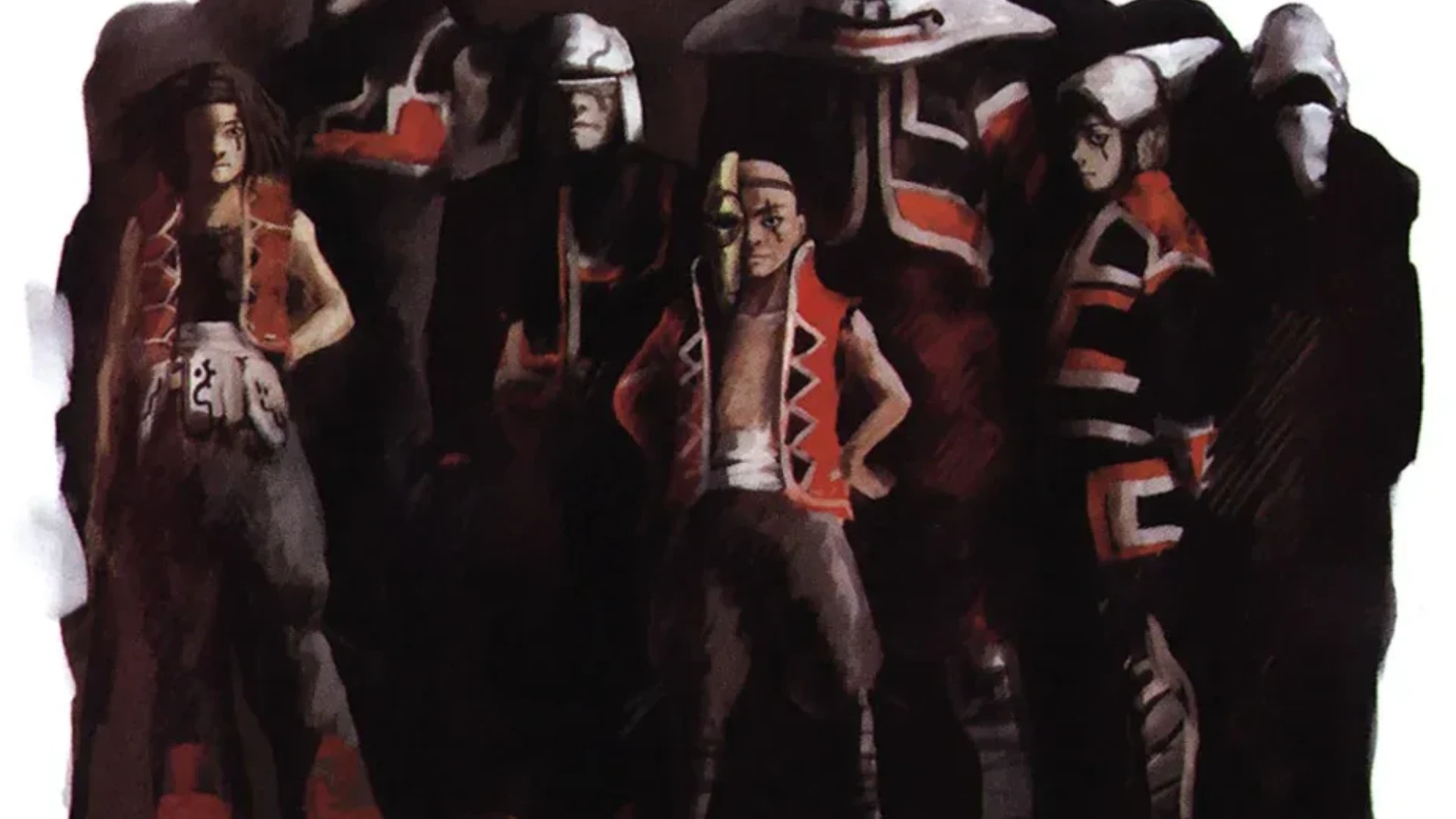
Panzer Dragoon Saga transforms Sega's rail-shooting series into a compact RPG in which Edge explores a ruined world from the back of an armored dragon. Battles let him circle an enemy in real time, moving between four positions while a radar marks safer angles and incoming attacks. Three action gauges charge during this movement. Attacking early spends one. Waiting creates room for a stronger sequence, but the enemy continues preparing its own move.
Circling toward a weak point may improve the next shot, yet crossing a dangerous sector can expose the dragon before those gauges are ready. Some enemies reposition too, turning a safe rear angle into a temporary advantage rather than a solved formation. Dragon morphing carries the same trade-off into progression because raising one attribute pulls the creature away from another.
The low difficulty rarely demands full mastery, and the short campaign ends before the system reaches its limit. Its continued absence from modern platforms has also made an inventive RPG sound more like a rare collectible than a game worth understanding.
4. Streets of Rage 2
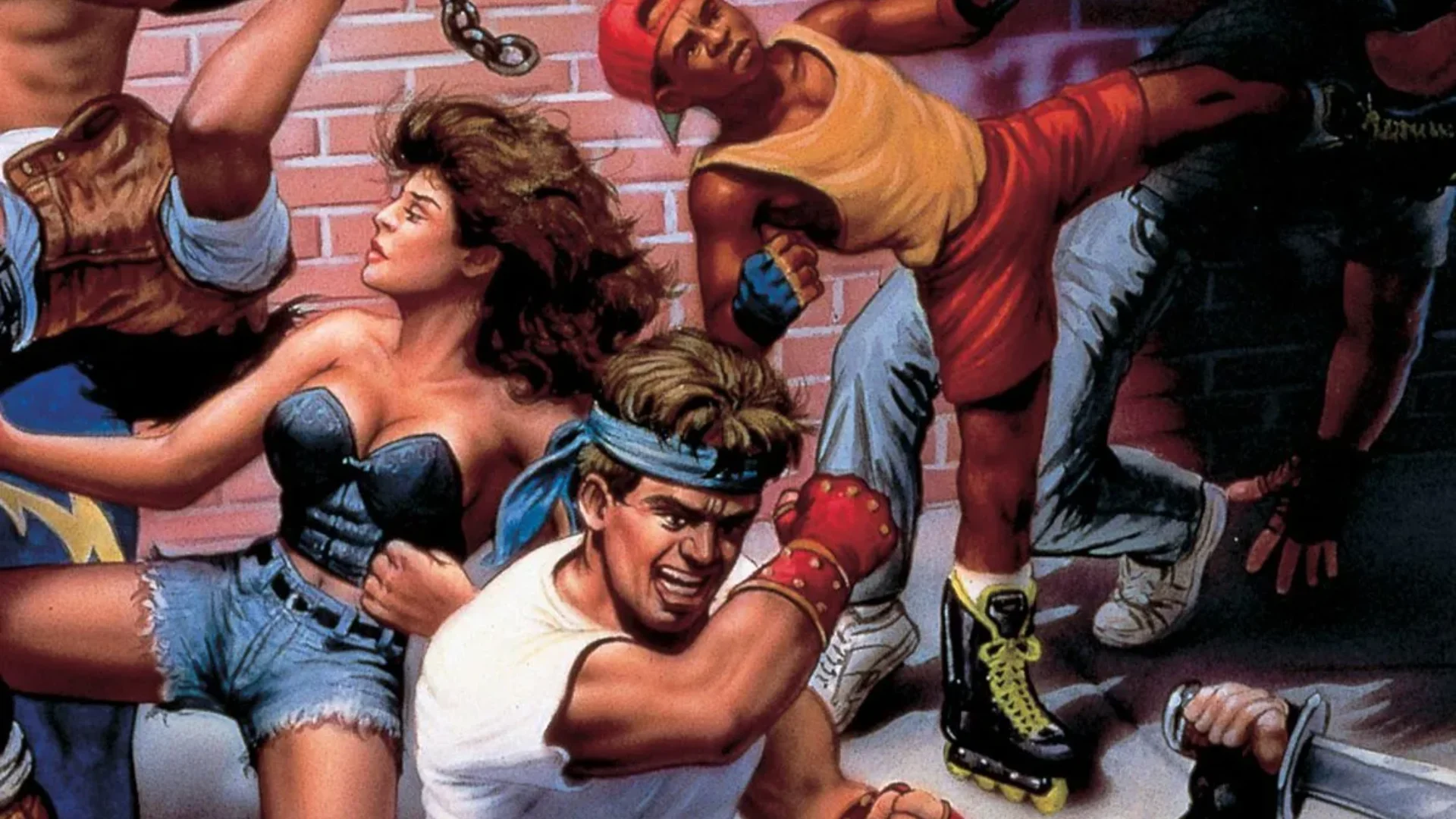
One or two players cross side-scrolling stages in Streets of Rage 2, clearing each group of enemies before the screen advances. Controlling the vertical space above and below a character matters as much as moving forward. Let enemies approach from both sides and a basic punch string becomes unsafe. Herd them onto one side and the same attack can hold a group at the edge of its reach.
Enemy behavior keeps changing that calculation. Donovan can punish a careless jump, while Signal slides beneath a comfortable line of punches and tries to throw the player into the crowd. Max answers with powerful grabs but struggles to escape a bad formation. Emergency specials spend health to clear space, turning the life bar into a resource that can prevent a larger loss. Bosses built around evasive movement are less interesting than these groups. Co-op adds its own danger when friendly fire breaks a partner's combo.
3. Sonic 3 & Knuckles
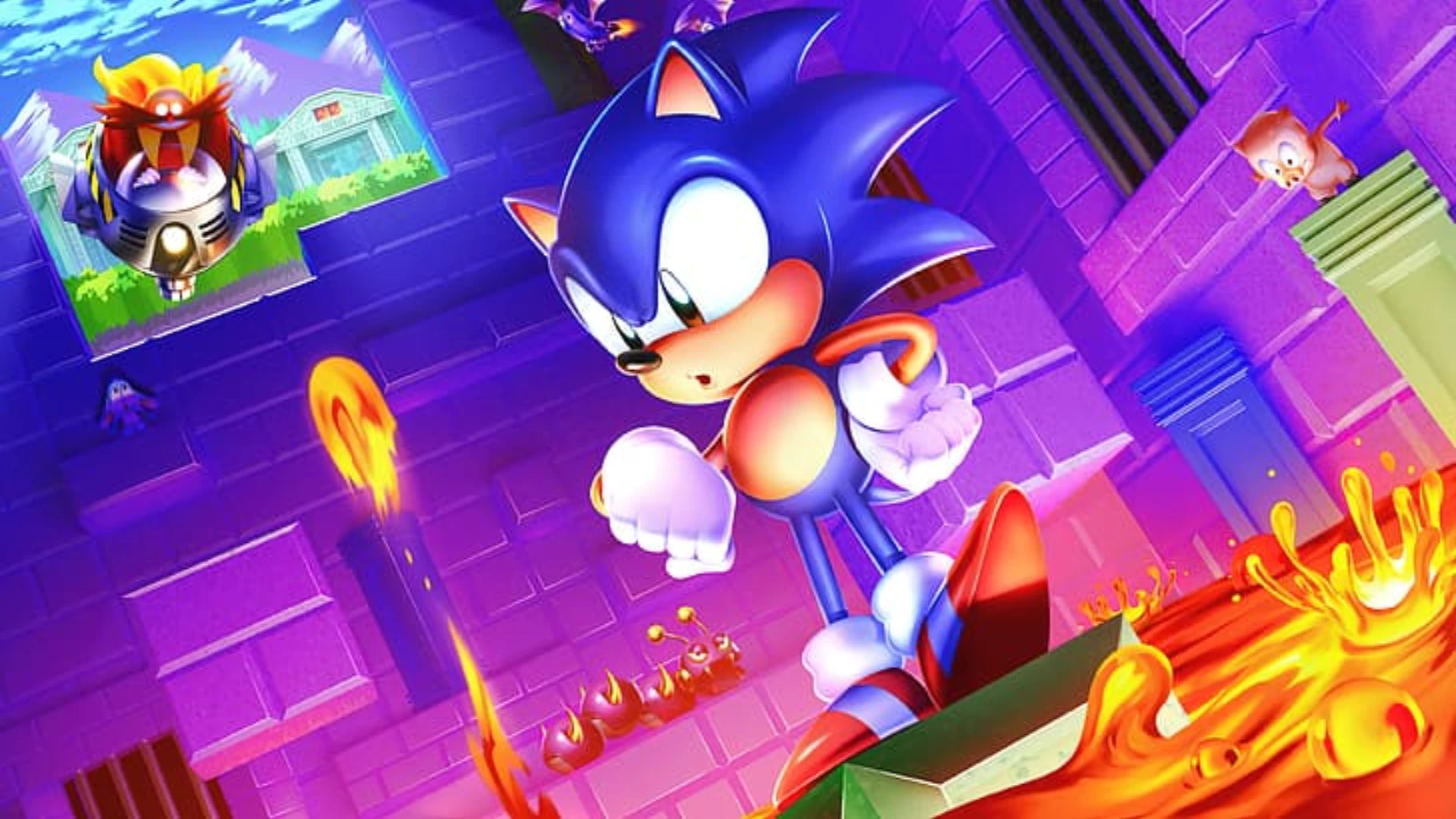
Speed in the 2D platformer Sonic 3 & Knuckles depends on preserving momentum through long, branching stages. Sonic accelerates on slopes and loses momentum against walls, so moving quickly requires reading the ground rather than holding a direction. A high route may skip a slower hazard but demands enough speed to reach it. Falling to the lower path is usually a setback rather than an automatic failure.
Elemental shields make exploration useful. The Lightning Shield's double jump can reach a high route while drawing in nearby rings. The Bubble Shield instead bounces through certain floors, so losing either one can remove a route that was available seconds earlier. Tails reaches other spaces through flight. Knuckles glides into walls and climbs into sections built around his lower jump, while his campaign redirects parts of the journey toward Egg Robo.
The zones connect across Angel Island without returning to a separate map, giving the adventure a sense of travel that earlier Sonic games lacked. Some stages overstay their welcome. Sandopolis slows into switch hunting, and Carnival Night's moving barrel never makes its up-and-down control clear. Even in those weaker sections, route knowledge determines speed more often than reflex alone.
2. Yakuza 0
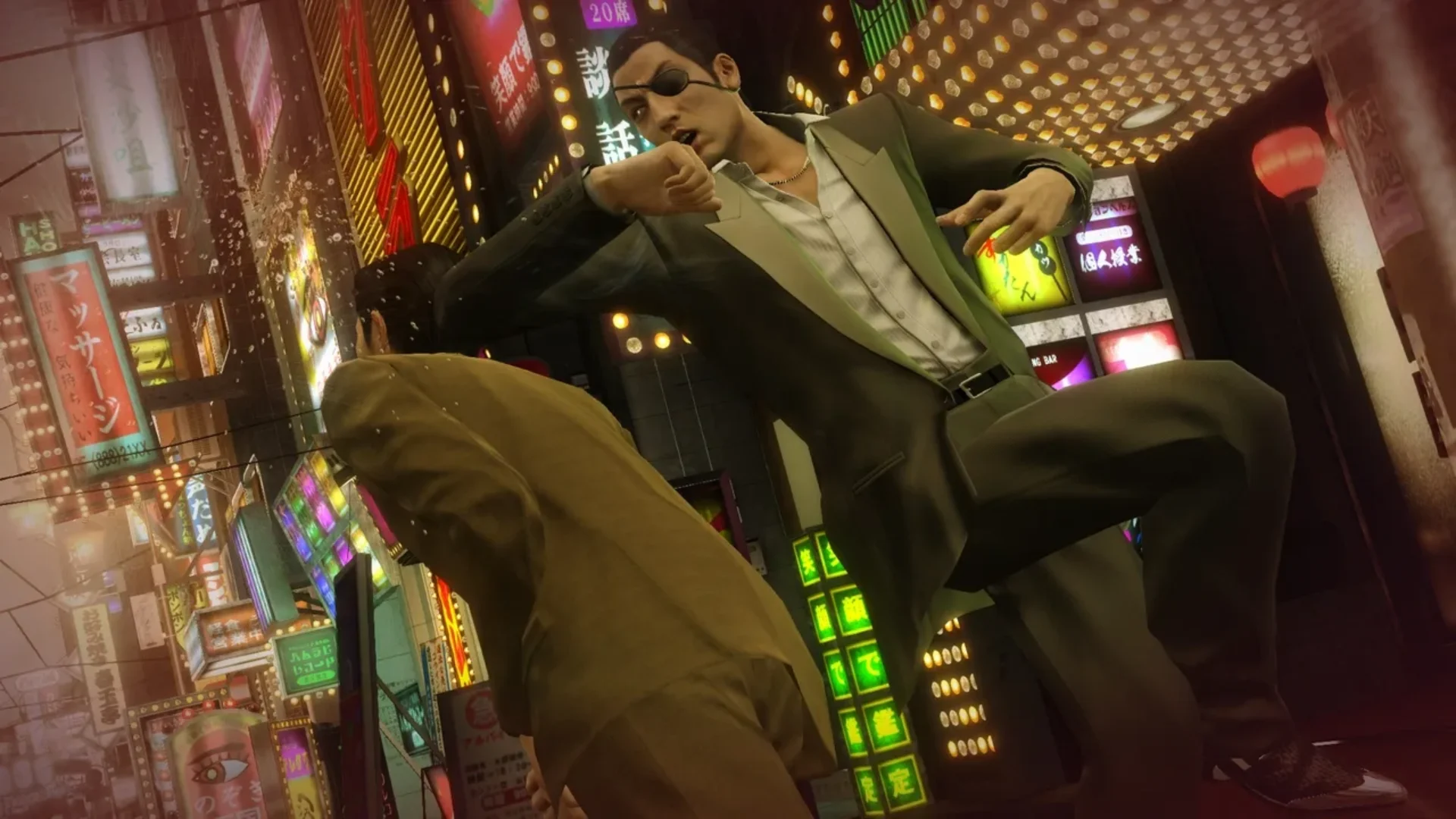
Yakuza 0 alternates between Kazuma Kiryu in Kamurocho and Goro Majima in Sotenbori during Japan's late-1980s economic boom. Each district covers only a few city blocks, but almost every street serves more than one purpose. A walk to the next crime-story chapter might end at an arcade instead. Returning later can uncover a substory in the same place.
Combat is a real-time brawler with three switchable styles for each protagonist. Kiryu's Rush style uses quick steps to avoid pressure, while Beast lets him turn nearby signs and bicycles into heavy attacks. Majima's Slugger stance controls a group with a baseball bat, but Breaker commits him to wide dance attacks that become risky against a block. Money replaces conventional experience points. Losing to Mr. Shakedown can surrender the same cash needed for the next upgrade, making that optional fight a real judgment about risk.
The side stories also feed Kiryu's real-estate operation and Majima's cabaret club by supplying new staff. The cabaret asks the player to read customer moods during a shift, while real estate relies on passive collections that repeatedly halt Kiryu's progress. Random street fights become routine before the final chapters. Kamurocho and Sotenbori stay interesting because familiar corners keep finding new purposes, not because either map pretends to be large.
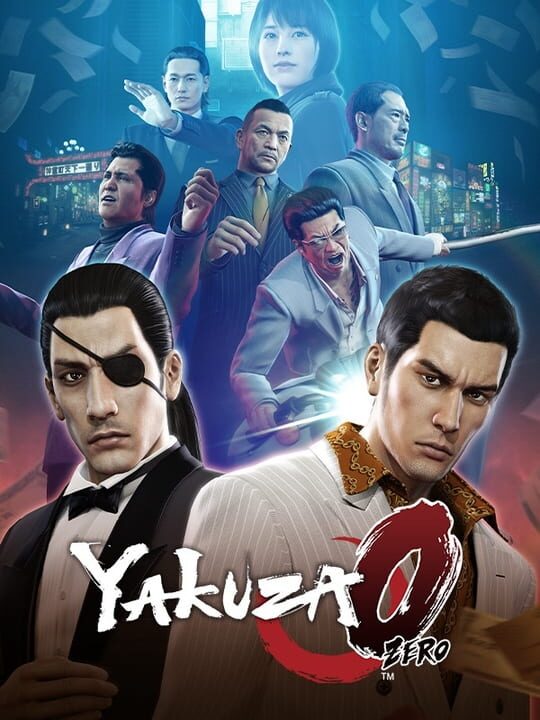
Yakuza 0
Yakuza 0 is an action-adventure beat 'em up and a prequel to the Yakuza series, set in 1988 Japan during the country's economic bubble era. The game follows two protagonists: Kazuma Kiryu in Tokyo's Kamurocho district and Goro Majima in Osaka's Sotenbori district. Players alterna
Released
March 12, 2015
Developer
Ryu Ga Gotoku Studio
Publisher
Sega Corporation


1. Persona 5 Royal
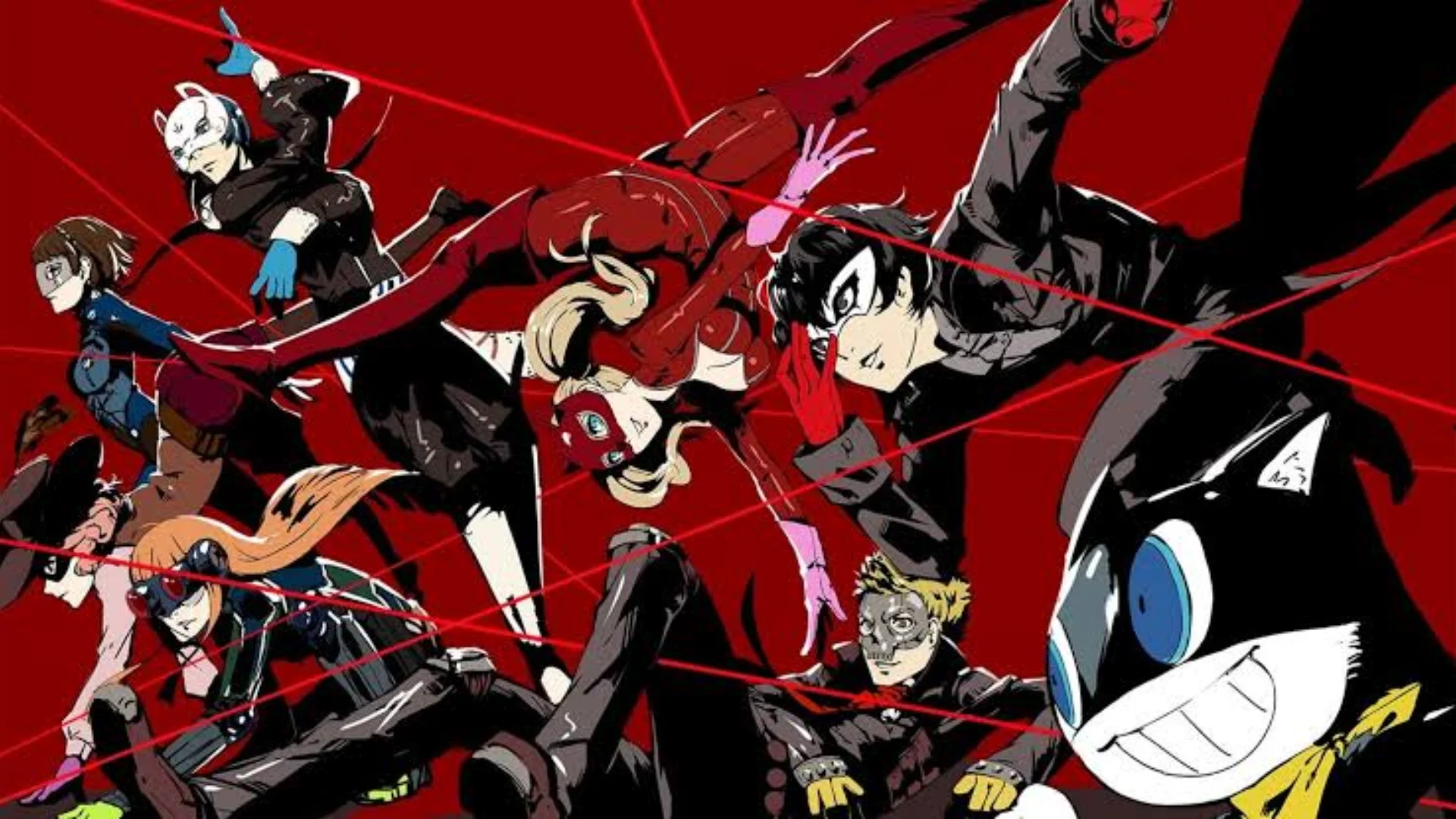
Persona 5 Royal divides one school year between ordinary life in Tokyo and supernatural heists carried out by the Phantom Thieves. Each Palace gives the group a deadline to change a corrupt adult's behavior. Reaching its Treasure may take several visits. Every afternoon spent inside could instead have been used to study or advance a Confidant.
Those relationships are connected to the RPG systems. Advancing a Confidant can improve negotiations or open new options in battle, which makes time with a friend compete directly with preparation for the next Palace. Securing a route to the Treasure in one day protects the rest of the calendar, but limited SP makes that difficult early on. Leaving too soon costs an afternoon. Staying without recovery items can leave the party stranded at a safe room.
Turn-based battles reward exploiting a weakness with One More. Baton Pass transfers that extra action to another Phantom Thief and strengthens the next attack, allowing a well-read party to move through several enemies before they respond. Designed Palaces develop those systems far better than the repetitive floors of Mementos. Royal eventually supplies so many recovery options and combat bonuses that ordinary encounters become too forgiving, while the story often repeats emotions already made clear by the scene.
The added third semester contains some of the game's strongest material, yet players can miss it by failing to advance the Councillor Confidant before the November cutoff. That requirement is signaled too softly for content this important. It exposes the risk inside the calendar that otherwise holds the game together. A failed battle can be retried. An afternoon spent badly cannot.
Tagged In
Discussion
0We want to hear from you. Share your perspective in the comments below, and please keep the conversation respectful.
Log in to join the discussion - vote, reply, and share your take.
Log In