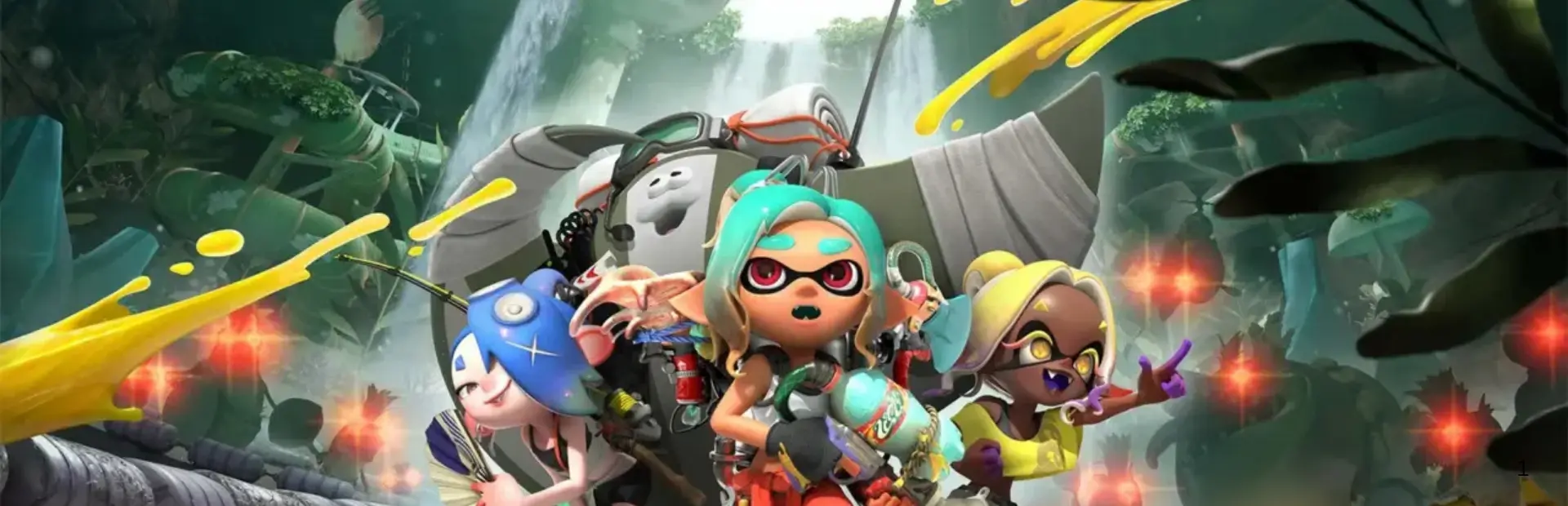
Splatoon Raiders Turns Salmon Run Into a Full Adventure
Splatoon Raiders expands Salmon Run into a rewarding PvE adventure with deep customization, fast combat, co-op play, and some repetitive missions.
Splatoon Raiders could easily have ended up as an expanded version of Salmon Run sold under a new title. Instead, Nintendo has used the familiar battles against Salmonids as the foundation for an action game built around gear progression, collecting loot, and missions designed primarily for solo players. I still fire colorful ink, move through pools of my own color, and try to control the surrounding space. This time, however, every expedition provides parts needed to upgrade weapons, gadgets, and the base.
Returning to the series for this Zero1Gaming review, I found that the greatest success of Splatoon Raiders is how its simple hunt for another piece of equipment combines with the series’ distinctive pace. Short raids encourage me to play one more mission, while the ability to change my build means that returning to the same island can produce a different experience. Repetitive environments, an unimportant story, and slower sections of progression prevent the game from reaching its full potential, but they do not reduce it to an average spin-off. This is the most extensive PvE adventure in Splatoon history.
Salmon Run Gets the Structure It Needed
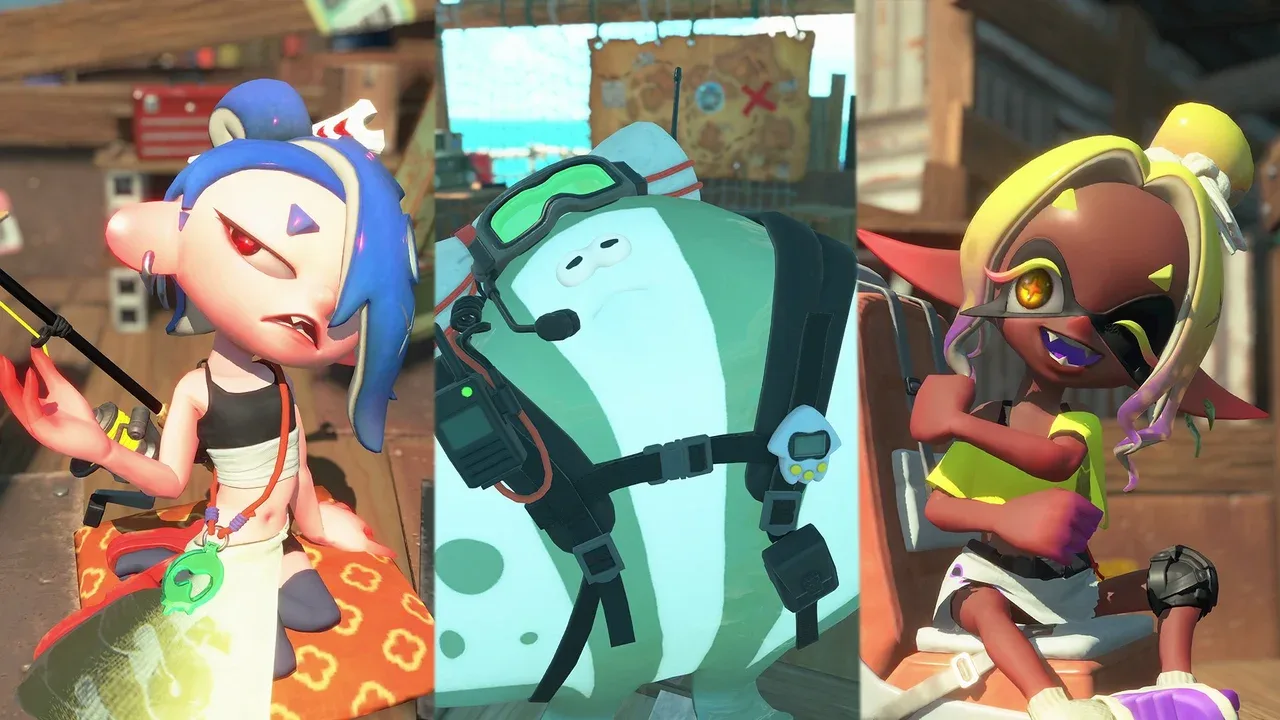
The player takes the role of the Mechanic, who travels with Shiver, Frye, and Big Man. A storm forces the group to make an emergency landing on the Spirhalite Islands, where they build a temporary base and begin searching for treasure. The story quickly steps aside for the expeditions themselves, which involve fighting Salmonids, collecting Power Eggs, and bringing useful materials back from selected locations.
Missions are not limited to surviving wave after wave of enemies. Some require reaching the end of a designated route, while others lock the player inside a small arena or demand the collection of a specific number of items. There are also shorter challenges that teach you how to use particular gadgets. Not every activity is equally creative, but the game regularly changes its objectives and enemy placement before shooting Salmonids becomes completely automatic.
The best moments begin when several types of enemies appear on the screen at once. Some protect nearby units, while others attack from a distance or force me to abandon a safe position. Priorities can change within seconds. One moment, I am trying to destroy the largest target. Next, I have to create an escape route with ink because smaller Salmonids have cut me off from the rest of the arena.
The controls retain the speed familiar from the main games. Ink serves as ammunition, a movement tool, and a way to control the battlefield. Even a basic encounter forces me to watch the ground rather than focus exclusively on an enemy's health bar. This remains Splatoon's greatest advantage over other shooters.
Gadgets Provide Meaningful Choices
The most important addition is an extensive gadget system that replaces traditional sub weapons. Materials collected during raids can improve their damage, range, and additional properties. Progression is not limited to increasing a series of values. The right parts can change how a device operates and what role it performs during combat.
There are three types of Ink Tanks focused on speed, power, and battlefield control. Each supports different gadgets, so I cannot simply select all the strongest options at once. I have to decide whether I want to move quickly between enemies, attack the largest targets directly, or deploy devices that help control incoming waves.
The greatest satisfaction comes from watching initially unremarkable equipment become the foundation of an entire build. A gadget that provides only limited support at first can eventually attack flying enemies, set targets on fire, or remain in a chosen location. Changing one component can therefore affect how I approach a mission more than a simple increase in character level.
The system encourages experimentation without locking the player into an early decision. If a build performs poorly against specific enemies, I can return to the base, change my Ink Tank, and prepare a different loadout. The menus contain plenty of options, but individual upgrades have clear enough effects to prevent gear progression from becoming an exercise in comparing insignificant numbers.
Repetition Sets In Before the Credits Roll
The greatest problem with Splatoon Raiders is the limited variety across the archipelago. Individual locations have different colors and obstacle layouts, but it becomes increasingly difficult to treat them as entirely new places. The game focuses primarily on combat, so the promise of traveling to another island does not always lead to a genuine discovery.
Missions also begin to reuse familiar ideas. New enemy arrangements and stronger Salmonid variants increase the difficulty, but the objectives remain similar. Most activities still involve defeating groups of enemies, gathering materials, or reaching a particular destination. Players expecting elaborate puzzles and platforming stages similar to those found in the campaigns of the main games may feel disappointed.
Progression slows down later in the game. Further upgrades require more materials, encouraging players to repeat completed raids. Spicy Raids change the placement and strength of enemies, so they are not simply identical missions with higher statistics. They do not entirely eliminate the feeling that I am returning to familiar territory for the resources needed to reach the next equipment level.
The core gameplay loop is strong enough to maintain my interest. Combat remains fast, and new parts have a noticeable effect. The problem appears when a particular item requires several similar raids. At those points, the game stops feeling like an adventure and begins to resemble a checklist of materials to collect.
Solo Play Works, but Co-op Brings More Energy
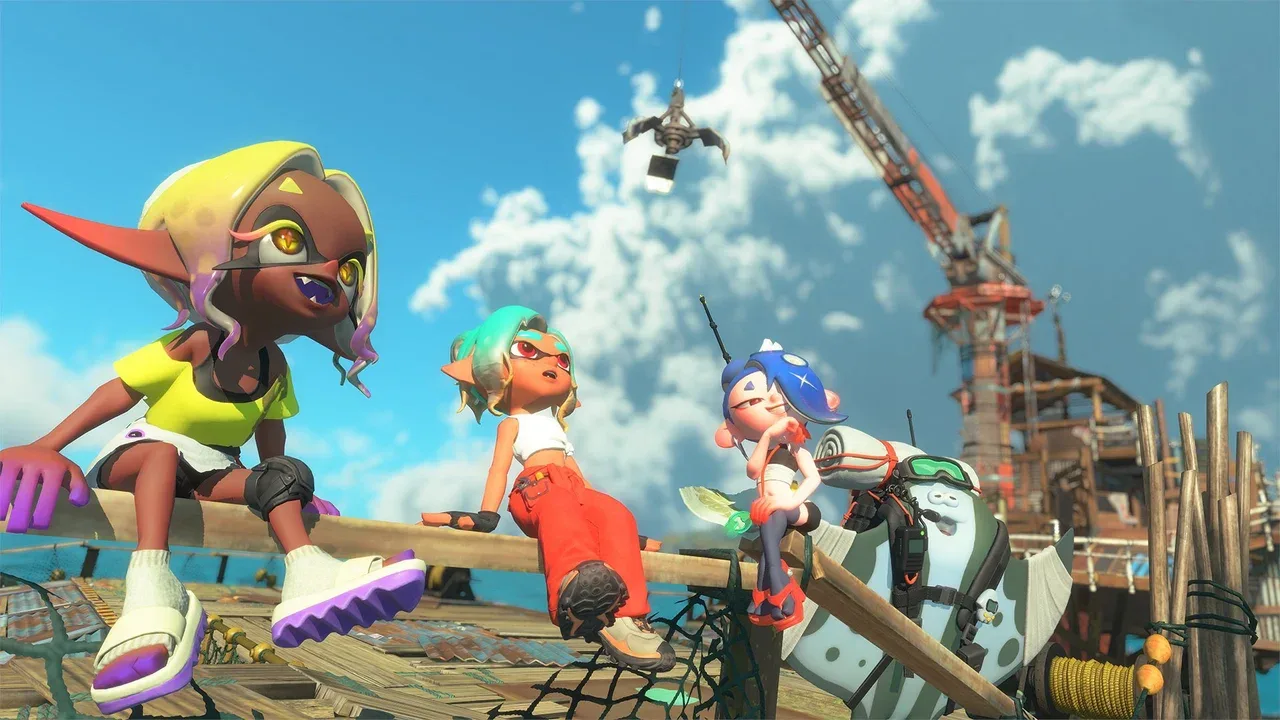
Splatoon Raiders is promoted as a single-player-focused game, and its most important content can be completed alone. During missions, one member of Deep Cut accompanies me while controlling a small machine. This companion attacks enemies, provides access to a special technique, and can launch the Mechanic into the air, making it easier to gain a height advantage.
The game offers three difficulty settings and does a good job of separating an experience designed for newcomers from challenges created for experienced fans. If enemies become too powerful, players can repeat earlier missions, gain additional levels, and return with stronger equipment. The highest difficulty requires careful gadget placement, control of the surrounding ink, and quick identification of the most dangerous target.
Most raids can also be played cooperatively. The game increases the number and strength of enemies, so additional players do not remove all the tension. One particularly effective decision is preserving an individual difficulty setting for each player. An experienced fan can play with someone new to the series without either person giving up the level of challenge that suits them.
Co-op is at its best during the most chaotic battles. Dividing responsibilities between several players makes it possible to create builds with specific roles. One person can deal direct damage, another can control the arena, and a third can focus on mobility. Solo play feels complete, but cooperation reveals the full potential of the equipment system.
Switch 2 Keeps the Chaos Under Control
The visuals do not attempt to showcase the most realistic effects available on Nintendo Switch 2. Instead, they prioritize readability. Even when the screen fills with enemies, ink, and several gadgets operating at once, I can still identify the most important threats. The game runs smoothly in both handheld mode and when the console is connected to a television.
The colorful effects contrast well with the rougher appearance of the Spirhalite Islands. It is only disappointing that subsequent areas do not have more distinct identities. The enemy designs are far more successful. Stronger Salmonids change their appearance as they level up, allowing players to recognize the growing threat before a battle begins.
The story does not match the quality of the gameplay systems. The search for treasure provides enough motivation to visit new locations, but it offers few surprises. Deep Cut benefits the most. Shiver, Frye, and Big Man have more time to show their personalities than they did in Splatoon 3, while their conversations preserve the series' distinctive humor.
Splatoon Raiders Deserves a Series of Its Own
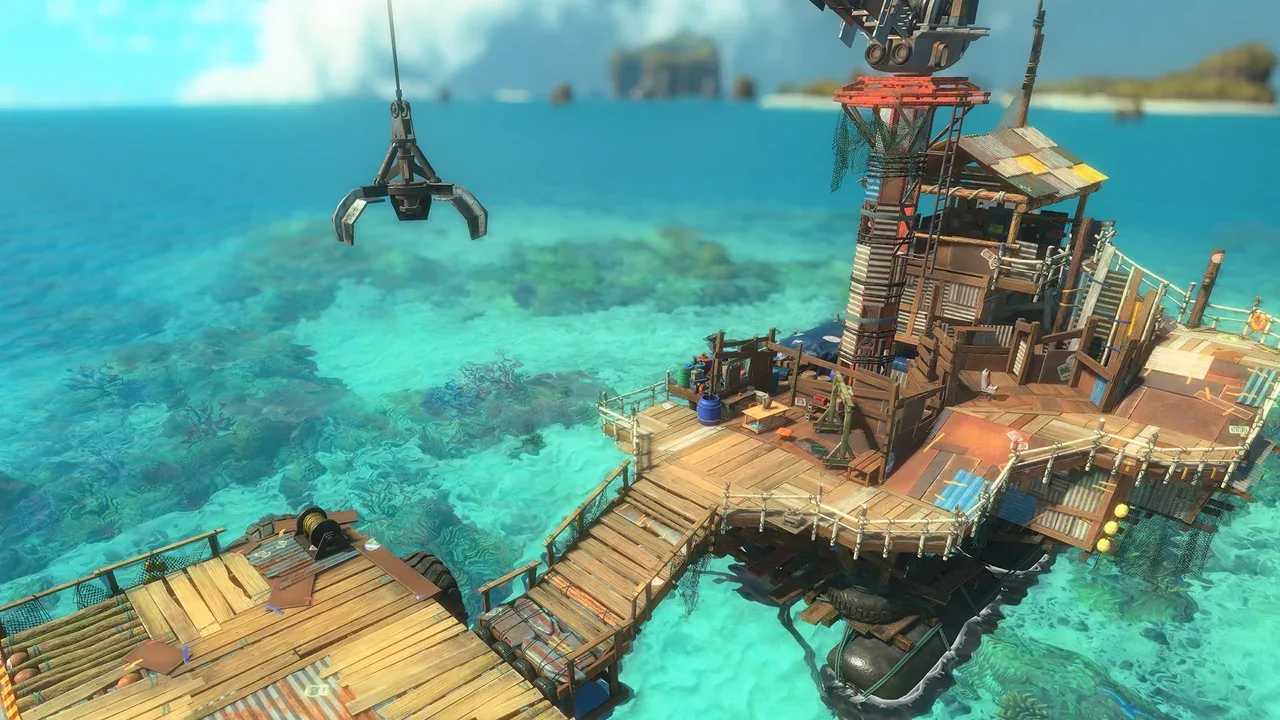
Splatoon Raiders does not replace the main games. It does not offer Turf War or attempt to build another competitive scene. It does, however, demonstrate that ink-based shooting is equally well suited to gear progression, PvE combat, and a longer campaign. Gadgets provide meaningful choices, Salmonids make good use of the varied arenas, and the ability to play almost the entire game with friends significantly increases its value.
Repetitive environments and slower late-game progression prevent the expedition from making full use of its potential. Even so, the core loop remains satisfying after the credits roll. Nintendo has created more than an expanded version of Salmon Run. It has built the foundation for a separate branch of Splatoon that deserves to return with another entry.
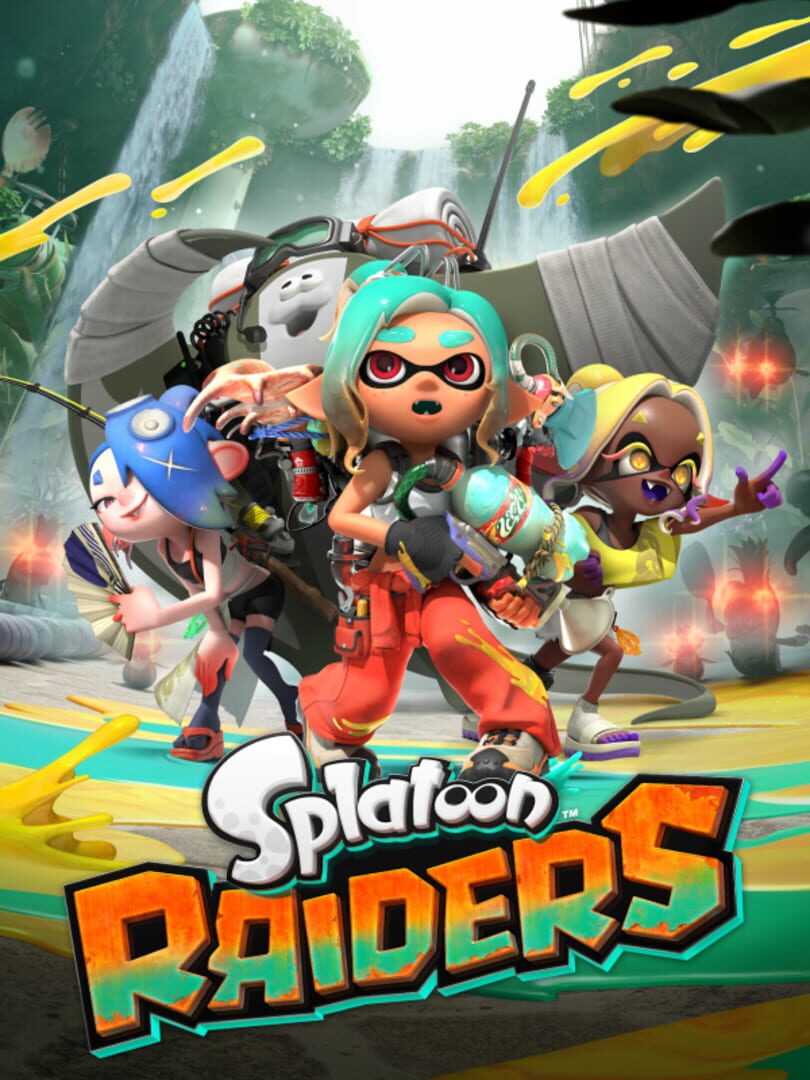
Splat scores of enemies and hunt for treasure in this single-player focused action shooter. Play as a mechanic working with Deep Cut – a trio of swashbuckling musicians – and venture out into the mysterious Spirhalite Islands! Customize your character, kit yourself out with mech
Released
July 23, 2026
Developer
Nintendo EPD Production Group No. 5
Publisher
Nintendo


Tagged In
Discussion
0We want to hear from you. Share your perspective in the comments below, and please keep the conversation respectful.
Log in to join the discussion - vote, reply, and share your take.
Log In