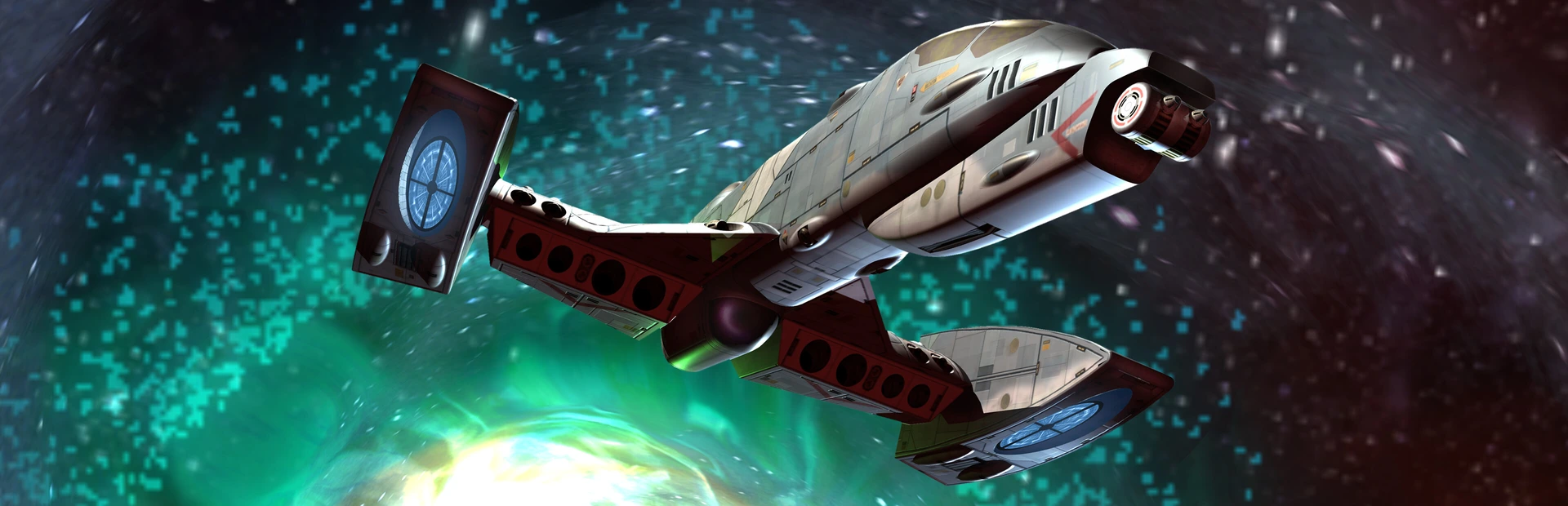
EA's recovered tapes are restoring what classic games left behind
EA's recovered master tapes let it restore seven classic games, rebuilding more than 1,500 scenes and bringing back Wing Commander performances that never shipped.
Electronic Arts released 25 classic PC games on Steam on November 5, including seven restored Anniversary Editions covering six Wing Commander titles and Road Rash. The updated games draw on an archive at EA's Redwood Shores campus, where thousands of tapes included master recordings once thought lost. The restoration team has now rebuilt more than 1,500 cinematic scenes across the seven games.
The recovered tapes reveal more than sharper versions of familiar cutscenes. Some contain performances and dialogue variations that never appeared in the original games. Restoring that material means rebuilding parts of the software around it, while deciding how much of the original release should remain untouched.
The retail version never contained the full picture

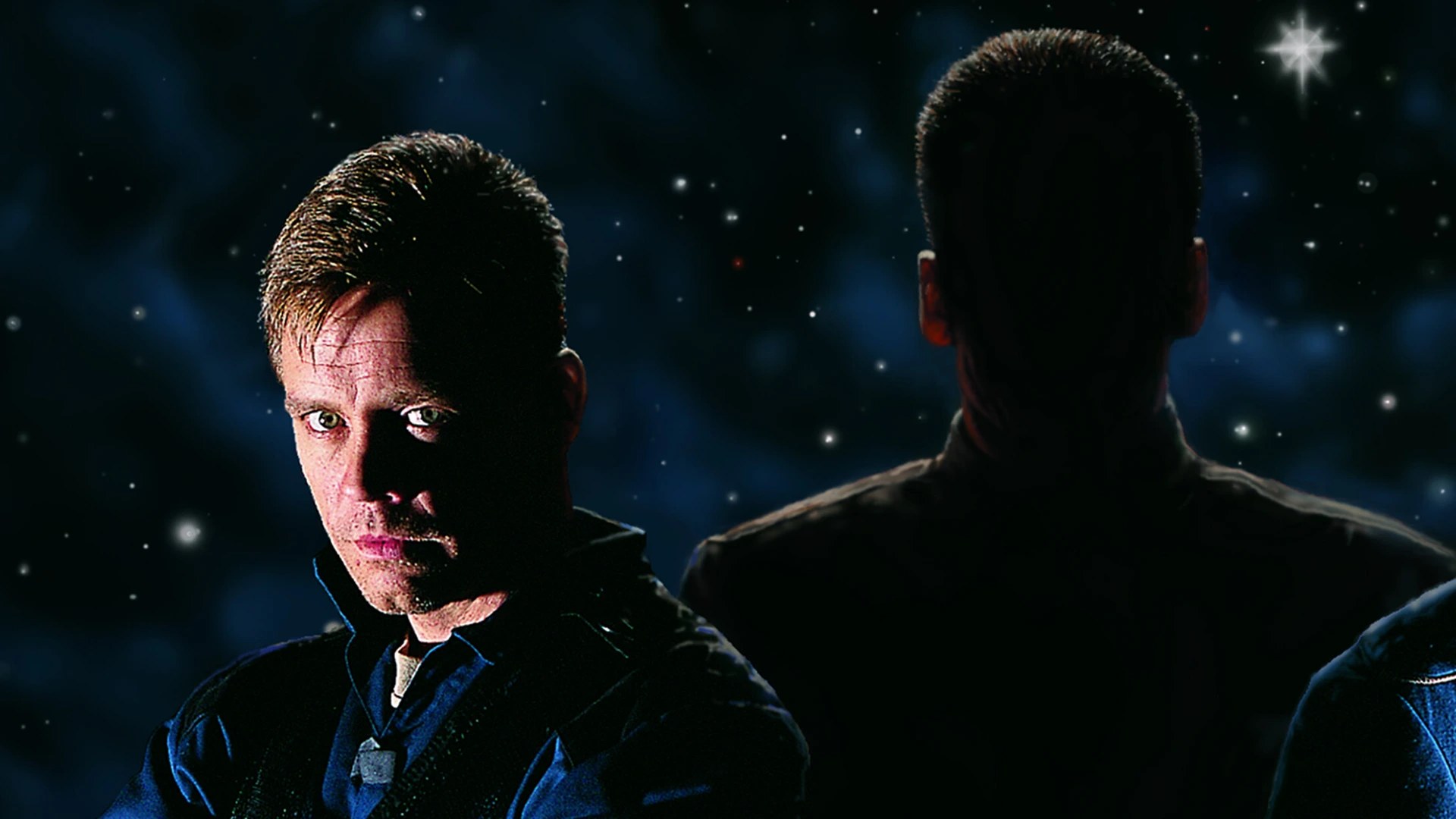
When Wing Commander III: Heart of the Tiger launched in 1994, its live-action scenes brought actors like Mark Hamill into the story alongside the space combat. But fitting that footage onto CD-ROMs and making it playable on contemporary PCs required heavy compression, sacrificing much of the original image quality.
Modern upscaling can improve the videos found in those game files, but it can't reliably restore detail lost during compression or recover scenes that never made it onto the discs. The original production masters offer far more to work with.
EA senior producer Jim Vessella discovered those recordings as part of a much larger archive in March 2022. The company's physical media vault held nearly 20,000 items, including Betacam, VHS and D1 tapes, film reels and CD-ROMs.
Digitization began in 2024, using four Betacam players and a VCR. Hundreds of rarer tapes were sent to a specialist. By April 2026, the team had digitized 6,000 assets containing an estimated 2,500 hours of footage.
Only part of that collection is relevant to the new releases. But with the original Wing Commander and Road Rash recordings recovered, EA can work with footage that hasn't already been compromised to fit the hardware of the 1990s.
A restored scene still has to fit the original game
Recovering the original Wing Commander III footage was only the beginning. The game plays specific videos depending on the player's choices, while the archival tapes often contained 30 or 40 scenes recorded back to back. Each scene had to be identified, separated and matched to the correct game file.
Some recordings were enormous. A single D2 tape of briefing-room footage produced a 60 GB file, and damaged or interlaced frames needed individual corrections. Preparing roughly 475 full-screen cutscenes took the team six months.
They then discovered another 460 clips used for the communications screens during missions. The existing enhancement patch couldn't replace those videos, so modder Matt Wells updated it to support them.
Those recordings also revealed something players had missed in 1994. To conserve disc space, the original game reused a handful of responses for each character. The masters contained more than 40 variations per character, allowing the restoration to match more dialogue with the performances originally filmed.
Players can now see acting that was recorded for Wing Commander III but never included in the retail release. No amount of upscaling the original game files could have brought those scenes back.
Better footage needs software that can play it
Restoring the footage was only half the job. The original games also needed updates to play the higher-quality videos on modern PCs, often relying on work that modders had already done.
For Wing Commander III, Matt Wells had developed an enhancement patch that supported higher-resolution MP4 videos. He worked with EA to bring it into the Anniversary Edition, alongside improvements such as gameplay at up to 60 frames per second and controller calibration.
Wing Commander Prophecy proved more difficult. Its restored footage was ready by the end of 2025, but the game lacked a patch that could handle both modern hardware and the new videos. GOG engineers joined forces with community developers to combine existing DVD-video and OpenGL modifications into a working release.
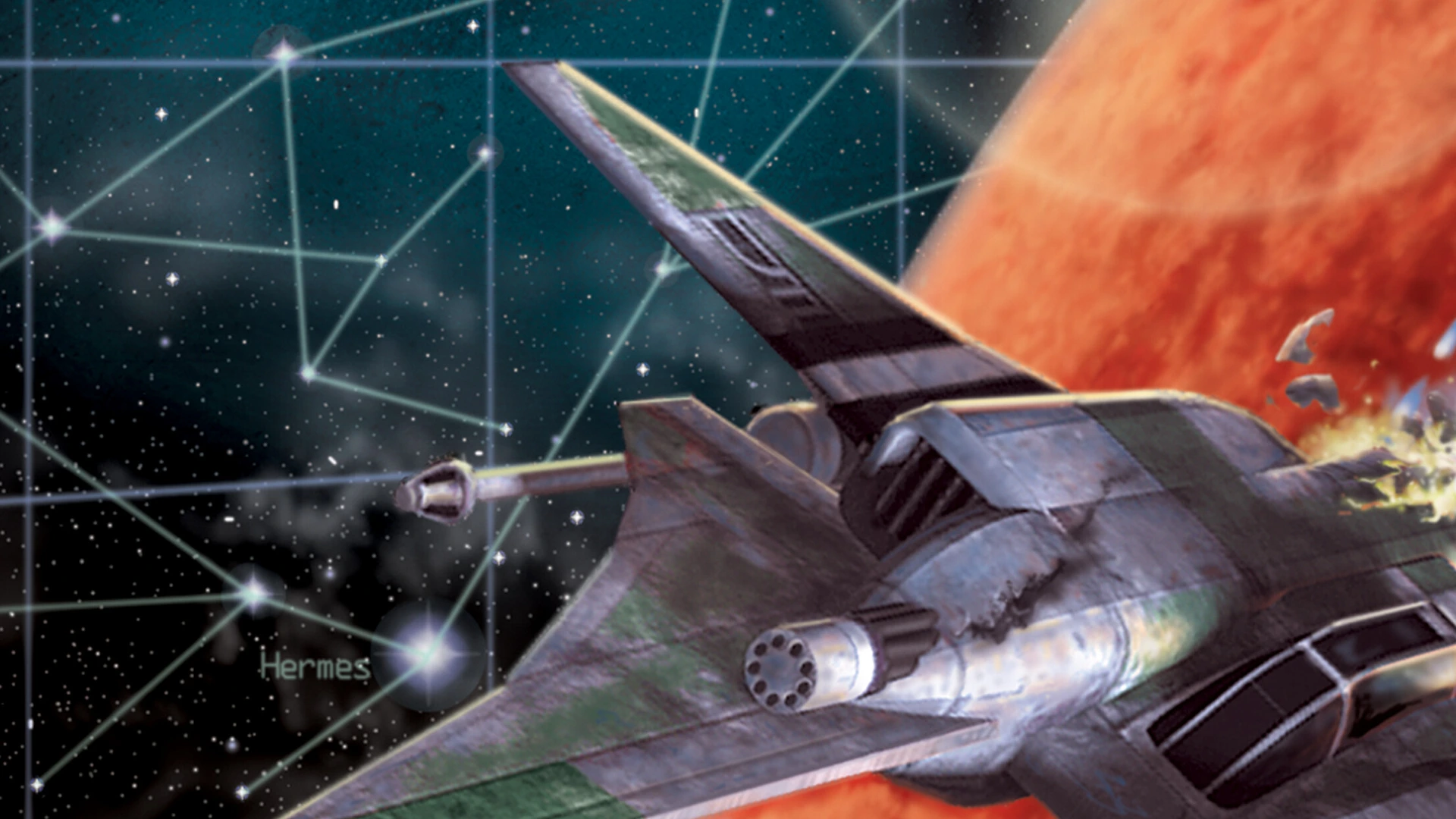
EA technical director Brian Barnes faced similar issues with Road Rash. He recovered the source code for the 1996 PC version, but early tests on modern hardware suffered frequent crashes and couldn't play the restored cinematics. Barnes updated video playback, added higher frame rates and introduced native controller support.
The amount of work involved also explains why the other 18 games in EA's November release received conventional ports rather than extensive restorations. Making an old game playable again is relatively straightforward compared with rebuilding it around footage that never appeared in the original release. For Wing Commander and Road Rash, years of community preservation work helped make those restorations possible.
The clearest image is not always the original experience
Even a master tape does not settle how a restored game should look. For Wing Commander IV: The Price of Freedom, Vessella recovered D1 footage for roughly 240 of its 280 scenes. The improvement over the existing DVD version was relatively modest, although the better recordings provided a stronger base for further upscaling.
EA has made the AI-upscaled videos optional in its 30th Anniversary Editions. Players can instead use the recovered masters or the original 1990s videos. Automated processing can change how faces, backgrounds or older effects appear. A sharper image may be preferable for some scenes without being the most faithful record of the game people originally played.
Privateer 2: The Darkening presents an even more complicated choice. EA's archive had only part of its footage until original cinematics director Steve Hilliker discovered a complete set of master Digi8 tapes in his attic. Hilliker digitized the recordings and prepared a newly color-corrected Director's Cut. The release also offers the source-master footage and an upscaled option retaining the original color treatment.
Preserving those alternatives allows players to see both the historical release and later interpretations of the same material. It also makes the restoration team's decisions visible instead of presenting one revised version as the only authentic one.
The archive is bigger than these seven games
EA has digitized around 6,000 of the nearly 20,000 items in its archive, leaving thousands of recordings unexplored. The new releases show what those materials can offer, particularly when developers can build on years of preservation work by the gaming community.
The restored Wing Commander games now contain performances that never reached players in the 1990s. At the same time, their different video options preserve the versions people originally experienced, rather than replacing them entirely.
Even a perfectly preserved retail copy can only tell part of a game's history. EA's recovered tapes offer a rare look at what was lost between filming and release, and how much of that work can still be brought back decades later. The remaining archive may contain similar discoveries, but only if the recordings and the expertise needed to restore them survive.