Credit: Digital Extremes
featureFeaturewarframe
The 5 Biggest Announcements From TennoCon 2026
July 15, 2026·Updated September 15, 2026·5 min read
Digital Extremes used TennoCon 2026 to reveal Warframe: Tau, a Banshee rework, a new card game, and wider Soulframe access. The five biggest reveals.
Keeping a thirteen-year-old MMO alive is an industry anomaly. Building a second one right next to it is a massive risk. For thirteen years, Digital Extremes was a single-game studio. TennoCon 2026 ended that era. The developer is now officially operating two massive live-service projects in parallel.
The July presentations in London, Ontario ignored disposable seasonal content. Every major announcement addressed the underlying architecture of both games. Here is what actually changes for a player's routine, counted down from useful to enormous.
5. Banshee gets dragged out of limbo
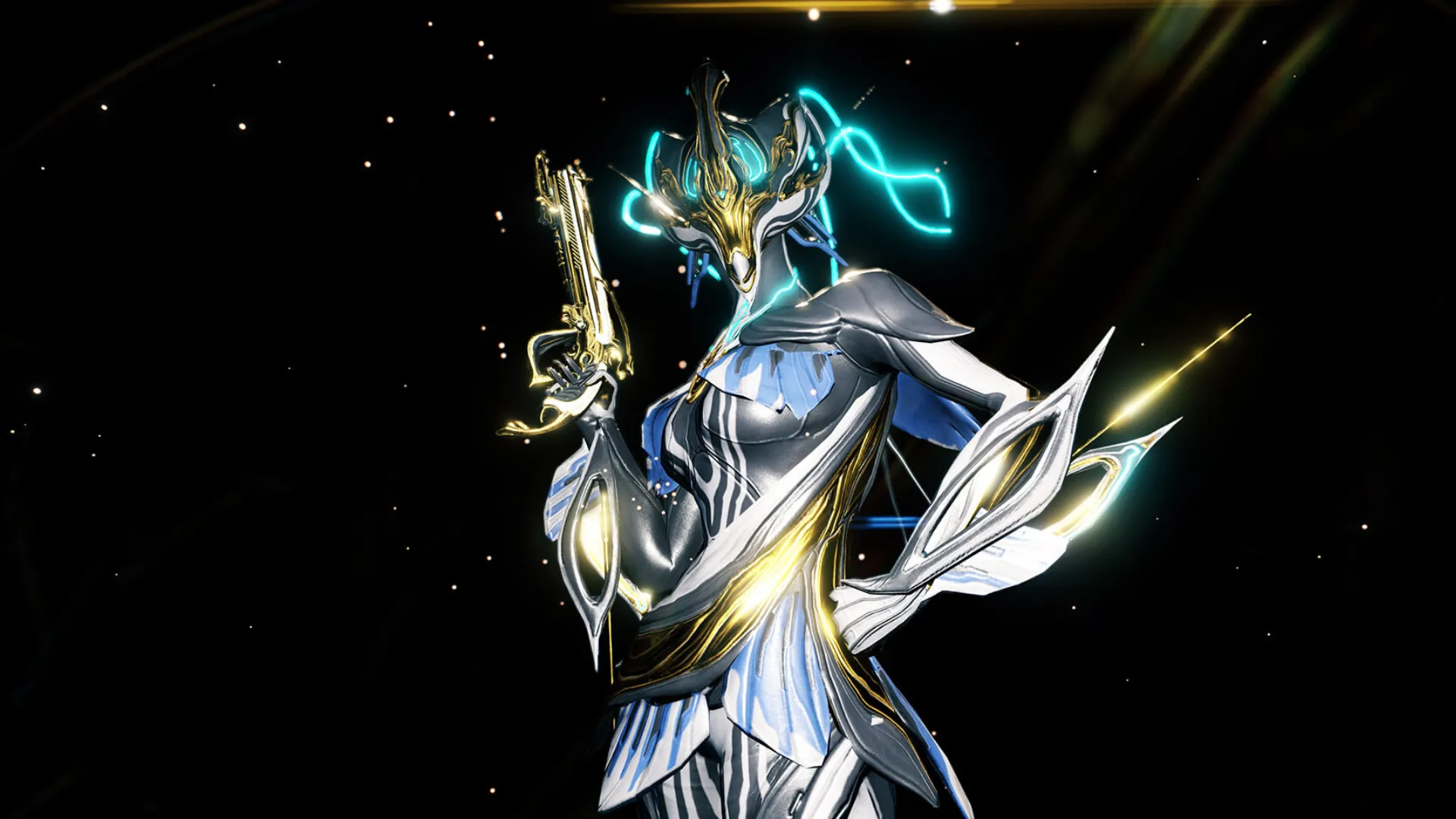
The fall update finally has a name, Iceblade of Narin, and it lands before the big expansion. It brings a new ice-themed Warframe called Narin, a customizable Orokin Vessel to ferry players toward Tau, Citrine Prime, and the announcement most veterans cared about: a full rework for Banshee.
Banshee is an original 2013 frame. She shipped as one of the game's first crowd-control specialists, back when locking down a room was the strongest thing a Warframe could do. Thirteen years of new frames buried her, and she has sat outside any serious loadout for years.
Her first Deluxe Collection since 2016 arrives with the rework, and the mechanical details drop at the September 4 Devstream. Digital Extremes is spending development time repairing an aging system instead of only shipping new ones.
4. Portau plugs a hole in the core loop
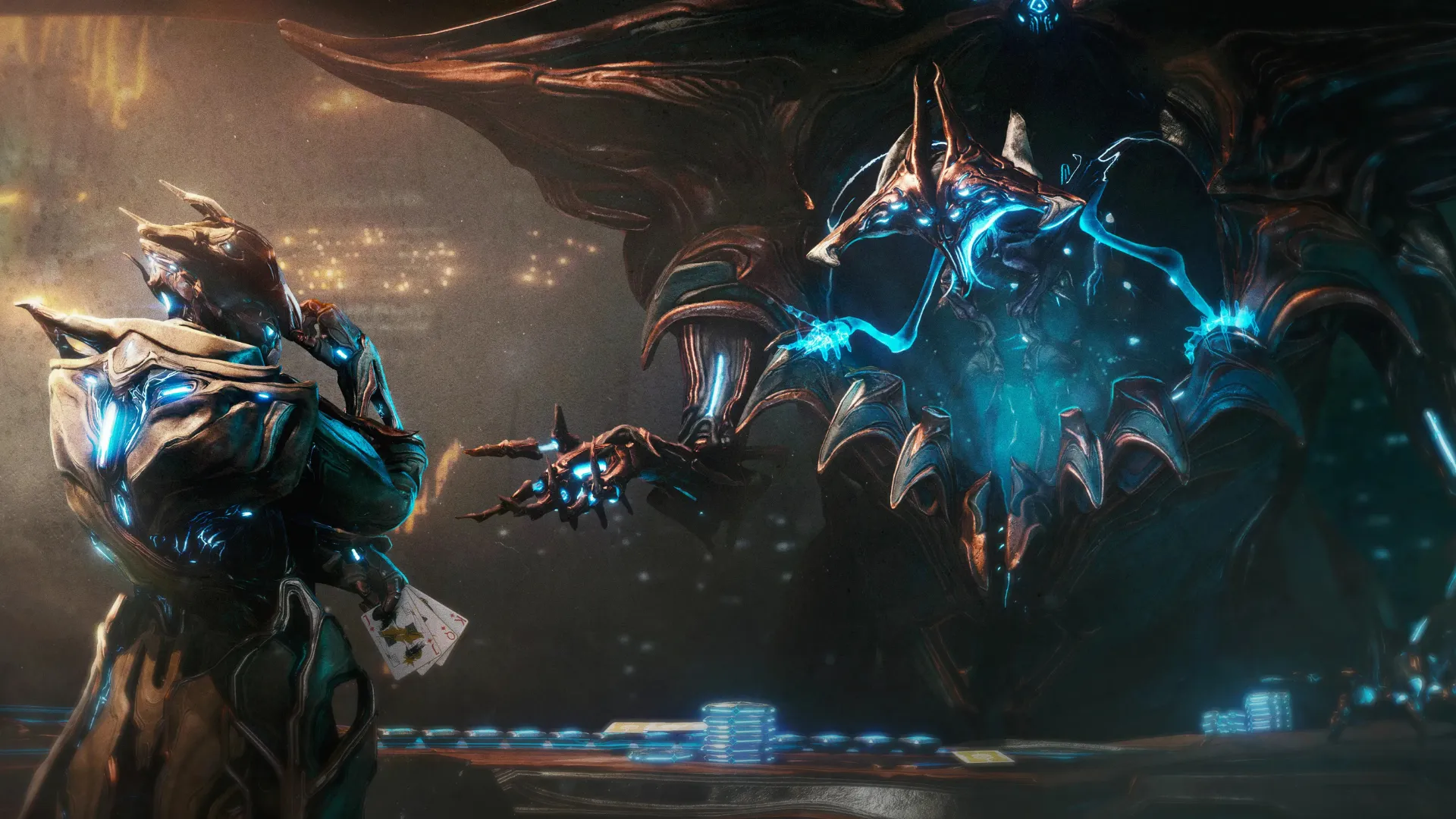
Warframe is getting a real, playable card game for the first time. Portau runs on poker fundamentals stitched to its own suits: Blooms, Cores, Moons and Suns. You sit down and play it at the casino tables inside Fornax.
Warframe historically lacks a social sink. Players currently extract from a mission and immediately queue the next node. Portau gives players a mechanical reason to stay parked in a social hub and actually talk to each other without the next resource farm pulling them away.
For a game whose community is one of its biggest retention tools, that gap has been real for years. A card table is a cheap, smart way to close it.
3. Brysko is built to reset the melee meta
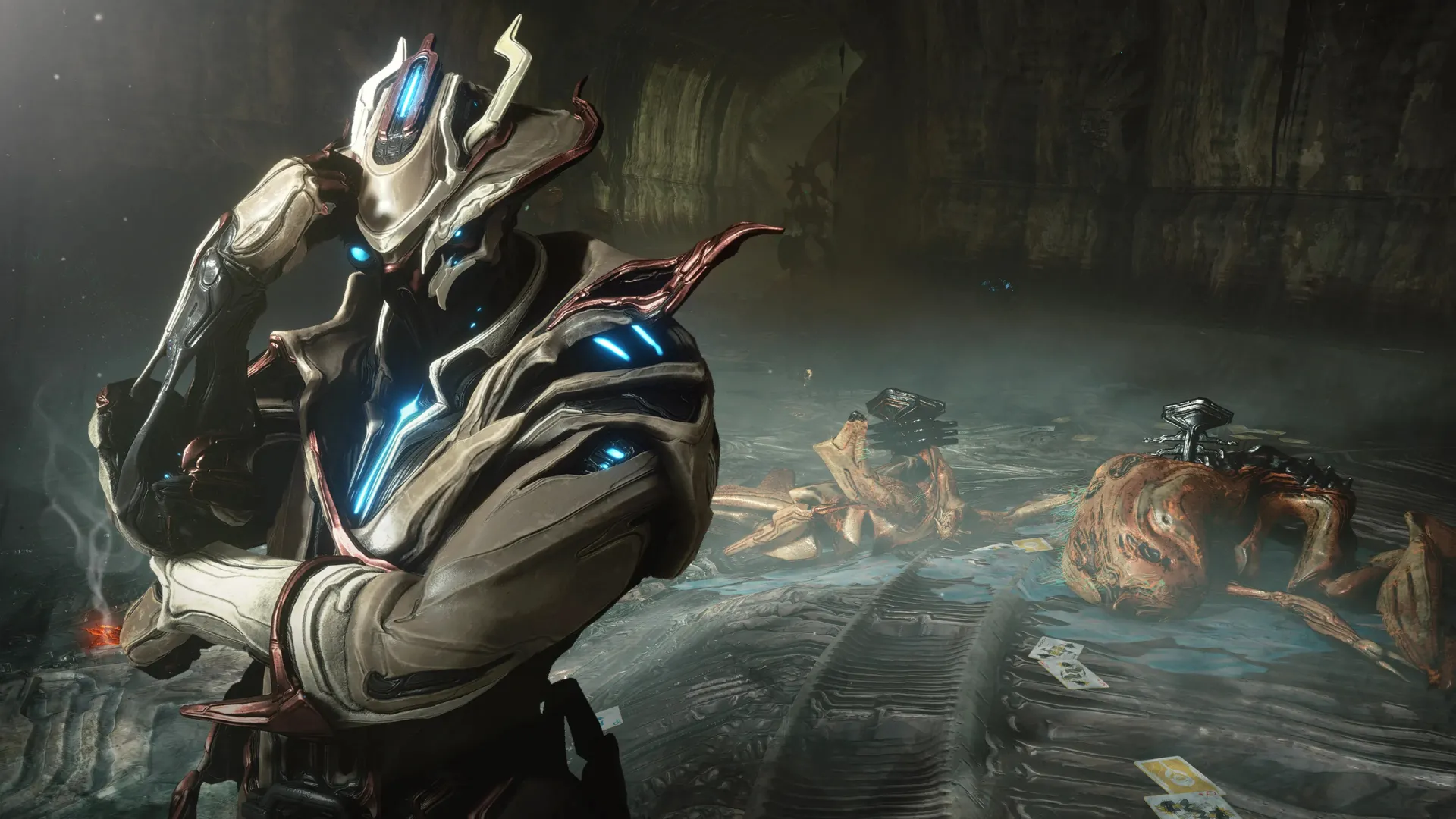
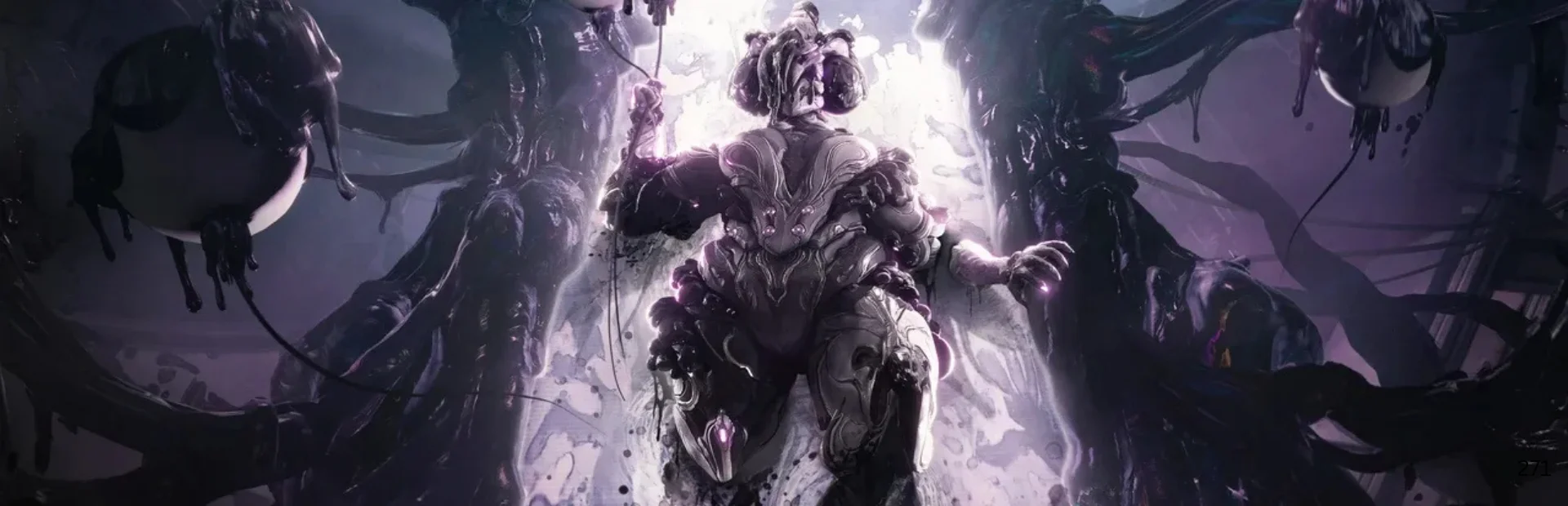
The Tau expansion's signature Warframe is Brysko, a hard-boiled detective who narrates his own missions. He is a Chimeraframe, a fusion of Warframe and Sentient that runs deeper than Caliban, revived by Albrecht Entrati and voiced on the inside by Matthew Mercer. He was built for one job, infiltrating the inner circle of Tau's new boss.
Under the noir styling he is a brawler. His kit leans on close-range punishment: a brass knuckles melee weapon, explosive playing cards, and an Exalted revolver called the Corecracker.
Recent Warframes have been exercises in ability synergy and area-of-effect stacking. Brysko is a blunt, single-target aggressor. For players tired of juggling cooldown rotations, he is a deliberate reset toward simple, forward pressure.
2. Soulframe opens its doors and keeps them open
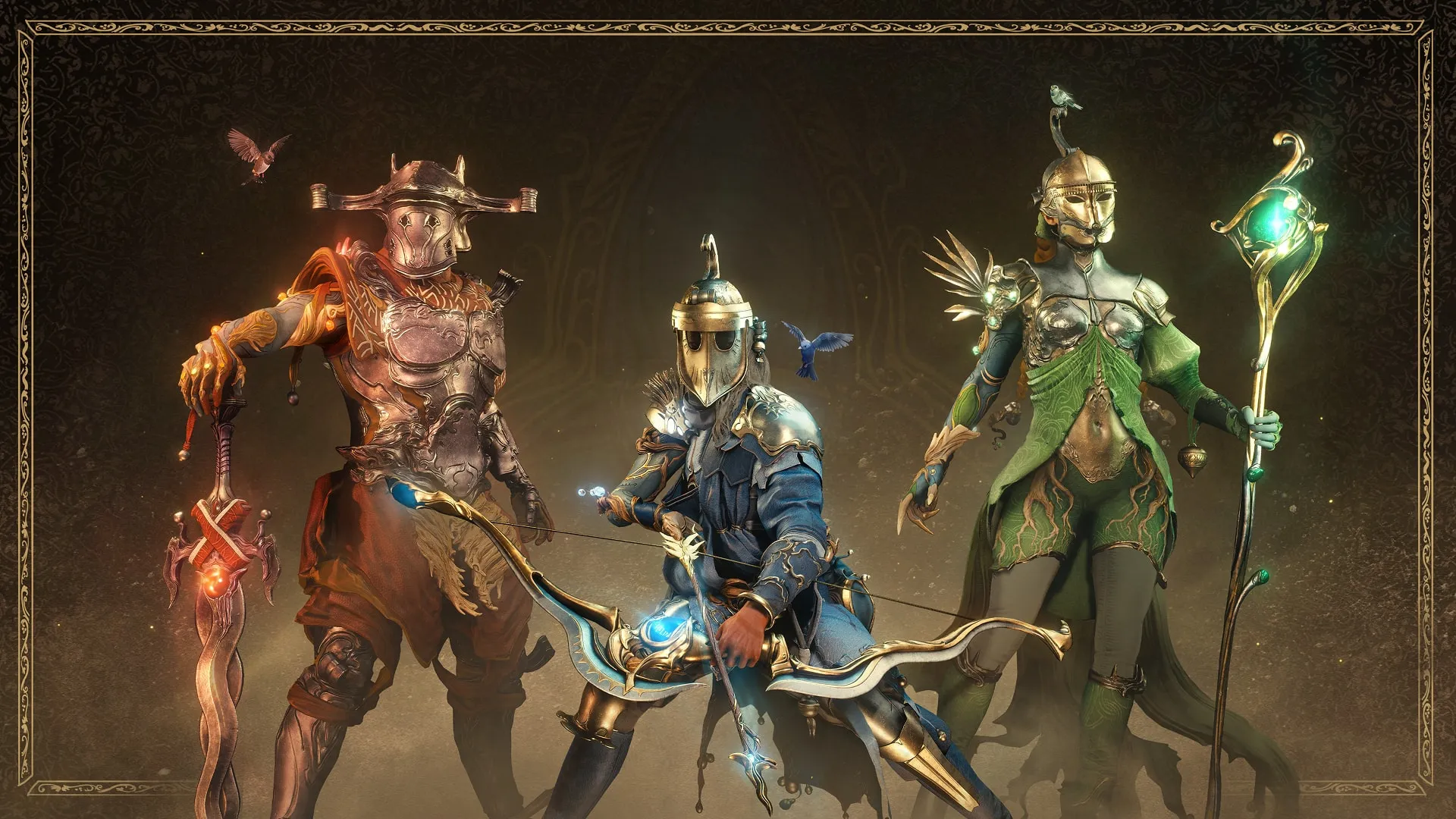
During the show, Digital Extremes widened access to Soulframe Preludes to everyone. Anyone who registered on the official site before July 12 secured permanent entry to the early-access build, the largest intake yet. Alongside it the studio showed off mounts, a fishing system, a new Warsongs questline, and Soulframe's first corruption powers through the Vadagar Pact.
This is a strategic tell. Digital Extremes is choosing to build its second game in the open, next to an active player base, rather than behind a wall until launch.
That only works if the foundation can take the weight. Handing continuous access to a growing crowd is the studio saying Soulframe's slower, deliberate combat is stable enough for constant stress testing and feedback. It is the opposite of a controlled hype cycle.
1. Warframe finally leaves the Origin System
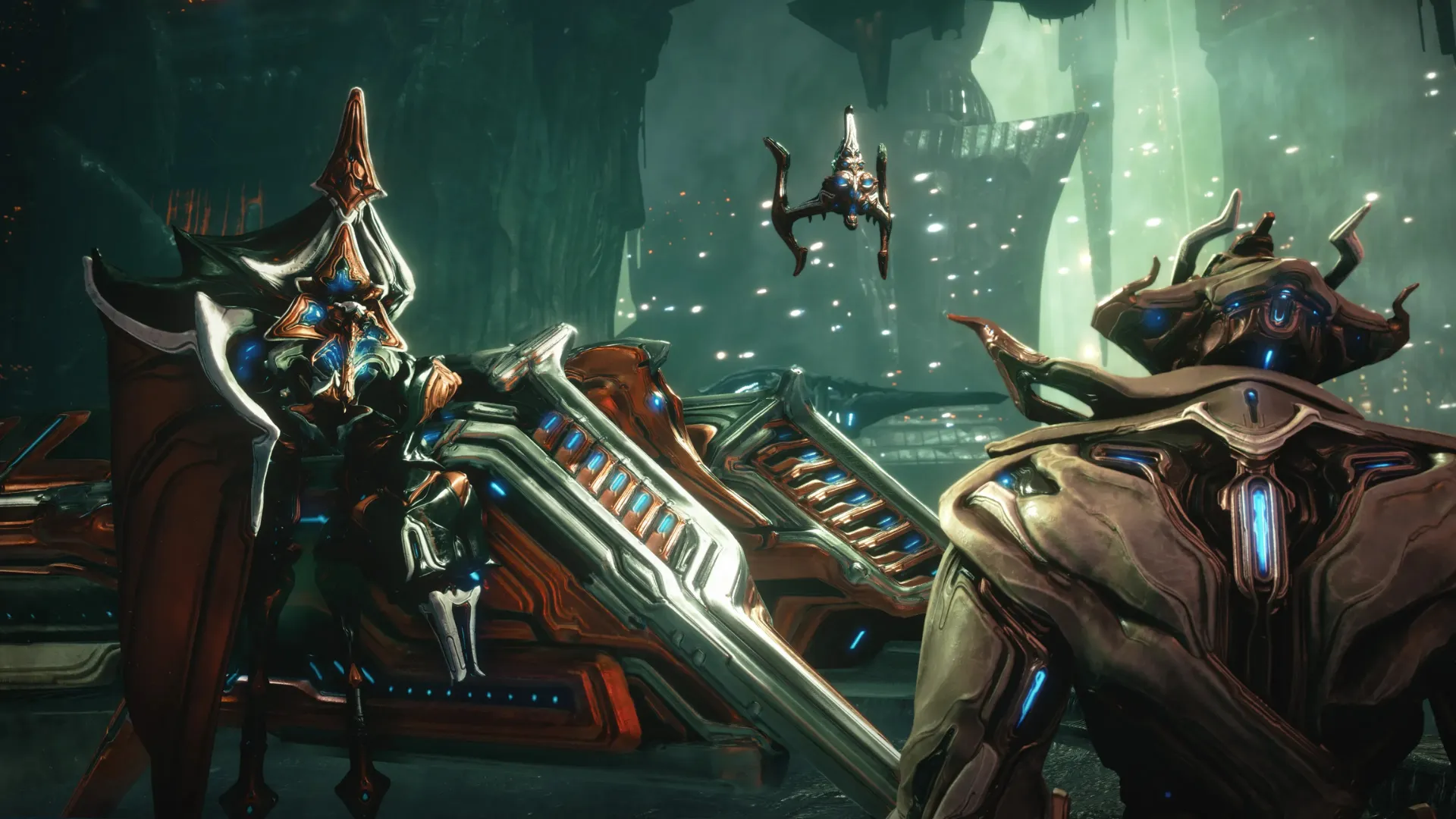
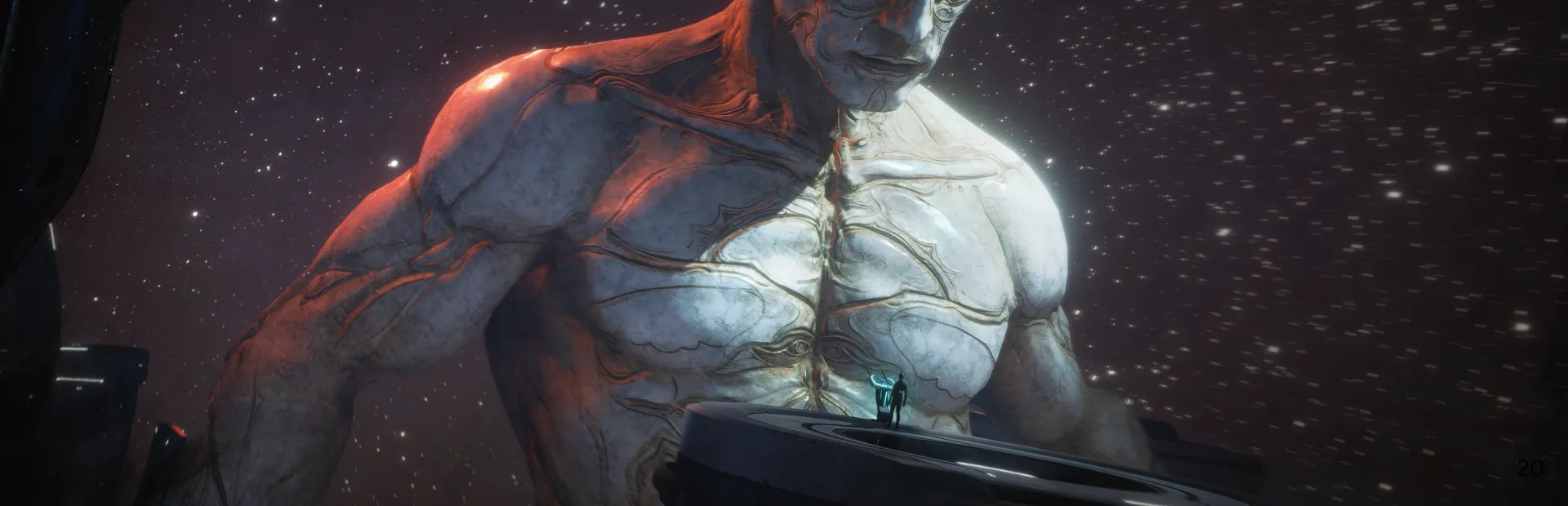
For the first time in thirteen years, players are stepping outside the Origin System. Warframe: Tau opens a second solar system built around Fornax, a collapsed Sentient ring city of high-end casinos, grimy docks and slums. Waiting there is a deadlier evolved Sentient faction, the Fornax Drowners, and a new boss, The Hunra.
Creative director Rebecca Ford called it "the biggest shift for Warframe ever," and for once that is not marketing. A whole new star chart lets Digital Extremes rebuild content pacing from scratch instead of stacking more onto an aging map.
New enemy archetypes outside the familiar solar system will force a rethink of the faction-specific damage math that end-game builds have leaned on for a decade. Tau launches free on all platforms later this year, with more of the system still to be shown before release.
The foundation, not the cash grab
Read the whole slate together and a strategy comes into focus. A rework for a forgotten frame. A social mini-game that rewards standing still. Open early access to an unfinished game. And a second solar system the studio openly frames as a way to keep Warframe running forever.
Every headline points at retention: systems and content designed to give players a reason to stay for the next decade rather than a reason to spend this week. Whether Tau lands cleanly is a question for the fall, since Digital Extremes gave it only a loose late-2026 window. But the direction is unusually patient for a live-service studio. Digital Extremes is building the exact infrastructure required to sustain both games through the next decade.
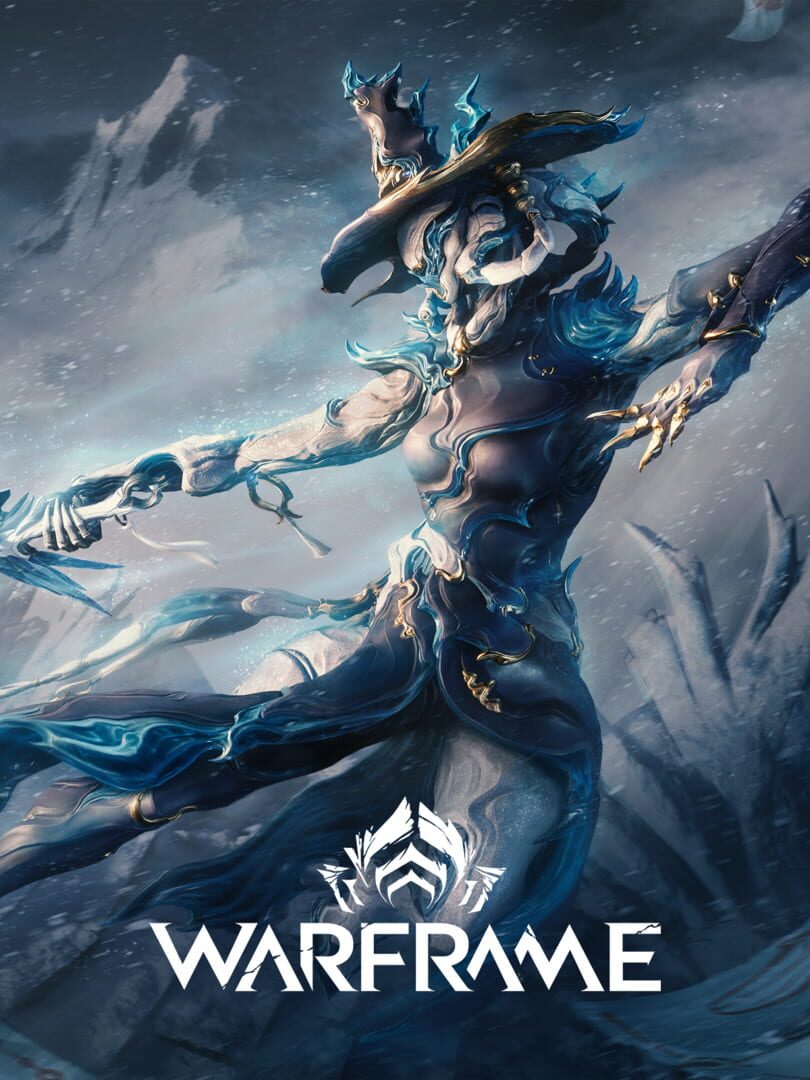
Warframe situates players as members of the Tenno race, newly awoken after years of cryo-sleep into a solar system at war. Reborn into a corrupt era, the Tenno are sought by the oppressive Grineer Empire for annihilation. Warframe armor is the key to overthrowing the Grineer by p
Released
March 25, 2013
Developer
Digital Extremes
Publisher
Digital Extremes
Systems


Tagged In
WarframeTennocon 2026Digital Extremes
Discussion
0We want to hear from you. Share your perspective in the comments below, and please keep the conversation respectful.
Log in to join the discussion - vote, reply, and share your take.
Log In