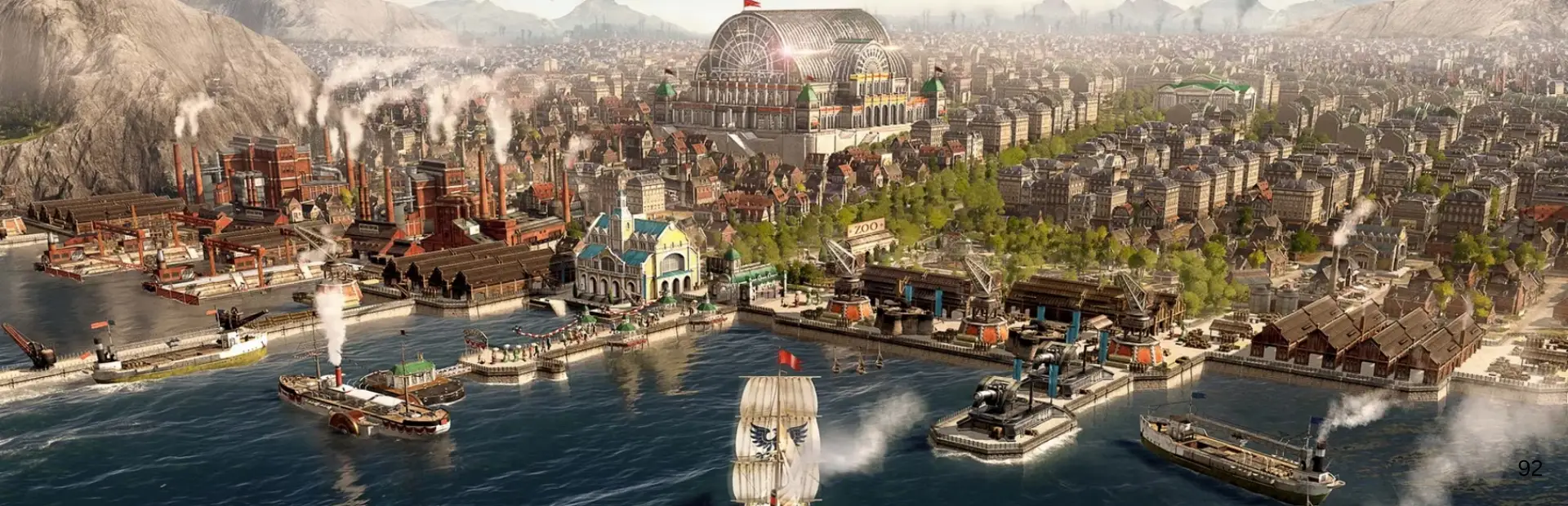
The 10 best city builders for losing entire weekends
From industrial empires and Roman provinces to rain-soaked settlements that were never meant to last, these games make every road, warehouse and housing shortage feel important.
The first few buildings are rarely the problem. A road reaches the houses, workers have somewhere to live and the nearest forest provides enough timber to keep construction moving. Then the population grows, carts begin blocking an intersection and the bakery stops producing bread because somebody built the flour warehouse on the wrong side of town. Good city builders turn that slow accumulation of small decisions into an obsession.
This list covers several branches of the genre. Some entries offer open-ended urban planning, while others focus on survival, production chains or political control. What connects them is the pleasure of watching a settlement develop its own rhythm—and the panic of discovering that rhythm depends on one badly placed bridge.
10. Foundation
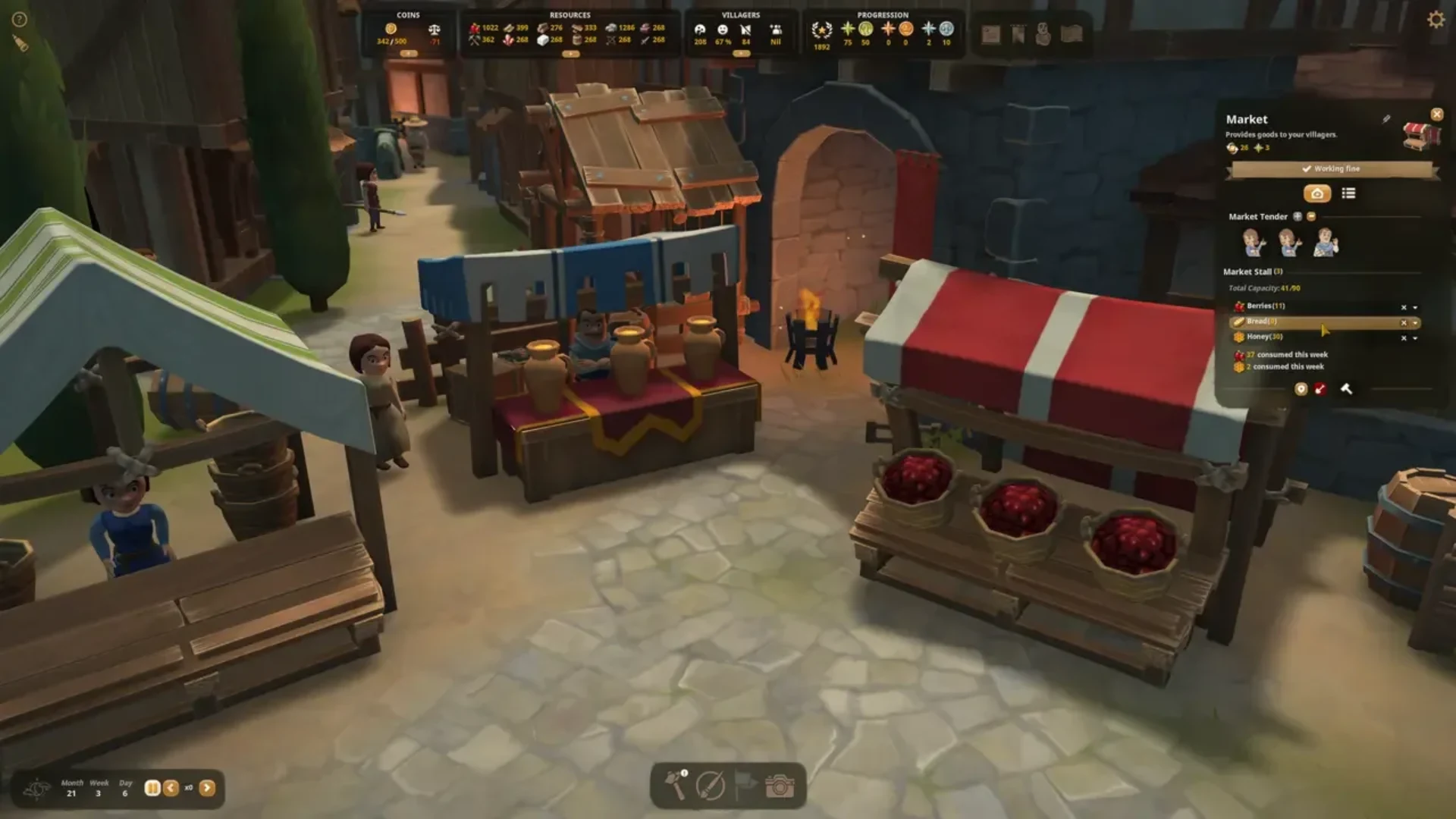
Foundation lets medieval towns grow without forcing every house and pathway onto a rigid grid. Villagers walk between workplaces, markets and homes, gradually wearing natural routes into the landscape. Residential areas expand according to demand, so a settlement often looks as though it developed over decades rather than appearing fully planned on graph paper.
The trade-off is a reduced sense of direct control. Workers sometimes make baffling choices, logistics can be difficult to diagnose and a pretty village may hide several inefficient journeys. Its 1.0 release strengthened the progression and building systems after six years in early access, but the main attraction remains the same: creating a town whose crooked streets feel discovered rather than placed.
9. Timberborn
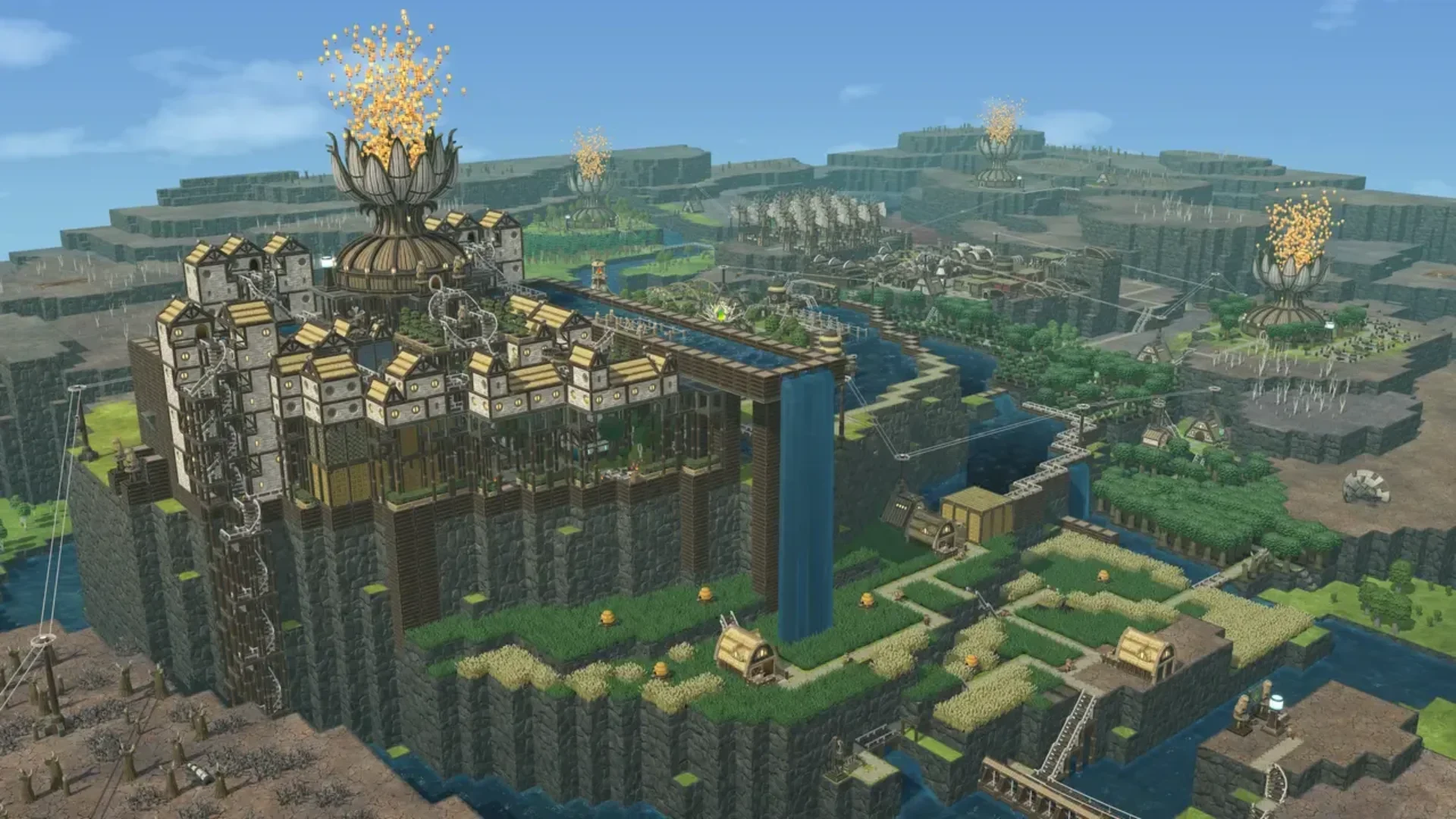
Beavers have inherited a dry, ruined world in Timberborn, and they are considerably better at civil engineering than the humans who left it behind. Rivers must be controlled with dams, reservoirs and floodgates before the dry season arrives. A settlement that looks healthy beside a flowing river can become a field of dead crops once the water disappears.
Vertical construction lets homes, warehouses and workshops climb above one another, producing dense wooden towns wrapped around cliffs and artificial lakes. The 1.0 release expanded that engineering puzzle with automation tools, allowing weather stations, sensors and programmable structures to control parts of the water network.
The beaver premise is charming, but the real pleasure comes from reshaping the landscape until drought becomes an inconvenience instead of a catastrophe.
8. Farthest Frontier
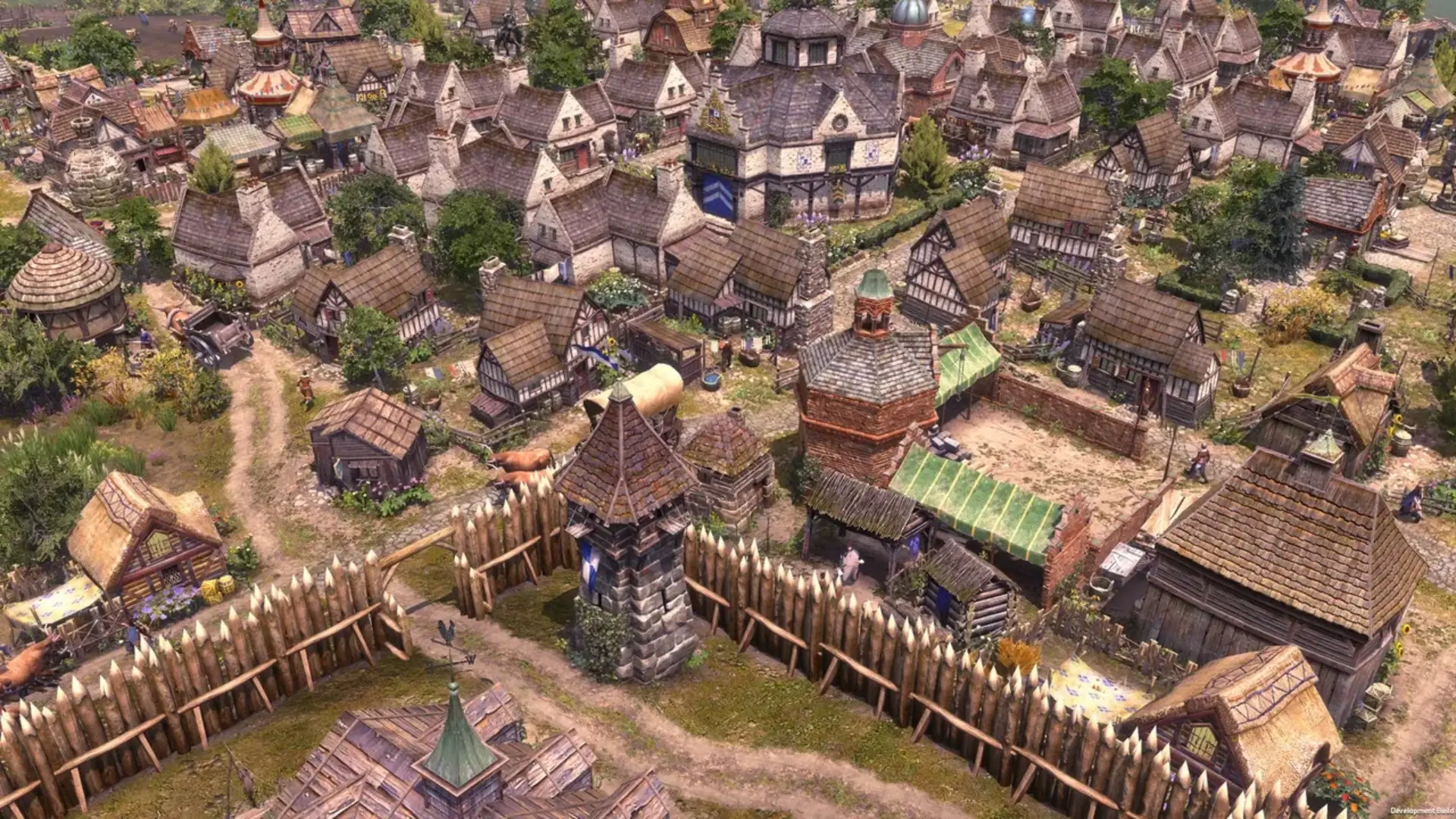
Early life in Farthest Frontier is dictated by priorities. Settlers need food before winter, but crops take time. Timber can become new homes, firewood or planks required by a more advanced building. One bear wandering into town can temporarily reduce the entire economic plan to finding enough armed villagers to chase it away.
Its farming and production systems become much deeper as the settlement develops. Crop rotation affects soil quality, food can spoil before reaching storage and larger industries require goods to move physically across town. The opening years can be slow, while a stable late-game economy occasionally leaves too little to worry about. Between those points is an excellent survival city builder where each town develops around whatever the map happens to provide.
7. Manor Lords
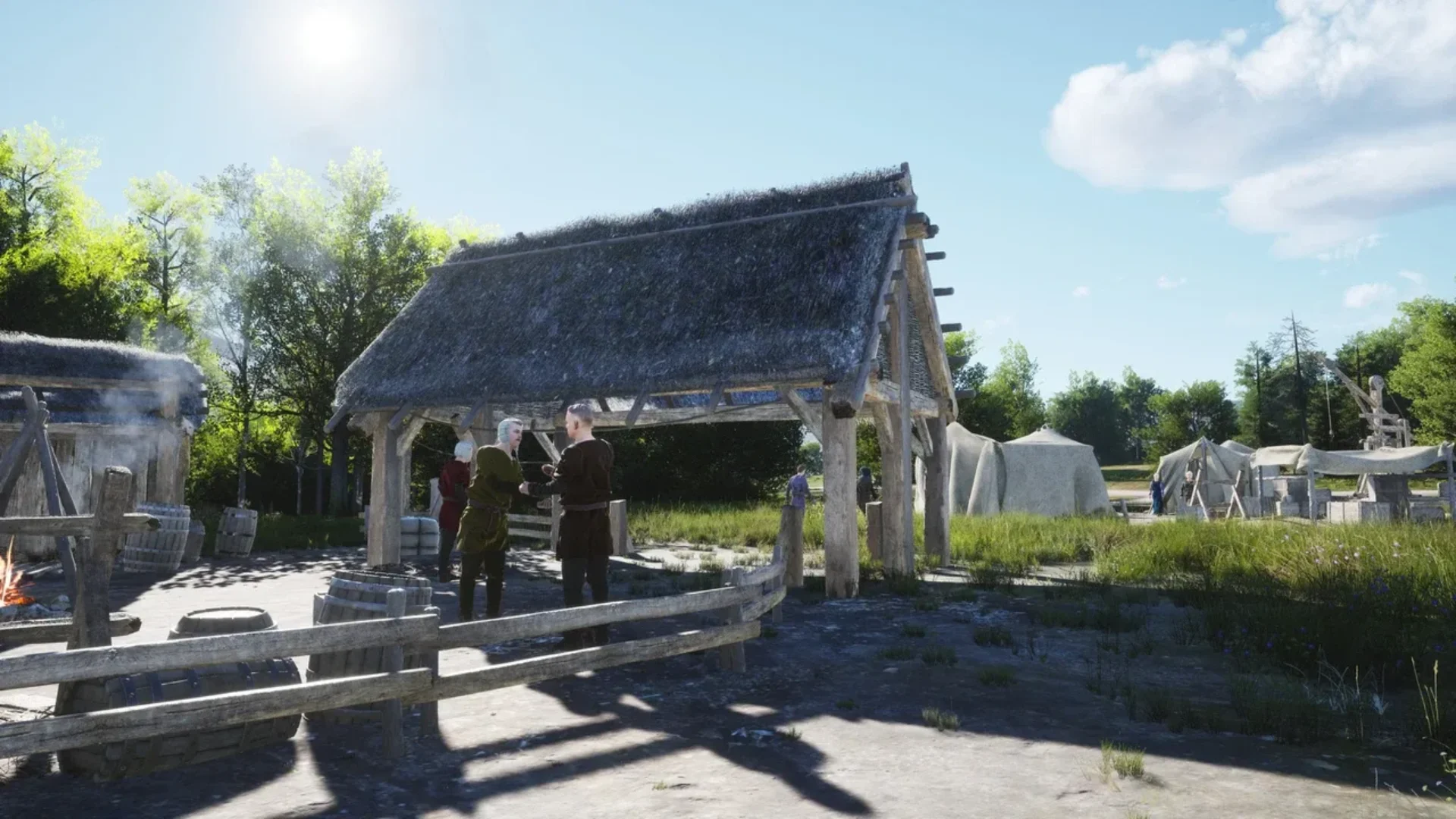
Few city builders make an ordinary medieval village look as convincing as Manor Lords. Families work garden plots behind their homes, oxen drag timber through muddy streets and fields follow the curves of the land instead of snapping into perfect rectangles. The result is a settlement that appears inhabited even before it becomes economically complicated.
Burgage plots are its smartest idea. Housing parcels can be drawn in different shapes and expanded with workshops, vegetable gardens or animal pens, turning each part of town into a small productive unit. Battles and regional expansion add strategy beyond the village boundary, although development remains ongoing and its systems are still being reworked during early access. Even unfinished, its combination of freeform construction and visible daily labor gives medieval town planning unusual physical detail.
6. Frostpunk 2
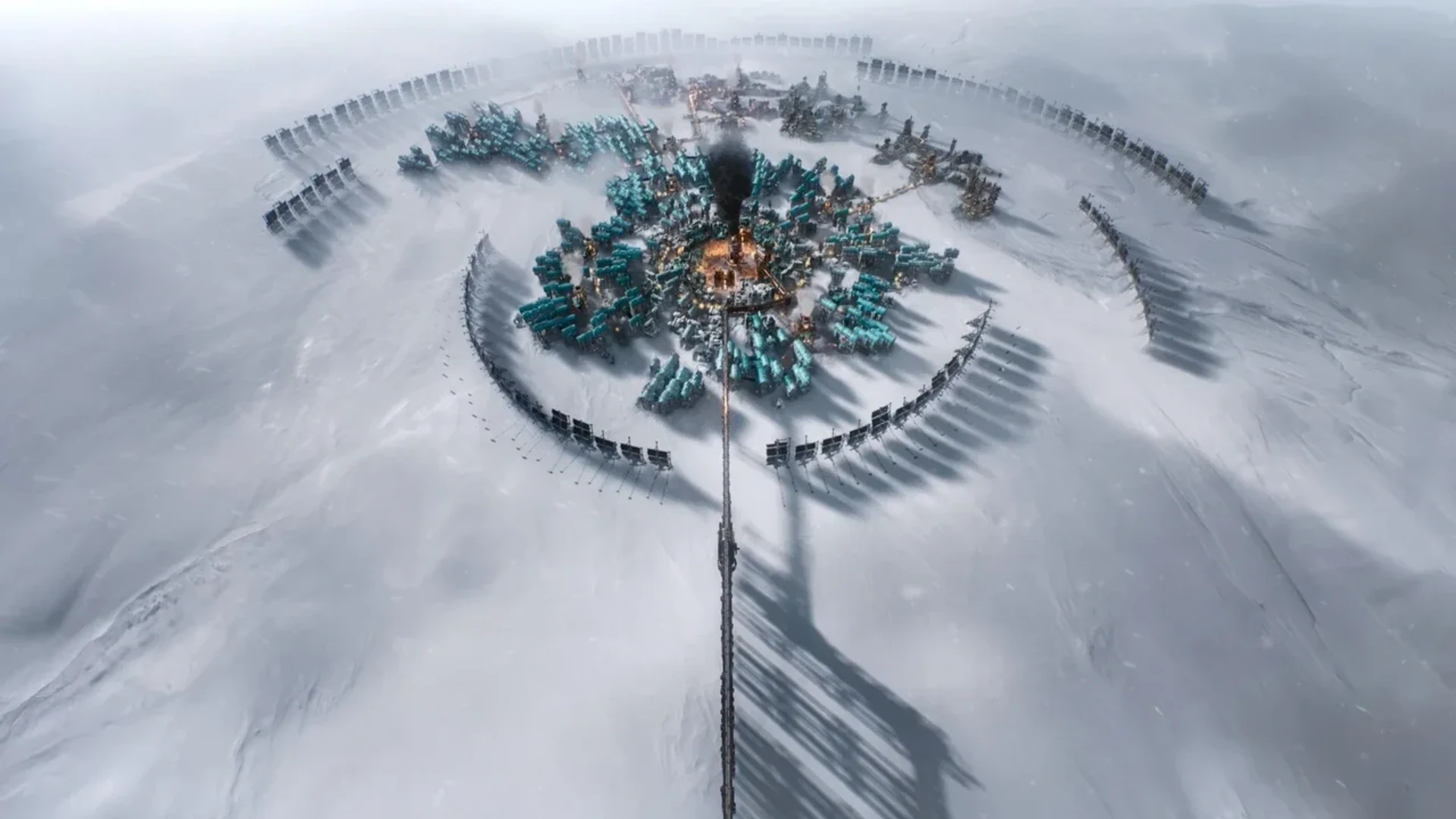
Frostpunk 2 begins after humanity has already learned how to survive the cold. The greater threat is deciding what kind of society should inherit that survival. Instead of placing individual buildings around one generator, the sequel divides the city into large districts and asks the player to manage factions with incompatible ideas about progress, tradition and sacrifice.
The council chamber is where the city's real shape emerges. Laws require negotiation, promises create future problems and a temporary alliance with one faction can push another toward open resistance. Moving to a larger scale makes the streets feel less personal than they did in the original Frostpunk, but it creates a much stronger political simulation. A shortage is never merely a missing resource; it becomes ammunition for every group that believes it should be running the city instead.

5. Workers & Resources: Soviet Republic
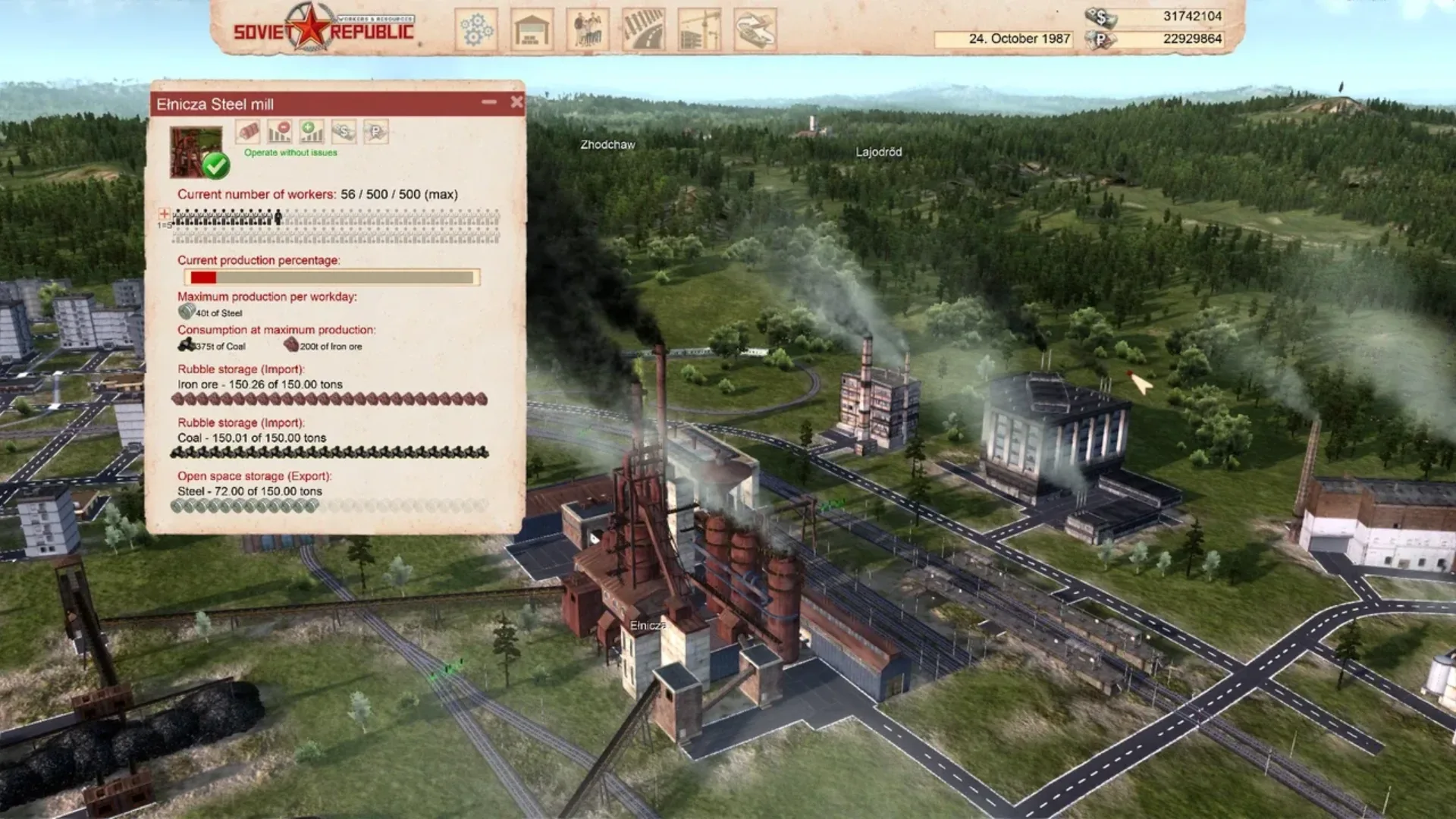
Most city builders allow construction to happen as soon as the player can afford it. Workers & Resources: Soviet Republic asks who will manufacture the concrete, which truck will deliver it and whether there are enough workers available to operate the machinery when it arrives.
Running a self-sufficient republic means controlling almost every step of its economy. Citizens need public transport to reach factories, fuel has to move through storage networks and new infrastructure may require an entire domestic construction industry. Realistic mode can feel less like playing mayor and more like managing a national logistics department during a permanent emergency.
That complexity makes it one of the least approachable games here, but also one of the most rewarding. A functioning railway or heating network is satisfying because every vehicle, worker and ton of material has a visible place within it. The full 1.0 release arrived after more than five years of early-access development, leaving an unusually complete simulation for players willing to learn its dense systems.
4. Against the Storm
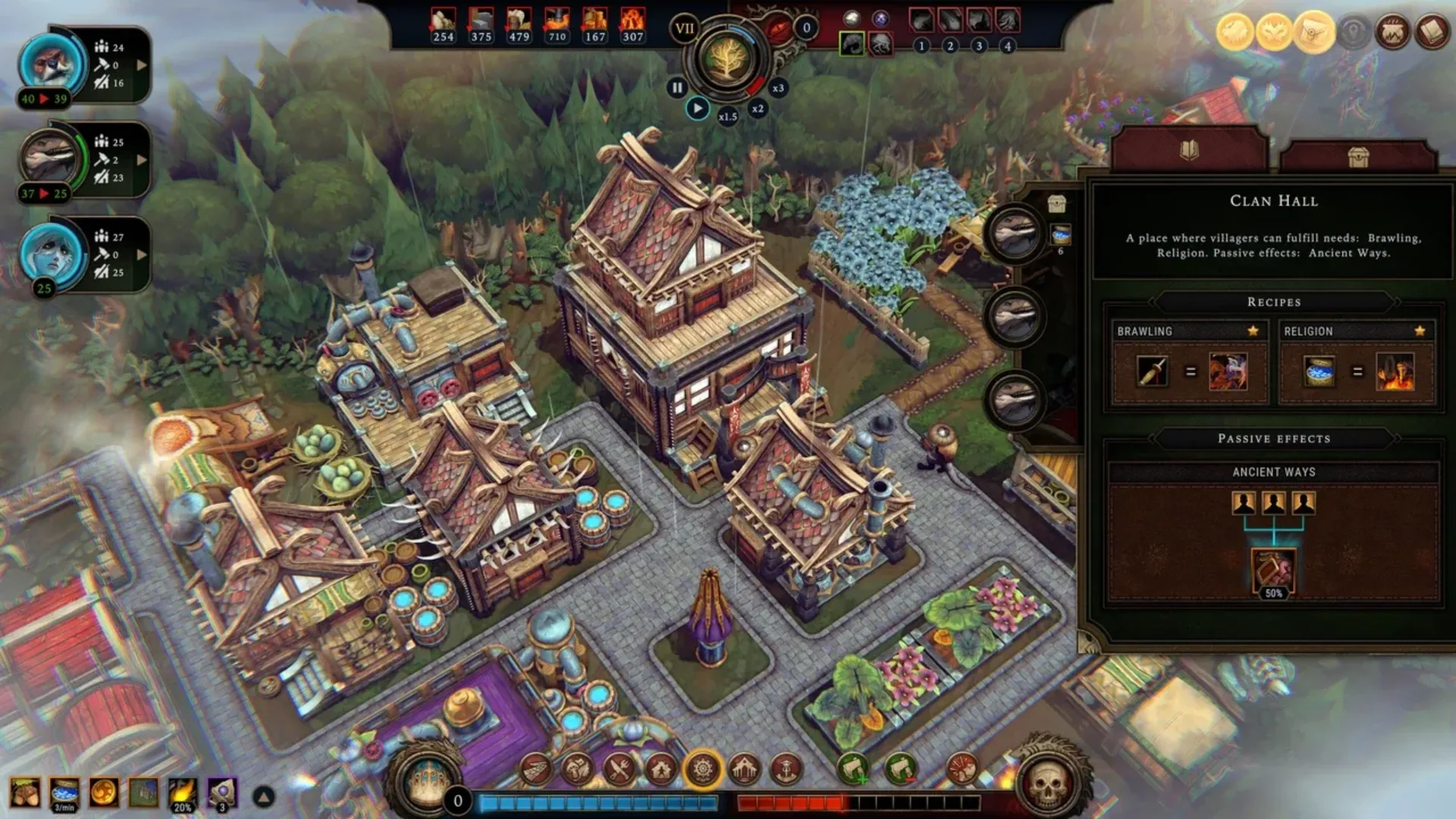
Cities are temporary in Against the Storm. Each settlement is built to fulfil a series of objectives before the magical storm becomes unbearable or the queen loses patience. Victory means abandoning the town and travelling deeper into the wilderness to begin again with different resources, species and building options.
That roguelike structure fixes one of the genre's oldest problems: the point where a successful city becomes so stable that there is nothing interesting left to solve. Against the Storm ends each run before routine takes over. Random blueprints force production chains to develop differently, while humans, beavers, lizards and the other species all bring needs that do not fit neatly together.
The permanent upgrades between expeditions provide direction without removing the improvisation. One settlement may become a thriving brewing operation; the next might survive by producing tools or opening dangerous forest clearings at exactly the wrong moment. It is less about designing one perfect city than proving you can build a functioning one from whatever the storm leaves behind.
3. Anno 117: Pax Romana
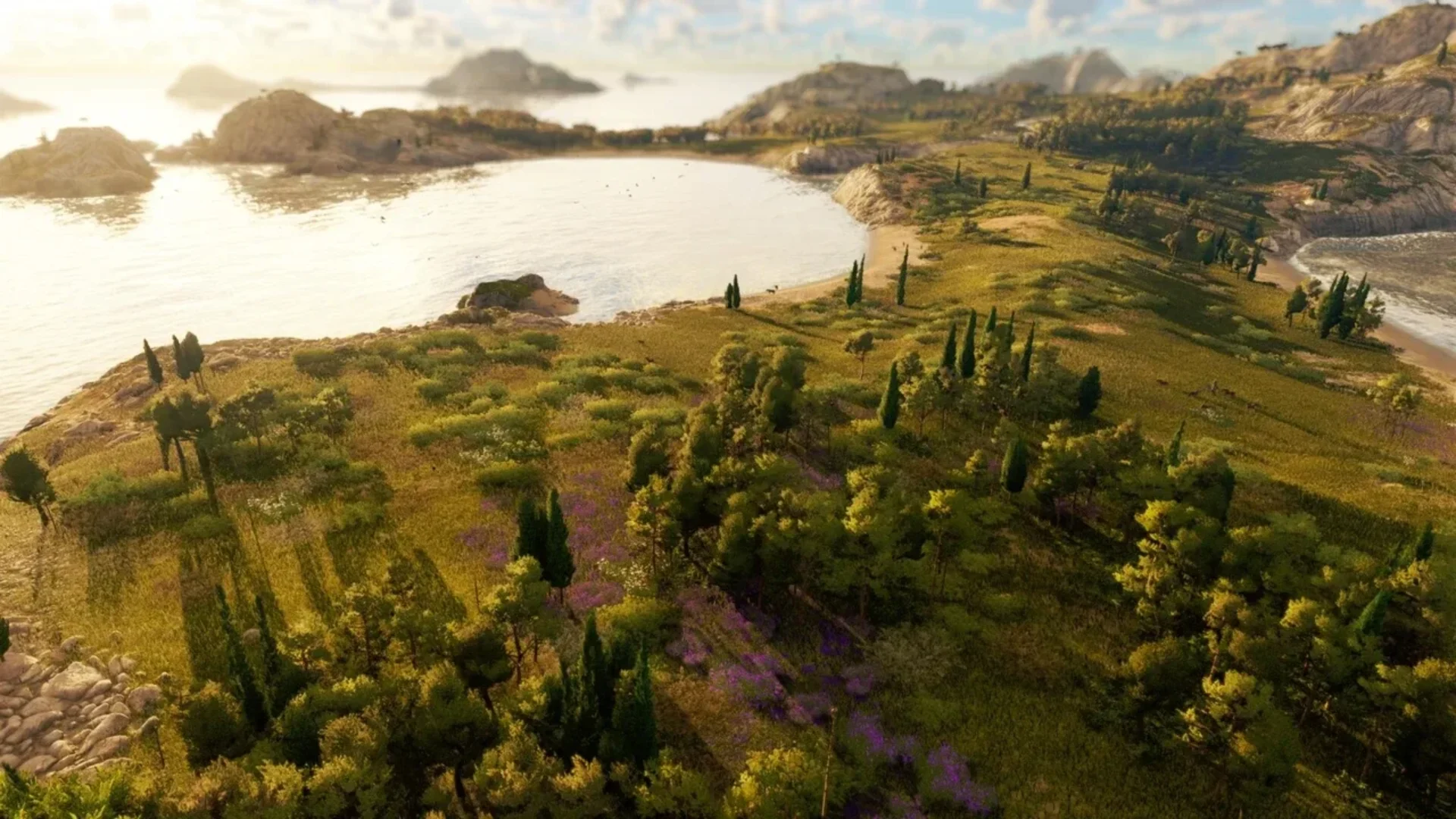
Anno 117: Pax Romana gives the series' production-chain obsession a Roman setting filled with roads, temples, regional politics and increasingly demanding citizens. A modest settlement begins with basic food and clothing, then grows into an imperial city whose population expects imported goods from several connected provinces.
The building process is more welcoming than the intimidating scale suggests. Production menus clearly show which structures belong together, while the campaign uses characters and political choices to introduce its systems. The cities are also beautiful in motion, with crowded streets and harbors giving every new trade route a visible purpose.
It can be surprisingly forgiving, and players looking for constant disaster may find its early development too gentle. That accessibility makes it an excellent entry point, though, while later supply chains still provide the elaborate logistical puzzles expected from Anno. The Roman setting is not merely decoration; different regions support different resources, beliefs and approaches to governing the empire.
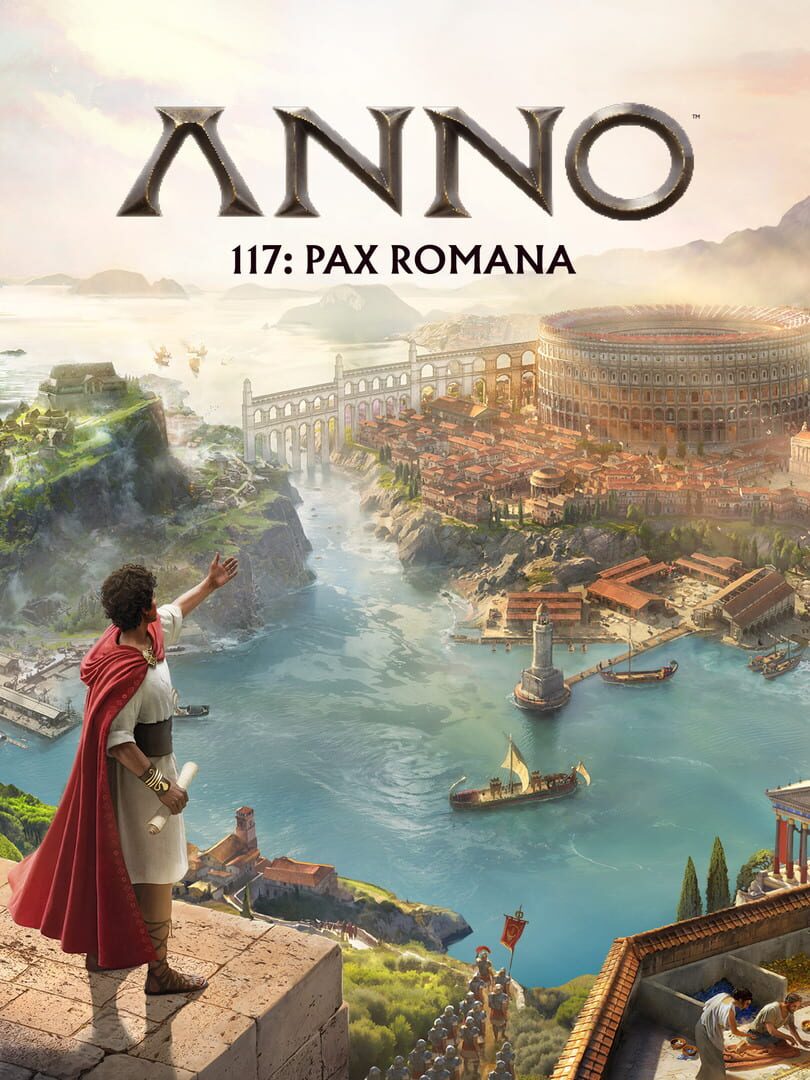
In the latest instalment of the award-winning Anno strategy franchise, it’s your destiny to shape the Roman Empire in the year 117 AD. As governor, will you encourage economic growth or expand your rule through dominance? Lead with rebellion or unite a diverse culture? The cost o
Released
November 13, 2025
Developer
Ubisoft Blue Byte
Publisher
Ubisoft Entertainment


2. Cities: Skylines
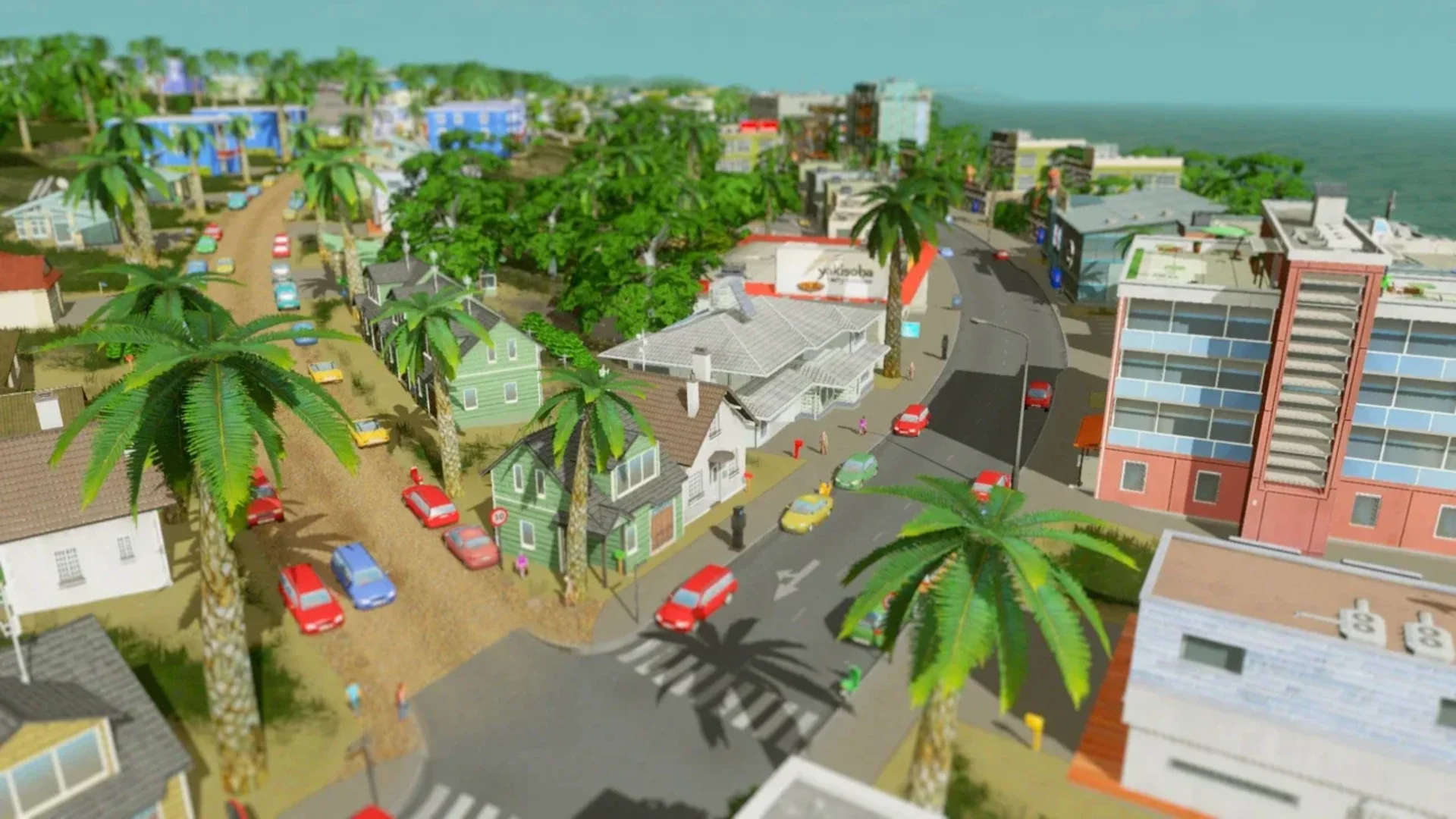
A decade after release, the original Cities: Skylines remains the cleanest answer for anyone who wants to design a modern city from the road network upward. Zoning is simple enough to understand immediately, but traffic, public transport, pollution and service coverage create problems that expand alongside the population.
Its best moments come when the simulation exposes a flaw in the plan. A new residential district overwhelms the nearest junction. Industrial traffic blocks emergency vehicles. A metro line fixes one neighborhood while moving congestion somewhere else. Each solution changes the city rather than simply removing a warning icon.
Years of expansions and community mods have given it an enormous range of roads, buildings and planning tools. That abundance can make the complete game expensive and overwhelming, but it also means almost any urban idea can be attempted. Its troubled sequel has improved since launch, yet the original remains the more dependable sandbox for turning empty land into a city with problems entirely of your own design.
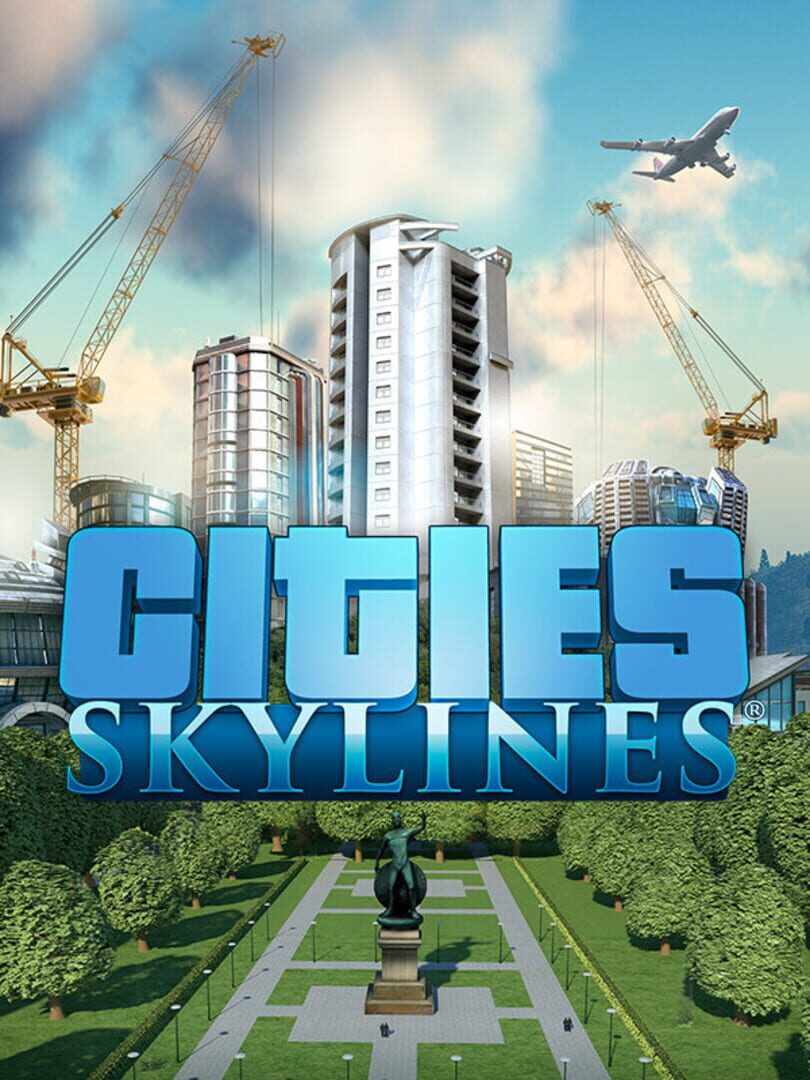
Cities: Skylines is a single-player city-building simulation game. Players manage all aspects of a growing city including zoning residential, commercial, and industrial areas, constructing infrastructure such as roads, public transit, and utilities, and balancing budgets through
Released
March 10, 2015
Developer
Colossal Order
Publisher
Paradox Interactive
1. Anno 1800
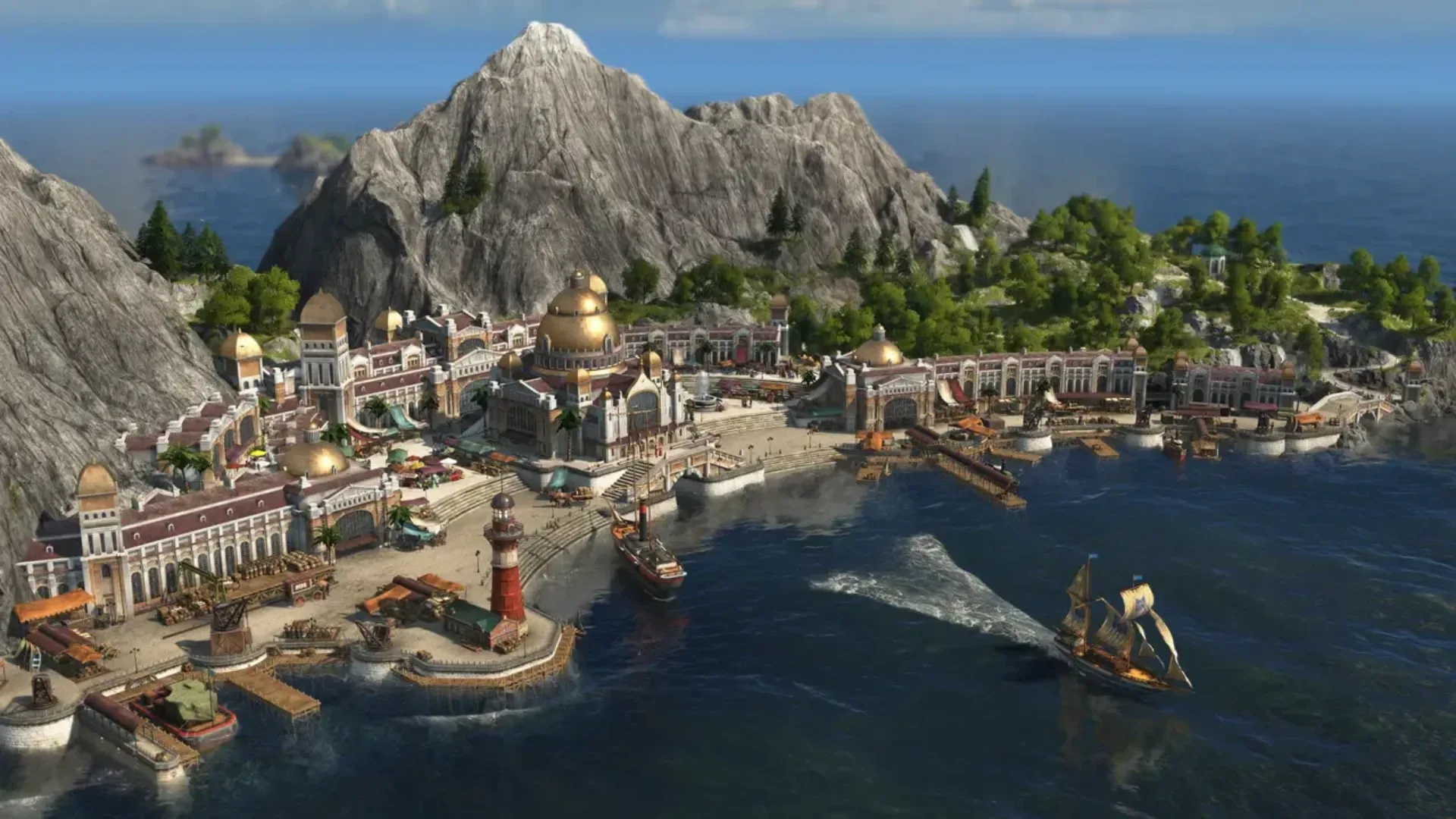
Anno 1800 begins with farmers asking for fish and work clothes. It ends with steamships crossing between continents, factories feeding department stores and several islands depending on a trade network that can collapse because one harbor ran out of coffee.
Its production chains are demanding without becoming unreadable. Every new population tier introduces goods that require more land, specialized workers and resources from other regions. Expanding therefore creates problems rather than simply providing more space. A beautiful capital may depend on farms spread across another island and plantations operating on the other side of the world.
The constant movement of goods gives every part of the city a purpose. Ships carry materials into crowded ports, warehouses struggle with demand and factories create pollution that wealthy residents would prefer not to see from their windows. Trade, exploration and optional conflict expand the scale without distracting from the central pleasure of watching raw materials become products and products become a functioning society.
Its many expansions can turn an already large game into something almost intimidating, but the underlying design remains remarkably clear. Anno 1800 makes building an industrial empire feel both grand and fragile, with every ornate boulevard resting on a supply chain that somebody still needs to keep running.
Tagged In
Discussion
0We want to hear from you. Share your perspective in the comments below, and please keep the conversation respectful.
Log in to join the discussion - vote, reply, and share your take.
Log In