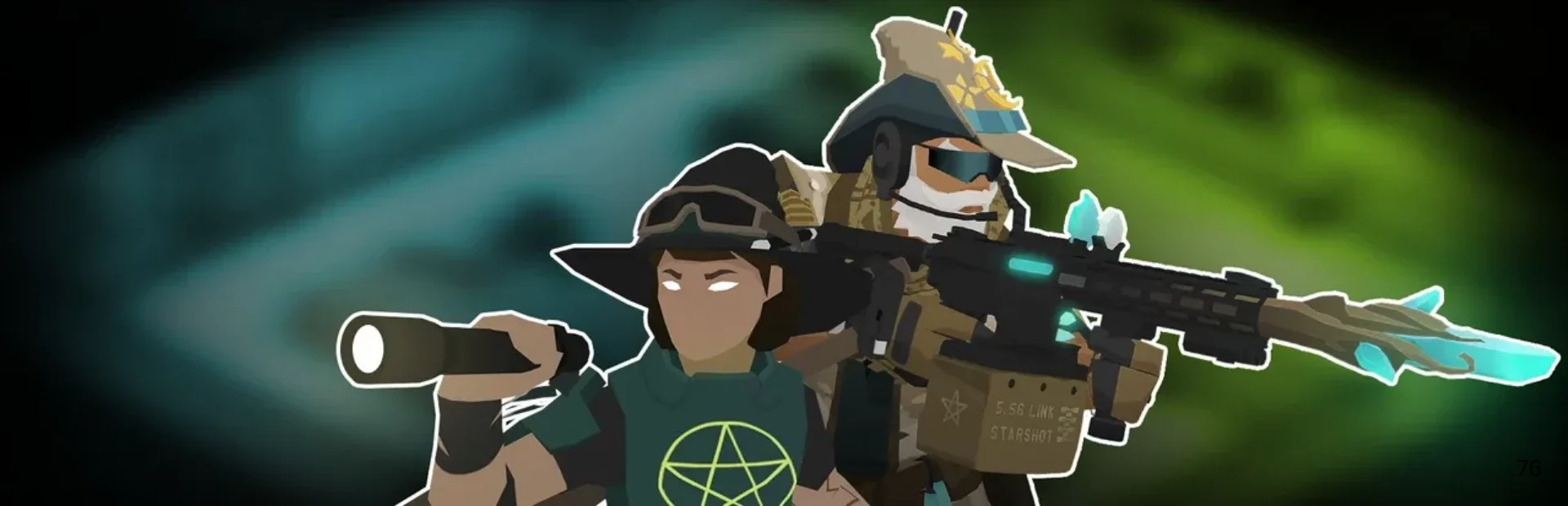
9 turn-based strategy games that make every move count
These games give you all the time in the world to make a decision, and plenty of ways to regret it.
Turn-based strategy removes the pressure of acting quickly, but it rarely makes the decisions easier. A soldier can be moved one tile too far, a city can spend decades producing the wrong wonder, and a promising campaign can unravel because the resources needed next turn were spent solving the problem in front of you.
This list covers both battlefield tactics and larger empire-building games. Strategy RPGs qualify when positioning, unit development and long-term consequences remain more important than grinding levels, while traditional RPGs with ordinary turn-based combat stay elsewhere. The games below reward patience, experimentation and the ability to recover when a plan survives exactly one enemy action.
9. Tactical Breach Wizards
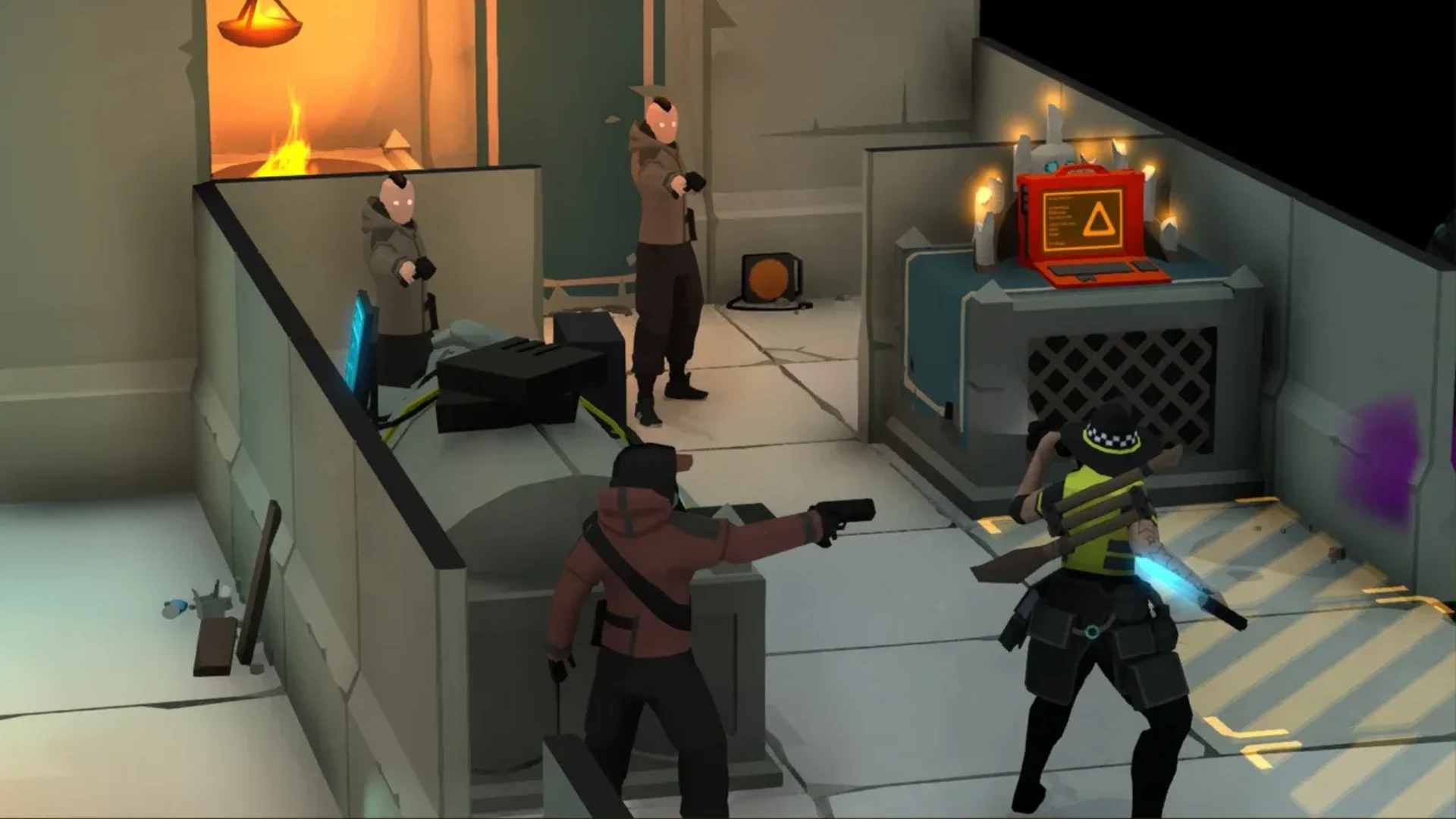
Tactical Breach Wizards treats every room like a small puzzle built around doors, windows and heavily armed people standing in exactly the wrong place. Its squad includes a storm witch with a rifle, a clairvoyant operative and a necromedic capable of reviving allies, but the most useful power is often the ability to push somebody through a window.
Enemy intentions are visible before the turn is committed, and most actions can be rewound while testing a solution. That removes the fear of experimentation without making the missions trivial. A single move can trigger several knockbacks, ricochets and character abilities, turning an ordinary breach into a carefully arranged chain reaction. The campaign is more guided than the open systems of larger tactics games, but its compact encounters rarely waste a turn.
8. Old World
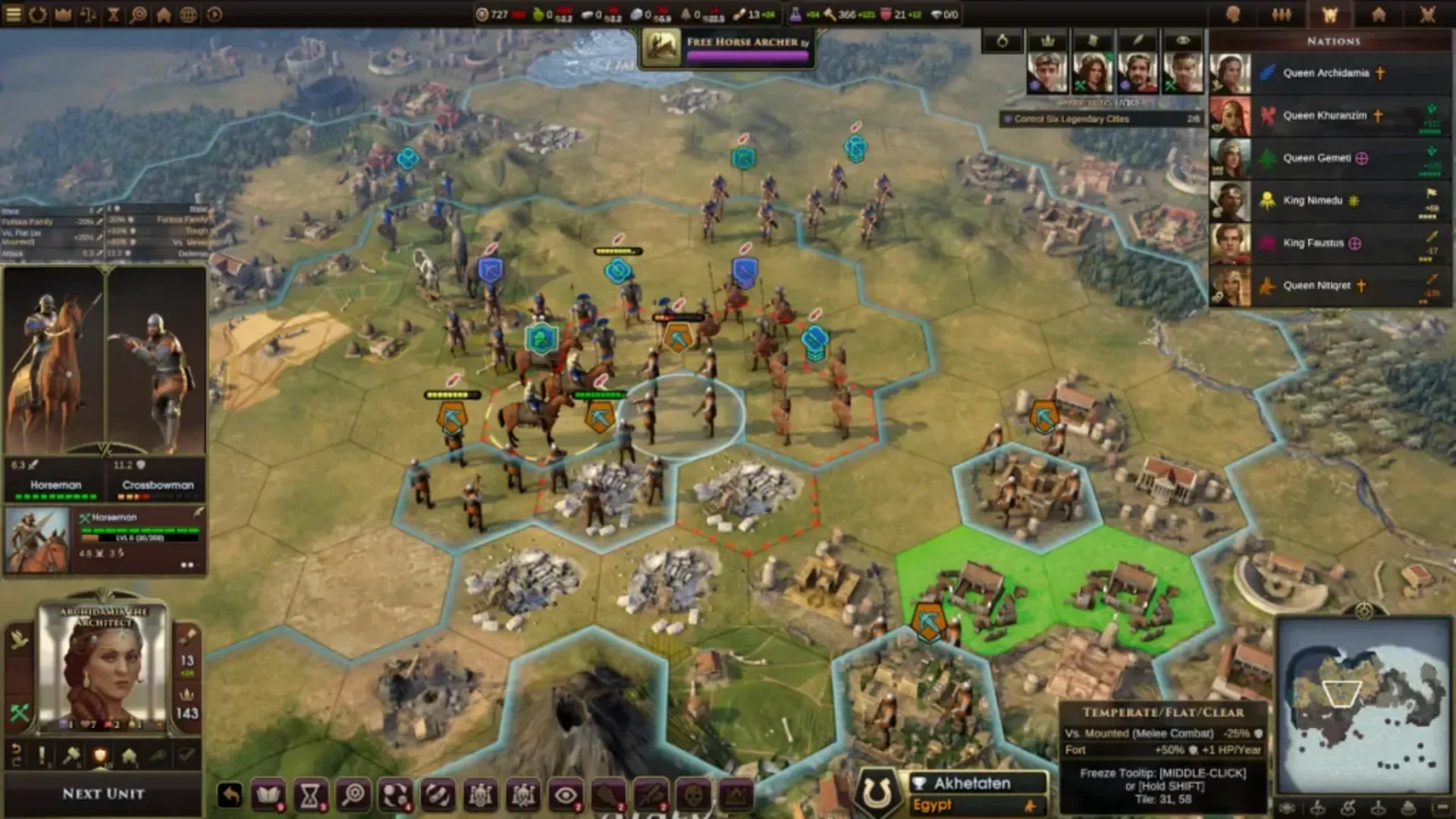
Rulers age, marry, produce heirs and die in Old World, leaving their carefully managed empire to somebody who may possess none of the qualities that made it successful. The result is a historical 4X game where family politics can be as disruptive as a hostile army gathering beyond the border.
Each turn provides a limited pool of orders shared between military movement, construction and domestic decisions. Moving every unit simply because it can move is usually wasteful; an empire must decide what genuinely needs attention. Events create rivalries and personal problems within the ruling dynasty, while influential families expect appointments, marriages and cities of their own.
Its dense interface takes time to absorb, but the combination of empire building and character drama makes each reign feel like a distinct chapter rather than another century on the same technology tree.
7. Fire Emblem: Three Houses
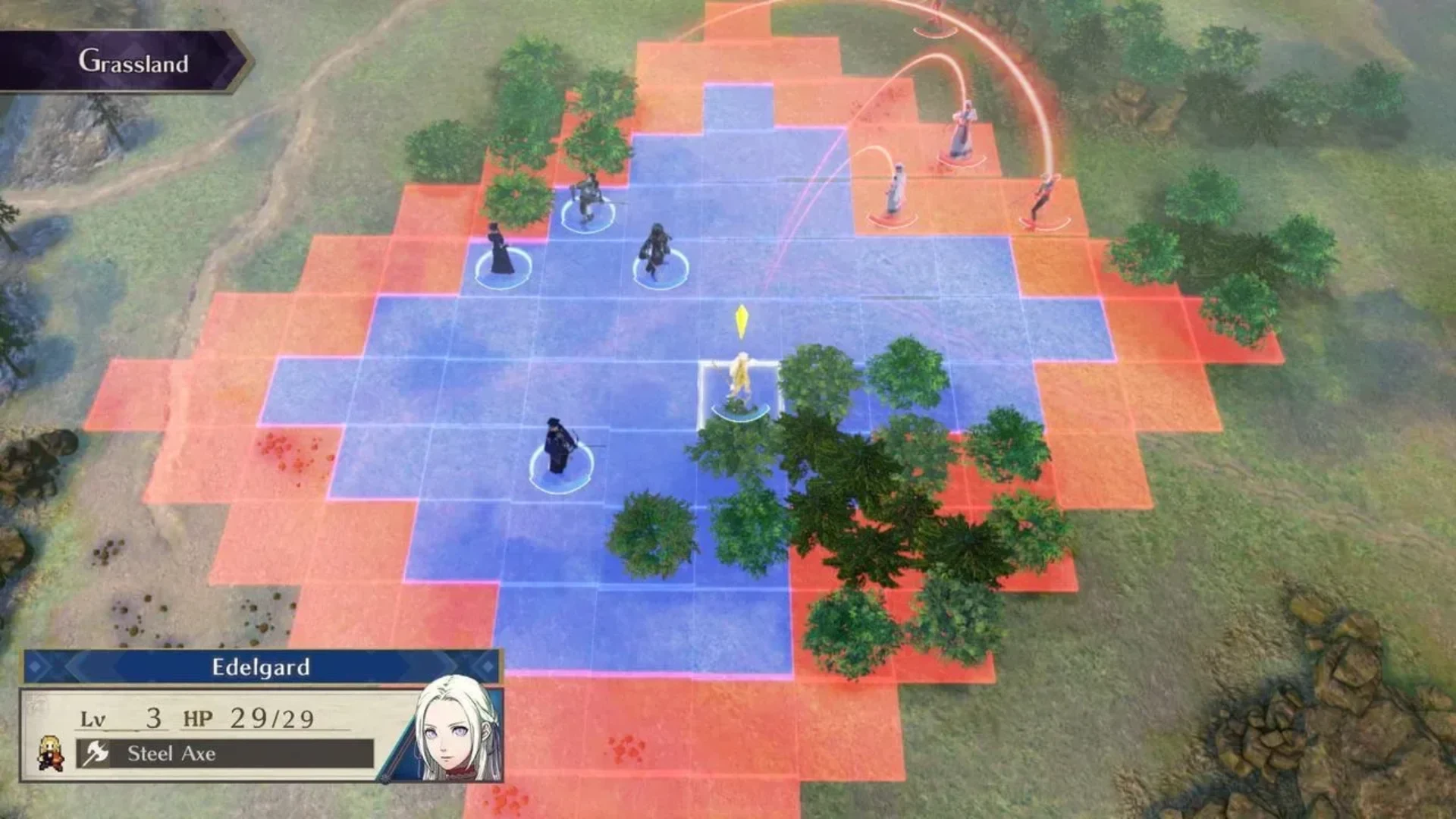
The soldiers in Fire Emblem: Three Houses begin as students. You choose their lessons, guide them toward new classes and spend time learning who they are before the story asks them to fight former classmates on the other side of a war.
That relationship between character development and battlefield strategy gives every decision additional weight. Losing a unit under the traditional permadeath rules means losing somebody whose meals, arguments and personal history have occupied hours outside combat. Maps reward careful formations, coordinated attacks and planning several turns ahead, while the Divine Pulse system allows a limited rewind when one mistake would otherwise ruin an entire battle.
The academy routine becomes repetitive across its long routes, but it creates emotional consequences that more anonymous tactics games cannot reproduce.
6. Age of Wonders 4
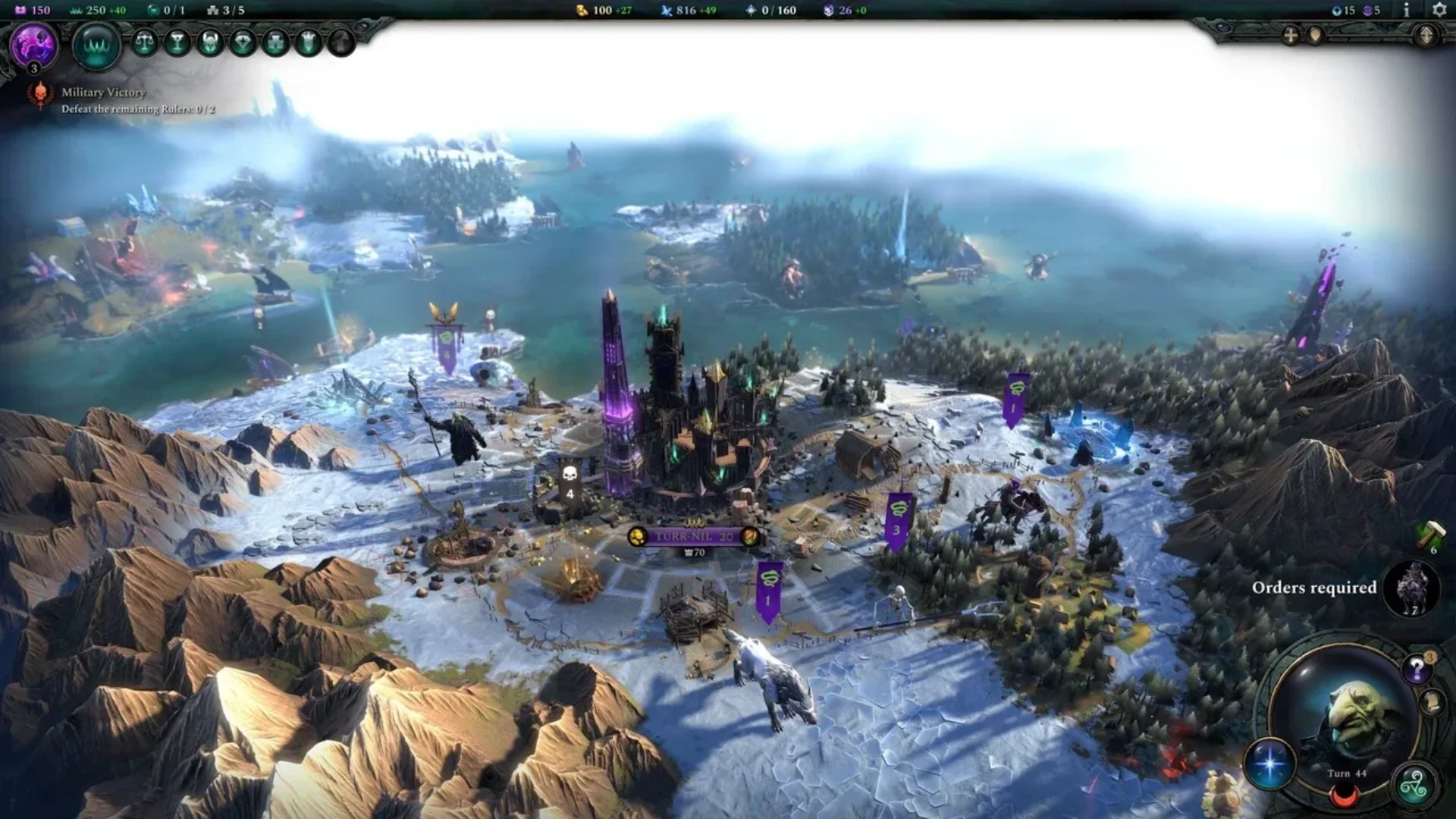
Age of Wonders 4 begins by letting you invent a civilization, then gives you enough magical tools to transform it into something almost unrecognizable. A society of ordinary underground dwellers can gradually develop stone skin, angelic wings or an uncomfortable relationship with necromancy depending on the tomes chosen during the campaign.
The world map provides the expected cities, resources and diplomatic disputes, but the tactical battles give those choices their spectacle. Armies meet on hex grids where terrain, formations, spells and unit abilities all matter. Summoned creatures can hold a flank, ranged units punish exposed formations and one well-timed spell can reshape the center of a fight.
Its opening turns can become familiar after several campaigns, yet the freedom to combine cultures, physical forms and magical affinities keeps producing factions worth testing.
Related Article
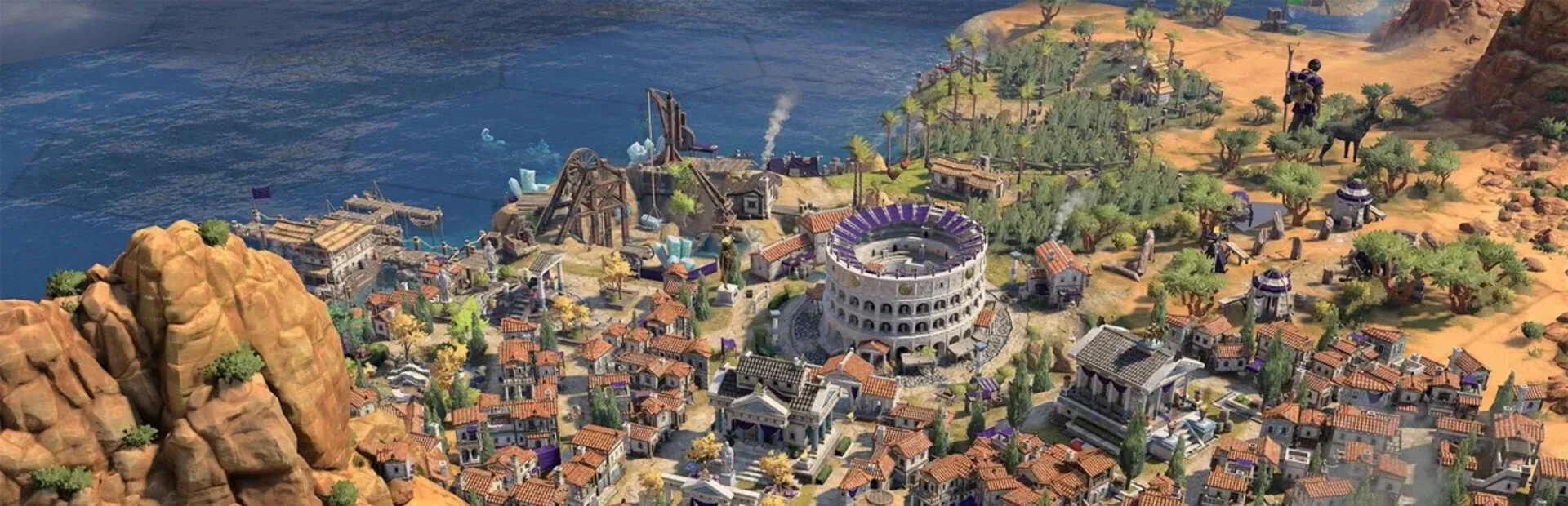
Sid Meier's Civilization VII is bold, uneven, and hard to put down
5. Jagged Alliance 3
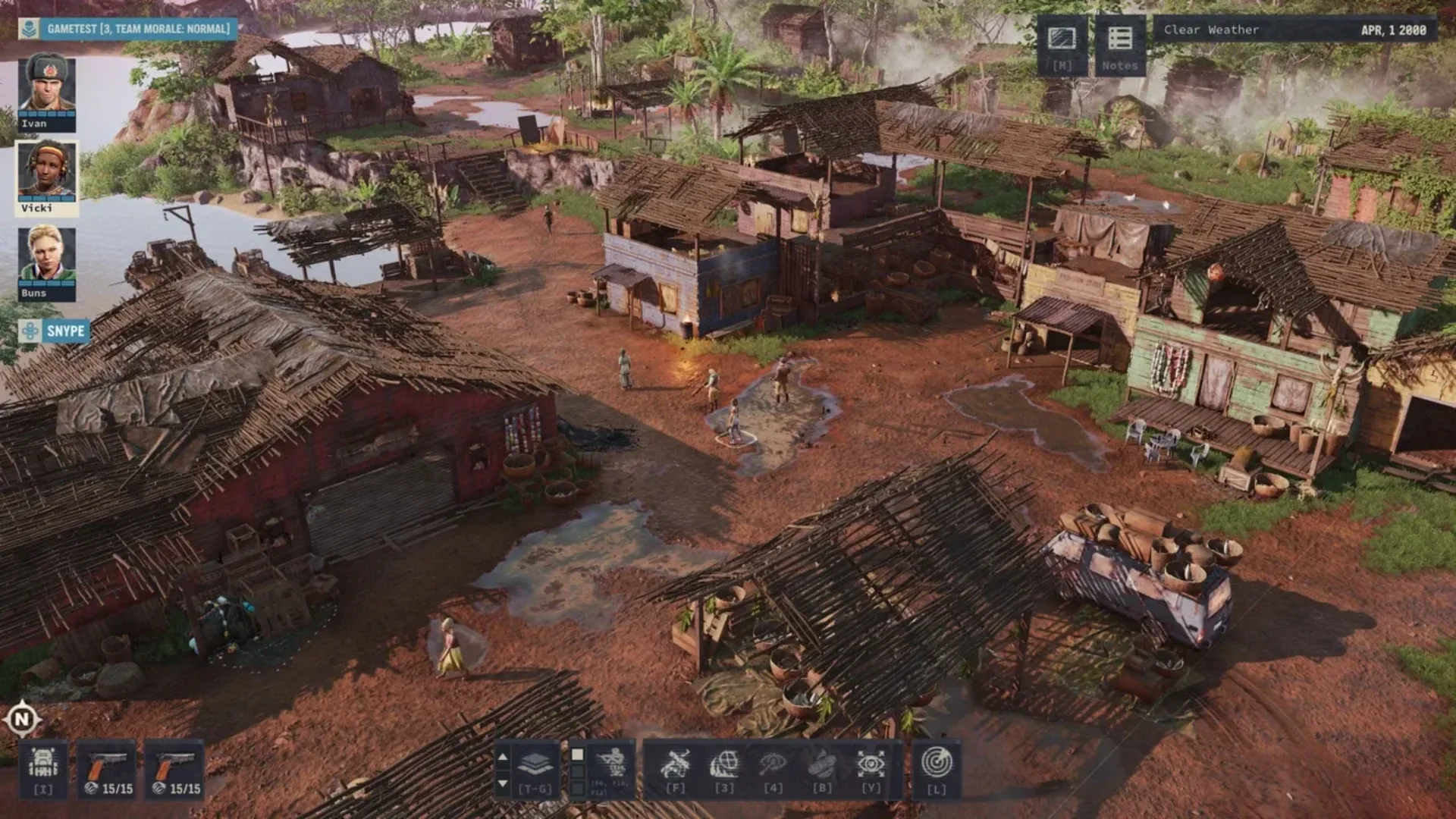
Hiring mercenaries in Jagged Alliance 3 is more complicated than comparing weapon skills. Each recruit has a salary, personality and collection of opinions about the other people in the squad. Some work better alongside friends. Others complain, demand more money or refuse to join because somebody they despise is already collecting a wage.
Combat balances readable cover-based tactics with enough uncertainty to keep plans unstable. Bullets can pass through weak materials, explosives alter the battlefield and careful positioning matters more than chasing displayed percentages. Outside combat, squads move across a campaign map, capture territory and protect the mines funding the operation. The deliberately exaggerated characters can feel pulled from an old action film, but their grudges and habits give a long campaign a personality that interchangeable soldiers would never create.
4. Xenonauts 2
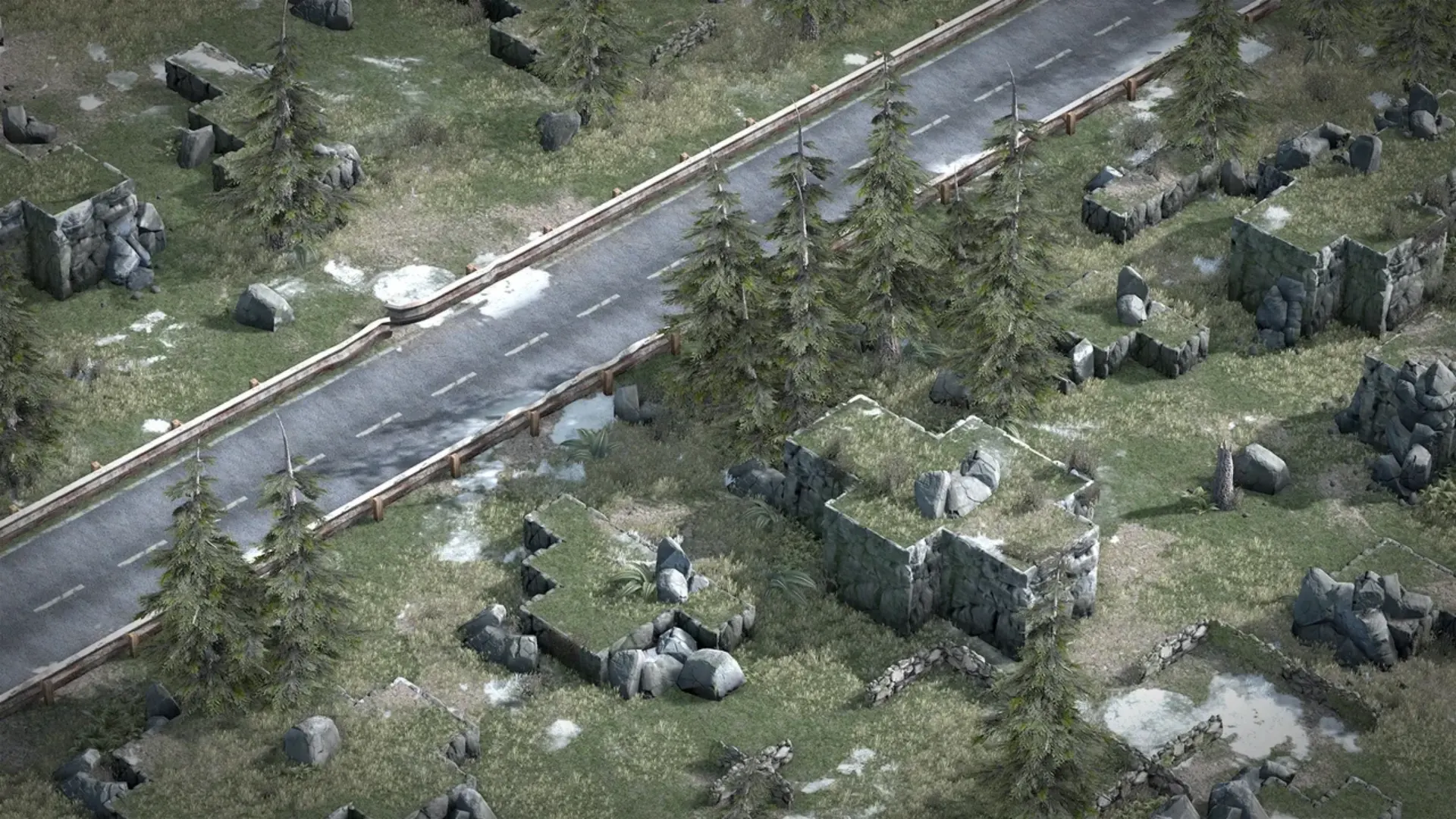
Xenonauts 2 treats an alien invasion as a global military problem rather than a sequence of neat tactical encounters. Bases need to be placed, aircraft must intercept unidentified craft and research teams have to understand technology recovered from crash sites before the enemy escalates beyond anything conventional soldiers can handle.
Its battles use time units rather than a simplified two-action system. Every step, crouch, reload and burst of fire consumes part of a soldier's turn, allowing careful players to preserve enough movement for a retreat or leave a unit ready to react when an alien appears. Squads are larger than those found in most modern tactics games, and a badly planned breach can expose several soldiers at once.
The interface and campaign structure are deliberately old-fashioned, but the precision makes a successful assault feel planned rather than handed over to an ability bar.
3. Civilization VI
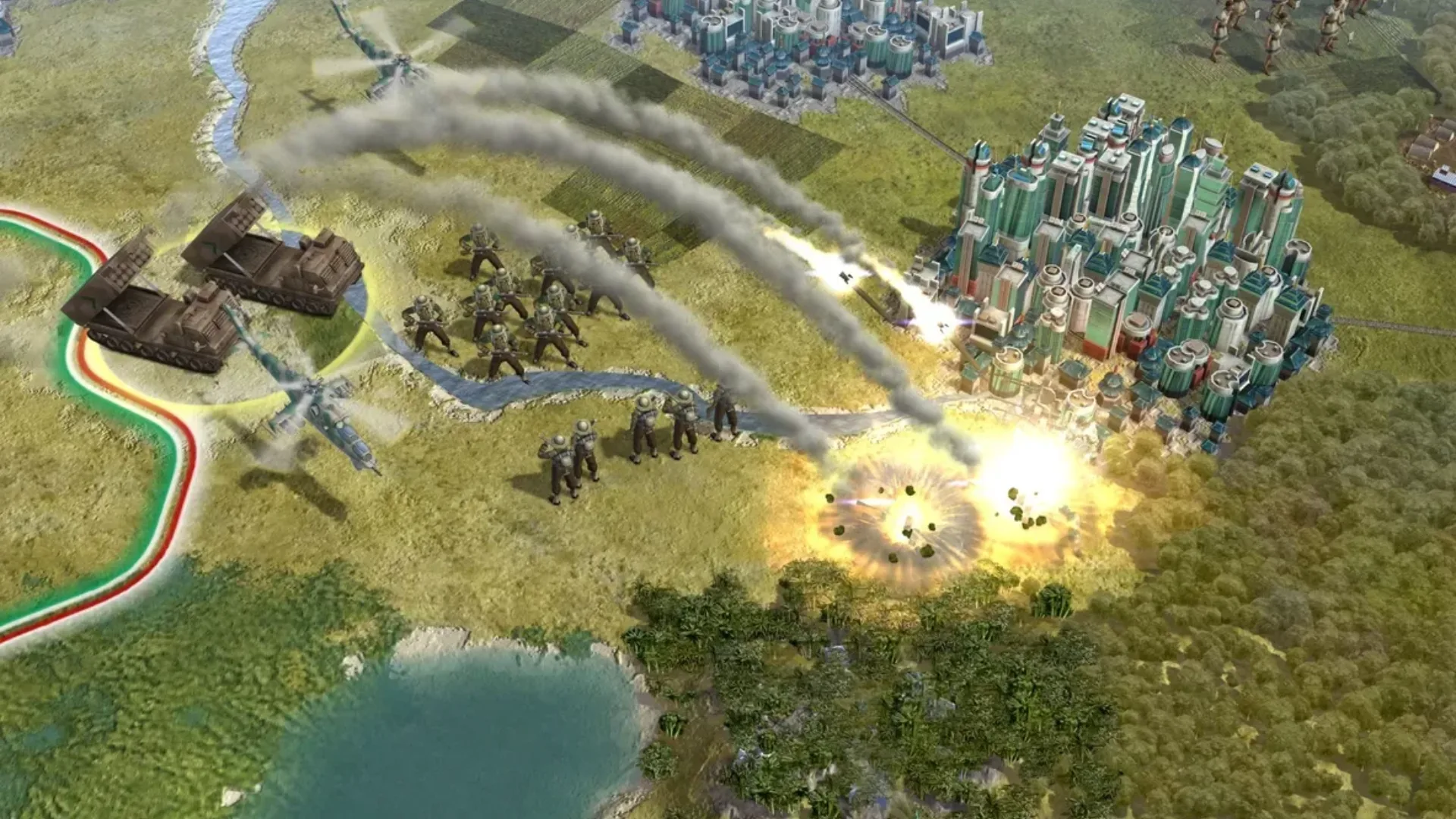
The first city in Civilization VI is a handful of buildings surrounded by unexplored land. Several hundred turns later, its original location may determine where an industrial district fits, which neighboring civilization becomes a rival and whether the empire has enough scientific momentum to reach another planet.
Districts force cities to spread across the map, making terrain important long after the initial settlement decision. Mountains benefit campuses, rivers support commercial hubs and wonders often demand very specific surroundings. Expansions add climate change, political eras and stronger diplomatic systems, giving the late game more problems than simply managing a larger economy. The amount of downloadable content can be intimidating, and large maps slow considerably near the end, but few strategy games turn one harmless-looking decision into consequences that remain visible centuries later.
Civilization VI is a 4X turn-based strategy game in which players guide a civilization from its founding as a small settlement through multiple eras of development. Players explore a procedurally generated map, found cities, research technologies, develop culture, engage in diplo
Released
October 20, 2016
Developer
Firaxis Games
Publisher
Aspyr Media


2. Into the Breach
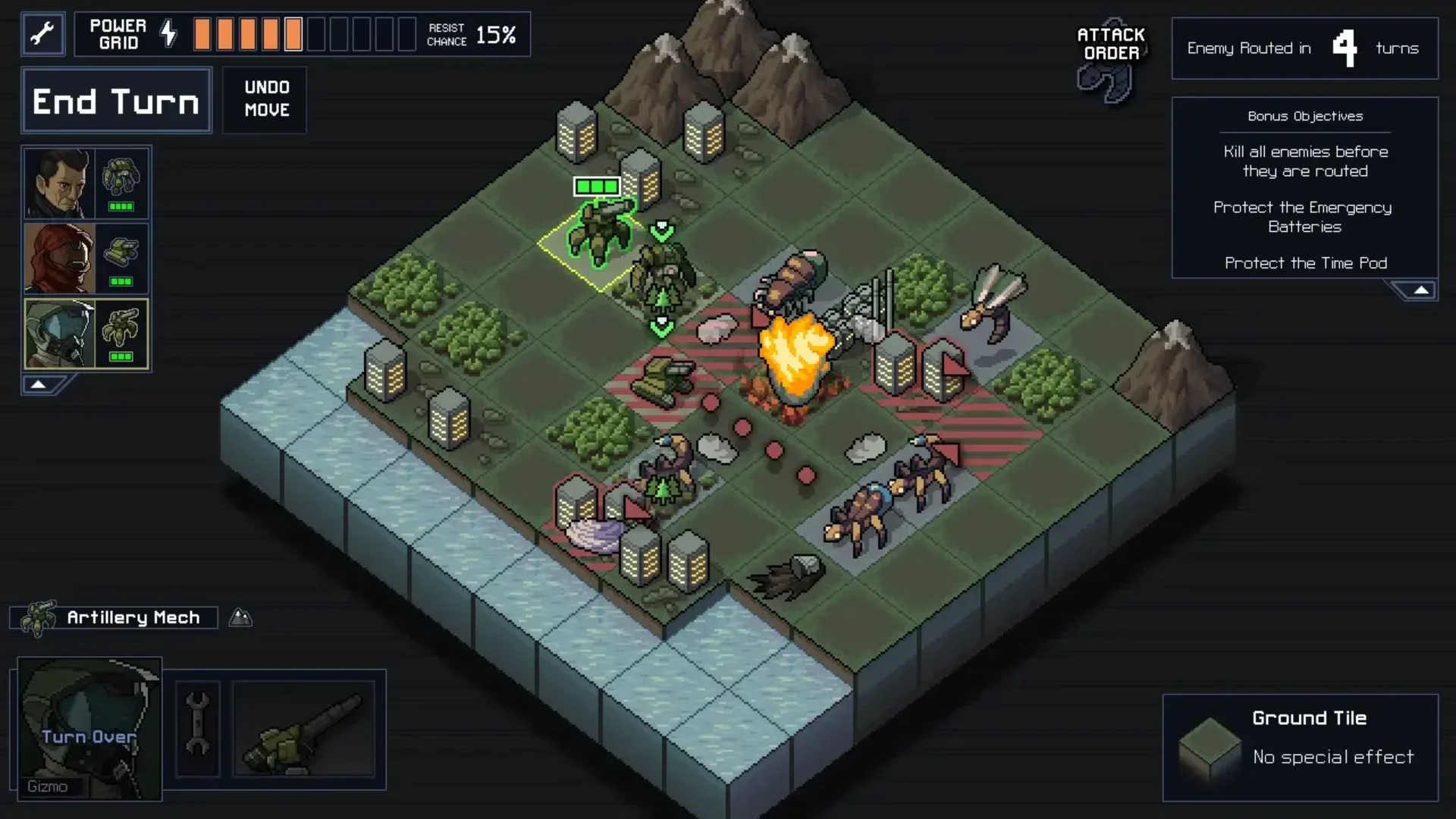
Into the Breach tells you what every enemy intends to do next. The difficulty comes from realizing that stopping all of them may be impossible.
Its eight-by-eight battlefields contain three mechs, several attacking creatures and civilian buildings that provide power to the wider campaign. Destroying the enemy is useful, but survival often depends on moving it instead. A mech can punch an insect away from a city, push another into the path of incoming fire or block a new creature from emerging by standing directly over its spawn point.
Every squad changes the puzzle. One relies on smoke and electricity, another uses fire, while a team of heavy machines may need to throw enemies around the map because its weapons cause almost no direct damage. The small scale removes unnecessary movement and turns each round into a concentrated set of consequences. There are no harmless actions and almost no victories that feel accidental.
Into the Breach
The remnants of human civilization are threatened by gigantic creatures breeding beneath the earth. You must control powerful mechs from the future to hold off this alien threat. Each attempt to save the world presents a new randomly generated challenge in this turn-based strateg
Released
February 27, 2018
Developer
Subset Games
Publisher
Subset Games
1. XCOM 2
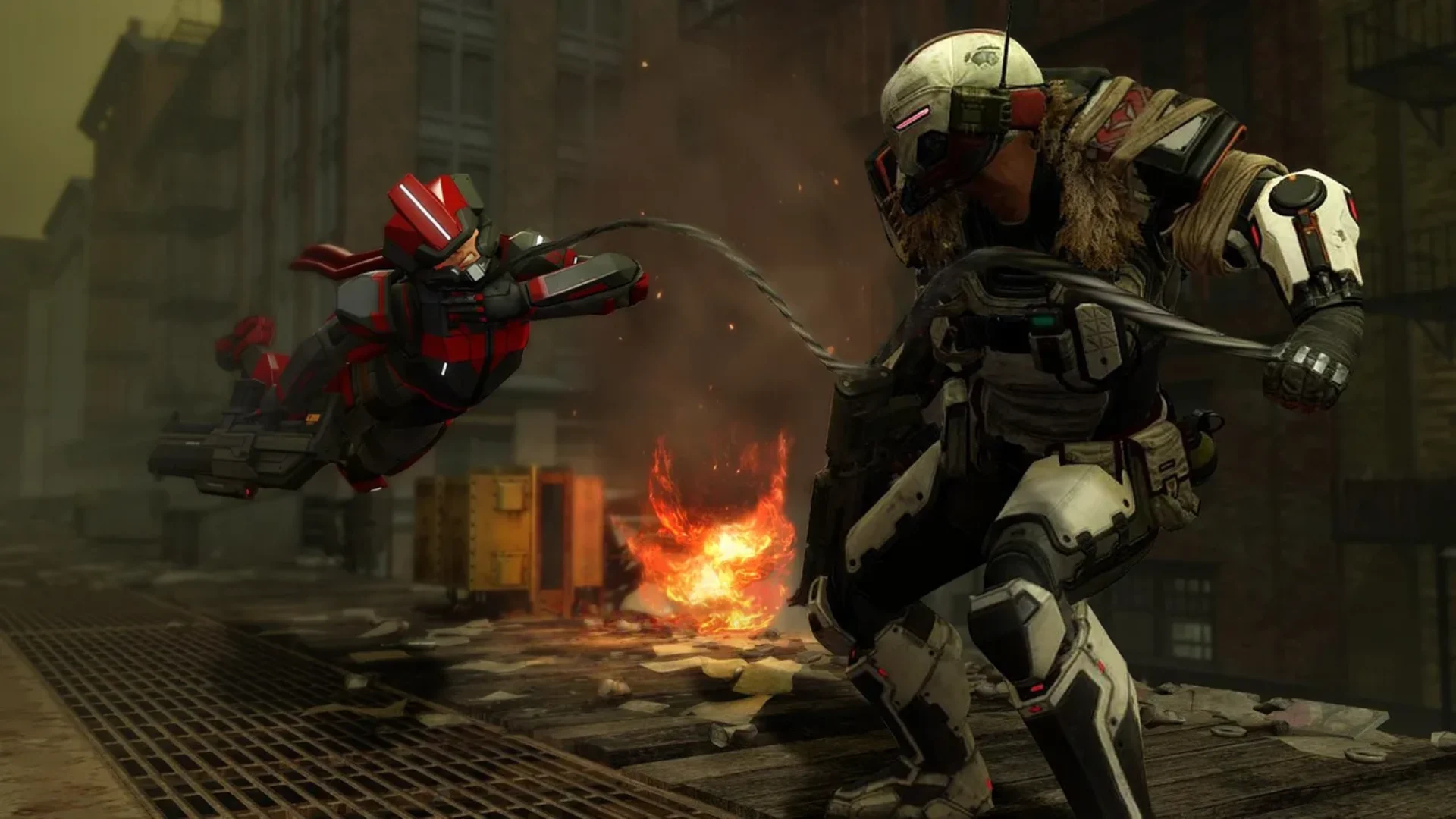
A soldier in XCOM 2 begins as a name, a uniform and a weapon they may not be qualified to use. Several missions later, they have a nickname, specialized abilities and a history of impossible shots that saved everybody else. That is usually when the game finds the most painful way to kill them.
Its tactical battles balance information and risk beautifully. Concealment allows squads to prepare ambushes before revealing themselves, but timed objectives prevent them from advancing one cautious step at a time. Cover can be destroyed, enemies can panic or control soldiers, and a missed shot can leave an entire flank exposed. The percentages make the risks visible without ever making them comfortable.
The campaign maintains that pressure between missions. Research, engineering, recruitment and resistance contacts all compete for limited resources while the alien project continues advancing across the globe. War of the Chosen adds rival commanders who hunt the squad, new resistance factions and soldiers who build relationships after fighting together. The systems constantly create small personal stories inside a much larger war, which is why losing a campaign can remain as memorable as winning one.
XCOM 2
XCOM 2 is the sequel to XCOM: Enemy Unknown, the 2012 award-winning strategy game of the year. Earth has changed and is now under alien rule. Facing impossible odds you must rebuild XCOM, and ignite a global resistance to reclaim our world and save humanity.
Released
February 4, 2016
Developer
Firaxis Games
Publisher
2K Games
Tagged In
Discussion
0We want to hear from you. Share your perspective in the comments below, and please keep the conversation respectful.
Log in to join the discussion - vote, reply, and share your take.
Log In