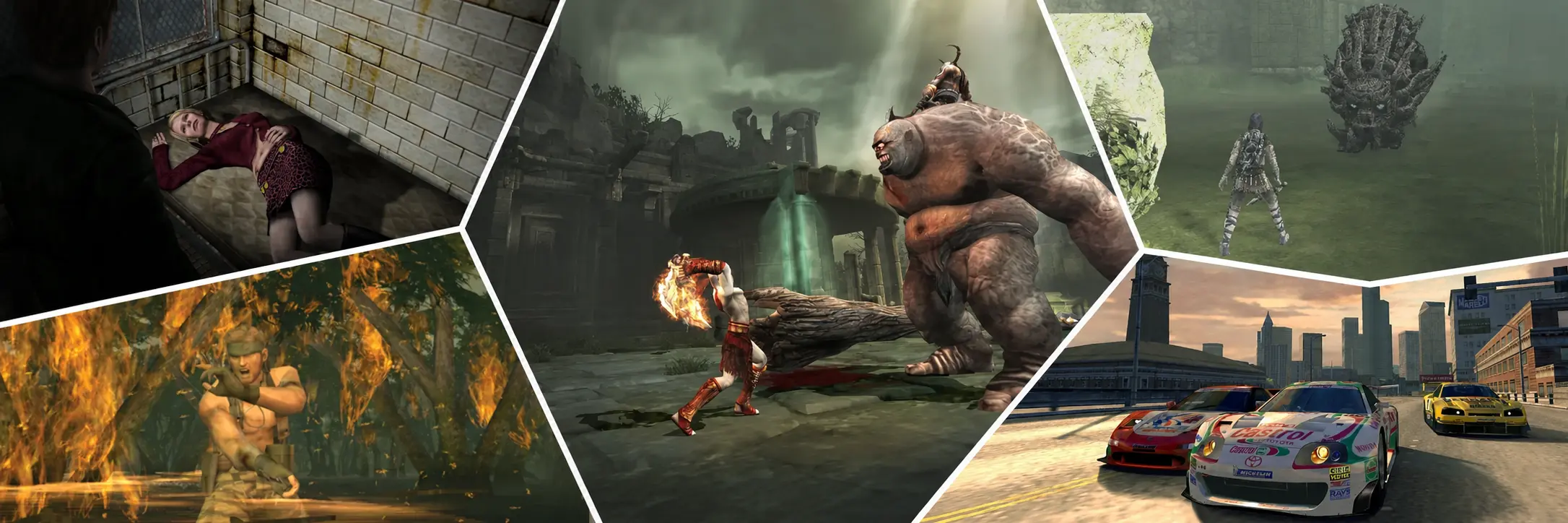
The 10 Best PlayStation 2 Games of All Time
From GTA: San Andreas to Shadow of the Colossus, we rank the 10 best PS2 games ever made — including MGS3, RE4, and Silent Hill 2.
Before games needed day-one patches or microtransactions, an evening started with a familiar ritual: the console powering on, the memory card check, and the quiet, half-serious hope that a scratched disc would still boot.
The PlayStation 2 didn't need achievements, sprawling online services, or seasonal passes to keep people glued to the TV all night. A trip across San Andreas, one more attempt at a colossus, or a Gran Turismo 4 licence test that had already eaten ten tries, that was enough. The games released for this console didn't just shape a generation's childhood and teenage years. Many of them still shape the direction the industry takes today. The PS2 is a nostalgia trip, sure, but for a lot of younger players it's also genuinely unexplored territory.
Ranking these ten came down to gameplay quality, influence on the medium, importance to the PS2 library, and how well each game has aged. Every entry represents a different strength of the console – technical showcases, sprawling RPGs, psychological horror, wide-open worlds. Ten spots aren't enough to tell the whole story of the PlayStation 2. They're enough to revisit its most important chapters.
10. Gran Turismo 4
- Game type: Racing simulator
- Release year: 2004
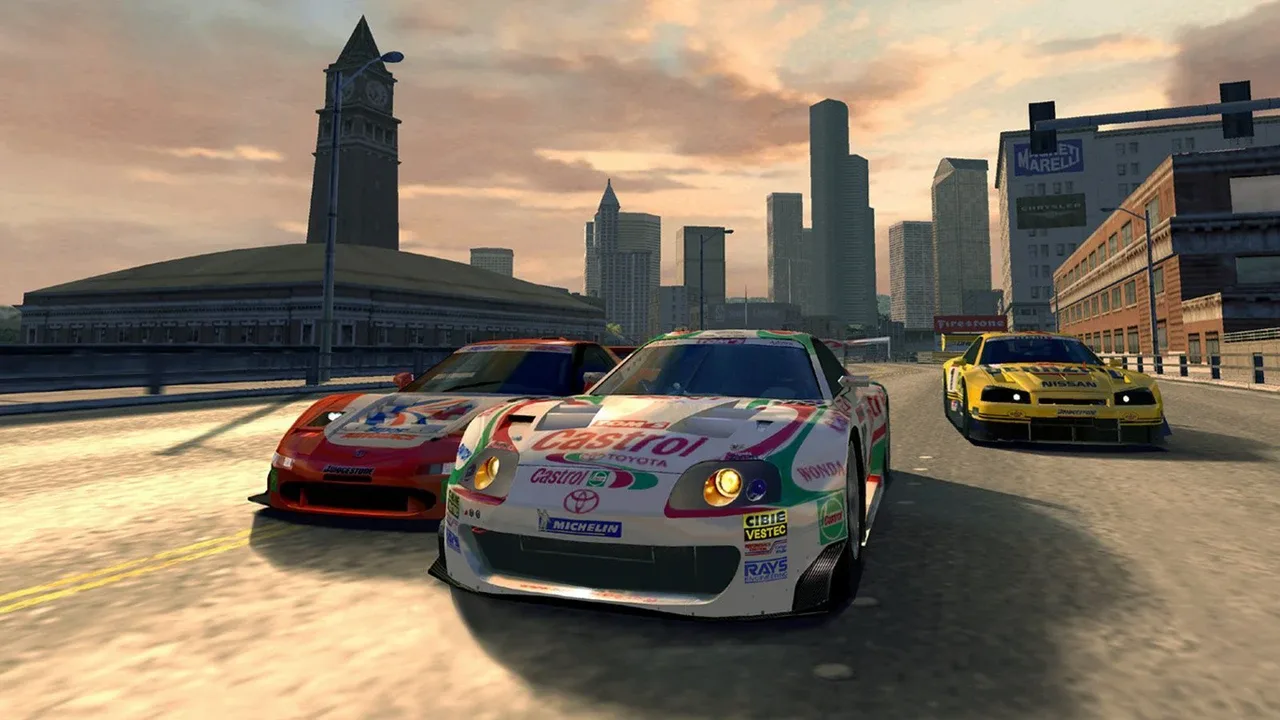
Buying your first car in Gran Turismo 4 rarely felt like a triumph. It was usually some tired, underpowered hatchback, but it marked the start of a journey toward a garage full of racing legends, one careful purchase at a time.
More than 700 cars, dozens of tracks, licence tests, rallies, endurance races, and a tuning system deep enough to lose an afternoon in. B-Spec Mode let players step back and manage a driver instead of racing directly, while Photo Mode turned every garage into a small photography studio. Few racing games before it had tried to cover so much ground at once.
The AI doesn't always behave naturally, and the licence tests can bring progress to a dead stop for hours. Even so, it's hard to find another game that turns a passing interest in cars into a lifelong one quite as effectively.
9. Persona 4
- Game type: Japanese RPG
- Release year: 2008
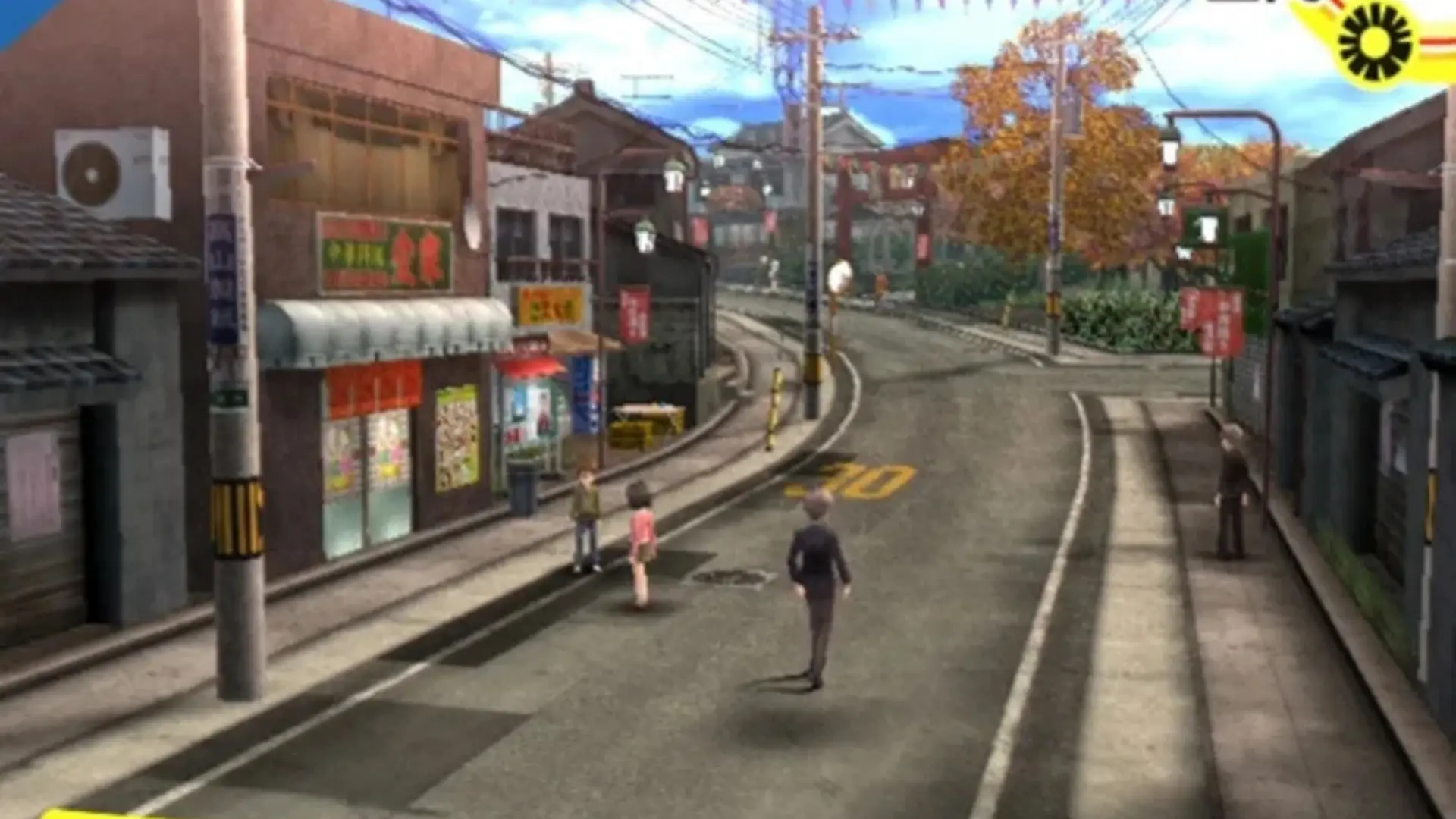
Persona 4 showed up late in the PS2's life, right as everyone had started looking toward the PS3. Atlus made one of the generation's best RPGs anyway. Its most important location isn't a dungeon – it's the small town of Inaba, where the protagonist goes to school, hangs out with friends, and slowly gets pulled into a string of murders.
The calendar forces small, meaningful choices. An afternoon can go toward building a friendship, studying for exams, taking a part-time job, or stepping into the world hidden behind the television screen. There's no way to do it all in one playthrough, so who you choose to spend time with actually matters.
The randomly generated dungeons wear thin, and the opening hours take a while to open up. None of that changes what sticks with players once the credits roll. It's rarely the enemies they remember most – it's the ordinary days spent with the cast.
8. Devil May Cry 3: Dante's Awakening
- Game type: Action, hack and slash
- Release year: 2005
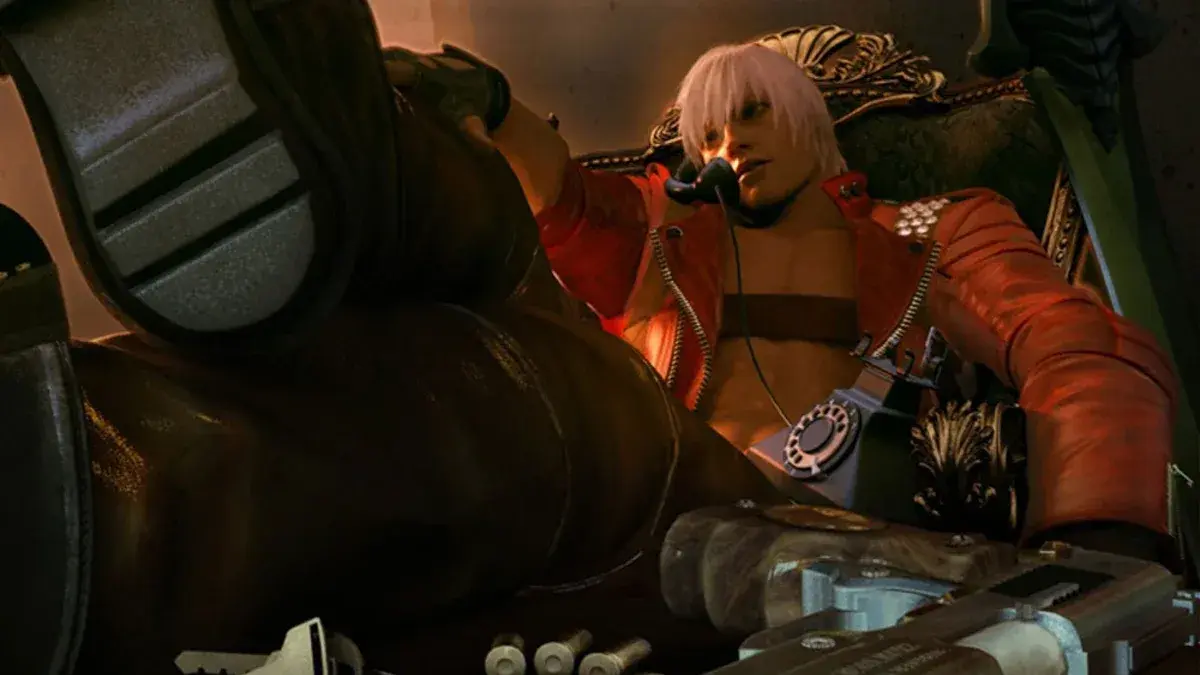
Devil May Cry 3 isn't satisfied with a defeated enemy. It wants a stylish one. Juggling enemies mid-air, switching weapons on the fly, and stringing attacks into longer and longer combos turns every arena into a stage.
Dante can lean into styles built around dodging, melee weapons, firearms, or tight defence, each opening up a different set of tools. The game is punishing, but a loss almost always points to something specific – a late dodge, an overeager combo, a boss pattern you haven't learned yet.
The camera and a few platforming sections show their age. Play the Special Edition if you can; it rebalances the difficulty and adds Vergil as a playable character. What's underneath all that still holds up. Plenty of modern action games are still chasing the kind of combat freedom Capcom nailed on the PS2.
7. God of War II
- Game type: Action-adventure, hack and slash
- Release year: 2007
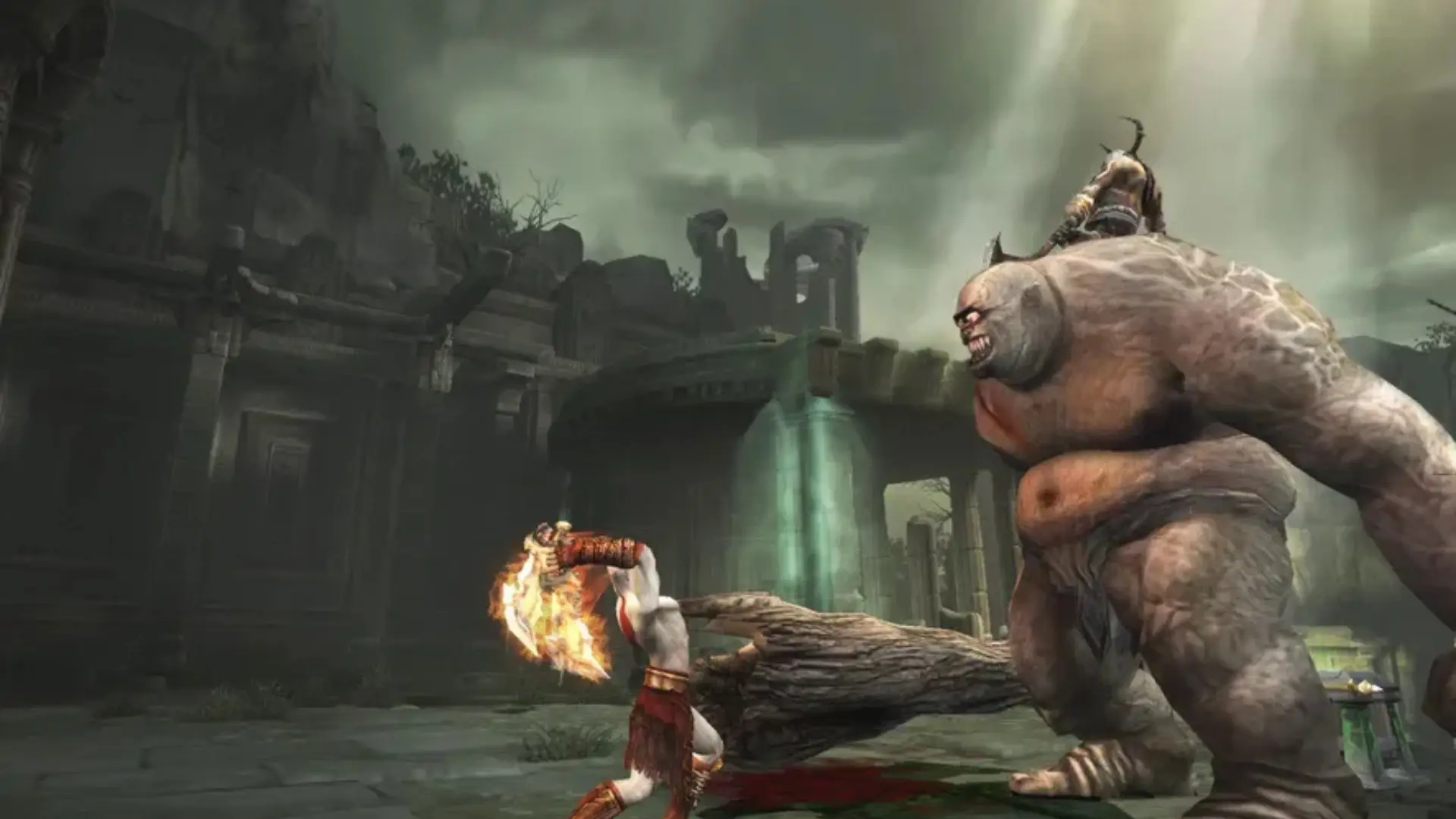
God of War II opens with a fight against the Colossus of Rhodes and barely lowers the stakes from there. Kratos tears through temples, mythological beasts, and elaborate puzzles while trying to outrun his own fate as if Santa Monica Studio refused to accept that the PS2 was on its way out.
The sequel sharpens the combat, adds more bosses, and ties action and exploration together more tightly than the original did. New weapons and magic widen the toolkit, but the Blades of Athena – and the combos that let Kratos control a whole crowd of enemies at once – are still what the game is built around.
Some of the quick-time events and instant deaths haven't aged gracefully. The pacing still holds up. God of War II keeps delivering moments that would work as another game's finale, then barrels straight into something bigger.
6. Final Fantasy X
- Game type: Japanese RPG
- Release year: 2001
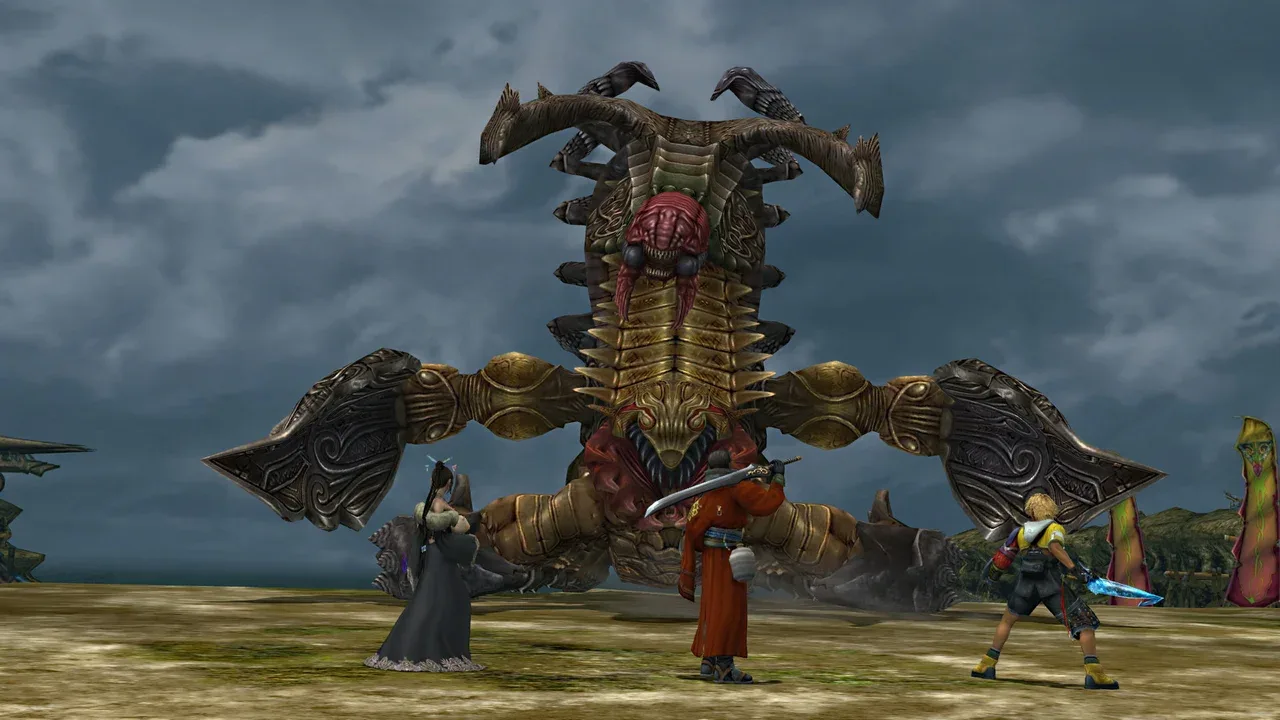
Final Fantasy X is remembered mostly for Tidus and Yuna's journey together. Their pilgrimage across Spira starts out as a fairly traditional quest against a great evil, then slowly turns into something else – a story about duty, sacrifice, and trying to break free of a cycle sustained by generations before them.
The turn-based combat shows the full turn order on screen, lets players swap party members mid-fight, and rewards leaning into each character's specialty. Wakka handles anything flying, Auron hits hard enough to overwhelm tougher enemies, and Lulu picks apart elemental weaknesses. The Sphere Grid then lets everyone grow past the role they started in.
Long, unskippable cutscenes and a handful of minigames test the player's patience more than the story ever does. That story's emotional weight hasn't faded, though. Final Fantasy X proved the PS2's technical leap could do more than sharpen the graphics – it could also make the storytelling more personal.
5. Silent Hill 2
- Game type: Psychological horror
- Release year: 2001
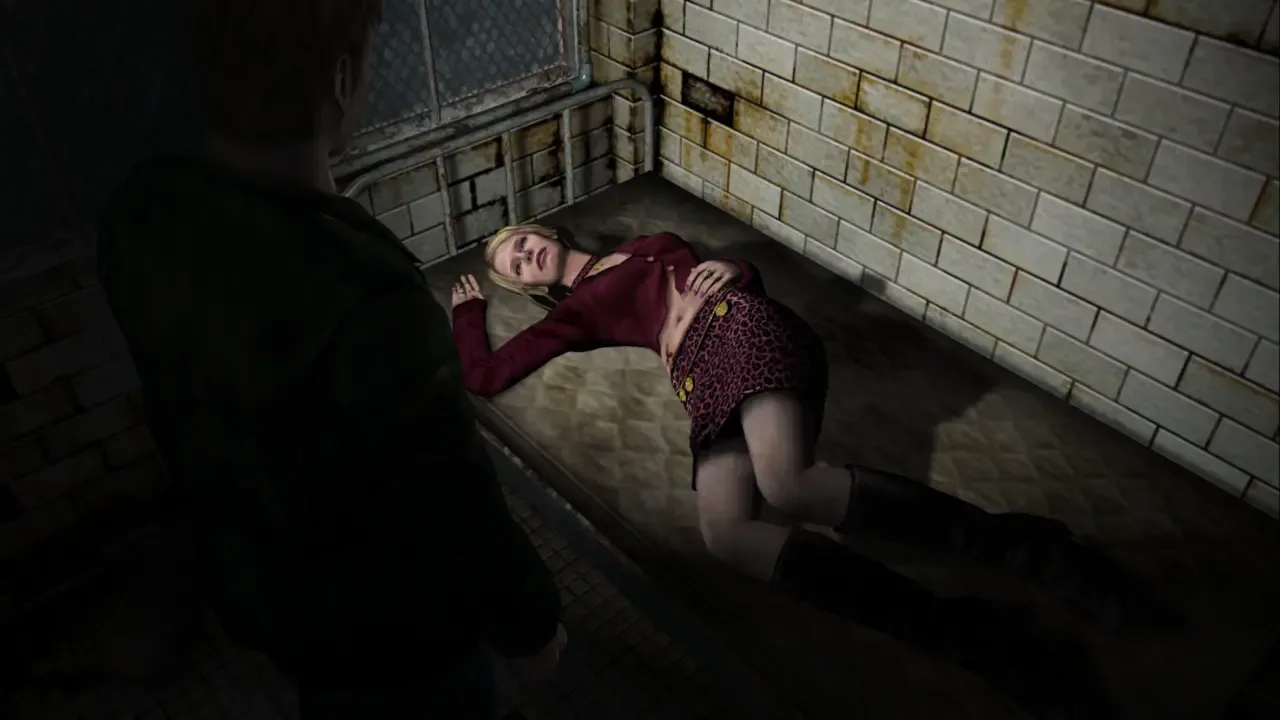
Silent Hill 2 isn't trying to scare players with the sheer number of monsters in its path. Its deepest unease comes from a single question: why did James Sunderland travel to this town after getting a letter from a wife who died three years earlier?
Fog limits how far you can see, a radio crackles as danger gets close, and the abandoned buildings feel pulled out of a dream. The monsters aren't random obstacles – their shapes and behaviour trace back to memory, guilt, and how James sees himself.
The combat is stiff, and a few puzzles mean wandering through rooms that all start to look the same. None of that undercuts the story. Silent Hill 2 uses horror to sit with grief and denial, without offering easy answers or a clean line between hero and monster.
4. Resident Evil 4
- Game type: Survival horror, third-person shooter
- Release year: 2005
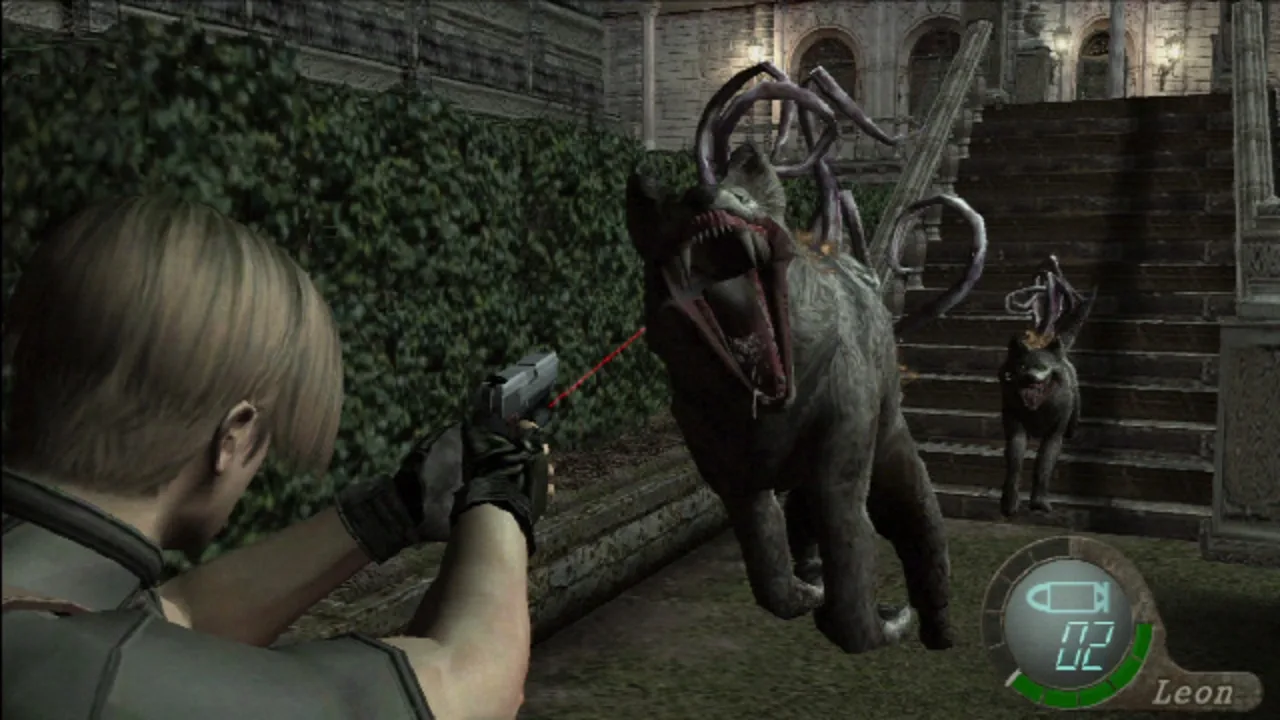
Resident Evil 4 changed how action games got built. The over-the-shoulder camera made aiming precise, but Leon couldn't move while shooting, so every shot came with a decision. Was it worth standing still while more enemies closed in? It pushed survival horror toward a more action-focused future without completely abandoning the tension created by limited movement and constant pressure.
The village, the castle, and the island each brought new enemies and new rules. One section had players holding a building under siege; another meant protecting Ashley, juggling the limited space in the inventory case, and picking the one weapon that made the best use of scarce resources. The merchant and his weapon upgrades gave every scrap of treasure a reason to exist.
The PS2 version looked rougher than the original GameCube release, but it added the extra Separate Ways campaign. The mechanics and pacing were what mattered most. Resident Evil 4 set a new template for third-person action, and most shooters made in the years after it still show the fingerprints.
3. Shadow of the Colossus
- Game type: Action-adventure
- Release year: 2005
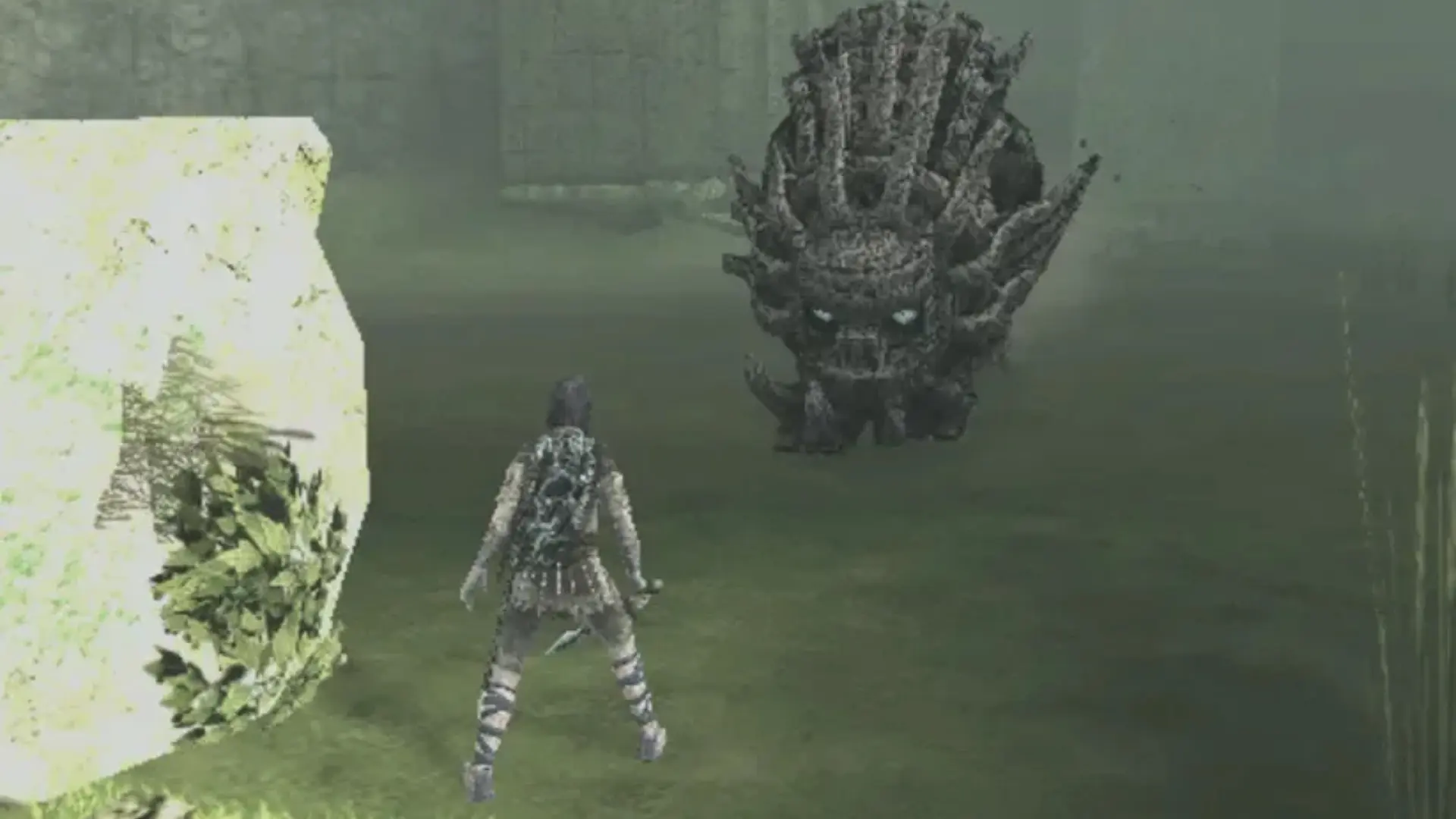
Shadow of the Colossus strips away almost everything other adventure games treat as essential. No cities, no merchants, no filler enemies, nothing scattered every few metres to pick up. Just Wander, his horse Agro, an empty land, and sixteen colossi.
Every encounter works as a battle, a puzzle, and a test of how long you can hang on to something the size of a building. First comes finding a way onto its back. Then comes locating the weak point, and holding on to just enough strength to land the final blow.
Frame rate drops, an uncooperative camera, and Agro's controls all cause real problems in the original version. None of it changes how each victory feels. Winning usually brings relief first and then, slowly, the growing feeling that maybe you shouldn't have.
2. Metal Gear Solid 3: Snake Eater
- Game type: Stealth, action-adventure
- Release year: 2004
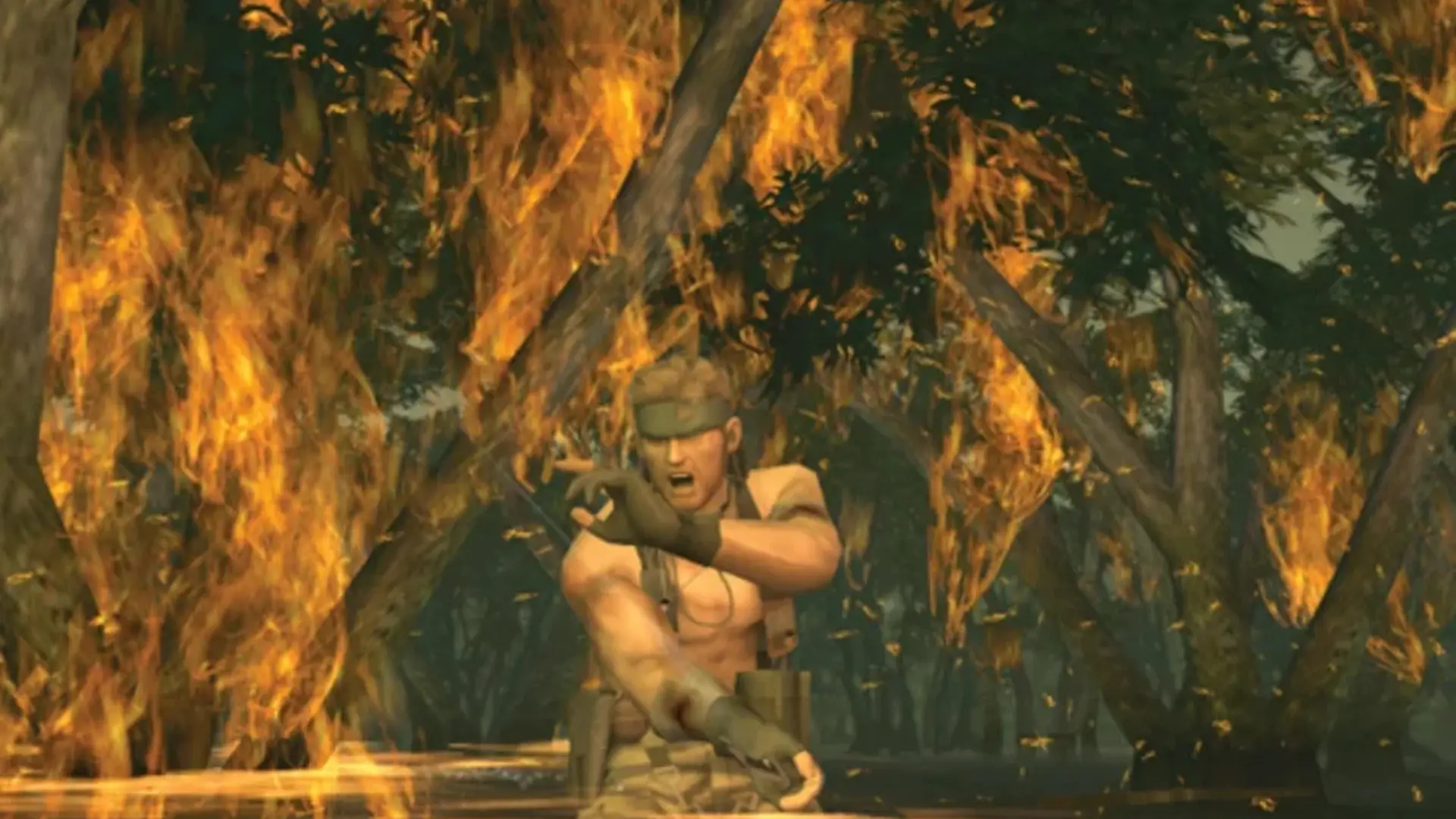
Metal Gear Solid 3 drops the series into a Cold War jungle and makes Snake read his surroundings just to survive. Camouflage matched to the terrain cuts down the chance of getting spotted, food keeps stamina up, and injuries need actual treatment rather than a quick heal. CQC lets Snake grab guards, interrogate them, or use them as cover.
None of it is entirely frictionless – constantly pausing to change camouflage or patch a wound can break the rhythm of a mission. The Subsistence edition fixes the original's biggest weakness by finally giving players a free camera.
What holds the whole thing together is Snake's relationship with The Boss. The espionage plot builds to an ending that reframes the entire mission and sets up everything that happens to Snake afterward. Snake Eater somehow works as an over-the-top action movie, a survival sim, and a tragedy about soldiers following orders, all at once.
1. Grand Theft Auto: San Andreas
- Game type: Open-world action-adventure
- Release year: 2004
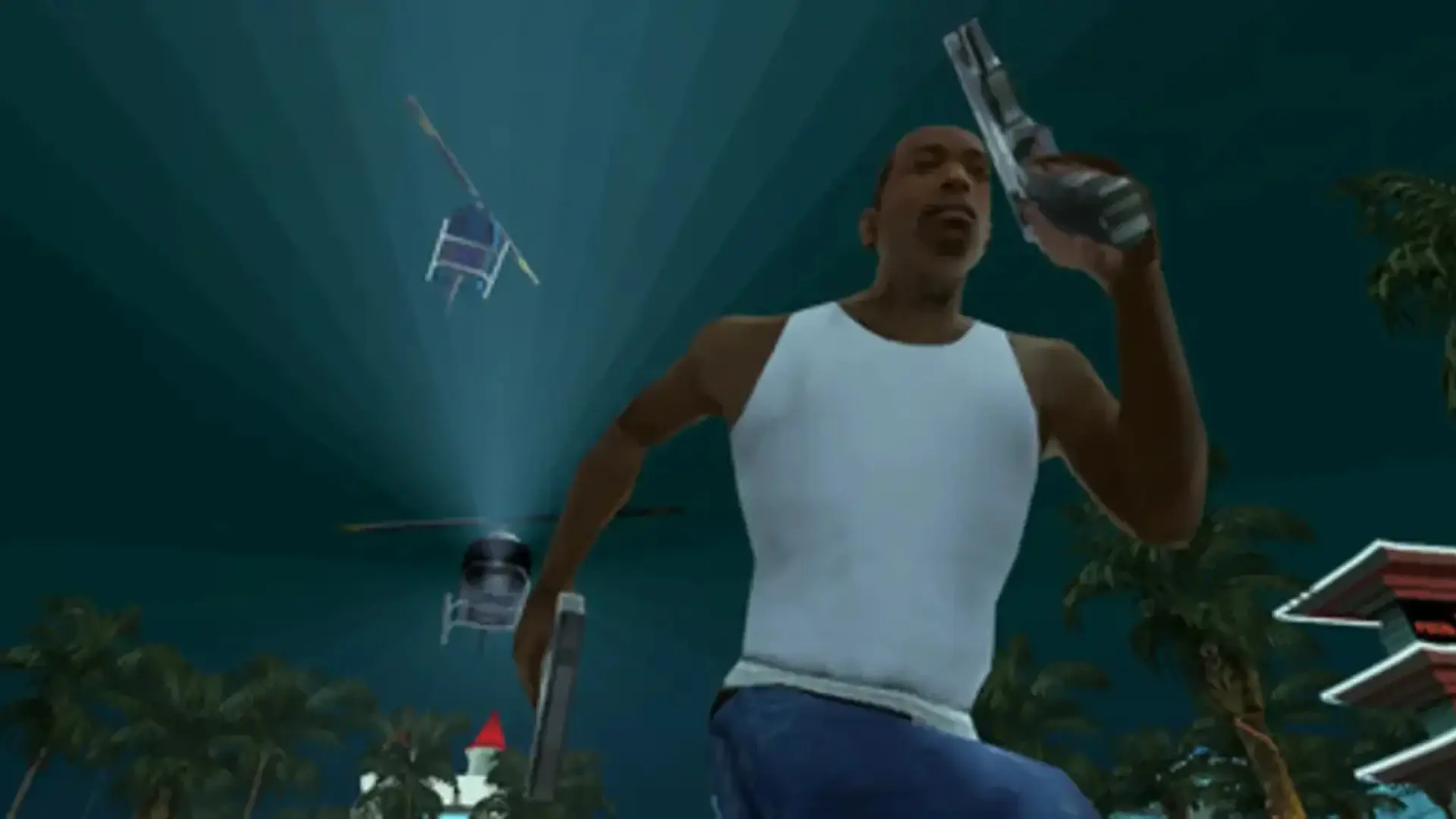
San Andreas made it feel like something new was always waiting around the next corner. Los Santos, San Fierro, and Las Venturas each had their own look, their own road layout, their o3wn rhythm – and the deserts, forests, small towns, and empty highways in between filled in the rest.
CJ could hit the gym, change his look, buy property, get better at driving, and chase down dozens of side activities that had nothing to do with the main story. The moment-to-moment play ranged from street fights to heists, races, military base break-ins, and, eventually, a jetpack. Even working within the PS2's limits, Rockstar North built something that felt like an entire state.
The controls, the checkpoints, and a handful of missions have clearly aged. What San Andreas still offers is harder to fake than a bigger map or sharper graphics: a genuine sense of freedom. Get in a car, find the right radio station, and just go. More than two decades on, that's still one of the things people remember most about the PlayStation 2.
Tagged In
Discussion
0We want to hear from you. Share your perspective in the comments below, and please keep the conversation respectful.
Log in to join the discussion - vote, reply, and share your take.
Log In