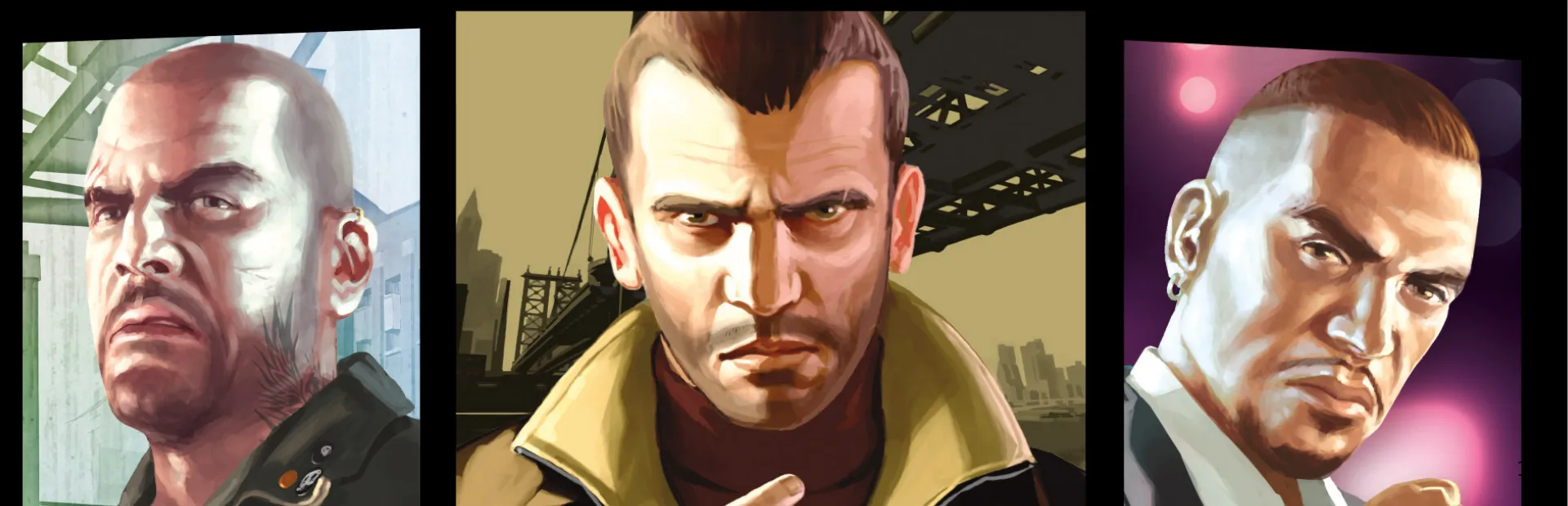
Credit: Rockstar Games
featureFeaturegrand-theft-auto-vi
The GTA IV Cold Case: Why Rockstar Would Rather Leave a Masterpiece in 2008
July 14, 2026·Updated September 14, 2026·5 min read
Old voice contracts, an expired soundtrack, and a decade-old engine explain why Rockstar has never remastered GTA IV, and probably never will.
Ask the man who played Roman Bellic and you get the same question millions of fans have been asking for years. In a recent interview, Jason Zumwalt, the voice and motion capture actor behind Niko's cousin, was asked whether he wanted a GTA IV remaster. His answer was simple. He would love it, and he does not understand why Rockstar has not made one.
He is not alone. GTA IV is the only mainline entry that has never returned on modern hardware. GTA V has spanned three console generations and the original trilogy got its own remaster, yet Niko's story sits frozen in 2008. Reports of a current-gen port pointed at a late 2025 release, then evaporated without a word. Rockstar has stayed silent for years.
It is tempting to read that silence as laziness. It is not. Frame the question as a corporate case file instead of a fan wish and a different picture appears. A real GTA IV remaster is a project that may be close to impossible to justify.
It Was Never Just a Paycheck
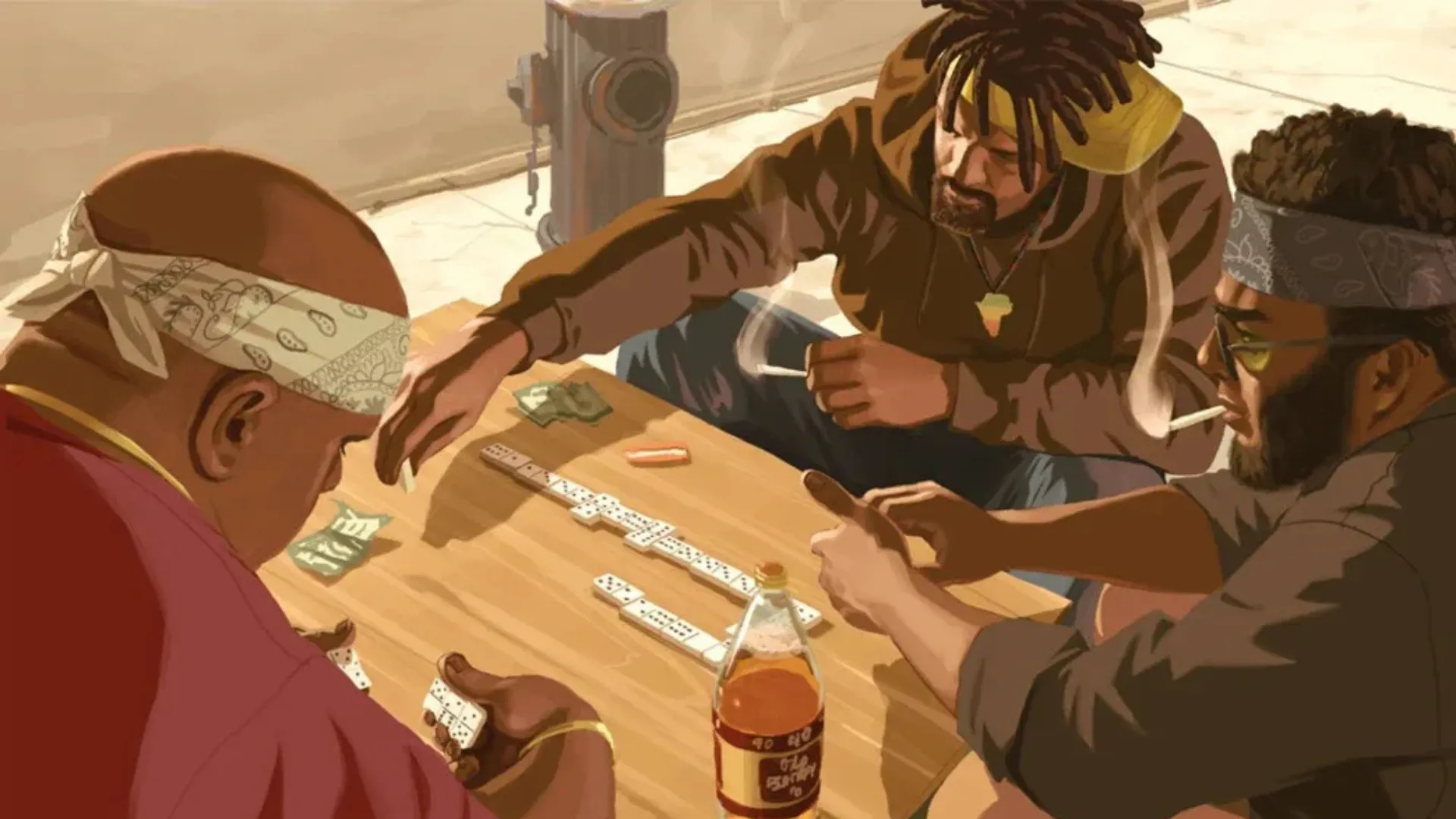
Zumwalt floated his own theory in the same interview. The old actor contracts. He suspected Rockstar simply does not want to reopen that box.
He has a point, and there is history behind it. Michael Hollick, who voiced and performed Niko, told the New York Times in 2008 that he was paid around $100,000 for roughly fifteen months of work. The game made more than $500 million in its first week.
Hollick pointed out that game actors at the time received no royalties and no residuals, unlike their peers in film and television. He aimed most of his frustration at the union rather than Rockstar, and performer pay and protections have since become a central fight for SAG-AFTRA.
A remaster reopens hundreds of performance agreements written in an era before games paid residuals at all, against talent expectations that have shifted enormously since. Zumwalt and Hollick both came back for the Episodes from Liberty City add-ons, so the door is not welded shut.
But a full remaster is a different scale of negotiation, and every one of those old contracts is a separate conversation.
A Soundtrack You Cannot Re-License
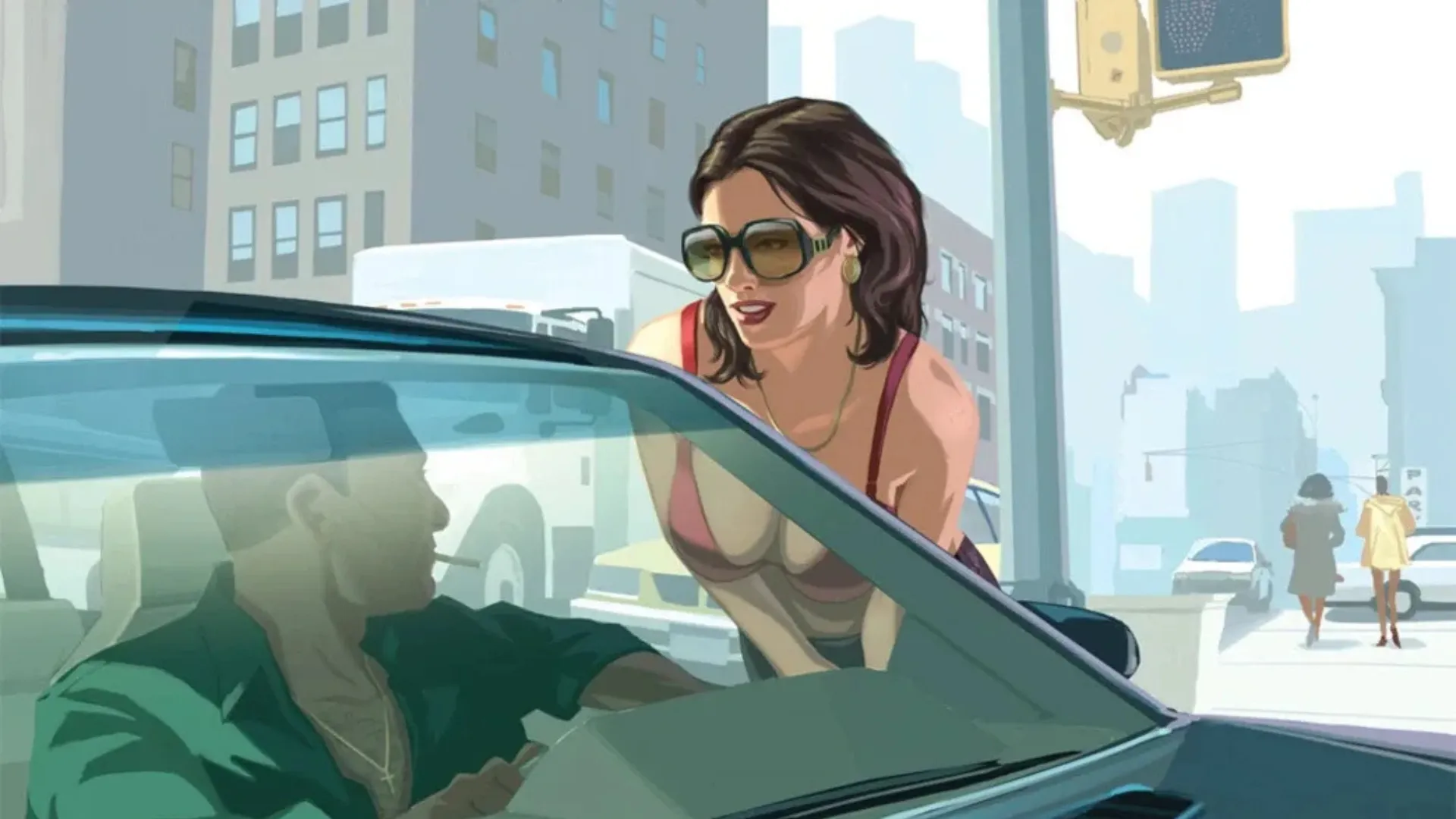
On the game's tenth anniversary in April 2018, Rockstar was forced to strip more than fifty songs out of GTA IV because a ten-year licensing deal expired. Vladivostok FM was gutted almost completely. Liberty Rock Radio lost David Bowie, Black Sabbath, Electric Light Orchestra and Smashing Pumpkins. Rockstar backfilled the gaps with replacement tracks, several of them released years after the game's own 2008 setting.
Rockstar could not hold the existing soundtrack together on a game it was only keeping on sale. A definitive remaster means re-clearing that sprawling licensed catalogue, either in perpetuity or for another massive block of years, across hundreds of independent artists and labels.
It is expensive. More than that, it is a puzzle where a single holdout leaves a permanent hole in the game.
The Spaghetti Code of 2008
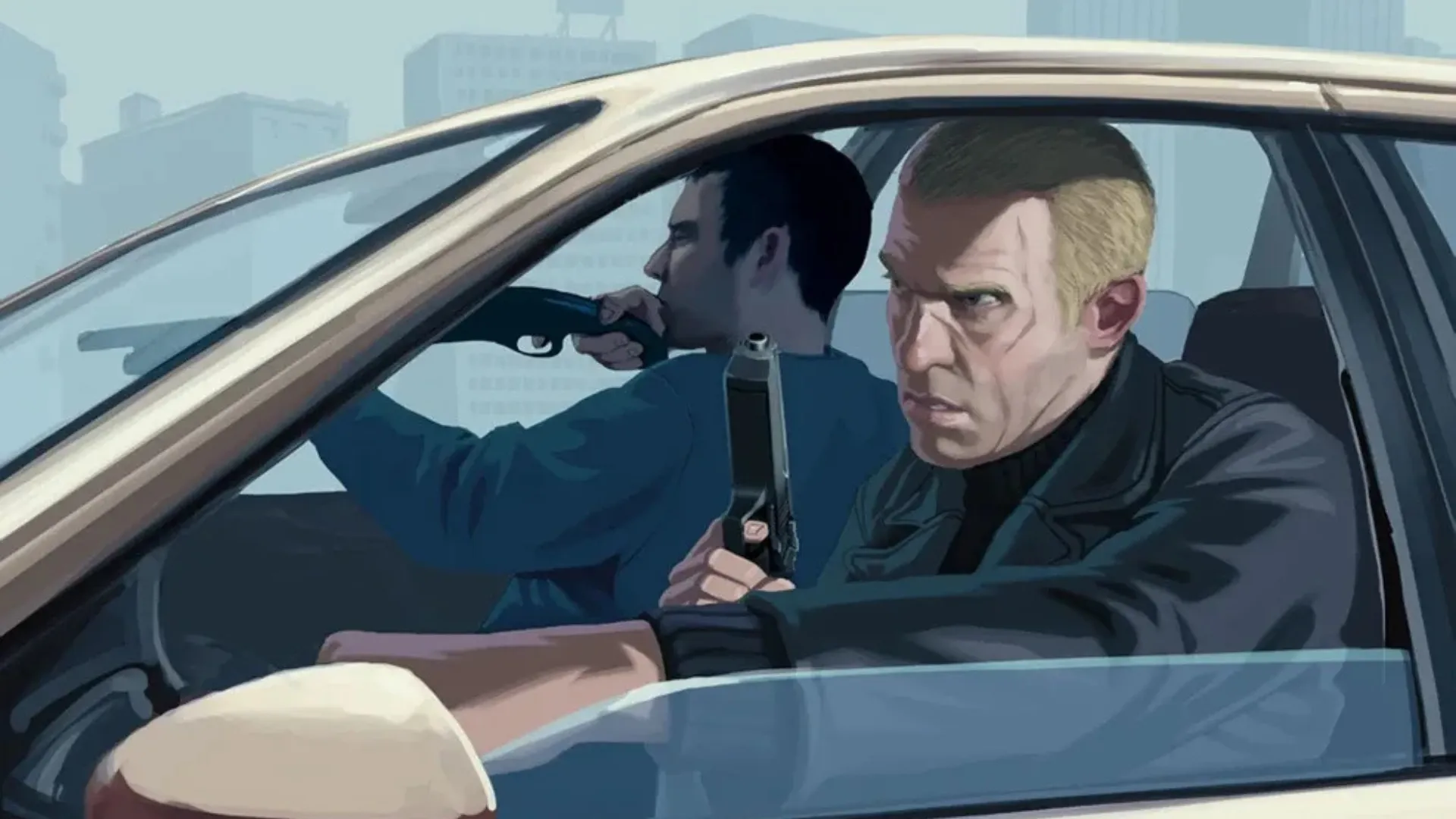
Then there is the engine.
GTA IV was one of the first open-world showcases for RAGE, Rockstar's in-house engine, built during the seventh console generation for hardware that is now obsolete. The PlayStation 3's Cell processor was notoriously awkward to develop for, and the game's PC port was famously unoptimized even at launch. Players still lean on community mods to make that version behave.
To run cleanly on modern machines without turning into a flickering mess, the game needs a deep overhaul of code written for dead architecture.
That leaves Rockstar two doors, and it has walked through the wrong one before. In November 2021 it handed the original trilogy to an outside studio, Grove Street Games. The result was a broken launch of The GTA Trilogy Definitive Edition. Busted lighting, warped character models, missing songs and misspelled signs left over from an AI upscaler.
Rockstar pulled the PC version, apologized publicly, and spent years quietly repairing the game through its Australian team. Reports say the fallout was severe enough that Rockstar shelved planned remasters of GTA IV and Red Dead Redemption.
So Rockstar is boxed in. Fix GTA IV in-house and it is expensive and pulls senior staff off other work. Outsource it and it risks repeating a disaster it just lived through.
A Cold Case, Not a Choice
Stack the evidence. Voice contracts written before games paid residuals. A soundtrack that already collapsed once and would cost a fortune to rebuild. A codebase engineered for hardware nobody owns. An outsourcing model that produced one of the most mocked launches of the decade, and the single most valuable project in gaming eating every spare pair of hands.
Any one of these is survivable, together they form a wall. This is cold business math, where the legal, technical and financial risk dwarfs the payout.
So GTA IV stays exactly where it is. A masterpiece Rockstar is perfectly content to leave in the past, because the cost of dragging it into the present is simply too high. Roman keeps asking if you want to go bowling. He just will not be asking in 4K.
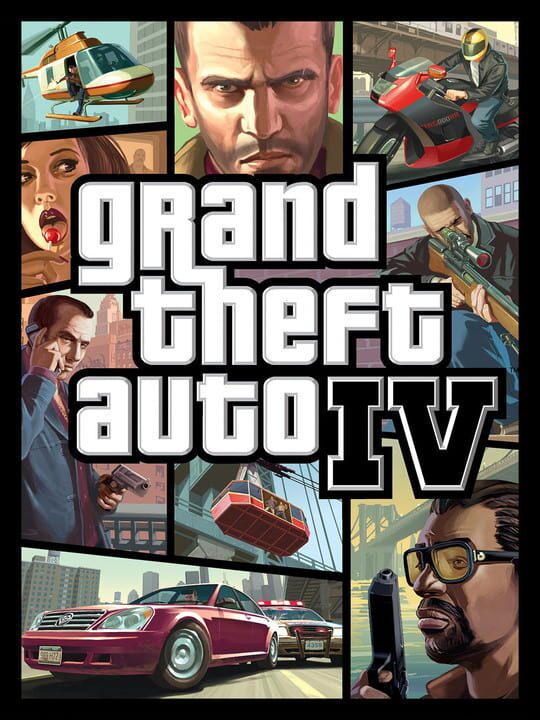
Grand Theft Auto IV is an action-adventure video game developed by Rockstar North and published by Rockstar Games. It is the eleventh title in the Grand Theft Auto series, and the first main entry since 2004's Grand Theft Auto: San Andreas. The game is played from a third-person
sandbox
Released
April 29, 2008
Developer
Rockstar North
Publisher
Take-Two Interactive


Tagged In
GTA IVRockstar GamesRemaster
Discussion
0We want to hear from you. Share your perspective in the comments below, and please keep the conversation respectful.
Log in to join the discussion - vote, reply, and share your take.
Log In