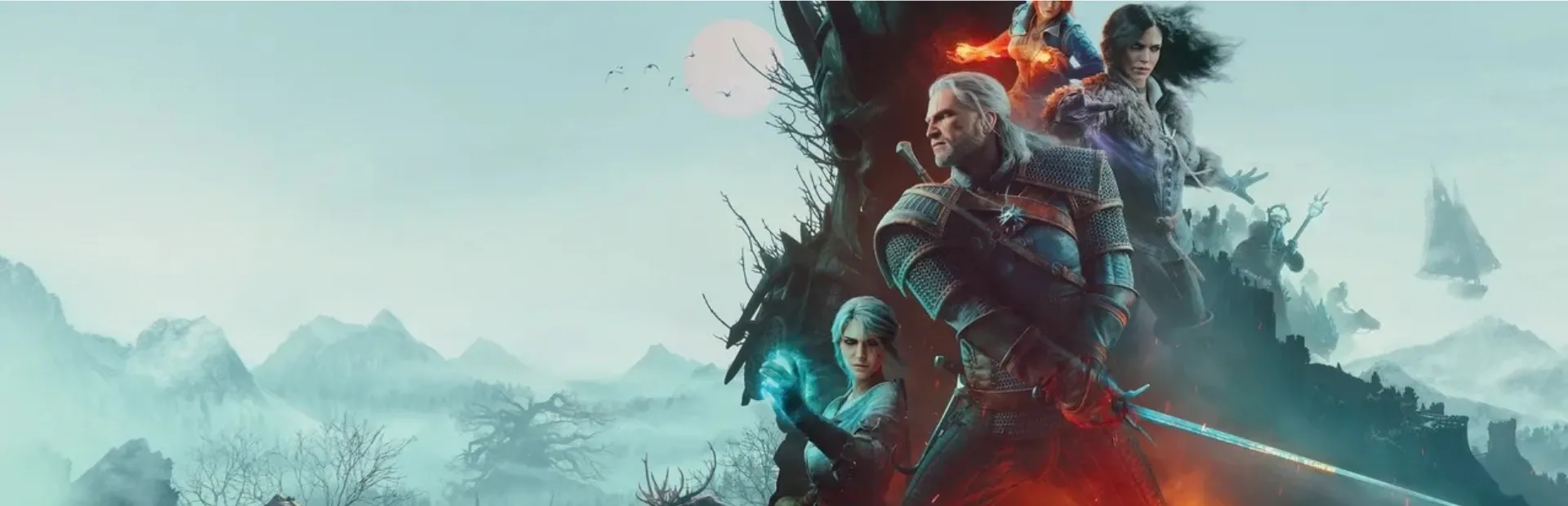
The Witcher 3 Remastered is bigger than anyone expected
The Witcher 3 Remastered smashed its Steam record in hours, with smoother combat, a rebuilt skill tree, expanded mods and dozens of quality-of-life upgrades.
The Witcher 3: Wild Hunt - Remastered has been out for little more than a day, and it has already set a new record for the game on Steam. More than 120,000 people were playing concurrently within hours of release, passing the previous peak of 103,329 from January 2020.
A free upgrade was always going to make returning easier, especially when The Witcher 3 has sold more than 65 million copies. There is much more here than another visual pass, though.
Combat is smoother, the skill system has been rebuilt, Geralt and Roach move better, mod support has expanded across platforms and dozens of smaller changes tackle parts of the game that have become easier to notice after 11 years.
Smashing its own Steam record
When The Witcher 3 launched in 2015, its Steam peak stopped just above 92,000 concurrent players. During the first season of the Netflix series almost five years later, that record was pushed to 103,329. Remastered blew past it within hours and crossed 120,000 players on its first day.
Obviously, the potential returning audience is much larger now. The Witcher 3 has sold more than 65 million copies, and owners on qualifying platforms can install Remastered without buying the game again. Anyone who previously owned only the base game also gets Hearts of Stone and Blood and Wine.
A big reason so many players could pile in at once is the way Remastered was released. On supported platforms, it replaced the Complete Edition instead of arriving as another version people had to buy separately, so anyone who already owned the game could move straight across.
It also launched on PC, PS5, Xbox Series X|S and natively on Switch 2, with Battle.net added on PC and Play Anywhere support on Xbox. Combined with more than 65 million copies already sold, that gave Remastered an enormous audience with very little standing between them and another trip through the Continent.
CD Projekt Red focused on the parts of The Witcher 3 that had aged
The Witcher 3 has spent the last decade as one of the most popular RPGs around, so it is hardly surprising that so many players came back for a remastered version. The difficult part with a game this well loved is deciding what should stay exactly as people remember it and what now feels old enough to change.
Looking back at the original, CD Projekt Red felt the characters, story and world had aged better than some of the systems used to move through and fight in them. Combat was one of the first places it went back to.
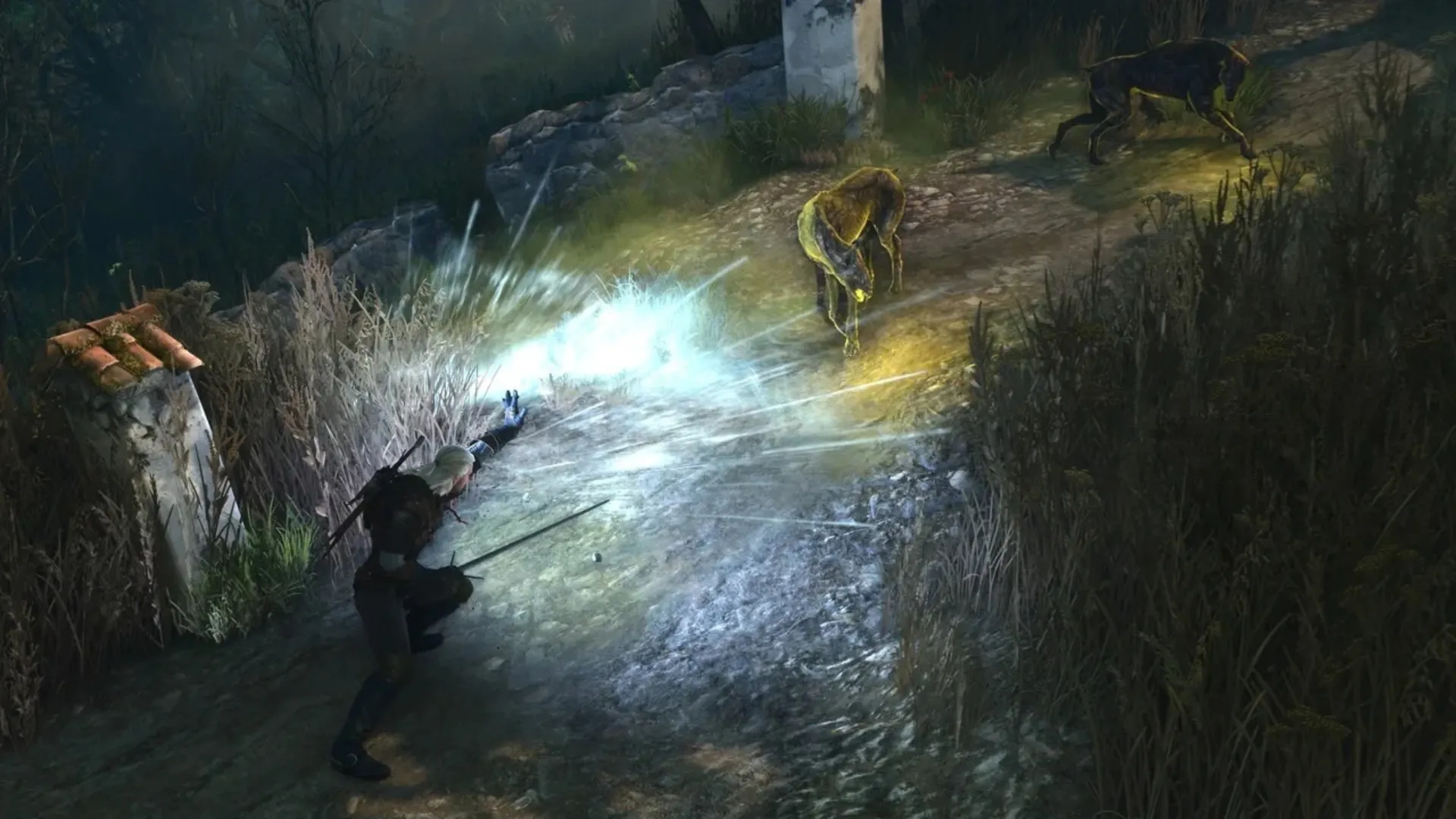
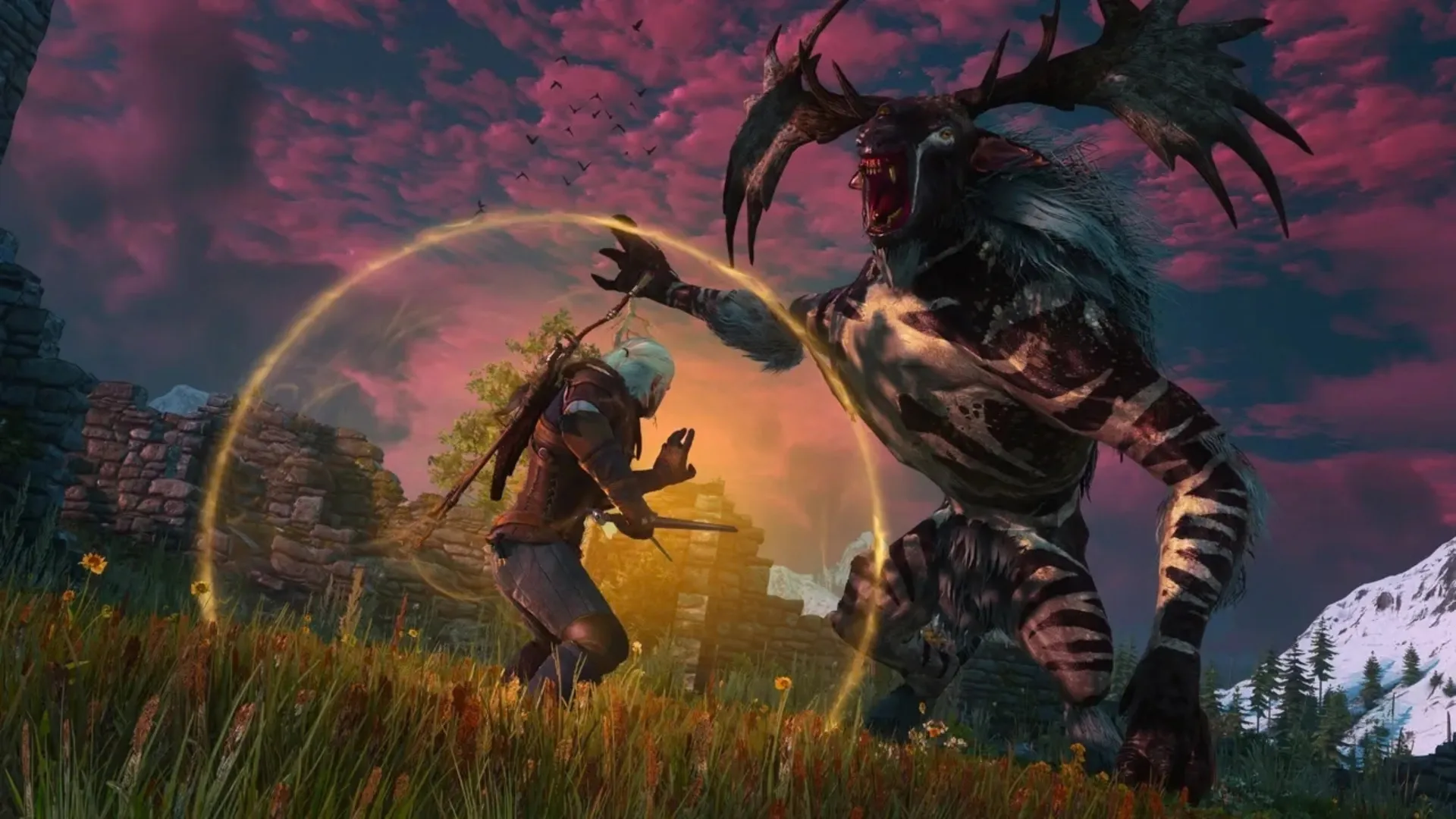
Geralt now closes gaps between enemies more smoothly, target switching has been improved and the combat camera reacts differently depending on the encounter. Many non-boss monsters have also received changes to their attacks, counters, movement and reactions, including revised behaviour for flying enemies. New finishers add some extra variation at the end of fights.
The basic combat still works around the same Geralt. Fast and strong sword attacks, dodges, Signs, potions and oils remain the foundation. Most of the work is in how smoothly you move between those actions.
Traversal has received the same treatment. Geralt climbs ledges and ladders faster, vaulting has been adjusted and several movement animations have been reworked. New exploration camera and field-of-view options also give you more control over how closely the camera follows him outside combat.
Roach may benefit even more from those smaller changes. Collision avoidance has been improved, mounting and dismounting have new animation work and horse controls now have their own sensitivity setting.
You spend a huge amount of The Witcher 3 travelling between villages, contracts and quest locations. Roach getting caught on the scenery less often is useful far beyond the first hour you notice it.
The skill tree has been properly rebuilt
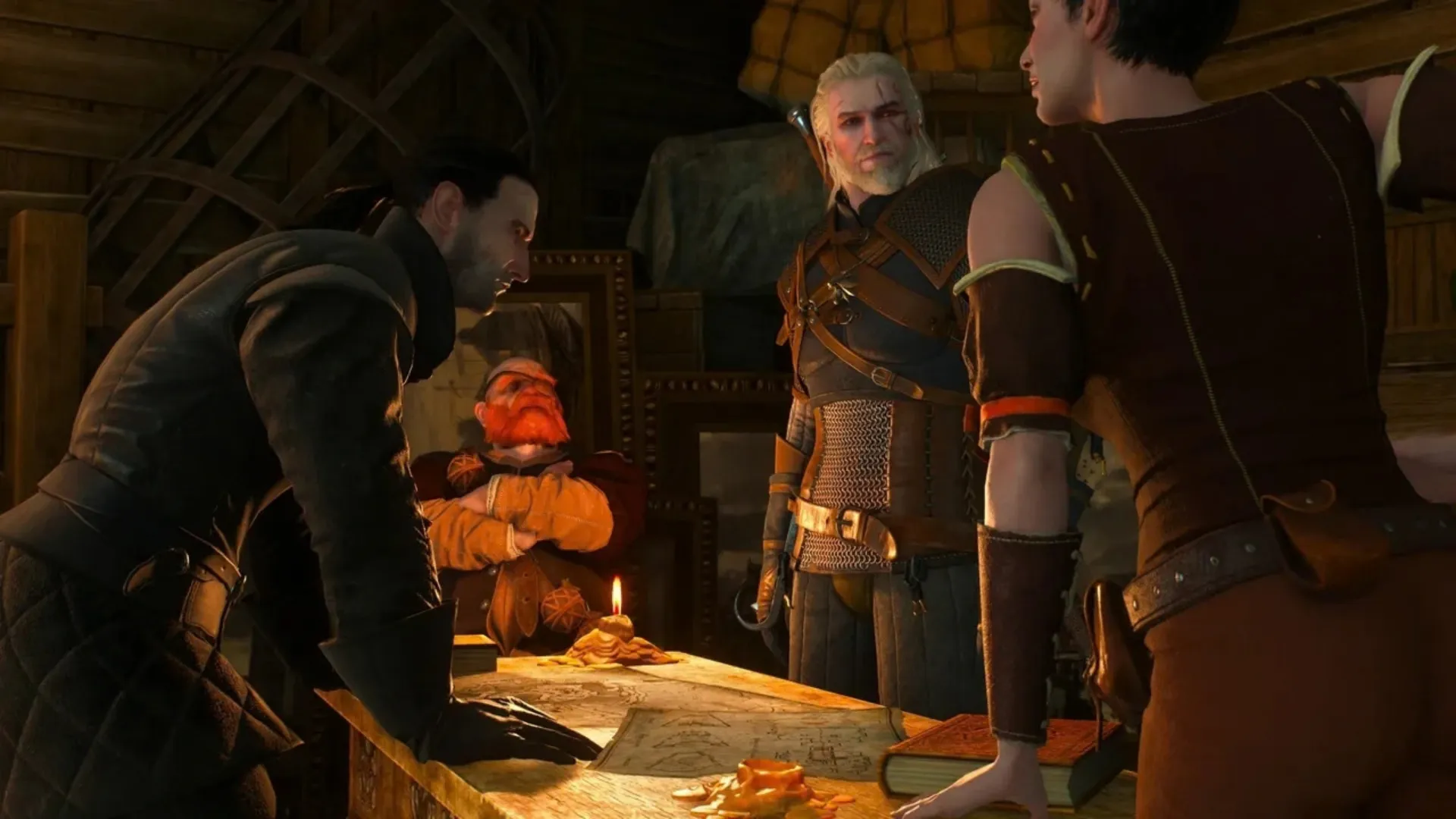
Another area where CD Projekt Red made deeper changes is Geralt's skill tree. The broad choice between swords, Signs and alchemy is still there, but the way you build towards those specialisations has been reworked.
The original game divided abilities into categories and required you to spend enough points before deeper rows became available. Remastered replaces that structure with prerequisites, so connected skills lead directly into one another.
Skills now use three ranks, while their bonuses, effects and relationships have been rebalanced. Several have also been adjusted to favour active abilities instead of filling a build with small passive percentage increases.
Old saves cannot simply carry their existing build across unchanged. Spent skill points are refunded when they are loaded in Remastered, leaving you to rebuild Geralt under the new system.
Sasko has compared some of the thinking behind this work with what CD Projekt Red learned while rebuilding Cyberpunk 2077 for Update 2.0. The comparison only goes so far. V can be designed around radically different weapons, cyberware and approaches to combat, while Geralt remains a witcher with an established fighting style.
Remastered stays within those boundaries. You are still deciding how much of Geralt to build around swords, Signs and alchemy, but the route through those specialisations has changed enough that an old build cannot simply be recreated by clicking through the same rows.
Looting and quest tracking take far fewer clicks
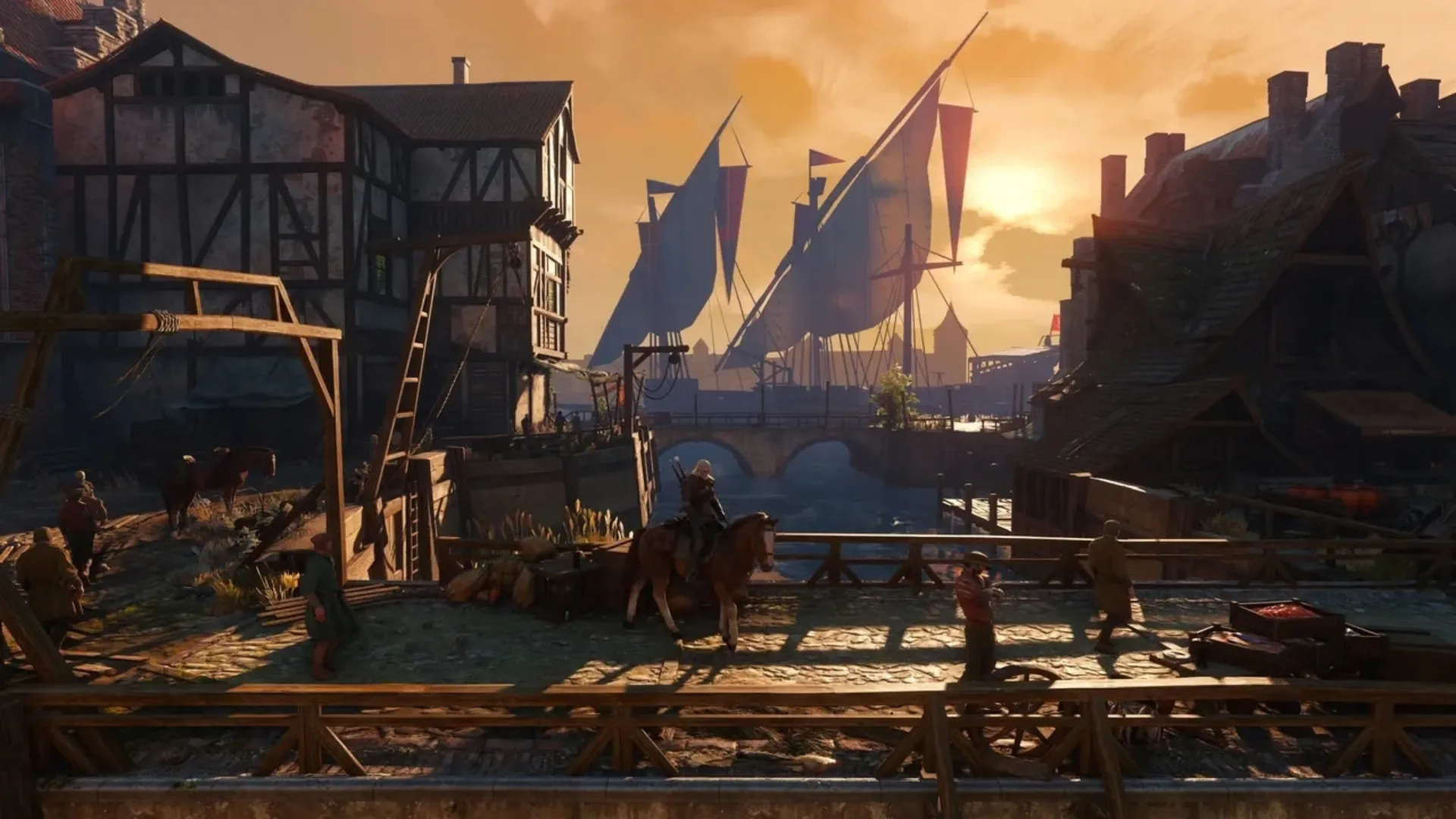
Some of Remastered's most useful changes are the ones you will barely think about after a few hours. Nearby items can now be collected from a single grouped loot window, with item details visible before you pick anything up and a feed showing exactly what Geralt just collected. You can even loot from horseback now.
Quest management has been tidied up in much the same way. Untracked quests are easier to spot on the map and can be selected directly from there, while several quest updates can appear together instead of filling the HUD with separate notifications.
Meditation now lets you watch time pass around Geralt instead of jumping through a static screen, tutorials have been shortened and leaving combat is less awkward. Reforge also lets you give weapons and armour the appearance of gear you have already collected without changing their stats.
You spend a lot of time looting bodies, checking quest markers and moving through menus. Doing each of those things with fewer clicks may not sound like a major change, but you are definitely going to notice it across Velen, Novigrad, Skellige and both expansions.
Mods, accessibility and a much better Photo Mode
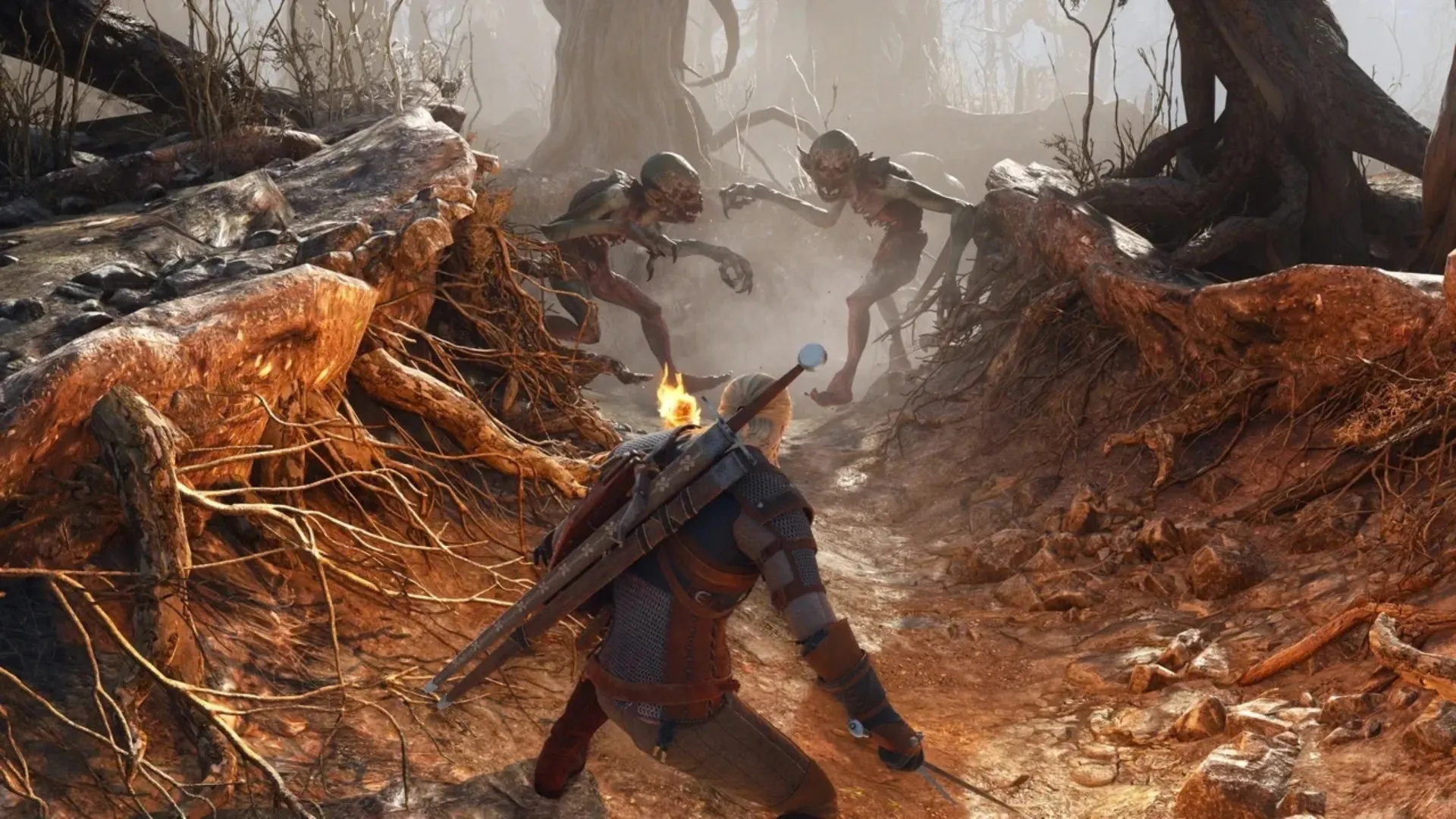
CD Projekt Red has spent time on a few parts of The Witcher 3 that were much more limited before. Console mod support is broader, accessibility finally has its own dedicated settings and Photo Mode has grown far beyond the basic camera added in 2022.
Mods are no longer only a PC concern
PC players have been modding The Witcher 3 for years, but Remastered brings that side of the game much closer to console players.
Cross-platform mod support runs through mod.io on PC, PS5, Xbox Series X|S and Switch 2, with supported community creations available to browse and install through the game. That opens the door to interface tweaks, visual changes and other community-made content without requiring a PC version.
Exactly what is available will still depend on platform restrictions and which mods creators choose to support, but consoles are no longer sitting almost entirely outside the modding scene.
It also gives The Witcher 3 another way to keep changing once CD Projekt Red eventually moves on from updating it itself.
Accessibility has received a dedicated pass
Accessibility options now have their own section in the settings menu, including the new Bard's Ballad preset. Bard's Ballad is aimed at players who experience mental fatigue or difficulty concentrating, with options such as automatic vitality regeneration below a chosen threshold, unlimited breath while swimming and diving, and unlimited item durability.
You do not have to use the whole preset either. Individual settings can be adjusted separately, so players can remove the parts of Geralt's routine that cause problems without changing everything else around them.
Photo Mode is much more than a camera now
One of the bigger overhauls is Photo Mode. You can place characters into a scene, change their poses and expressions, move lights around, alter environmental conditions and work with more camera and framing controls.
Props and saved camera positions give you even more room to build a shot rather than simply waiting for something interesting to happen in front of Geralt. The version added in 2022 was useful for screenshots. Remastered gives you far more freedom to shape the shot yourself.
The visual upgrade goes beyond higher-resolution textures
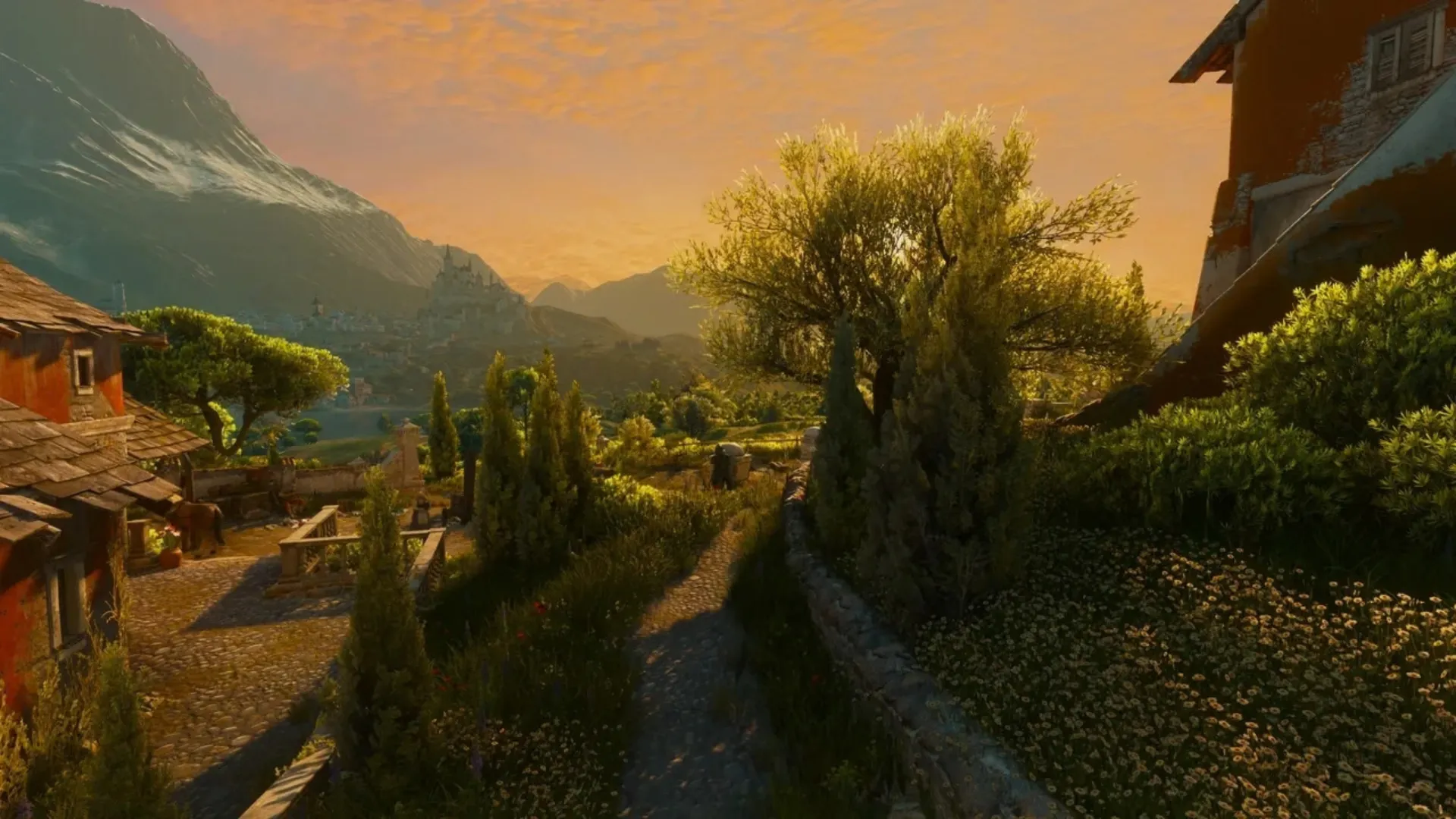
A lot of the visual work builds on the current-gen update from 2022, so Remastered is starting from a version of The Witcher 3 that had already moved well beyond the 2015 release.
Environment, NPC and monster textures have been updated again, with new lighting and shading for grass and foliage and revised effects for Geralt's Signs. Global lighting, reflections, ambient occlusion, tone mapping and hair rendering have all been touched as well.
PC gets the most ambitious version. The renderer now runs natively on DirectX 12, with path tracing joining the revised ray-traced effects. Updated versions of DLSS, FSR and XeSS are available for anyone trying to claw back some performance with those settings enabled.
PS5 Pro gets its own PSSR support, with the Ray Tracing mode targeting 60fps. Performance mode can go higher on a VRR display, with support for up to 90fps.
Switch 2 is more interesting for what it adds around the visuals. The native version supports gyro aiming, motion controls and mouse-style Joy-Con input, while the touchscreen can be used on the world map, in Gwent and inside Photo Mode. Those controls give the handheld version a few tricks the other platforms simply do not have.
The launch has not been completely clean. Early players have reported frame drops, stuttering, graphical glitches and PC performance issues, although a Radeon driver update has already fixed at least some of the reported graphics problems. It is still too early to know how widespread the remaining issues are.
This goes much further than the 2022 update
The Witcher 3 already had one major return in 2022, but Remastered reaches much further into the game people actually spend their time playing. Combat has been tightened, movement is smoother, Roach behaves better, the skill tree has been rebuilt and dozens of smaller tasks now take less effort.
That makes another playthrough feel different in ways a visual upgrade alone could not. The free upgrade and an audience of more than 65 million owners gave CD Projekt Red a huge pool of players to bring back, but there is also enough here for returning players to notice once they are back in Velen, Novigrad and Skellige.
More than 120,000 Steam players turning up within hours suggests plenty of them were ready for exactly that. And with Songs of the Past still coming in 2027, Remastered arrives at a point where The Witcher 3 suddenly feels active again rather than simply preserved.
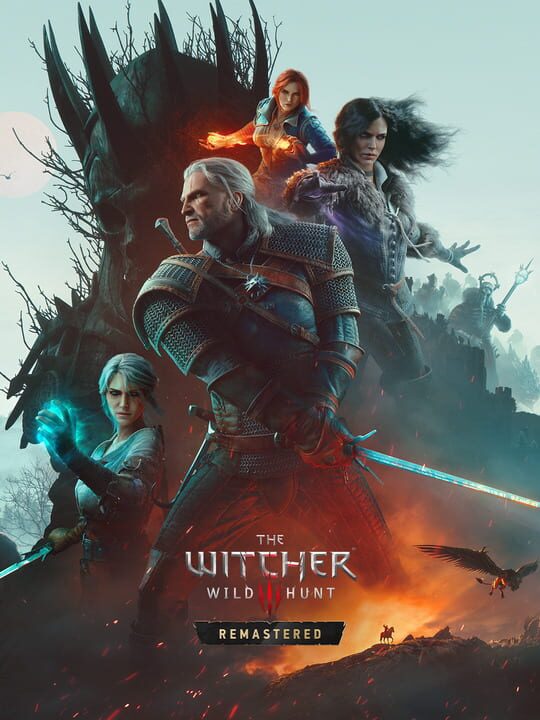
The Witcher 3: Wild Hunt Remastered
Coming on September 29, this is the definitive way to experience Geralt of Rivia’s legendary adventure. The Witcher 3: Wild Hunt — Remastered features an array of improvements, bringing upgrades to visuals, gameplay, and more. Remastered is a free upgrade for players who own The
Released
September 29, 2026
Developer
CD Projekt RED
Publisher
CD Projekt RED


Discussion
0We want to hear from you. Share your perspective in the comments below, and please keep the conversation respectful.
Log in to join the discussion - vote, reply, and share your take.
Log In