
Credit: Capcom
newsBreakingpragmata
Capcom Internal Reviews Initially Called Pragmata Deeply Disappointing And So Boring
July 2, 2026·Updated September 14, 2026·3 min read
Capcom’s early Pragmata reviews were harsh, but the team reshaped the game around Hugh, Diana, hacking, and shooting.
Pragmata looks like a strong Capcom game now, but it had a tough development. Early in development, internal reviews were harsh, with feedback calling the game disappointing and boring. That kind of response can stop a new IP before it ever reaches players, especially when the team is still trying to explain what makes the game special.
Capcom kept going instead. The team reworked the game, found a better rhythm, and turned Pragmata into something more focused than its early builds.
Pragmata started with a strong idea, not a full game
The original pitch was simple: an action game set on the Moon. That was enough to make Pragmata look interesting in trailers, but a good setting does not automatically make a game fun to play.
Early builds struggled because the pieces were not working together yet. The action, puzzles, and level design did not give Capcom the confidence it needed.
That helps explain why the game disappeared for so long after its reveal. The team was not only polishing graphics or waiting for a better release window. It was still trying to find the right version of the game.
Hugh and Diana became the real hook
The breakthrough came when the team leaned into the partnership between Hugh and Diana. Pragmata stopped looking like a regular third-person shooter and became a game about fighting and hacking at the same time.
Hugh handles the shooting, movement, and danger in front of him, while Diana opens enemies up through hacking. Players have to think about both sides instead of only aiming at weak spots.
The amount of work involved makes it easy to see why it took longer than expected. If the hacking feels too slow, it breaks the action. If the shooting takes over, Diana feels like a gimmick. The final game works because those ideas finally support each other.
The long delay makes more sense now
Pragmata spent years in the background, and players had plenty of questions about what was happening. The internal feedback gives that silence more context.
Capcom was dealing with a deeper problem than a normal delay. The game needed a stronger reason to exist beyond its sci-fi setting and mysterious trailers.
That is why the finished version feels worth the wait.The team had to rebuild around the parts that worked instead of pushing ahead with a weaker version just because the game had already been announced.
The turnaround is the real story
The most interesting part is not that Pragmata once had bad internal feedback. Plenty of games go through ugly stages before release.
What matters is that Capcom used that criticism to sharpen the game. The hacking-and-shooting system, Hugh and Diana’s bond, and the stronger sci-fi identity all came from a project that had to be fixed before it could be finished.
Pragmata was once called boring inside Capcom. The final game is proof that harsh feedback can sometimes save a project instead of burying it.
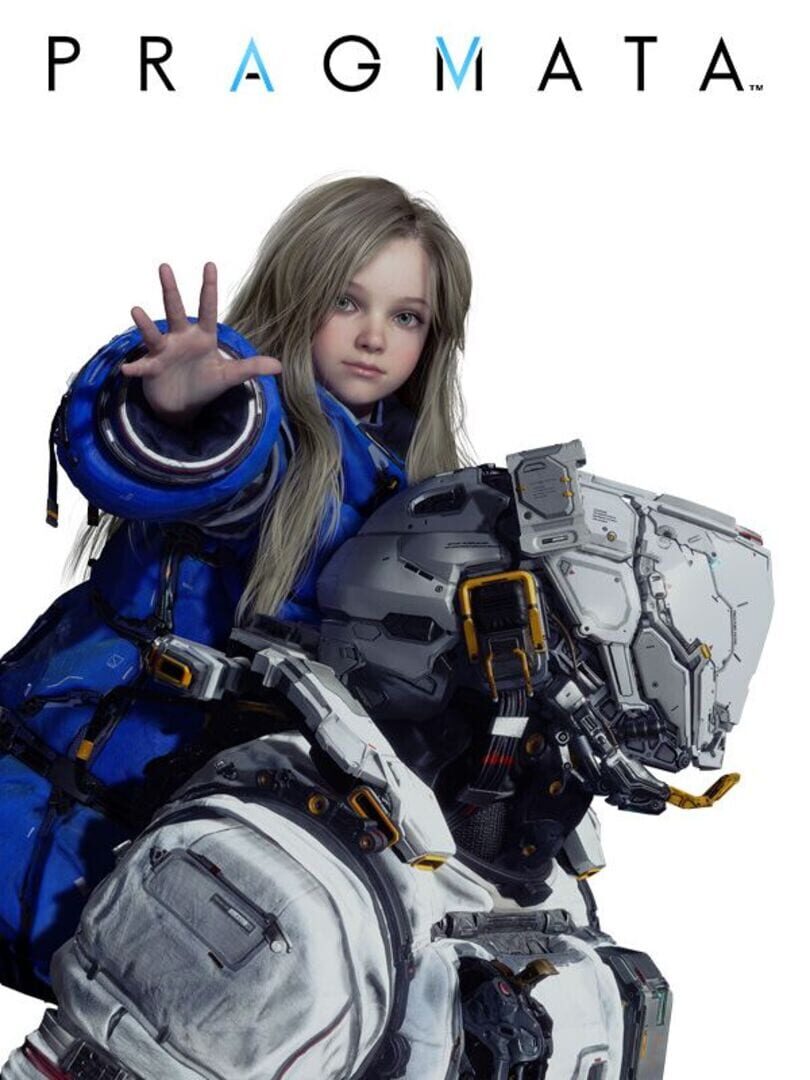
Pragmata is a sci-fi action-adventure game set in the near future. The story follows Hugh and his android companion Diana as they navigate a Lunar research station. Gameplay incorporates action elements alongside mechanics involving interaction with systems within the environment
Released
April 17, 2026
Developer
Capcom
Publisher
Capcom
Systems


Tagged In
PragmataCapcomGame Dev
Discussion
0We want to hear from you. Share your perspective in the comments below, and please keep the conversation respectful.
Log in to join the discussion - vote, reply, and share your take.
Log In