God of War Still Makes Kratos Feel Dangerous Without the Rage
Eight years later, God of War remains an exceptional reinvention because its quieter Kratos, heavier combat, and relationship with Atreus changed the series without erasing what made it brutal.
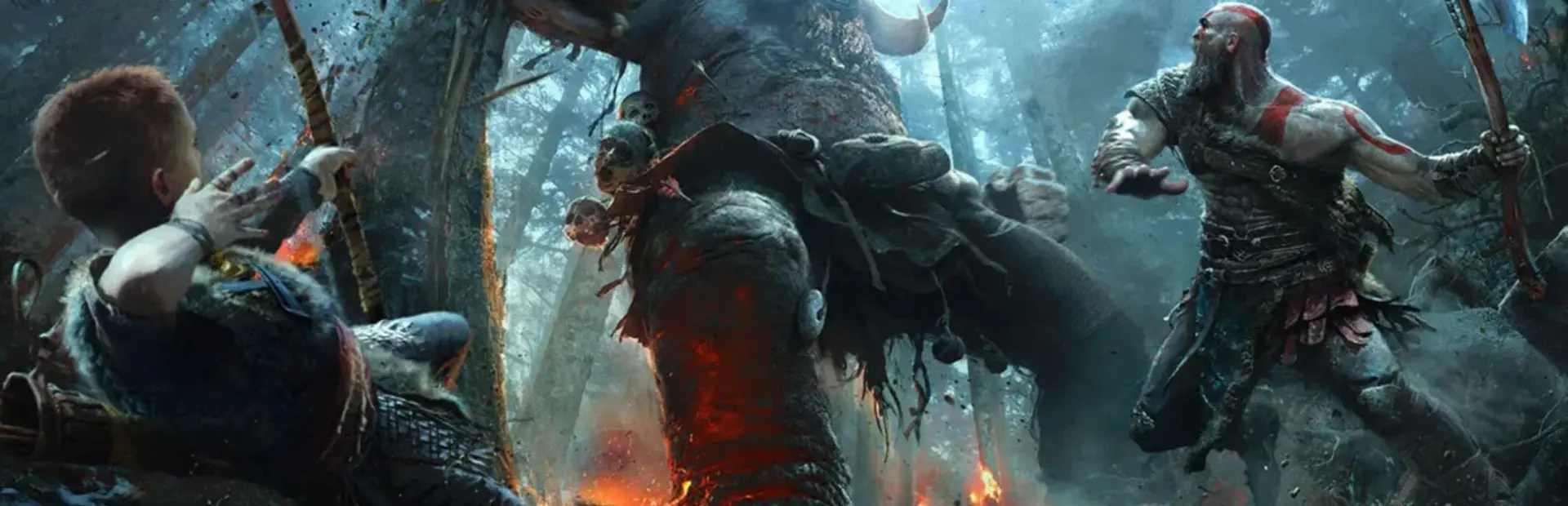
The first fight in God of War tells you almost everything about how much the series changed in 2018. Kratos no longer fills the screen with spinning chains while enemies arrive from every direction. The camera sits behind his shoulder. The Leviathan Axe moves with deliberate weight. Blocking, positioning, dodging, and choosing which enemy to watch matter more than maintaining a huge combo. Santa Monica Studio did not simply move Kratos from Greek to Norse mythology. It rebuilt the rhythm of playing him.
Eight years later, that decision still holds up. Some of the systems surrounding it now feel unmistakably like products of the late-2010s obsession with gear levels, crafting materials, and rarity colors, while repeated enemies expose limits that were easier to forgive at release. None of that damages the transformation at the center of the game. God of War succeeds because combat, storytelling, exploration, and even its camera are built around the same idea: Kratos is trying to control a force that used to control him.
The Leviathan Axe Changed Kratos More Than the Camera
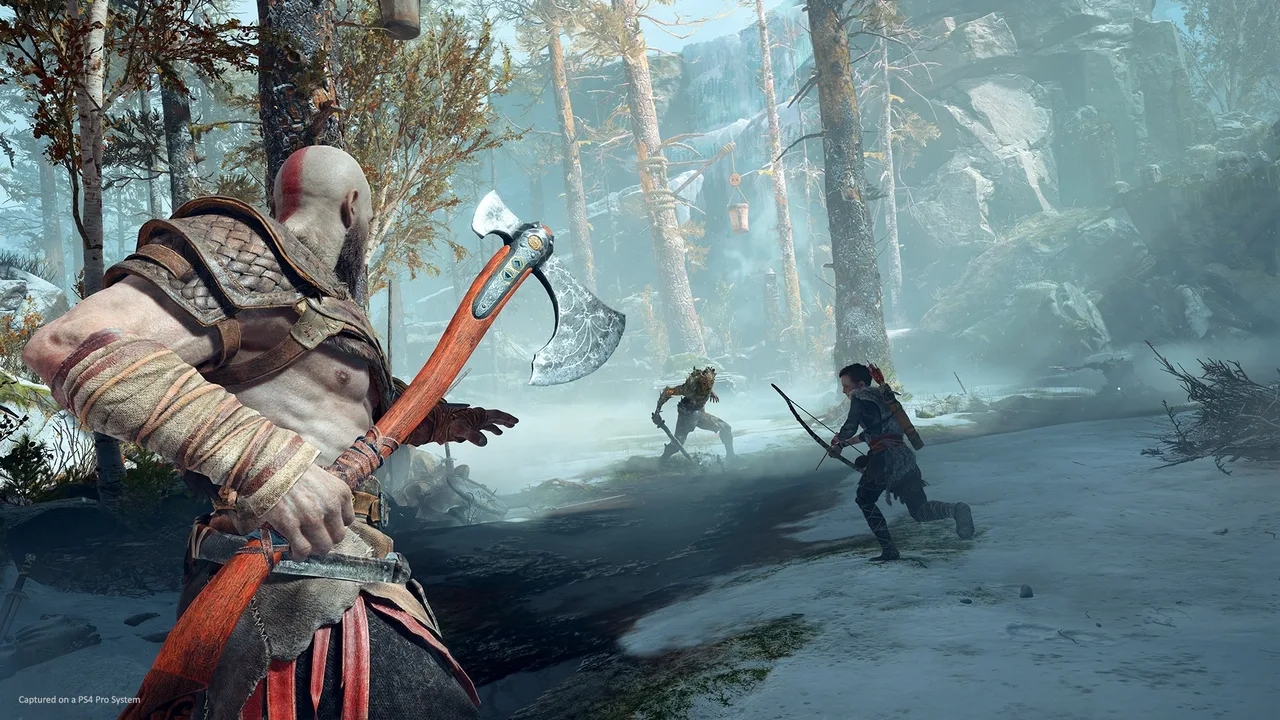
Moving the camera behind Kratos was the most obvious break from the Greek games, but the Leviathan Axe did more to redefine how combat actually works. Individual attacks take longer and occupy more space. Enemies cannot simply be treated as bodies inside a combo. A strike has to land somewhere useful, and throwing the axe temporarily removes Kratos' primary weapon from his hands.
Recalling it remains one of the game's smartest mechanics. The axe can freeze an enemy in place, pin smaller targets against surfaces, trigger mechanisms, or hit something on its return journey. That last detail gives a simple ranged attack another decision attached to it. The weapon is not just fired and forgotten. Where Kratos stands when he calls it back can matter almost as much as where it was originally thrown.
Atreus gradually adds another layer. His arrows can interrupt enemies and build stun, while his later abilities make him useful for extending pressure instead of existing as an escort objective. Kratos can juggle his own attacks, a shield parry, runic abilities, axe throws, Spartan Rage, and Atreus' support without combat becoming the uncontrolled spectacle of the older games.
The close camera creates a cost. Groups can attack from outside the visible area, leaving directional indicators to communicate threats that an older God of War camera would simply have shown. Fighting several fast enemies can become a battle with awareness as much as the enemies themselves. It is an intentional consequence of the perspective, but not always a good one.
Midgard Rewards Looking Away From the Objective
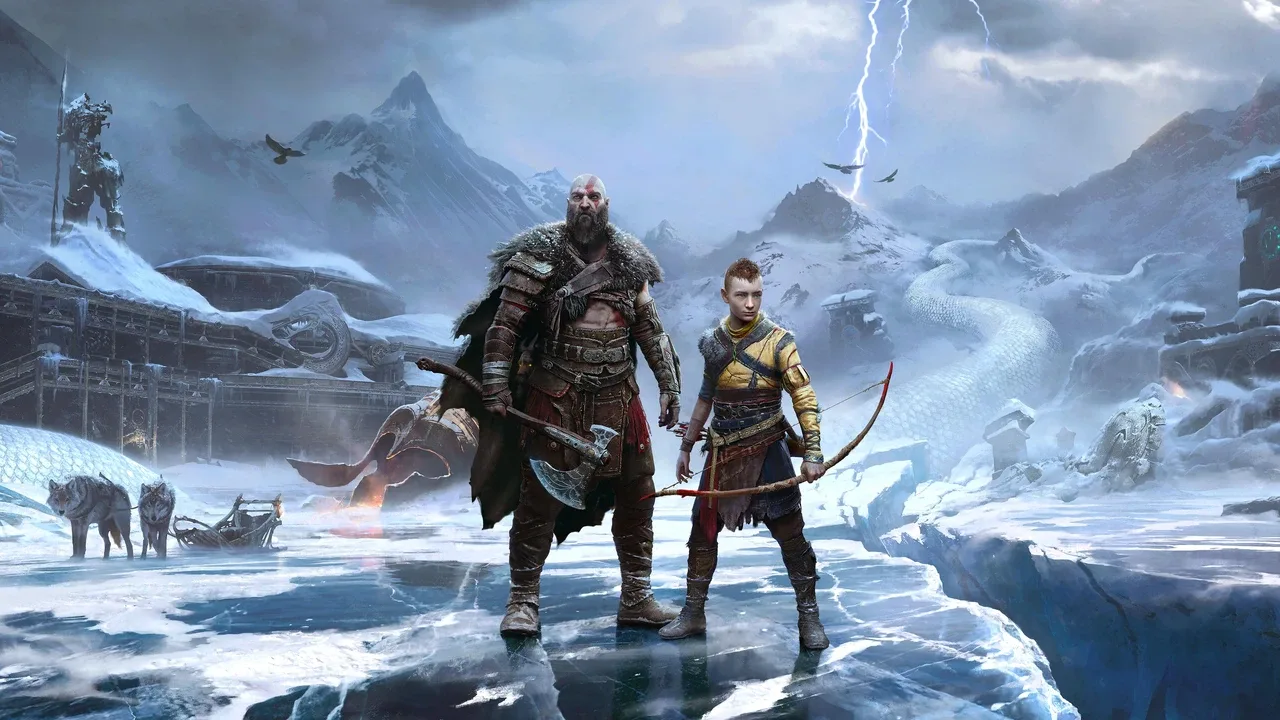
God of War arrived during an era when major releases seemed increasingly determined to become enormous open worlds. Santa Monica Studio avoided going that far. Midgard instead works as a collection of connected regions built around the Lake of Nine, with additional realms branching away from it.
The structure has aged well because exploration rarely feels disconnected from the main journey. Lowering the lake level exposes new beaches, towers, pathways, and entrances. Returning with additional abilities allows Kratos and Atreus to access routes that were previously blocked. The world changes enough over the course of the story that revisiting its central space does not mean merely clearing old icons from a map.
Optional areas also contain some of the game's hardest fights. The Valkyries take mechanics introduced across the campaign and demand much cleaner use of dodging, blocking, parrying, and attack windows. Their queen, Sigrun, combines patterns learned from the previous encounters into a fight that tests whether those systems have actually been understood.
Not every diversion deserves the same attention. Niflheim turns exploration into a repeatable resource grind built around a poisonous maze, while Muspelheim uses combat challenges to stretch the existing encounter system. Both provide reasons to continue improving Kratos after the campaign, but they also expose how quickly God of War can feel mechanical when its environments and character interactions stop carrying the experience.
Kratos Became More Interesting by Speaking Less
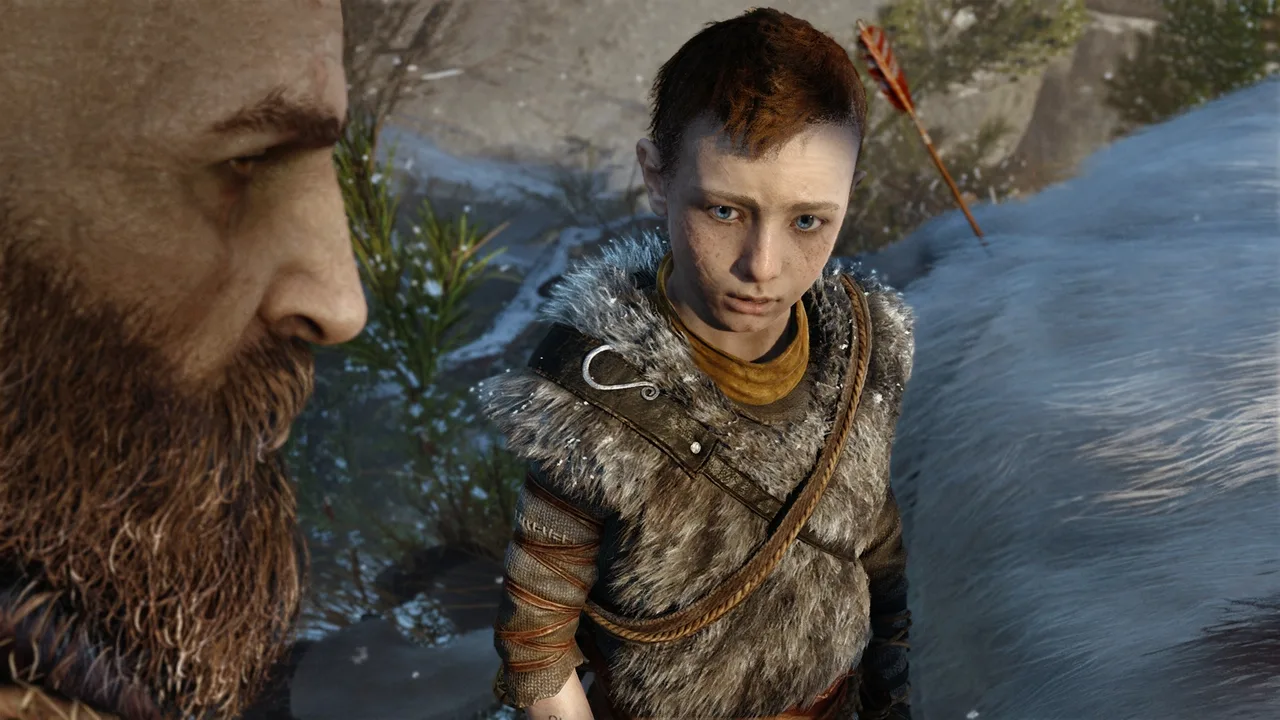
The story begins with a simple task. Kratos and Atreus must carry Faye's ashes to the highest peak in the realms. The journey gives Santa Monica Studio enough structure to introduce gods, monsters, realms, and family conflicts without losing sight of the relationship that matters.
Kratos is initially terrible at being a father. He calls Atreus "boy" more naturally than he uses his name. His advice usually sounds like battlefield instruction. Affection appears indirectly through protection, preparation, and the moments when he almost reaches out before stopping himself. The restraint works because the old Kratos still exists underneath it. The story does not pretend that years of rage disappeared when he grew a beard and moved north.
Atreus prevents that restraint from becoming silence. He asks questions, reads inscriptions, talks to strangers, comments on the environment, and fills the long boat journeys with conversations that Kratos would never begin himself. Mimir later makes those journeys even stronger. Stories told while rowing turn travel time into mythology, character development, and occasional comedy without requiring the game to stop for another cutscene.
The relationship also survives because Atreus is allowed to become irritating. He makes mistakes and passes through a stretch where newfound information changes how he behaves. The shift is deliberately unpleasant, although it moves quickly enough to feel forced compared with the patient characterization around it. Kratos teaching his son control becomes less convincing whenever Atreus' own development has to accelerate to keep the plot moving.
The RPG Systems Are the Part That Feel Old
The 2018 reinvention also brought equipment levels, armor rarity, enchantments, crafting materials, stat increases, talismans, upgrade resources, and shop menus. Some customization is useful. Runic attacks can meaningfully alter combat, cooldown-focused setups encourage more ability use, and different equipment can support aggressive or defensive approaches.
The broader gear system is less convincing. A stronger breastplate can raise an overall level enough to make enemies dramatically easier to damage, which places numerical progression on top of combat that otherwise depends on timing and execution. Finding a piece of legendary equipment should be exciting. Comparing tiny changes to Strength, Runic, Defense, Vitality, Luck, and Cooldown can instead interrupt a game whose best systems communicate themselves immediately.
Color-coded loot was hardly unusual in 2018, but it feels more disposable now because God of War never needed it to create progression. New moves, upgraded weapons, runic attacks, Atreus' development, and access to previously blocked areas already provide clearer ways to show Kratos becoming more capable.
Enemy repetition is harder to hide too. Draugr variants, Nightmares, Revenants, Hel-Walkers, and trolls return often enough that visual changes cannot always disguise familiar encounter patterns. Trolls in particular become less impressive each time another version appears. The Valkyries show how good the combat becomes when an enemy has enough attacks to exploit its full depth. The main campaign simply does not provide enough opponents at that level.
The One-Shot Camera Still Has a Purpose
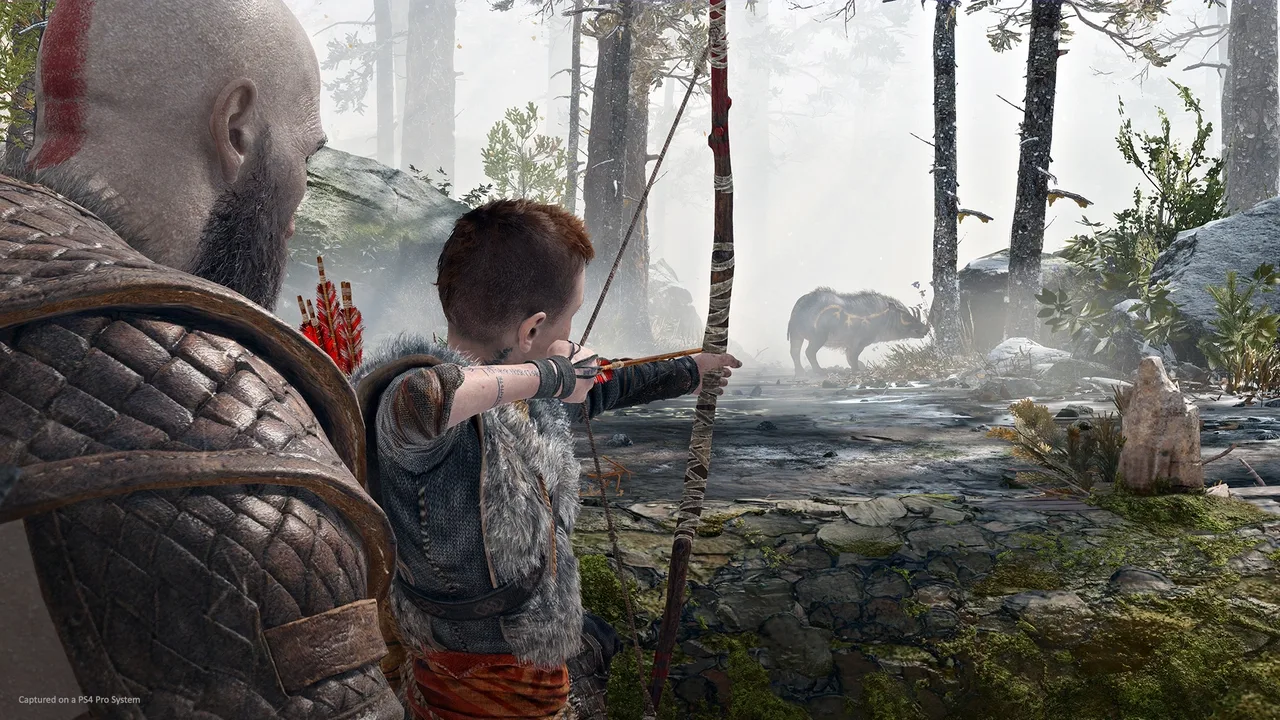
Santa Monica Studio presented the entire adventure through a camera designed to avoid visible cuts. It would have been easy for that decision to become an expensive trick. Instead, it reinforces the game's intimacy.
The camera stays close when Kratos fights, travels, argues with Atreus, or encounters something enormous. Older entries could pull far away to show how small Kratos looked beside a god or Titan. The 2018 game keeps the perspective grounded near him, forcing scale to be communicated from where Kratos is standing.
Seamless transitions between exploration, conversation, and cinematic scenes also keep small moments connected. Kratos does not become a different character when control is removed. His body language, limited responses, and position relative to Atreus remain part of the same continuous journey.
Modern hardware makes that presentation easier to appreciate. The game originally released for PS4 on April 20, 2018, while the later PC edition added options including unlocked frame rates, higher graphical settings, 4K support on compatible hardware, ultrawide presentation, and expanded control options. The increased performance suits combat particularly well. More importantly for a retro review, the underlying art direction has required very little forgiveness. Midgard's forests, the Lake of Nine, Alfheim, and the game's massive mythological creatures still hold their scale without relying on technical novelty.
God of War Remains the Right Place to Start
The strangest thing about returning to God of War in 2026 is how little its biggest risks now feel risky. An older Kratos raising a son, an over-the-shoulder camera, slower combat, Norse mythology, semi-open exploration, and a mostly continuous camera could have dismantled the identity of the series. Instead, those decisions became the foundation for its next era.
Its weaknesses are easier to see now. Gear management adds numbers where the combat is strongest when it depends on skill. Enemy variety cannot fully support the length of the adventure. The camera occasionally sacrifices useful information for intimacy. None of those problems reach the parts that made the reinvention work.
For anyone coming to the series through the Norse games, God of War remains the correct starting point rather than something to rush through before Ragnarök. Kratos and Atreus need this journey for what follows to matter, but the game does not survive on narrative importance alone. Eight years later, throwing the Leviathan Axe into an enemy and hearing it tear back into Kratos' hand still explains the transformation better than any retrospective could. The old violence is still there. Santa Monica Studio simply taught Kratos, and the player, to use it with control.
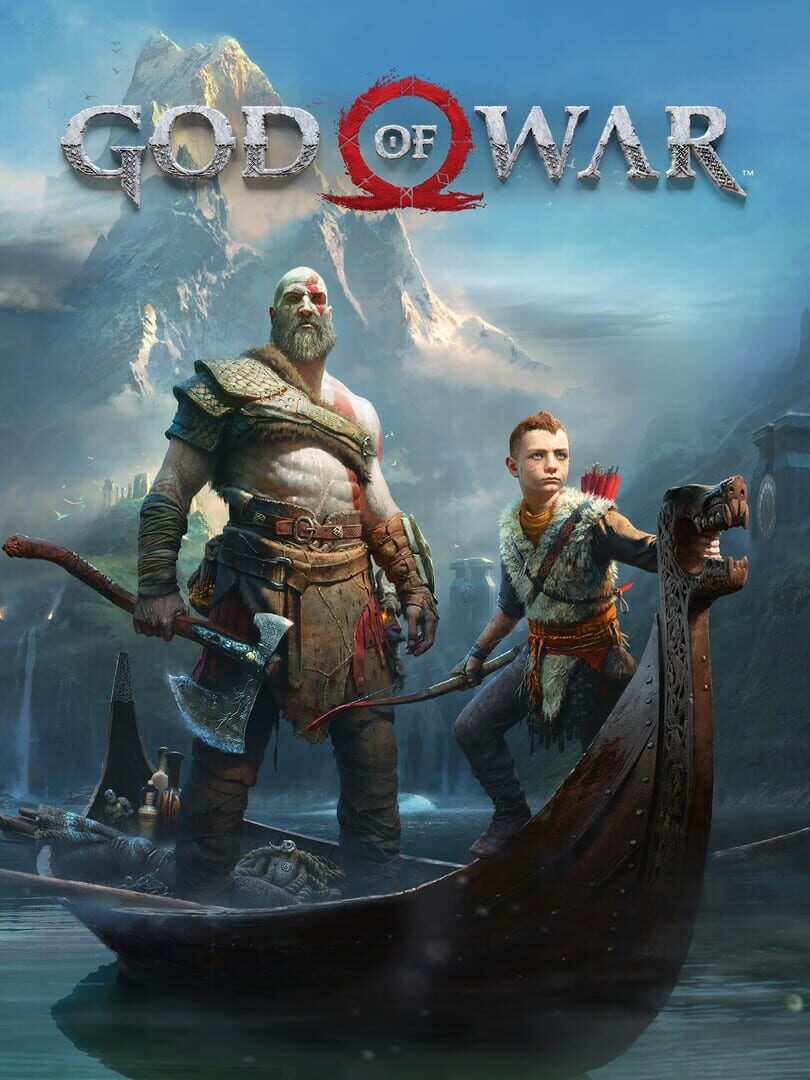
God of War is the sequel to God of War III as well as a continuation of the canon God of War chronology. Unlike previous installments, this game focuses on Norse mythology and follows an older and more seasoned Kratos and his son Atreus in the years since the third game. It is in
Released
April 20, 2018
Developer
Santa Monica Studio
Publisher
Sony Interactive Entertainment


Tagged In
Discussion
0We want to hear from you. Share your perspective in the comments below, and please keep the conversation respectful.
Log in to join the discussion - vote, reply, and share your take.
Log In