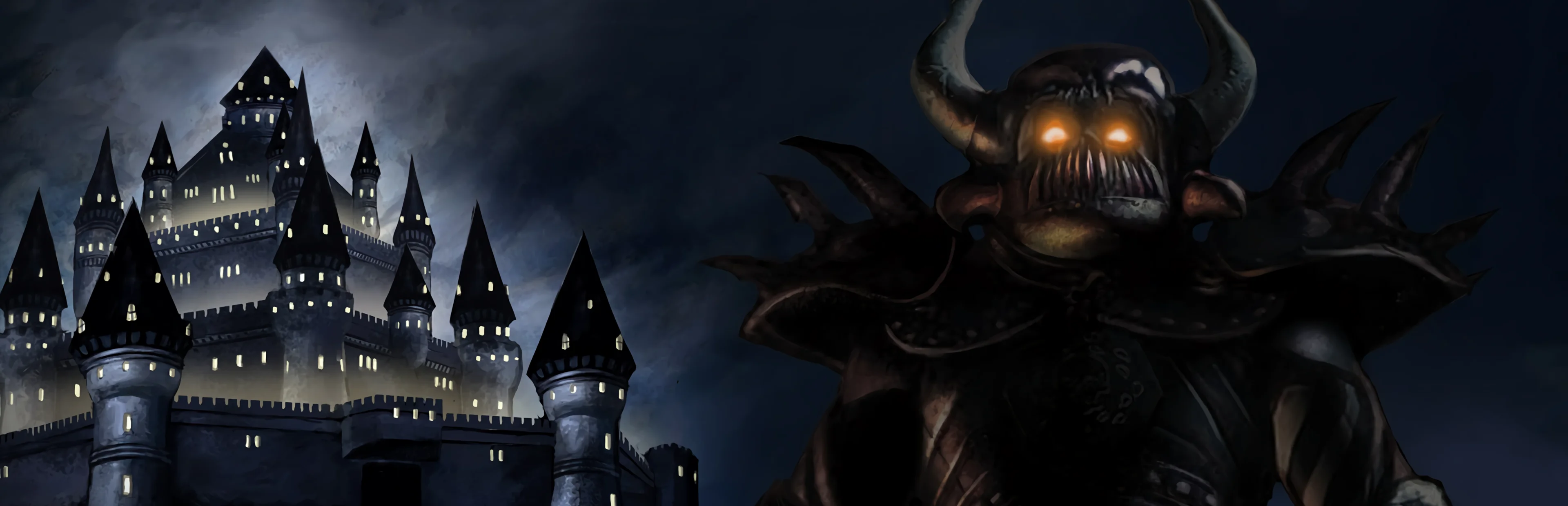
Credit: BioWare
reviewReviewbaldur-s-gate
Baldur’s Gate still makes the road feel dangerous
June 8, 2026·Updated September 12, 2026·7 min read
BioWare’s first great RPG is slow, awkward, and often unforgiving, but its patient sense of danger and discovery still gives the Sword Coast a power that newer RPGs often smooth away.
Baldur’s Gate is not easy to meet on modern terms. It comes from a different school of RPG design, one built on Advanced Dungeons & Dragons rules, limited guidance, dangerous travel, and the belief that a low-level adventurer should feel weak before they feel heroic. It does not care if I understand THAC0 right away. It does not care if I wandered into a fight too early. It lets me make bad choices, then makes me live with the reload screen.
That roughness can be tiring, but it is also why the game still works. Baldur’s Gate is not as dramatic as its sequel, not as accessible as its modern descendants, and not as emotionally rich as the RPGs BioWare would later make. What it still has is the feeling of leaving safety with almost nothing and slowly learning how to survive. Its best quality is the way the road keeps reminding me that I am not ready yet.
Candlekeep makes the outside world feel huge
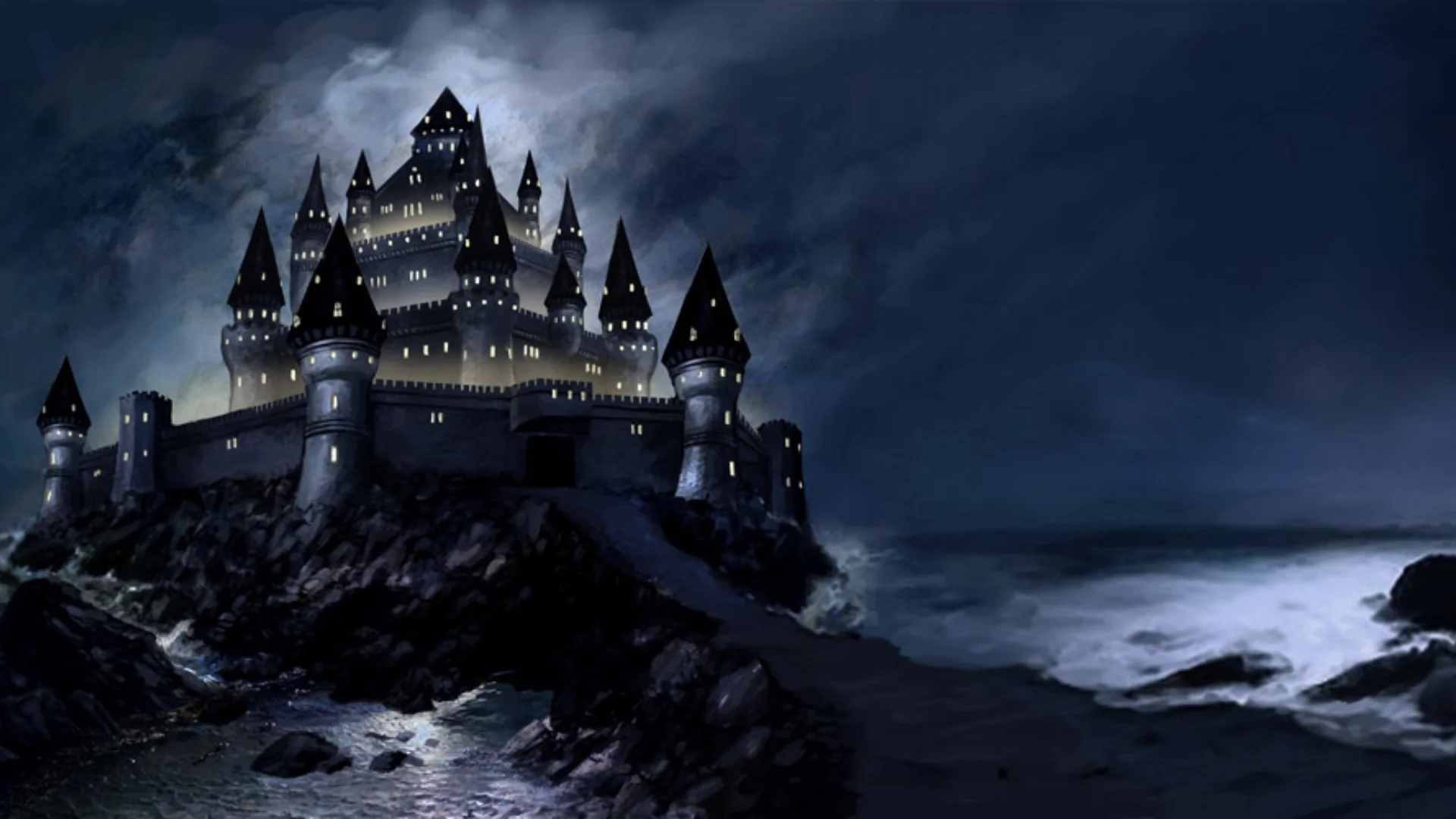
The opening works because Candlekeep feels like a place I am meant to outgrow before I fully understand it. It is quiet, protected, and slightly strange, with enough small errands and conversations to make it feel familiar. Then the gates open, and the Sword Coast immediately feels less forgiving. Safety disappears. The map opens. Even a short walk can go badly.
That first stretch is harsher than many modern players will expect. Early fights are not heroic. They are scrappy, uneven, and sometimes ugly. A wolf can be a real problem. A bandit can kill a fragile character before I have formed an attachment to them. A mage can turn a simple encounter into a disaster. The game’s low-level combat has a sharp edge because the party has so few tools and so little room for mistakes.
I did not always enjoy that edge in the moment. Sometimes it felt less like danger and more like being punished for rules the game had not explained clearly enough. But the more I played, the more I understood what the opening was doing. Baldur’s Gate wants the first decent weapon, the first useful spell, the first safe inn, and the first party that can hold a line to feel earned.
The Sword Coast works because it lets me get lost
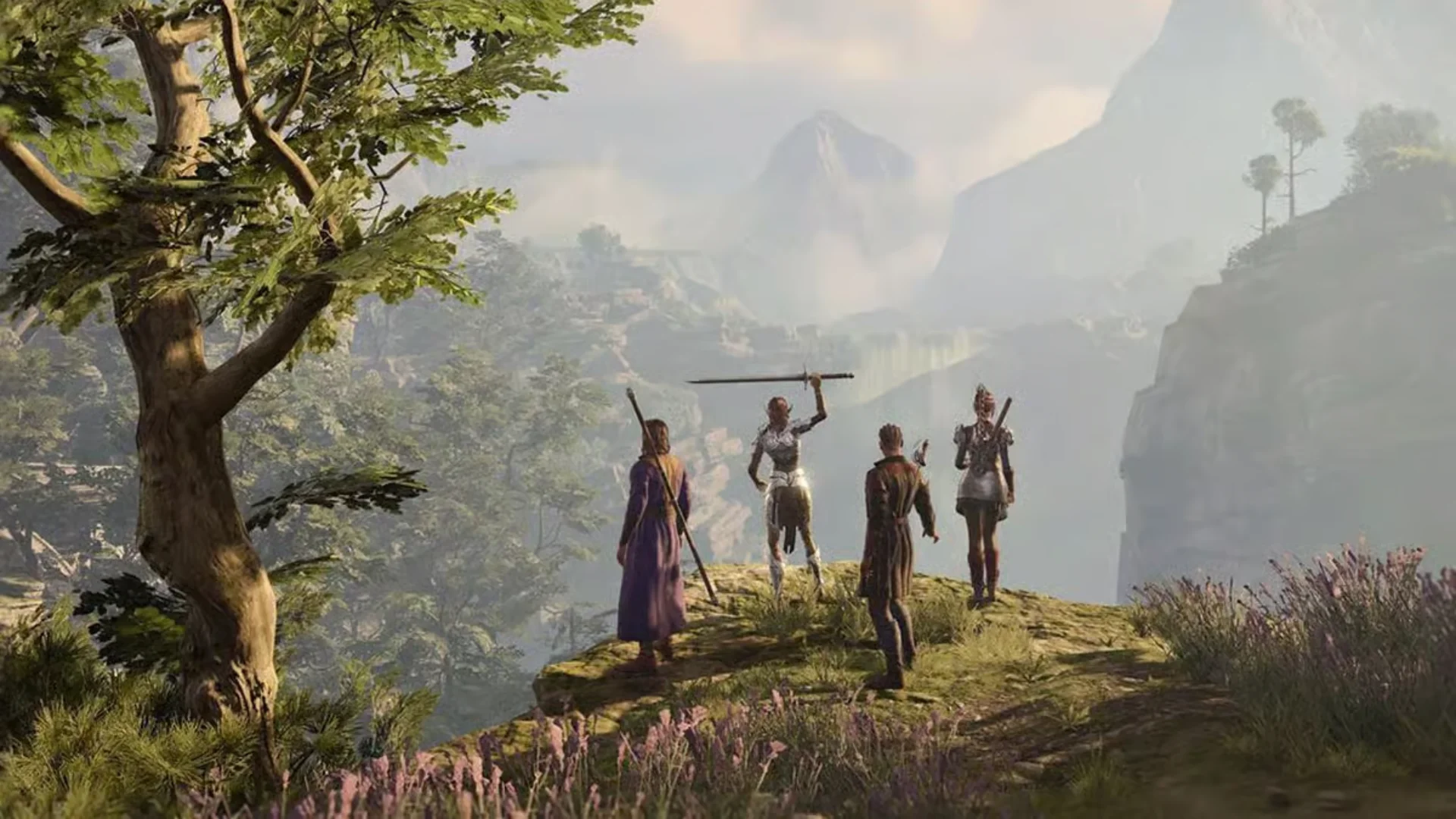
The central plot gives the game direction, but the Sword Coast gives it life. The iron crisis, the attempts on my life, and the larger conspiracy all create a useful pull forward, but Baldur’s Gate is strongest when I take a detour and let the world surprise me. A road, a patch of wilderness, a roadside inn, or a quiet village can turn into a fight, a joke, a small mystery, or a problem I am not ready to solve.
That freedom feels old now, but not in a bad way. The game does not fill the map with modern checklist markers. It leaves space for uncertainty. Some of that space is too empty, and there are areas where exploration feels thin. But when it works, I feel like I am crossing a dangerous region rather than clearing a set of tasks. The Sword Coast does not always entertain me on demand. It waits for me to pay attention.
The city of Baldur’s Gate arrives late, and that delay helps the journey. By the time I reached it, the name had weight. The city was no longer just a place on the box. It was where the roads, rumors, shortages, murders, and political pressure had been pulling me all along. After so much wilderness, its crowded streets and tighter intrigue feel like a real shift in pace.
The party has charm before it has depth
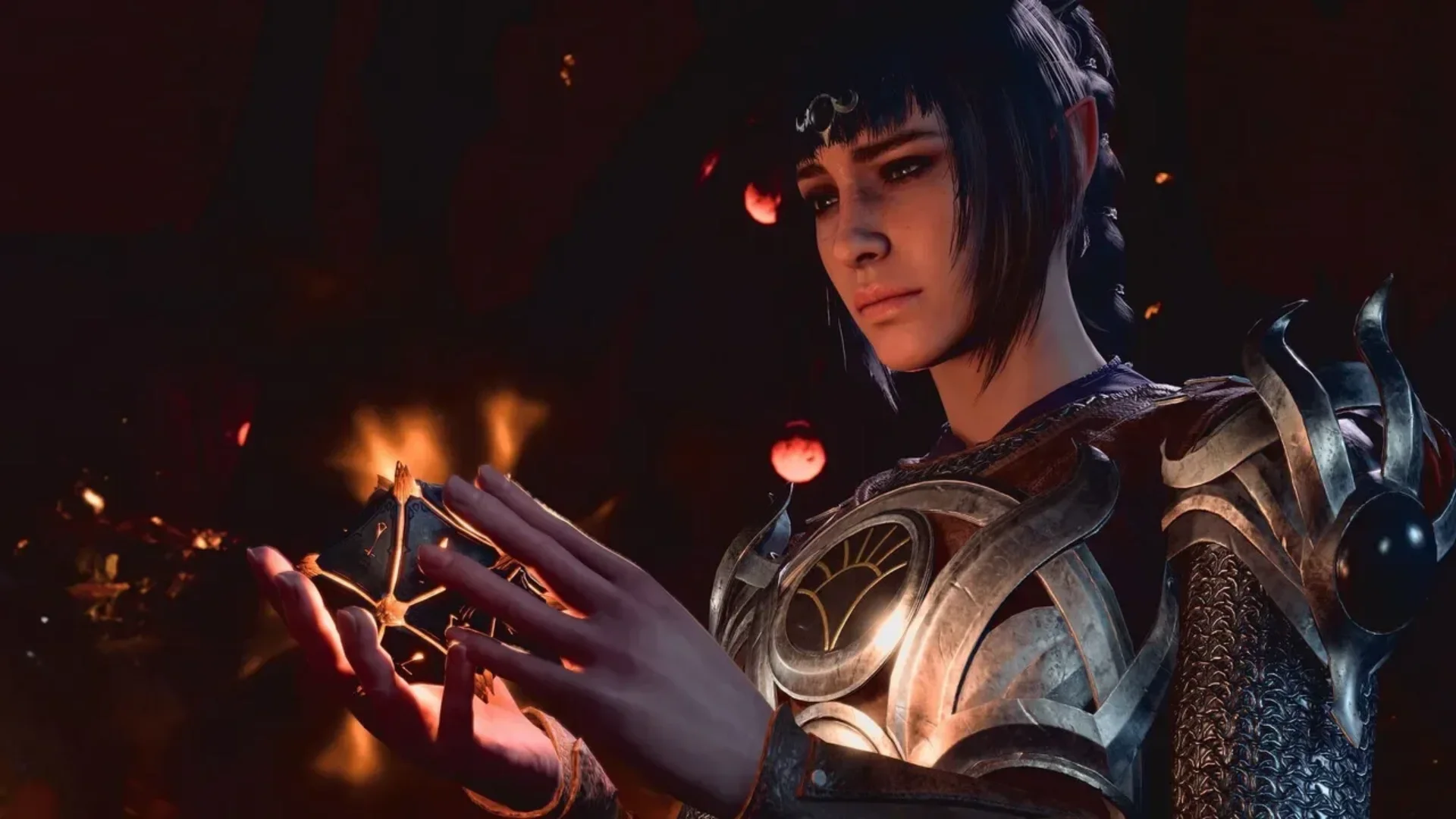
The companions in Baldur’s Gate are not written with the depth players might expect from later BioWare games such as Dragon Age II. Many of them are closer to strong sketches than full character arcs. They have memorable voices, clear attitudes, and a few sharp moments, but they do not always get the personal quests or emotional development that would later become a studio signature.
That limitation shows, but the group still gives the journey much of its warmth. Imoen makes the early game feel less lonely. Khalid and Jaheira bring a grounded sense of responsibility. Minsc and Boo still cut through the stiffness with ridiculous sincerity. Others add friction through alignment, temperament, or simple incompatibility. They may not all be deep, but they make the road feel social.
I also like that party building is both practical and personal. I need someone who can stand in front. I need someone who can handle traps and locks. I need magic and healing. But I also want the group to feel right, and that is where the game starts to come alive. A party is not just a toolkit here. It is a small, breakable group trying to survive a world that does not care whether they are ready.
Combat rewards preparation, but the rules fight back
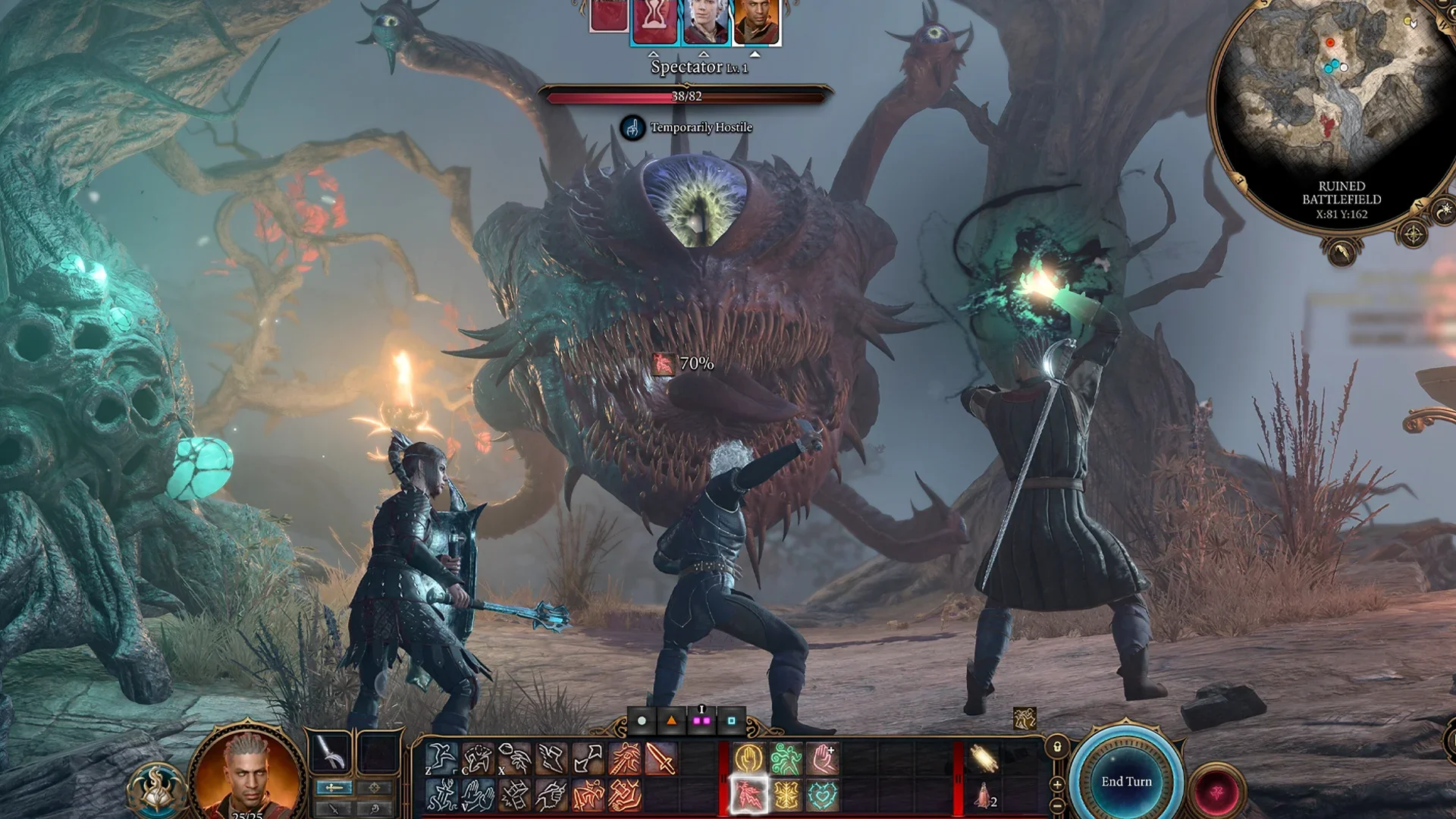
Baldur’s Gate’s real-time-with-pause combat can look clumsy now. Characters miss often at low levels. Pathfinding can be awkward. A fight can fall apart quickly because one enemy reaches the wrong person or one spell lands before I react. It is not a clean system, and it takes real patience to understand why so many players still value it.
The appeal comes from preparation. This is not a game about quick hands. It is about entering a fight with a plan, pausing when that plan breaks, and knowing what each party member is supposed to do. A fighter holding a doorway can save the back line. A thief finding a trap before the party walks into it can matter more than any attack roll. A mage using the right spell at the right moment can turn a fight that looked impossible.
The problem is readability. Baldur’s Gate asks a lot from players who do not already understand its rules. Armor Class, saving throws, spell protections, morale, weapon restrictions, and class limits are all important, but the game rarely teaches them cleanly. I respected the combat more the longer I played, but I also understand why some players bounce off before the system opens up.
The age shows, but it gives the world weight
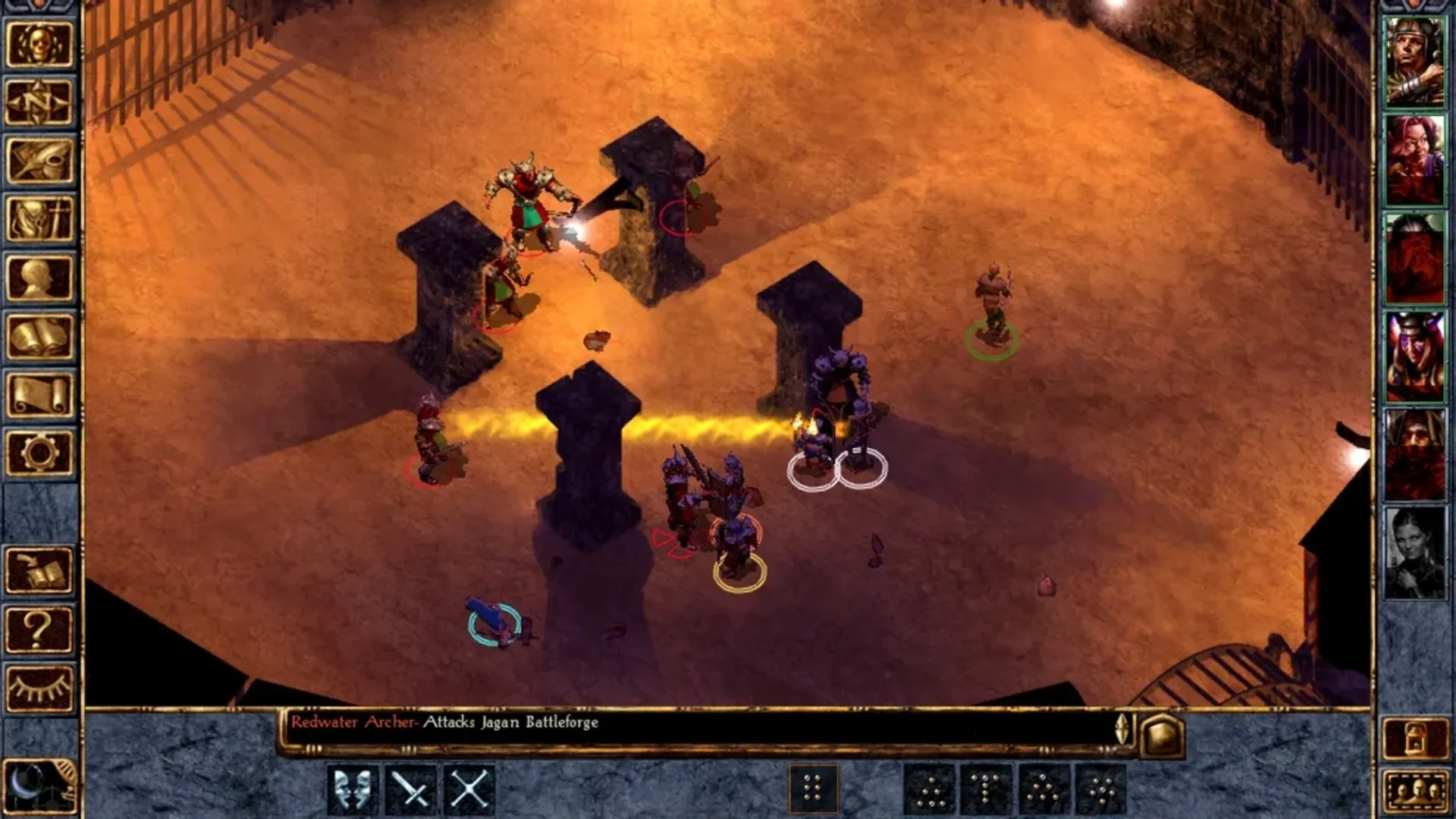
The Enhanced Edition makes Baldur’s Gate easier to live with, but it cannot make it feel modern. The interface is still busy. Inventory management still becomes a chore. Quest tracking can be vague. Some wilderness maps feel too thin. Some fights cross the line from tense to irritating. These are not small issues, because they affect the pace constantly.
What kept me going was that the friction often served the larger feeling of the adventure. Travel feels long because it is long. Rest feels important because danger does not vanish between fights. Money matters because I do not have enough of it early on. A safe inn feels comforting because the road outside has already hurt me. The inconvenience is not always good design, but it does give the world weight.
Baldur’s Gate still earns the slow walk
Players looking for smoother, more modern RPGs can explore more titles through our game hub. Baldur’s Gate is not the cleanest way into this series now. Players who want cinematic storytelling, deep companion arcs, modern tutorials, and smooth combat will probably have a better first experience elsewhere. Even in its Enhanced Edition form, this is still an old RPG with old habits, and some of those habits are hard to defend.
But I still think it is worth playing. Not only because it is historically important, and not only because later games built from its foundation. It is worth playing because the journey still has force. The Sword Coast feels dangerous. Small victories feel earned. Companions make the road less lonely. The slow climb from frightened nobody to capable adventurer still works. Baldur’s Gate is rough, stubborn, and sometimes exhausting, but I believed in the road, and that was enough to keep me walking. It is exactly the kind of ambitious, imperfect classic we want to keep revisiting at Zero1Gaming.
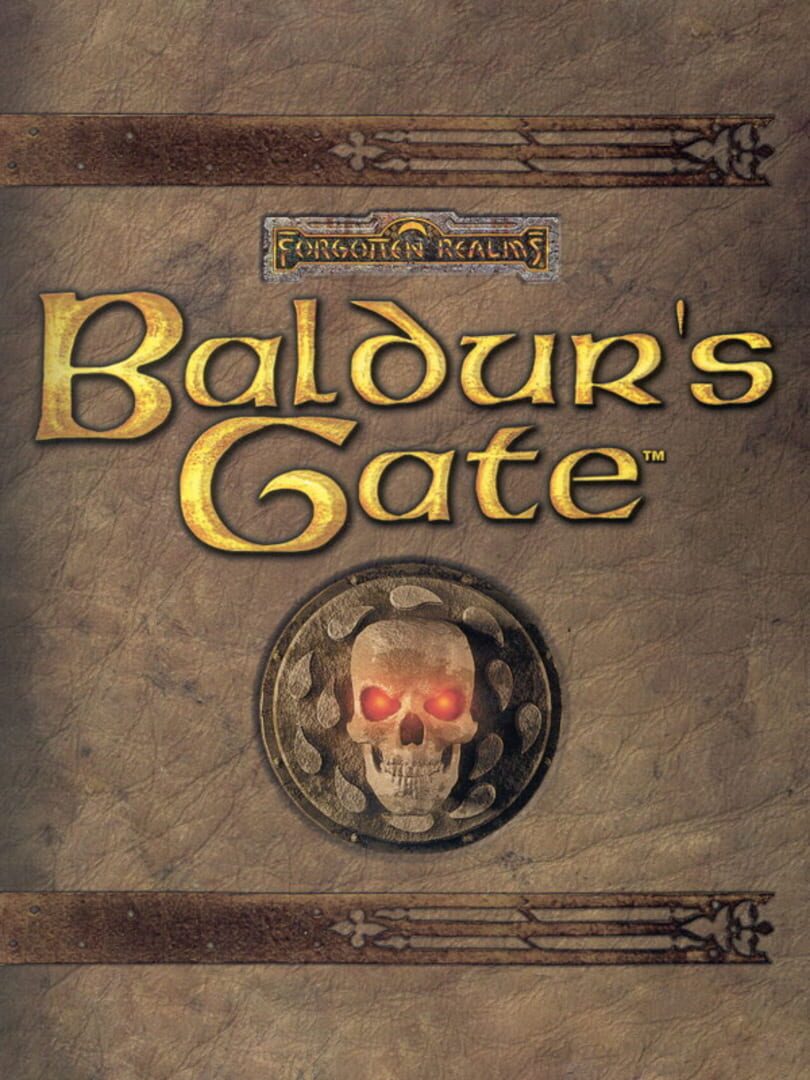
Baldur's Gate is a fantasy role-playing video game developed by BioWare and published in 1998 by Interplay Entertainment. It is the first game in the Baldur's Gate series and takes place in the Forgotten Realms, a high fantasy campaign setting, using a modified version of the Adv
Released
December 21, 1998
Developer
BioWare
Publisher
Interplay Entertainment
Systems
PC

Xbox

PlayStation

Nintendo

Steam

GOG

Epic Games

Tagged In
ReviewRatingBaldur's Gate
Discussion
0We want to hear from you. Share your perspective in the comments below, and please keep the conversation respectful.
Log in to join the discussion - vote, reply, and share your take.
Log In