
Capcom is using Resident Evil's remakes to connect its past and future
Changes to familiar characters and Umbrella's research show how Capcom is connecting older Resident Evil games with Village and Requiem. The upcoming Veronica remake could be its next major test.
Capcom has been working toward a larger story for Resident Evil since development began on the Resident Evil 2 remake. In a recent interview, executive producer Jun Takeuchi explained that the remakes and their release order are part of that plan. He sees Resident Evil Requiem as the end of its first decade, with the story potentially reaching its conclusion within another ten years.
That marks a change from how the series originally developed, when each new game largely built on the story left by its predecessor. The remakes have given Capcom opportunities to connect those earlier events more closely, particularly the Raccoon City outbreak and the research behind later monsters. Resident Evil Veronica could continue that work, although Capcom has yet to reveal what its planned conclusion will involve.
Raccoon City's victims carry more of the story

The remakes of Resident Evil 2 and 3 offer an early example of how Capcom is bringing the series' storylines closer together. Both games take place during the Raccoon City outbreak, but their original versions gave relatively little attention to what happened to supporting characters outside their own campaigns.
Gun shop owner Robert Kendo originally died shortly after meeting the player in Resident Evil 2. The remake gives him a more personal story involving his infected daughter, Emma, whom he refuses to abandon. When Jill encounters Kendo in the Resident Evil 3 remake, his decision to remain in the city now has a reason that connects both games.
Marvin Branagh receives similar treatment. In Resident Evil 2, the wounded police officer helps Leon and Claire survive the police station. Resident Evil 3 reveals how he was bitten after hesitating to shoot an infected Brad Vickers, giving more context to the warning he later gives players.
Neither change substantially rewrites the Raccoon City outbreak. Instead, Capcom has made the events of both games fit together more closely, giving familiar characters stories that extend beyond a single campaign.
These smaller connections offer a practical starting point for Takeuchi's longer plans. Capcom can revisit earlier games, strengthen their continuity and develop existing characters without abandoning the stories players remember.
Umbrella's research reaches into later outbreaks
Capcom is also using the remakes to connect the research behind monsters that originally had little to do with each other. In Resident Evil 3, Nemesis can infect ordinary zombies with parasites, creating enemies that resemble the Ganados from Resident Evil 4. Director Kiyohiko Sakata explained that the NE-α parasite was deliberately modeled on Las Plagas, establishing a connection that was absent from the original games.
The Resident Evil 4 remake builds on that history through Luis. Originally a researcher working with Las Plagas for Saddler, he now has a past at Umbrella. For Leon, who survived the company's disaster in Raccoon City, that gives him another reason to question Luis's intentions.
Luis fights alongside Leon in the mines and during the minecart escape, gradually earning his trust despite his past with Umbrella. These changes connect the research behind two different outbreaks without substantially changing their stories. Nemesis's parasites establish an earlier link to Las Plagas, while Luis's history with Umbrella adds another layer to his relationship with Leon.
Capcom is gradually bringing its older games into a more connected timeline, using familiar enemies and characters to establish those relationships.

The newer games are reaching back as well
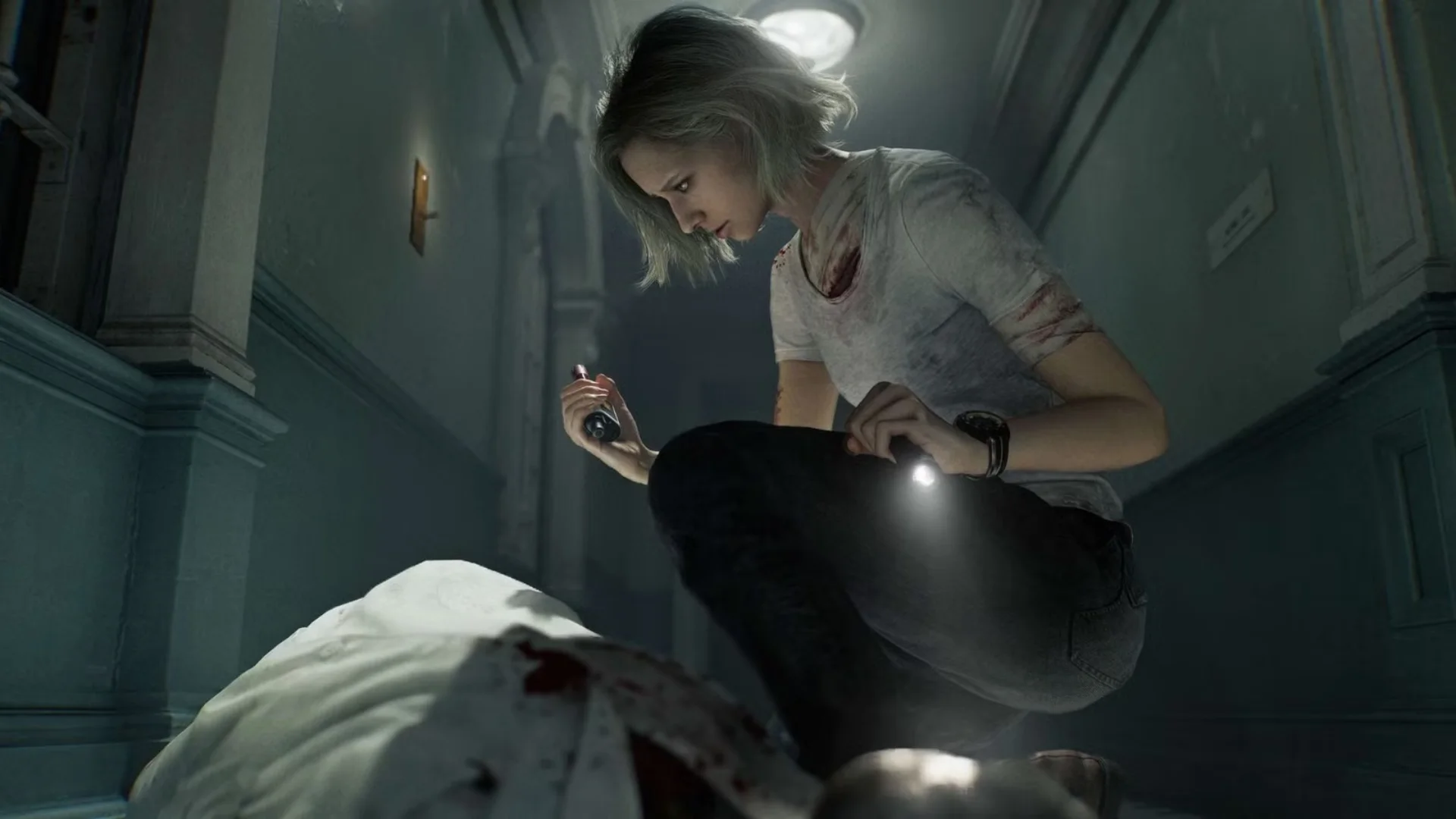
While the remakes connect events from earlier Resident Evil games, newer releases are expanding that same history. Resident Evil Village reveals that Umbrella founder Oswell E. Spencer once studied Mother Miranda's research. Her attempts to resurrect her daughter inspired Spencer, although he wanted to use a virus to transform humanity instead. The village even provided the inspiration for Umbrella's name.
Resident Evil Requiem builds on the series' past in a different way. Alongside Leon's return to Raccoon City, the game introduces Grace Ashcroft, whose mother Alyssa survived the events of Resident Evil Outbreak. Producer Masato Kumazawa explained that the team wanted a new protagonist with a personal connection to the city. Grace allows the series to revisit the consequences of the outbreak through someone who grew up with its aftermath.
These connections fit Takeuchi's plans for Resident Evil. The remakes are bringing older stories into closer alignment, while newer games are drawing on that history to develop their own characters and events.
Takeuchi expects the two development tracks to eventually meet, although Capcom has not revealed how. Village and Requiem offer an early indication of how the series can build toward that point without requiring every new game to revisit the same characters or locations.
Veronica is the next test of Capcom's plans
The upcoming Resident Evil Veronica remake will give Capcom another opportunity to connect its older games with the story it is developing today. Scheduled for 2027, the game follows Claire's search for Chris after Raccoon City and brings Albert Wesker back into the picture. The original also established important parts of the conflict that would later continue in Resident Evil 5.
Producer Yoshiaki Hirabayashi explained that the team wanted to give Claire's story the same attention Leon received in the Resident Evil 4 remake. He also confirmed that the developers are considering the events of Requiem while rebuilding Veronica. Capcom can now revisit an earlier chapter knowing where some of its characters and storylines will eventually lead.
Claire's development remains an important part of that work. Only three months separate Resident Evil 2 and Veronica, and Hirabayashi has emphasized that she is still a civilian, unlike Leon, who eventually becomes a government agent. Her experiences in Raccoon City should influence how she handles another outbreak without turning her into a completely different character.
Veronica could therefore become an important link between Capcom's remakes and newer releases. The studio has an opportunity to strengthen connections with later games while preserving Claire's original story. Which events it intends to change, however, remains unknown.
A consistent story can come at a cost
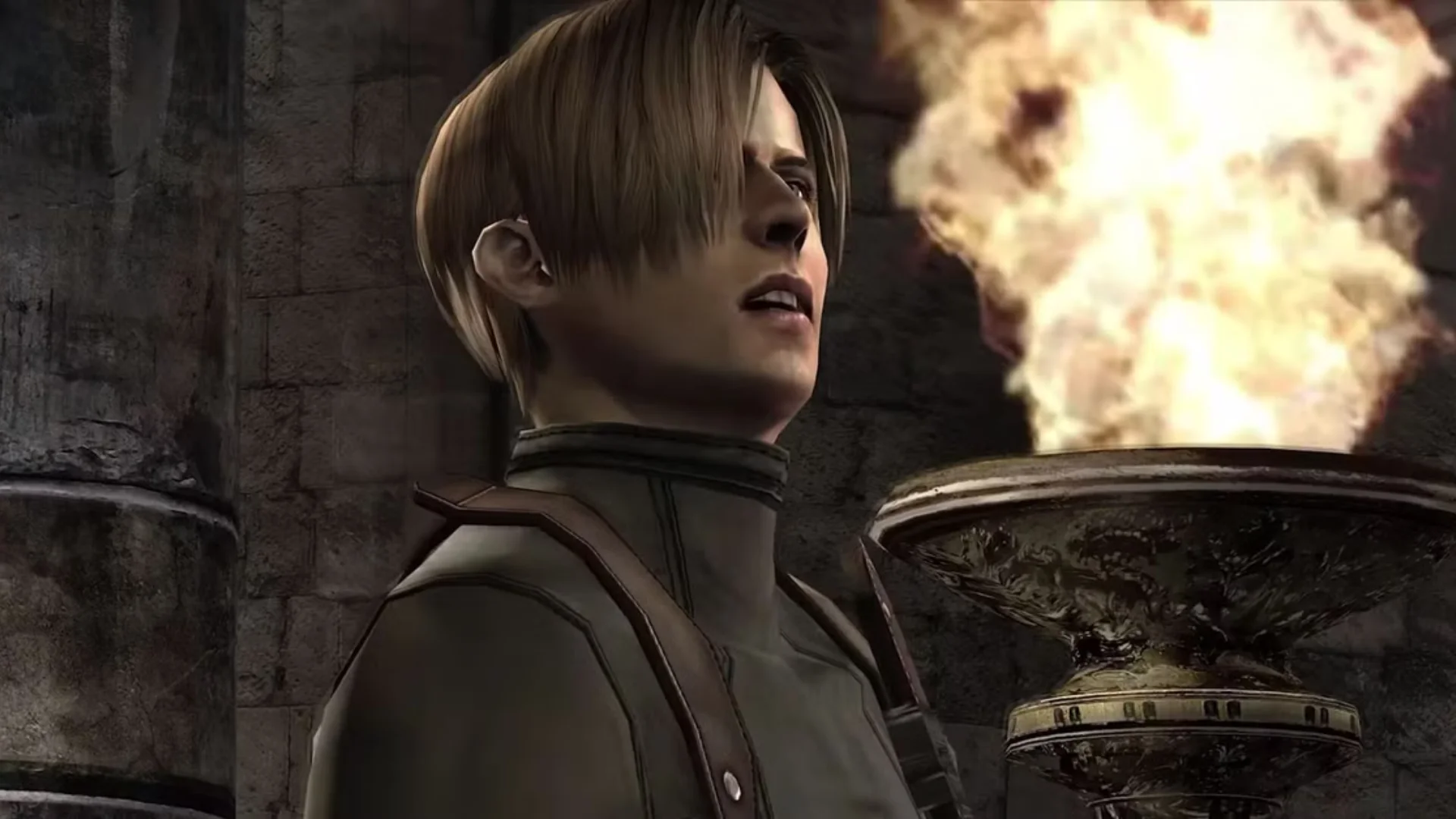
Making the Resident Evil timeline more consistent can also mean changing features that players enjoyed in the original games. The Resident Evil 3 remake offers a good example. Capcom removed Live Selection, a system that gave players timed decisions during dangerous encounters. When Nemesis appeared, Jill could sometimes choose to fight him or escape, leading to different outcomes.
Producer Peter Fabiano explained that the team wanted to tell one consistent story about Jill and Carlos escaping Raccoon City. However, those choices were part of what made the original Resident Evil 3 distinctive. Deciding how to deal with Nemesis under pressure added tension and gave players different ways to experience the campaign.
There is no indication that Takeuchi's larger plans required Live Selection to be removed. Still, the decision shows how pursuing a more consistent story can affect gameplay. Connecting events across the series should not come at the expense of features that made the original games memorable.
Fortunately, Capcom has also kept those older experiences accessible. The original trilogy returned to PC through GOG in 2024, allowing players to experience the different choices, mechanics and pacing that the remakes have changed.
A stronger timeline should not weaken the games
Capcom is using its remakes to connect stories that were originally developed years apart. Characters now have histories that carry between games, while Umbrella's research has stronger links to later outbreaks. Newer releases such as Village and Requiem are building on that expanded history, bringing Takeuchi's two development tracks closer together.
Resident Evil Veronica will be another test of that approach. Capcom can strengthen its connections to later games, but Claire's search for Chris still needs to work as a story of its own.
The danger is that making everything fit into one timeline could come at the expense of what made the originals distinctive. Capcom has an opportunity to give future Resident Evil games a more coherent history, provided its remakes remain compelling games in their own right rather than preparation for a conclusion players may not see for another decade.
Tagged In
Discussion
0We want to hear from you. Share your perspective in the comments below, and please keep the conversation respectful.
Log in to join the discussion - vote, reply, and share your take.
Log In