Credit: Rebel Wolves
newsBreakingthe-blood-of-dawnwalker
After 26 Years, Majora’s Mask Finally Has a True Spiritual Successor
June 26, 2026·Updated September 4, 2026·4 min read
The Blood of Dawnwalker channels Majora’s Mask-style pressure with a 30-day structure built around choices and consequences.
Plenty of games have chased the strange mood of The Legend of Zelda: Majora’s Mask. The harder part has always been copying what made it hurt. Termina was memorable because every person had a routine, every errand cost time, and the player could never fix everything in one perfect run.
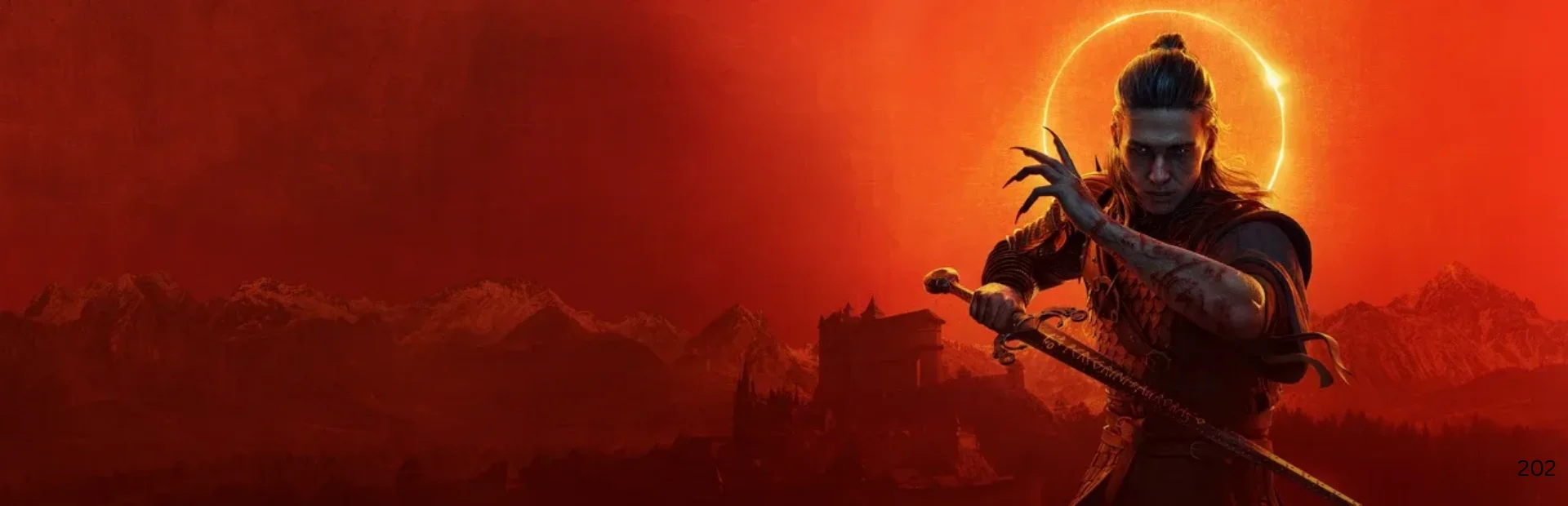
The Blood of Dawnwalker is the first RPG in a long time that seems interested in that same pressure. Rebel Wolves’ dark fantasy game follows Coen, a young man caught between human life and vampire power, as he tries to save his family from a vampire lord in Vale Sangora.
The Majora’s Mask link is about consequence
The connection between these games is not about masks, moons, or copying Zelda’s old three-day loop. It is about making time feel like part of the story instead of something you only watch on the screen.
Majora’s Mask made players live with unfinished business. A saved character in one place could mean someone else stayed lost for another cycle. The Blood of Dawnwalker takes that idea into a darker RPG, where time moves through important choices rather than constant ticking.
Coen has 30 days and nights to reach his family. Exploration and normal combat do not burn through the calendar, but quests, key decisions, and story progress can move time forward. That gives the player room to explore while still making bigger choices feel costly.

Dawnwalker turns the clock into a role-playing tool
Most open-world RPGs let players clear everything on the map. The Blood of Dawnwalker is taking a different path by making the player decide which problems deserve Coen’s time.
That choice is important because the game does not simply end when the 30 days run out. The story continues with the consequences of what the player did, ignored, delayed, or failed to finish. That gives the deadline more bite than a normal timer because it affects the world instead of only punishing the player.
One run might focus on gathering allies and learning the valley. Another might push toward the vampire lord earlier, with less preparation and more risk. The clock becomes part of how the player defines Coen, not just a warning system.
Day and night change the way the world opens
During the day, he leans closer to his human side, with more room for conversations, grounded choices, and public movement. At night, his vampire powers change how he fights, moves, and approaches danger.
That split should help Vale Sangora feel less static. Some problems may make more sense in daylight, while others may push players toward the night and its stronger powers. The same area can feel different depending on when Coen enters it.
The idea fits the story because Coen is not only racing a clock. He is also deciding how much of himself he is willing to lose while trying to save the people he loves.
The time limit still has to feel fair
Many people want to explore slowly, test builds, and follow side quests without feeling punished for curiosity. Rebel Wolves is trying to soften that fear by keeping exploration free and warning players before actions move time forward.
That balance will decide how well the comparison holds. If the system feels fair, The Blood of Dawnwalker could give every quest more weight than a normal checklist. If it feels too strict, the clock may become the thing players fight instead of the vampire lord.
The Majora’s Mask link gives the game a great hook, but it also sets a high bar. The Blood of Dawnwalker does not need to be Zelda with vampires. It needs to make players care about every day they choose to spend in Vale Sangora.
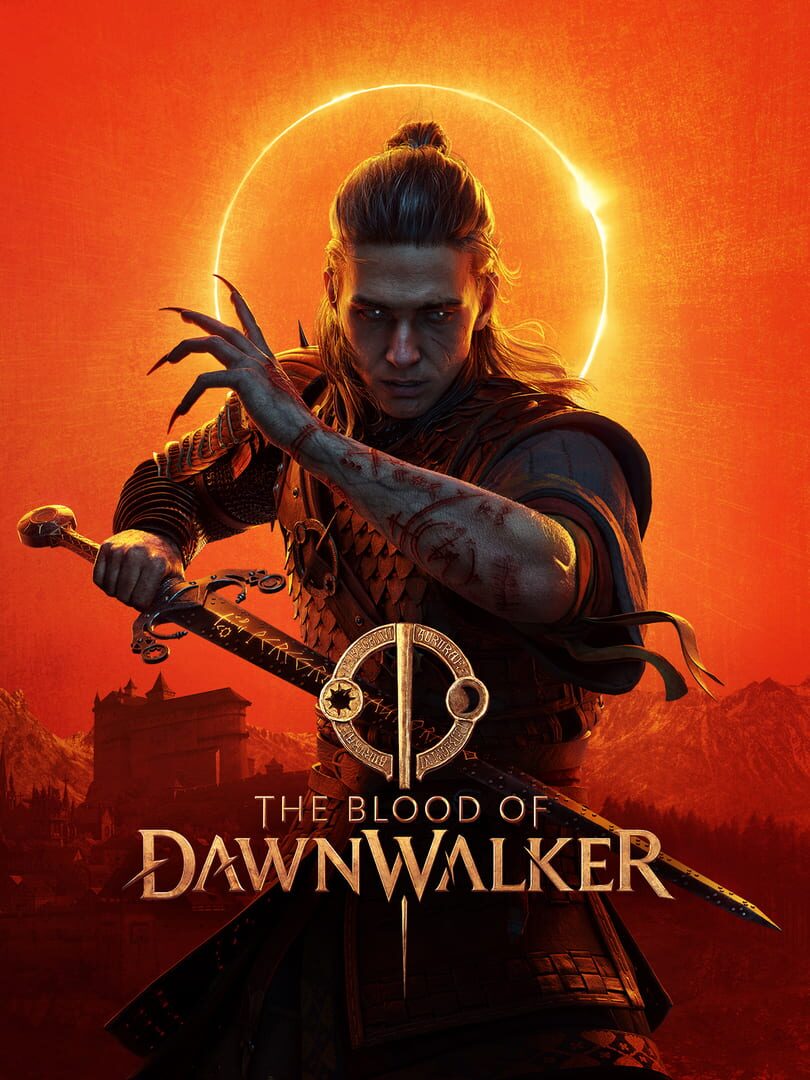
The Blood of Dawnwalker is an open-world dark fantasy action RPG set in 14th-century Europe. You play as Coen, human by day and vampire by night, fighting to save your family in a story shaped by your actions and the secrets you uncover.
Released
September 3, 2026
Developer
Rebel Wolves
Publisher
Bandai Namco Entertainment
Systems


Tagged In
DawnwalkerMajora MaskRpg
Discussion
0We want to hear from you. Share your perspective in the comments below, and please keep the conversation respectful.
Log in to join the discussion - vote, reply, and share your take.
Log In