Exclusive Interview with New Head Coach of Astralis : Filip "NEO" Kubski
Filip NEO Kubski discusses joining Astralis, lessons from FaZe, modern coaching, rebuilding confidence and his goals for the new CS2 roster.
Why NEO Chose Astralis After Leaving FaZe
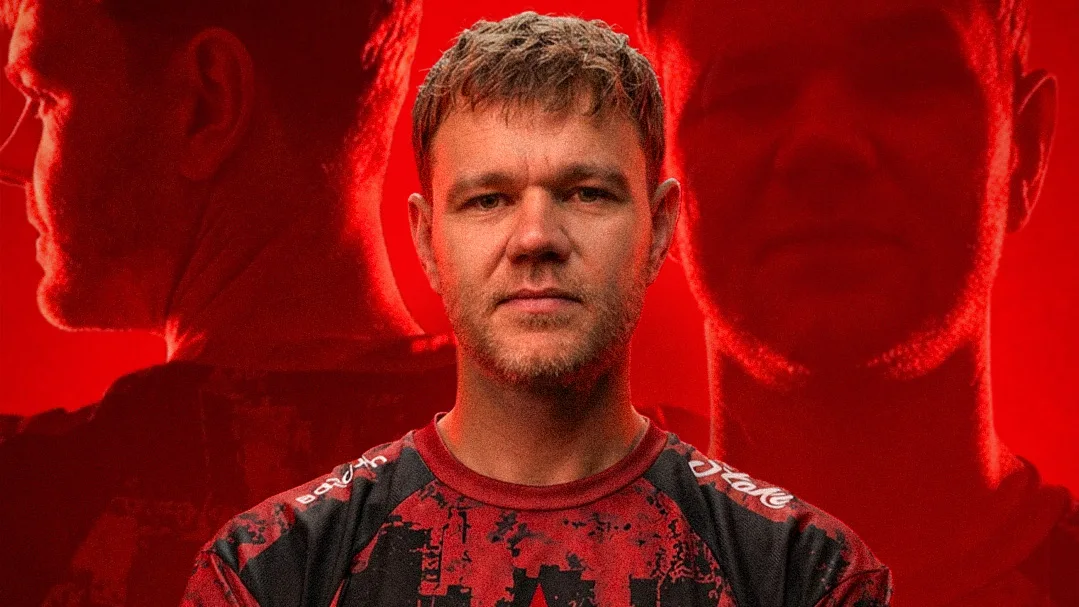
Few figures in esports have a career as storied as Filip "NEO" Kubski’s. Before taking on the coaching role at Astralis, he spent several months away from the scene, carefully considering his next move rather than rushing into it.
Your career spans almost the entire history of professional Counter-Strike – from your success in CS 1.6, through winning a Major with Virtus.pro, to becoming a coach. What convinced you to accept Astralis' offer?
I think a couple of things convinced me to join Astralis. Firstly, after my experience with FaZe, the prospect of working with a young and hungry team like Astralis looked really appealing. There is plenty of work to do, for sure, but there is also a lot of room for improvement. I feel like it is a very interesting challenge for me.
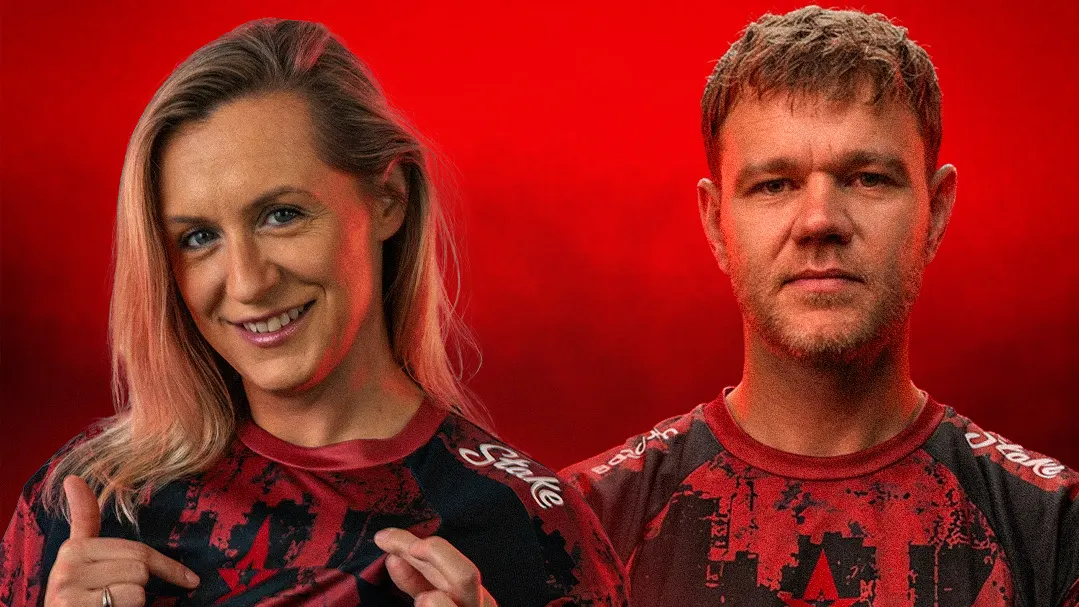
We are also going to have a performance coach joining alongside me, Ula. She has previously worked with teams such as NAVI and ENCE, so she is very experienced. It is really nice to have her by my side. I never had that kind of support at FaZe. She is going to help me with the team, which is a great asset, and I am sure I will learn something from her as well.
What were the months between leaving FaZe and joining Astralis like for you?
I left FaZe in March, so I had been without a team for around four or five months. I have two children now, so I spent a lot of time with my family and tried to make the most of it. We took a month-long trip around Asia. I was simply enjoying life with my kids before the grind started again.
Looking Back at Cologne and Three Years With FaZe
NEO joins Astralis right after the team's early exit at IEM Cologne, and he is careful not to draw conclusions from the outside looking in. Instead, he reflects on what nearly three years with FaZe and karrigan taught him about the difference between playing the game and coaching it.
Did you consider taking a longer break, or were you always confident that you wanted to return to coaching at some point?
My plans were not clearly defined. A lot depended on the offers I received and what happened next. We decided not to rush anything and to take it step by step. I was taking things slowly until this opportunity appeared, and that is how I ended up here.
Astralis were eliminated from the IEM Cologne Major in Stage 2. Looking at the team from the outside, what did you see as the biggest issue that needed to be addressed first?
Honestly, when you look at a team from the outside, you cannot get the full picture without understanding the dynamics between the players and hearing how they communicate during matches. You can watch their games and form an opinion about their strategies, but there is usually some reasoning behind the decisions they make. I am not judging anything yet. First, I need to get to know everyone, and then we will take things step by step.
How would you sum up your nearly three years with FaZe, and what lessons – from both the successes and the more difficult moments – are you taking with you to Astralis?
I am still relatively new to coaching. I have been doing it for almost three years, while I played professionally for around twenty years, so there is a huge difference in experience. I learned a lot during my time with FaZe. I am grateful that I had the chance to work with karrigan, who is a great IGL. I was able to observe how he operates and how he handles different situations. I also think I was a little too relaxed as a coach in the past. Now I understand that part of the job is pushing players out of their comfort zones.
I still remembered what it was like to be a player, so I sometimes thought more like a player than a coach. But as a coach, you need to keep applying pressure, encouraging the players and making sure they continue working.
Before becoming a coach, you competed as a player for more than two decades. How much of your current coaching style comes from your experience on the server?
I have learned that coaching is about much more than the game itself. Helping the team with strategies and match preparation feels like the easier part. There is much more happening outside the server. Counter-Strike is a team game. You have five players who need to get along with one another. When there are issues between any of them, you need to find a way to solve those problems.
As I mentioned, at FaZe we did not really have dedicated mental support, so a lot of that responsibility fell on me and our manager. Sometimes we handled it better, and sometimes worse. That was one of the biggest lessons I learned: coaching involves much more than just the tactical side of the game.
Counter-Strike is far more professional today than it was during your greatest successes as a player. Do larger coaching staffs, data analysis and more extensive preparation genuinely raise the level of play, or can they sometimes take away some of the players' spontaneity?
I think it goes both ways. Back in the day, Counter-Strike was more intuitive and more relaxed. Today, everything is becoming increasingly professional. Teams have larger staffs, more tools and more extensive preparation. There are also far more tournaments. That is a huge difference. In the past, we could spend half a year preparing for one major event, and those tournaments might only happen two or three times per year. Now, there is almost a tournament every week. Teams play more matches, face the same opponents more frequently and have more opportunities to prepare anti-strategies. At the same time, opponents can study you in greater detail as well. The game is definitely more advanced now.
Astralis from IEM Katowice 2019 or Team Falcons from IEM Cologne 2026 – which team would win a best-of-three today?
We are talking about a gap of seven years, which is enormous in esports. Even one or two seasons can represent a major step forward in Counter-Strike. I think Falcons would win. You cannot really compare players from several years ago with players today because the game is developing all the time.
NEO's Approach to Coaching and the IGL Relationship
Coaching in modern Counter-Strike means constantly negotiating how much structure to give a team and how much freedom to leave with the players. NEO breaks down how he sees his role next to an IGL, and what kind of players he enjoys working with most. The relationship can look very different from the player’s side of the server, as HooXi also explained in our interview about leadership, communication and the responsibilities of an in-game leader.
How do you define the division of responsibilities between the IGL and the coach in modern CS2?
I think it comes down to the agreement and understanding between the coach and the IGL. The IGL is the one playing inside the server, but a lot depends on what kind of leader they are. Some IGLs prefer to handle most things themselves and only need limited support from the coach. Others rely on the coach to prepare much more of the structure. It depends on the team and the situation. I still need to get to know the players, and then we will work out the best division of responsibilities.
How do you balance imposing a clear structure with giving players the freedom to make their own decisions during a round?
I think the discussion about freedom and structure is one of the most difficult ones in Counter-Strike. Players naturally want freedom, but there are also moments when structure is necessary. You need to understand both approaches, know how to play both styles and recognise when each one should be used.
Do you already have a clearly defined philosophy that you want to implement at Astralis, or do you first observe the team and adapt to its existing style?
I obviously have my own understanding of how a team should function. I also know certain structures and ways of handling situations from my previous experiences. However, every team is different. I do not think it makes sense to turn everything upside down immediately. First, we need to get to know each other. Once that happens, I will have a better understanding of how many things need to be changed. We will take it step by step.
As a coach, do you prefer working with experienced players who already have their own understanding of the game, or with younger players who may be easier to shape?
During my coaching career, I have not had many opportunities to work with young players. I have probably only coached one or two relatively inexperienced players. That makes this part of the role interesting for me. Working with experienced and younger players presents different challenges, but the beauty of Counter-Strike is that you need both types within a team. You need at least one or two experienced players because, in certain moments, everything comes down to experience.
What is more difficult for a coach: fixing tactical problems or rebuilding the players' confidence after a run of poor results?
I would say rebuilding the team's confidence is more difficult. As I mentioned, the strategic side is relatively easy. There are so many tools available today. You can quickly study different teams, see what they are doing and use that information – not necessarily by copying them, but by learning from their approach. Confidence, however, has to be built over a longer period of time.
The roster includes international players such as phzy and ryu. Do you see yourself as someone who can help build a bridge between the Danish core and the rest of the team?
From what I have seen, there is already a bridge between them. The players get along very well and have fun together. I will also have Ula helping me with that side of the team, so for now, everything looks fine.
Building a New Chapter for Astralis
After reaching three Major finals with FaZe, how do you define success for this new project – returning to the podium, or something else?
Winning tournaments is always the ultimate goal. Realistically, though, consistently reaching the playoffs at the tournaments we attend would already represent a certain level of success.
What version of Astralis would you like to see after six months of working with the team?
I would like Astralis to become a consistent threat to every team. I want us to be the kind of opponent that never gives anyone an easy match. I also want people to respect the Astralis name again.
Which map from CS 1.6 would you like to see brought back in CS2?
My favourite map in CS 1.6 was Train, but I think it would be impossible to recreate it one-to-one in CS2. Movement worked differently back then, which gave players more options involving ladders and moving underneath the trains. Those elements would not necessarily make sense in the current version of the game.
Do you think esports has already reached its peak in terms of popularity, or does the industry still have significant room to grow?
It is not an easy question to answer, but I think esports is still moving forward. The industry is getting bigger and more serious. We have been doing well for many years, and nothing seems to be stopping that development.
If you could sit down for five minutes with the NEO from the Golden Five era, what would you, as a coach today, want to teach him?
I honestly cannot think of anything. When I was playing, I felt that I was already a fairly complete player. I do not really know what I would teach my younger self.
Connecting Astralis With Fans Around the World
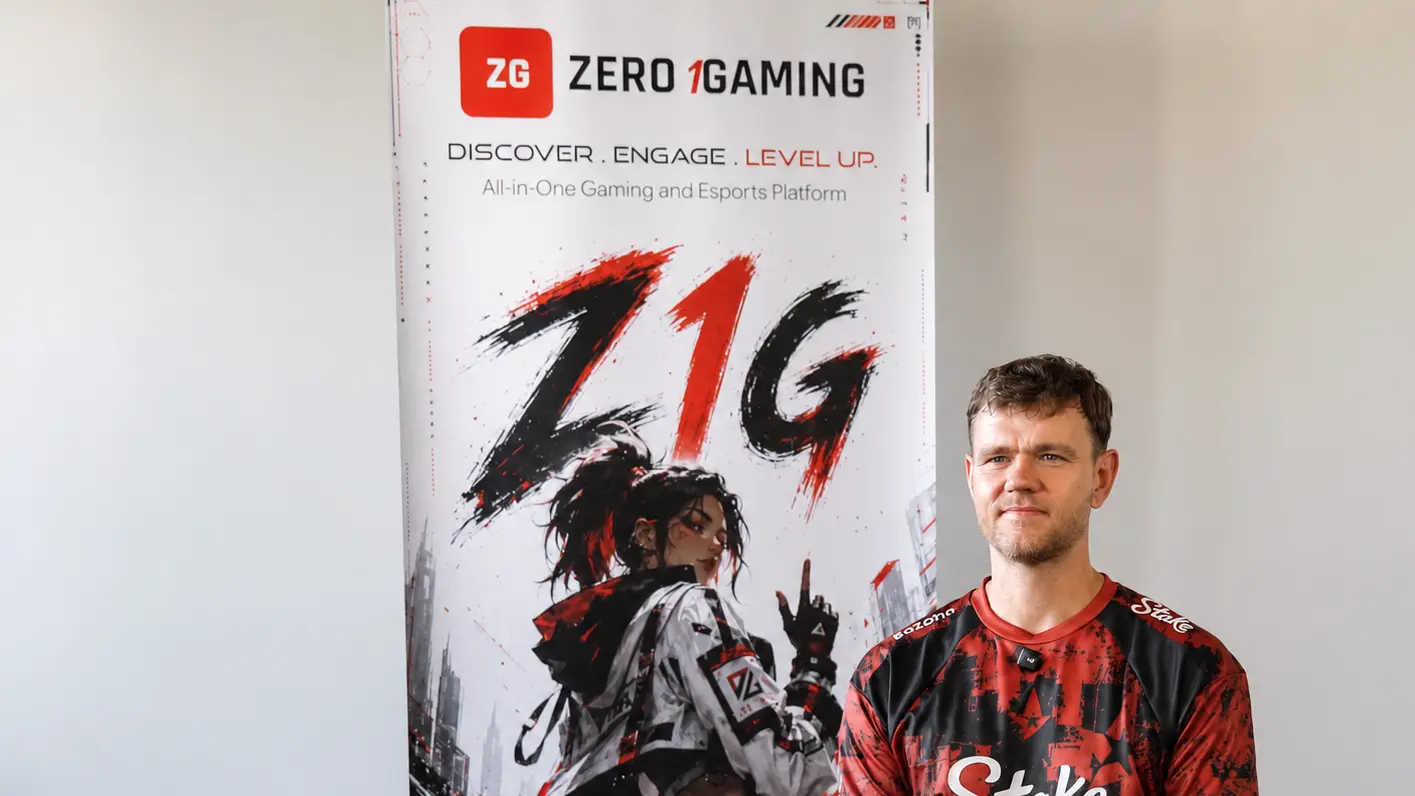
Zero1Gaming is an international partner of Astralis, so we are interested in how the team connects with fans across different regions. How important is it for a modern esports organization to build a truly global identity rather than rely mainly on its home market?
One of the best parts of competing in tournaments is travelling around the world and meeting many interesting people. Building a fan base is also part of the job. It is a result of travelling, competing and presenting yourself in the best possible way. Having people who support you, cheer for you and travel to see you play is one of the most important aspects of esports. It is very interesting to see how the industry has developed. People have fun at tournaments and come to support their favourite teams. The atmosphere is amazing, and it is a beautiful thing to witness. It is also part of our job to continue working on that relationship, make the fans happy and allow them to feel as close to the players as possible.
From your experience as both a player and a coach, does the presence of fans help the team?
I think it helps to some degree. Sometimes, however, it can go too far. We have seen fans entering team hotels, spending time around the gym while waiting for players or repeatedly going up and down in elevators just to get a picture. There are moments when boundaries are crossed. Other than that, the support is really nice, and I think every player appreciates it.
Will NEO Help Astralis Return to the Top?
Tagged In
Discussion
0We want to hear from you. Share your perspective in the comments below, and please keep the conversation respectful.
Log in to join the discussion - vote, reply, and share your take.
Log In