Best Atlus Games
Persona may define Atlus now, but the company's sharpest ideas extend across a much stranger catalogue.
Atlus rarely gives players enough time to do everything. A school year can make friendship compete with dungeon preparation. Devil Survivor compresses that pressure into seven days, while Metaphor: ReFantazio stretches it across a national election.
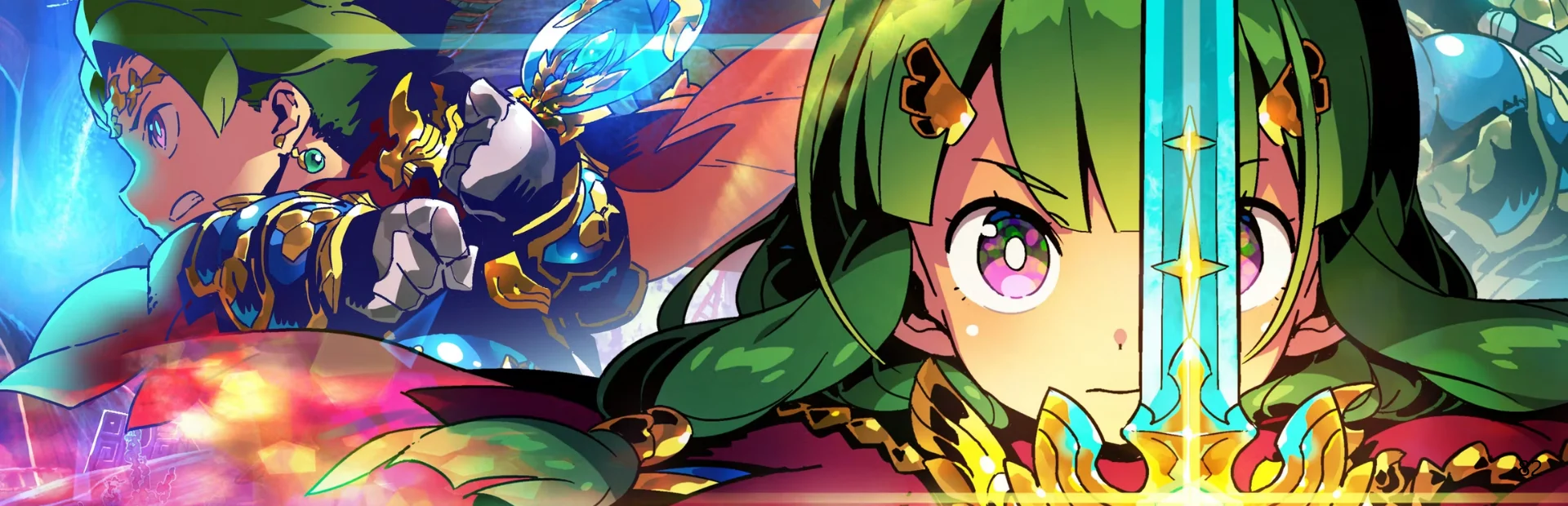
That concern with commitment appears in its games without calendars. Etrian Odyssey makes players live with the map they draw, and Unicorn Overlord asks them to program a squad before its soldiers act for themselves. A wrong mark or weak instruction can still be causing trouble several encounters later.
Games developed by Atlus form the core of this list, alongside Vanillaware releases created through its long publishing partnership with the company. One-off regional publishing deals are excluded. The range begins well outside the modern JRPG, with a Wii launch game that treats virtual surgery like an arcade challenge.
12. Trauma Center: Second Opinion
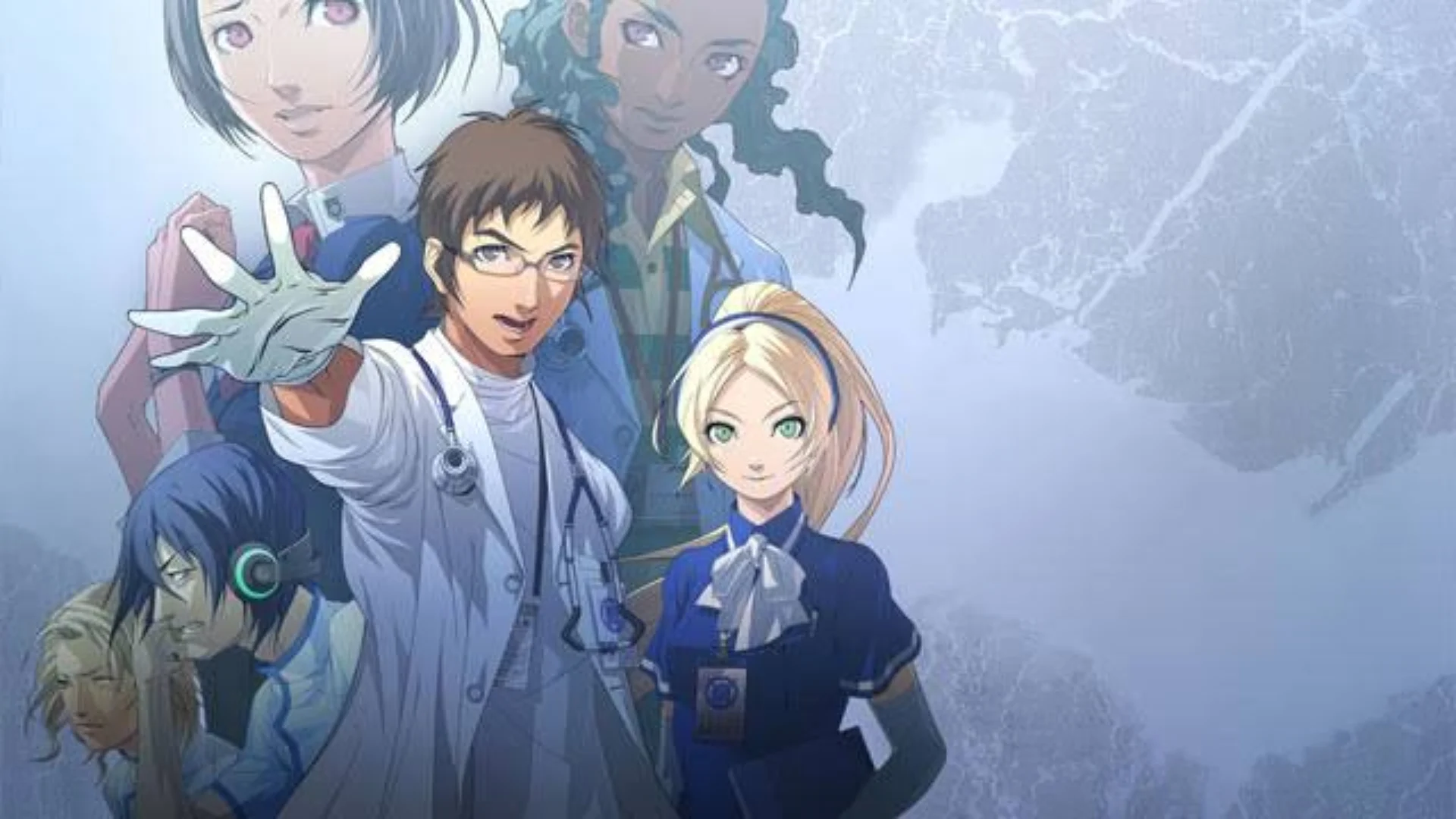
Medical realism is not the point of Trauma Center: Second Opinion. It is a timed action game in which the Wii Remote controls each surgical tool and the Nunchuk switches between them. A poorly traced suture or a moment spent fumbling through the tool wheel lowers the patient's vitals, turning accuracy into the means of keeping enough time on the clock.
The pointer makes simple actions immediate, but later operations combine problems quickly enough that the player has to establish an order of work. Derek Stiles's Healing Touch briefly slows time when that order collapses. The science-fiction illnesses push the visual-novel story far from any credible hospital drama. Abrupt difficulty spikes can also make a small control error ruin an otherwise careful attempt. Few Wii games found a better use for motion control than asking the player's hand to stay steady under pressure.
11. Etrian Odyssey III HD
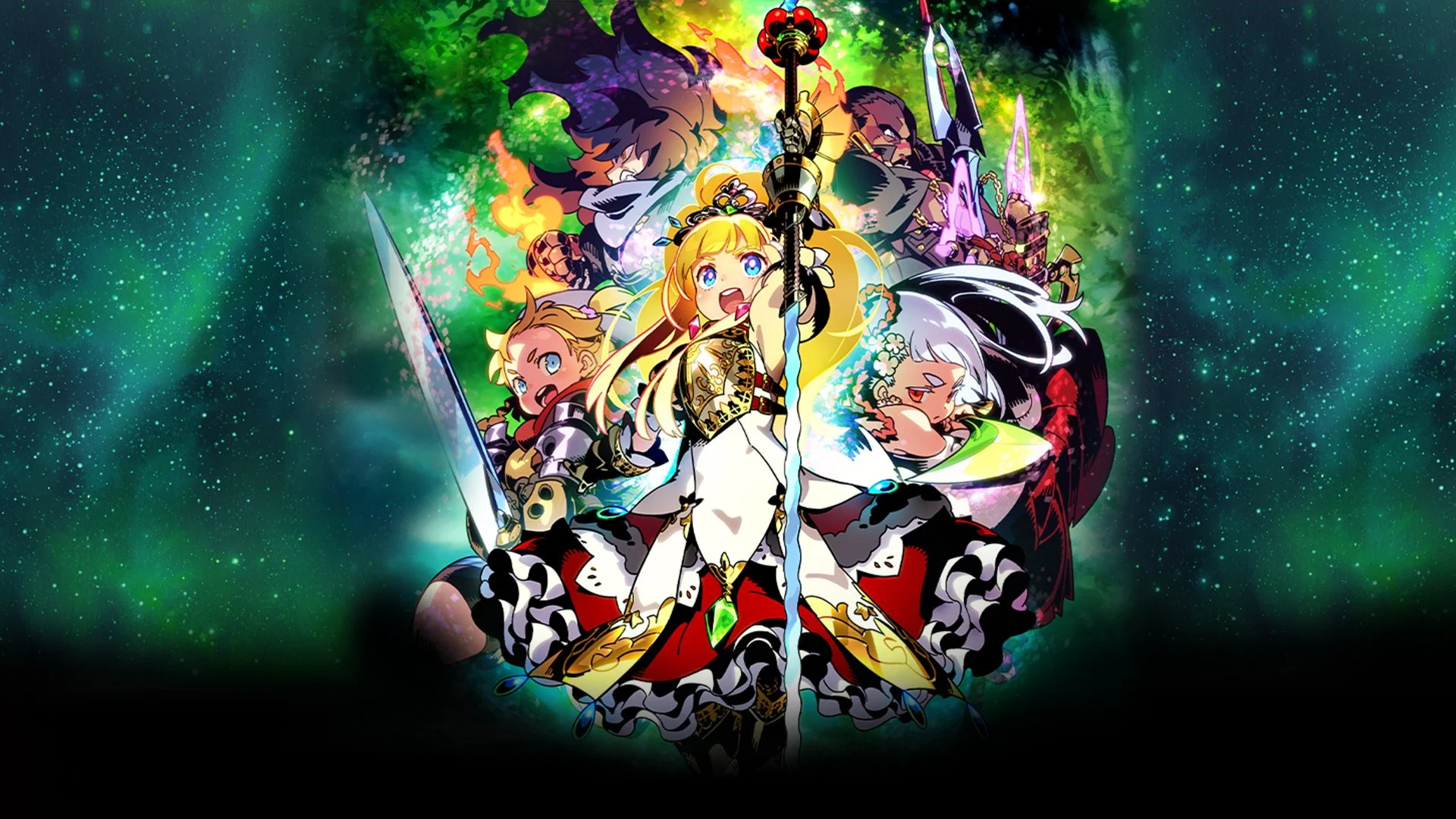
Five custom adventurers enter a first-person labyrinth in Etrian Odyssey III HD, but the party is only half of what the player builds. Every corridor must also be recorded on a grid map. Marking a shortcut creates a safer route home, while noting the patrol of a visible FOE can prevent a battle the group is not ready to survive.
Party construction gives those maps their danger. A Hoplite can protect a fragile back row, but using that slot means leaving another source of damage or healing at the guild. Subclassing later opens far stranger combinations without removing the need for a coherent formation. The separate sea voyages are clever route puzzles governed by limited provisions, although they connect awkwardly to the main labyrinth. This HD version also exposes how naturally the original mapping belonged on a stylus. Drawing with a controller is clumsy, and full automapping removes part of the satisfaction instead of properly replacing it.
10. Catherine: Full Body
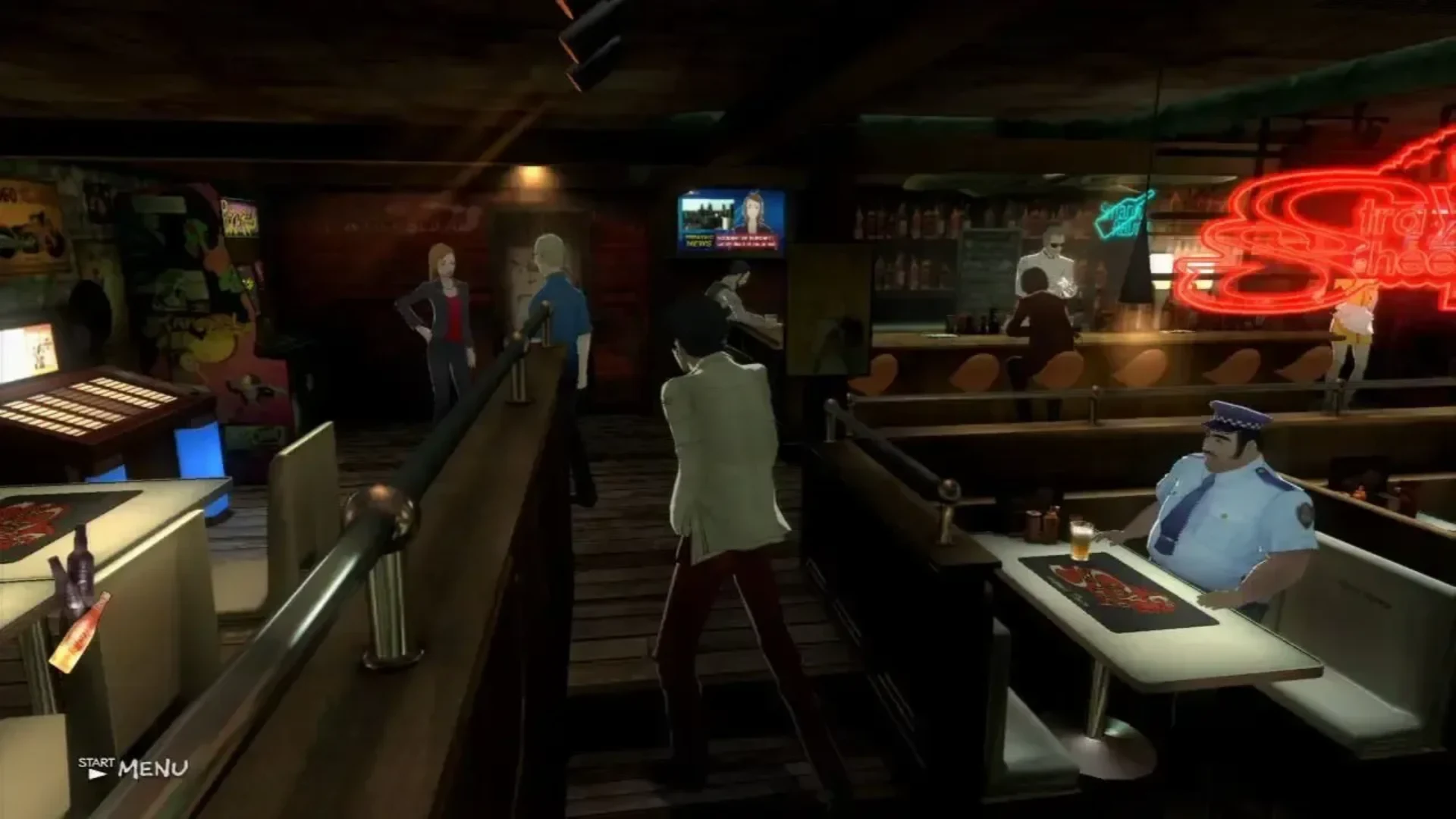
Catherine: Full Body is much better at testing Vincent's footing than explaining his relationships. Each nightmare becomes a vertical action puzzle where he must push and pull blocks into a staircase before the floor collapses below him. Blocks remain supported when they touch at an edge, so removing one piece can unexpectedly preserve a route or bring an entire plan down with it.
Speed changes the character of those rules. A technique discovered safely on an early tower later has to be performed while hazards remove the blocks Vincent needs. The generous undo system in Full Body makes experimentation less punishing, and Remix mode creates new problems with linked blocks. Its daytime story about an adult relationship crisis is less assured. Vincent's refusal to take responsibility stretches the drama. Rin's route is more compassionate in its early scenes, then undercuts that care by treating a late reveal as spectacle. The puzzle design remains far more precise than the writing wrapped around it.
9. Shin Megami Tensei: Devil Survivor Overclocked
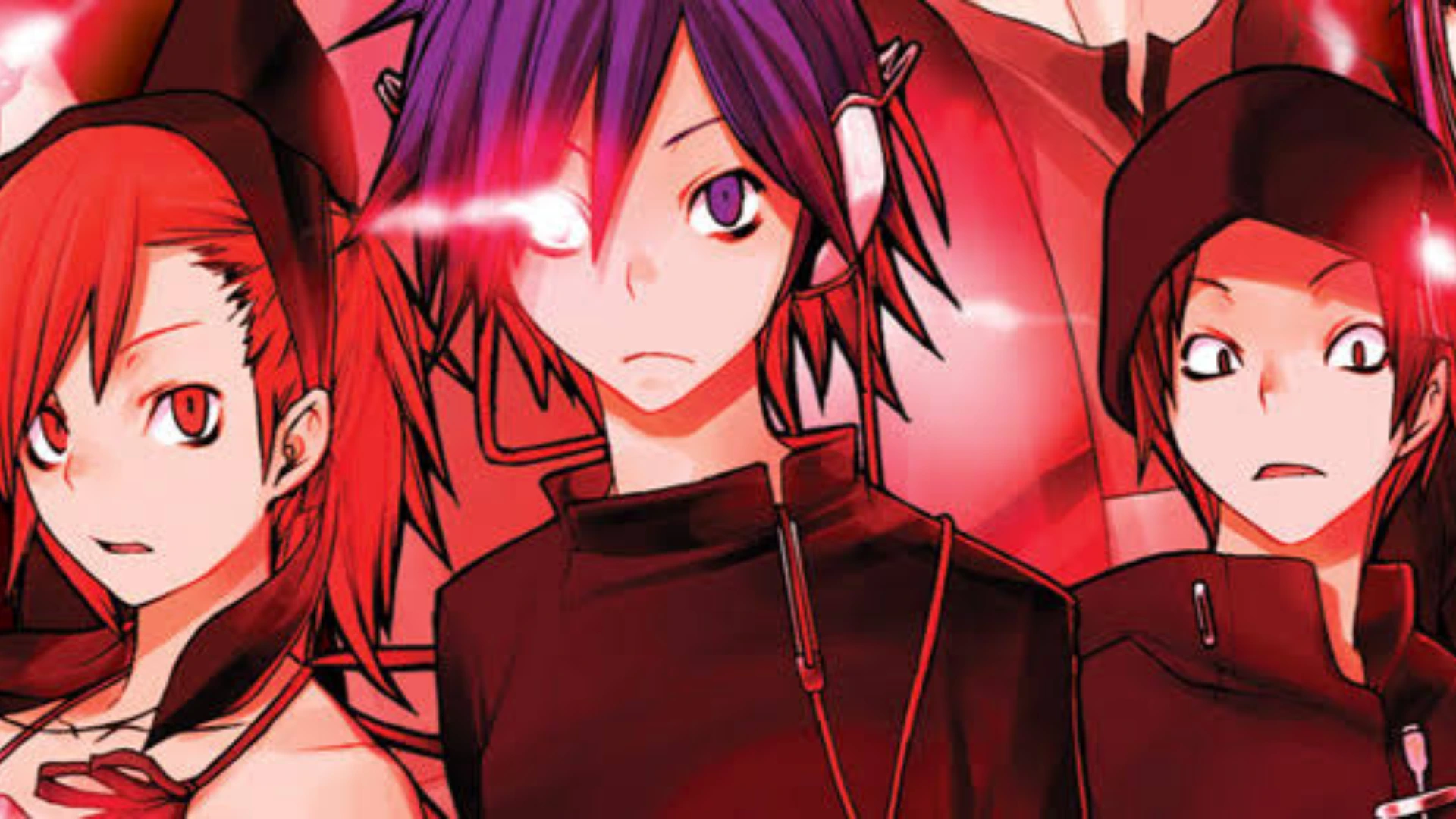
Central Tokyo has been sealed off in Devil Survivor Overclocked, and the group trapped inside has seven days to understand why demons have appeared. Story events consume fixed portions of each day. Choosing to investigate one person can mean arriving too late to help somebody elsewhere, so the route through the crisis changes before the player reaches any formal ending choice.
Battles combine a tactical grid with short turn-based clashes. Each human leads two demons, whose racial abilities can extend movement or move a team past an obstacle. That makes party composition part of the map itself. Skill Crack adds another demand by requiring a designated character to defeat a particular enemy before its ability can be learned. The final days can punish a party that fused toward the wrong resistances, sometimes leaving repetitive Free Battles as the only practical repair. Its static presentation has also aged more sharply than its decisions, and Overclocked remains stranded on Nintendo 3DS hardware.
8. Radiant Historia: Perfect Chronology
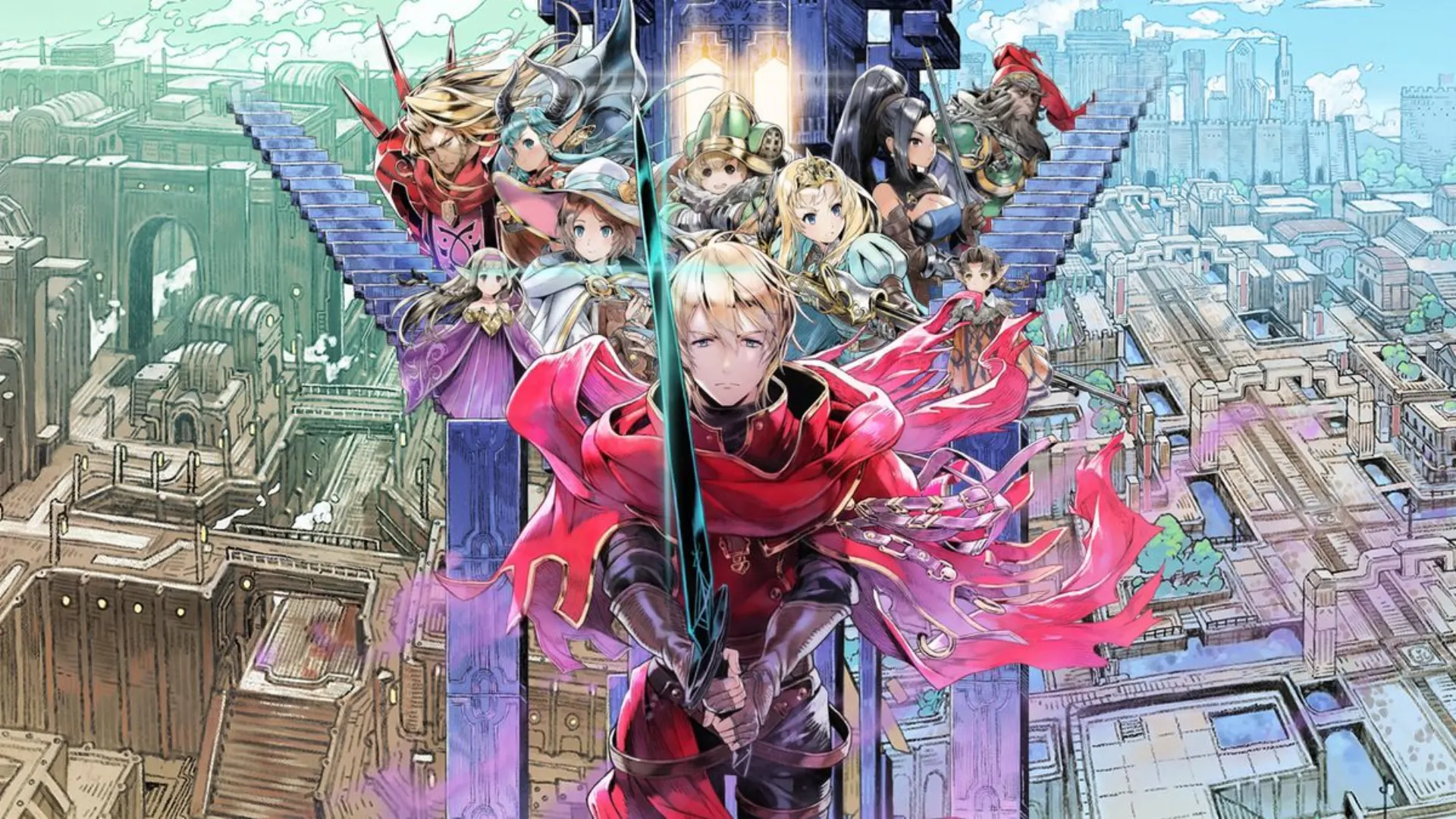
Time travel in Radiant Historia: Perfect Chronology functions like an interconnected quest log rather than a series of disposable resets. Intelligence agent Stocke moves between two histories using the White Chronicle. A route blocked in one timeline may only open after he learns something in the other, and the timeline screen keeps failed branches visible so that returning with new information feels deliberate. Combat places enemies on a 3x3 grid.
Stocke's party can push several targets onto one square, then delay its turns until the group can be struck efficiently. The enemy acts during that setup, which makes arranging a long sequence dangerous against anything that cannot be moved easily. Revisited towns and conversations eventually make the time-hopping structure feel repetitive. The added Possible History episodes also interrupt the cleaner pace of the original two routes. No later Atlus RPG has tied backtracking this closely to understanding why events happened.
7. Persona 3 Reload
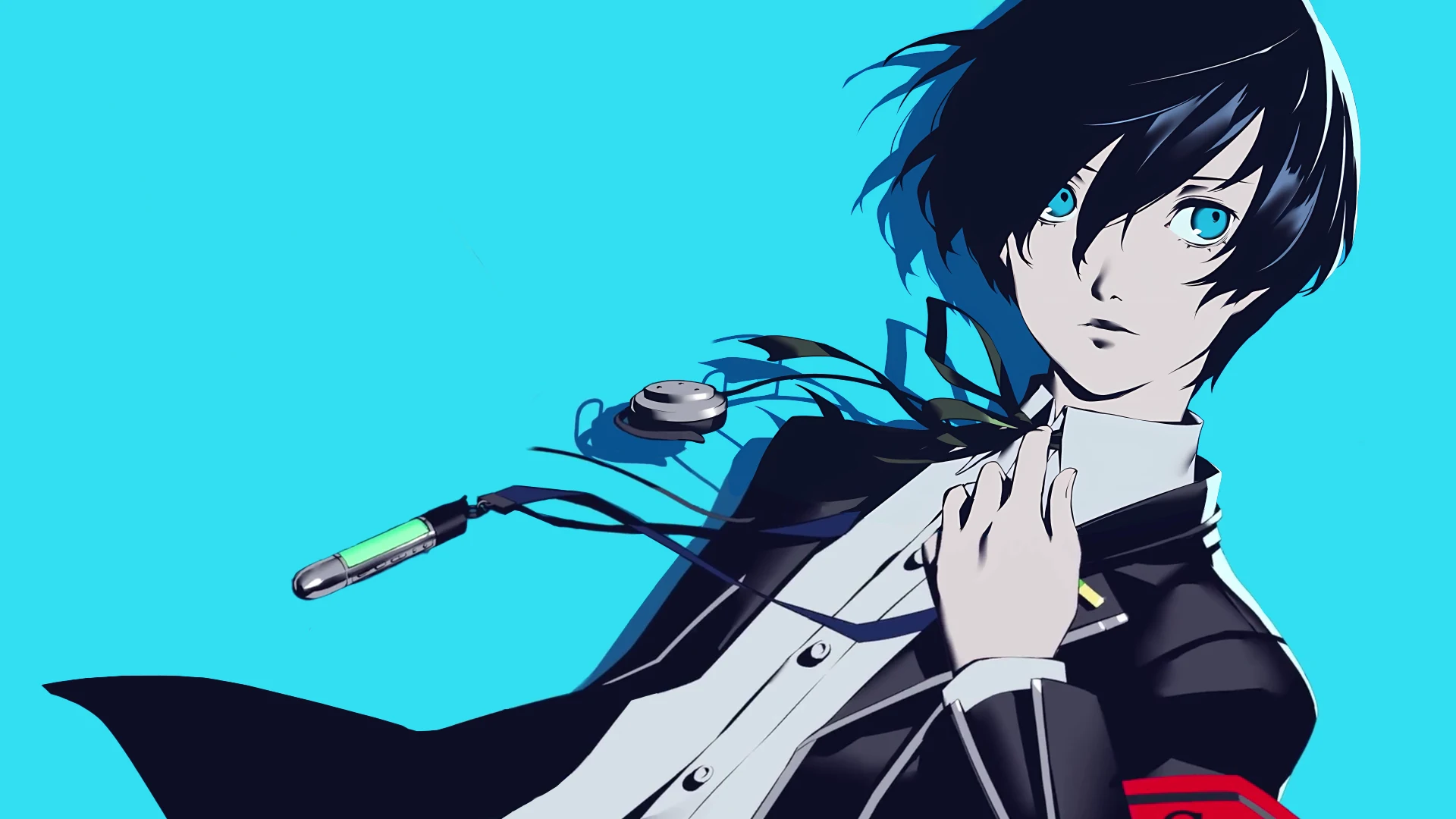
Every day in Persona 3 Reload is divided between an ordinary school year and the Dark Hour, a hidden period when the party climbs the enormous tower of Tartarus. Afternoon Social Links strengthen future Persona fusions. Going to Tartarus at night advances the combat side of the story, but it can replace study or other activities needed to open later relationships.
The remake gives battles the responsiveness of newer Persona games. Hitting a weakness grants another action, and Shift can pass that opportunity to a party member better suited to exploit the next enemy. Theurgy attacks charge according to character-specific behavior, giving each teammate a reason to act like more than a container for elemental damage. Tartarus is still the main limitation.
Its changing scenery cannot disguise how many procedurally assembled corridors separate the important story beats. Linked Episodes improve the male party members without fully replacing proper Social Links, and the remake still omits the female protagonist from Persona 3 Portable.

6. Unicorn Overlord
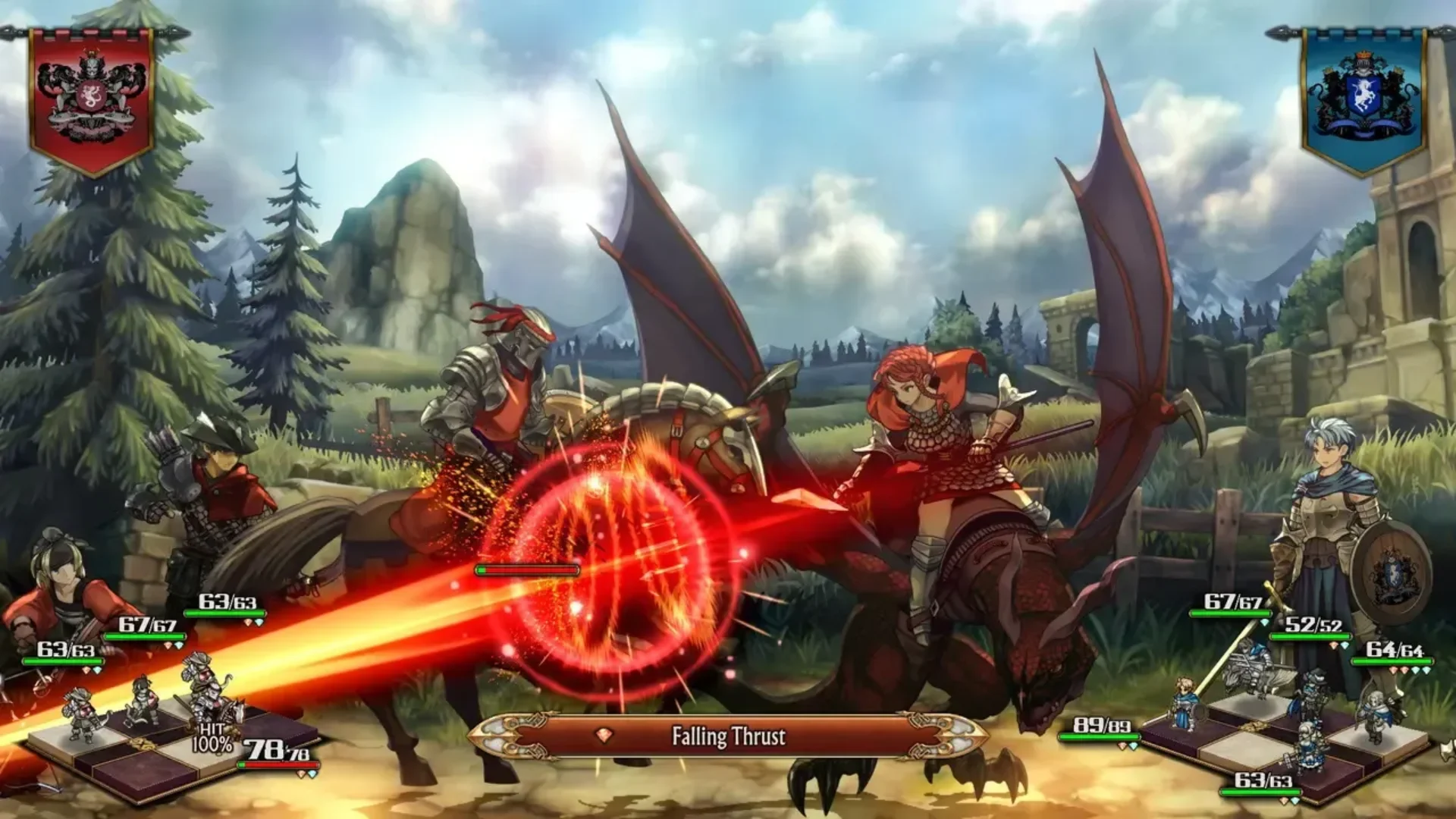
The decisive work in Unicorn Overlord happens before two armies meet. Players direct squads across a real-time battlefield and capture command posts that provide new deployment points. The action can be paused whenever orders need to change. Individual encounters then resolve automatically according to the unit formation and the tactics assigned to every skill.
Those tactics turn a five-person squad into a small programming problem. A healer can be told to prioritize the ally with the lowest health, while an armored attack can be reserved for a target it can actually damage. Moving one fighter to the back row may protect them without changing a single ability. The prediction window makes the effects easy to test, although it also lets players rearrange equipment until a bad forecast becomes a victory.
Once several squads have reliable counters, most of the campaign stops applying enough pressure to expose weaknesses in them. The broad liberation story is similarly predictable. Building the army remains more absorbing than the reason it is marching.
5. Persona 4 Golden
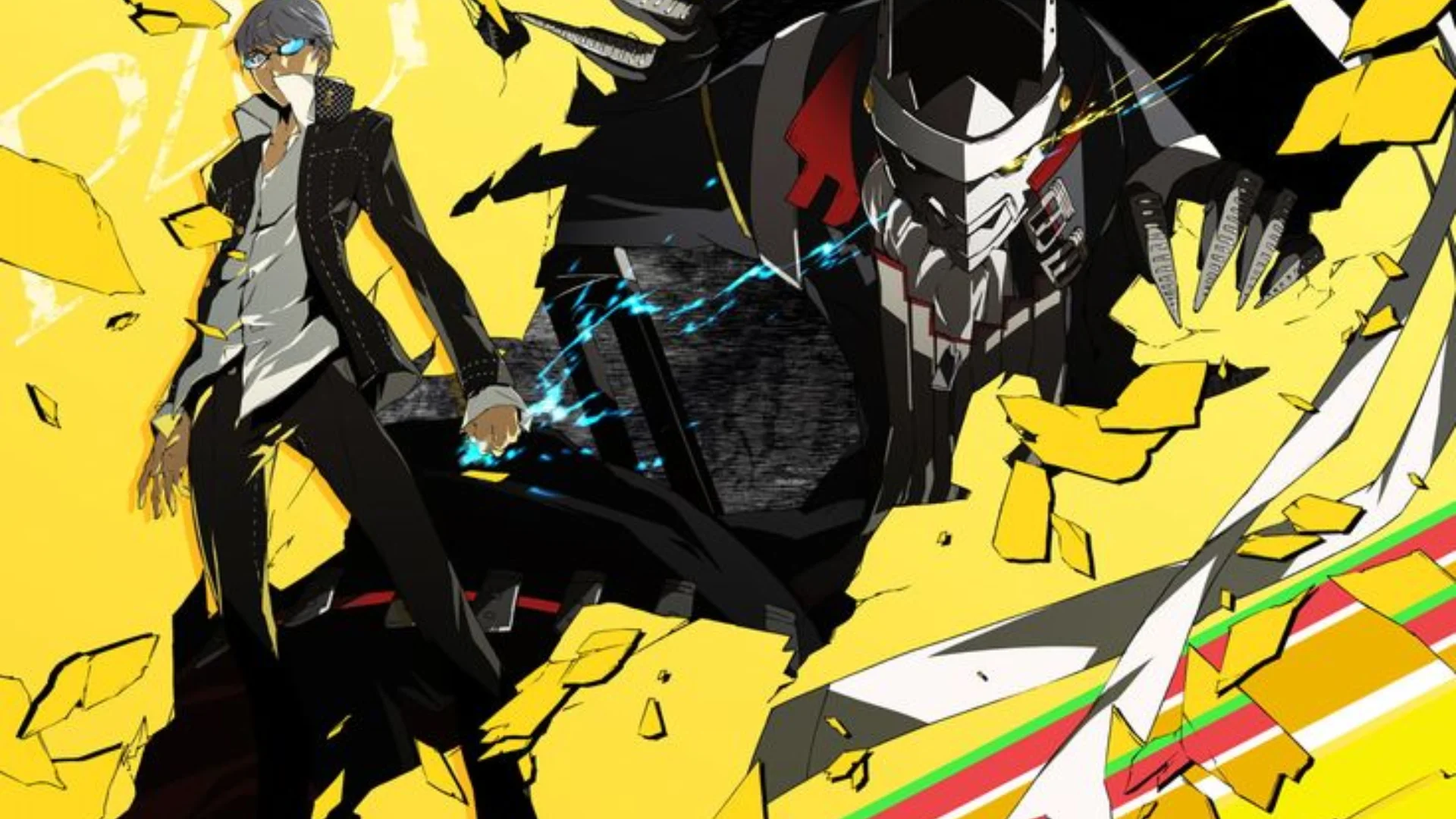
The dungeons are the least convincing part of Persona 4 Golden. This small-town RPG follows a group of students investigating murders connected to a supernatural world inside television screens. Each rescue creates a deadline on the calendar, splitting the player's afternoons between preparing for the next dungeon and spending time with people around Inaba.
Procedurally generated floors reduce most exploration to locating the next staircase. Combat improves once party members can chain weakness attacks into an All-Out Attack, but long stretches become exercises in preserving SP. Inaba carries the game through those weaker hours. The same shopping street changes with the weather and the school year, while Social Links allow neighbors to develop outside the murder plot. The main group also spends enough unstructured time together to feel like friends rather than party slots.
Some jokes about identity have aged badly. Reaching the best ending also depends on a sequence of dialogue choices that the game communicates poorly. Inaba is still worth returning to even when another television dungeon is not.
4. 13 Sentinels: Aegis Rim
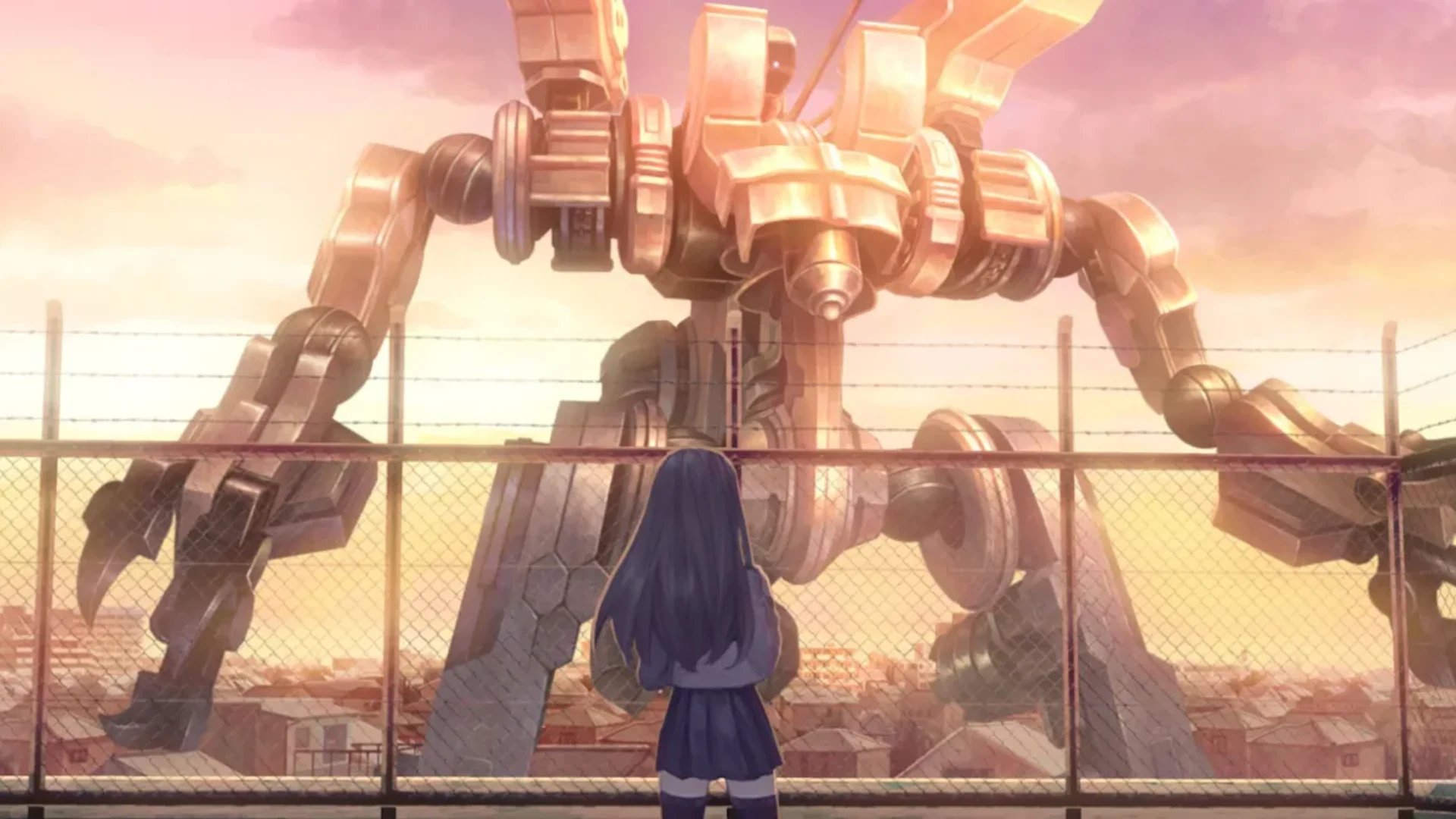
13 Sentinels: Aegis Rim gives the player thirteen protagonists and refuses to explain their shared science-fiction crisis in chronological order. Its Remembrance chapters are side-scrolling adventure scenes where keywords enter a Thought Cloud. Reusing the right thought or object can redirect a conversation, while story locks encourage switching to somebody whose perspective supplies the missing context.
The Analysis archive is therefore more than a glossary. Reordering scenes and checking who knew a fact at a particular time becomes part of solving the story without changing it. Destruction mode places six pilots into pausable real-time battles, where sentry guns and interceptors can fill an abstract city map with attacks. Those fights supply a welcome change of pace, but several powerful abilities reduce later waves to spectacle.
The narrative also stacks enough familiar science-fiction devices that individual explanations can become difficult to hold in memory. Its achievement is making the player reconstruct that complexity instead of delivering one enormous final explanation.
3. Shin Megami Tensei V: Vengeance
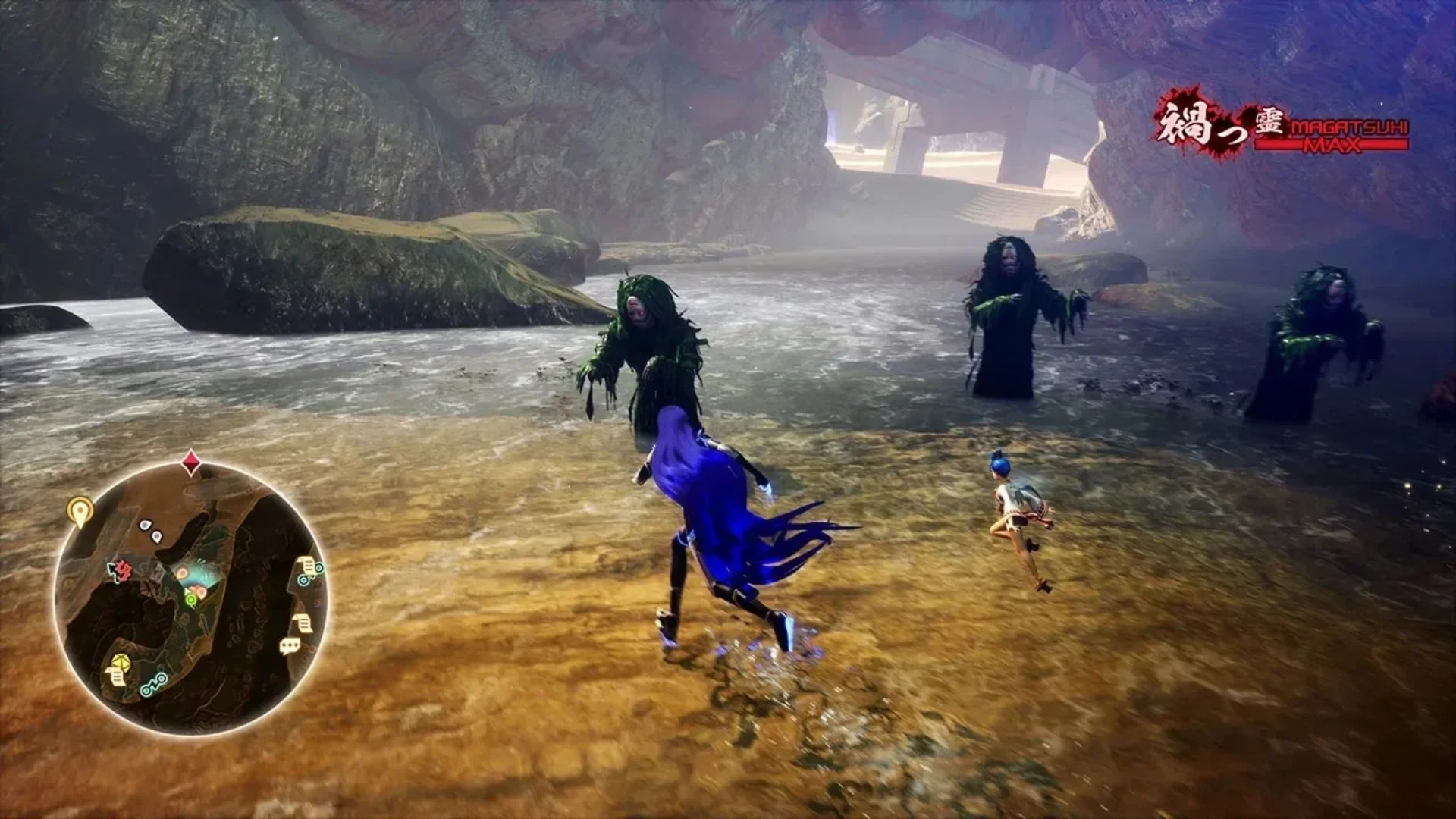
Party preparation is more important than level grinding in Shin Megami Tensei V: Vengeance. The Nahobino explores the ruined expanses of Da'at with demons recruited through negotiation. Fusion turns those temporary allies into new ones. Keeping one favorite for too long usually means preserving a weak link, because useful skills are meant to move into the next fusion rather than remain with the same demon forever.
Press Turn combat makes every affinity consequential. Striking a weakness spends only half a turn icon, while a blocked attack or a miss can remove actions the party expected to use for healing. Bosses can exploit the same rules. Essences allow the Nahobino to change skills and defensive affinities, so a defeat often identifies a flaw in the build rather than a need for several more levels.
The Canon of Vengeance route gives the cast more room than the original story and makes better use of its new characters. Some ideological arguments still arrive as speeches instead of developing through the journey, but no Atlus RPG has a sharper relationship between team building and turn economy.
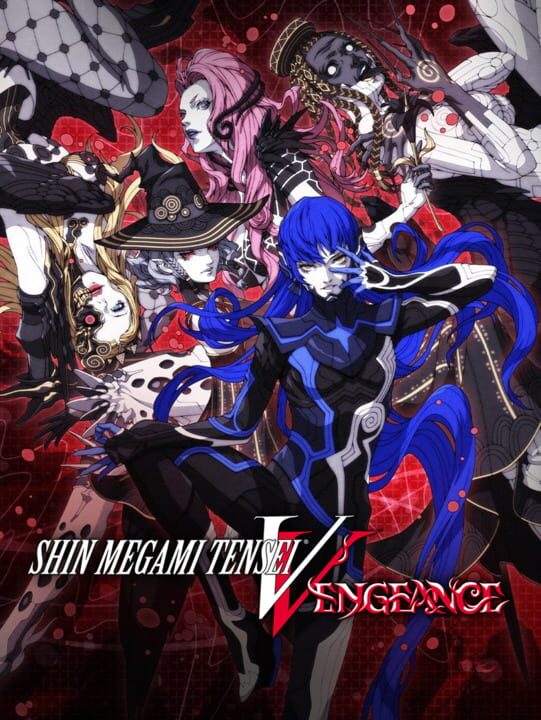
Shin Megami Tensei V: Vengeance
Embark on this definitive version of the critically acclaimed Shin Megami Tensei V, massively expanded with a brand-new storyline featuring new locations, demons, and choices to make that will dictate the fate of all existence.
Released
June 14, 2024
Developer
Atlus
Publisher
Sega


2. Persona 5 Royal

Persona 5 Royal turns a school year in Tokyo into a series of supernatural heists. The Phantom Thieves enter Palaces shaped by corrupt adults and search for a route to each Treasure. Sending the calling card takes another day before the deadline. Finishing early protects more afternoons for Confidants, but limited SP makes an ambitious one-day infiltration difficult during the opening months.
Designed Palaces give that schedule a purpose that the random floors of earlier Persona games lacked. Security levels reward clean ambushes, while Baton Pass lets one character hand an extra action to whoever can reach the next weakness.
By the middle of Royal, upgraded passes and powerful Confidant abilities make ordinary battles too easy. Mementos also falls back on procedural corridors for many side requests. The story repeats conclusions that its scenes already made clear, contributing to a campaign that regularly outstays its own urgency.
ts best added chapter is hidden behind an easy-to-neglect Confidant, but that chapter also gives the game's argument about changing another person's heart its most thoughtful challenge.
1. Metaphor: ReFantazio
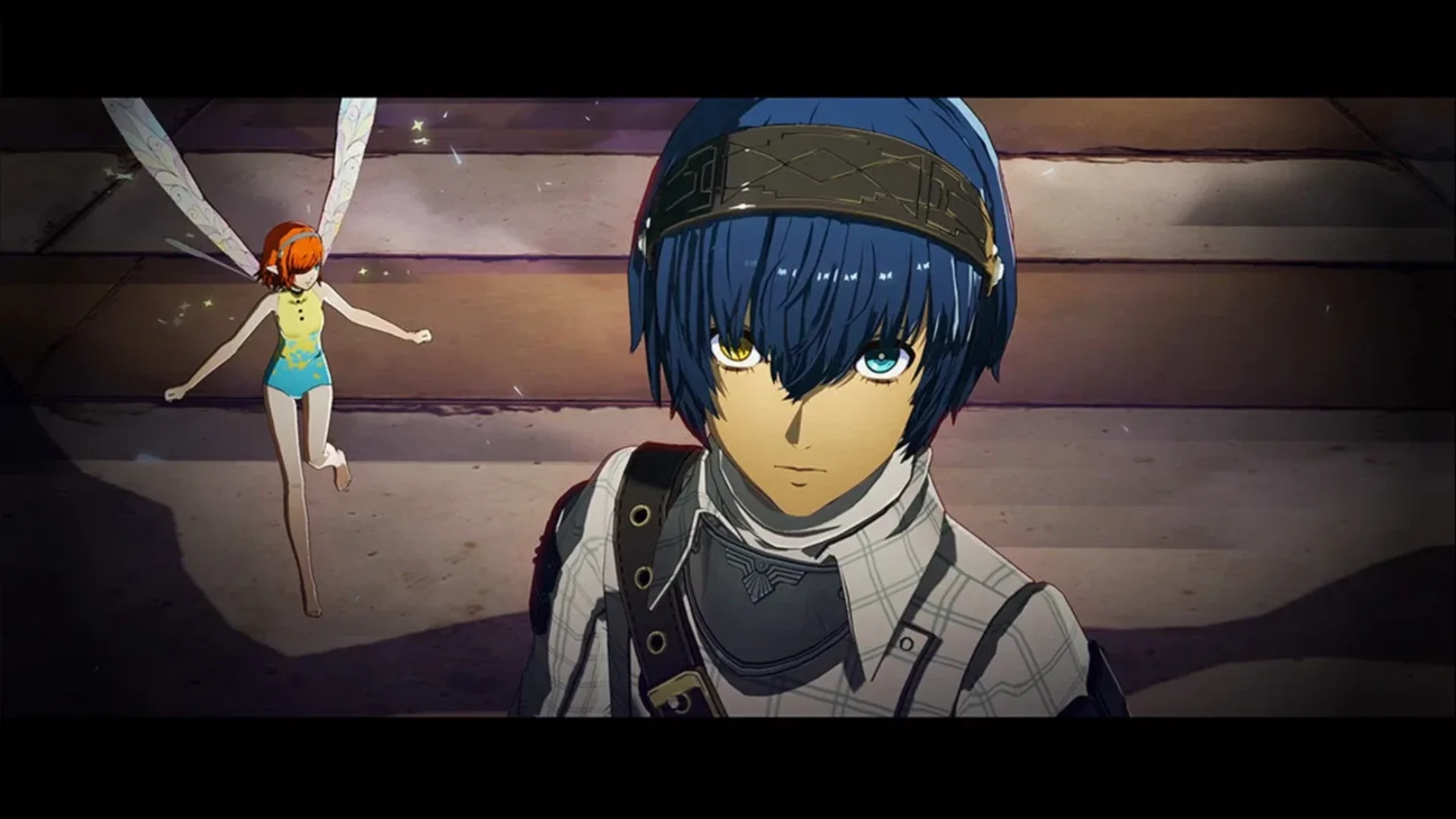
Metaphor: ReFantazio sends its protagonist across the kingdom of Euchronia during a contest for the throne. Traveling aboard the Gauntlet Runner consumes calendar days, so accepting a distant bounty can delay a bond or leave less time for the next story dungeon. The journey turns Atlus's familiar daily schedule into a route across a country rather than a routine around one city.
Archetypes allow every party member to change combat roles. Advancing a Follower relationship can unlock a stronger branch, while skill inheritance lets a character bring one useful part of an old role into a new build. That freedom supports the turn-icon system because a failed boss attempt can be answered by rebuilding the party instead of simply increasing its level. Weather sometimes disables the weakness bonuses that make combat flow, forcing the player either to accept a longer fight or change the travel plan.
The side dungeons reuse layouts too often, and the final stretch explains themes that earlier chapters had already established. Those weaknesses do not break the way travel plans shape the party taken into combat. The campaign's sharpest decisions happen on the Gauntlet Runner, when choosing which distant problem deserves one of the few days left.
Metaphor: ReFantazio
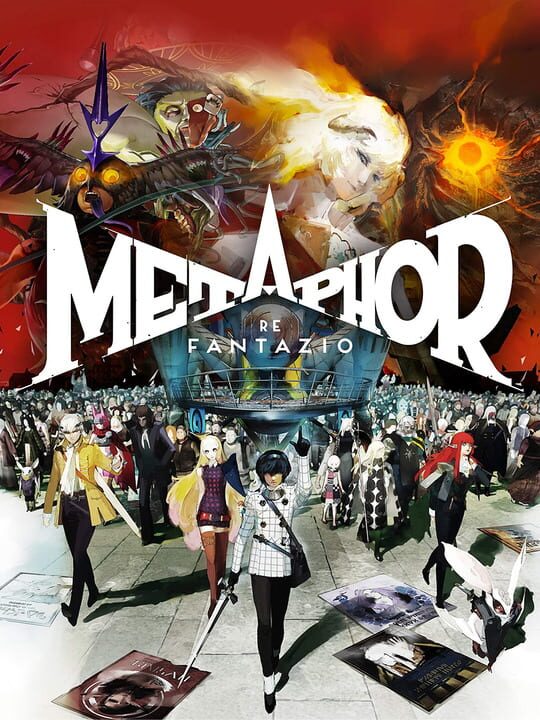
From the creative minds of the Persona series – Metaphor: ReFantazio marks ATLUS’ first ever, full-scale fantasy RPG, brought to you by director Katsura Hashino, character designer Shigenori Soejima, and composer Shoji Meguro. Write your destiny and rise above fear as you step i
Released
October 11, 2024
Developer
Studio Zero
Publisher
Atlus
Tagged In
Discussion
0We want to hear from you. Share your perspective in the comments below, and please keep the conversation respectful.
Log in to join the discussion - vote, reply, and share your take.
Log In