Sony Buttonless Controller Patent Could Rethink Accessible Gamepads
Sony's buttonless controller patent explores movable touch controls, custom layouts and accessibility, while raising questions about tactile feedback.
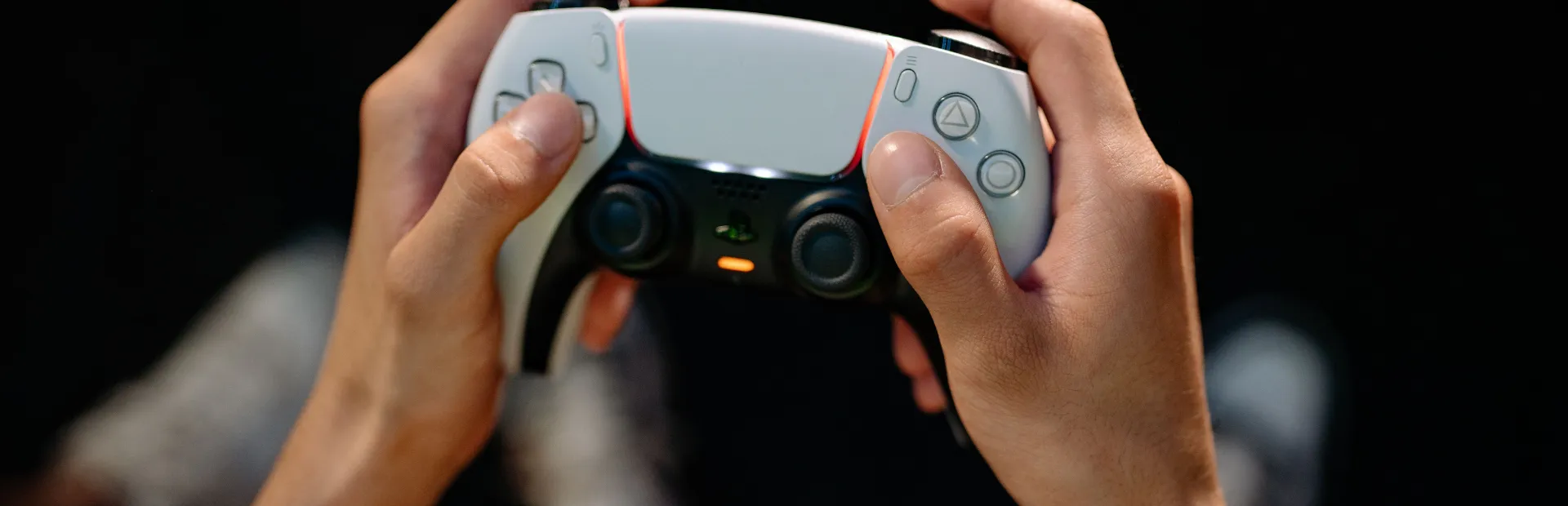
We all know exactly how a PlayStation controller feels the moment we pick it up. Your thumbs naturally find the analog sticks and your index fingers rest perfectly on the triggers. For most of us the classic layout works instinctively. But for millions of others that rigid plastic shell is a massive physical hurdle.
The traditional design locks your hands into one fixed position but a new Sony patent plays with the idea of dropping physical buttons altogether so the digital inputs can actually move around the surface to perfectly match your natural grip.
When you strip away the physical buttons to make a controller completely adaptable, do you actually solve the accessibility problem? Or does losing all that tactile feedback just create a brand new set of barriers?
Inside The Programmable Surface
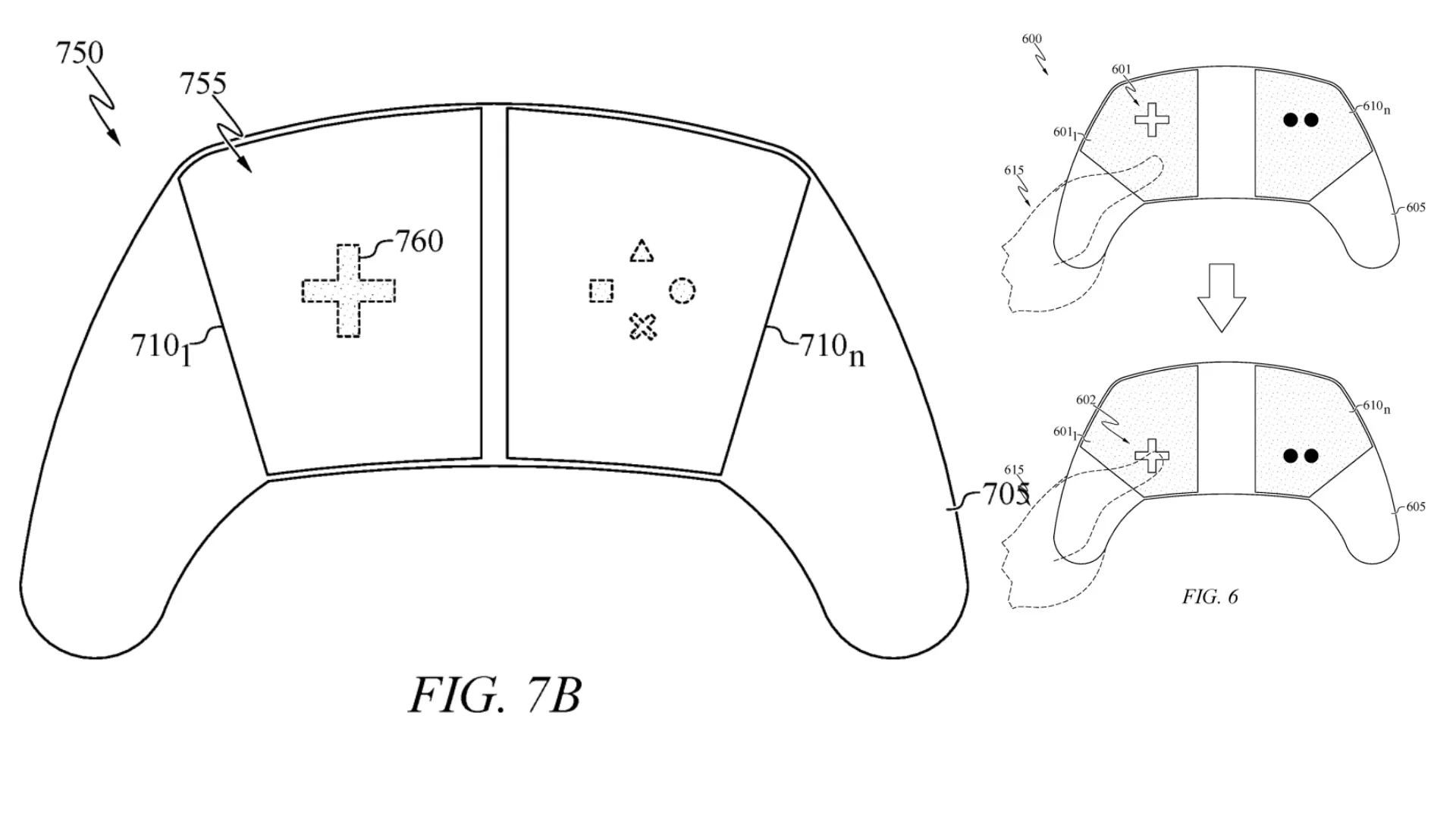
The newly granted patent reveals a completely different approach using input sensors built directly into the exterior shell of the gamepad. The hardware utilizes advanced optical surfaces to detect an incredible variety of complex movements. It registers taps, swipes, full joystick style directional inputs and even a finger hovering slightly above the plastic before you actually press down.
Because nothing is tied to a physical circuit board the entire layout becomes fluid. You can literally drag the directional pad all the way over to the right grip. Individual control zones can be clustered tightly together if reaching across the pad causes you pain.
Players with larger hands can spread the buttons further apart to stop their fingers from cramping and left handed players can mirror the entire layout. The hardware actively scans your grip the moment you pick it up. It determines exactly where your fingers naturally rest and then automatically shifts the digital buttons directly under your fingertips.
The controller actually learns your body and positions the inputs to meet you exactly where you are.
The Physical Barrier Of Traditional Hardware
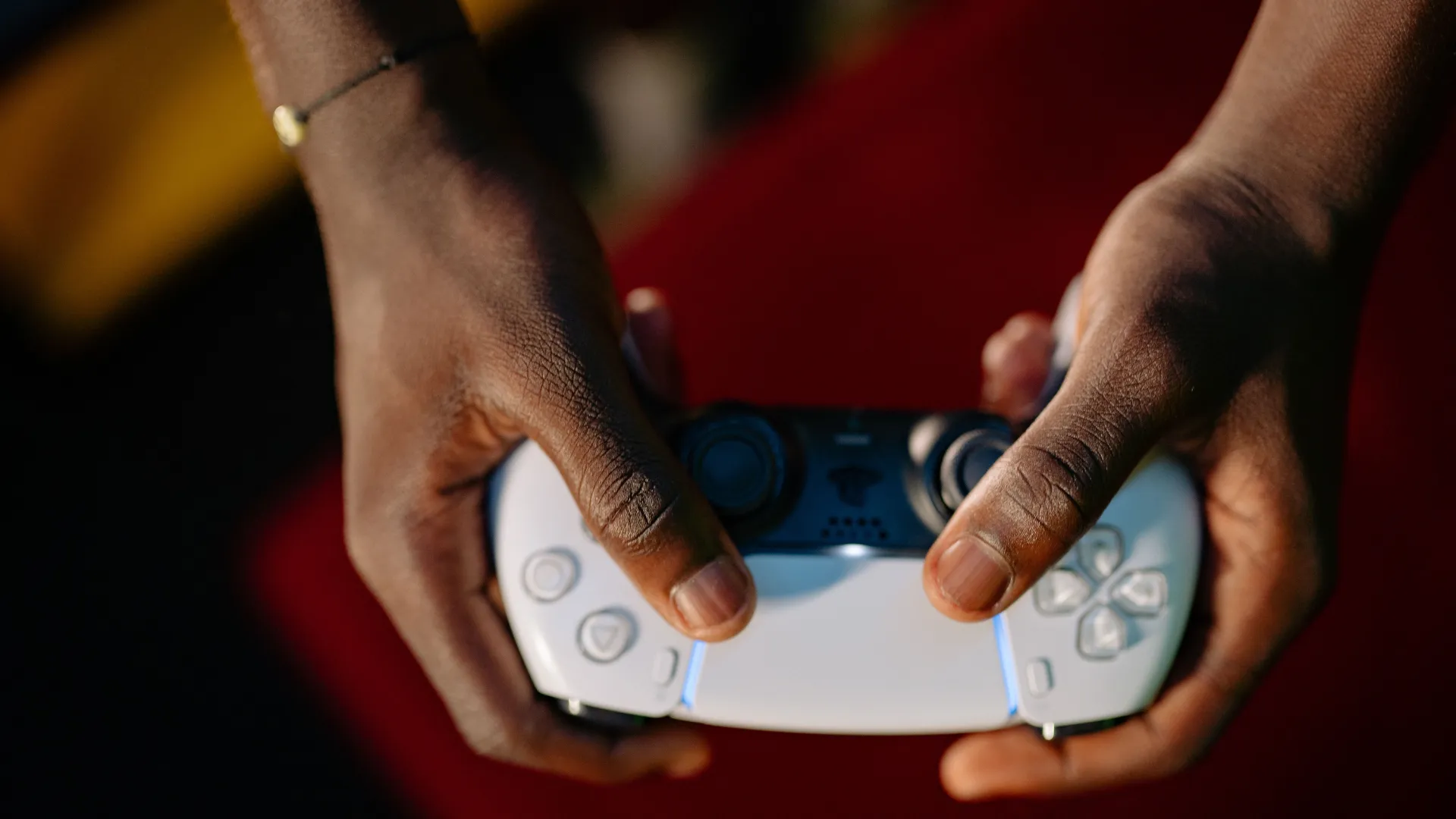
That kind of freedom highlights exactly what modern controllers are actually missing. Every new console promises a revolutionary controller but the basic shape never actually evolves. The stretch from the left stick to the shoulder bumper is permanently locked in place.
Anyone who plays competitive shooters knows the physical toll of contorting your fingers into a painful claw grip just to hit a jump button without losing your aim. The industry completely expects us to bend our hands to fit their rigid plastic.
That locked design shuts a massive portion of the audience out entirely. When a game demands you press two buttons permanently placed three inches apart it creates an impossible physical barrier. Finger strength is another massive hurdle. Mashing stiff face buttons or holding down heavy mechanical triggers gets exhausting fast.
A programmable sensor surface solves both problems at once. You can shift essential inputs directly under your natural resting grip and dial in the exact activation pressure you need to give your hands a break.
While a flat surface will not replace external foot pedals or mouth controls it completely removes the physical strain for millions of players who just need their buttons placed a little differently to play comfortably.
Three Distinct Hardware Philosophies
Two of the biggest console makers are currently tackling that exact physical problem in very different ways. Xbox built the Adaptive Controller as a connectivity hub. They created a flat rectangular board packed with input ports so you can plug in whatever custom switches pedals or arcade buttons you already use. It acts as a bridge between the console and your existing accessible gear.
PlayStation Access went down the modular route. Sony released a circular kit that lets you snap different physical buttons and analog sticks together to build a custom shape. You physically rebuild the actual controller around your specific needs every time you want to play something new.
This newly granted patent creates a third completely distinct category. It leaves all the physical expansion ports and mechanical modular switches behind. The controller simply moves the buttons virtually across the surface using pure software algorithms to solve a physical hardware problem.

The Missing Tactile Illusion
When you sit down to play a game you never look down at your hands. You know exactly when you are hitting the right trigger or resting your thumb on the directional pad because you can feel the physical edges of the plastic.
You gauge the mechanical resistance of the springs and memorize the tiny resting points between the face buttons. A completely flat sensor surface wipes out all of that muscle memory you built up over the years.
That lack of physical feedback creates a nightmare scenario for low vision or totally blind players who rely completely on feeling those buttons to navigate complex game menus and environments.
We actually saw this issue play out back in the early nineties with a third party peripheral called the Turbo Touch 360. That controller swapped the standard physical directional pad for a flat touch sensor and players absolutely hated it. Without physical edges to guide your thumb you constantly moved the wrong way by accident. Sony clearly knows this is a massive issue that needs solving. The patent paperwork specifically mentions adding advanced haptic feedback systems or utilizing surfaces that can physically change shape under your fingers.
They want to create digital buttons that provide actual physical resistance so you never have to break your focus and stare at your hands while trying to survive a boss fight.
Looking Beyond The Plastic Shell
There is zero proof we are getting a completely smooth programmable controller anytime soon. A massive number of patented concepts never actually make it out of the research lab and into retail packaging. Right now this is just a fascinating glimpse into how PlayStation engineers are testing radical ideas behind closed doors.
Even if this exact piece of hardware never ships it proves that the hardware team is looking way beyond the classic plastic shell we have been using for decades.
The industry is finally asking whether the actual surface of the controller can simply adapt to wherever your hands naturally want to rest. It is a brilliant concept that could fundamentally change how we interact with video games over the next ten years.
Tagged In
Discussion
0We want to hear from you. Share your perspective in the comments below, and please keep the conversation respectful.
Log in to join the discussion - vote, reply, and share your take.
Log In