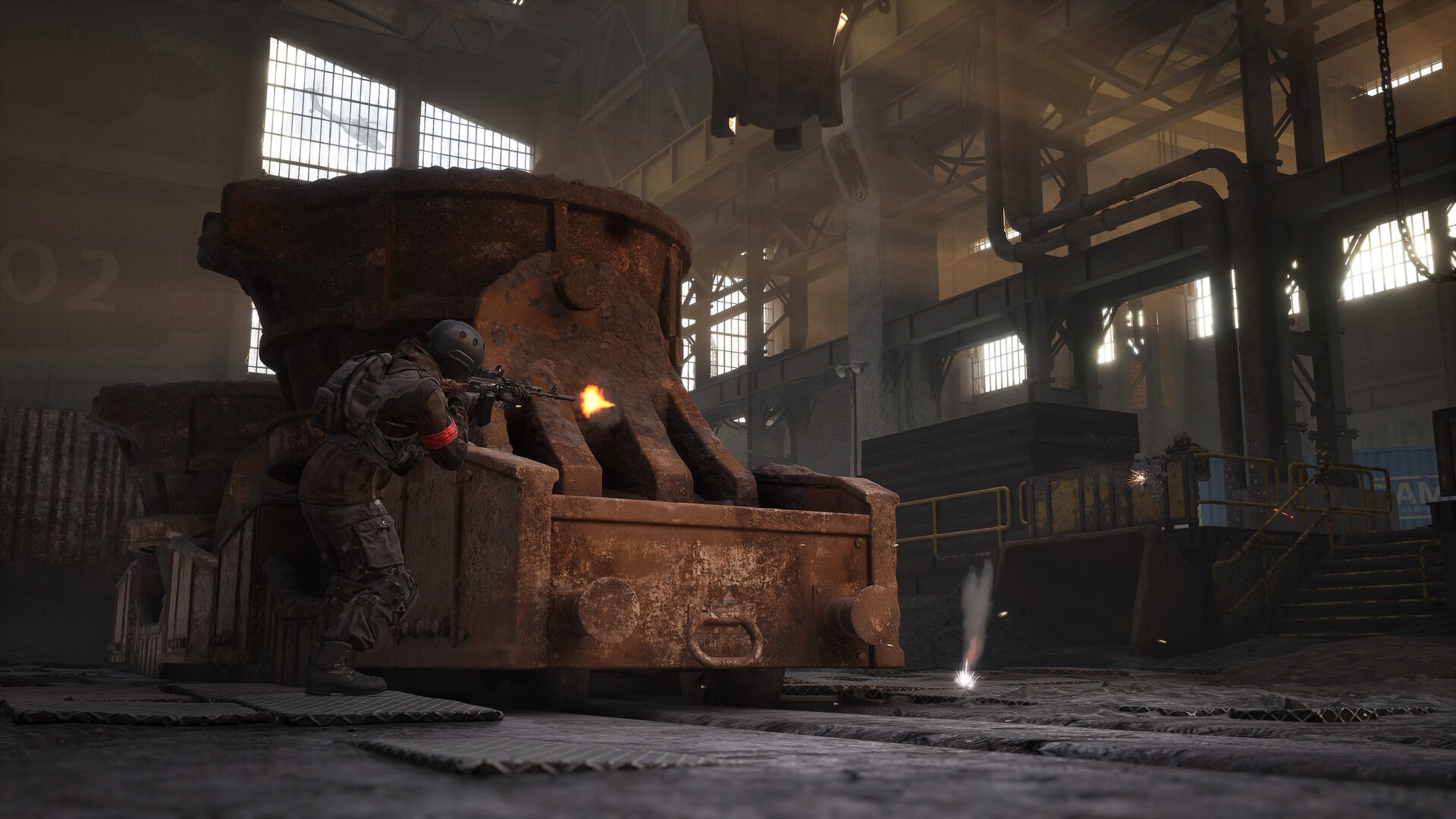
Wardogs took good feedback too far in Season 2
Bulkhead rushed to fix Wardogs' Season 2 complaints and handed the winning side new advantages. Its Season 3 plan is more selective.
Lonestar, the blue faction in Wardogs, was losing far more often than its rivals, while slow progression kept some players from unlocking the equipment they wanted for their preferred roles. Bulkhead tried to address both complaints in its October 15 Season 2 update, and the patch notes initially received a positive response. Within a day of launch, however, the studio had already removed a bonus intended to help Lonestar catch up.
In its November 6 Season 3 preview, UI and UX director Howard Philpott admitted that the team had rushed to address negative reviews and taken some of the fun out of the game. The complaints were legitimate, but Bulkhead hadn't considered how players on the winning side could exploit changes designed to help those falling behind.
Lonestar offered the best deal to players who needed it least
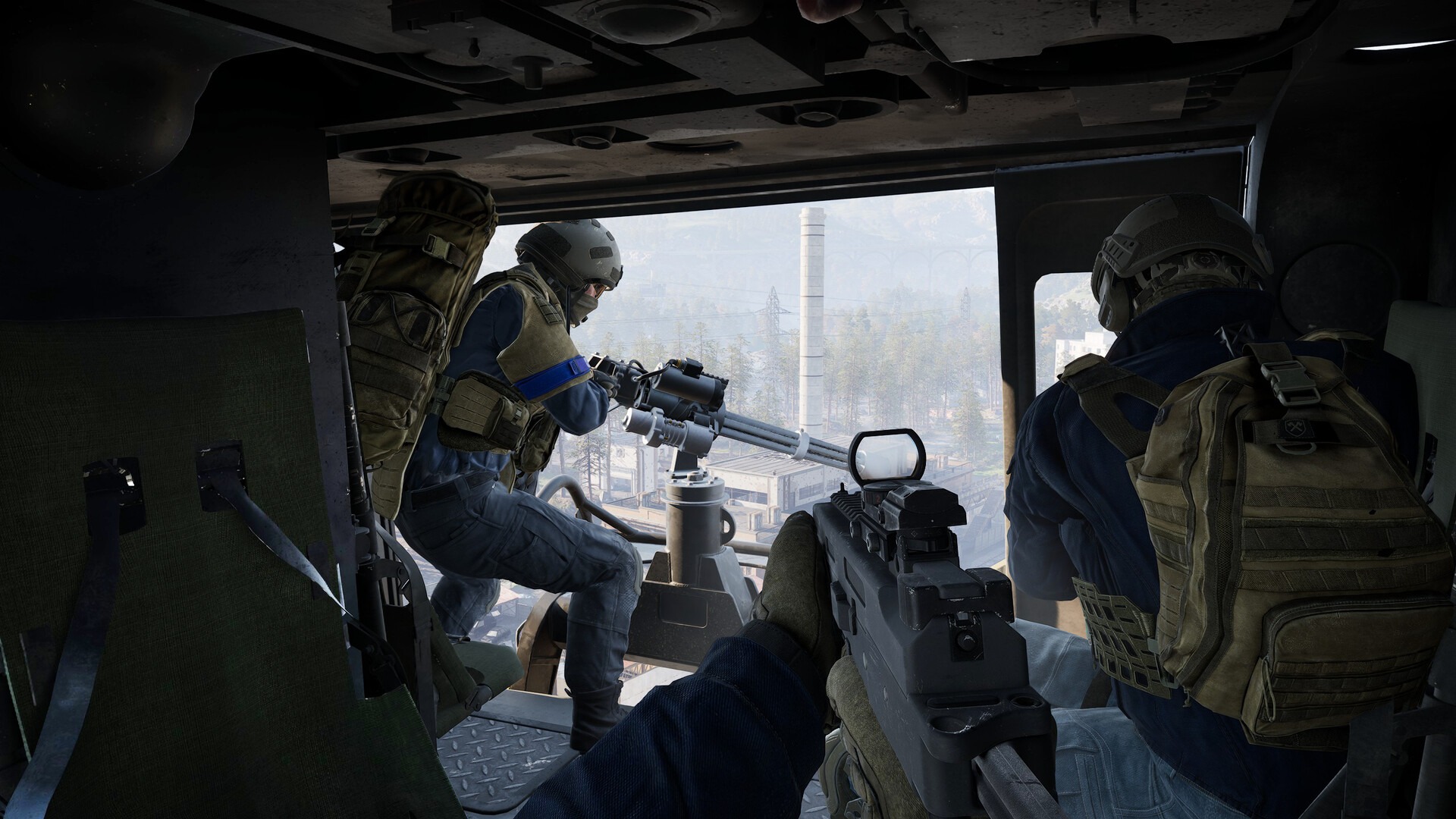
Lonestar struggled throughout Wardogs' first season. Its blue uniforms made players easier to spot, while some spawn locations gave the faction a worse route to the contested zone. Losing became part of its reputation. Experienced squads would wait at the selection screen for a spot on red or green, leaving blue with fewer capable players to turn things around.
For Season 2, Bulkhead redesigned all three spawn locations on Bakurani and gave Lonestar 5% extra cash and 2.5% more XP. The bonuses offered little to struggling newcomers, but skilled players could earn considerably more. A pilot repeatedly ferrying squads to the objective, for example, stood to gain far more than someone managing a few revives.
Cash also carries into the next match, allowing players to purchase better loadouts. Organized squads now had an incentive to choose blue, earn more money and return with better equipment. CEO Joe Brammer acknowledged that average players gained little from the bonuses, while the highest earners benefited substantially. Lonestar soon went from the weakest faction to winning more matches than either rival.
Bulkhead removed the bonuses within a day but kept the redesigned spawns. With both changes introduced together, it was difficult to tell whether the new starting positions had improved Lonestar's chances or experienced squads had simply followed the extra rewards.
A separate vendor discount remained available to whichever faction was trailing significantly behind second place. Unlike the Lonestar bonus, it responded to the score during a match instead of rewarding everyone who picked a particular color.
Easier unlocks brought the endgame forward
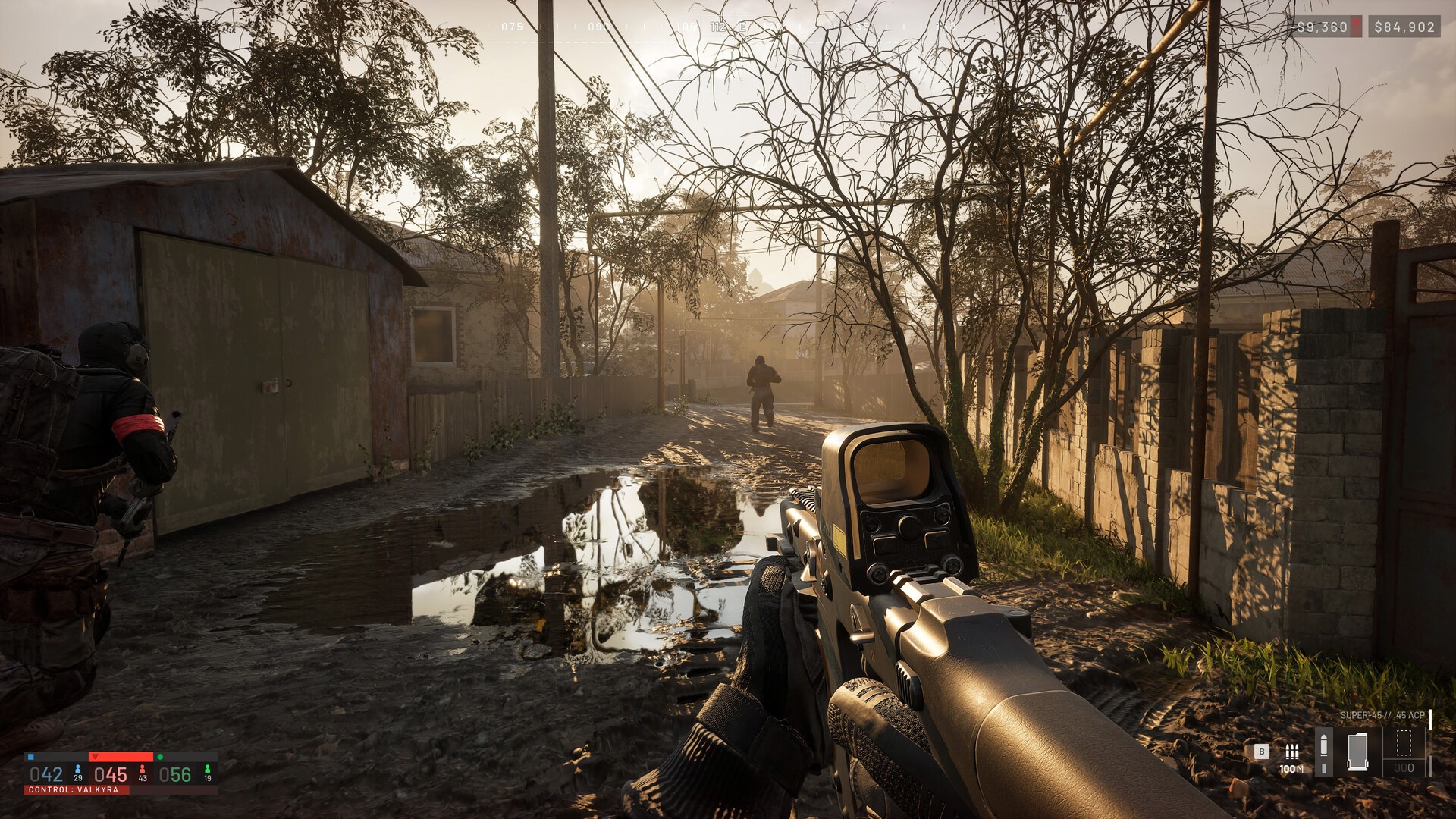
Bulkhead also found that players were struggling to progress beyond levels 10 to 20, leaving equipment for their preferred roles out of reach. In Season 2, the studio more than halved the XP required to reach level 20 and made many weapon attachments available earlier. But experienced players benefited just as much. After each wipe reset cash and levels, infantry battles previously dominated the early stages before heavy armor and attack vehicles appeared. With faster progression, dedicated players could unlock powerful equipment sooner, leaving casual players facing better-equipped opponents when they returned.
Wardogs had sold three million copies by the launch of Season 2, but its player base was shrinking. Bulkhead admitted that watching players leave was difficult, even though the team had expected an initial drop. Negative reviews highlighted problems worth addressing, while players enjoying the existing progression had little reason to ask for changes.
By speeding up unlocks for everyone, Bulkhead shortened the early-game battles that some players had been enjoying, without necessarily helping casual players keep up.
A tank on day one called for a different fix
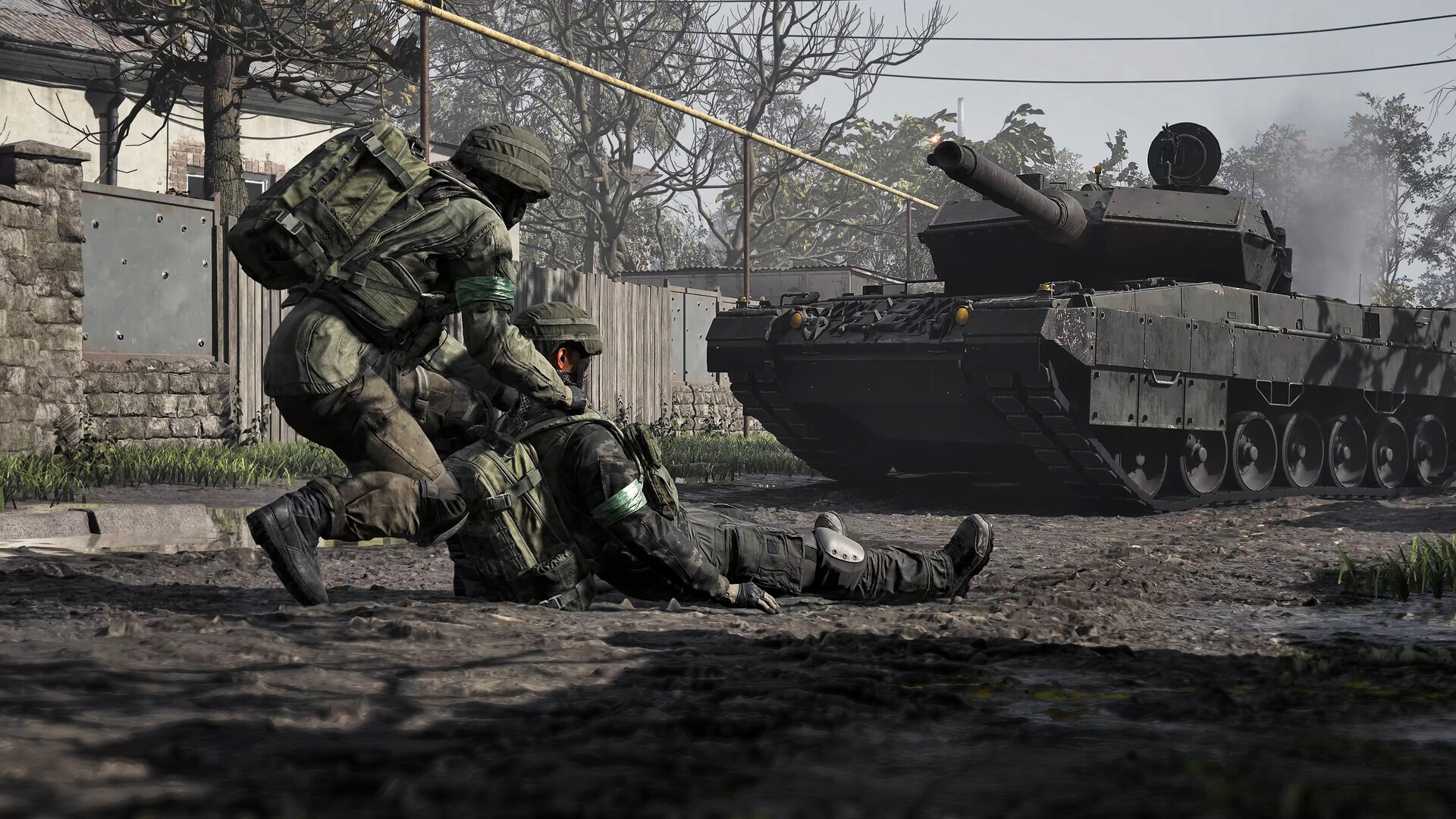
Faster progression wasn't the only reason tanks appeared so early in Season 2. A bug in the Driver unlock system also allowed some players to access them much sooner than intended. Unlike the broader progression changes, Bulkhead could fix this specific issue without adjusting unlock requirements for everyone. The studio corrected it in the same update that removed Lonestar's bonuses.
Cheating was another problem that called for a targeted response. Bulkhead had originally scheduled some of its anti-cheat improvements for 2027, but data collected since launch allowed the studio to train its machine learning system earlier. When the new measures went live on November 6, Bulkhead reported banning 185,000 accounts.
Both cases show where a quick response to player complaints was justified.
A pilot shouldn't have to switch roles for ammunition
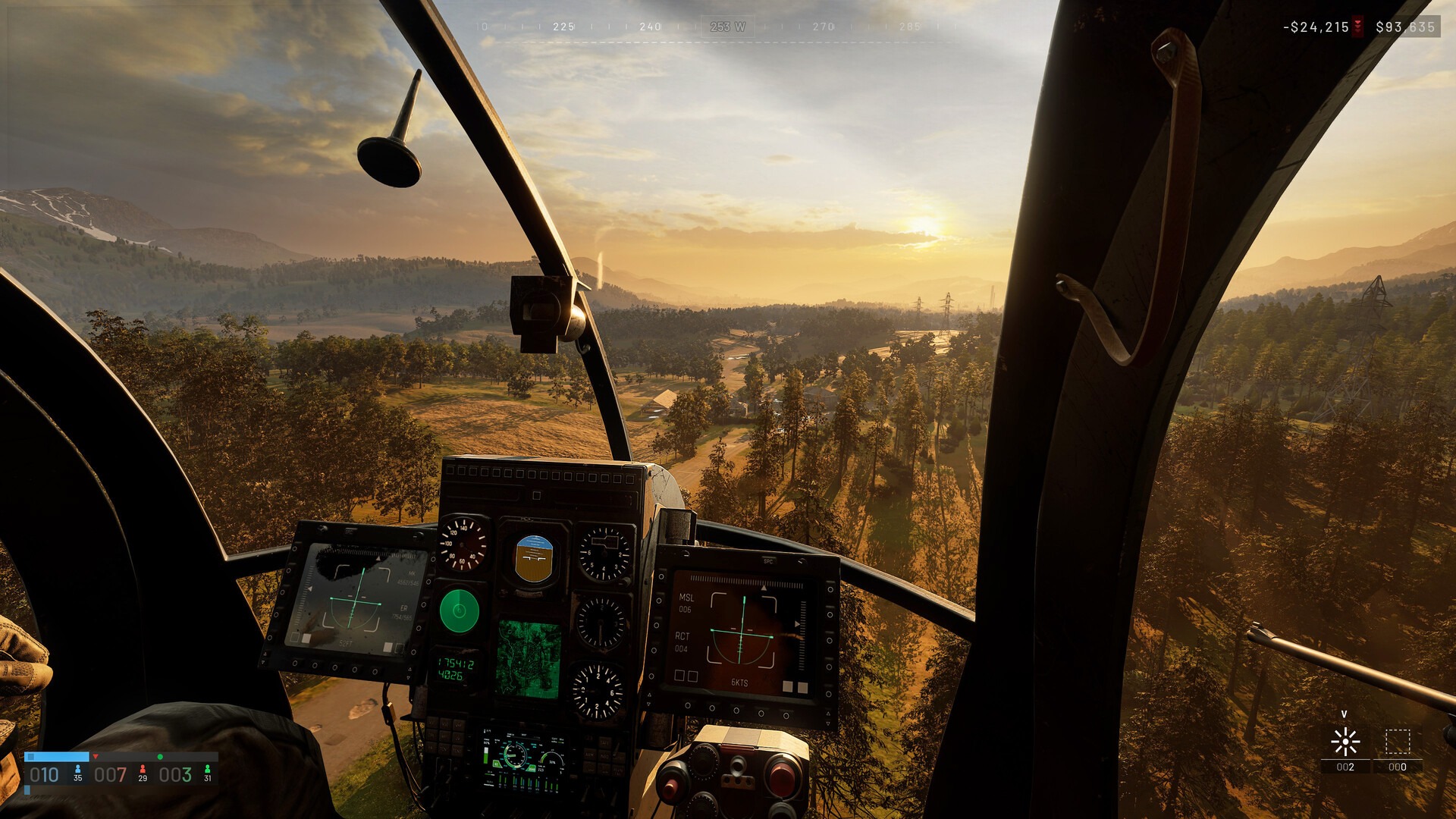
After the problems with Season 2, Bulkhead says it will stop experimenting with faction bonuses and rushing changes in response to negative feedback. Season 3 instead focuses on complaints the studio can address without disrupting progression for everyone.
One example is the Little Bird helicopter's armor-piercing ammunition. Previously locked at level 140 on the general Wardog track, it could be earned faster by playing other roles. Someone who preferred flying helicopters was effectively encouraged to leave the cockpit to unlock better ammunition for their aircraft.
Starting November 12, equipment used across multiple roles will become available through their respective unlock tracks. Little Bird pilots can earn their ammunition by flying, while Bulkhead brings overall progression closer to Season 1's slower pace.
Season 3 also introduces Limited Mode for players who preferred the infantry-focused battles at the start of a wipe. These servers will restrict armor to tier 2, limit ammunition to full metal jacket rounds and reduce the number of attack vehicles. The exact restrictions are still being finalized.
Cash and XP will carry between regular and Limited servers, allowing players to switch without losing progress. Friends can enjoy early-wipe firefights without giving up the equipment they've earned elsewhere, while those who prefer tanks and heavier combat can continue playing normally.
Rather than changing progression for everyone to satisfy different groups of players, Bulkhead is giving them more control over how they play Wardogs.
Season 3 needs to hold up beyond opening night
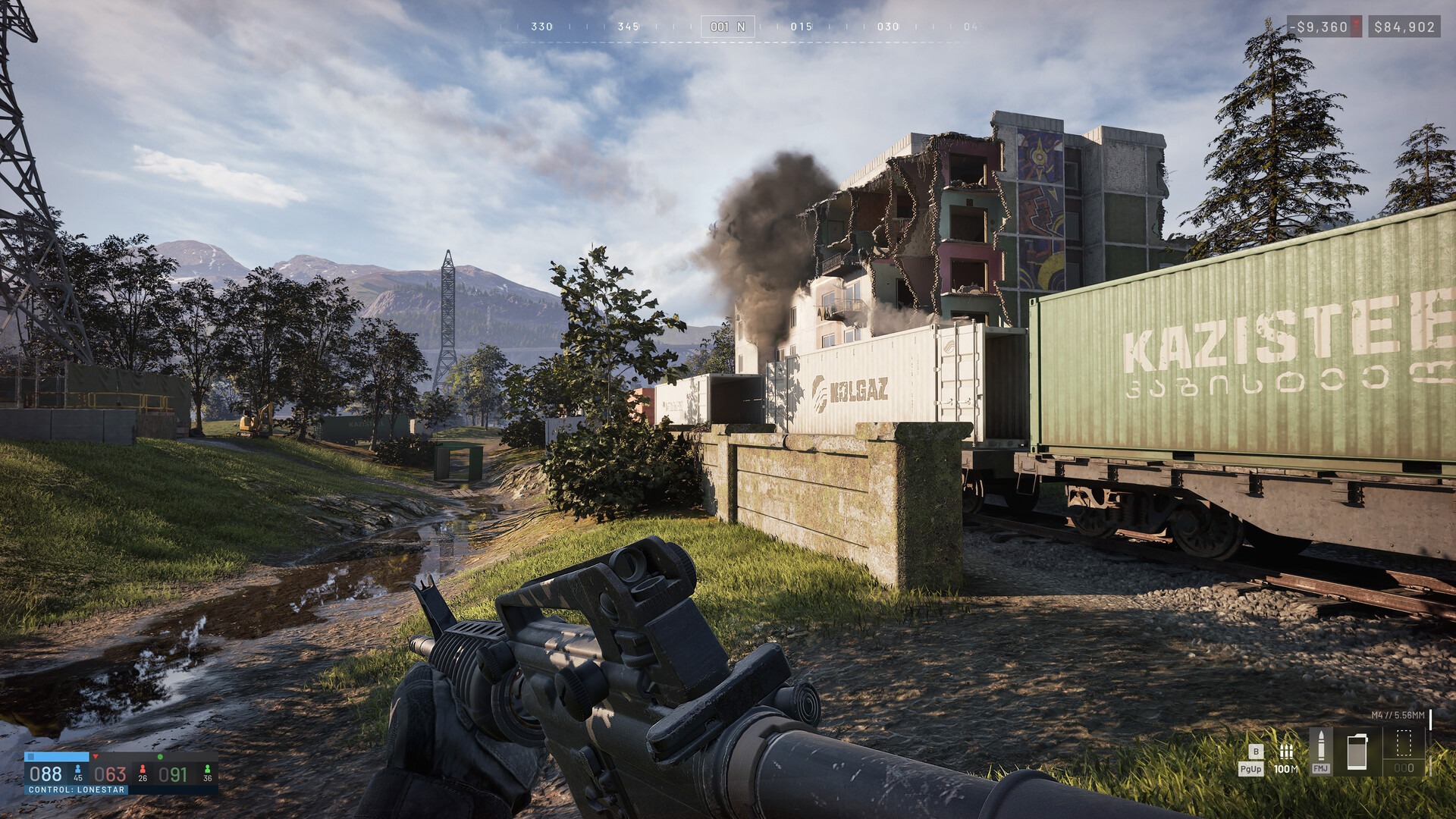
With three-month seasons and the new urban map Sabatulo, squads have more time to progress and new territory to explore. But after a few weekends, experienced players will know the map and have better gear. Limited Mode should give those who fall behind somewhere to enjoy infantry combat without constantly facing tanks and attack vehicles.
Bulkhead learned that fixing a complaint can create new problems for players who were happy with the game. Season 3 takes a more selective approach, but its success won't be decided by another round of positive patch notes. The real test is whether occasional players still want to return once the regulars have pulled ahead.